
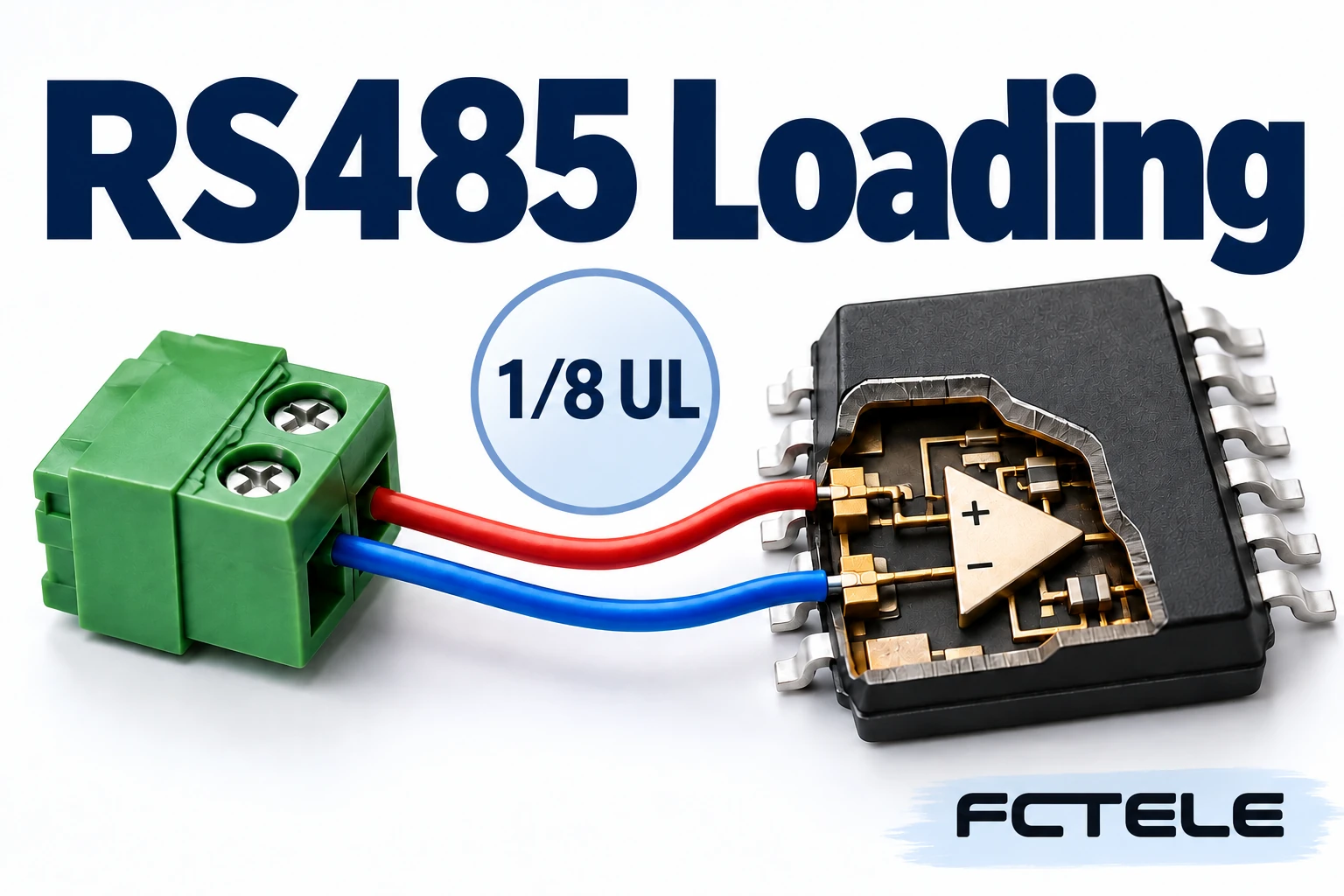
Why Counting RS485 Devices Is Not Enough: Unit Loads and Driver Budget
Understand how parallel receiver inputs load an RS485 driver, why 32 unit loads do not mean 32 boxes, and why a low-load receiver does not guarantee a field node count.
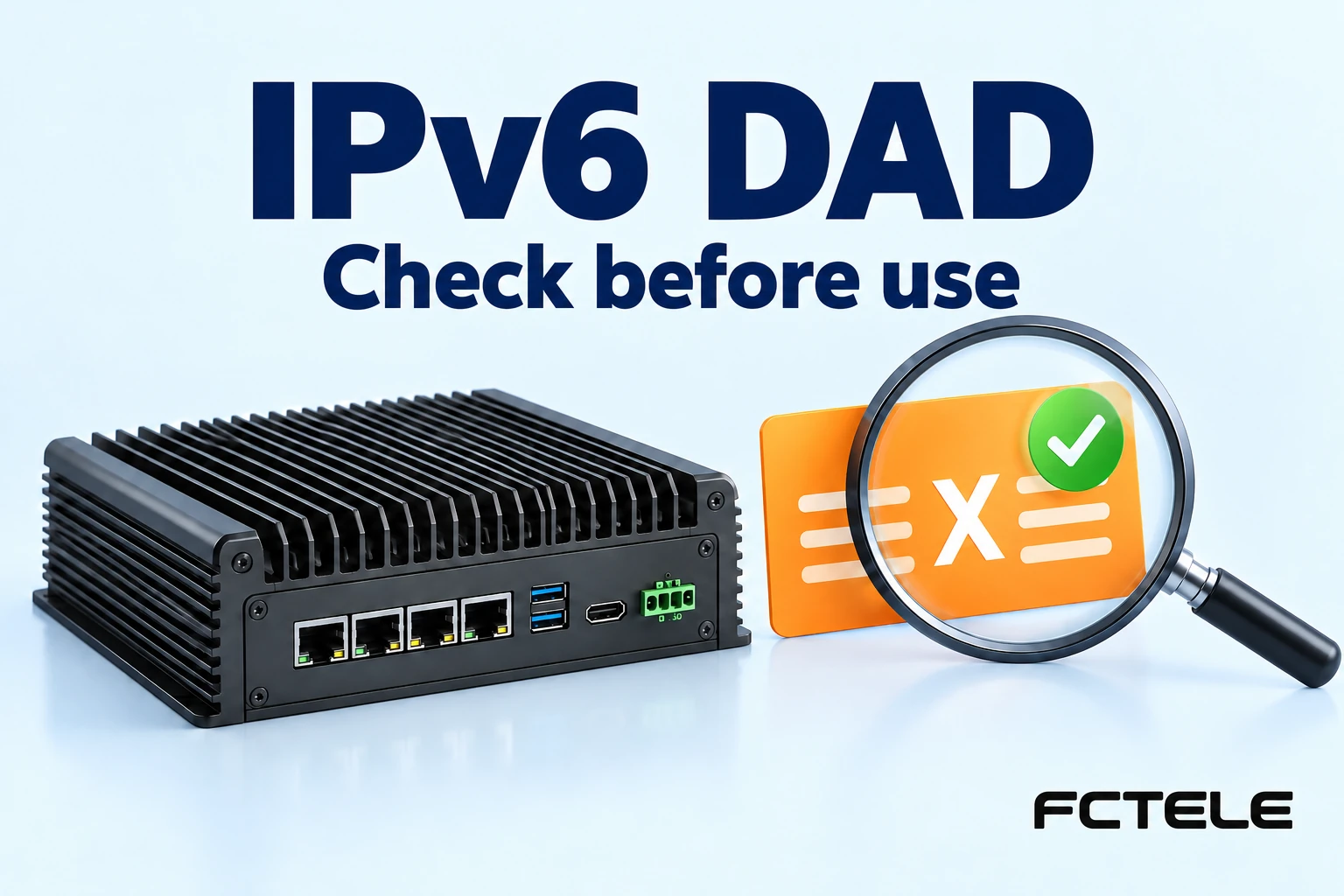
Why Is an IPv6 Address Still Tentative? Duplicate Address Detection Explained
Learn how tentative IPv6 addresses, NS and NA messages, and the local-link boundary work in classic DAD—and why passing this check does not prove an industrial application works.
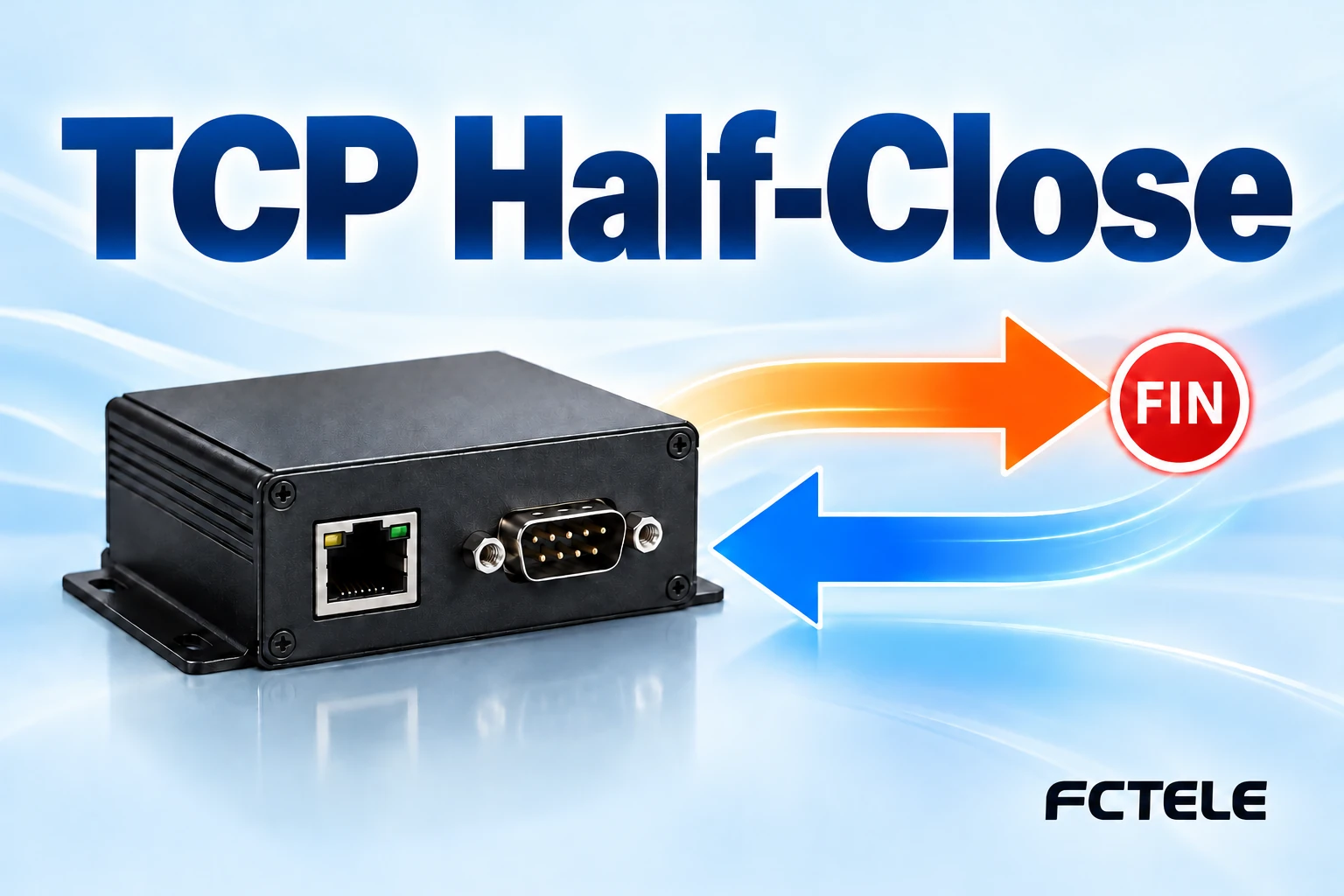
Why Replies Can Arrive After FIN: TCP Half-Close Explained
A plain-English guide to directional TCP closure, FIN timing, unread receive buffers and the separate question of whether a serial device completed its work.
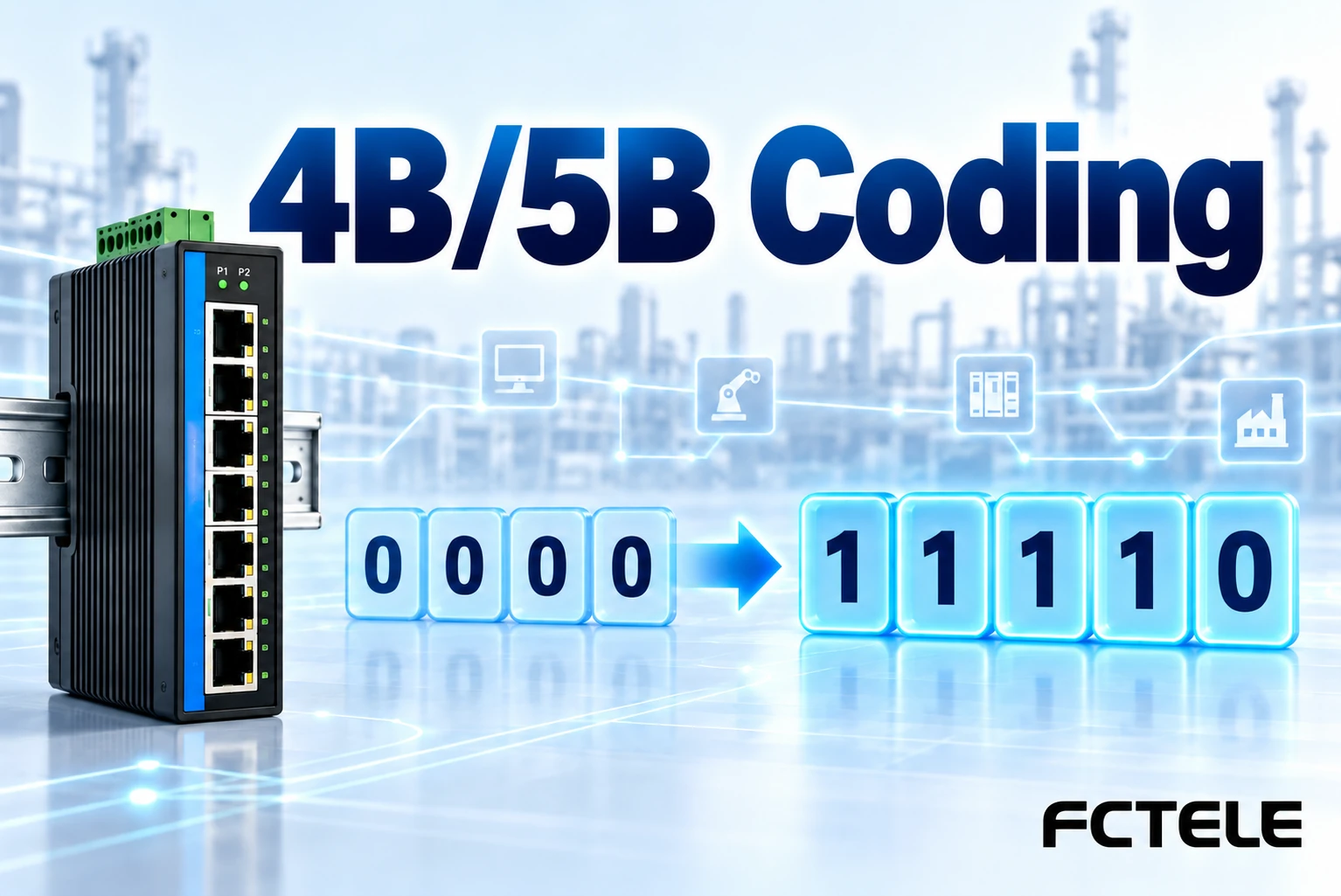
Why Ethernet Rewrites Bits: 4B/5B Coding Explained
Understand why Fast Ethernet maps four data bits to five code bits, how NRZI represents changes, and why copper and fiber follow different signal paths.
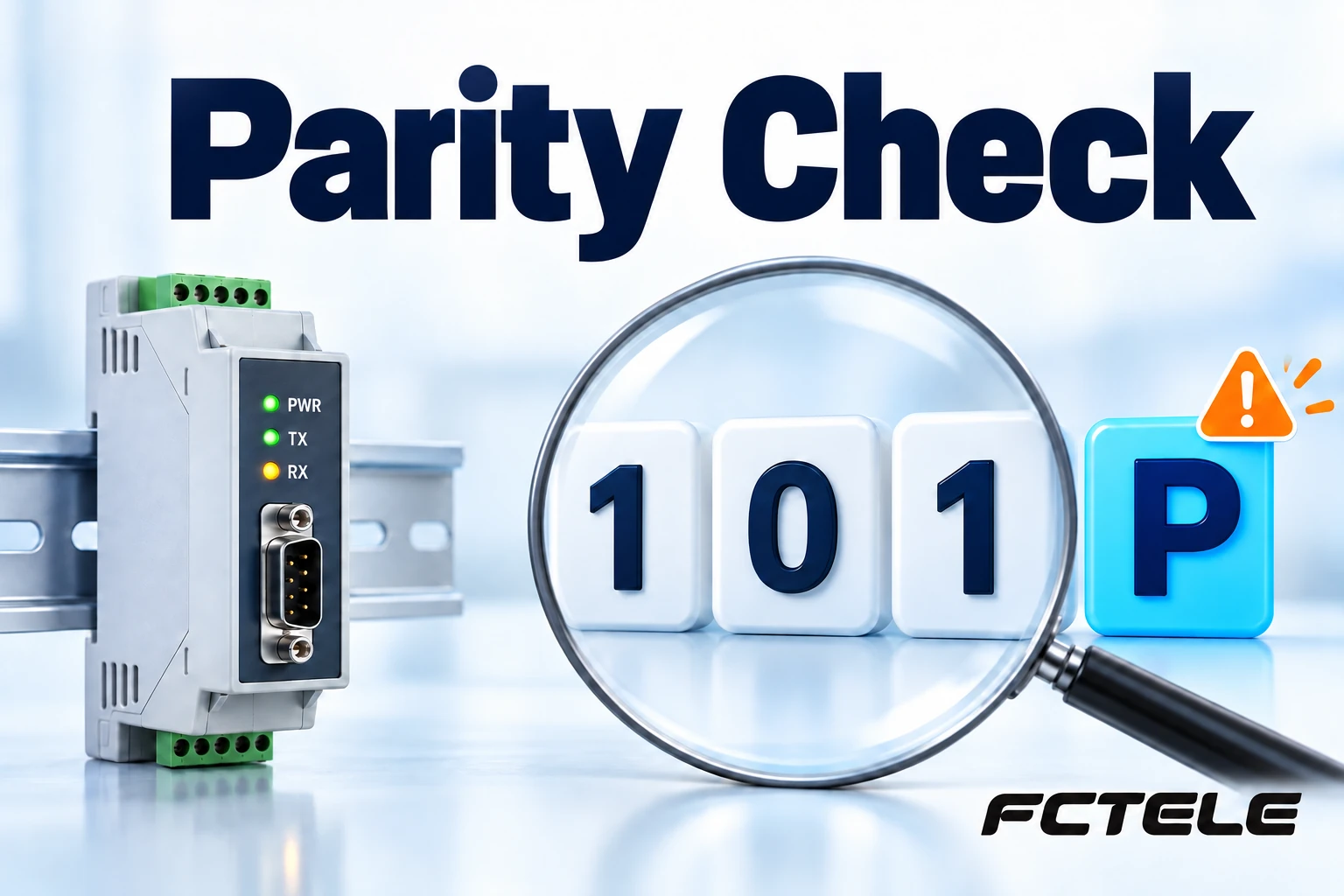
UART Parity Explained: Why Corrupted Bytes Can Still Pass
A plain-English guide to UART parity bits, single- and two-bit error examples, and the separate checks inside serial-to-Ethernet communication paths.
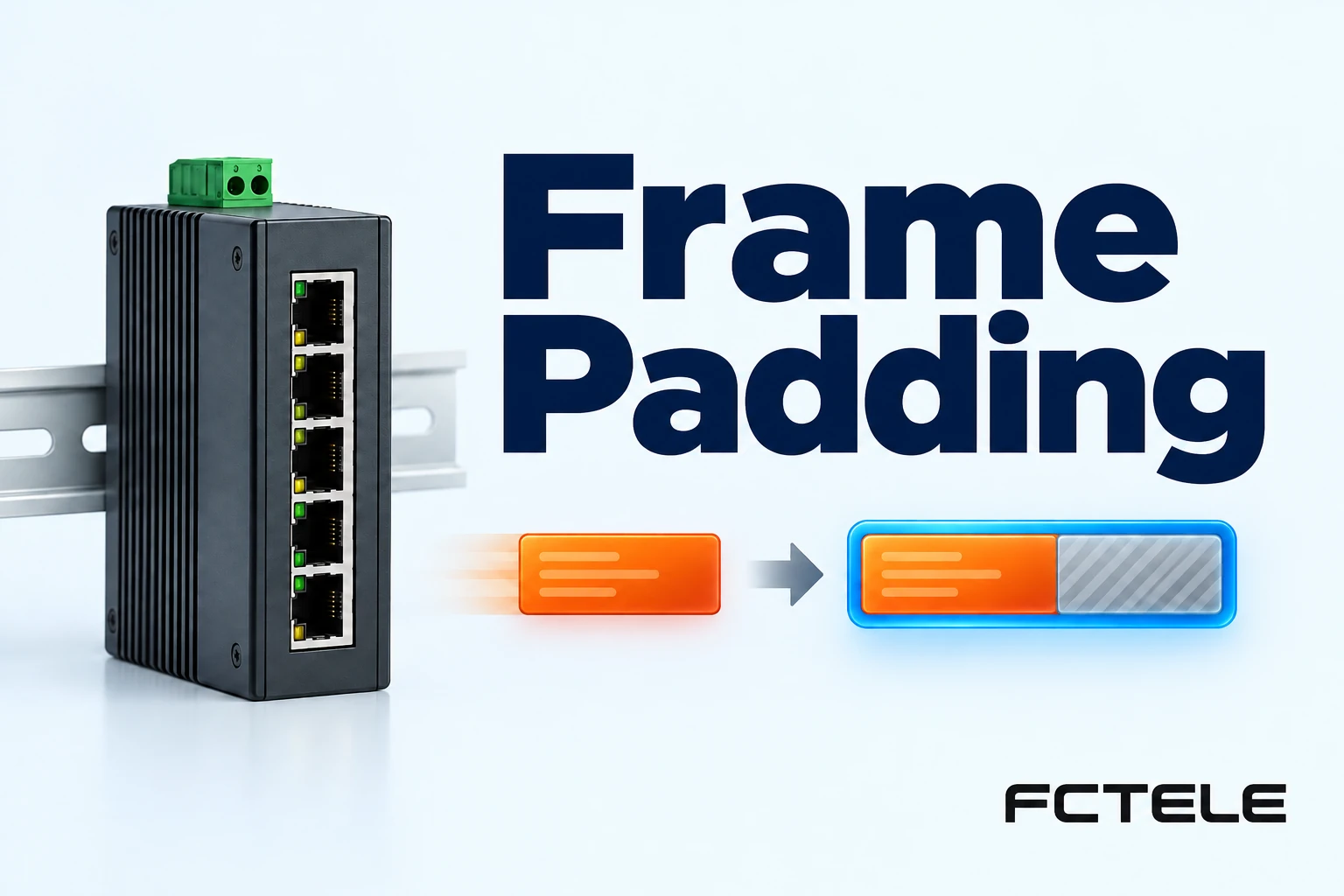
Ethernetフレームのパディングを解説:短いメッセージとキャプチャ長が異なる理由
パディングが挿入される位置、64バイトのMACフレームに含まれる内容、そして60バイトのキャプチャだけではフレームが最小長未満であると証明できない理由を解説します。

Dying Gaspの解説:ネットワーク機器が電源喪失時に最後の通知を送る仕組み
Follow stored energy, power detection, link OAM and management paths to understand a final power-loss notification and its limits versus redundant power, a UPS and a broken link.
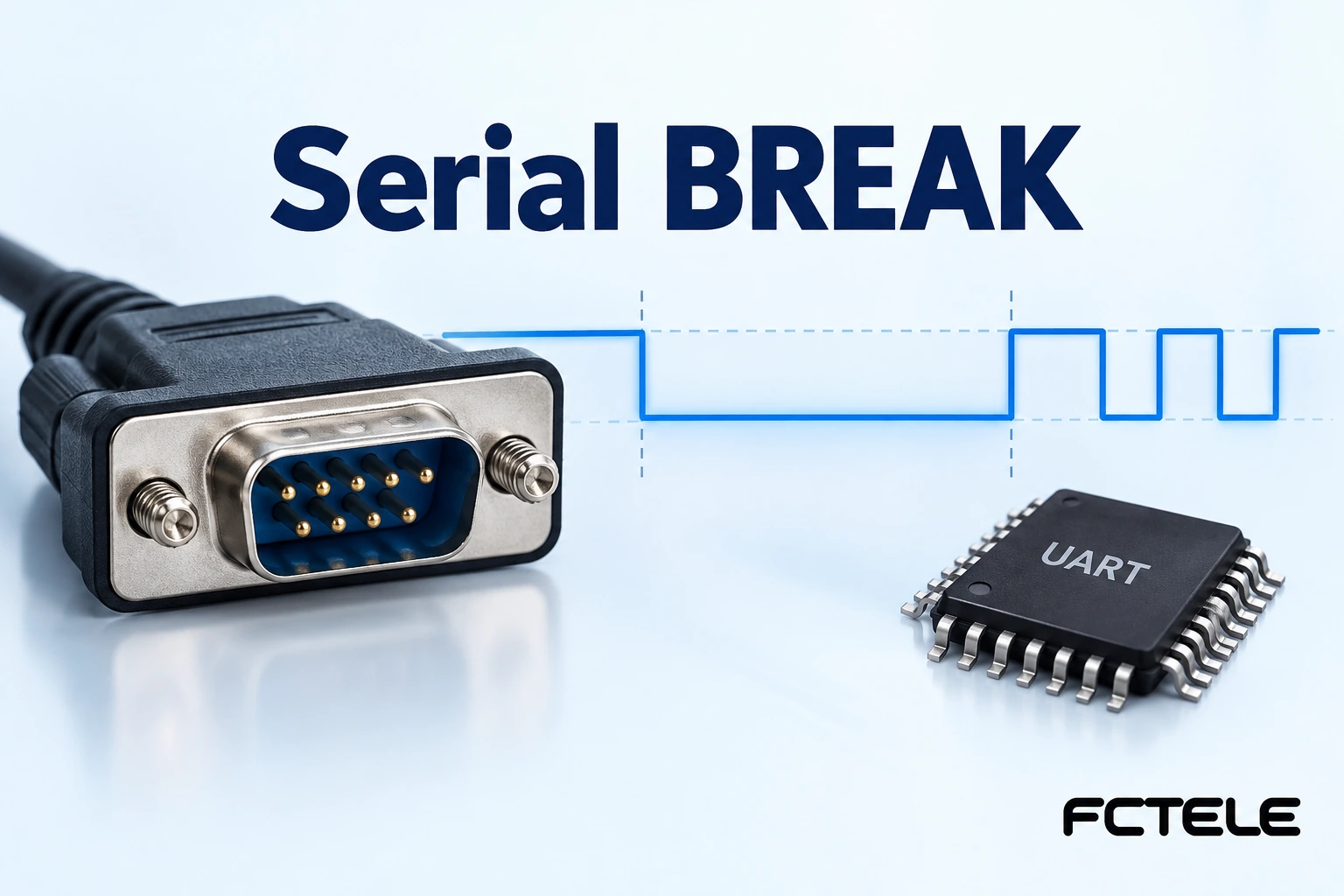
シリアルBREAK信号:持続する信号状態がケーブル切断を意味しない理由
Understand how serial BREAK differs from 0x00, cable disconnection and framing errors, and what to verify when a serial device server carries data and control.
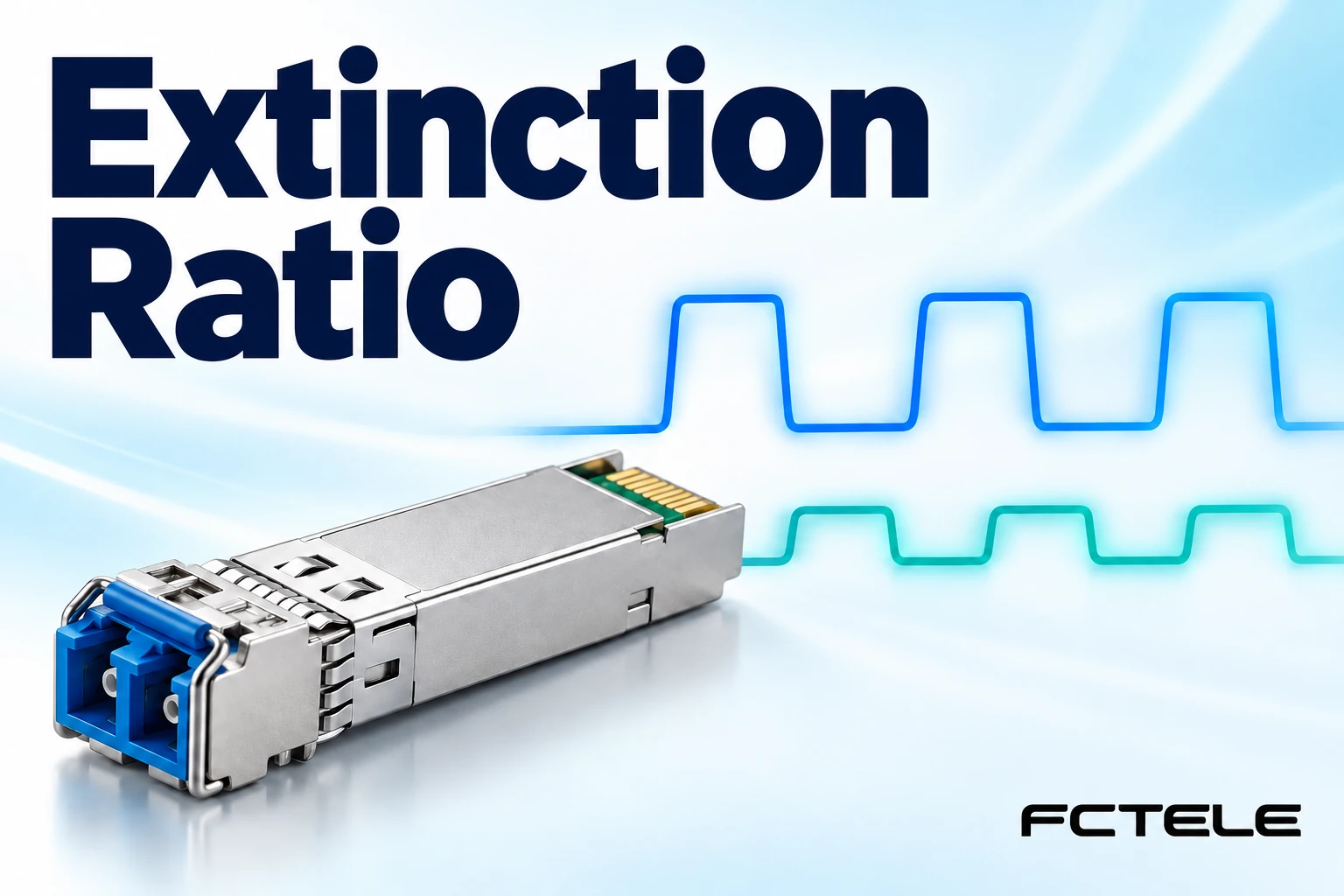
Optical Extinction Ratio: Why Average Power Does Not Describe Signal Clarity
Understand optical extinction ratio through two light levels, equal-average waveforms and test-instrument roles. Separate average power, eye quality and errors in an industrial fiber link.
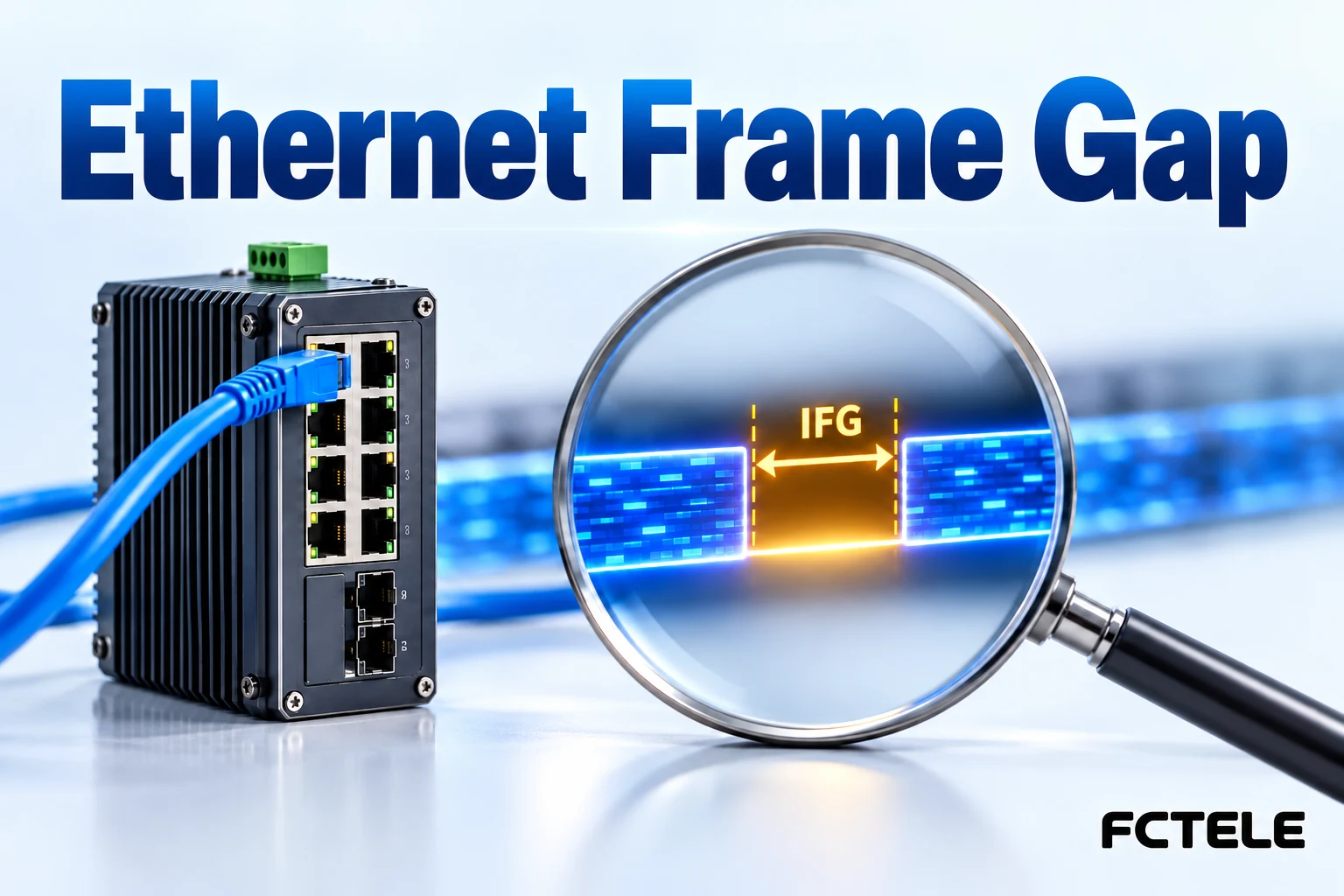
Ethernetのプリアンブルとフレーム間ギャップ:フレームに境界が必要な理由
Understand Ethernet preamble, SFD and interframe gap in plain English, including capture limitations, small-frame overhead and the difference between IFG and queuing.
