
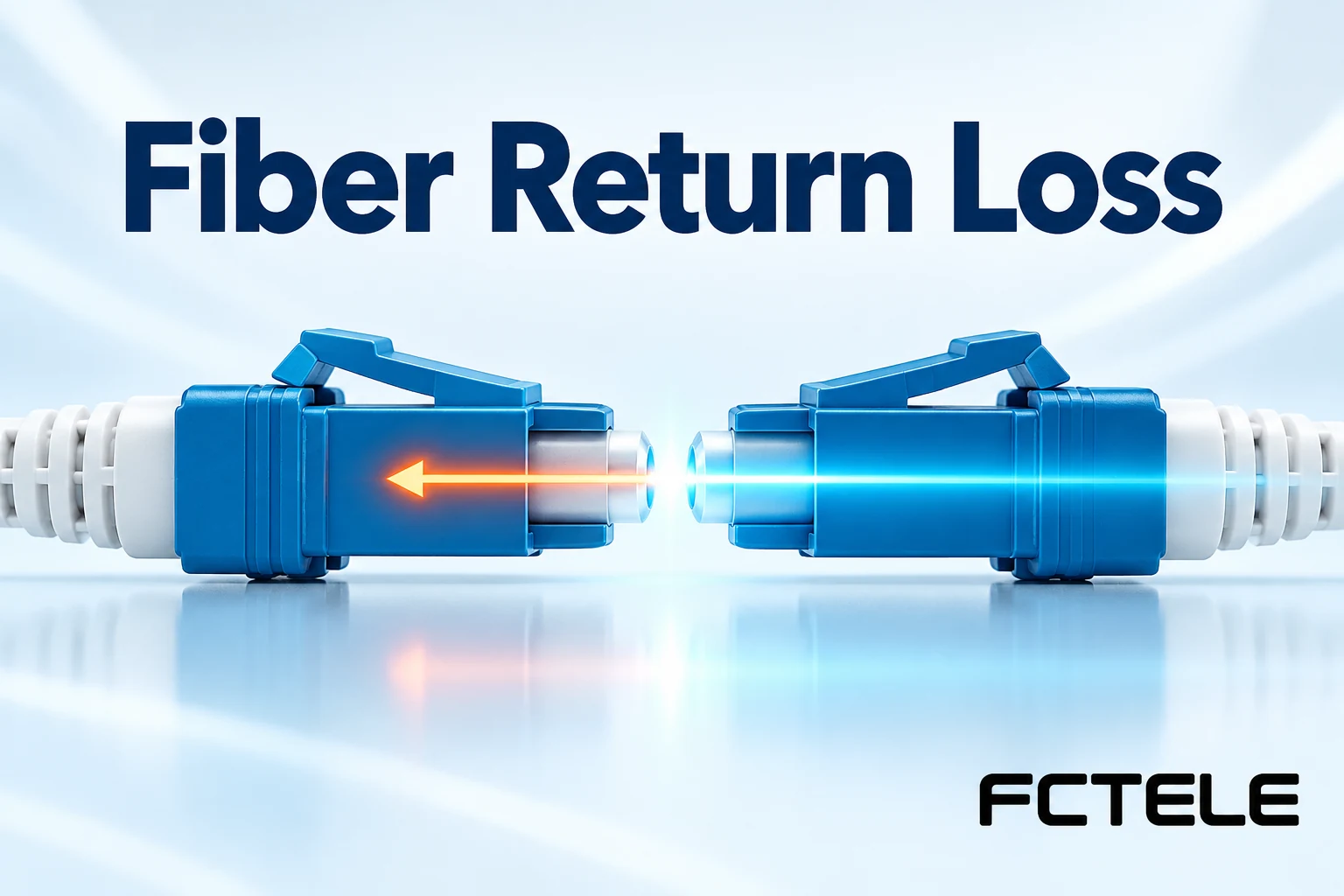
光ファイバーの反射減衰量:測定値が高いほうがよい場合がある理由
順方向の損失、反射光、光反射減衰量を平易に解説するガイド:符号の読み方、測定範囲の定義、光ファイバーリンクの検証。
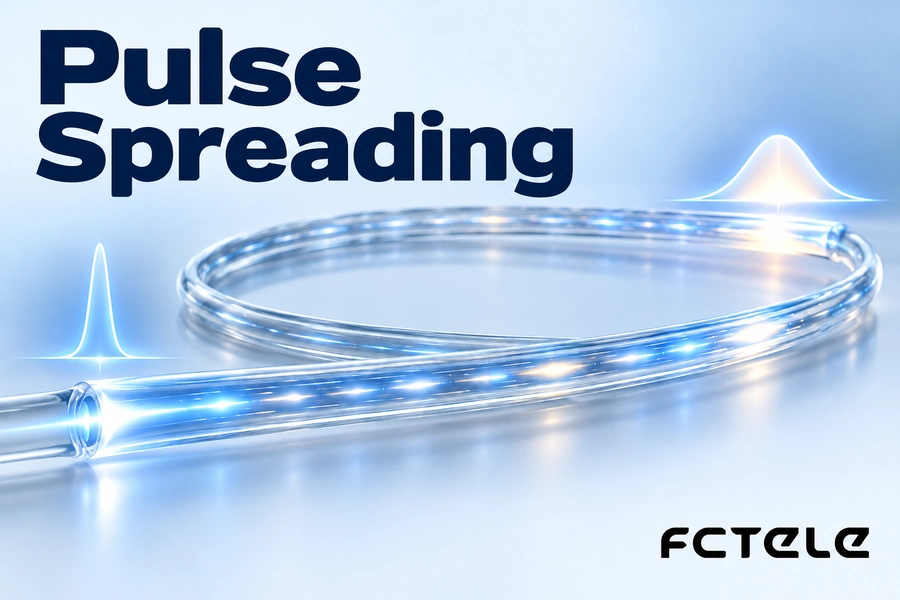
光分散:十分な光量があってもエラーが発生する理由
Normal optical power does not prove that neighboring symbols remain distinguishable in time. Check fiber type, source spectrum, supported rate and reach.
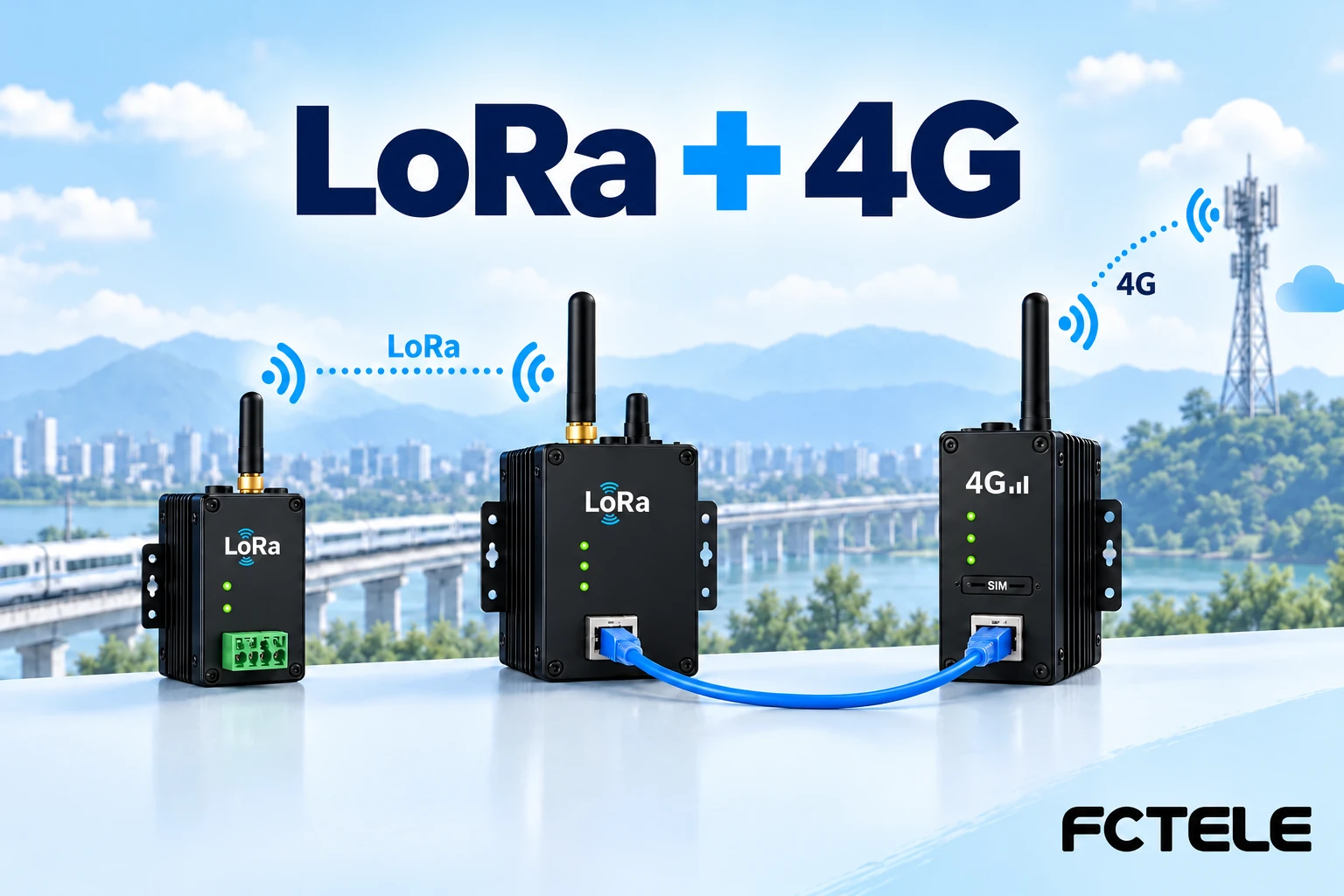
LoRa and 4G Remote Control: Point Mapping and Feedback
Learn how LoRa field acquisition and 4G wide-area backhaul work together, with point tables, interface handover, node capacity and remote control feedback.
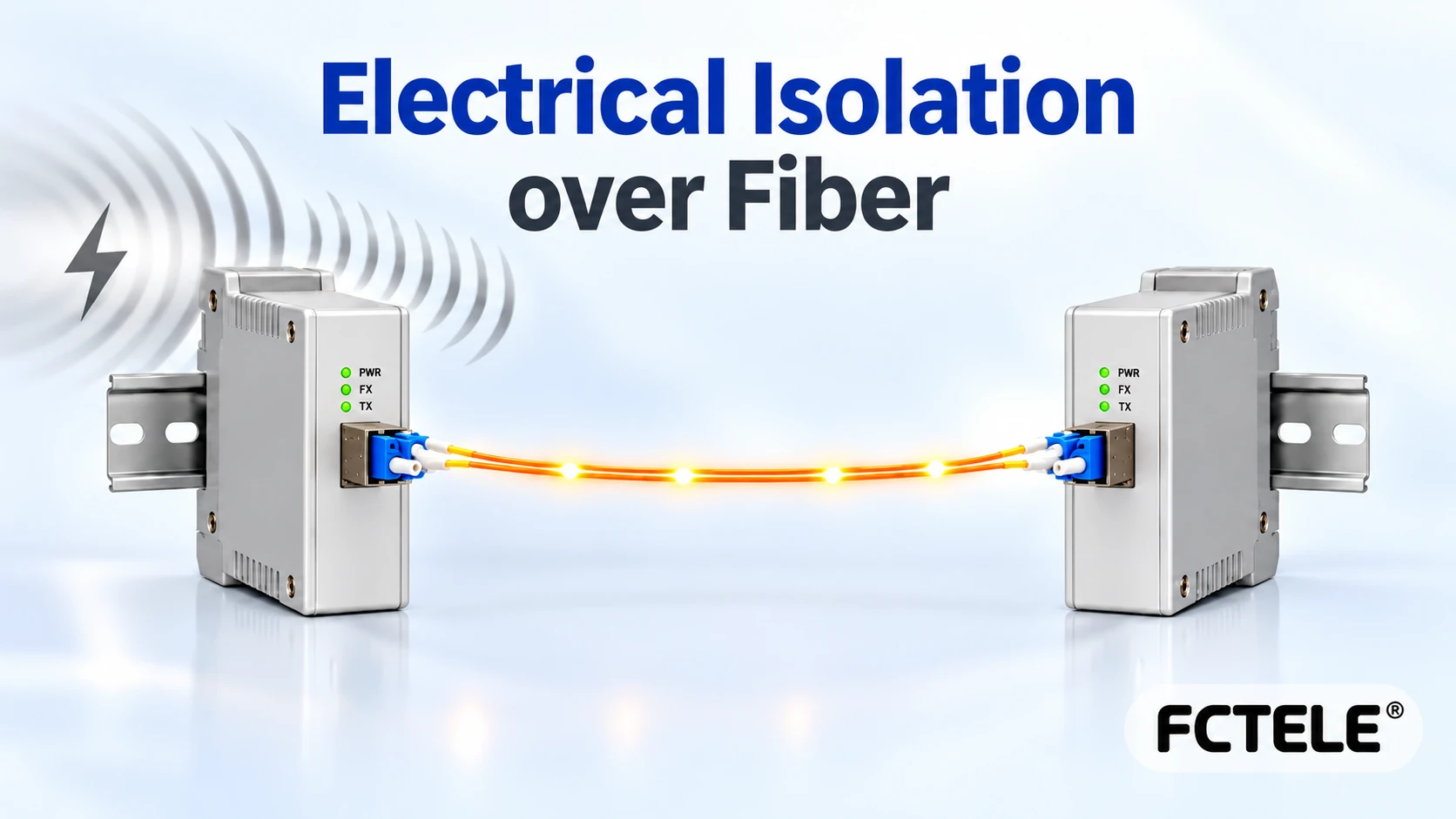
光ファイバーによる電気的絶縁:信号、電源、ネットワーク上の限界
Distinguish fiber electrical isolation, equipment interference immunity and service network security, clarifying metal cable, shared power and surge boundaries.
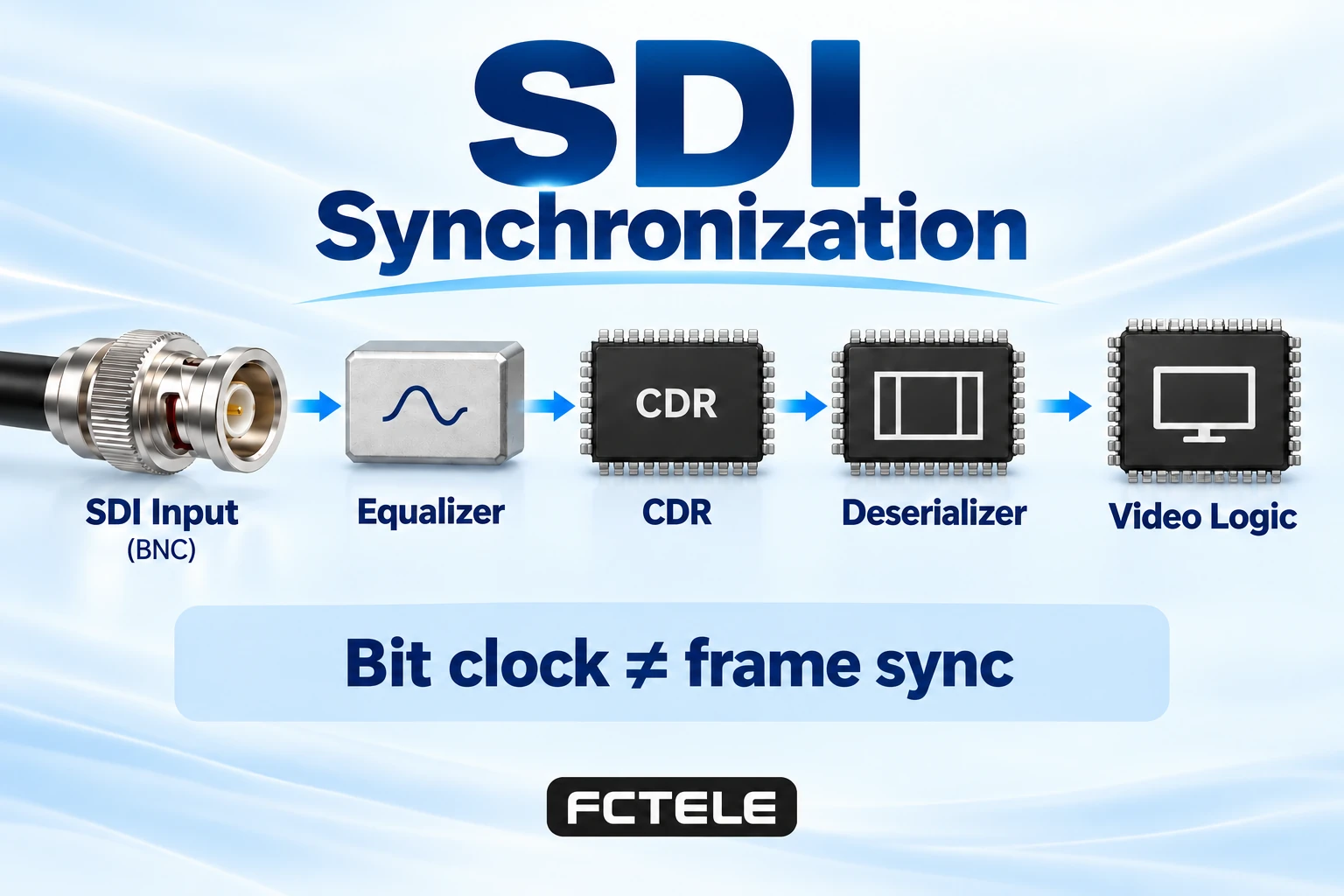
SDI同期:ビットクロック、フレームマーカー、ゲンロック
Separate SDI bit clock recovery, line and frame positioning, and multi-camera sync, explaining 3G mapping compatibility, genlock and frame synchronizers.
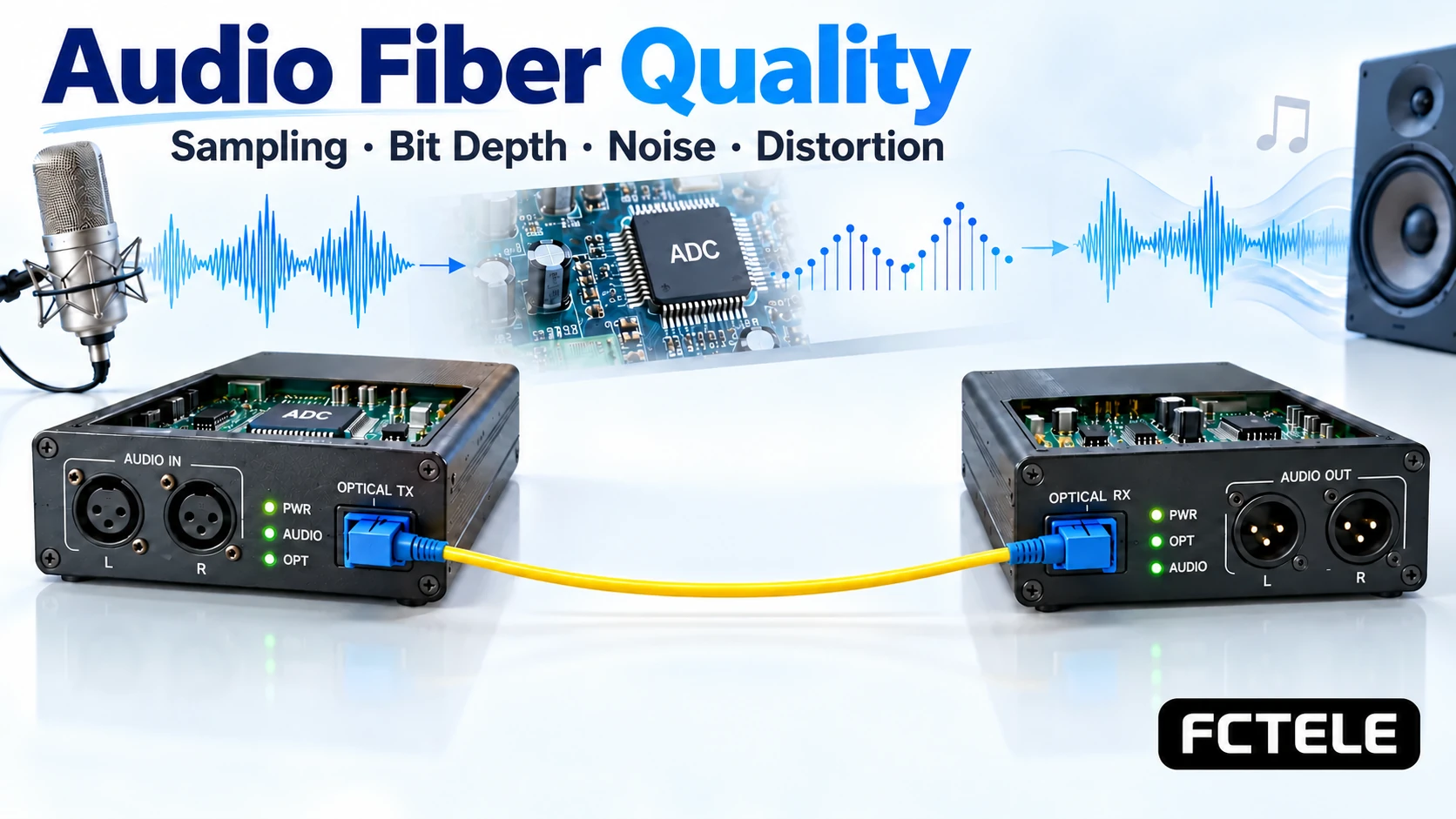
音声光伝送の品質:サンプリング、ビット深度、ノイズと歪み
Explain digital audio optical transmission using sample rate, bit depth and bitrate, distinguishing theoretical quantization from device noise and distortion.
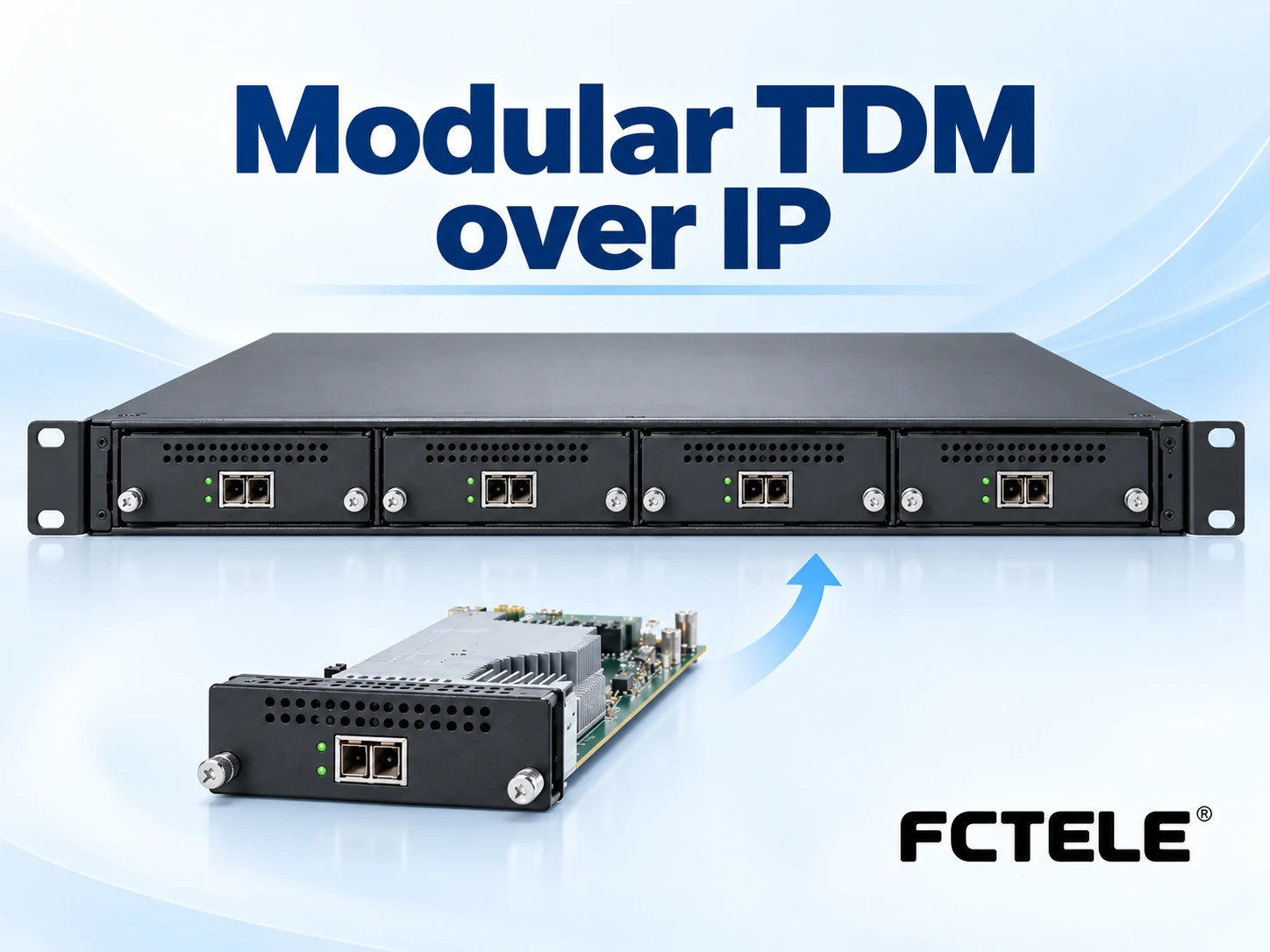
Planning Modular TDM over IP: Cards, Channels and Capacity
Plan modular TDM over IP from service cards, channel mapping and shared IP transport, checking slots, card versions, power, clock and total capacity.
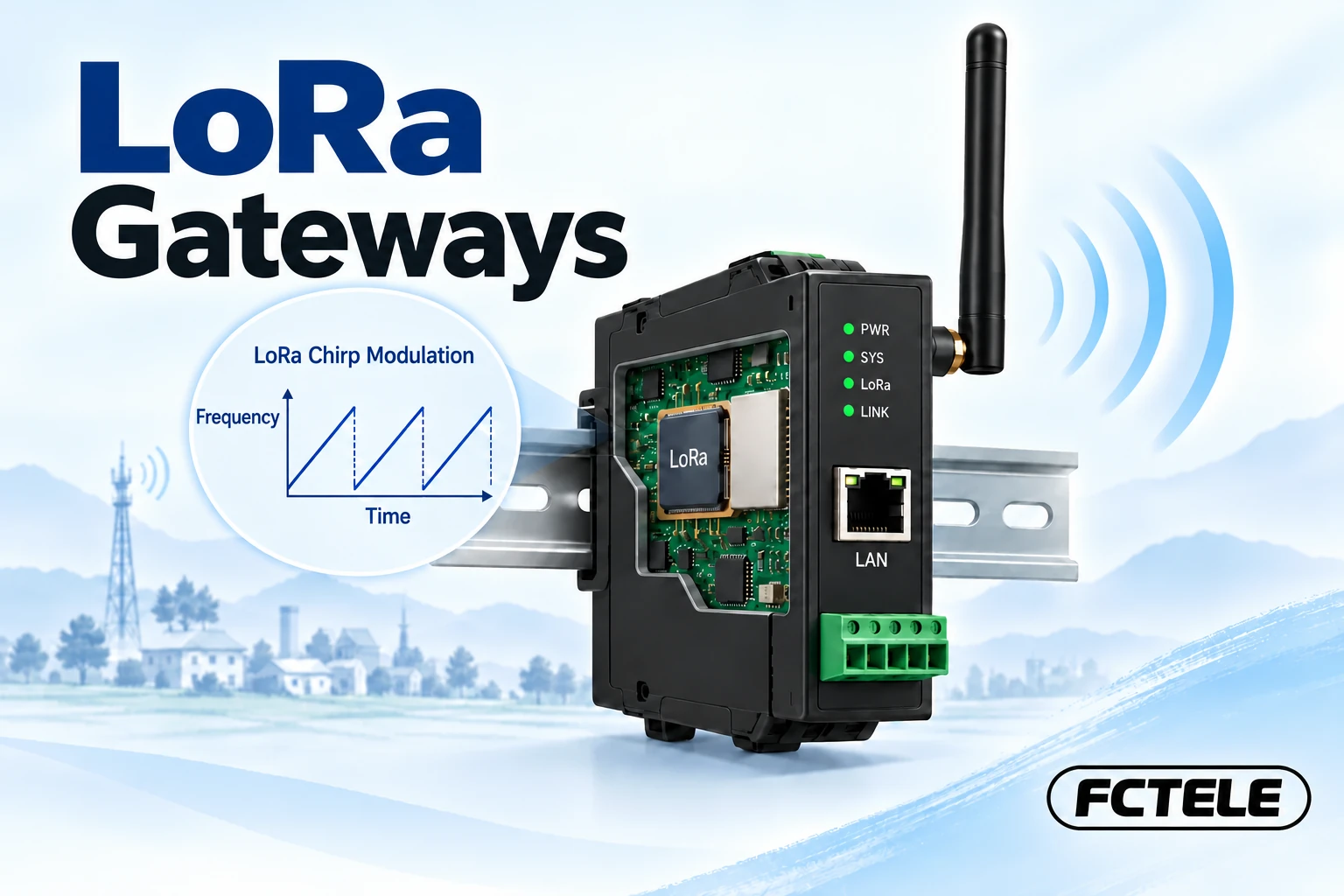
LoRa Industrial Gateways: Chirps, Airtime and Data Handover
Learn how LoRa industrial gateways detect contacts, form messages, modulate wirelessly and hand data to systems, plus how to check airtime and node concurrency.
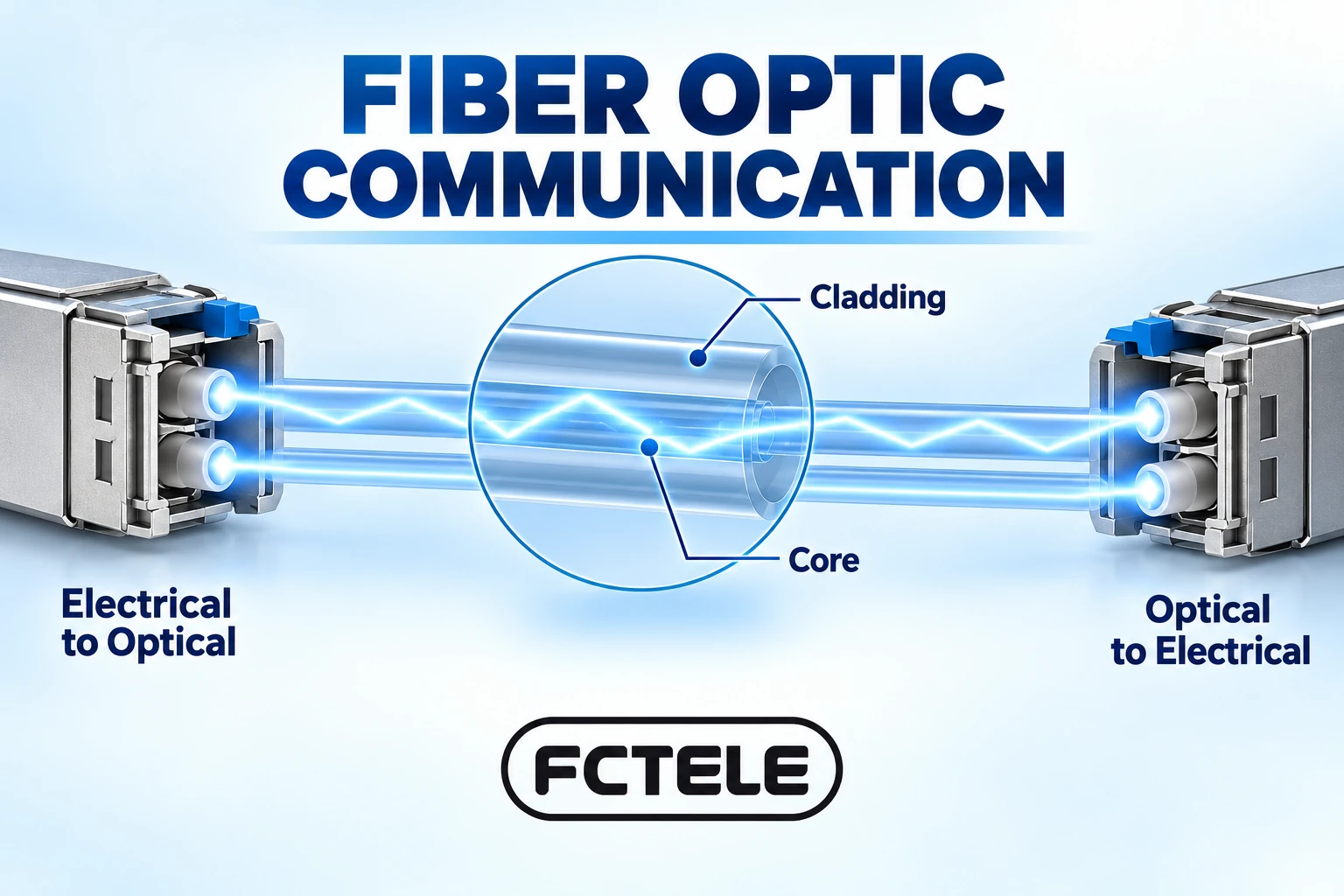
How Fiber Carries Data: Guiding Light, Loss and Detection
Learn how fiber optic communication works, from light sources and core-cladding to photodetection, distinguishing light guiding, power loss and pulse spreading.
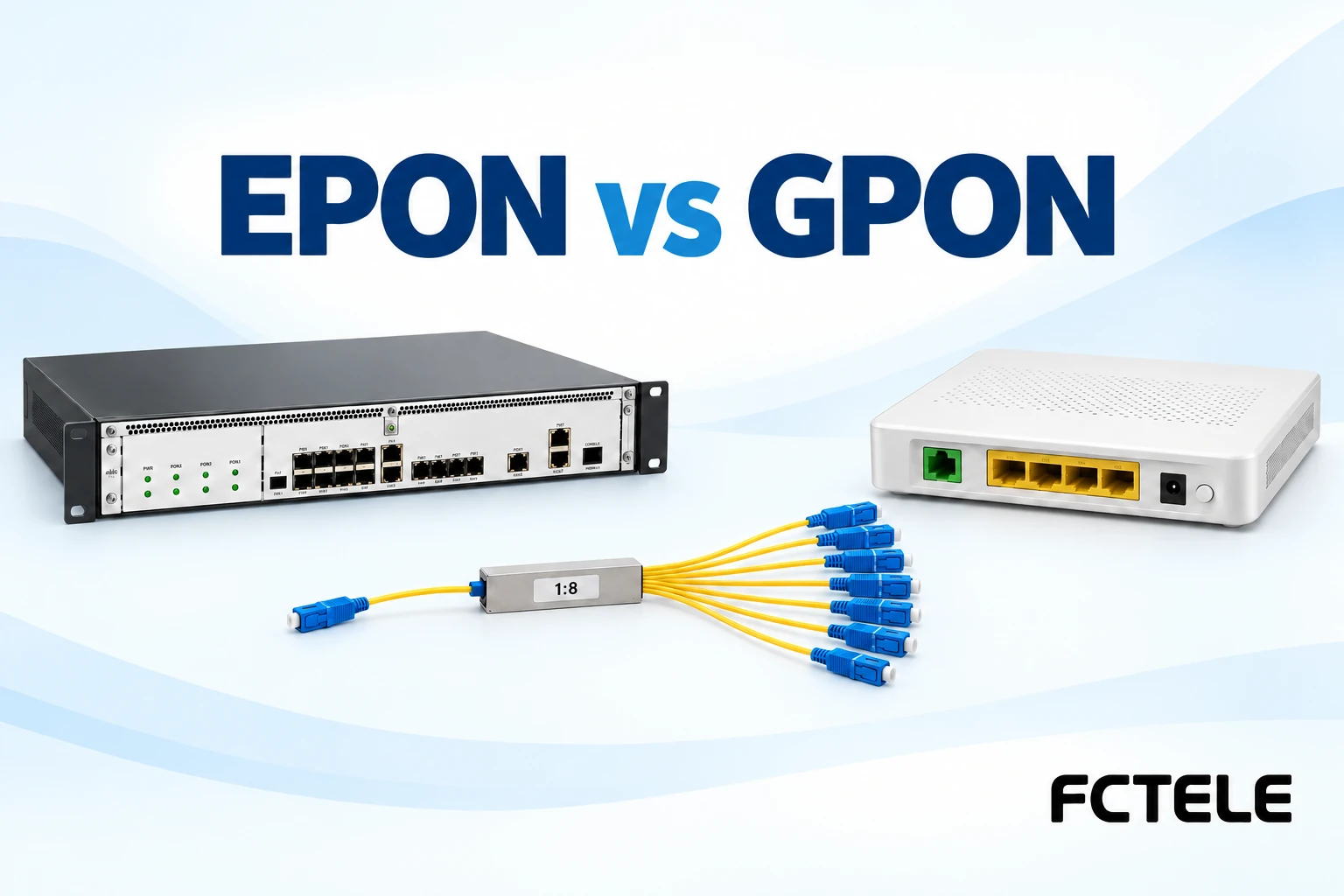
EPON vs GPON: Rates, Shared Bandwidth and Compatibility
Compare EPON and GPON line rates, shared scheduling and service interworking, separating ONU electrical ports from dedicated throughput and verifying by split loss.
