
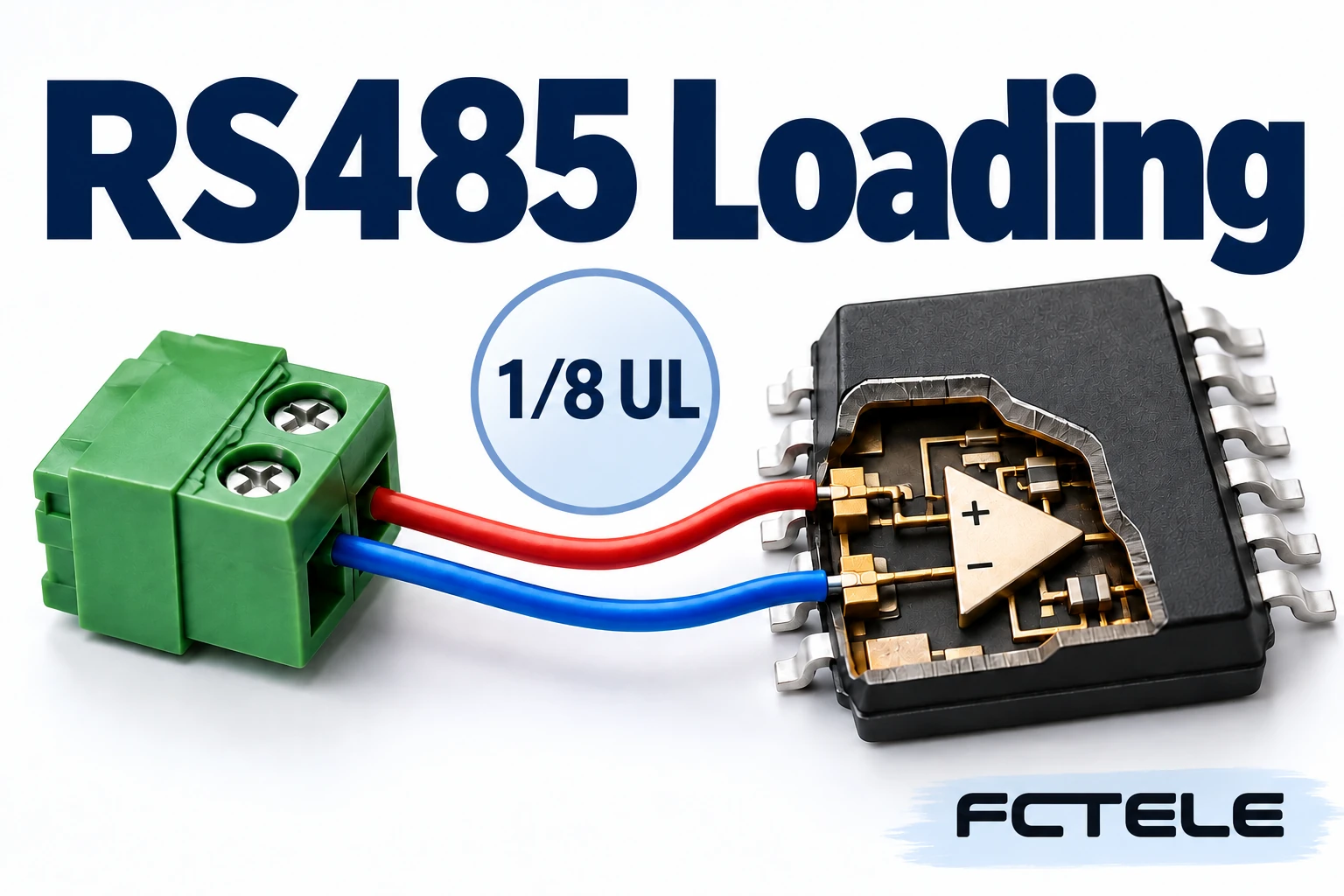
Why Counting RS485 Devices Is Not Enough: Unit Loads and Driver Budget
Understand how parallel receiver inputs load an RS485 driver, why 32 unit loads do not mean 32 boxes, and why a low-load receiver does not guarantee a field node count.
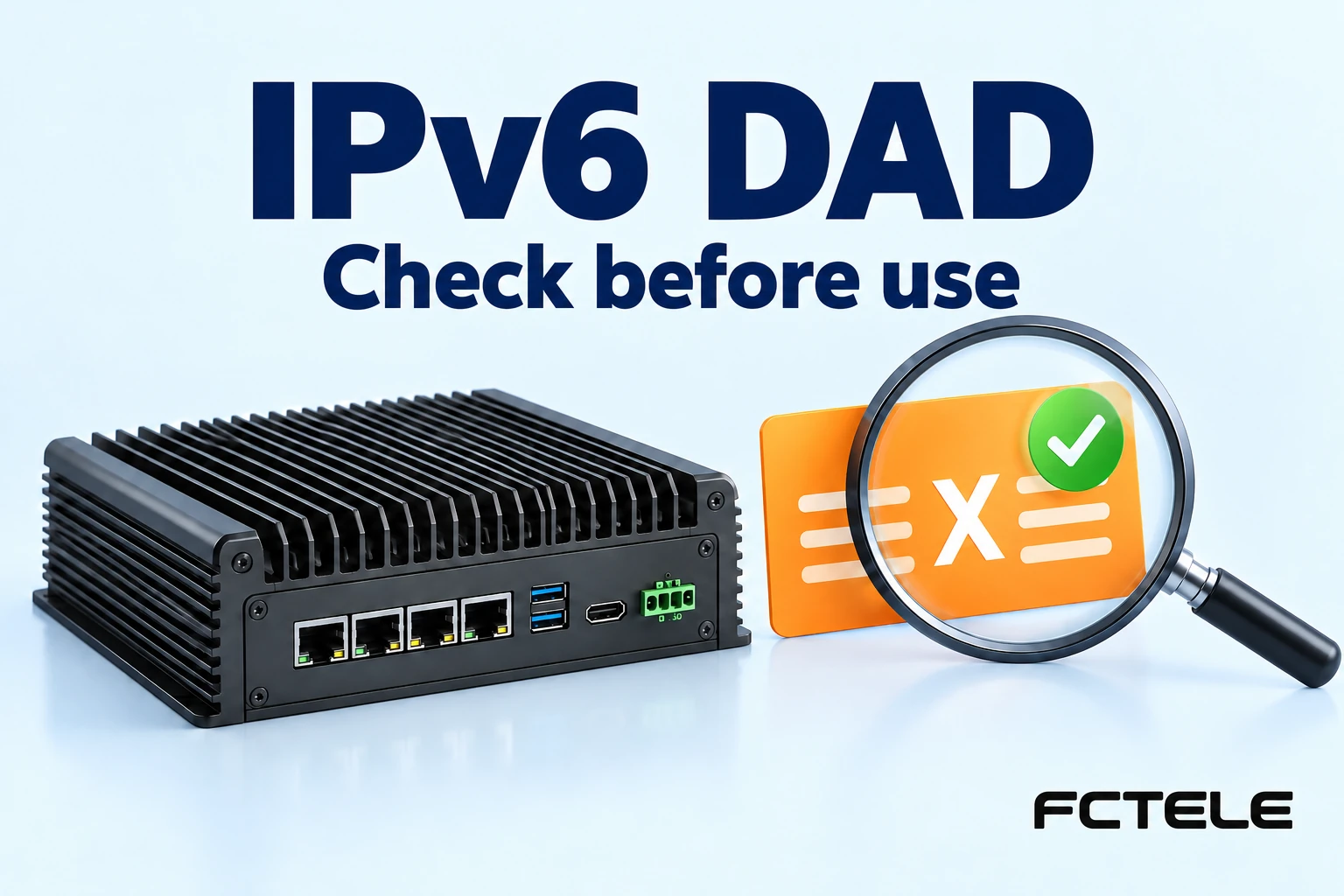
Why Is an IPv6 Address Still Tentative? Duplicate Address Detection Explained
Learn how tentative IPv6 addresses, NS and NA messages, and the local-link boundary work in classic DAD—and why passing this check does not prove an industrial application works.
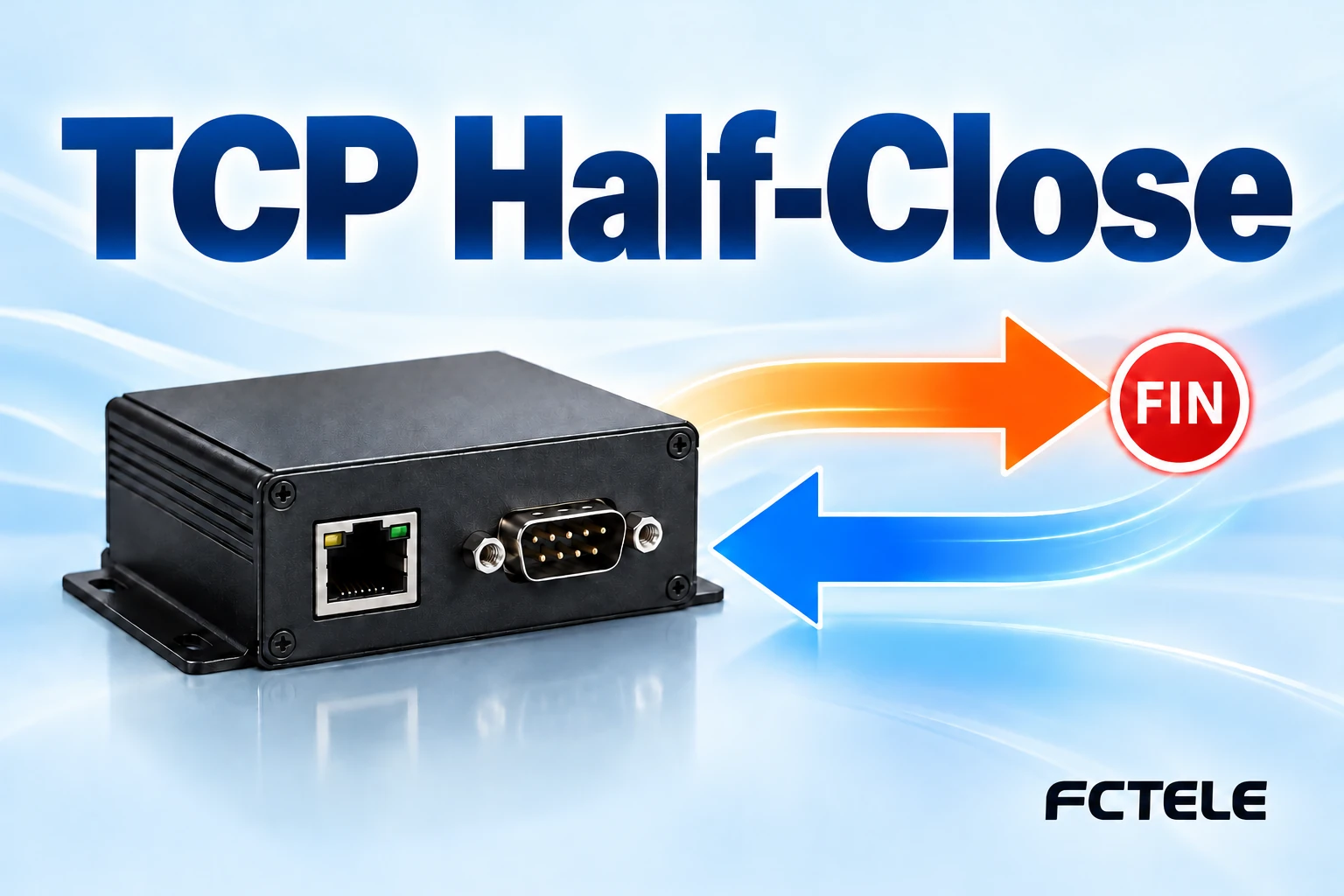
Why Replies Can Arrive After FIN: TCP Half-Close Explained
A plain-English guide to directional TCP closure, FIN timing, unread receive buffers and the separate question of whether a serial device completed its work.
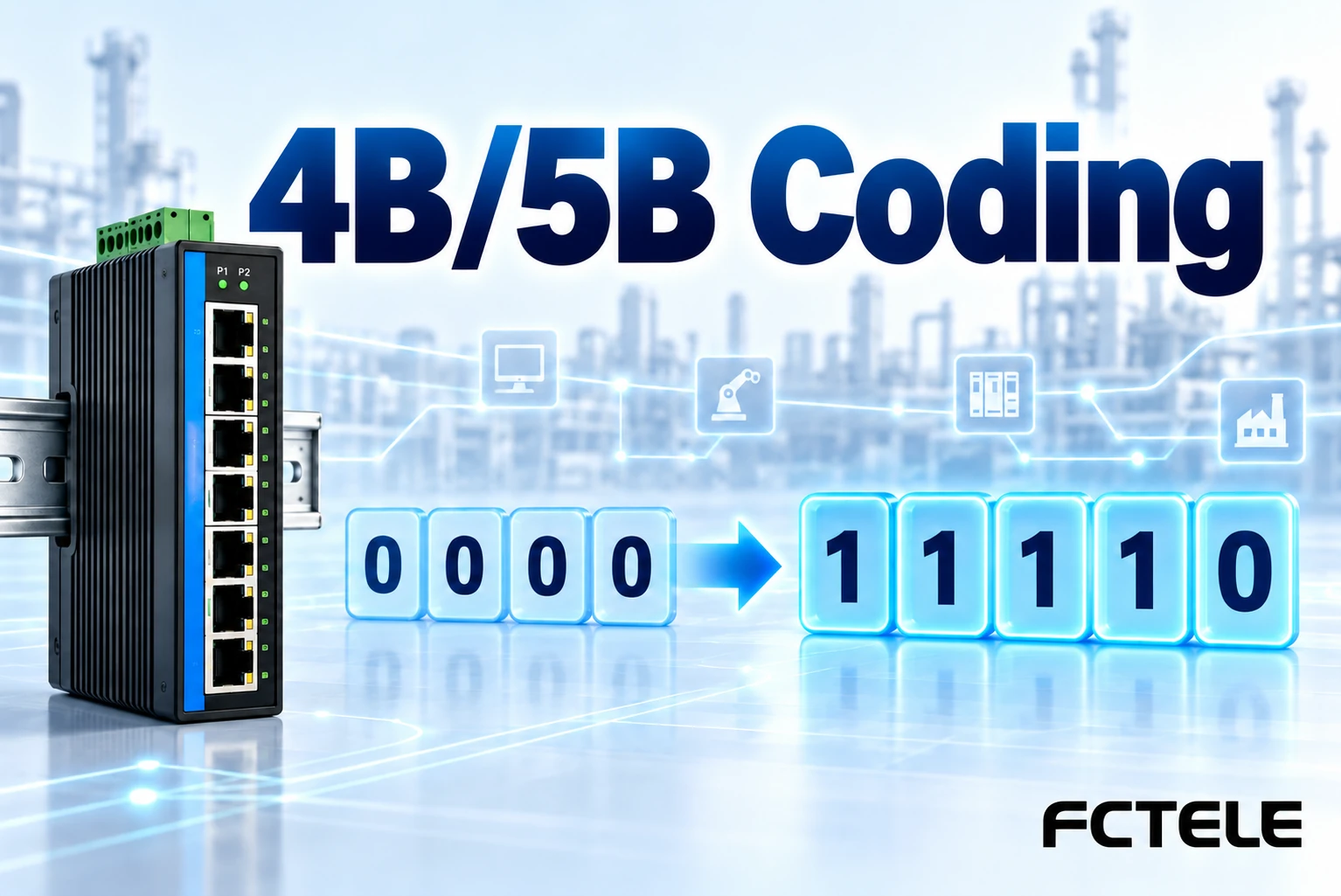
Why Ethernet Rewrites Bits: 4B/5B Coding Explained
Understand why Fast Ethernet maps four data bits to five code bits, how NRZI represents changes, and why copper and fiber follow different signal paths.
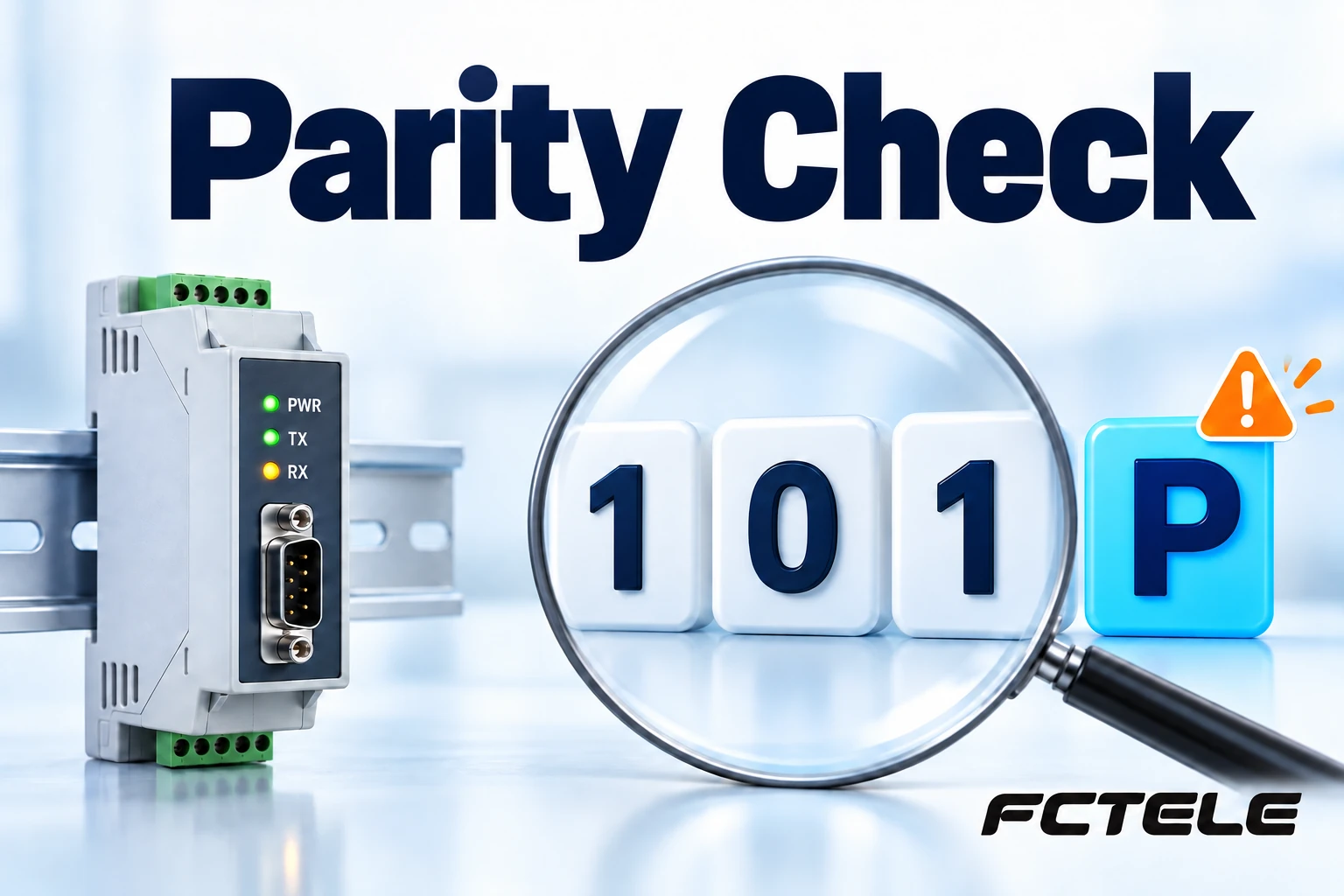
UART Parity Explained: Why Corrupted Bytes Can Still Pass
A plain-English guide to UART parity bits, single- and two-bit error examples, and the separate checks inside serial-to-Ethernet communication paths.
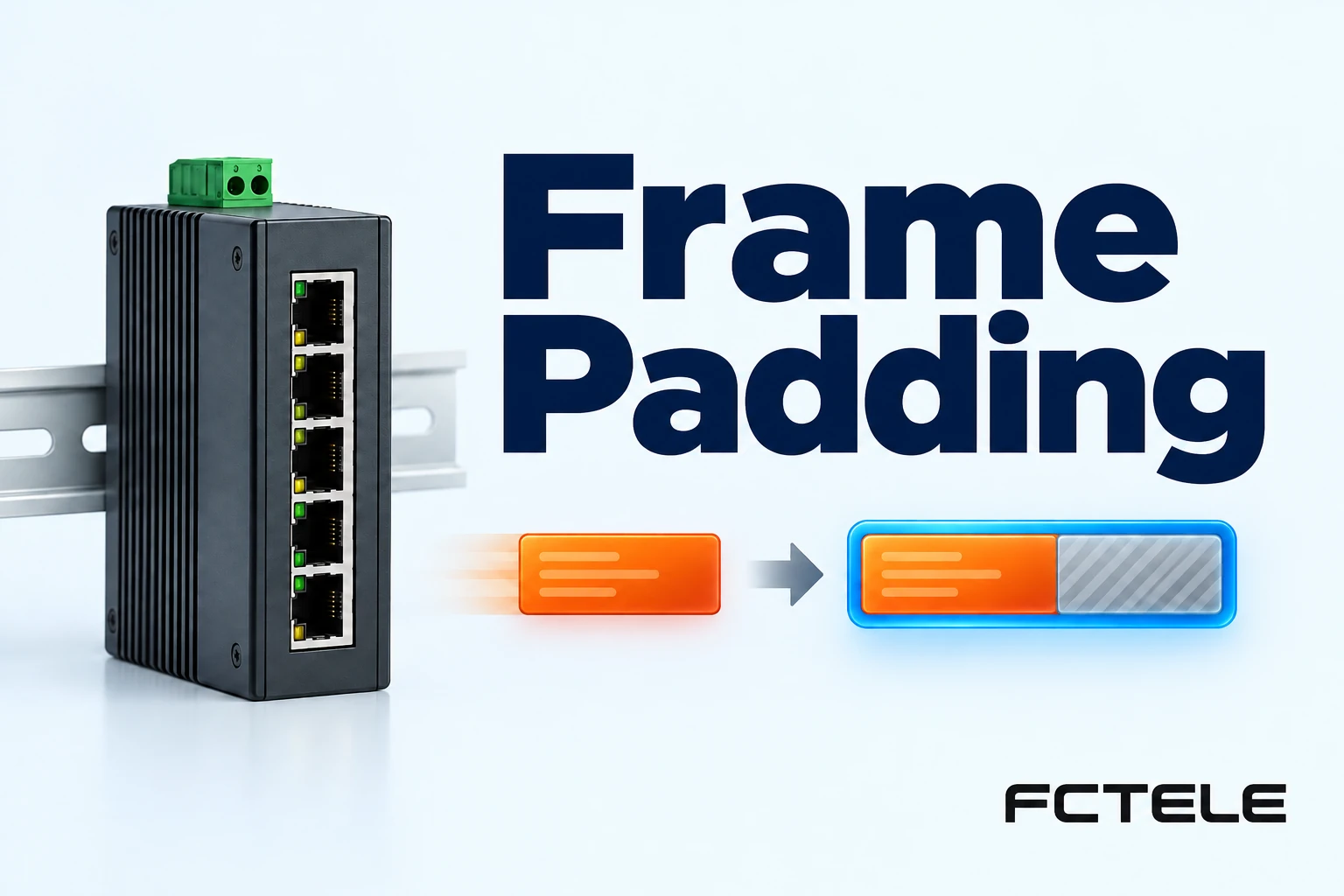
อธิบายการเติมข้อมูลในเฟรมอีเทอร์เน็ต: เหตุใดข้อความสั้นและความยาวข้อมูลที่จับได้จึงแตกต่างกัน
ทำความเข้าใจว่าข้อมูลเติมอยู่ตรงส่วนใด เฟรม MAC ขนาด 64 ไบต์ประกอบด้วยอะไรบ้าง และเหตุใดข้อมูลที่จับได้ขนาด 60 ไบต์เพียงอย่างเดียวจึงไม่พิสูจน์ว่าเฟรมมีขนาดต่ำกว่าเกณฑ์

ทำความเข้าใจ Dying Gasp: อุปกรณ์เครือข่ายส่งการแจ้งเตือนครั้งสุดท้ายเมื่อไฟเลี้ยงขัดข้องอย่างไร
Follow stored energy, power detection, link OAM and management paths to understand a final power-loss notification and its limits versus redundant power, a UPS and a broken link.
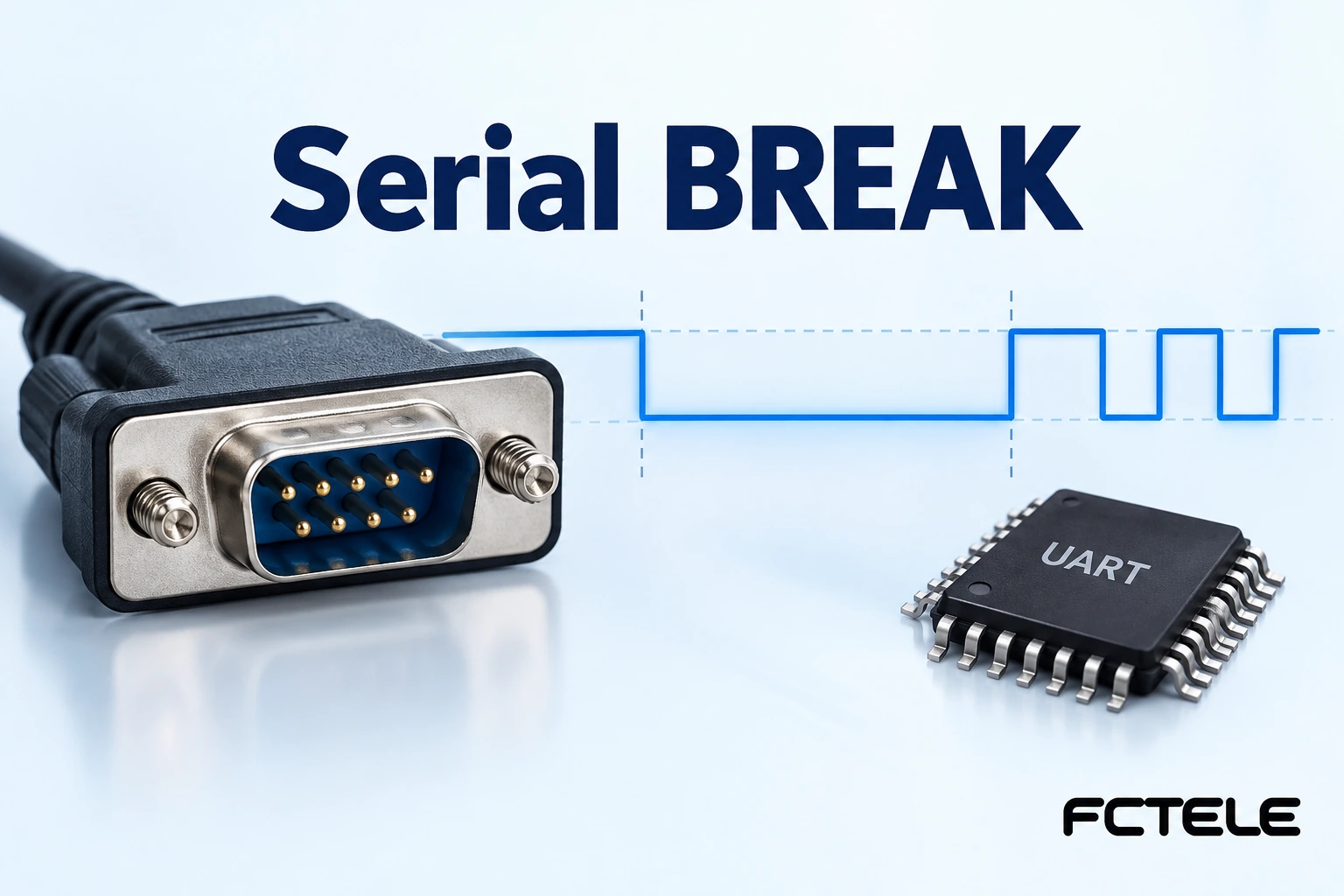
สัญญาณ BREAK แบบอนุกรม: เหตุใดสถานะที่คงอยู่ต่อเนื่องจึงไม่ใช่สายเคเบิลที่ถูกถอด
Understand how serial BREAK differs from 0x00, cable disconnection and framing errors, and what to verify when a serial device server carries data and control.
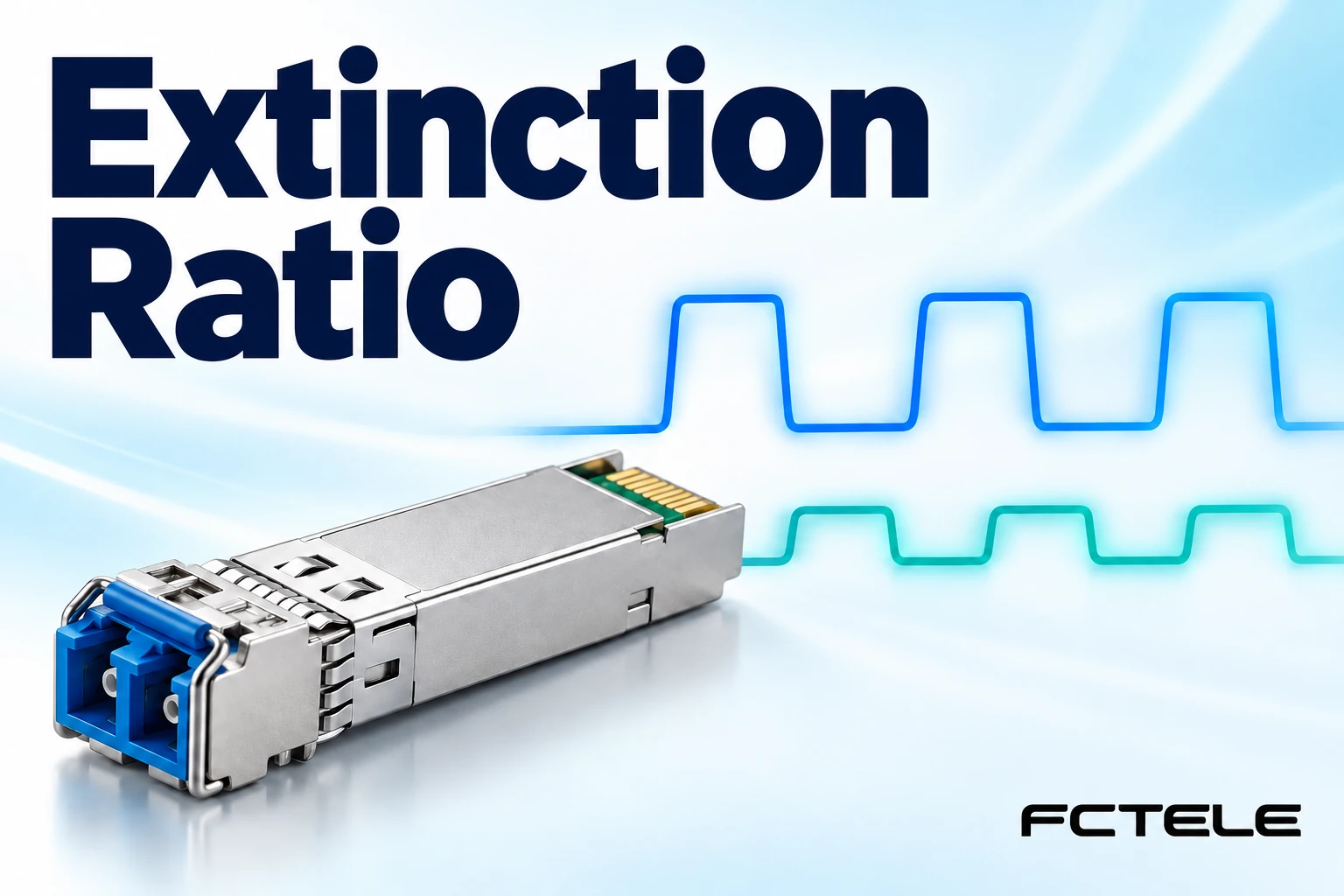
อัตราส่วนการดับแสง: ทำไมกำลังเฉลี่ยจึงไม่บ่งบอกความชัดเจนของสัญญาณ
Understand optical extinction ratio through two light levels, equal-average waveforms and test-instrument roles. Separate average power, eye quality and errors in an industrial fiber link.
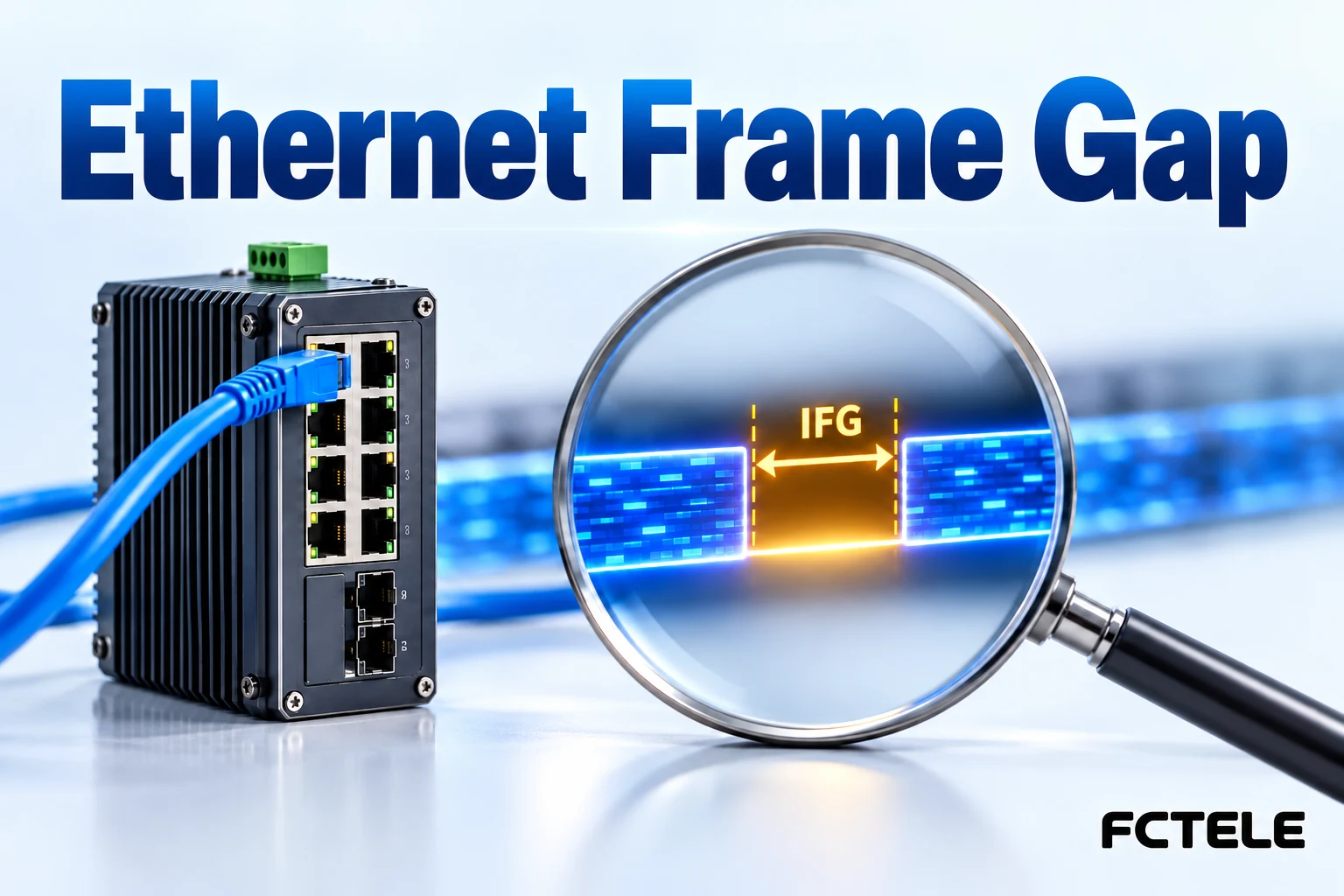
พรีแอมเบิลและช่องว่างระหว่างเฟรมของ Ethernet: ทำไมเฟรมจึงต้องมีขอบเขต
ทำความเข้าใจพรีแอมเบิล SFD และช่องว่างระหว่างเฟรมของ Ethernet ด้วยคำอธิบายที่เข้าใจง่าย รวมถึงข้อจำกัดของการจับข้อมูล โอเวอร์เฮดของเฟรมขนาดเล็ก และความแตกต่างระหว่าง IFG กับการรอคิว
