
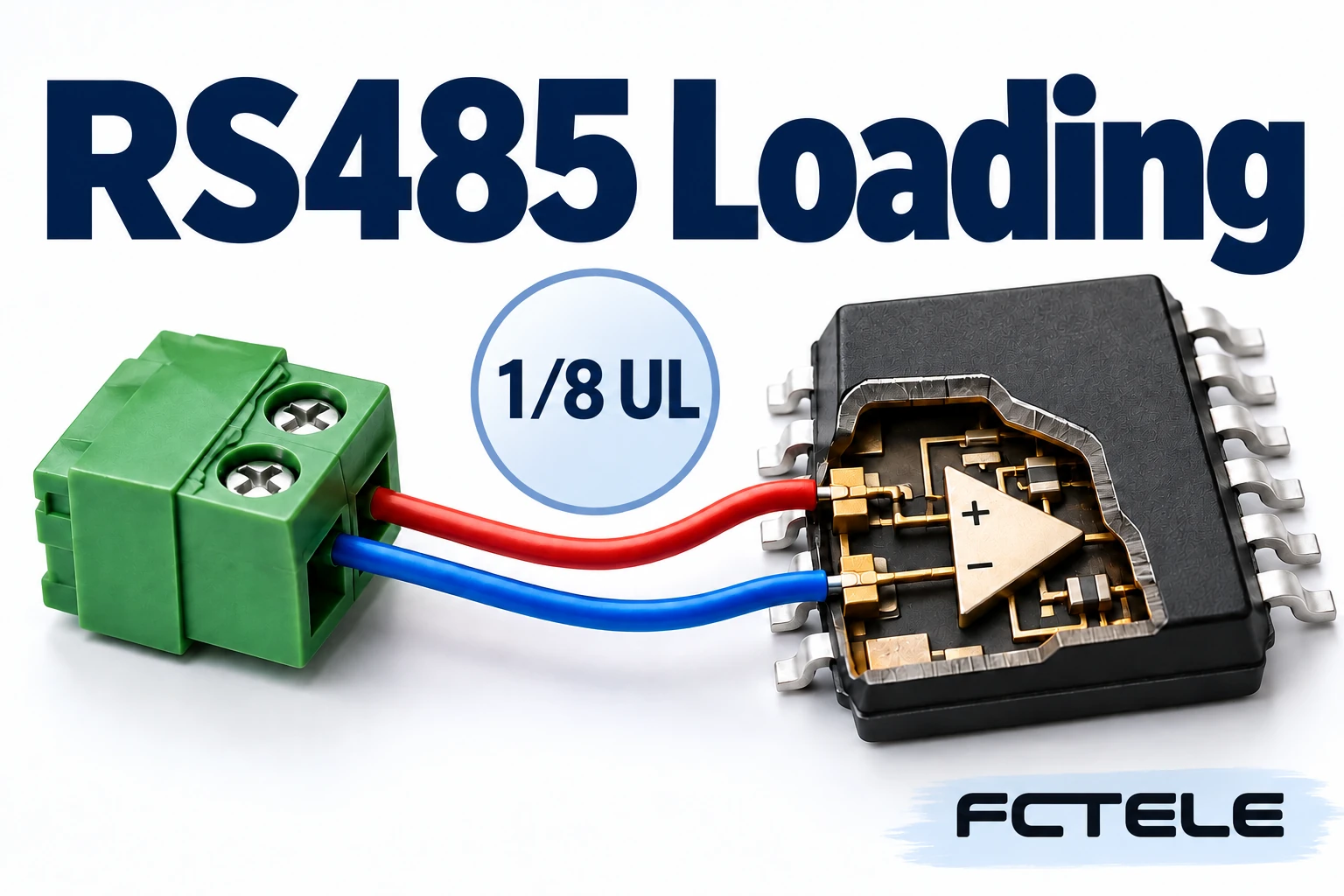
Why Counting RS485 Devices Is Not Enough: Unit Loads and Driver Budget
Understand how parallel receiver inputs load an RS485 driver, why 32 unit loads do not mean 32 boxes, and why a low-load receiver does not guarantee a field node count.
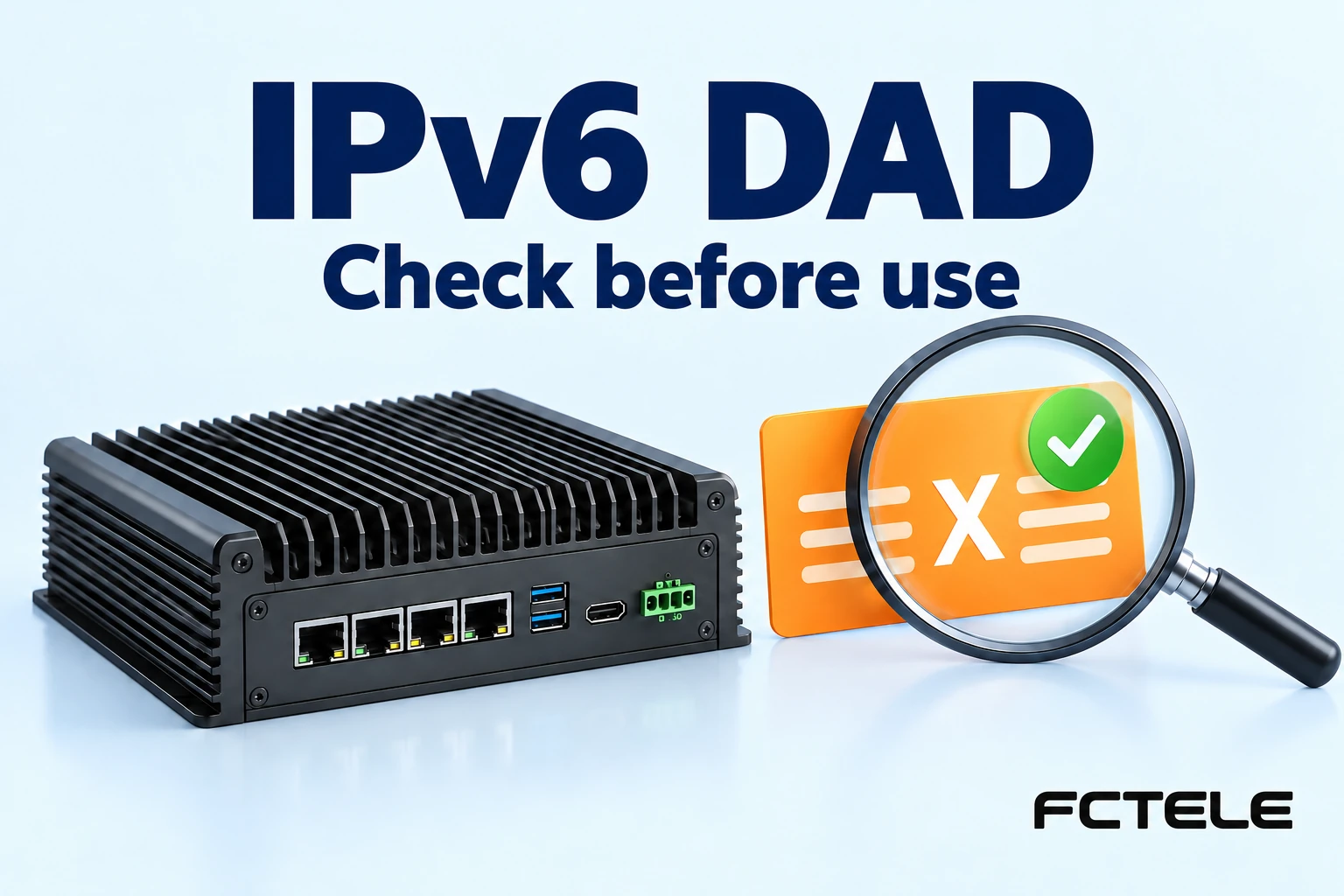
Why Is an IPv6 Address Still Tentative? Duplicate Address Detection Explained
Learn how tentative IPv6 addresses, NS and NA messages, and the local-link boundary work in classic DAD—and why passing this check does not prove an industrial application works.
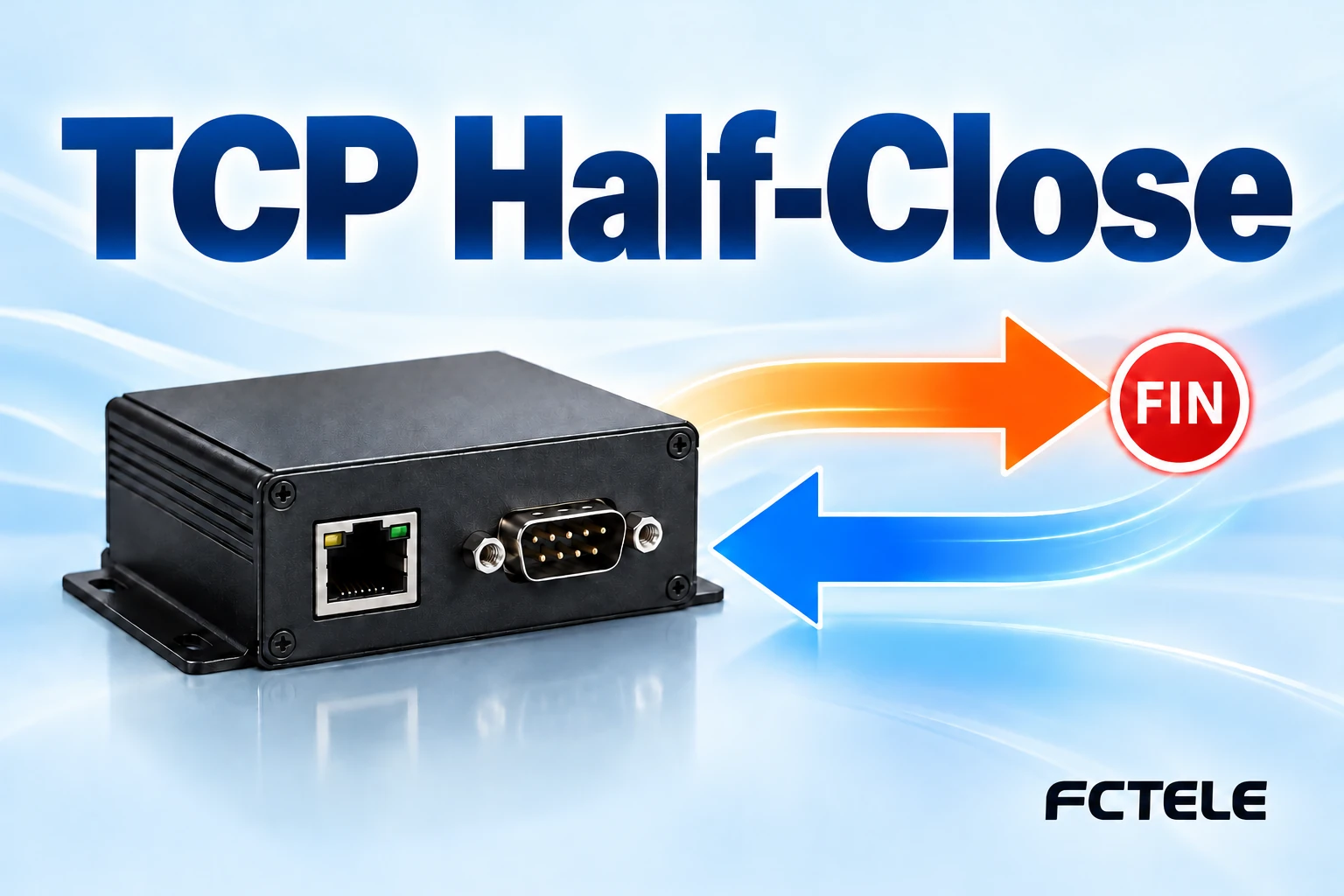
Why Replies Can Arrive After FIN: TCP Half-Close Explained
A plain-English guide to directional TCP closure, FIN timing, unread receive buffers and the separate question of whether a serial device completed its work.
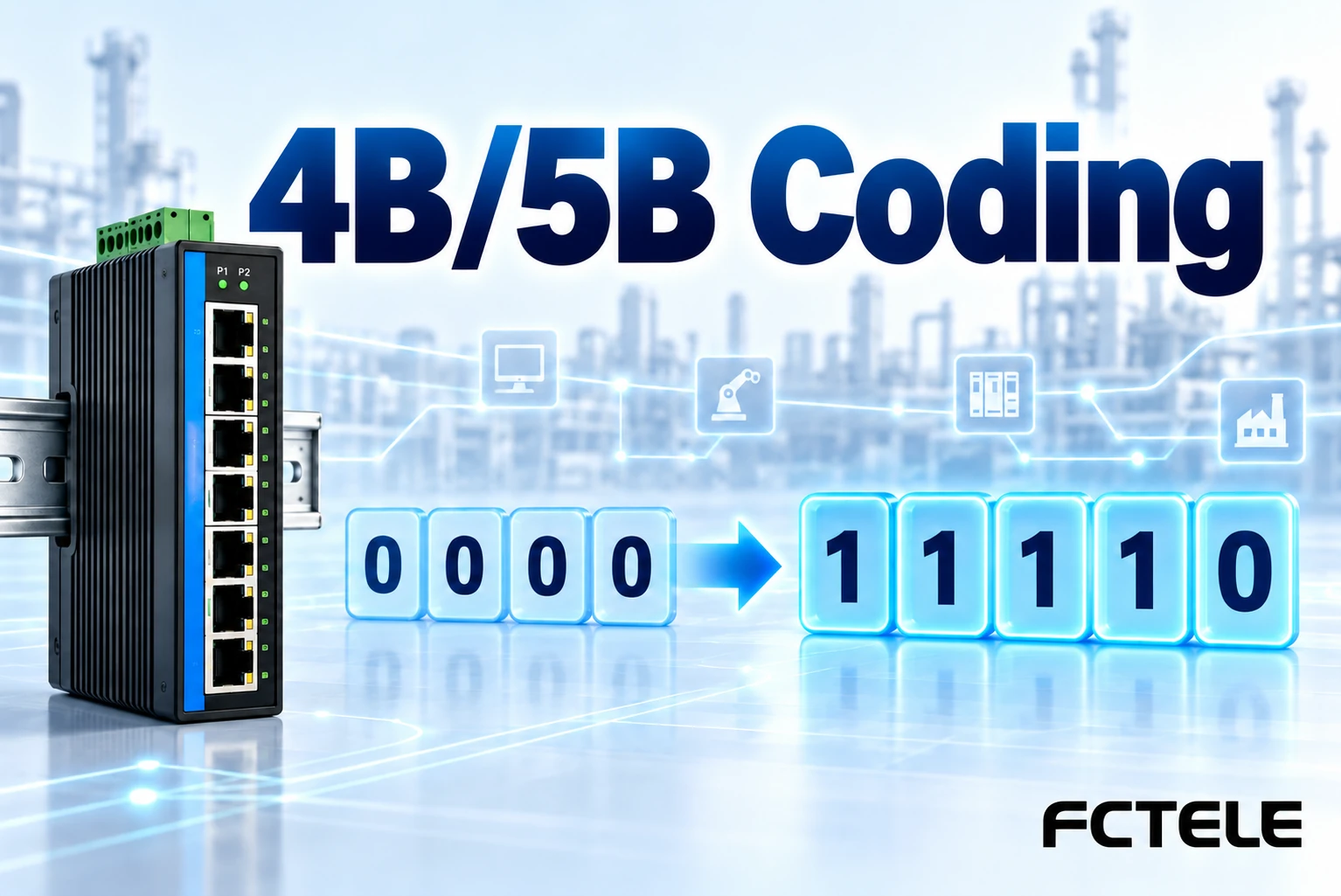
Why Ethernet Rewrites Bits: 4B/5B Coding Explained
Understand why Fast Ethernet maps four data bits to five code bits, how NRZI represents changes, and why copper and fiber follow different signal paths.
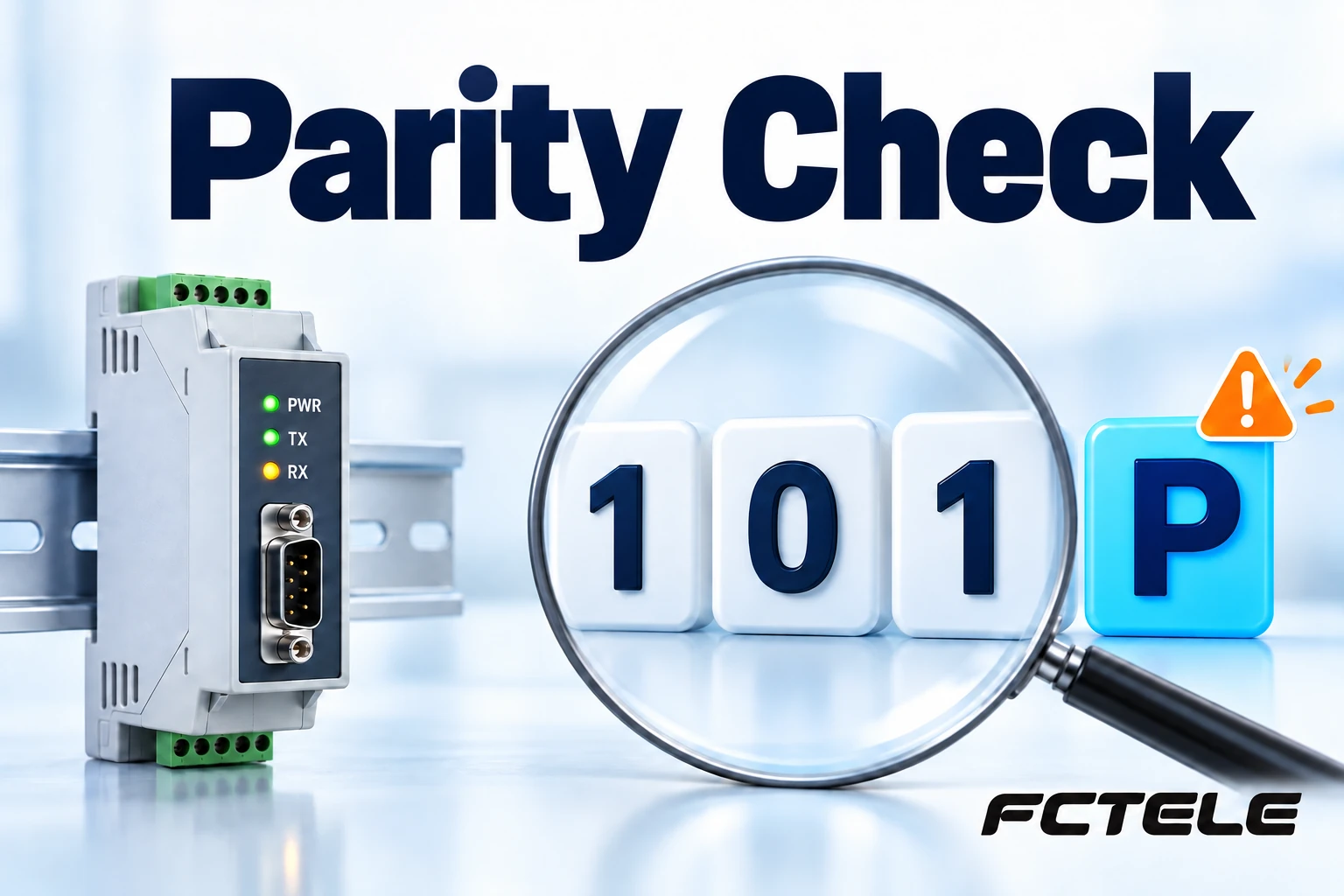
UART Parity Explained: Why Corrupted Bytes Can Still Pass
A plain-English guide to UART parity bits, single- and two-bit error examples, and the separate checks inside serial-to-Ethernet communication paths.
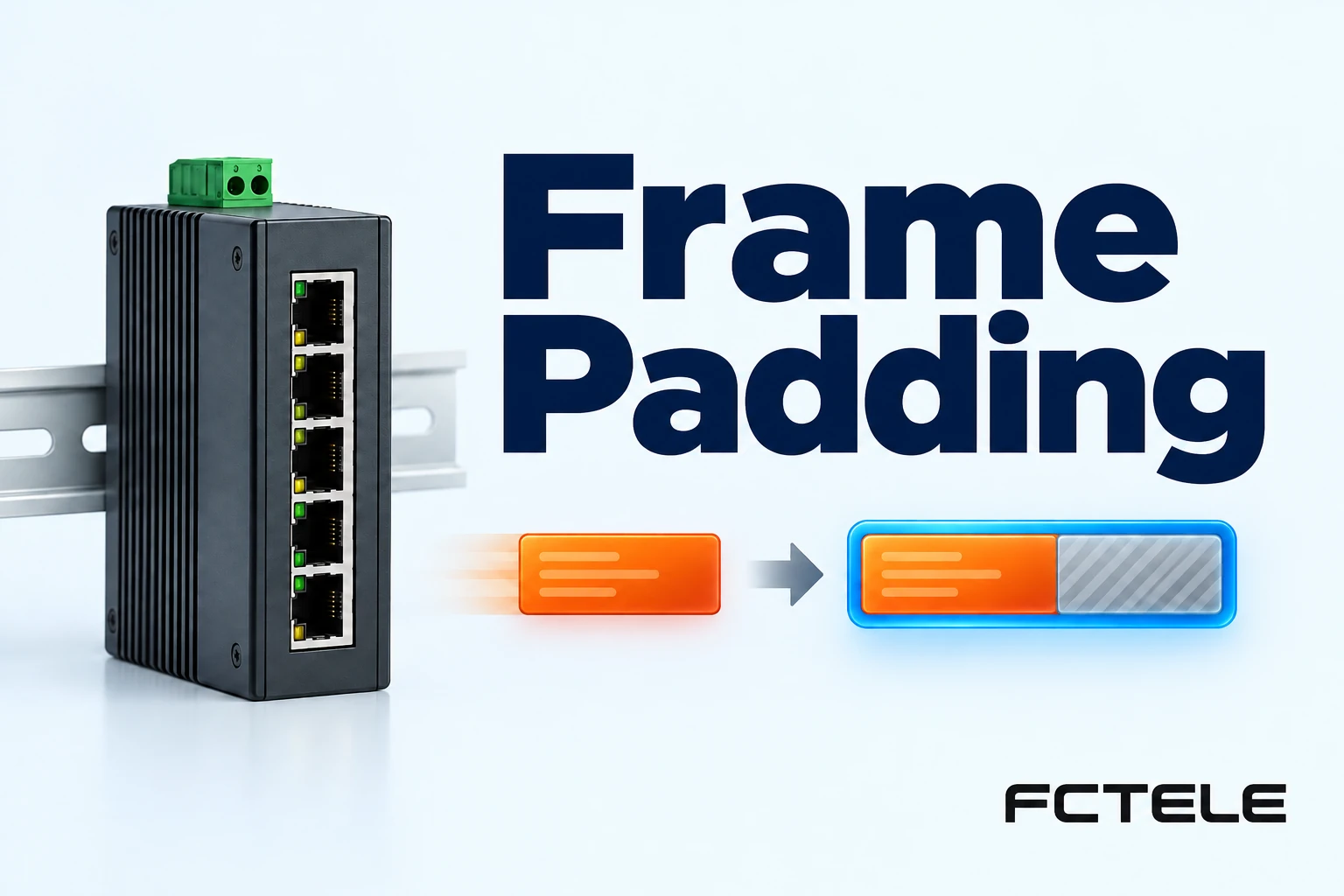
Giải thích phần đệm khung Ethernet: Vì sao độ dài thông điệp ngắn và độ dài dữ liệu bắt được khác nhau
Tìm hiểu vị trí của phần đệm, khung MAC 64 byte bao gồm những gì và vì sao chỉ riêng dữ liệu bắt được dài 60 byte không chứng minh rằng khung có kích thước dưới mức tối thiểu.

Giải thích Dying Gasp: Cách thiết bị mạng gửi thông báo mất nguồn cuối cùng
Follow stored energy, power detection, link OAM and management paths to understand a final power-loss notification and its limits versus redundant power, a UPS and a broken link.
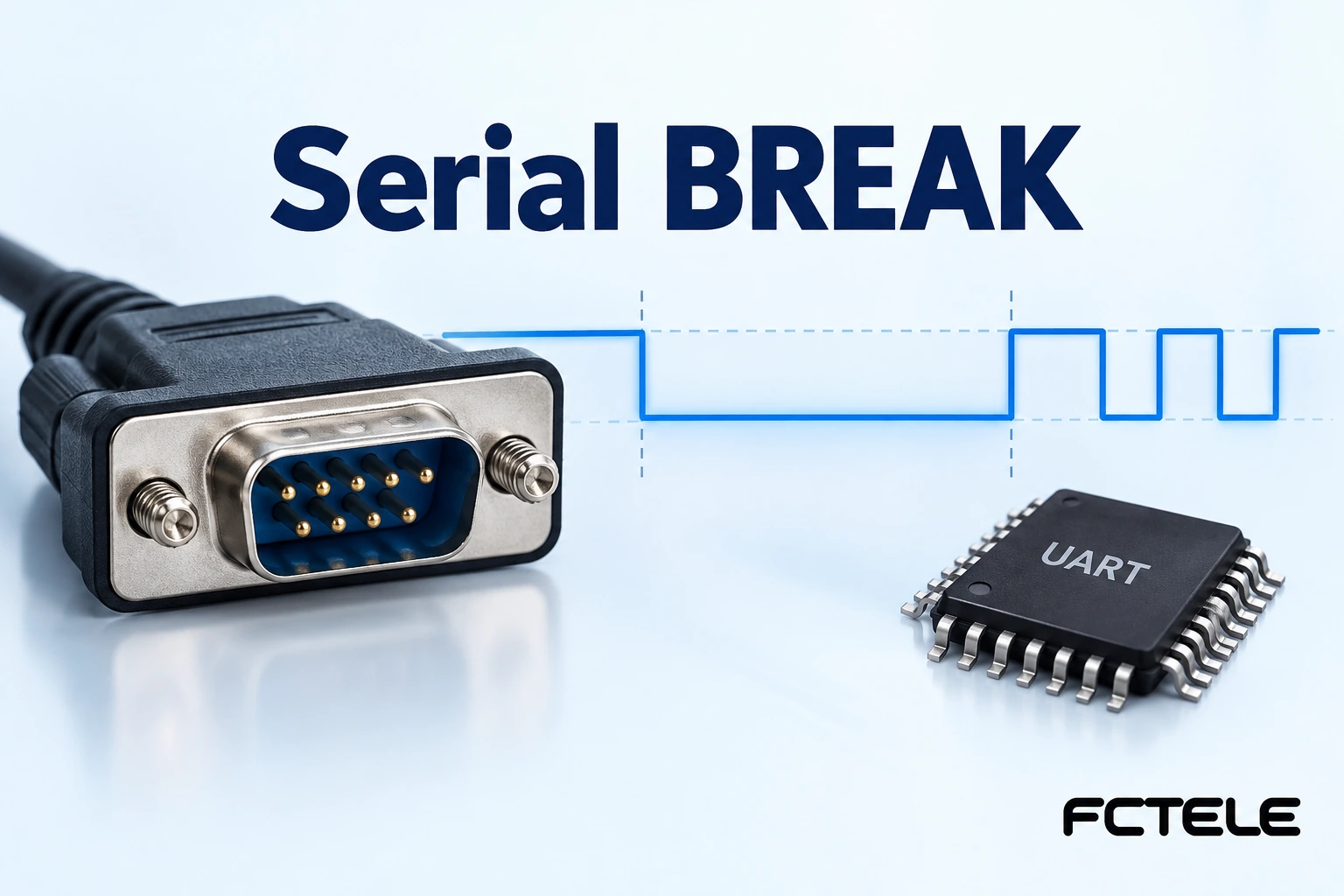
Tín hiệu BREAK nối tiếp: Vì sao trạng thái duy trì không đồng nghĩa với cáp bị ngắt kết nối
Understand how serial BREAK differs from 0x00, cable disconnection and framing errors, and what to verify when a serial device server carries data and control.
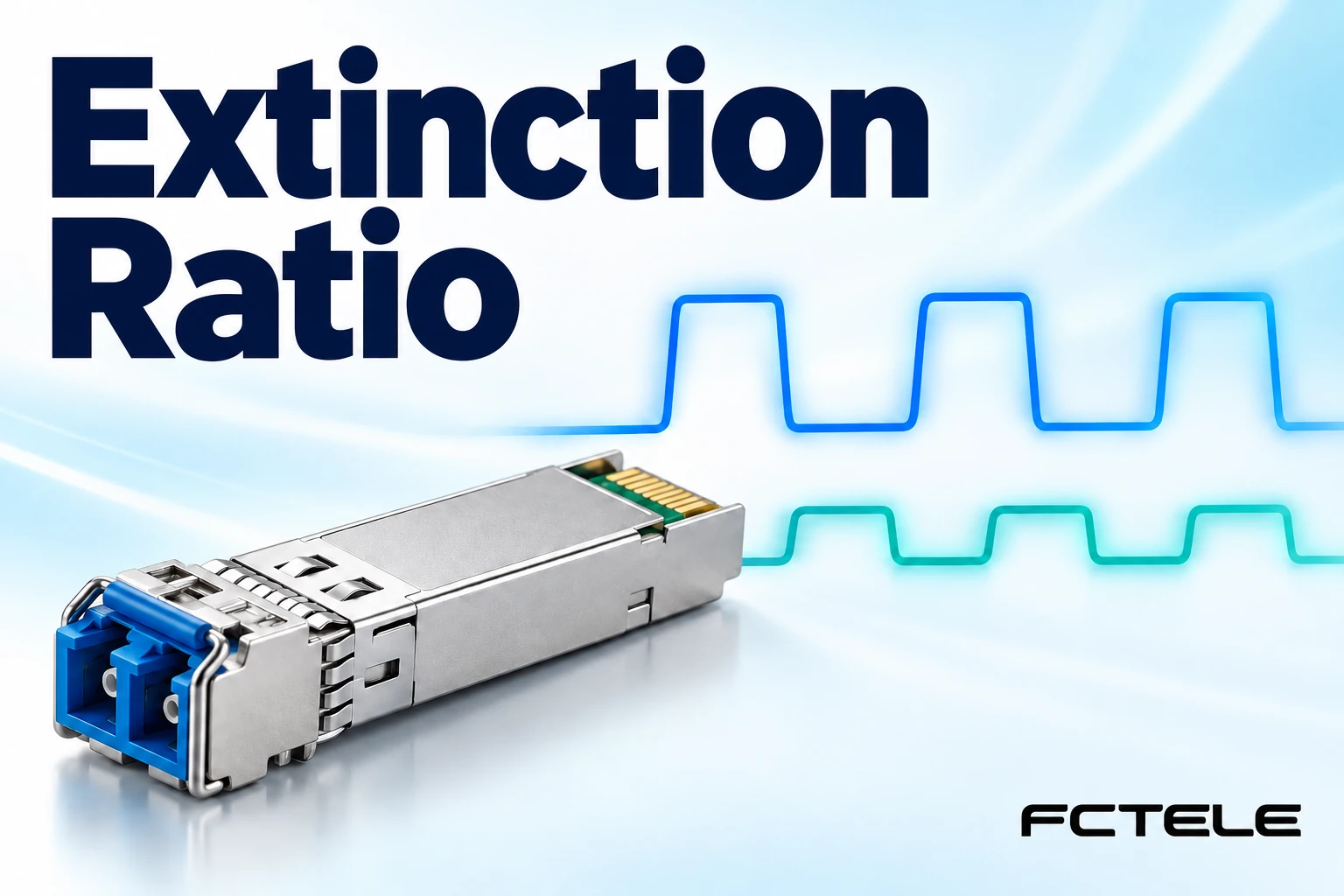
Tỷ số tắt quang: Vì sao công suất trung bình không mô tả độ rõ của tín hiệu
Understand optical extinction ratio through two light levels, equal-average waveforms and test-instrument roles. Separate average power, eye quality and errors in an industrial fiber link.
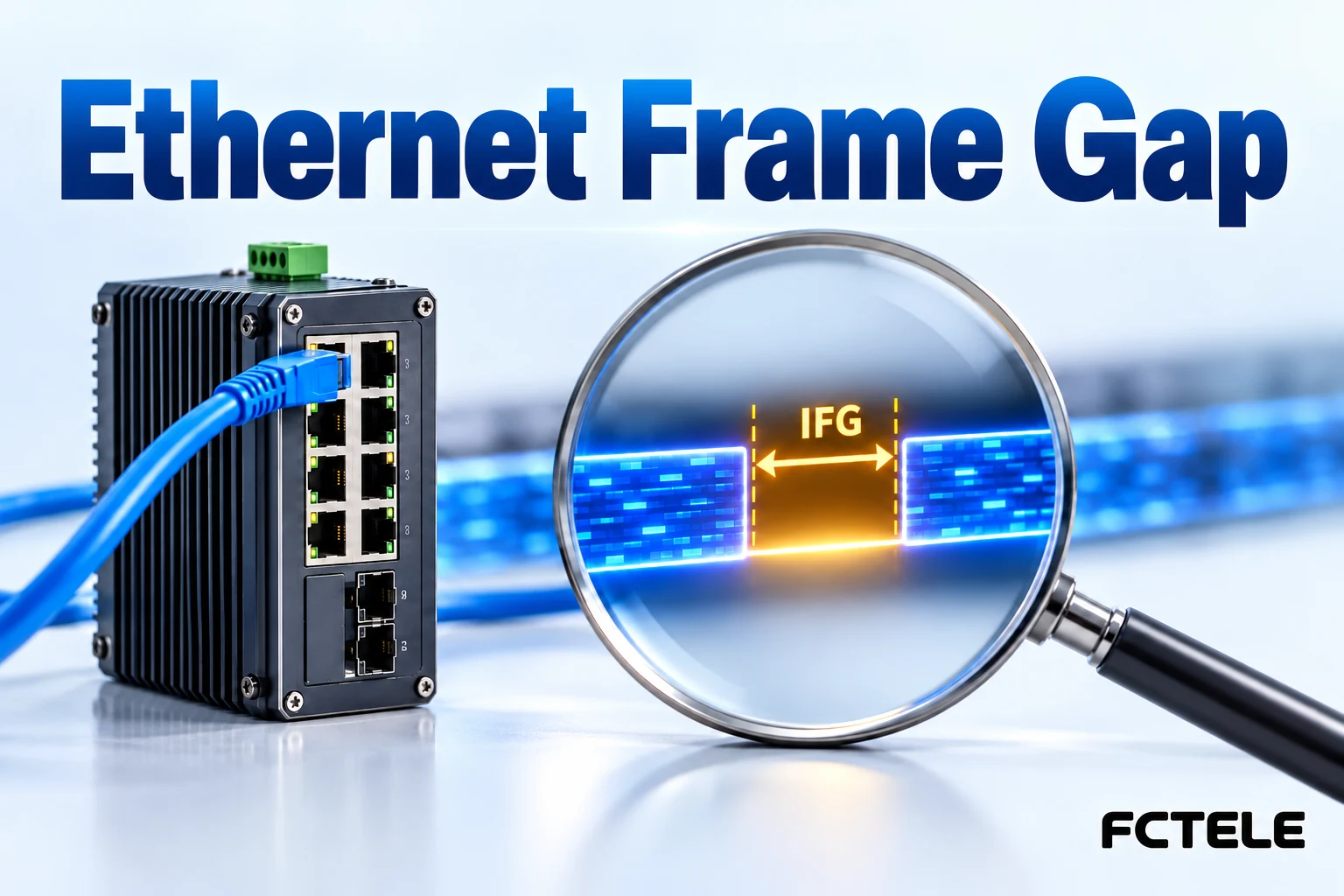
Phần mở đầu và khoảng cách giữa các khung Ethernet: Vì sao khung cần có ranh giới
Tìm hiểu phần mở đầu Ethernet, SFD và khoảng cách giữa các khung bằng cách diễn đạt tiếng Anh dễ hiểu, bao gồm giới hạn của việc bắt gói, phần phụ trội của khung nhỏ và sự khác biệt giữa IFG với thời gian xếp hàng.
