

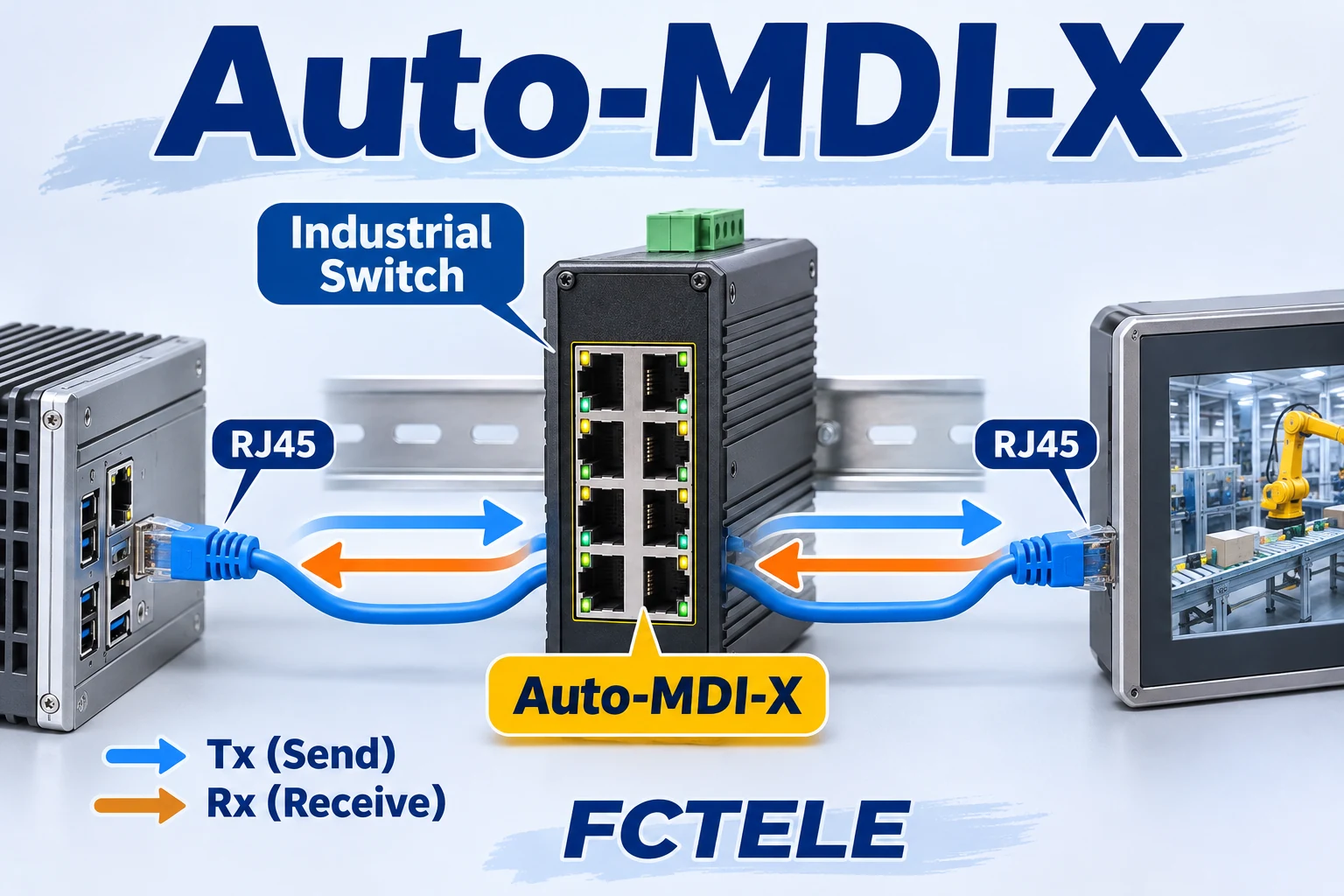
Why Can Straight-Through and Crossover Cables Both Work? Auto-MDI-X on 100BASE-TX Ports
See how 100BASE-TX transmit and receive pairs are matched, how Auto-MDI-X differs from negotiation, and why cable faults still need testing.
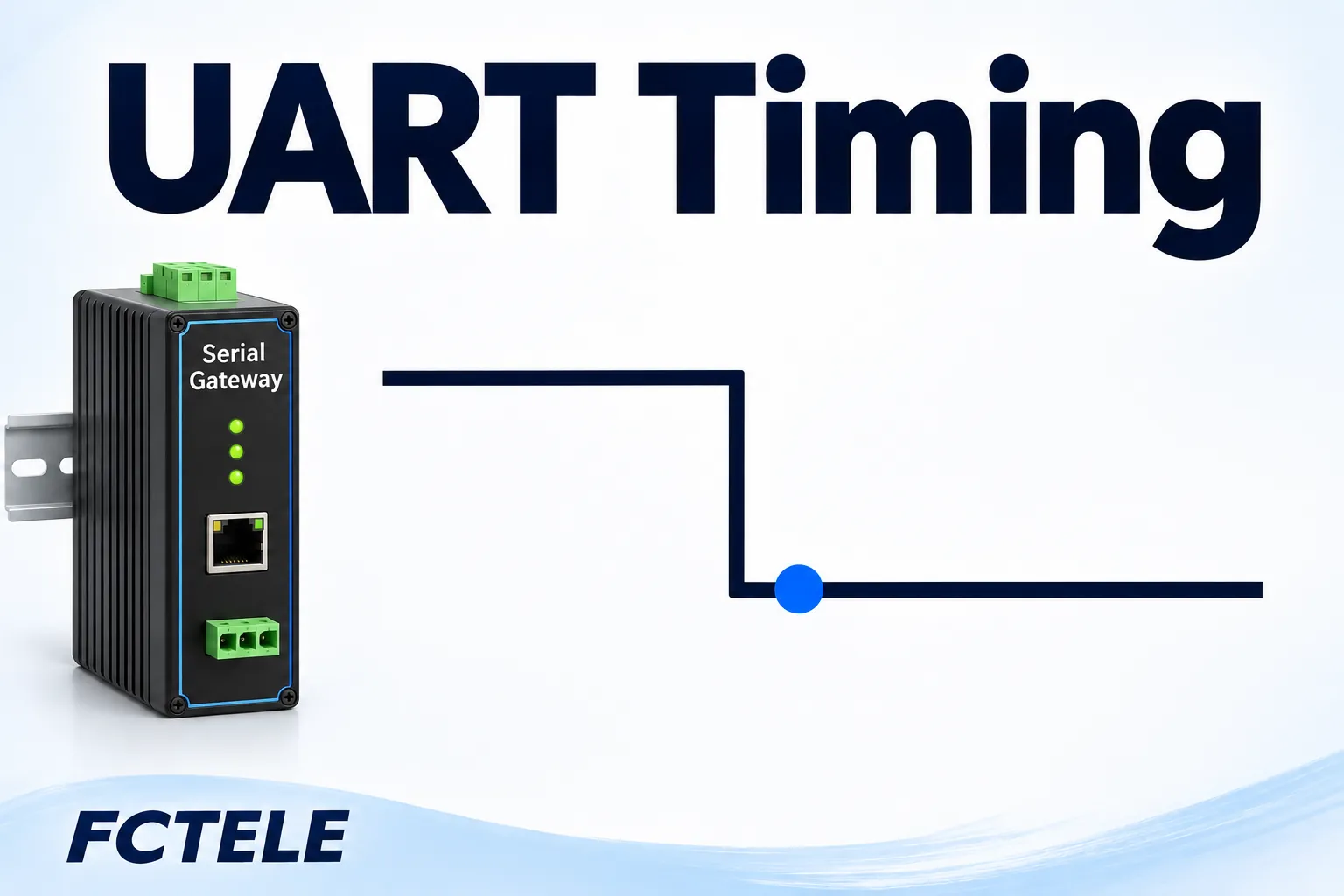
How Does UART Find Each Byte? Start Bits, Stop Bits and Sampling
Learn how UART aligns to each character, samples data with a local clock, and checks stop bits, without confusing logic states and line voltages.
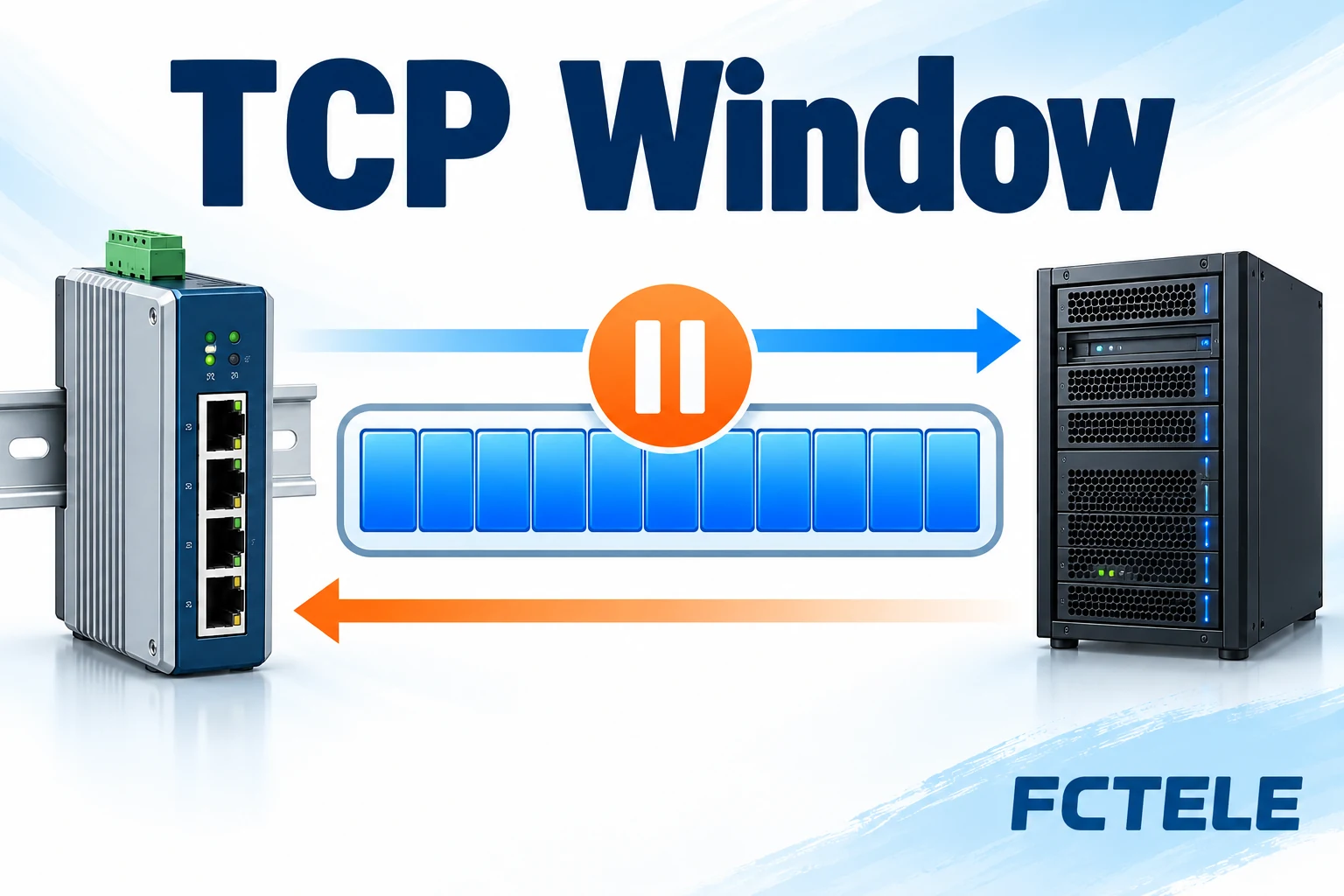
Why Does TCP Stop Sending When the Cable Is Fine? Receive Windows and Zero-Window Probes
Understand why TCP can pause on a healthy link, how receive buffers and advertised windows interact, and how zero-window probes help.
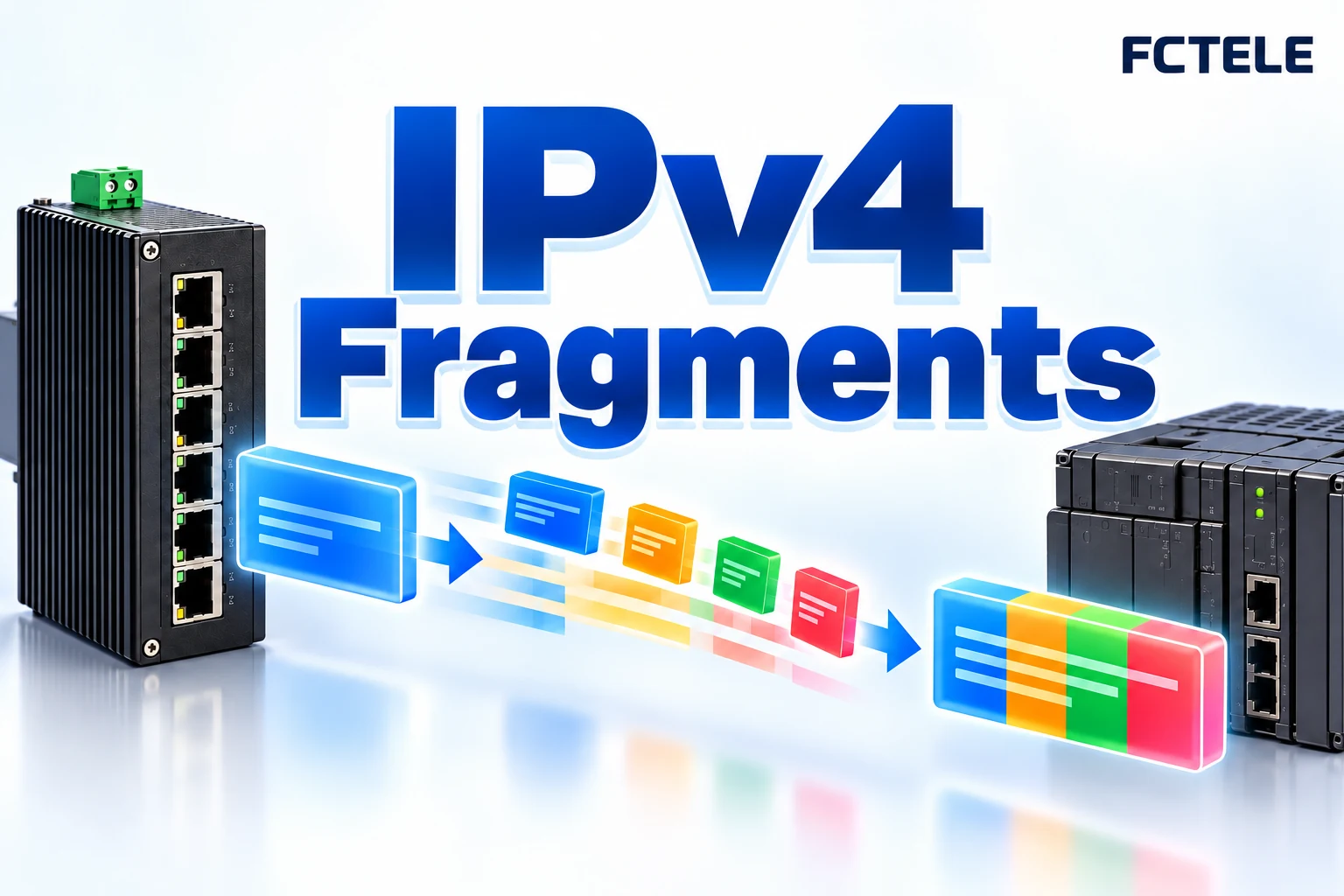
How Are IPv4 Fragments Put Back Together? IDs, Offsets and Reassembly
Learn when IPv4 packets fragment, how IDs, offsets and the MF flag guide reassembly, and what to check when a fragment goes missing.

Why Can Different IPv4 Multicast Groups Share One MAC Address?
Learn how IPv4 multicast maps to Ethernet MAC addresses, why two groups can share a MAC, and how to check membership and forwarding.
What If Serial Data Contains the End Marker? Byte Escaping Explained
See how byte escaping distinguishes serial payload data from an end marker, with SLIP examples and receiver state explained.
Why Block an Old Encrypted Packet? IPsec Anti-Replay Windows Explained
Learn how an IPsec anti-replay window identifies old packets, tolerates some reordering, and differs from application-level duplicate command handling.
Why Counting RS485 Devices Is Not Enough: Unit Loads and Driver Budget
Understand how parallel receiver inputs load an RS485 driver, why 32 unit loads do not mean 32 boxes, and why a low-load receiver does not guarantee a field node count.
Why Is an IPv6 Address Still Tentative? Duplicate Address Detection Explained
Learn how tentative IPv6 addresses, NS and NA messages, and the local-link boundary work in classic DAD—and why passing this check does not prove an industrial application works.
Why Replies Can Arrive After FIN: TCP Half-Close Explained
A plain-English guide to directional TCP closure, FIN timing, unread receive buffers and the separate question of whether a serial device completed its work.
