


 Inquire Now


This device can convert CAN bus signals into optical signals for transmission over optical fiber, effectively extending the communication distance of the CAN bus. By utilizing optical fiber communication, it solves the challenges of electromagnetic interference, ground loop interference, and lightning damage, greatly enhancing the reliability, security, and confidentiality of data communication. It can be widely used in various industrial control, process control, and traffic control applications, especially suitable for sectors and systems such as banking, power, and those with special requirements in electromagnetic interference environments.
- Product Selector Search guide: Product names first; space = AND, | = OR, ! = NOT
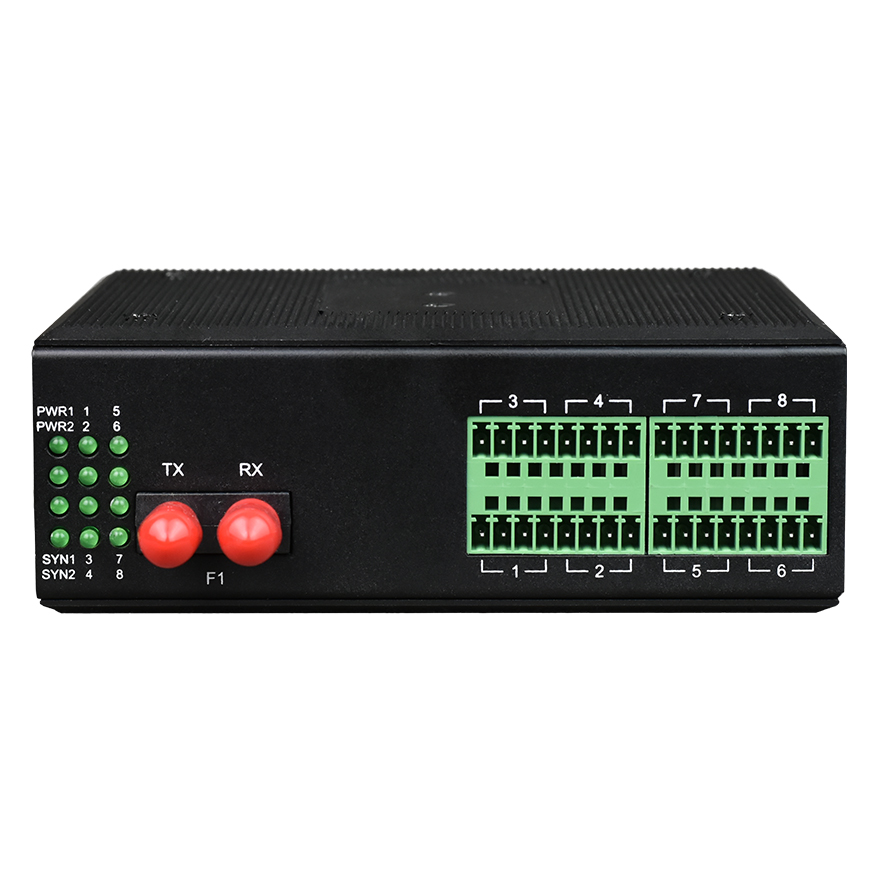
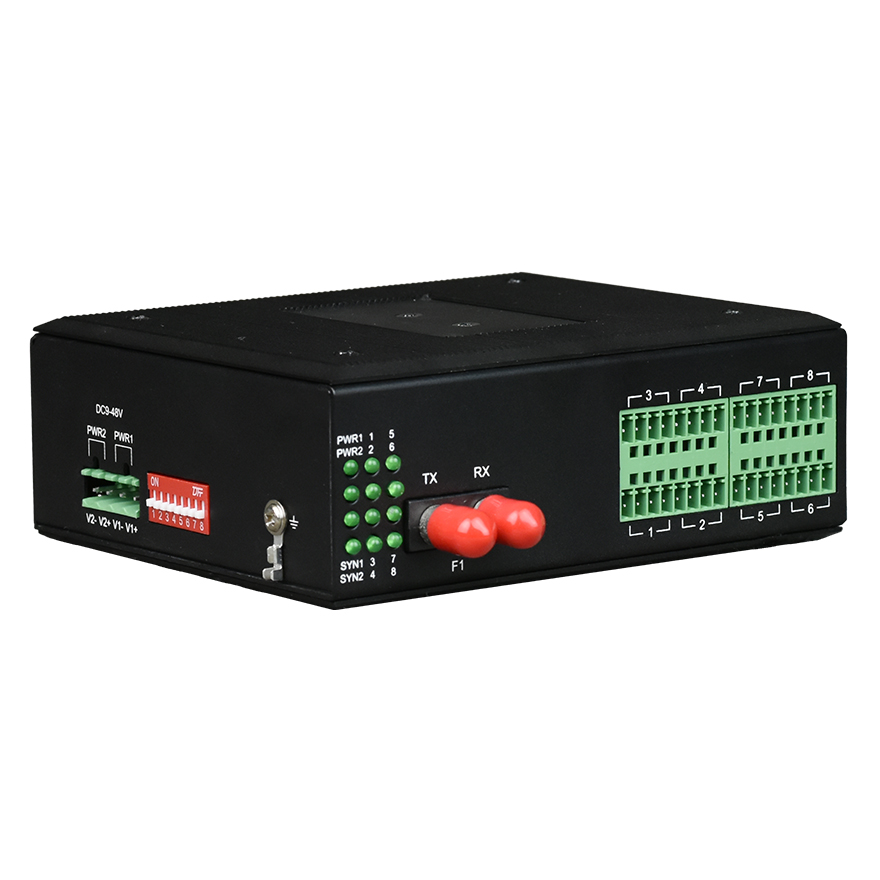
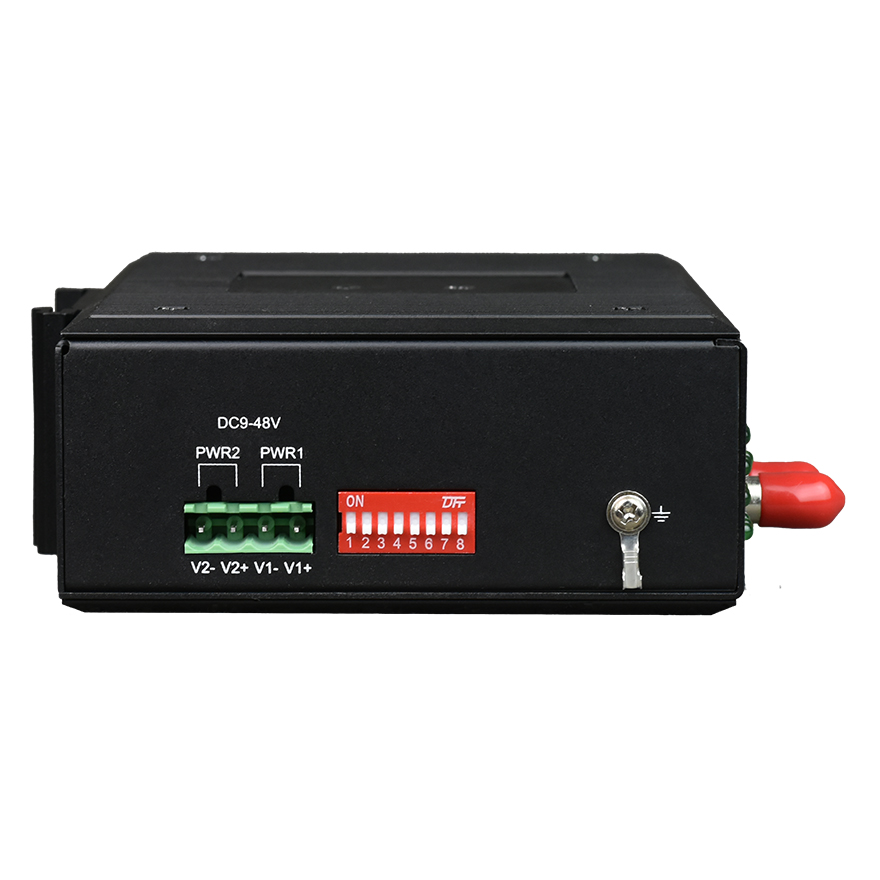
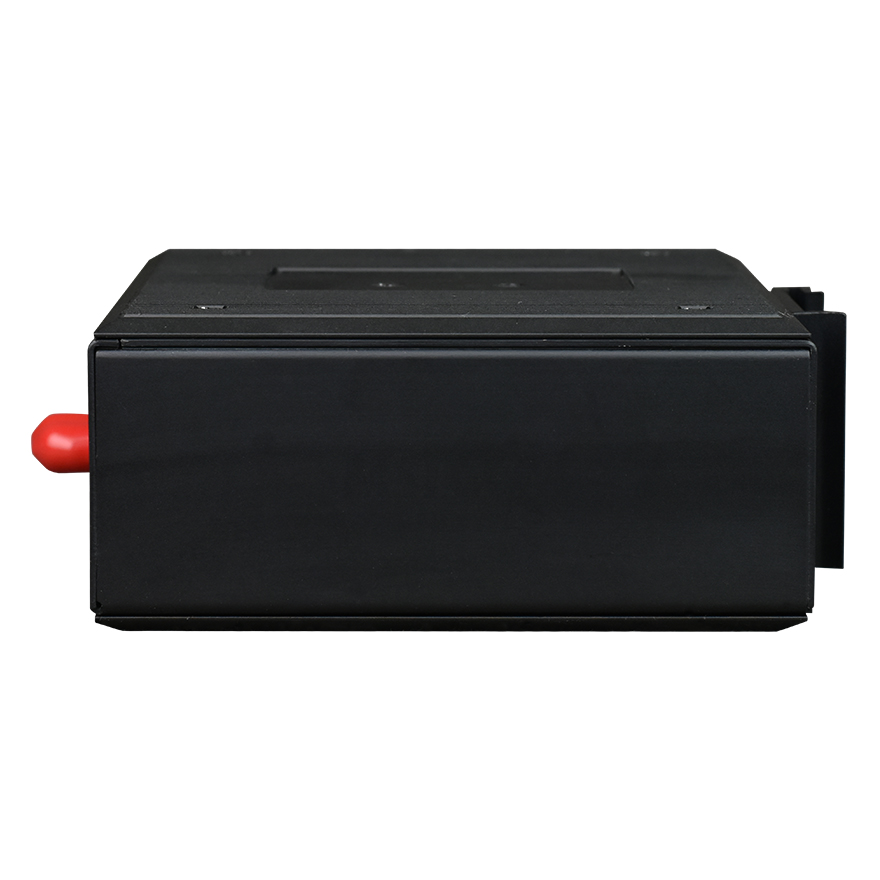
Industrial 2-Port CAN Bus to Fiber Converter
Model
FCP-C1/2G
Description :
The CAN Bus fiber optic converter can convert the CAN bus signal into an optical signal and transmit it on the optical fiber, which can extend the communication distance of the CAN bus.
Overview
Features
● The device features 1-2 CAN bus interfaces and 1 optical port.
● The CAN data communication is fully transparent, with automatic baud rate adaptation that requires no manual configuration.
● The CAN interface supports a maximum of 128 nodes, and its maximum speed ranges from 0 to 1 Mbps.
● The CAN bus complies with the international CAN 1.0 and CAN 2.0 standards.
● It supports a wide range of input voltages, both AC and DC, and offers internal isolation, redundant dual power inputs, overload protection, and reverse connection protection.
● The device meets the requirements of industrial electromagnetic compatibility.
● It possesses powerful lightning protection capabilities, guarding against lightning strikes, high voltage induction, and surges.
● The device operates without a fan, utilizing efficient heat dissipation methods to minimize downtime for repairs.
● With an IP40-rated enclosure, it can withstand challenging environmental conditions.
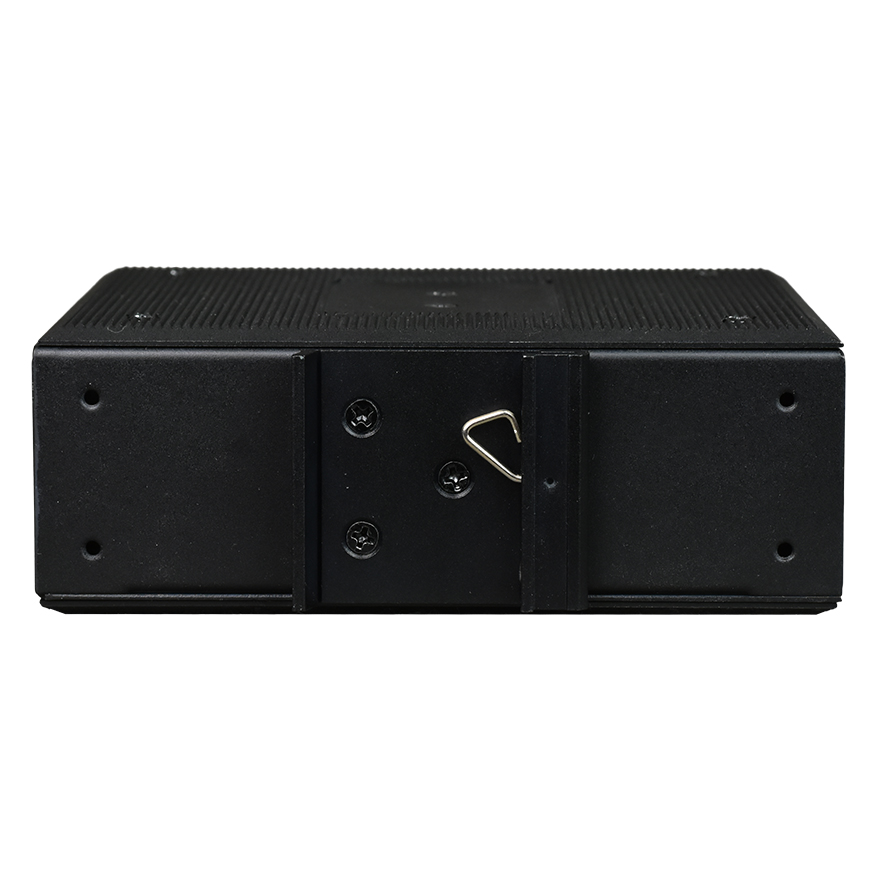
● The device can be installed using either a DIN rail or wall-mount method.
● It operates reliably in a wide temperature range, from -40°C to +85°C.
● It undergoes 100% burn-in testing and comes with a 5-year warranty.
● The CAN interfaces are equipped with lightning protection, meeting the GB/T17626.5 (IEC 61000-4-5) standard for short-circuit current wave of 10/700μs and open-circuit peak output voltage of 6KV.
Parameters
● Fiber
Optical port: 1
Optical fiber: single/dual fiber
Optical fiber interface: FC/SC/ST optional
Wavelength: 850nm/1310nm multi-mode; 1310nm/1550nm single-mode
Transmission distance without relay: 20 ~ 120Km
Typical transmit power:
single-mode 1310/1550nm: ≥-9dBm
Multi-mode 850nm: -18dBm
Multi-mode 1310nm: -25dBm
Receiving sensitivity range: -28dBm ~-40dBmm
● CAN Bus Interface
Protocol: Comply with international CAN1.0, CAN2.0 standards
Rate: 0 ~ 1000Kbps
Physical Interface: Industrial Terminal
CAN definition: CANH, CANL, GND
● Working Environment
Working temperature: -40 ℃ — + 85 ℃
Storage temperature: -40 ℃ — + 85 ℃
Operating humidity: 0% —95% (non-condensing)
MTBF: > 100,000 hours
Specifications
|
Model |
FCP-C1/2G |
|
Function Description |
Simultaneous transmission of 1-2 CAN bus interfaces on the fiber |
|
Ports Description |
1 optical port; 2 CAN BUS ports |
|
Power Supply |
AC 7V~50V; DC 9-55V |
|
Dimension |
Product Size: 133X120X50mm (WXDXH) |
|
Weight |
0.75KG/piece |
Application

Related Products
Inquire Now
PRODUCT INQUIRY
Tell us about your application.
Share your devices, interfaces or quantity—our team will help you choose a suitable solution.
✓ Prompt response
↔ Technical guidance
✓ Confidential details
+ Custom requirements
We use your information only to respond to this inquiry.
