
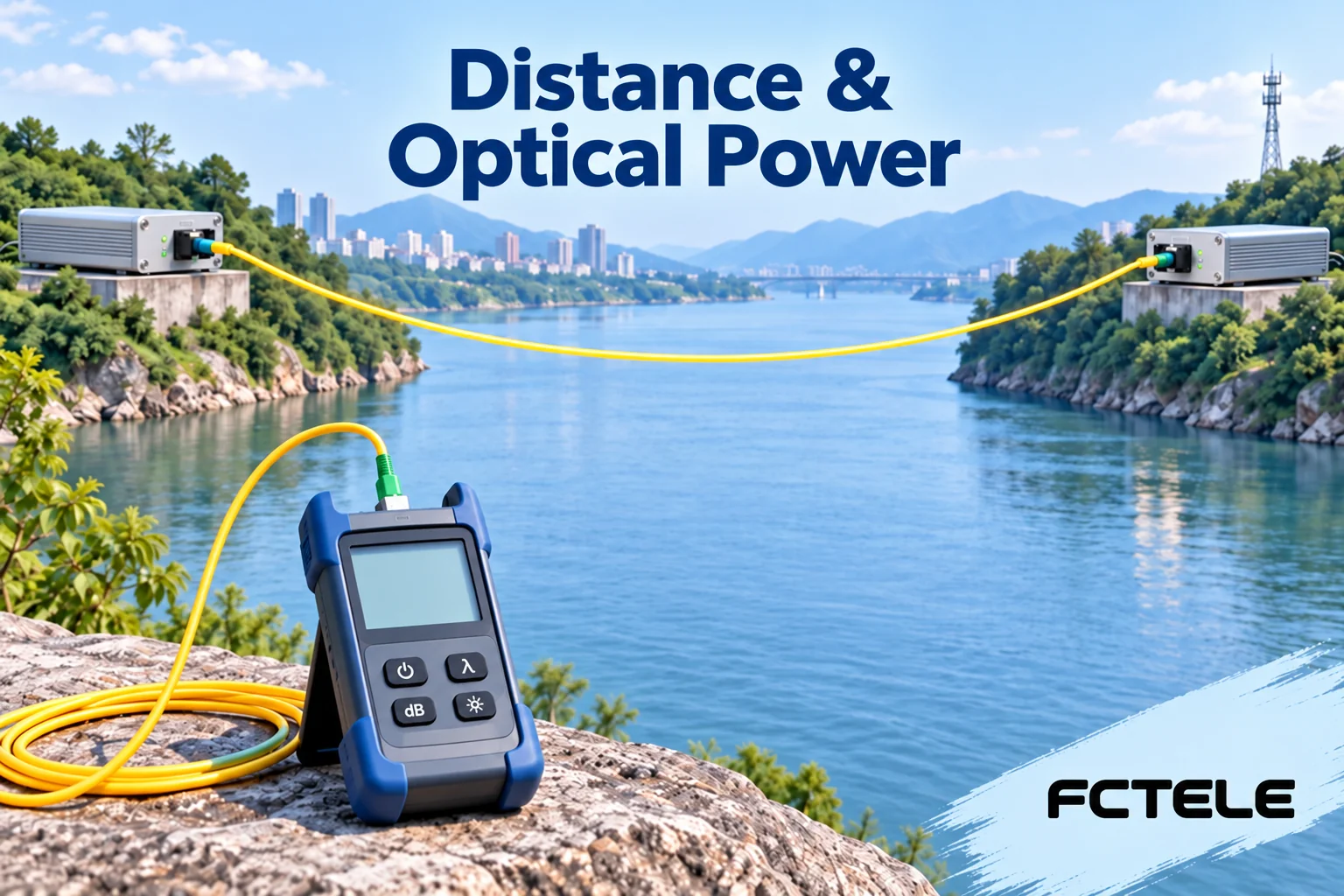
How Far Can a Fiber Optic Transmission Device Transmit: Optical Power Budget, Receiver Overload, and Field Acceptance
Estimate optical reach with guaranteed transmit limits, path loss, maintenance margin and receiver overload. Separate optical power, OTDR evidence and service acceptance.
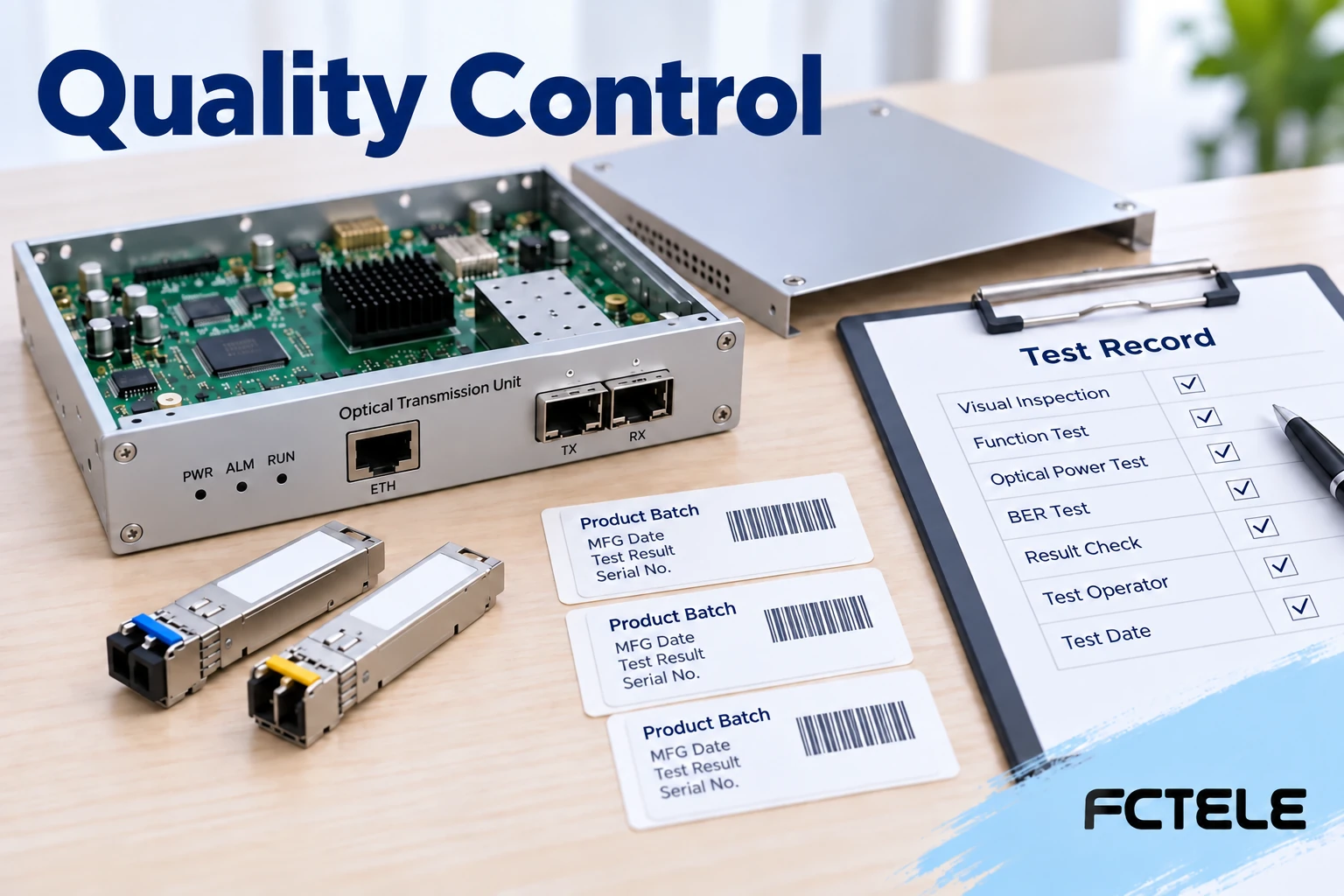
How to Verify Fiber Optic Transmission Device Manufacturing Quality: Optical-Electrical Conversion, Pair Testing, and Batch Traceability
Verify optical transmission quality through exact service configurations, paired endpoint tests and batch traceability. Connect optical conditions with actual service results.
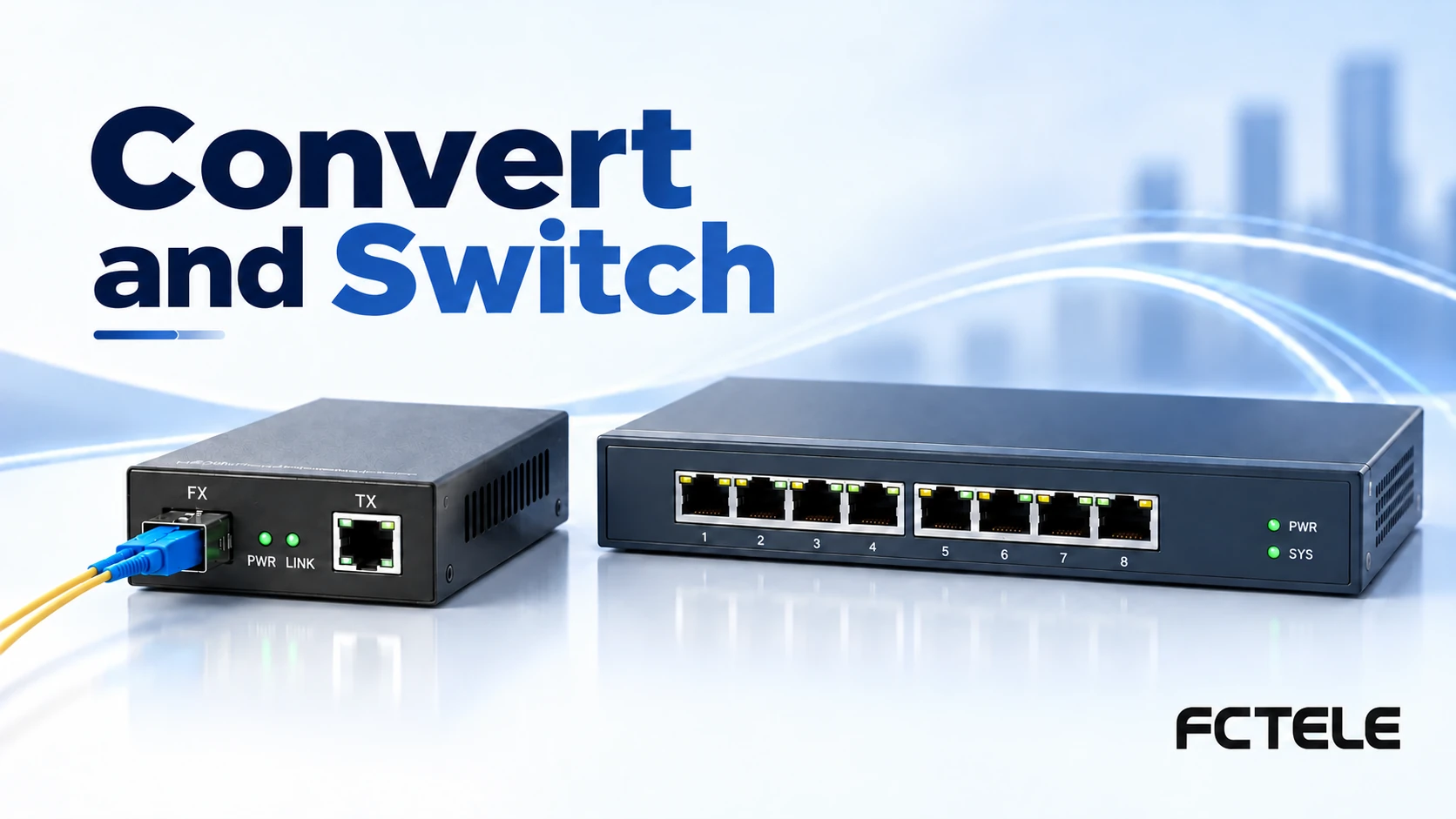
Fiber Media Converters, Fiber Switches, and Network Fiber Optic Transmission Devices: The Functional Differences Behind the Names
Distinguish media extension, Ethernet switching and dedicated optical services by actual ports and forwarding roles. Verify shared uplinks and avoid Fibre Channel confusion.
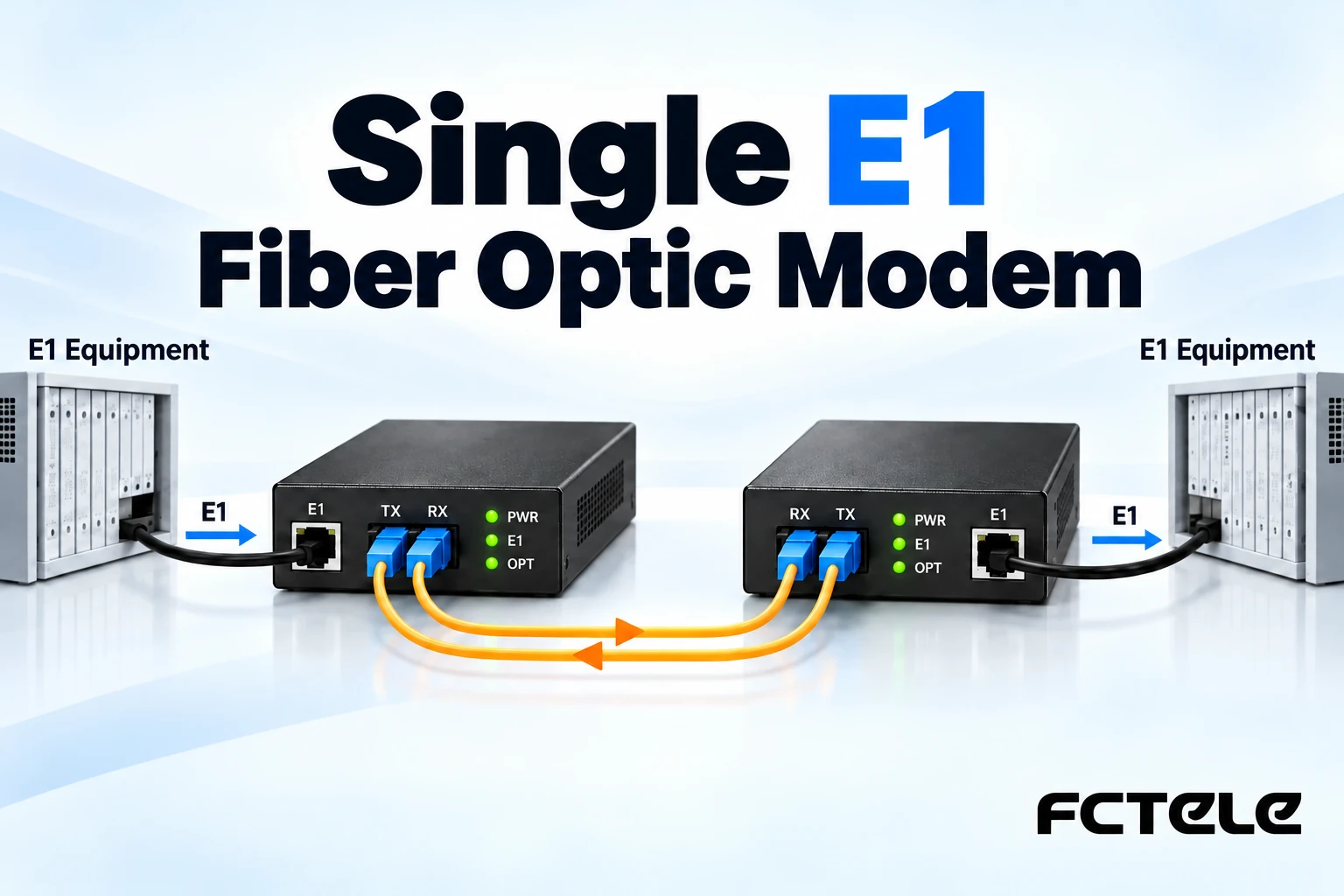
How to Choose a Single E1 Fiber Optic Modem: Electrical Interface, Clocking, and Service Acceptance
Select single E1 optical modems by 75/120-ohm interface, framing, clock roles and compatible peers. Keep loopback evidence separate from end-to-end service acceptance.
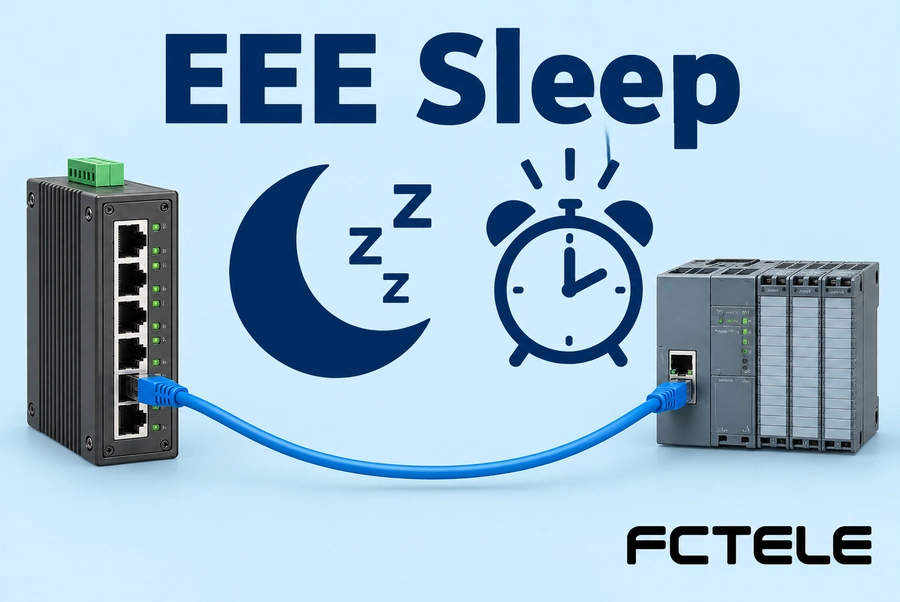
EEE Ethernet Sleep: Wake-Up and First-Frame Delay
Understand EEE low-power idle, refresh and wake-up waiting. Compare actual port status and first-frame latency under controlled traffic before changing settings.
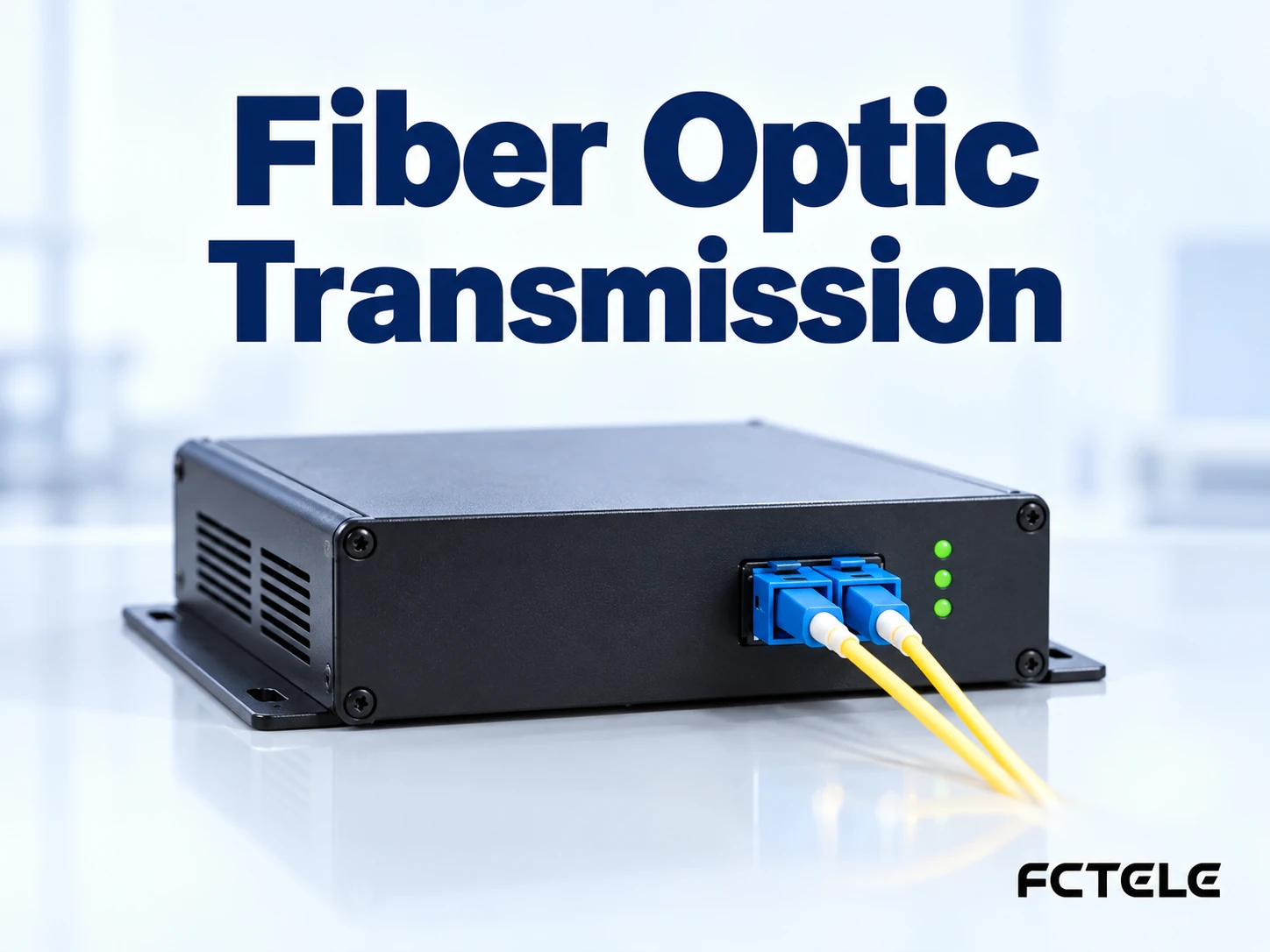
How to Choose a Fiber Optic Transmission Equipment Brand: Filter by Business Needs, Compatibility, and Verification Evidence
Compare optical equipment suppliers using matched service interfaces, peer compatibility, documented tests and recoverable delivery. Avoid unsupported brand rankings.
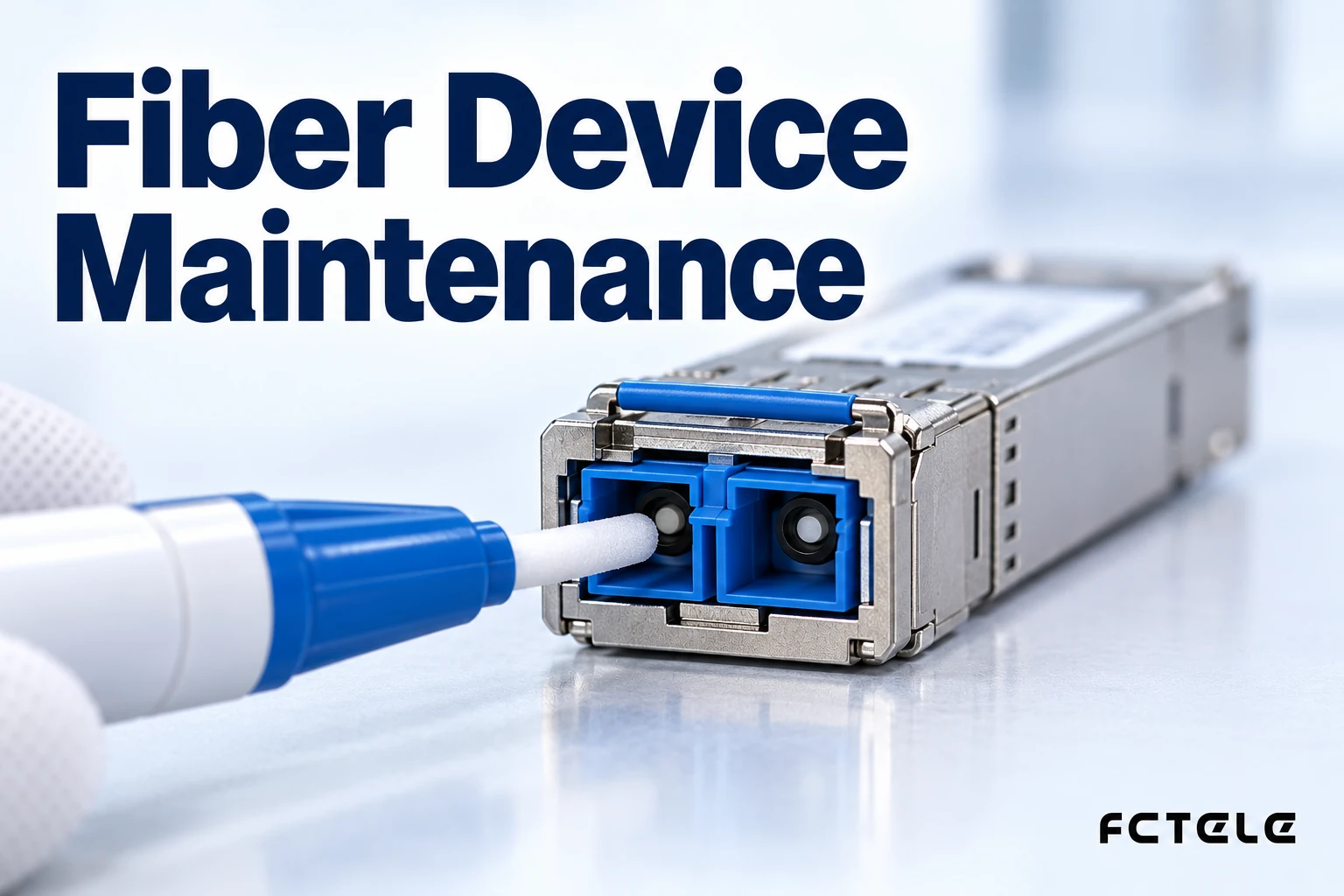
How to Inspect and Maintain Fiber Optic Transmission Devices: Heat Dissipation, Power Supply, and End-Face Cleaning
Maintain optical transmission equipment with recorded baselines, cabinet checks and safe inspect-clean-inspect procedures. Revalidate the original service after changes.
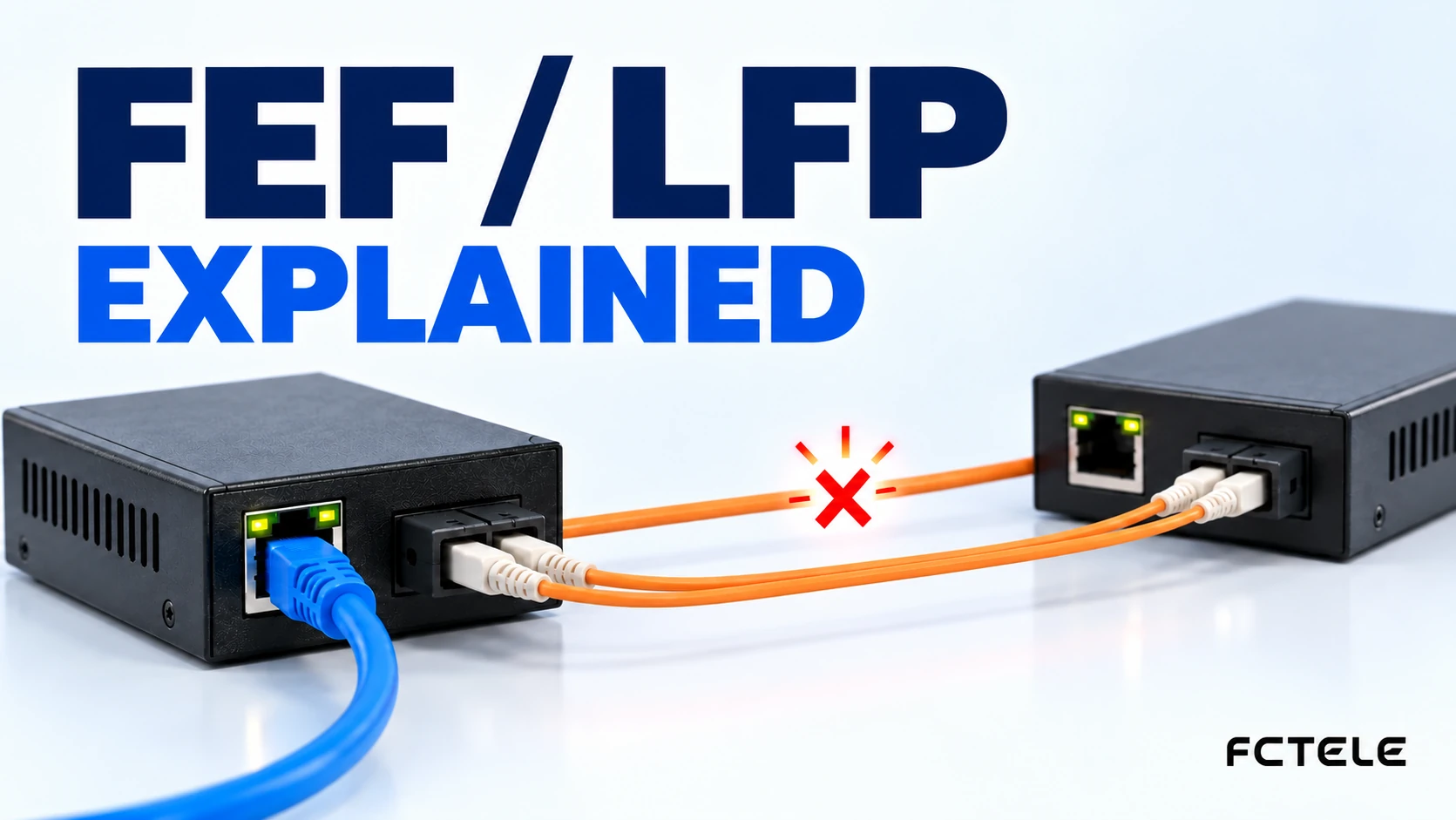
What Do FEF and LFP Mean on a Fiber Media Converter? From Fault Detection to Copper Port Linkage
Separate FEF remote fault indication from LFP interface-state linkage. Trace each fault direction, confirm supported modes and test notification separately from recovery.
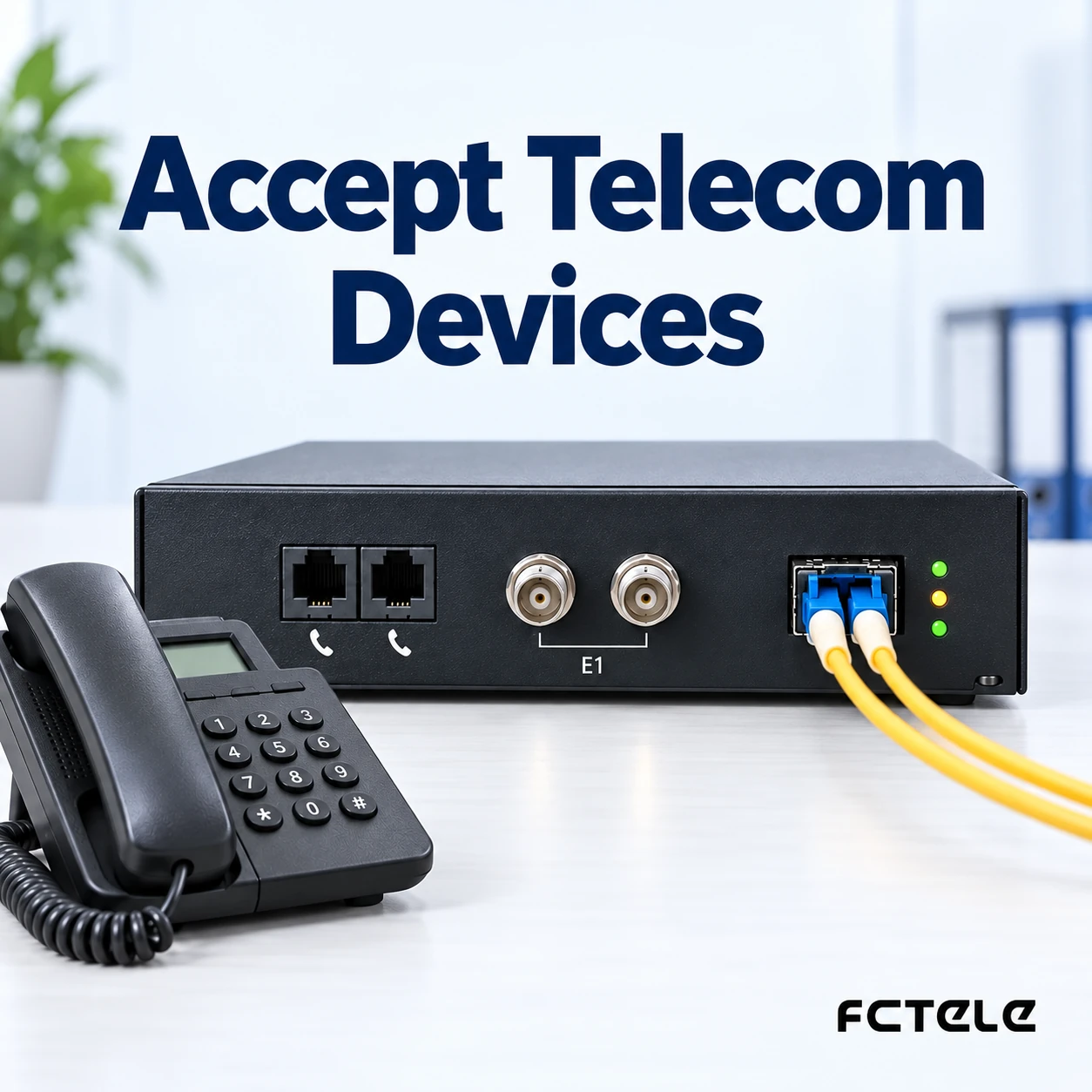
How to Accept Telephone and E1 Fiber Optic Transmission Devices: Interface Checks, Loopbacks, and Service Testing
Accept telephone and E1 optical equipment with correct interface roles, a short-link baseline and bounded loopbacks. Test every call phase and normal end-to-end service.
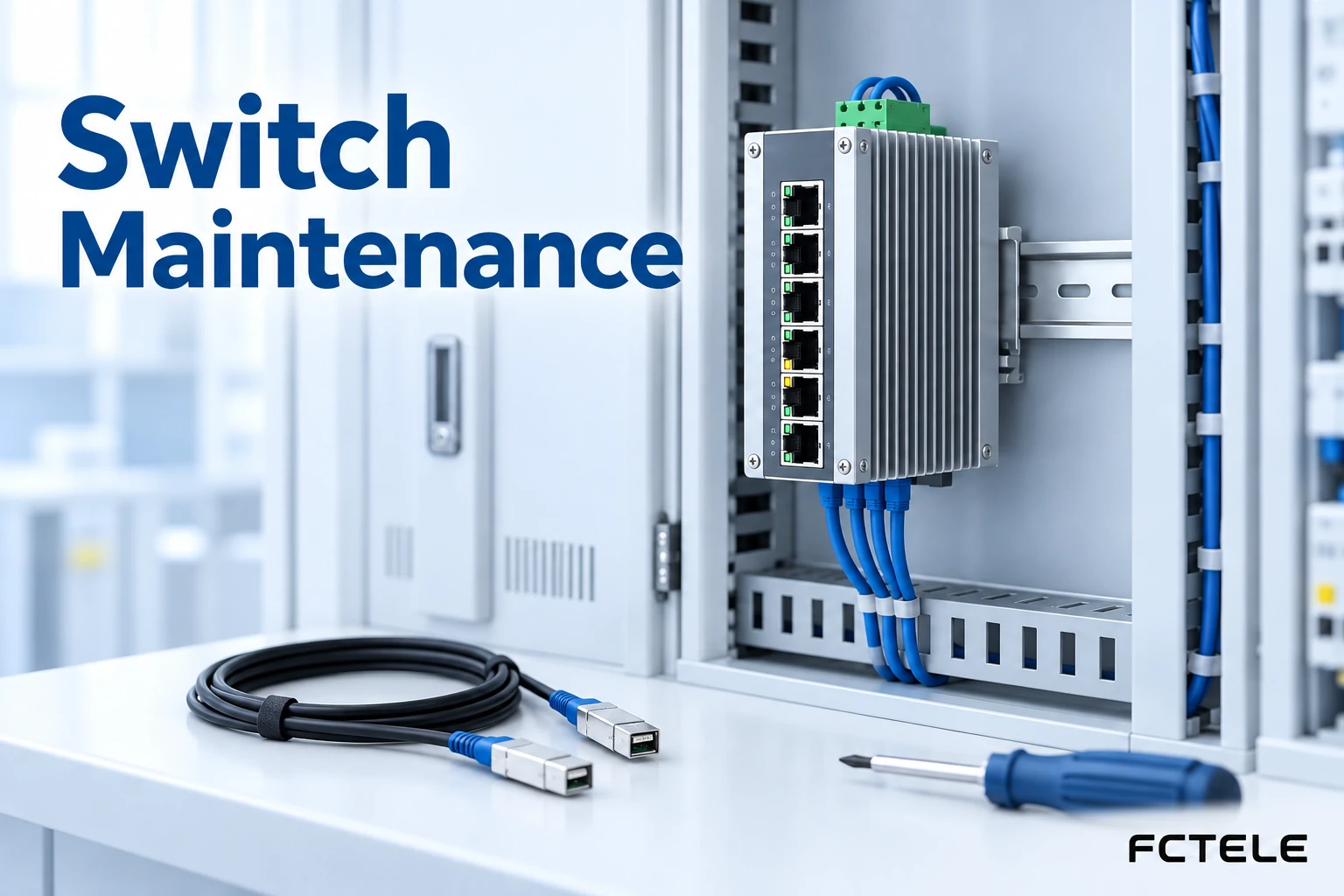
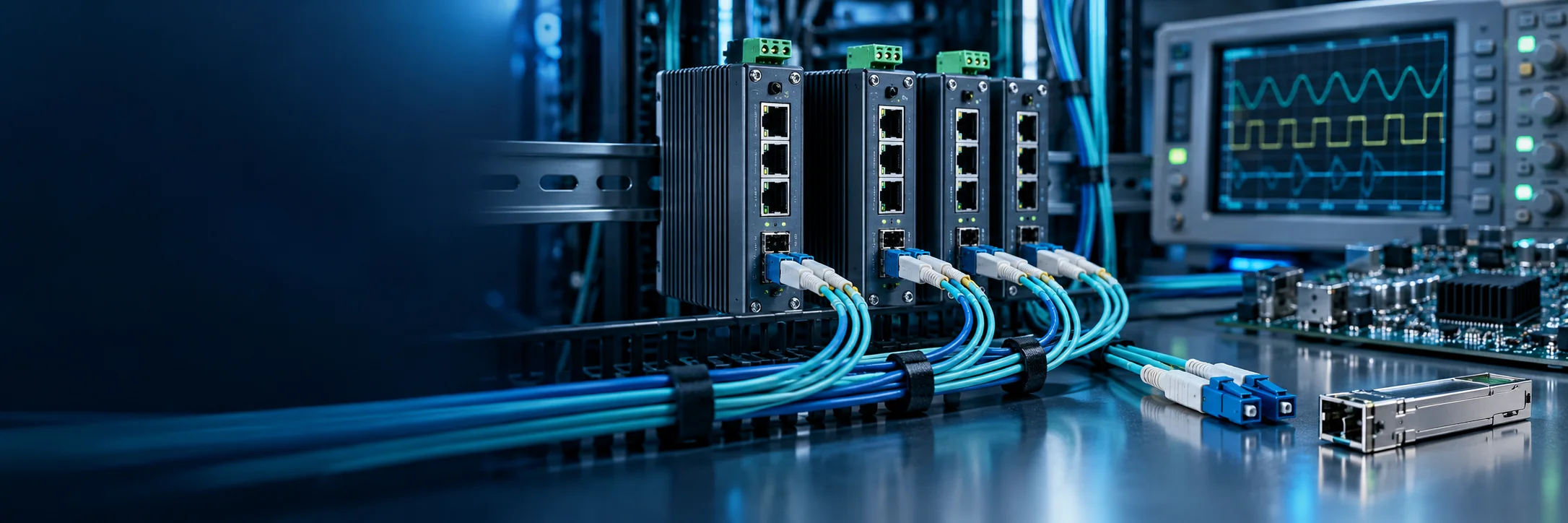
How to Do Routine Maintenance on Industrial Switches: Environment, Links, Configuration, and Spare Parts Checks
Maintain switch records, thermal conditions, link trends and tested backups. Match spare versions and negotiated port modes, then verify the real service after changes.
