

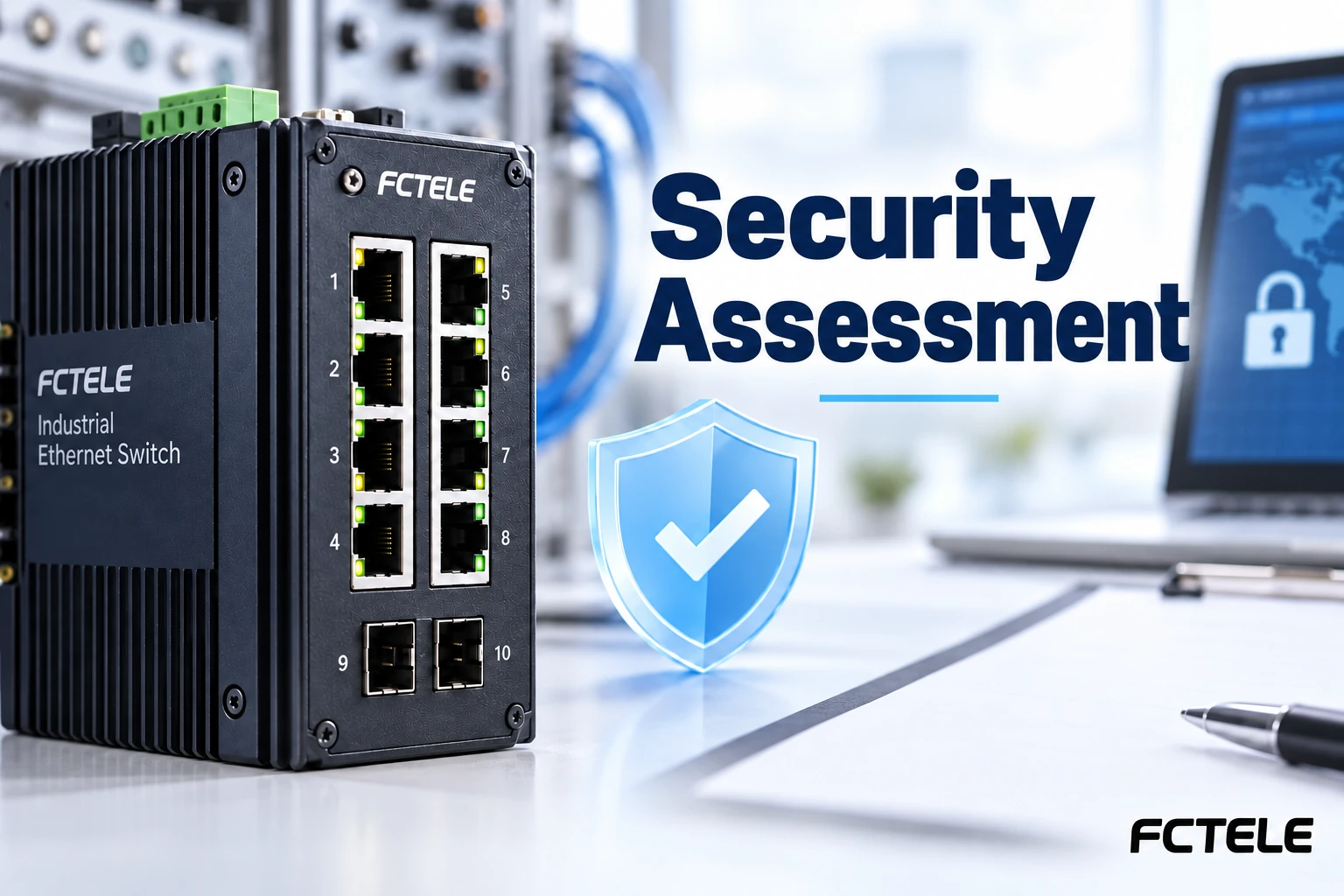
How to Assess Industrial Switch Network Security: Management Access, Zoning, and Communication Availability
Assess industrial switch security through authorized management access, service zoning, log evidence and recoverable configuration. Preserve OT availability during tests.
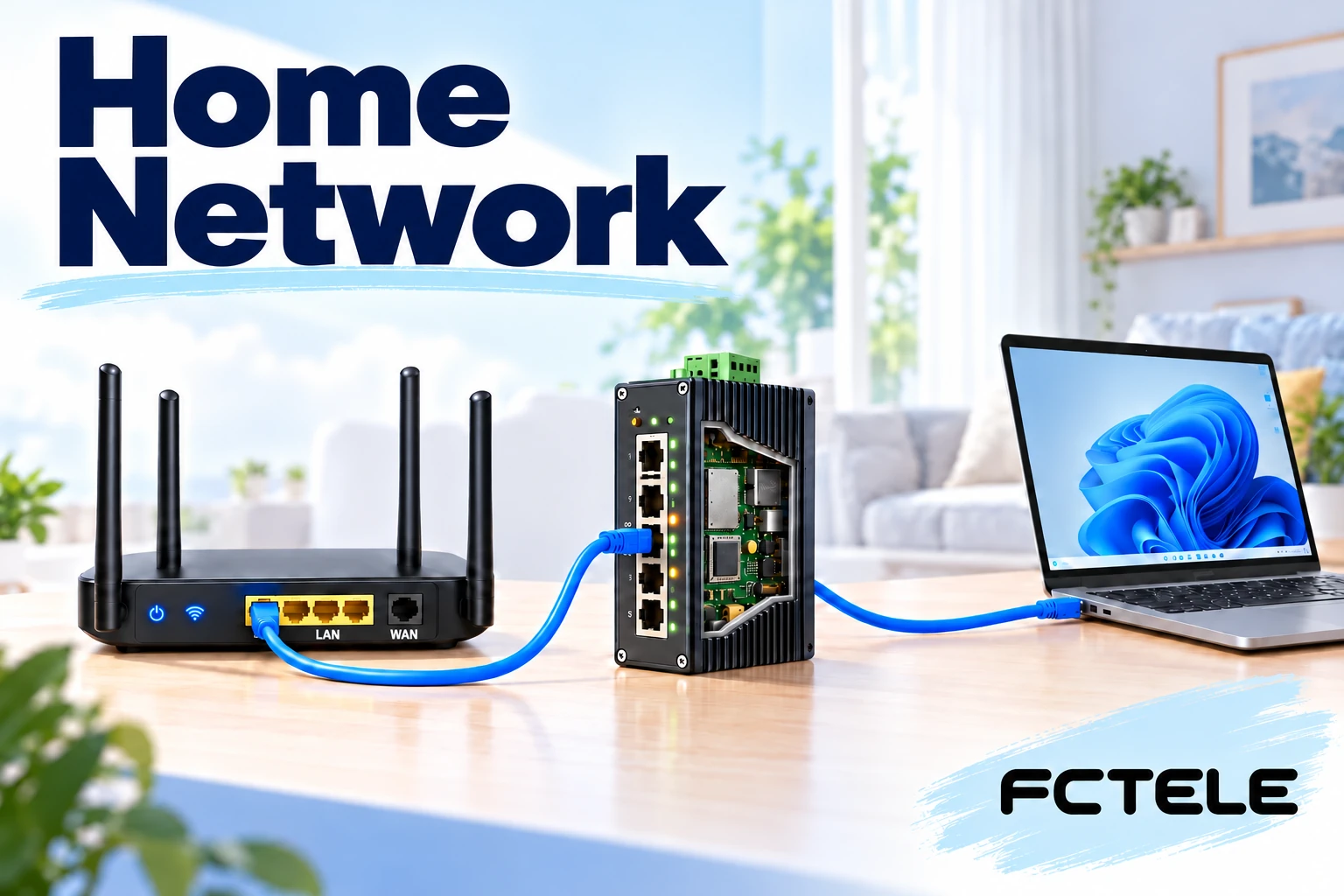
Can Industrial Switches Be Used at Home? Router Roles, Wiring, and Installation
Decide whether an industrial switch fits home networking by gateway roles, uplink speed, power terminals and installation. Test local access and internet separately.

How to Read Industrial Switch Immunity and Temperature Tests: Conditions, Performance, and Reports
Read industrial switch immunity and temperature reports by sample, applied method, configuration and observed service. Distinguish dry heat, transients and recovery.
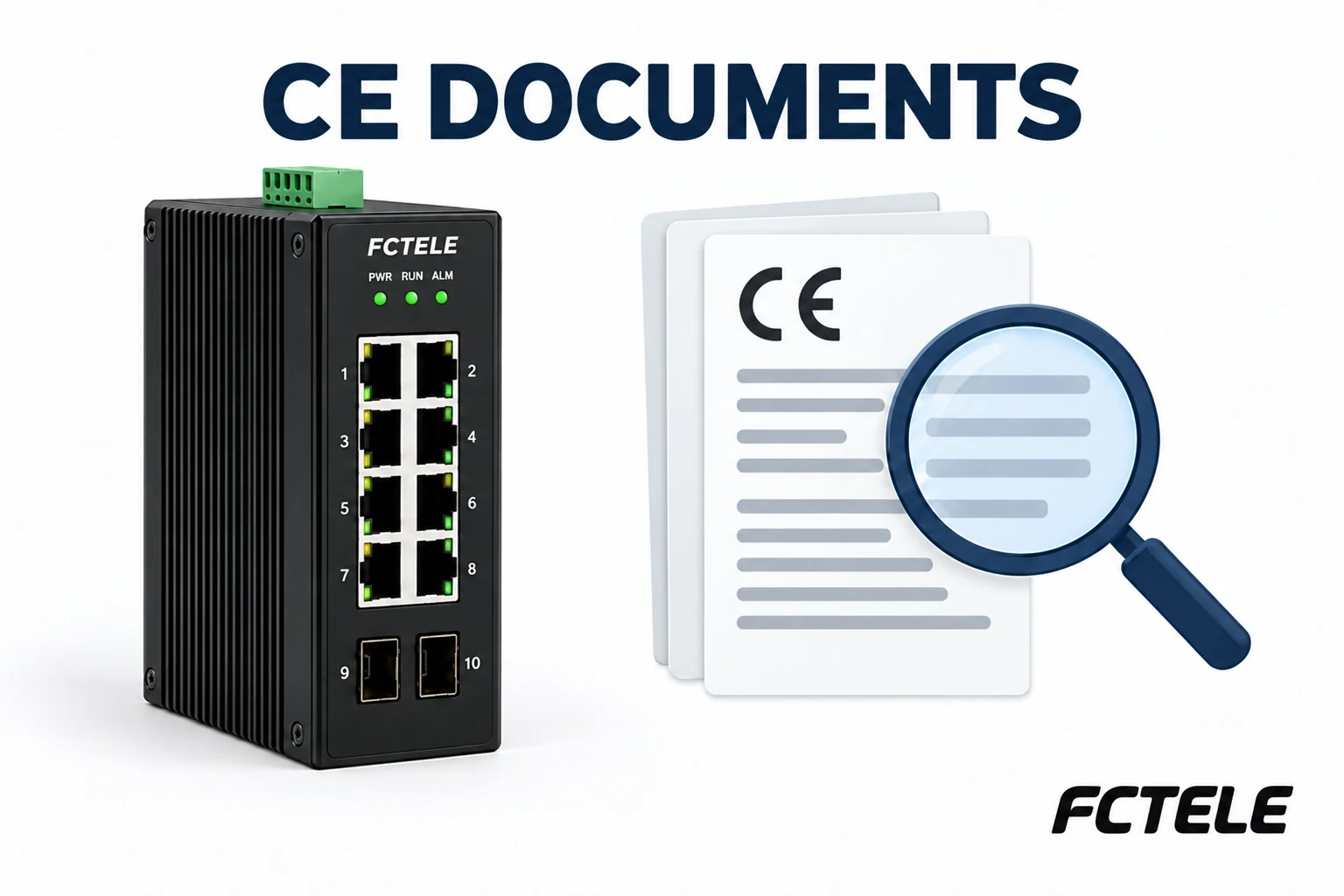
How to Read CE Documentation for Industrial Switches: Models, EMC, Reports, and Declarations of Conformity
Review industrial switch CE documents by delivered model, report scope and manufacturer declaration. Distinguish EMC evidence from service performance or certification claims.
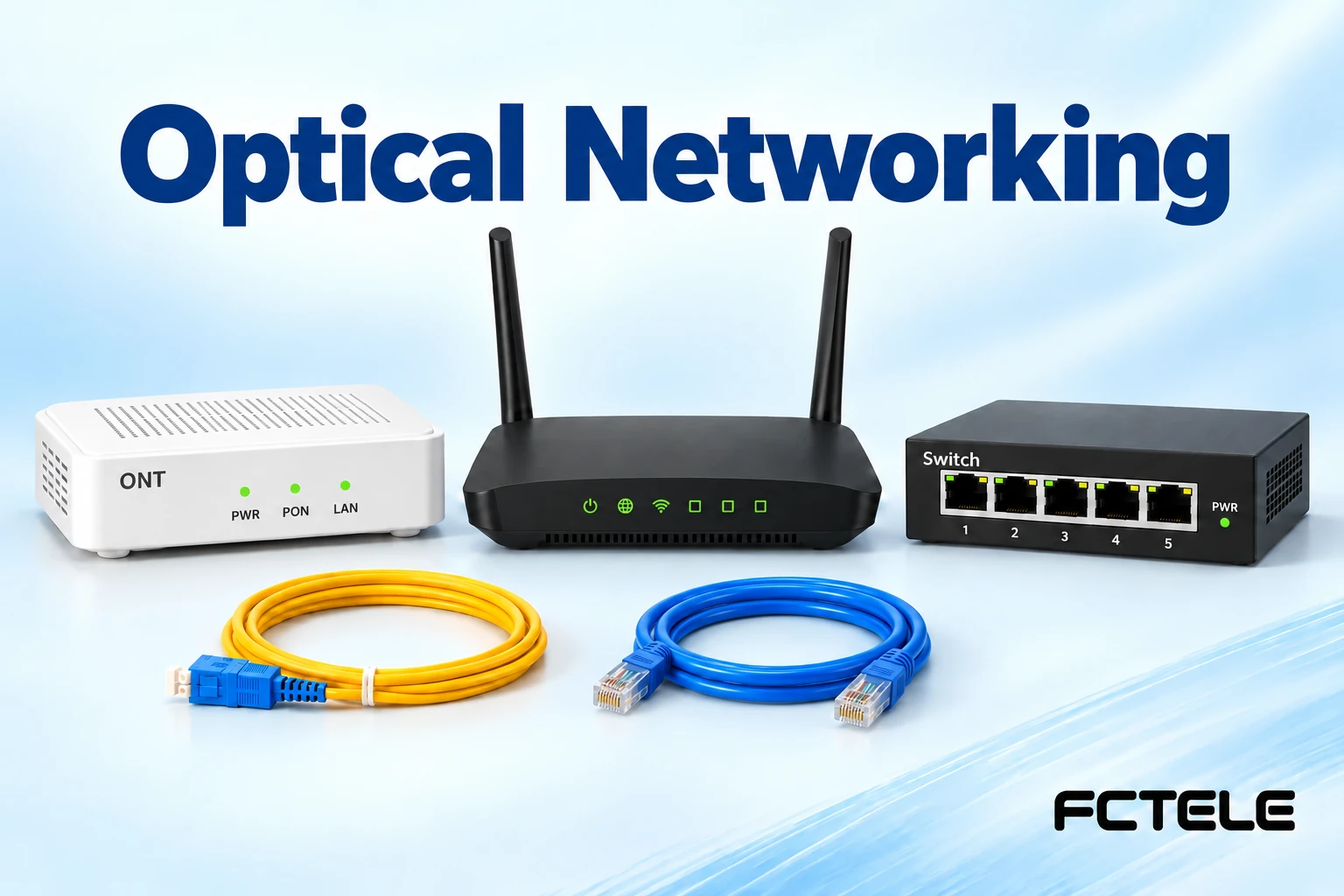
How Optical Modems, Routers, and Switches Divide Work: Access, Routing, and LAN Forwarding
Distinguish PON access, IP gateway routing and Ethernet LAN forwarding. Identify the actual gateway before connecting an ONT directly to a switch or router.
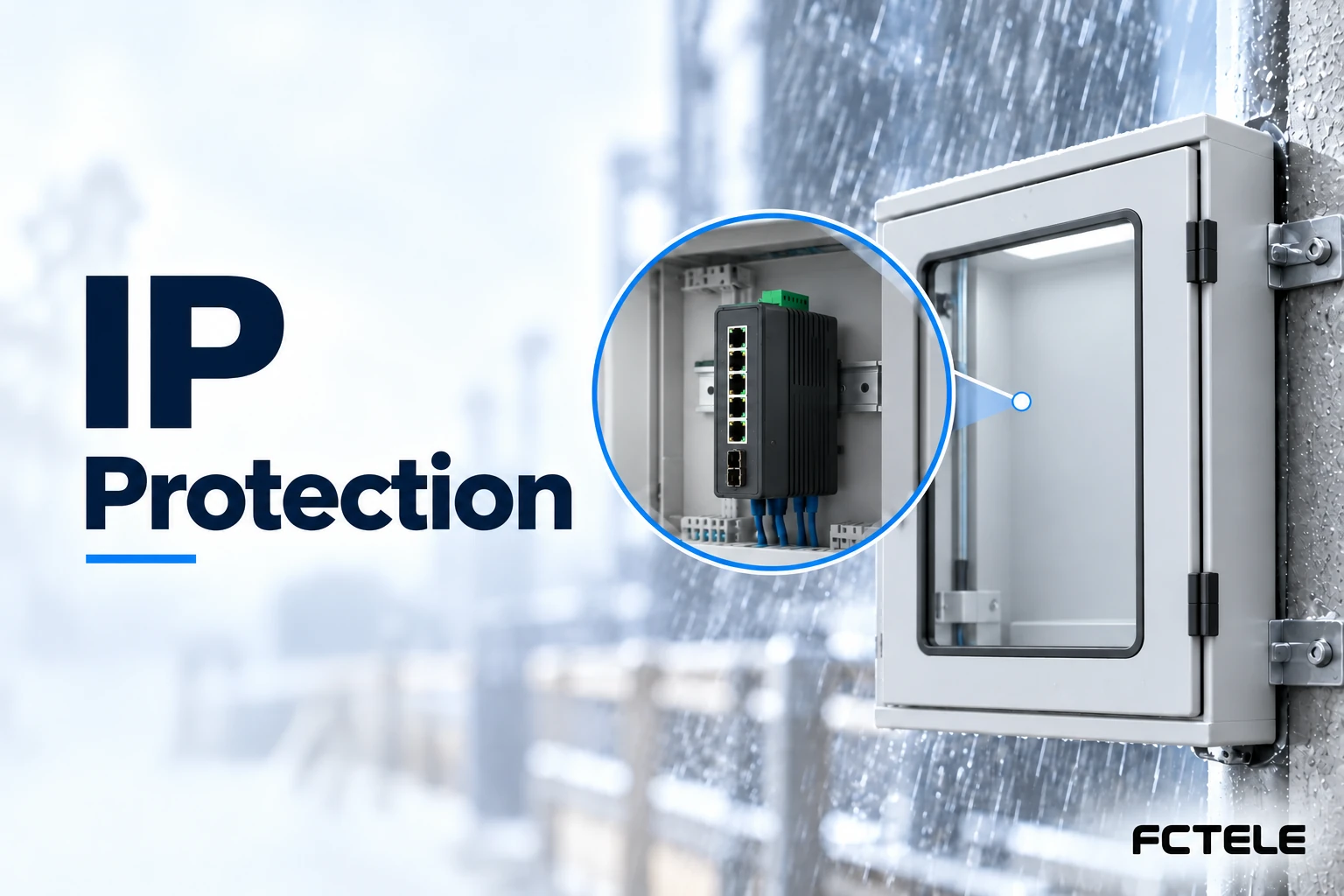
How to Choose an Industrial Switch IP Rating: Dust, Water, and Installation Limits
Read each IP-rating digit separately and check the complete installation. IP40 is not waterproof; ingress ratings do not establish EMC or condensation resistance.
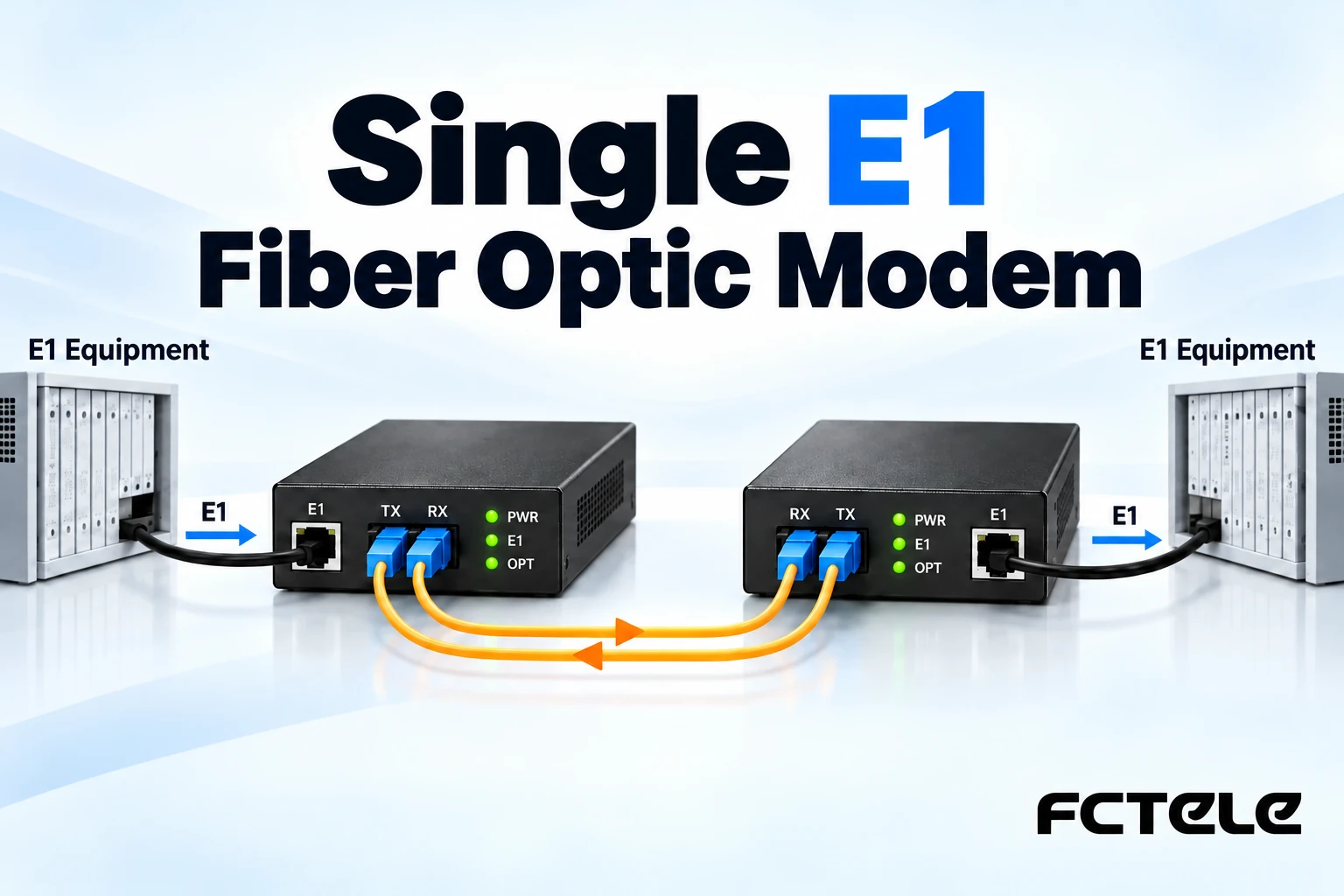
How to Choose a Single E1 Fiber Optic Modem: Electrical Interface, Clocking, and Service Acceptance
Select single E1 optical modems by 75/120-ohm interface, framing, clock roles and compatible peers. Keep loopback evidence separate from end-to-end service acceptance.
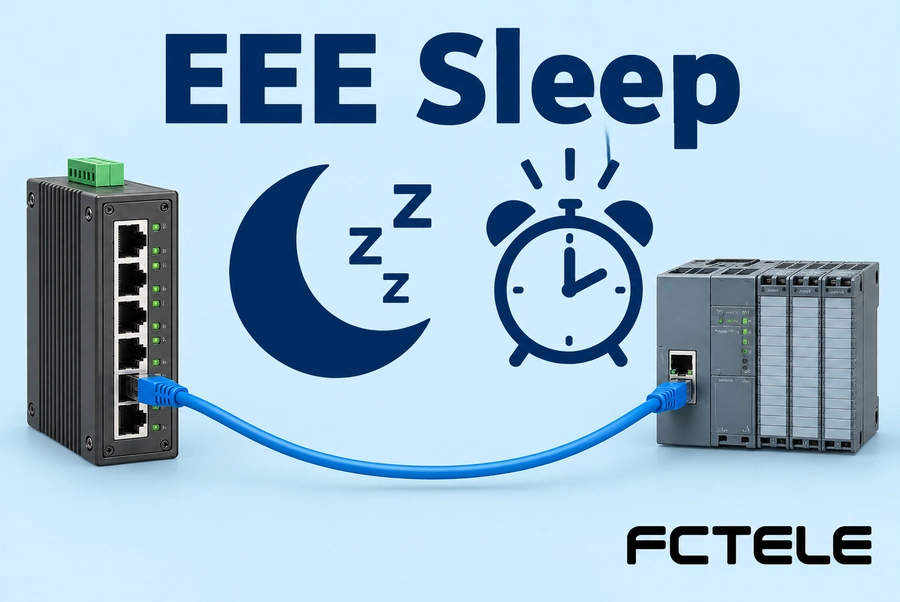
EEE Ethernet Sleep: Wake-Up and First-Frame Delay
Understand EEE low-power idle, refresh and wake-up waiting. Compare actual port status and first-frame latency under controlled traffic before changing settings.
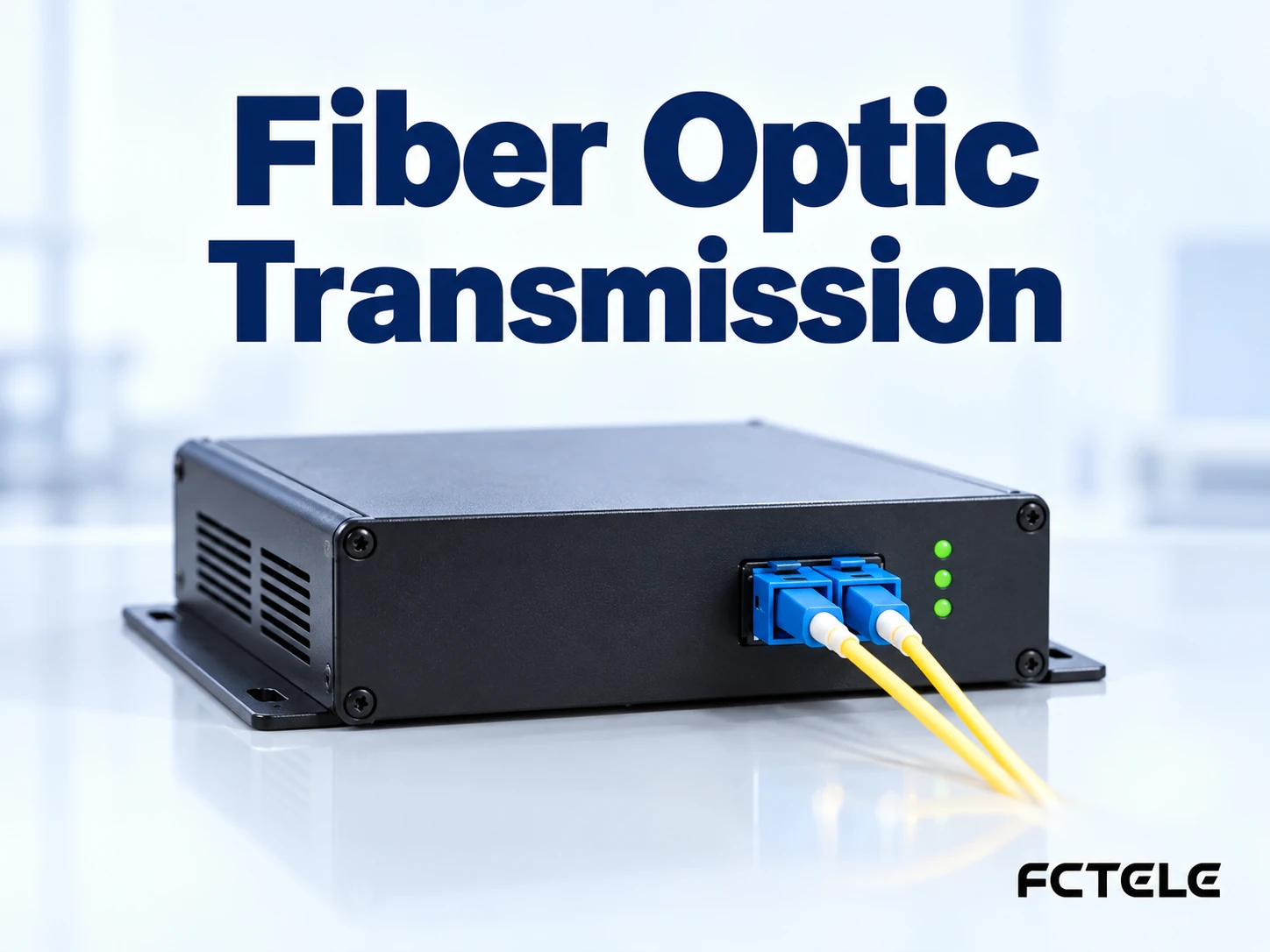
How to Choose a Fiber Optic Transmission Equipment Brand: Filter by Business Needs, Compatibility, and Verification Evidence
Compare optical equipment suppliers using matched service interfaces, peer compatibility, documented tests and recoverable delivery. Avoid unsupported brand rankings.
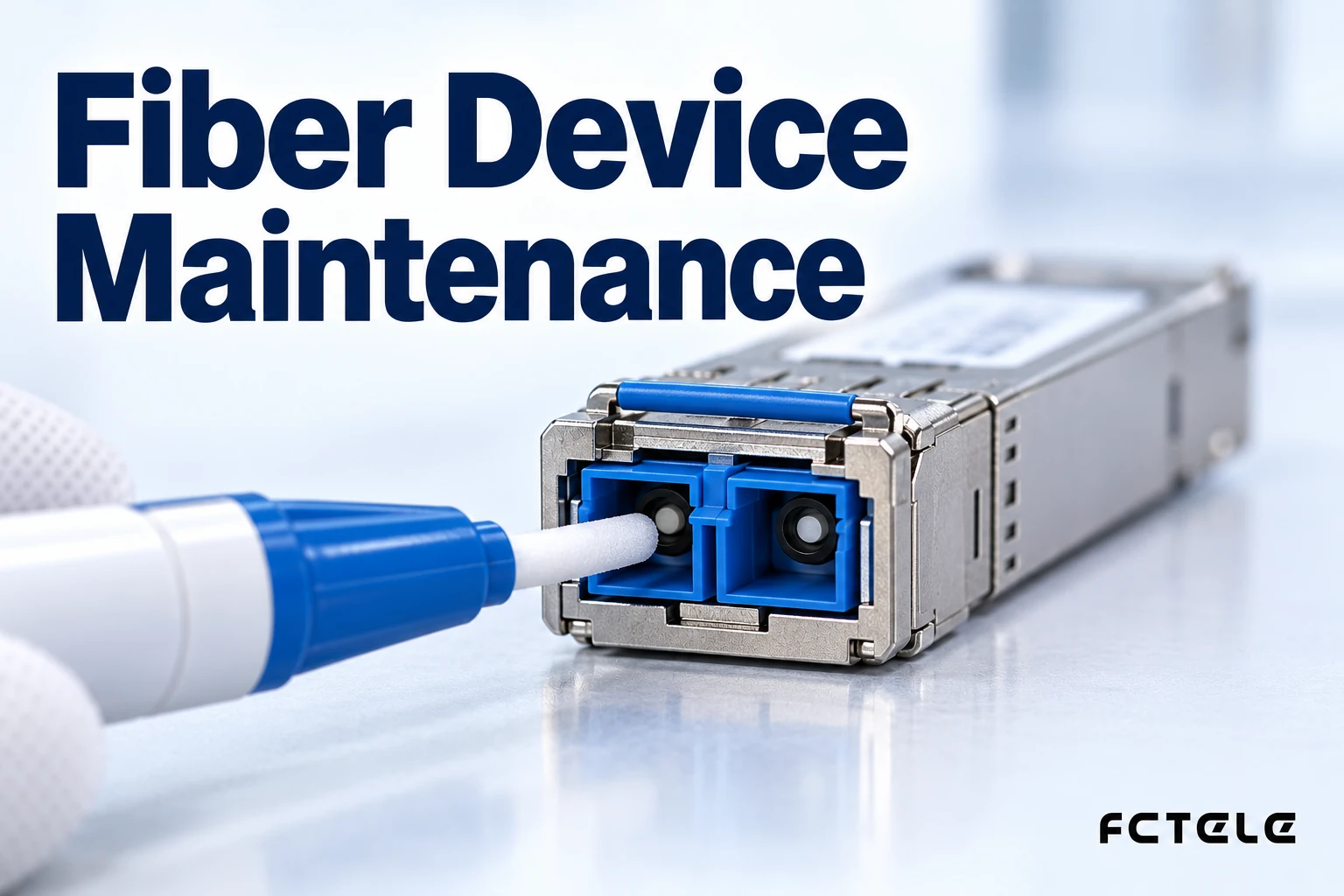
How to Inspect and Maintain Fiber Optic Transmission Devices: Heat Dissipation, Power Supply, and End-Face Cleaning
Maintain optical transmission equipment with recorded baselines, cabinet checks and safe inspect-clean-inspect procedures. Revalidate the original service after changes.
