
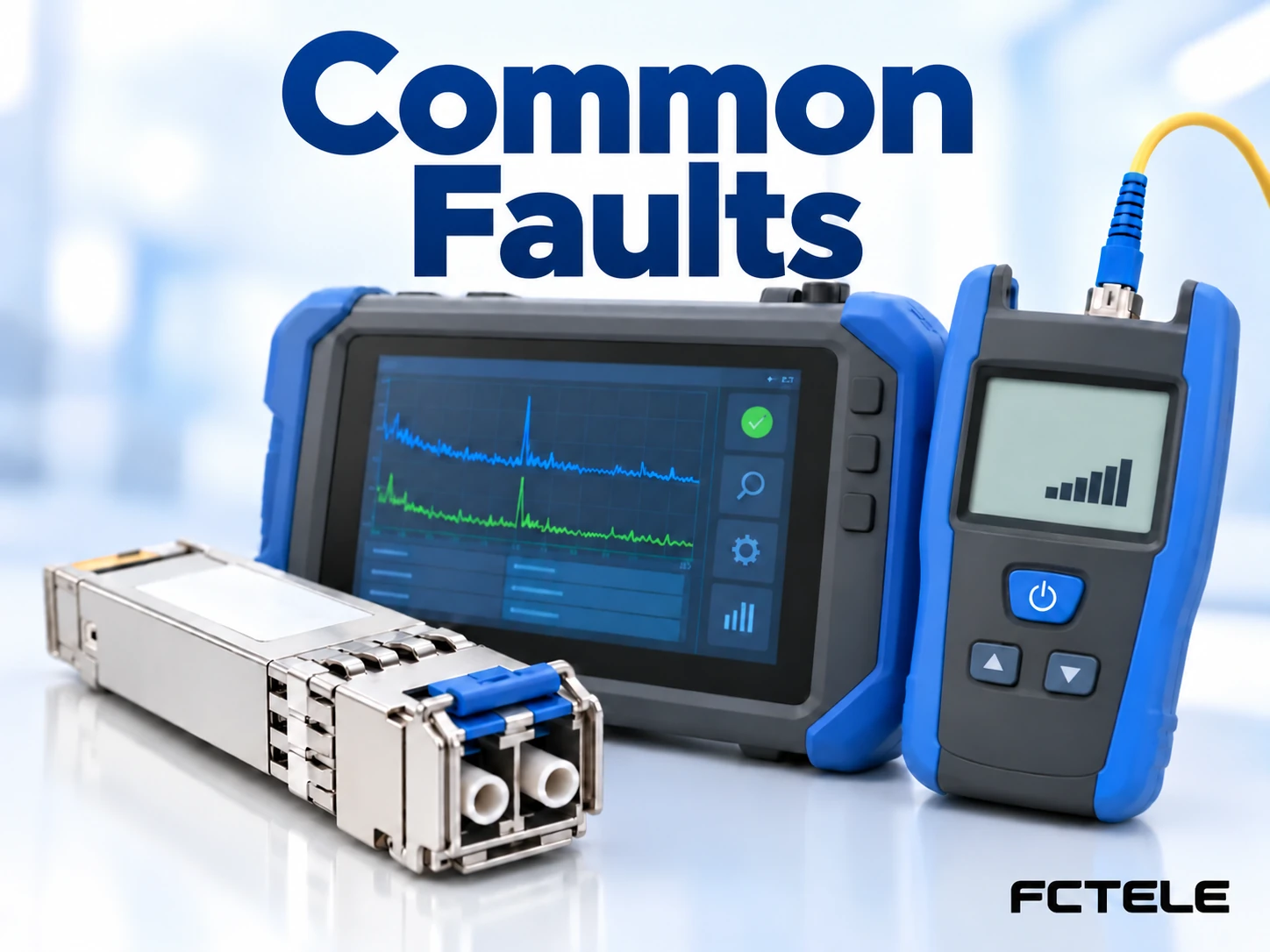
Six Common Fiber Media Converter Faults: Diagnose by Symptom and Layer
Begin converter troubleshooting with six symptom groups, then verify power, optical pairing, copper negotiation, configuration, load and intermittent conditions.
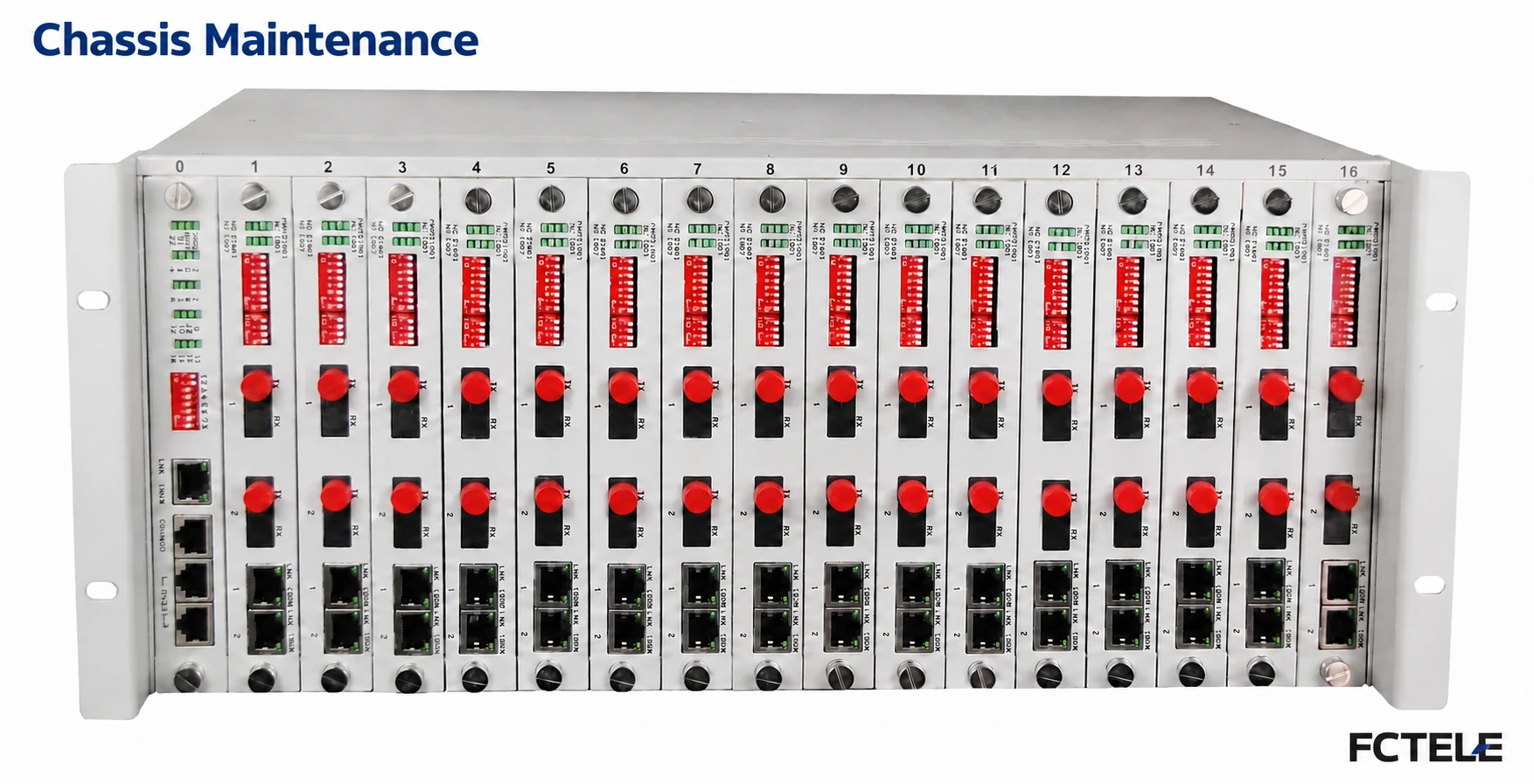
Maintaining a Fiber Media Converter Chassis: Shared Power, Cards and Common Faults
Separate shared chassis power and cooling faults from individual converter-card problems. Map slots, verify compatible replacements and follow model-specific hot-swap rules.
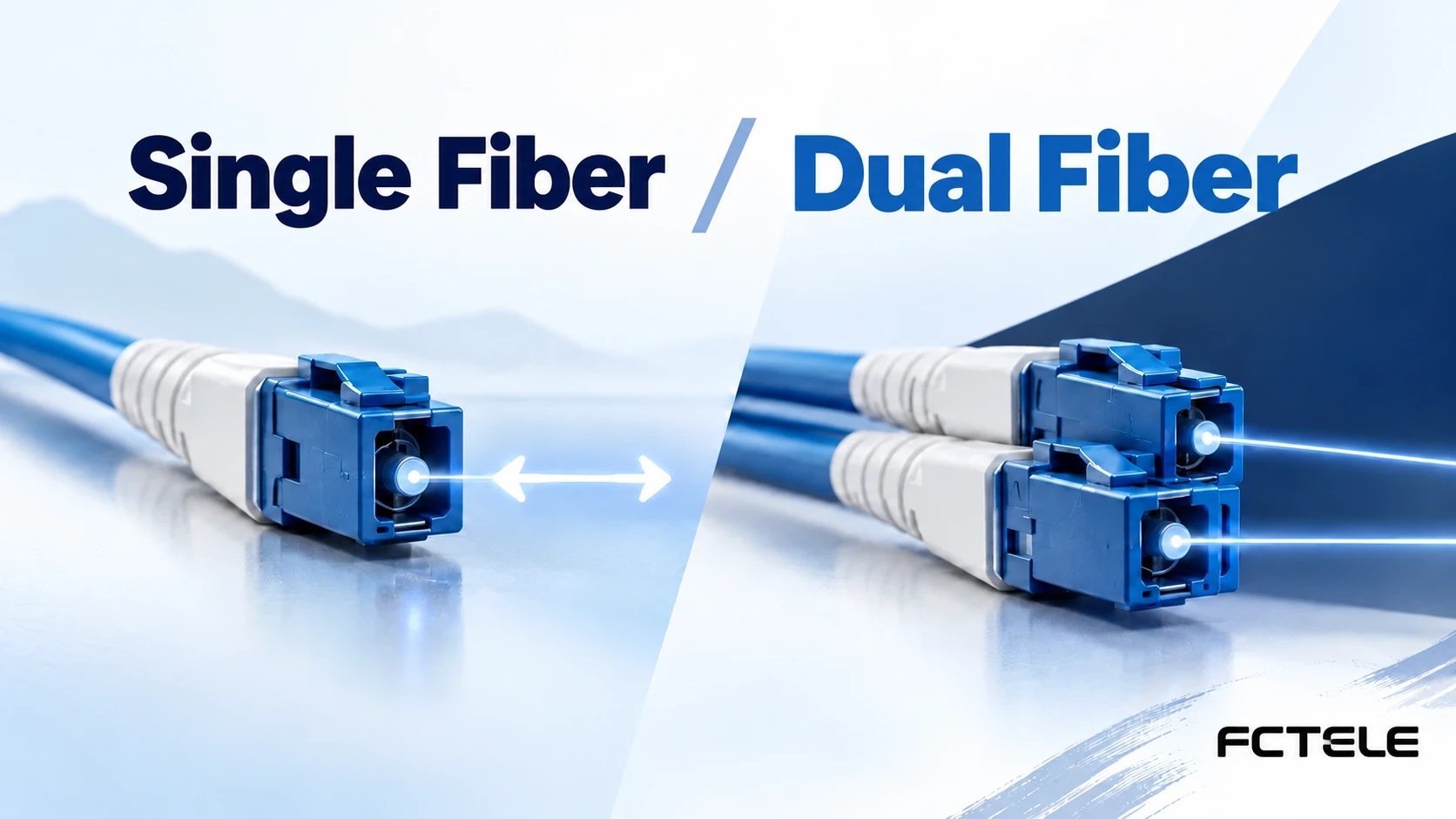
Single-Fiber or Dual-Fiber Optical Transmission: Directions, Wavelength Pairing and Acceptance
Compare BiDi and duplex optical links by core resources, complementary wavelengths and directional budgets. Distinguish two communication directions from redundancy.
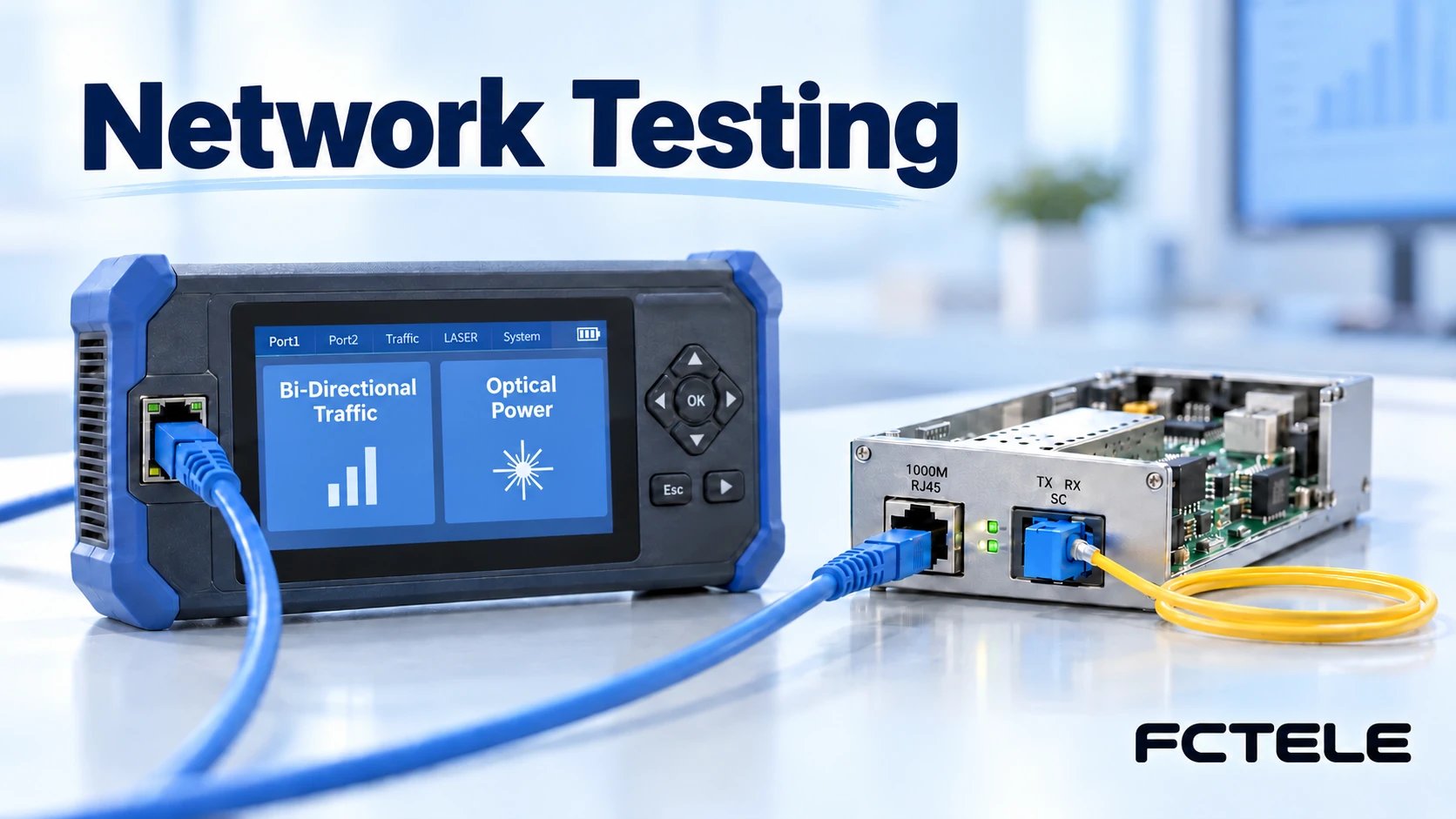
How to Test Fiber Media Converters: Optical Power, Bidirectional Frames and Complete-Unit Acceptance
Test converters with a known-good baseline, directional optical measurements and controlled frame counts. Separate BER, frame loss and application throughput.
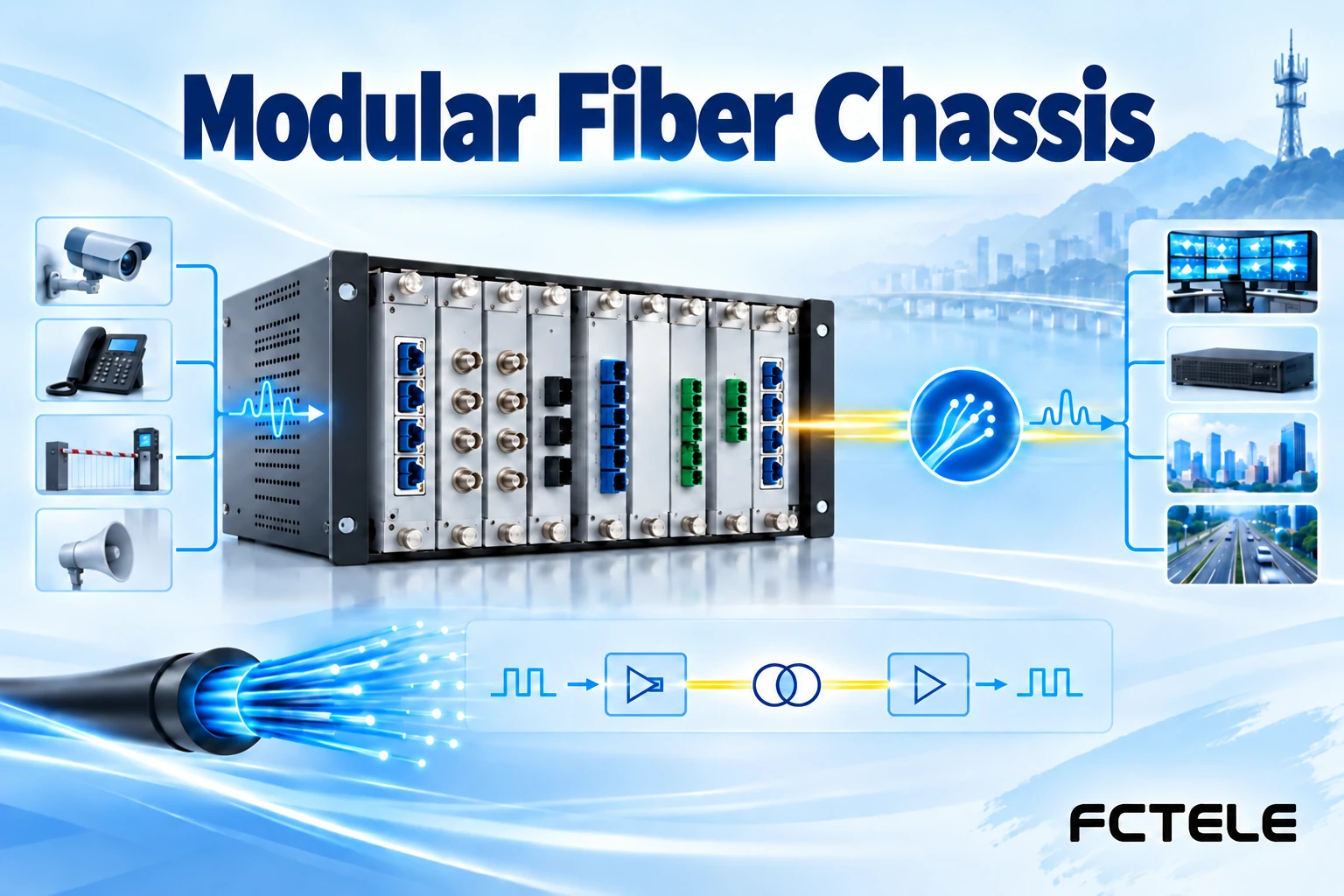
How Card-Based Optical Multiplexers Expand: Centralized Power vs. Service Multiplexing
Plan optical chassis expansion by backplane role, service mapping, shared capacity and remote compatibility. Verify redundancy and hot swapping as separate features.
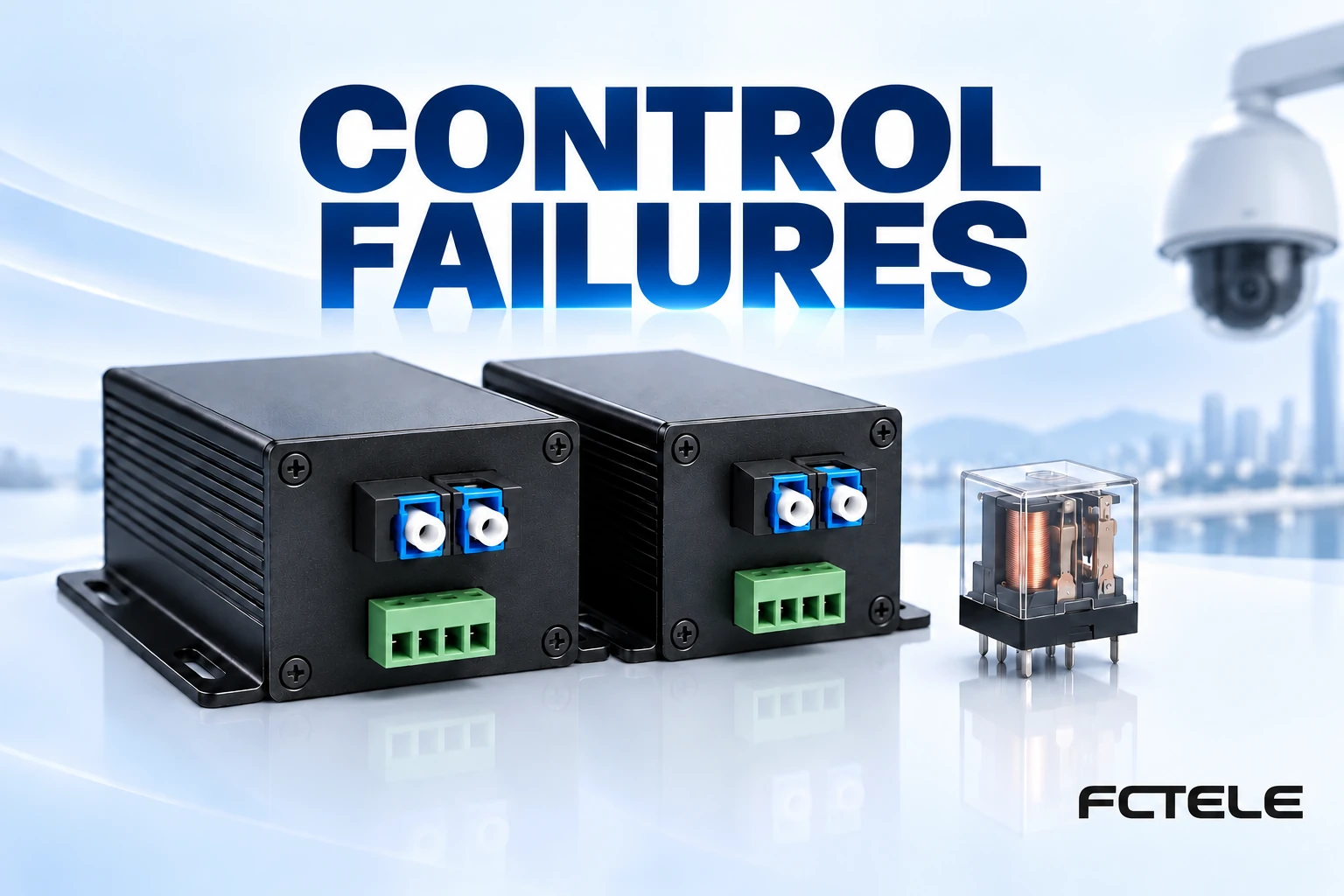
Troubleshooting Fiber Optic Transmission Device Control Failures: How to Verify RS485, PTZ and Switch Contacts in Stages
Troubleshoot optical control paths by separating serial protocol, RS485 wiring, contact state and load power. Verify local control before the fiber extension.
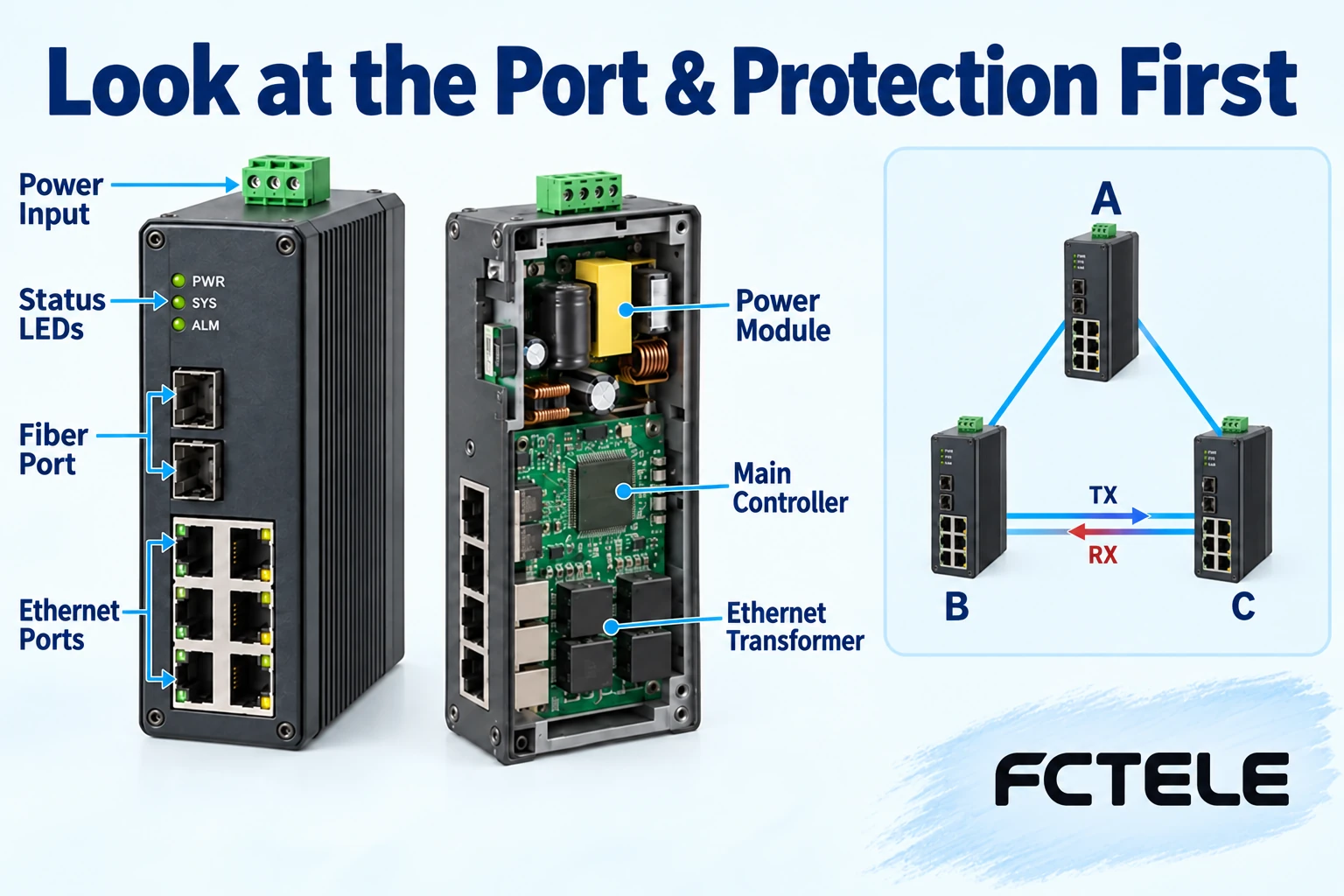
How Ethernet Fiber Media Converters Form Networks: Capability Boundaries of Star, Chain, and Ring Topologies
Plan point-to-point, star, chain and ring Ethernet links from actual ports and forwarding roles. Check shared uplinks and supported loop control before deployment.
Industrial vs. Ordinary Switches: Same Function Does Not Mean Same Applicable Conditions
Compare industrial and office switches using actual environment, supply, installation and queue behavior. Verify automation protocol and control timing separately.
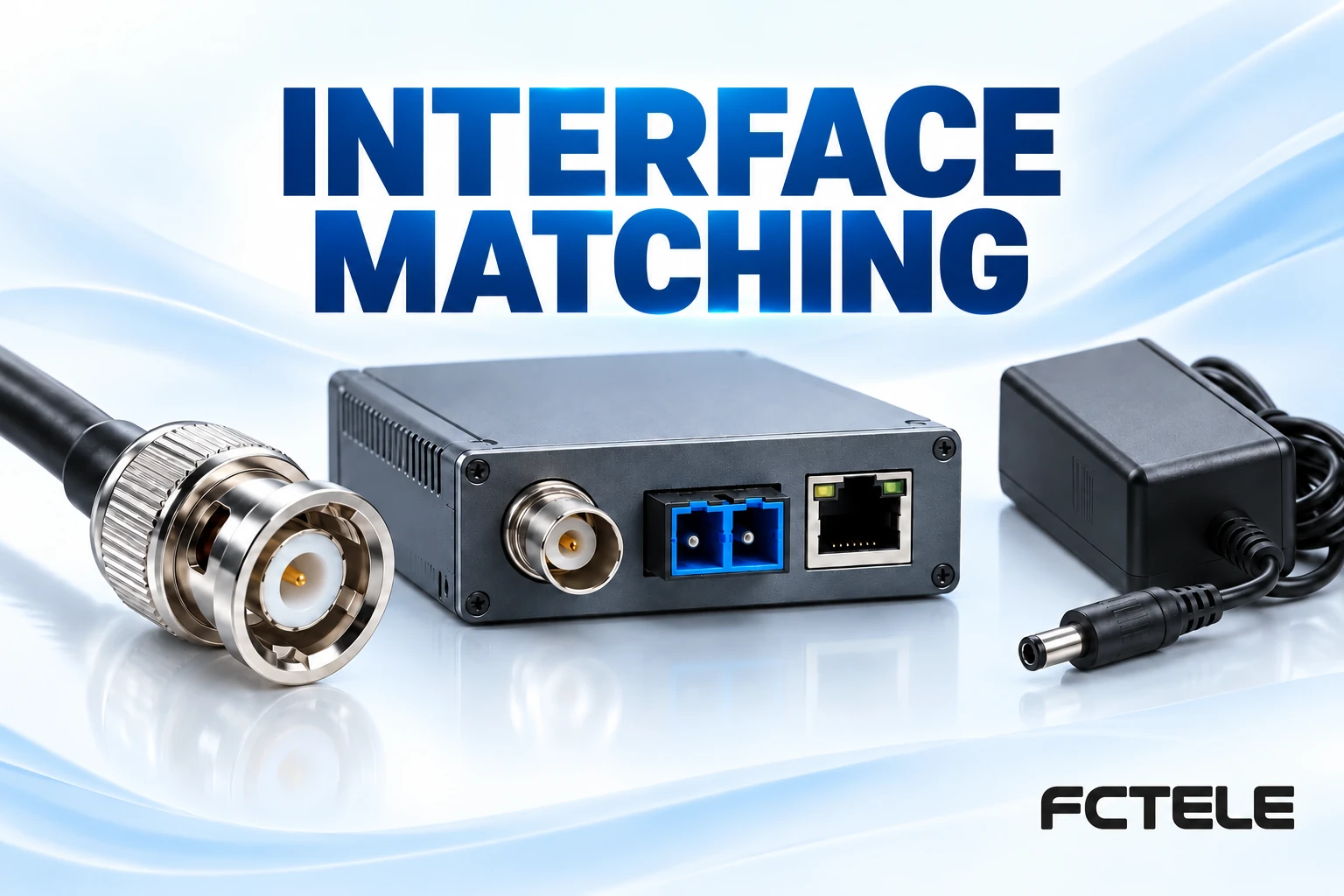
Common Fiber Optic Transmission Equipment Questions: Interfaces, PDH vs SDH, Dry Contacts, and Backup Power
Resolve optical equipment questions by distinguishing E1, video and Ethernet interfaces, dry-contact output and whole-chain backup power. Confirm the actual model.
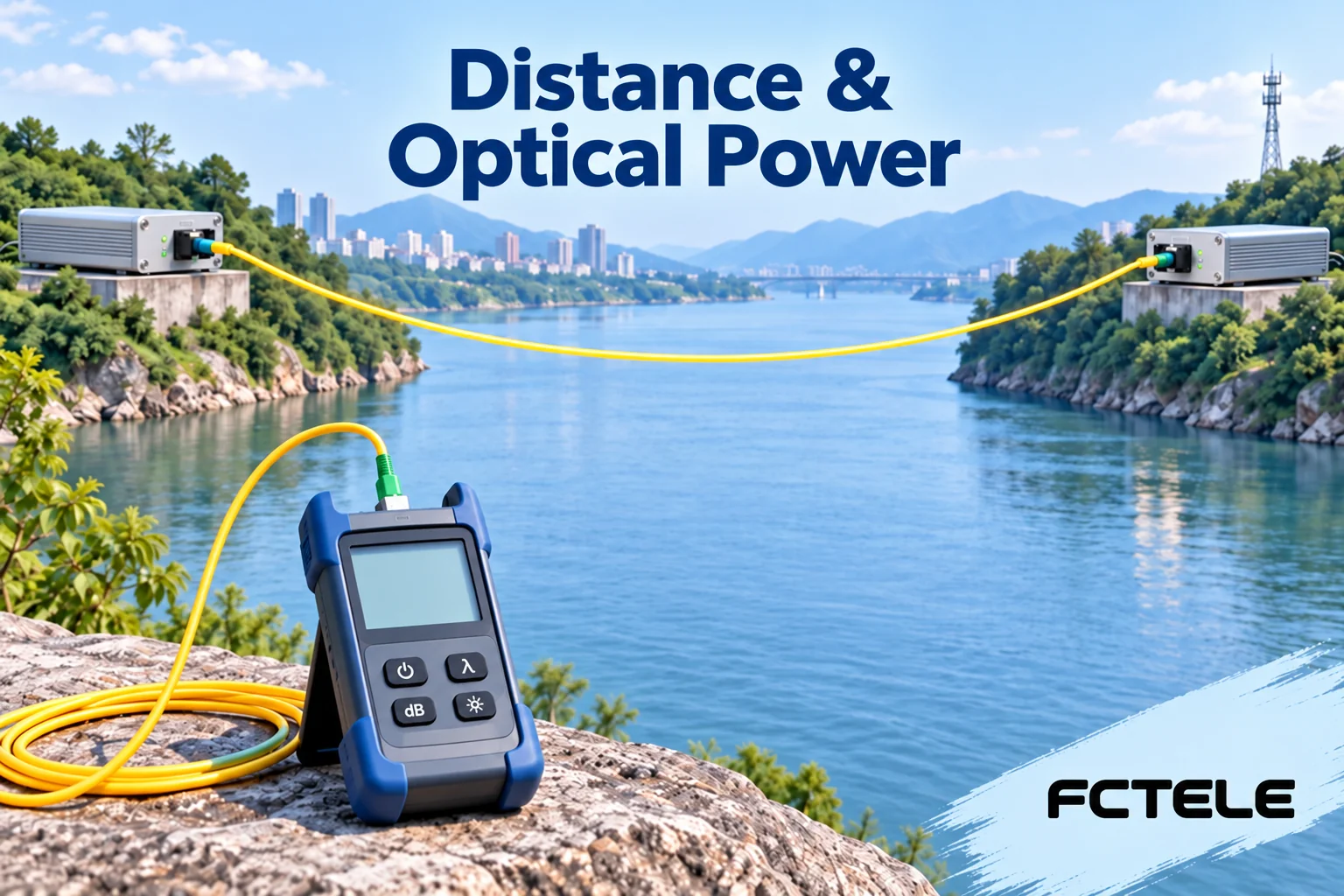
How Far Can a Fiber Optic Transmission Device Transmit: Optical Power Budget, Receiver Overload, and Field Acceptance
Estimate optical reach with guaranteed transmit limits, path loss, maintenance margin and receiver overload. Separate optical power, OTDR evidence and service acceptance.
