

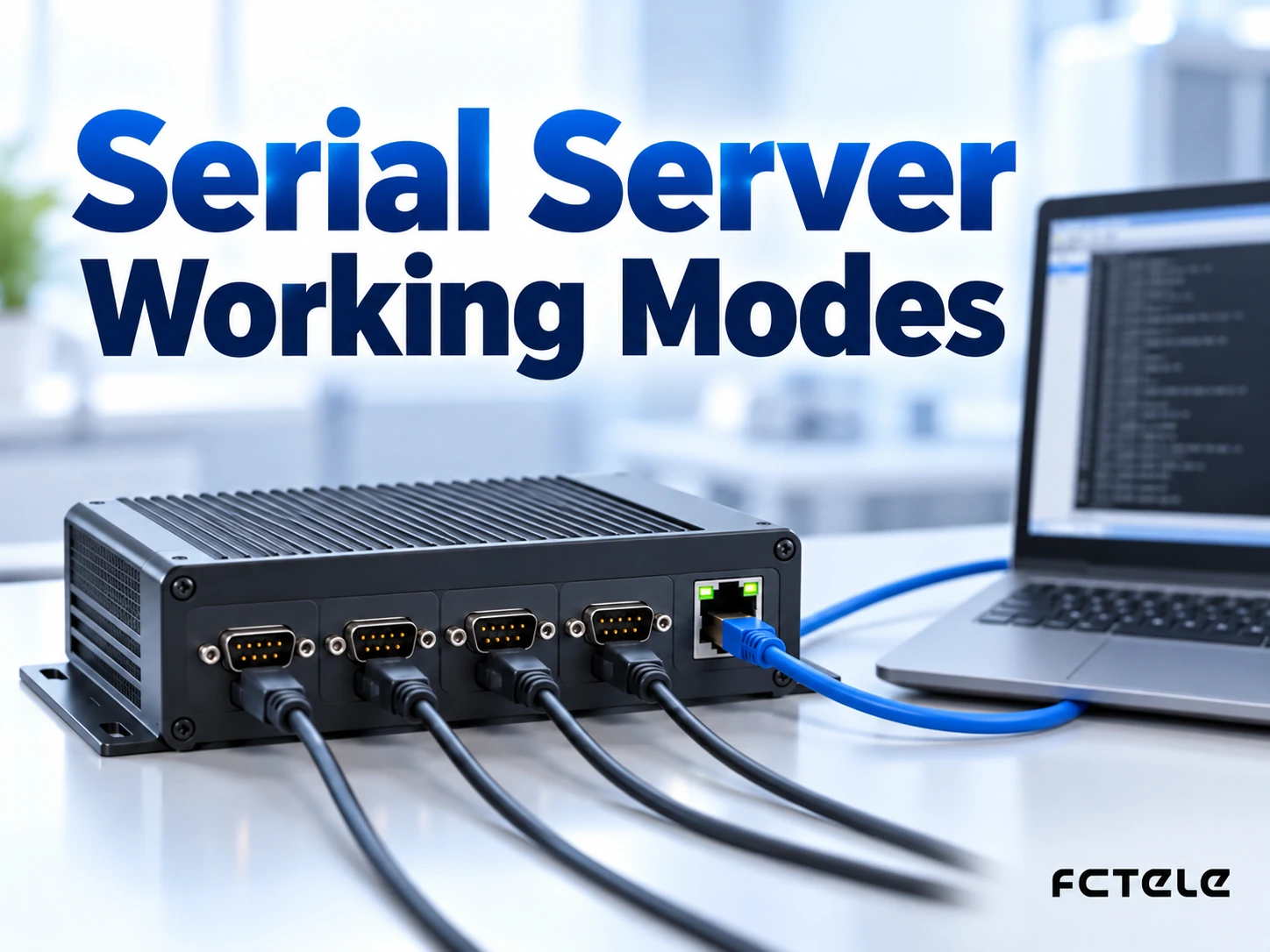
Serial Server Working Modes and Fault Diagnosis: Connections, Bytes, and Business Data
Select serial server modes by connection initiation, byte delivery and application expectations. Diagnose UDP, transparent TCP and gateway behavior at the correct layer.
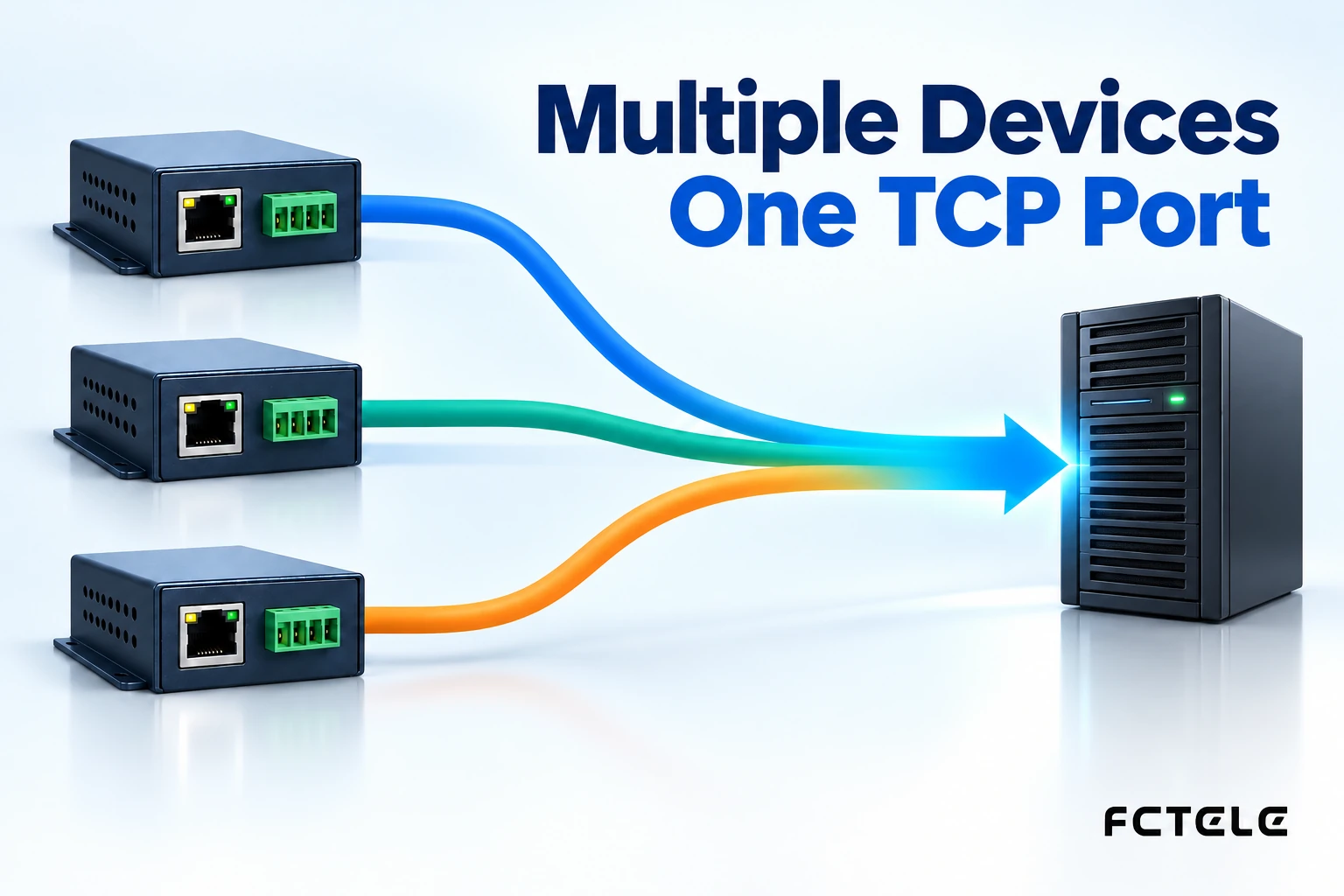
Multiple Serial Servers Connecting to One TCP Port: Device Identification and Communication Configuration
Connect multiple serial servers to a central TCP listener with explicit device identity and reconnect rules. Separate session endpoints from the shared port number.
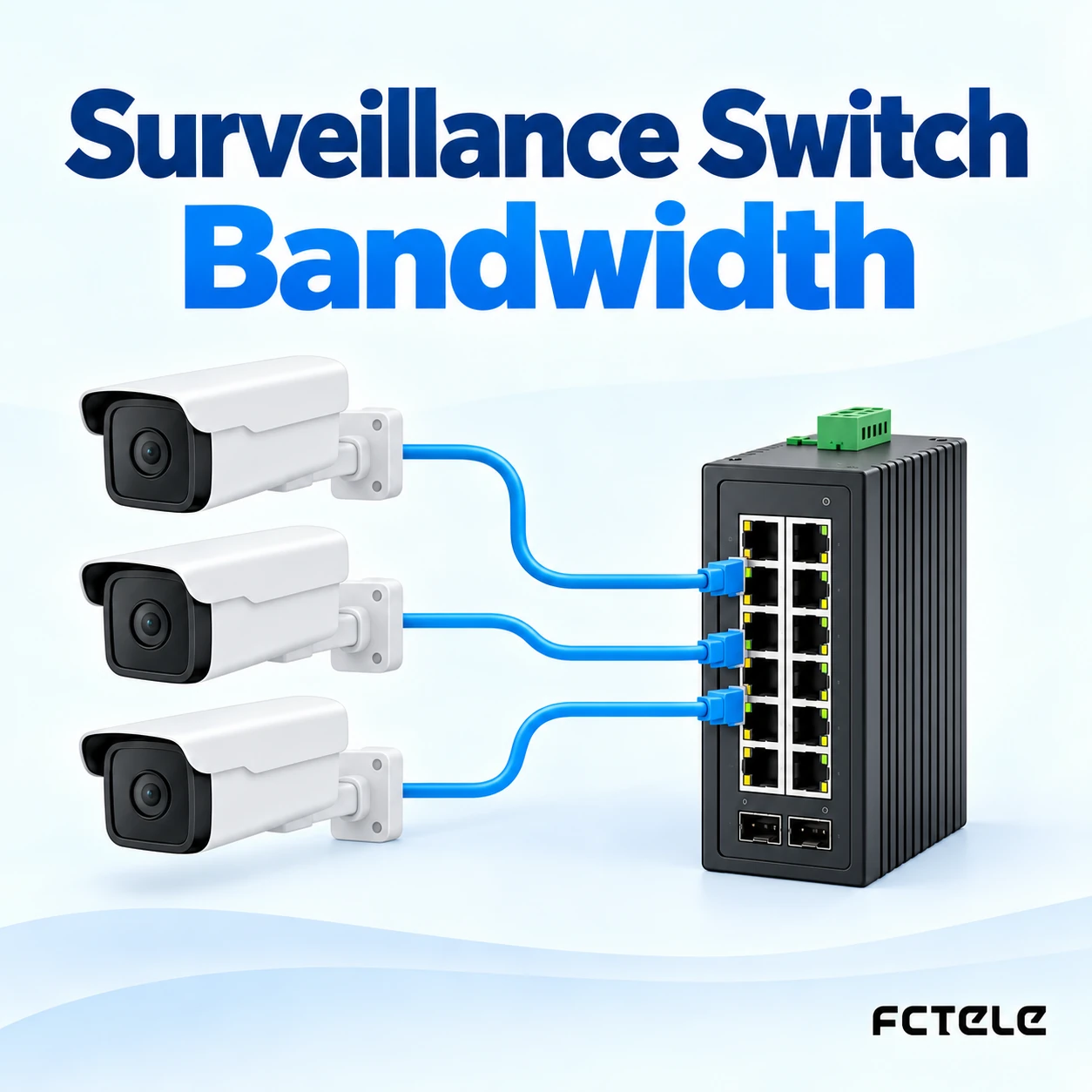
How to Calculate Surveillance Switch Bandwidth: Camera Bitrate, Peaks, and Uplink Capacity
Budget surveillance bandwidth for streams crossing each link, including clients and peaks. Separate queue pressure from recorder storage and decoding bottlenecks.
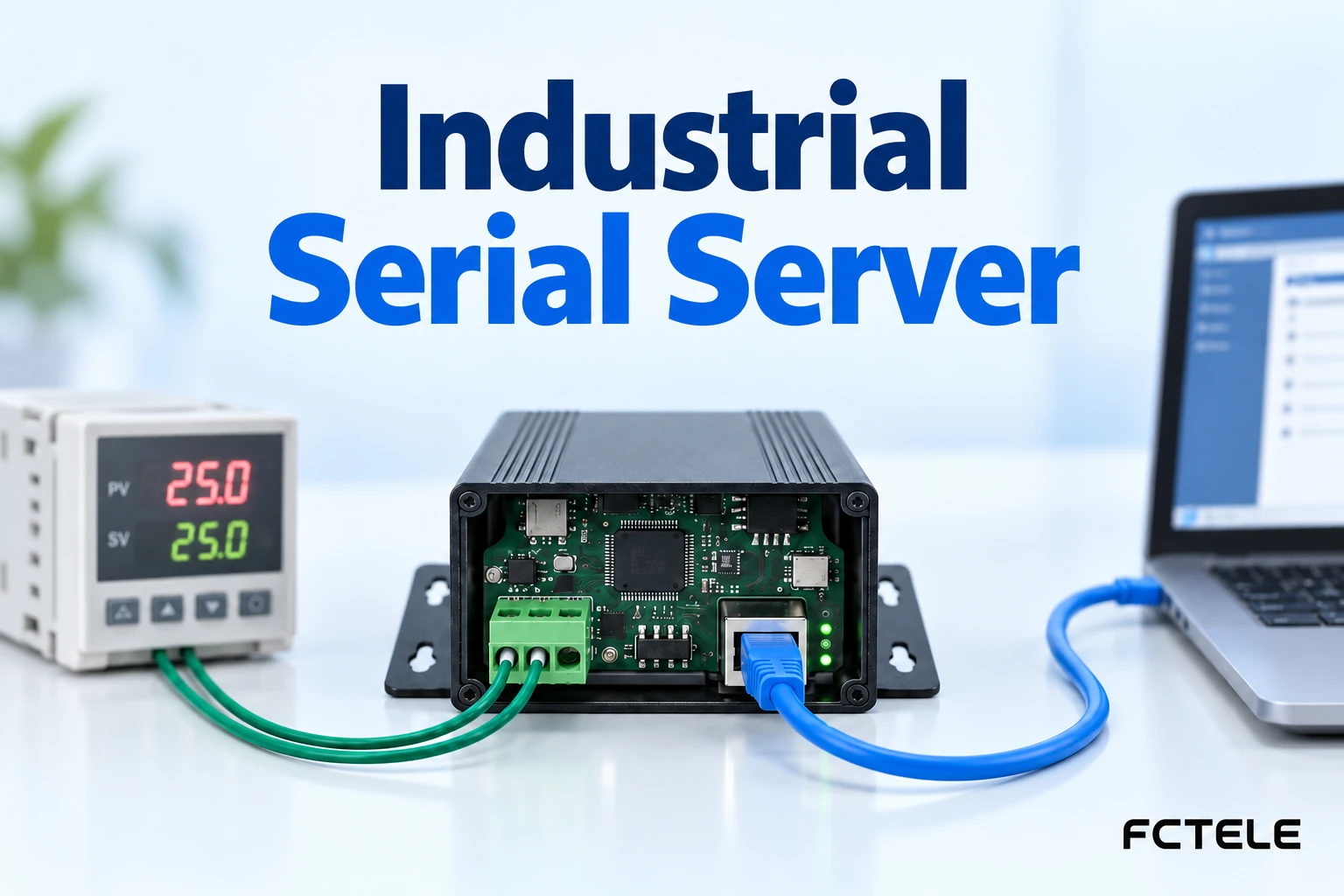
How to Use an Industrial Serial Server: From Wiring and Network Setup to Virtual COM Ports and Common Issues
Commission serial networking from a single known terminal through electrical checks, software mapping and real polling. Verify supported modes and outage recovery.
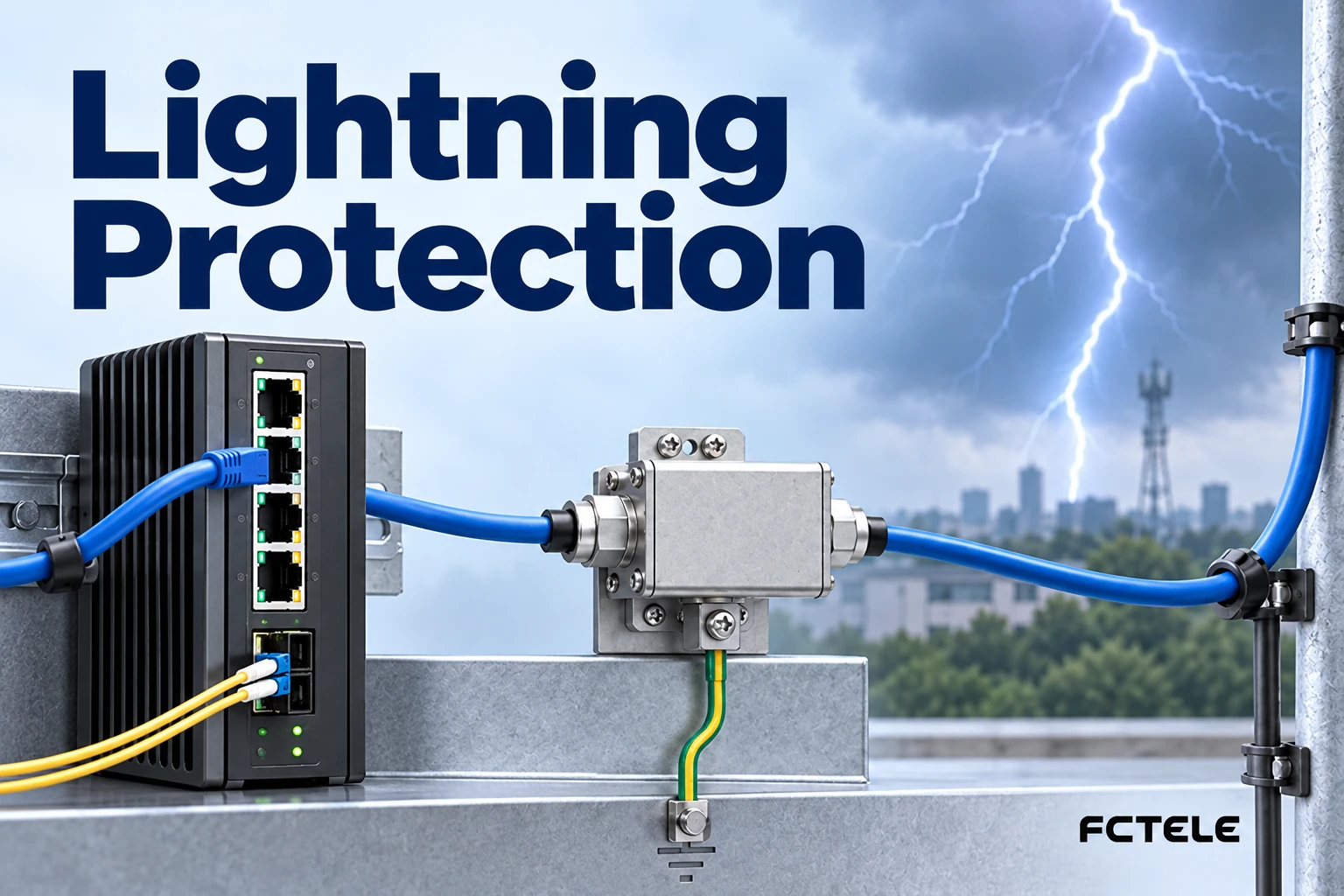
How Industrial Switches Resist Lightning: Surge Paths, Equipotential Bonding, and the Limits of Fiber Isolation
Trace lightning-related disturbances through power, copper and bonding paths. Separate device withstand evidence, coordinated protection and fiber's limited isolation.
How to Read Industrial Switch Capacity and Packet Forwarding Rate: Gbps, Mpps, and Egress Bottlenecks
Read Gbps switching capacity and Mpps forwarding rate with explicit frame and duplex conventions. Check local egress bottlenecks and controlled performance evidence.

Industrial Switch Power Light On But Not Starting: Reset Timing, Management Reachability, and Diagnosis
Diagnose switch startup using power stability, reset sequence and separate management tests. Preserve external evidence before assuming a failed board or firmware.

How a Modbus Communication Gateway Works: RTU to TCP Conversion, Address Mapping, and Timeout Troubleshooting
Follow Modbus RTU/TCP conversion through request mapping, serial scheduling and reply matching. Separate transport reachability from valid device responses and timeouts.
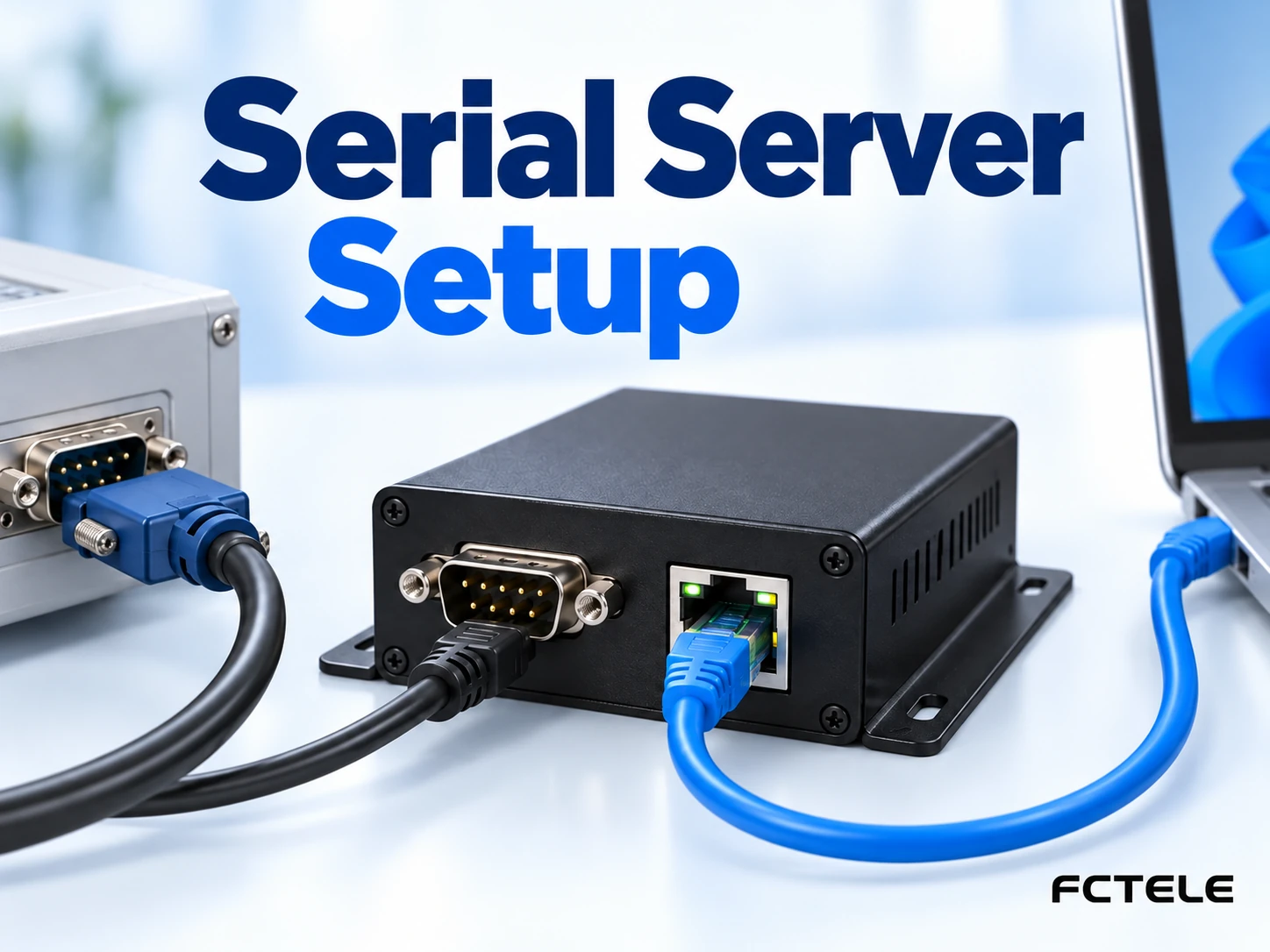
How to Connect and Use a Serial Server: Wiring, Addressing, and Software Mapping
Connect a serial server by matching wiring, network role and software access. Distinguish local COM ownership from remote service response and retain a recovery baseline.
How to Choose Between Gigabit and 10-Gigabit Switches: Access, Uplink, and Real Bottlenecks
Choose gigabit or 10-gigabit links from concurrent demand, supported optics and endpoint limits. Compare application results with the same traffic and storage conditions.
