

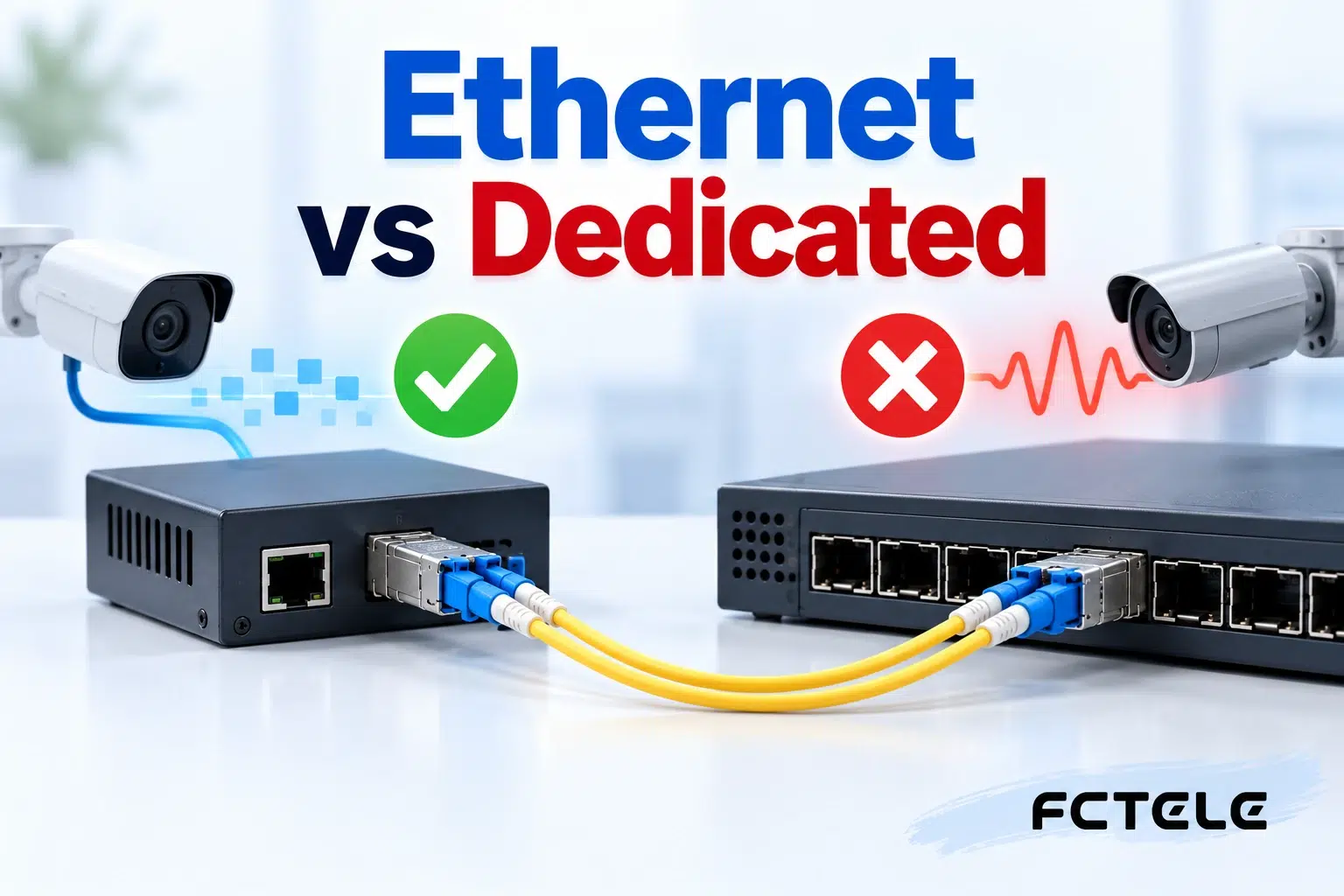
Connecting Fiber Transmission Equipment to Switches: Ethernet and Dedicated-Service Links
Decide whether an optical device can connect directly to an Ethernet switch by its protocol, rate and optical pairing. Dedicated video or E1 requires a supported path.
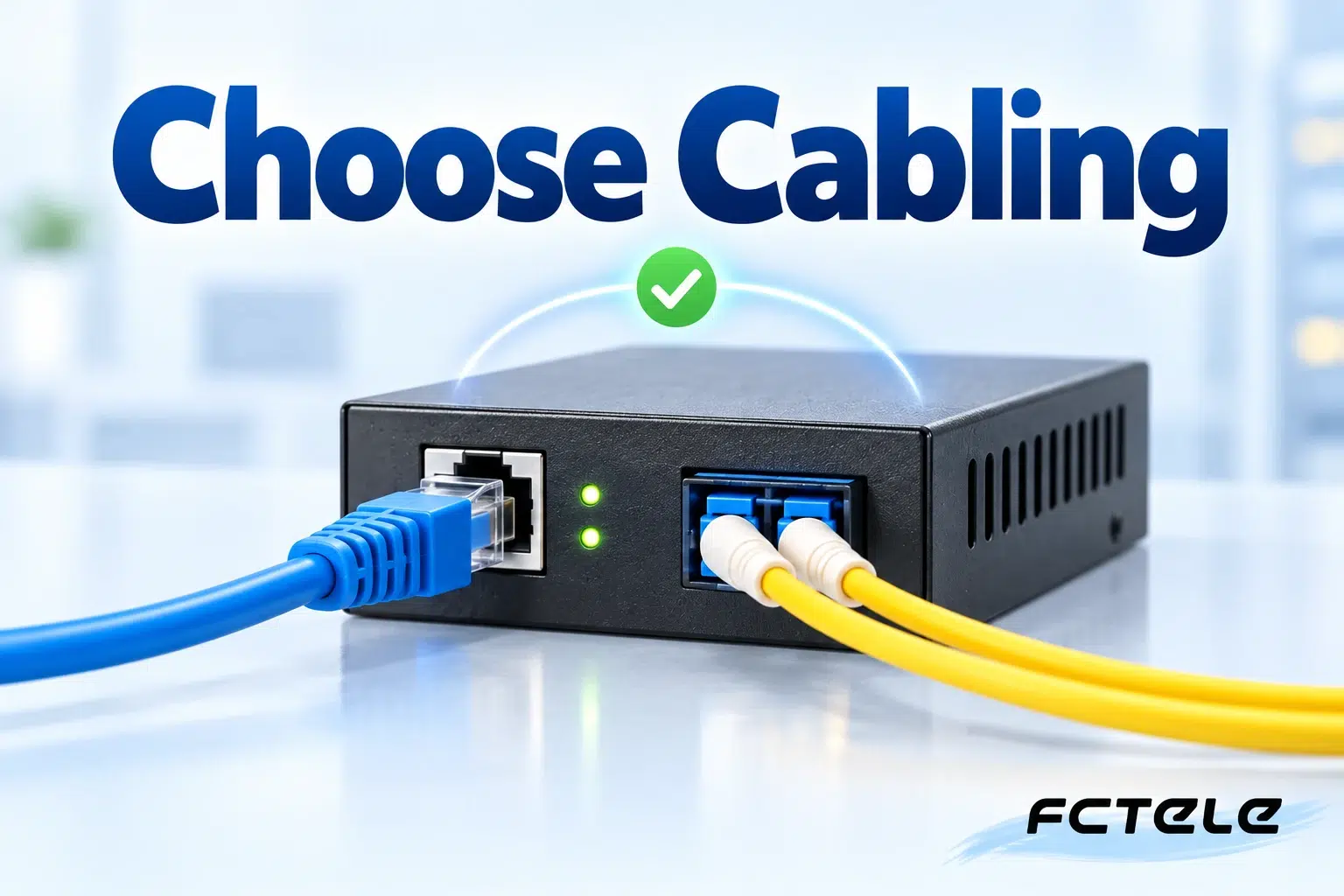
Cabling Gigabit Ethernet Media Converters: Copper Channels, Optical Matching and Testing
Check all four 1000BASE-T pairs, channel performance and paired optical specifications. Separate wire continuity from cabling certification and receive-power acceptance.
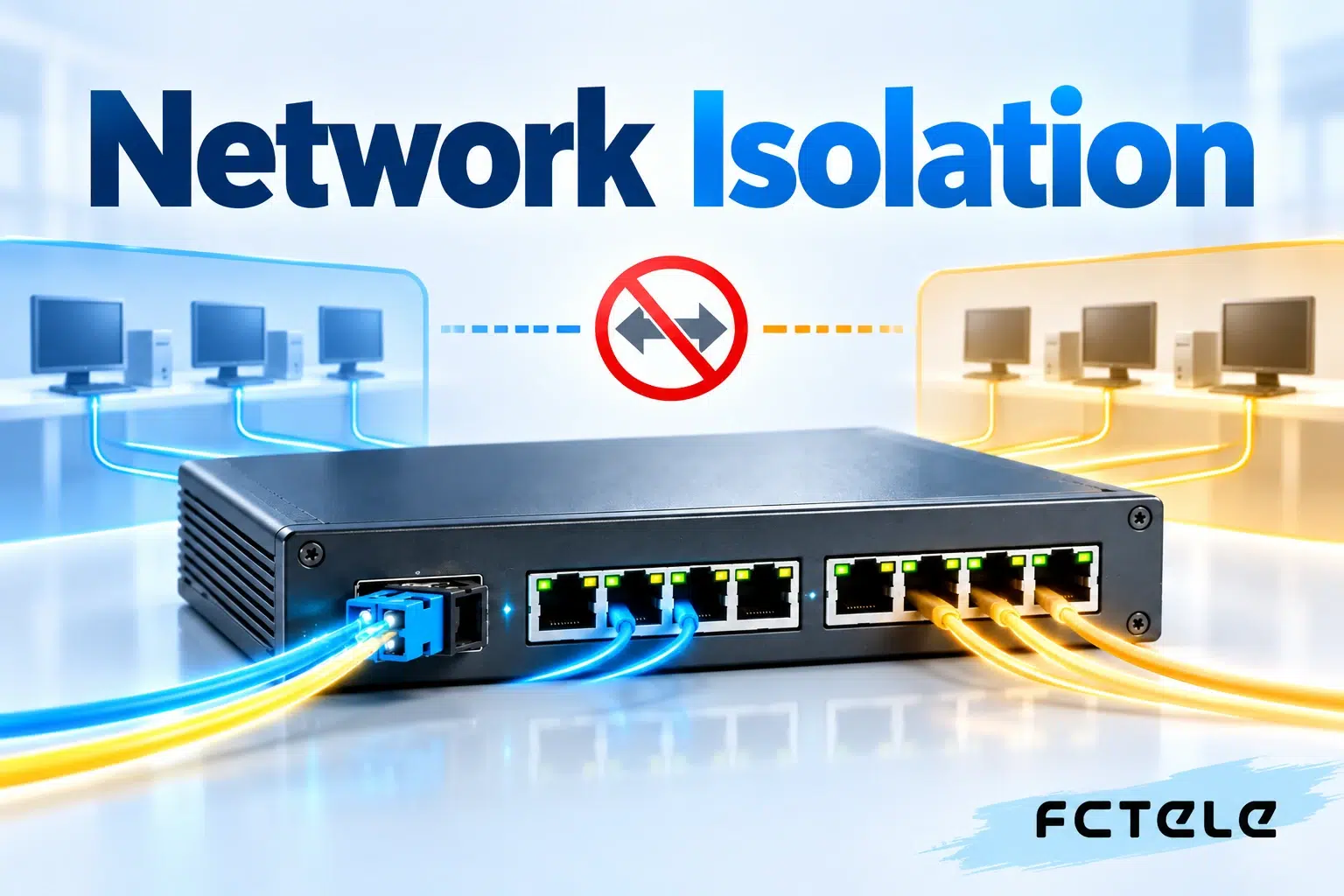
Separating Networks with Multi-Port Fiber Media Converters: VLANs and Physical Isolation
Separate electrical non-conduction, VLAN forwarding boundaries and physical network separation. Trace shared chips, management paths and uplinks before claiming isolation.
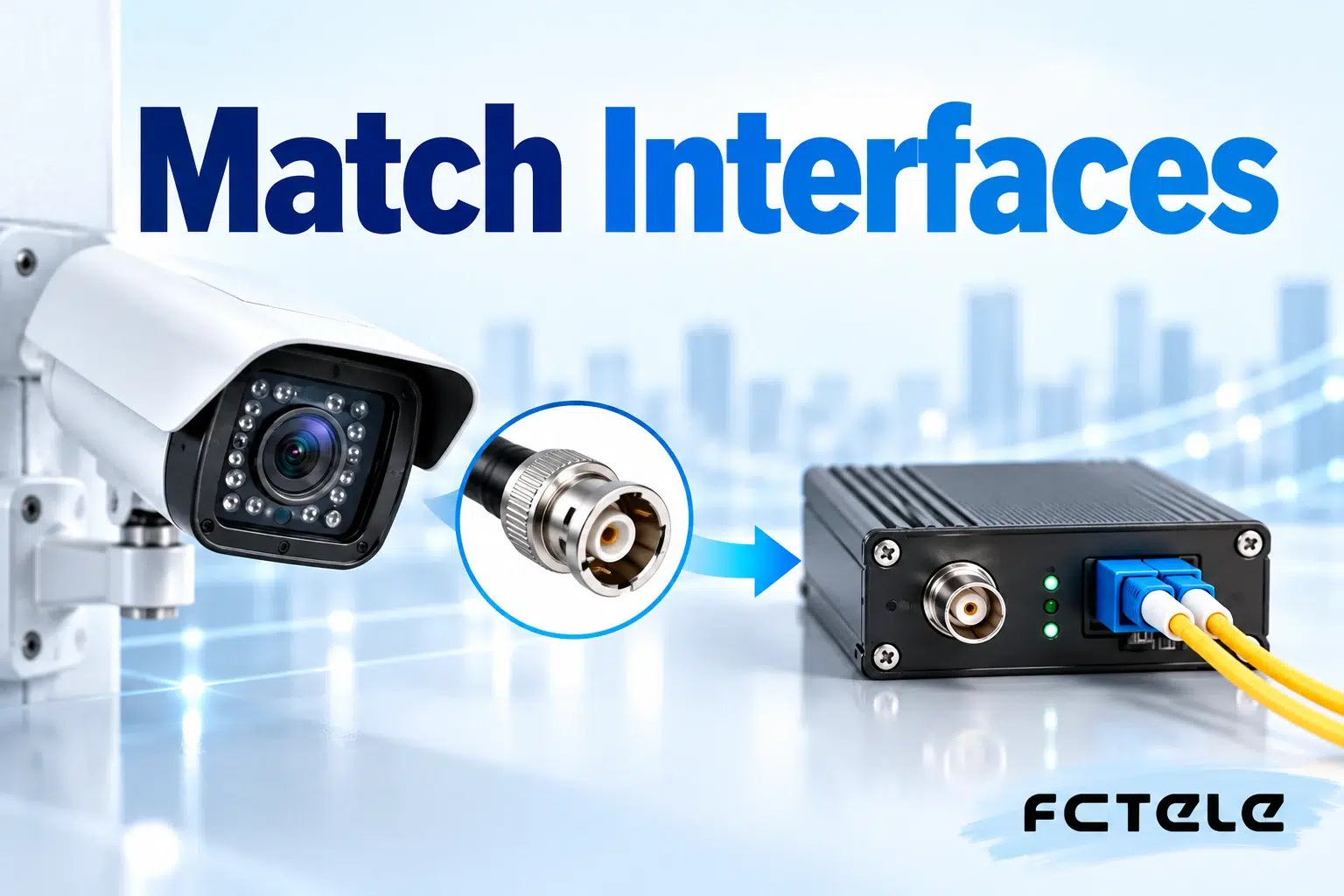
How to Choose Optical Transmission for Security Monitoring: Analog Video, IP Cameras, and Optical Link Acceptance
Select surveillance optical equipment by the camera signal and receiver. Verify auxiliary channels, optical power and recording performance when retaining or upgrading fiber.
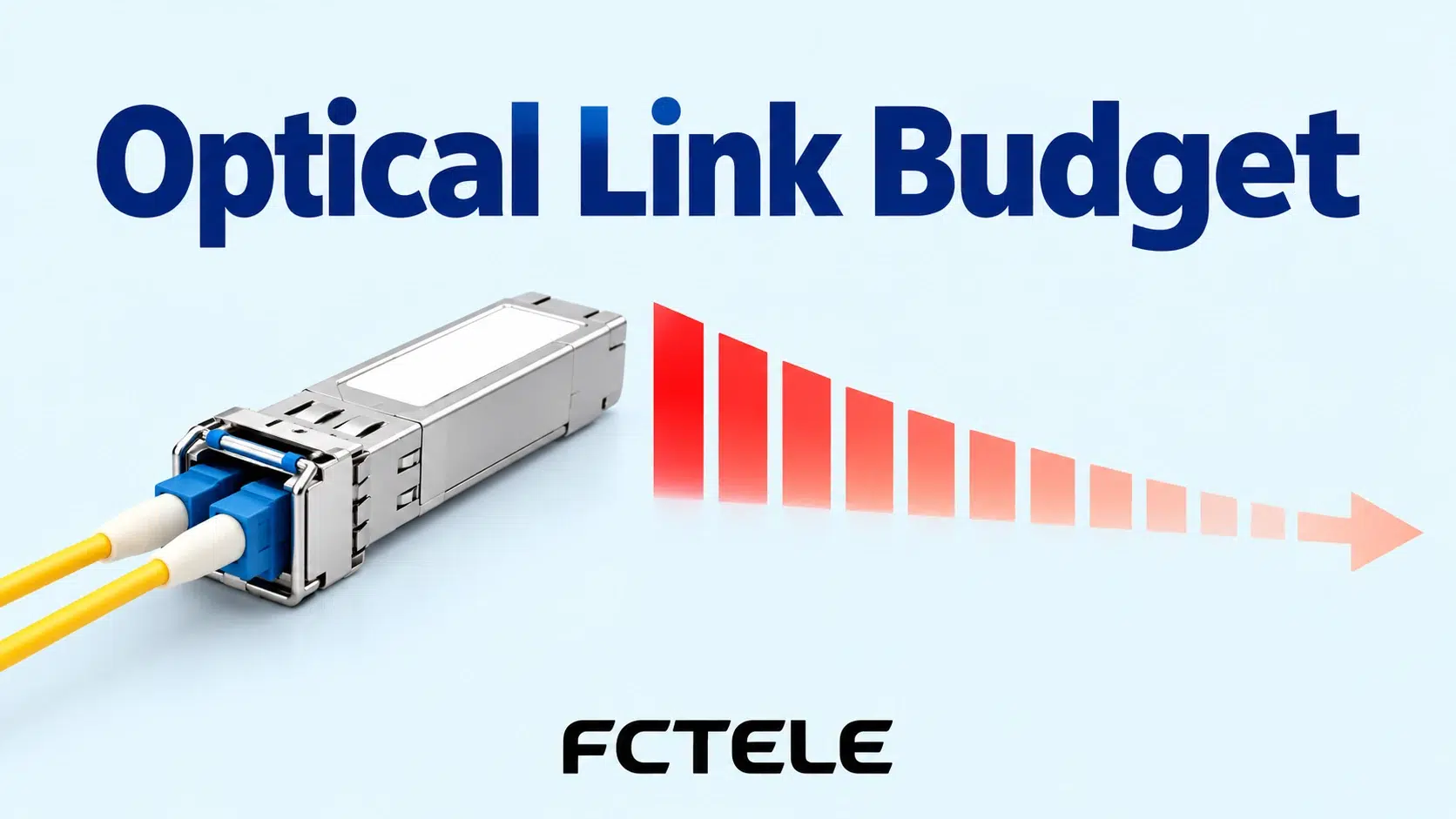
SFP Optical Link Budgets for Industrial Switches: Module Selection, Loss and Troubleshooting
Select industrial switch SFPs with compatible hosts and paired optics. Budget fiber, connectors and splices, retain margin and verify overload as well as sensitivity.
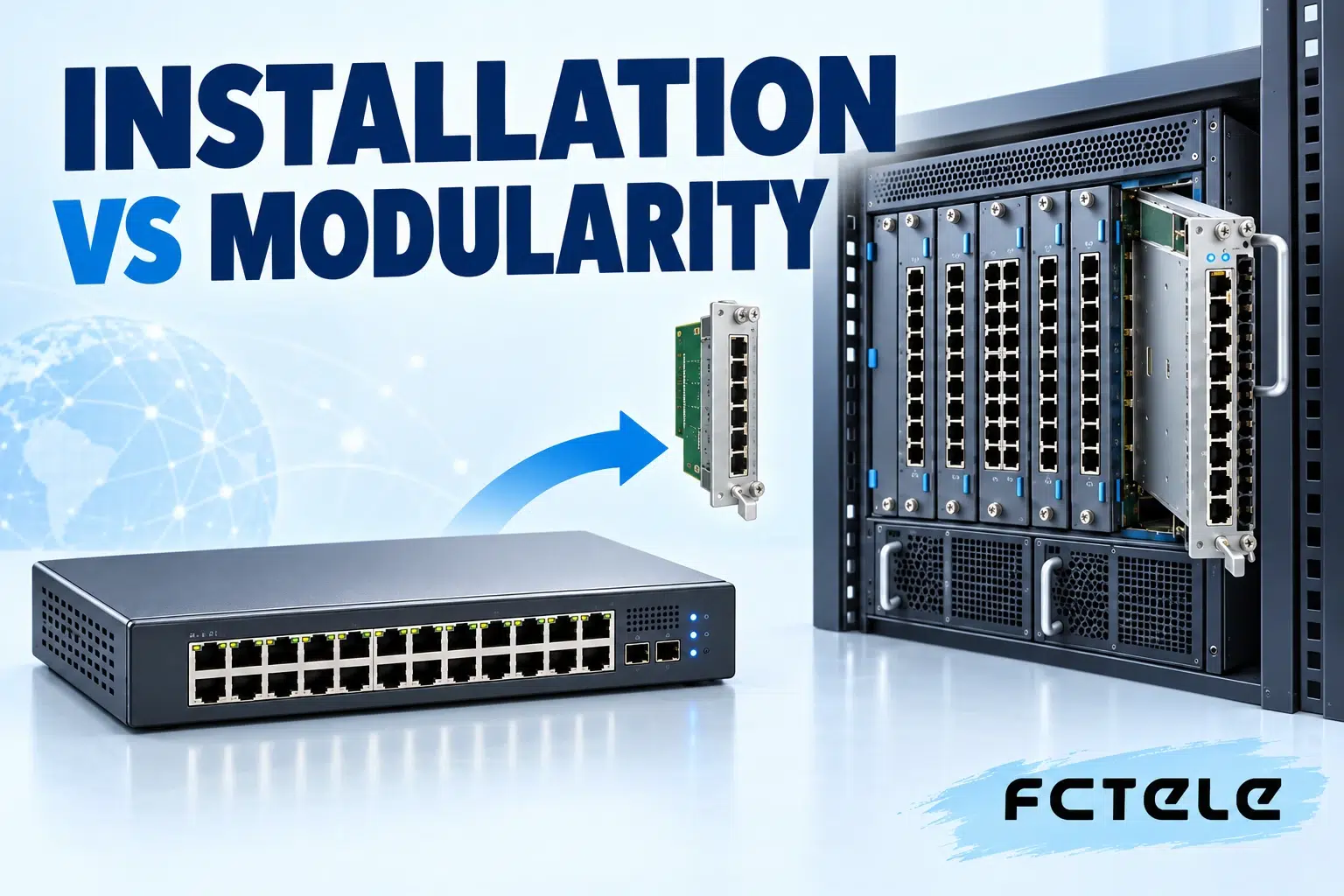
Chassis, Rack, and Frame Switches: How Installation Form and Modular Architecture Differ
Separate rack installation from modular switch architecture. Check ports, uplinks, slot limits, cooling and independent supply paths rather than selecting by chassis size.
