
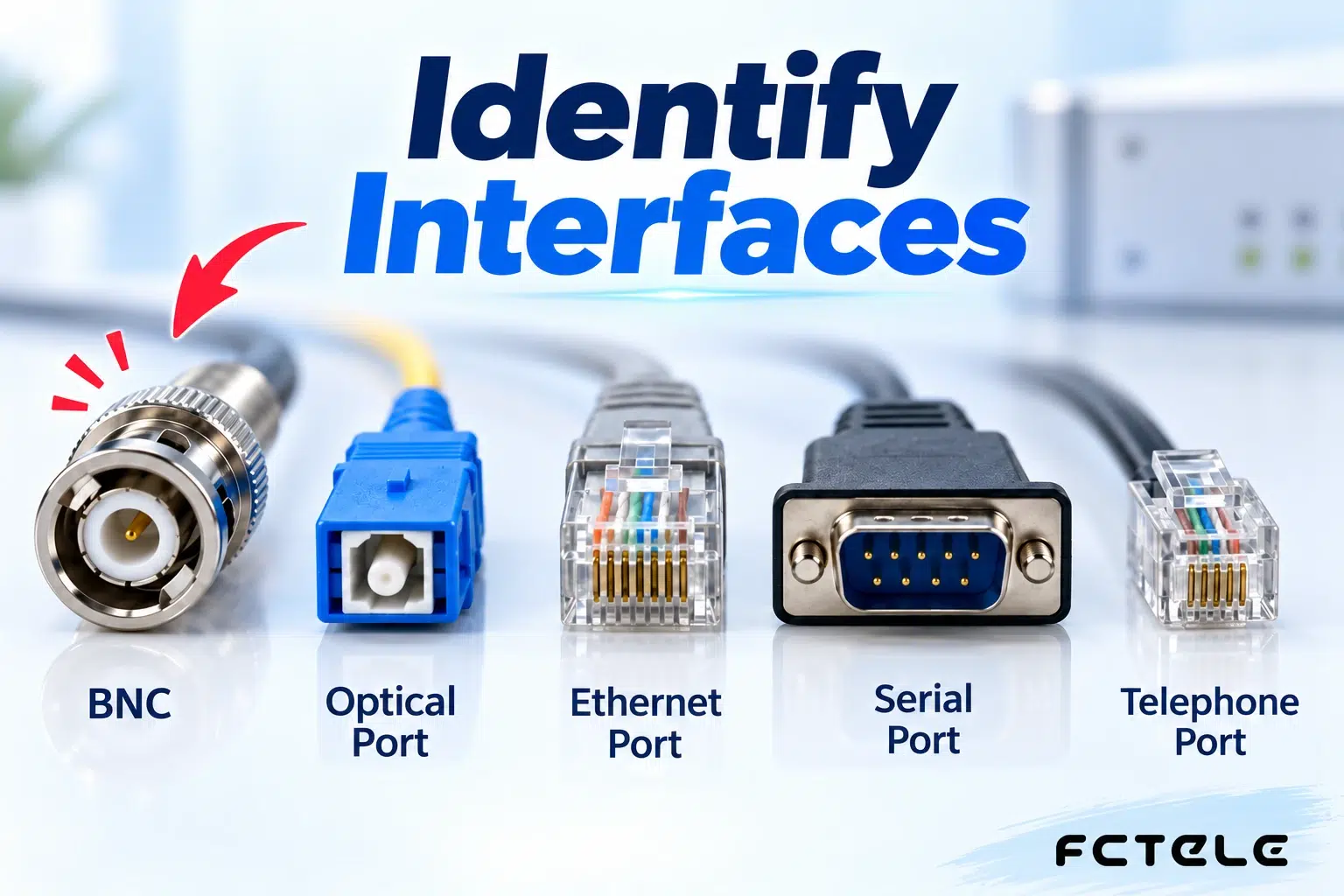
Identifying Fiber Optic Transmission Interfaces: BNC, Fiber, Ethernet, Serial and Telephone
Identify BNC, optical, Ethernet, serial and telephone interfaces by signal and role. Connector shape cannot establish format, pin assignment, optical pairing or compatibility.
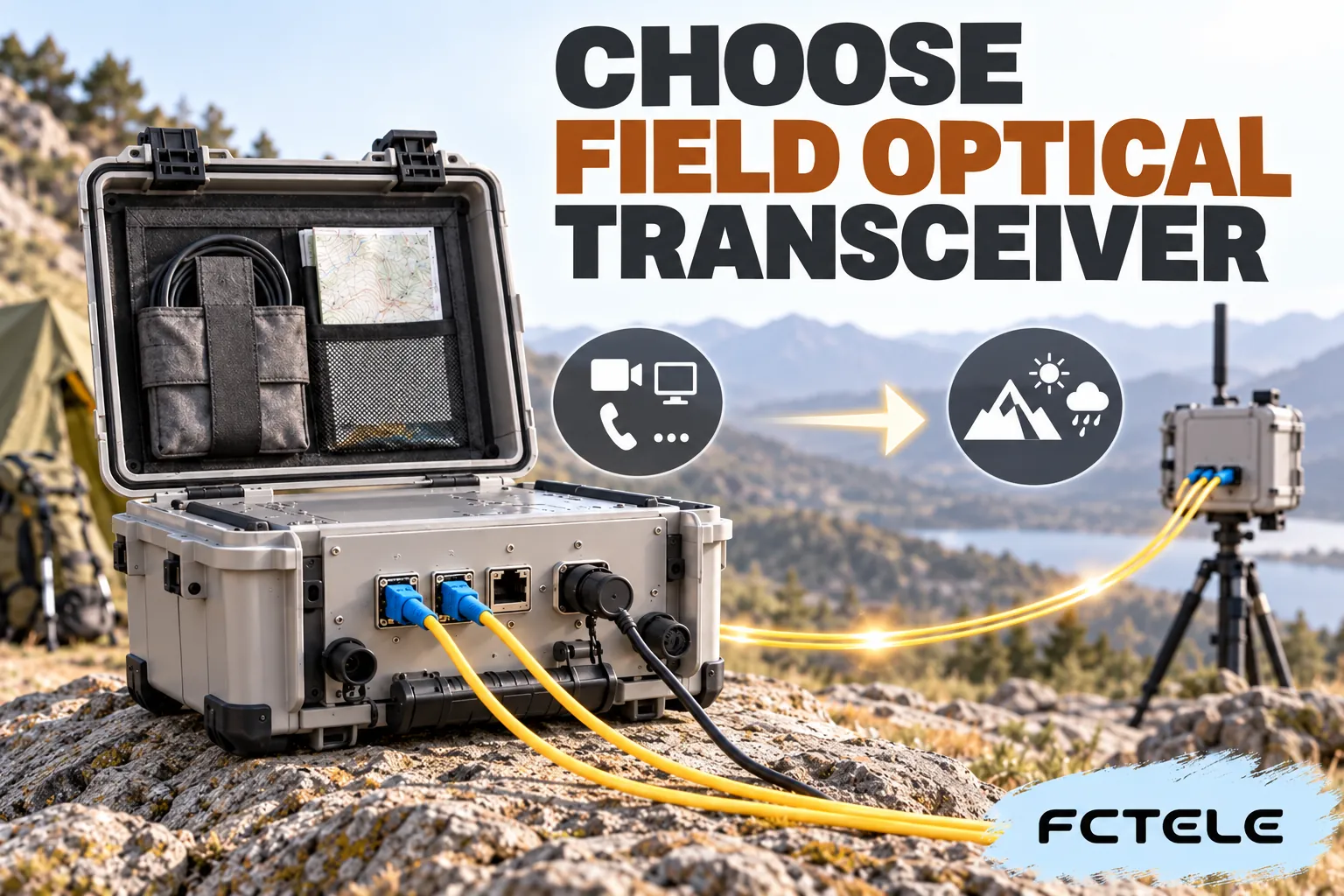
Choosing Field Fiber Optic Transmission Equipment: Deployment, Optical Links and Environment
Choose portable fiber equipment by actual services, optical budget, energy demand and operating conditions. Verify the connected enclosure state and repeatable field recovery.
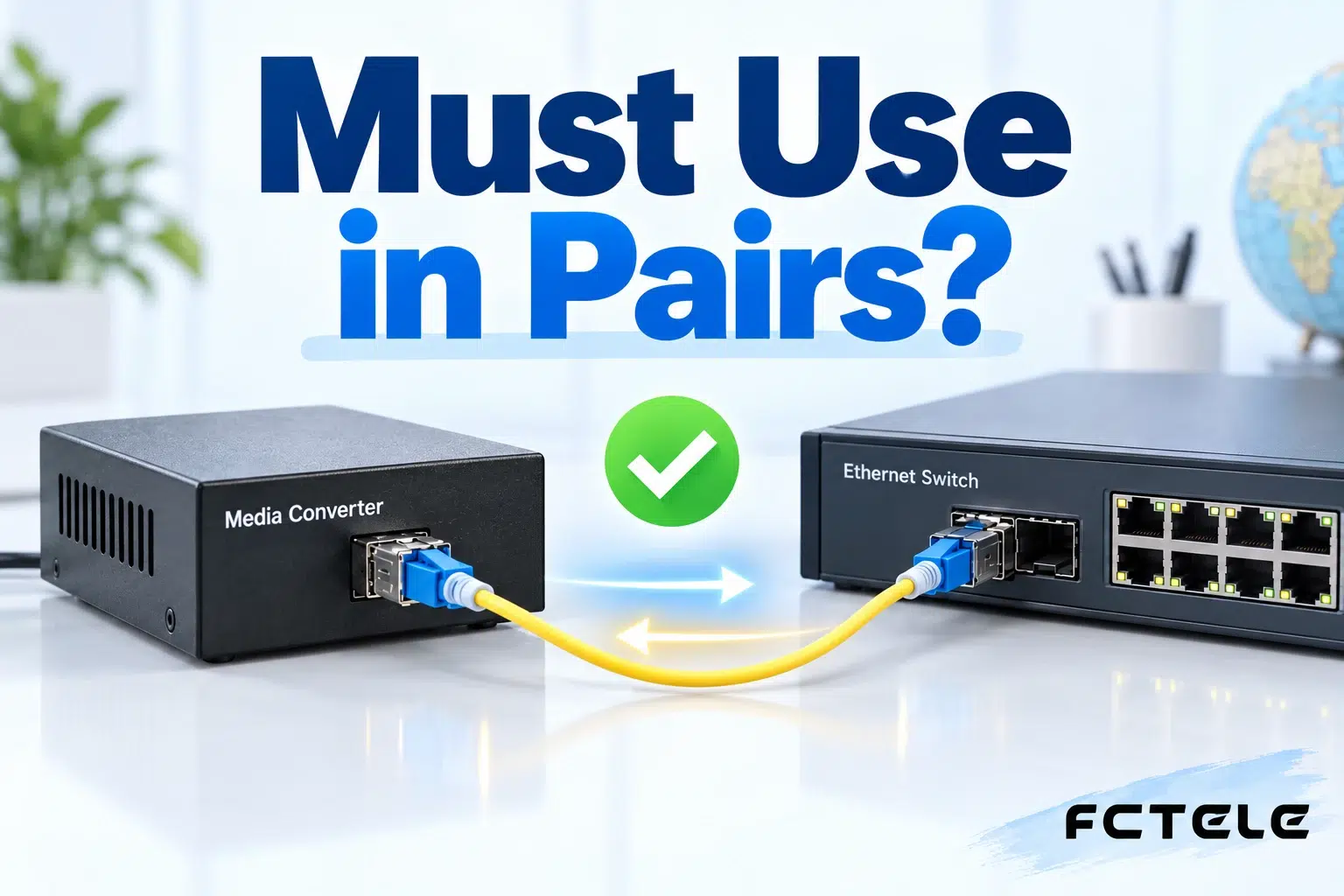
Must Fiber Media Converters Be Used in Pairs? Switch Optical Port Interconnection and BiDi Pairing
Check the optical peer rather than counting converter boxes. Match a switch SFP or converter by Ethernet standard, TX/RX direction, BiDi wavelengths and optical power.
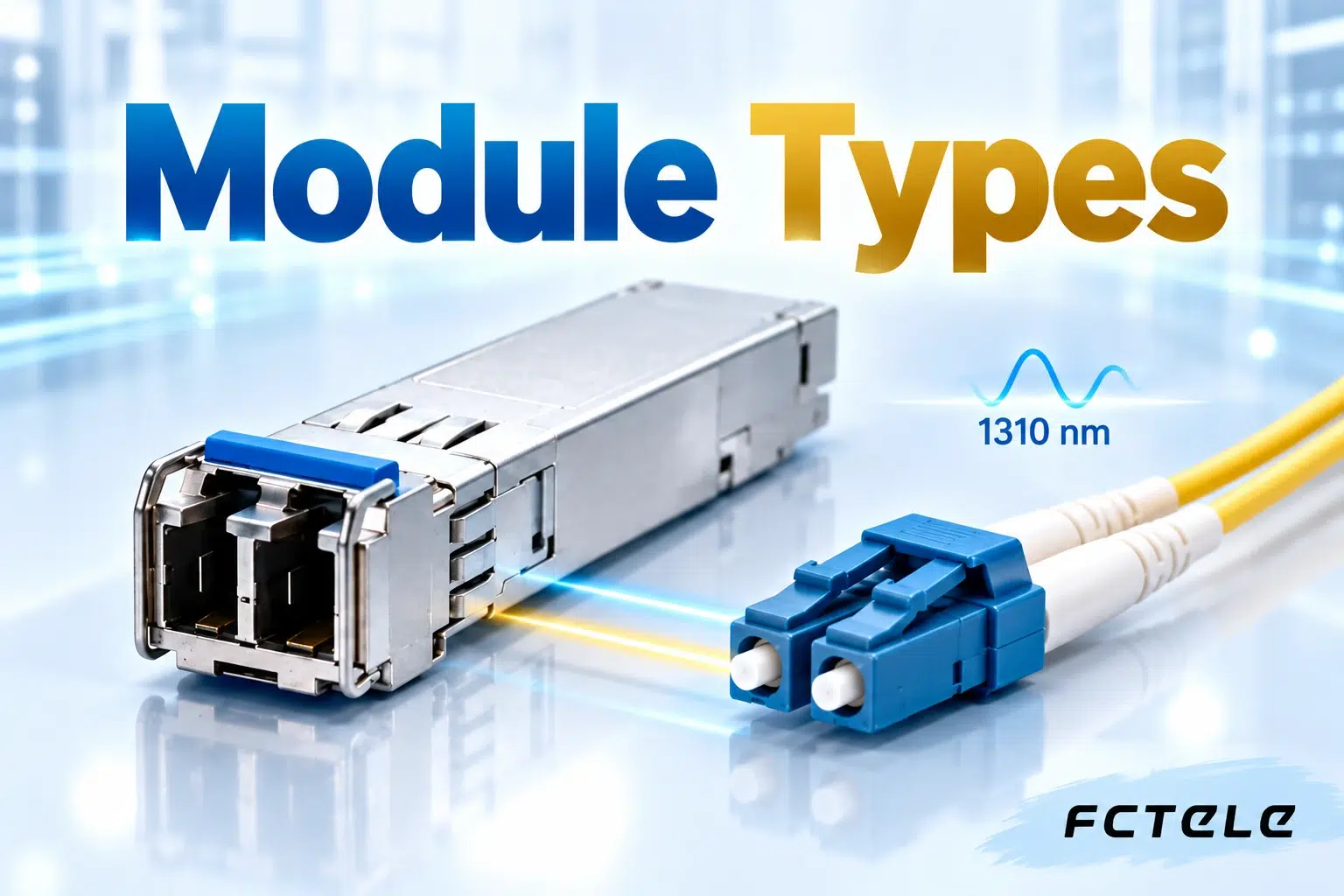
Optical Transceiver Module Types: Form Factors, Speeds, Fiber Types and Wavelengths
Select an optical module by host support, rate, optical standard, fiber and wavelength pairing. Form factor and connector fit cannot replace an end-to-end compatibility check.
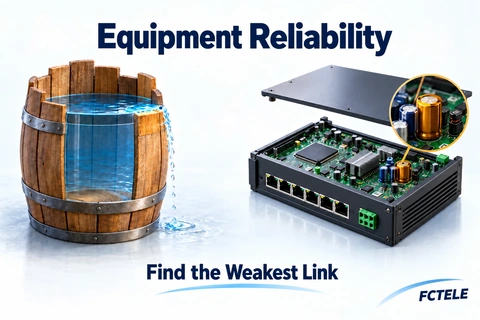
Why Equipment Has a Weakest Link: Power Supplies, Capacitors and Long-Term Reliability
Understand the weakest-link analogy, supply paths, capacitor aging and cooling, and why MTBF or one thermal image cannot guarantee equipment lifetime.
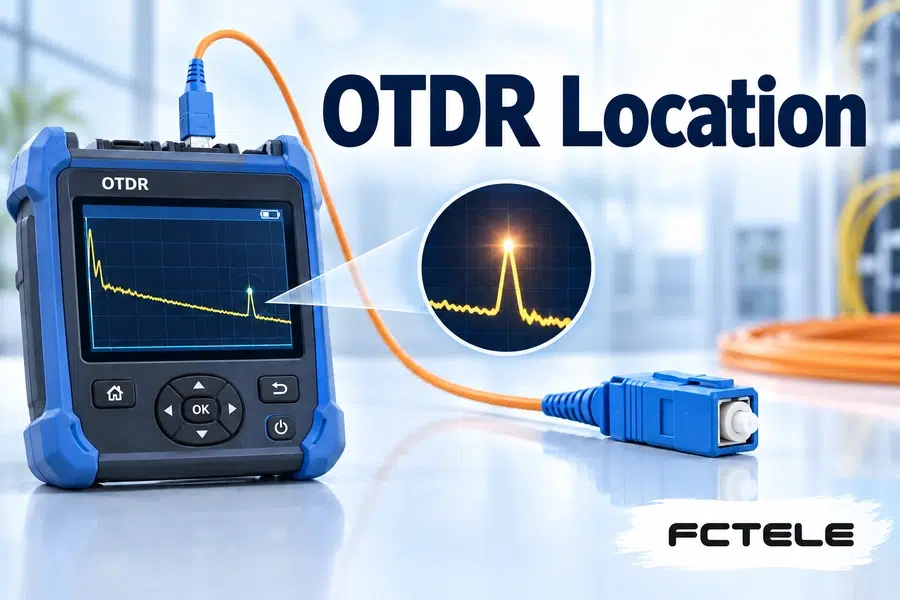
OTDR Fiber Faults: Return Light, Events and Dead Zones
Read OTDR return light, trace events and dead zones. Use suitable launch/receive fibers and complementary loss tests before declaring a repaired fiber link acceptable.
