

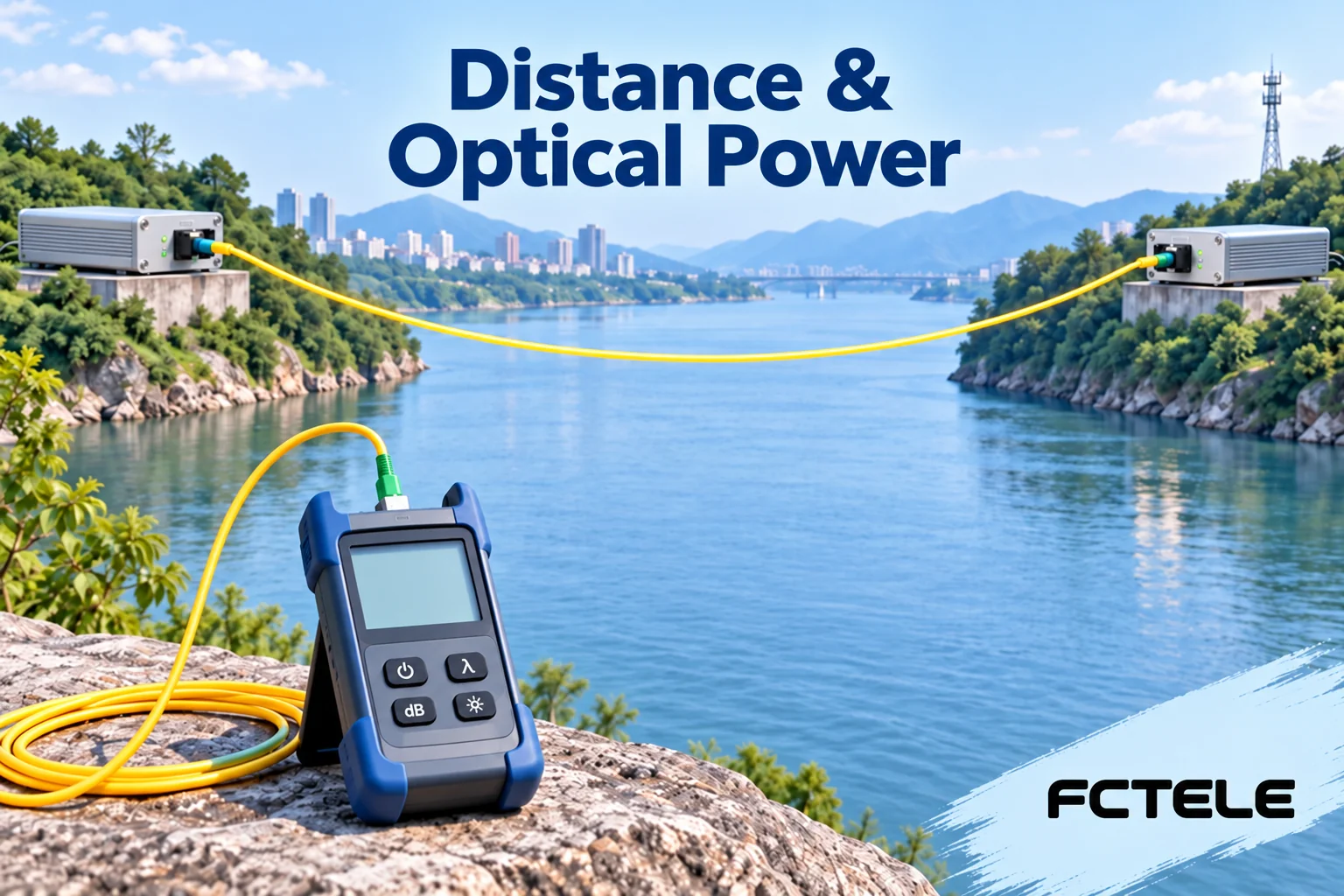
How Far Can a Fiber Optic Transmission Device Transmit: Optical Power Budget, Receiver Overload, and Field Acceptance
Estimate optical reach with guaranteed transmit limits, path loss, maintenance margin and receiver overload. Separate optical power, OTDR evidence and service acceptance.
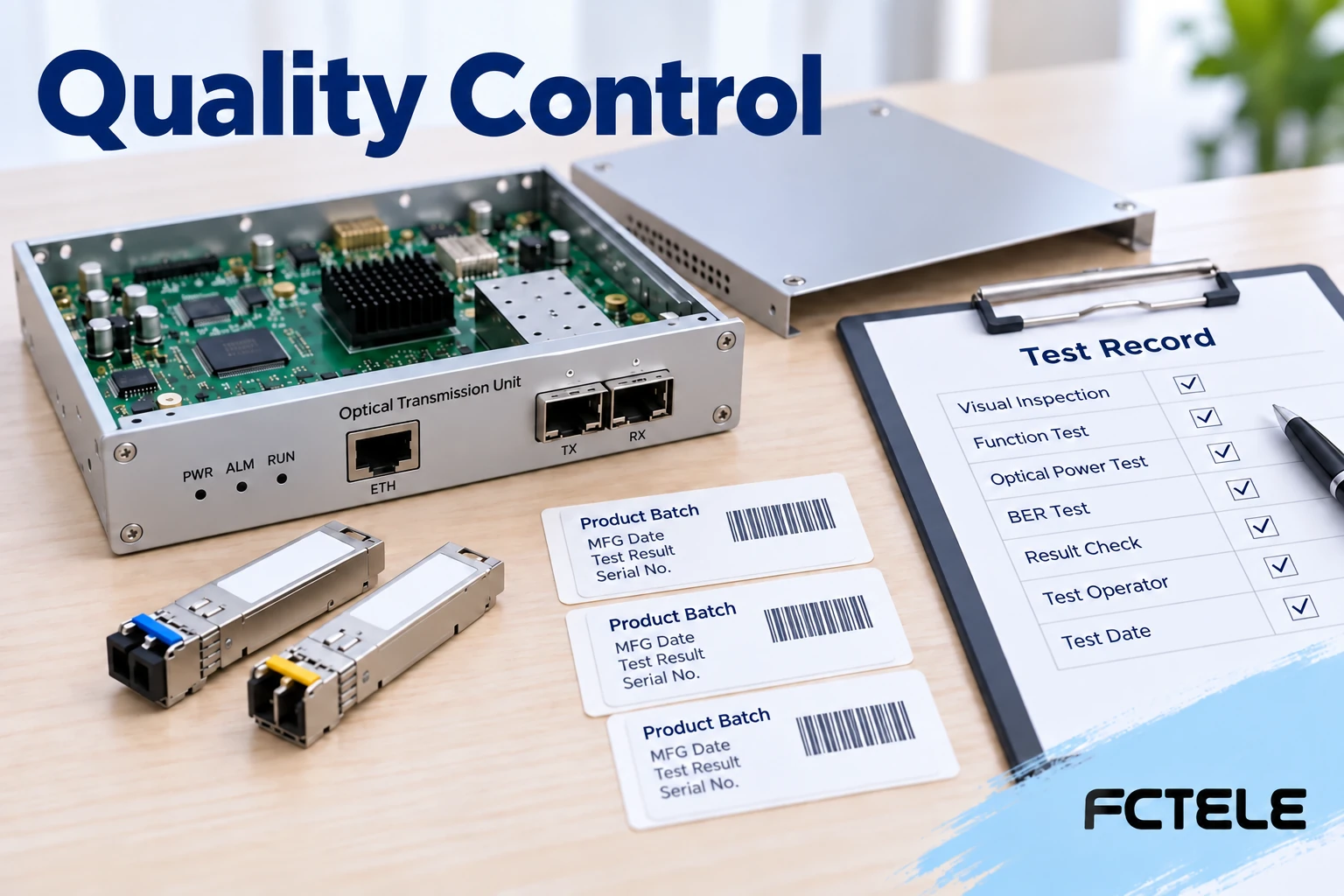
How to Verify Fiber Optic Transmission Device Manufacturing Quality: Optical-Electrical Conversion, Pair Testing, and Batch Traceability
Verify optical transmission quality through exact service configurations, paired endpoint tests and batch traceability. Connect optical conditions with actual service results.
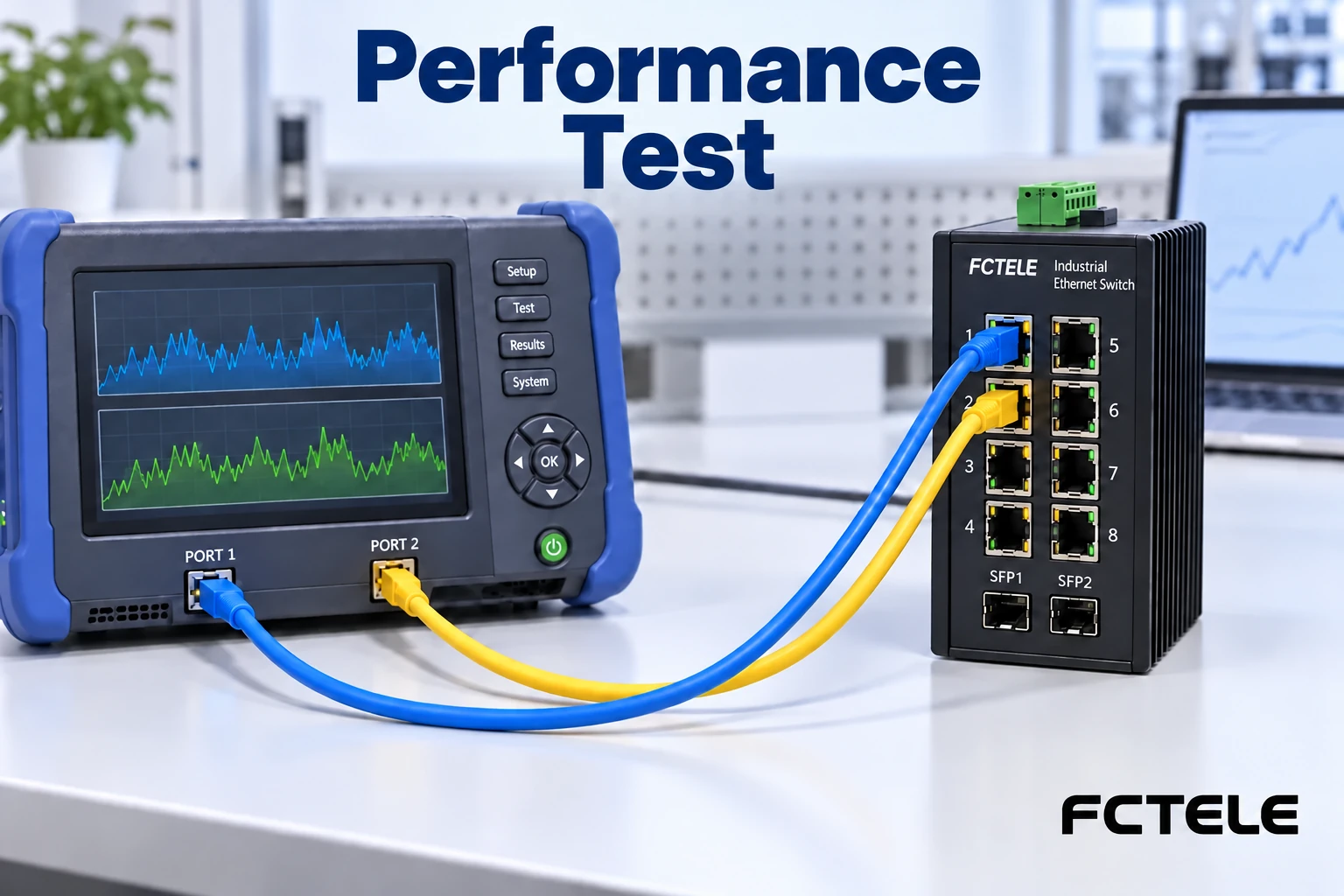
How to Test Industrial Optical Ethernet Switch Performance: Throughput, Latency, Frame Loss, and Service Acceptance
Test optical Ethernet switches with defined paths, frame sizes, loads and timing points. Distinguish isolated forwarding benchmarks from end-to-end application results.
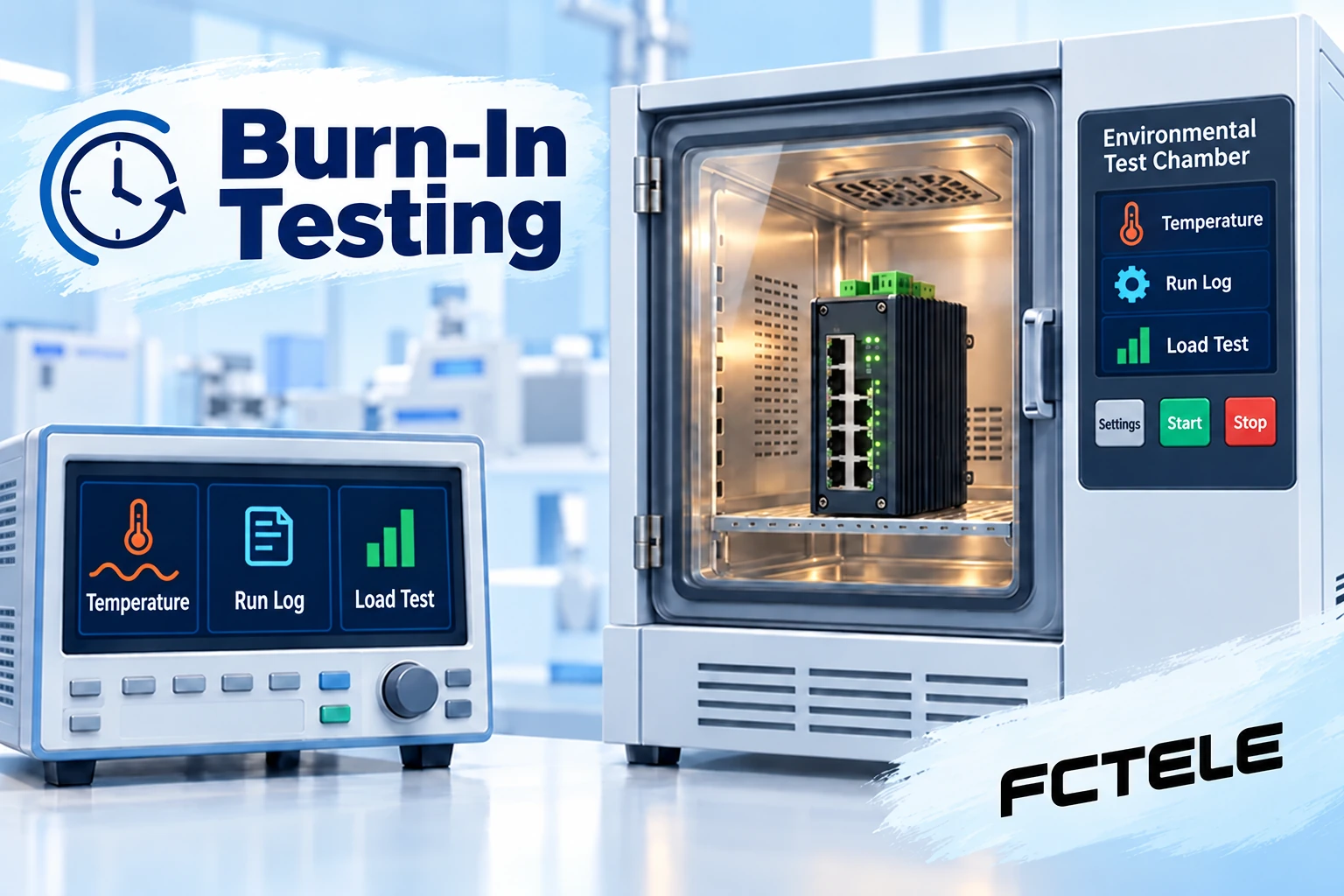
Why Industrial Switches Undergo Burn-In Testing: Heat and Load Screening, Records, and Life Boundaries
Evaluate switch burn-in by defined stress, traffic, monitoring and batch records. Distinguish production screening from environmental qualification and lifetime modeling.
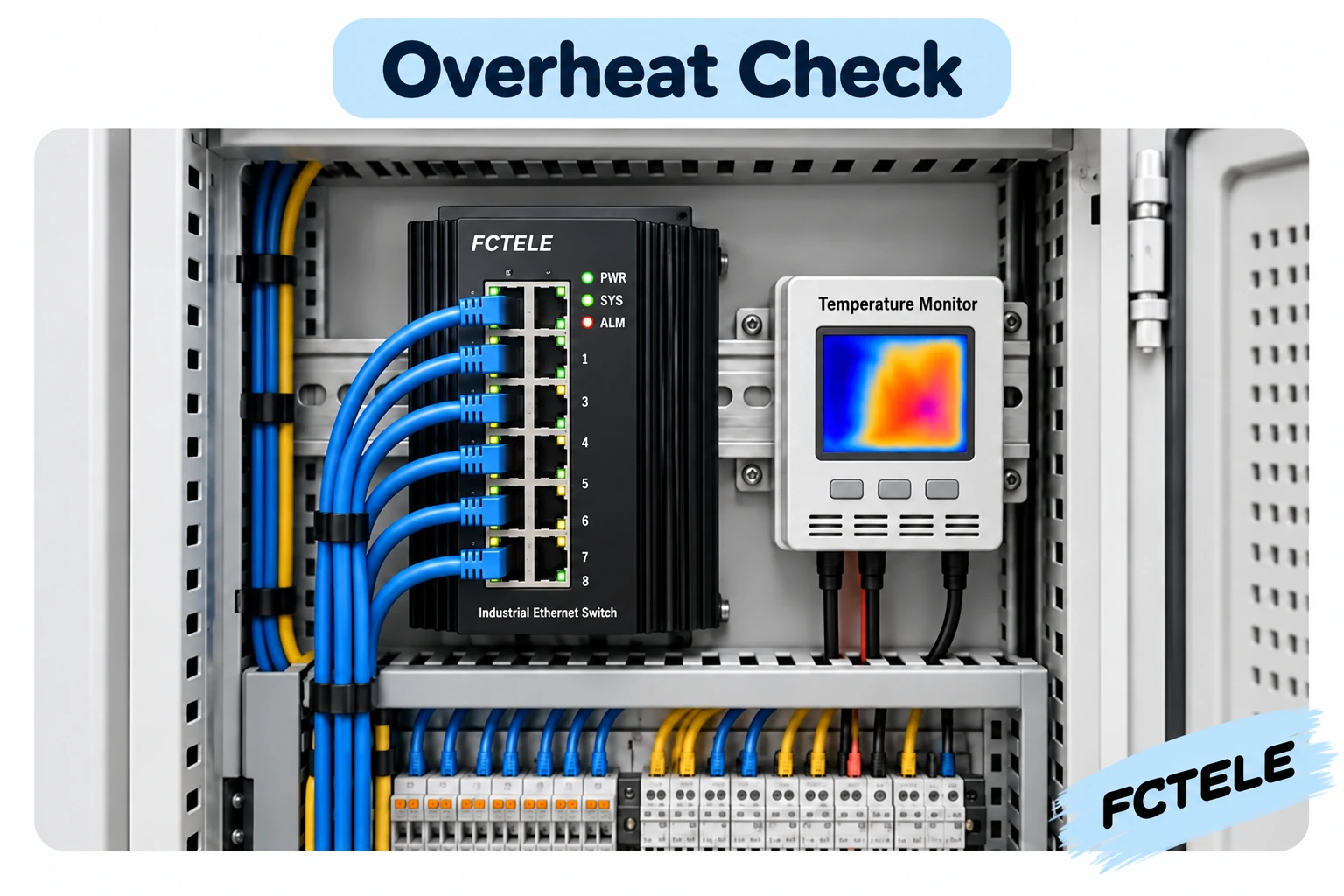
How to Investigate Overheating in Industrial Switches: Measurement Points, Cabinets, Load, and Network Anomalies
Diagnose hot switches using defined measurement points, cabinet conditions, module load and counter timelines. Distinguish thermal evidence from congestion and power faults.
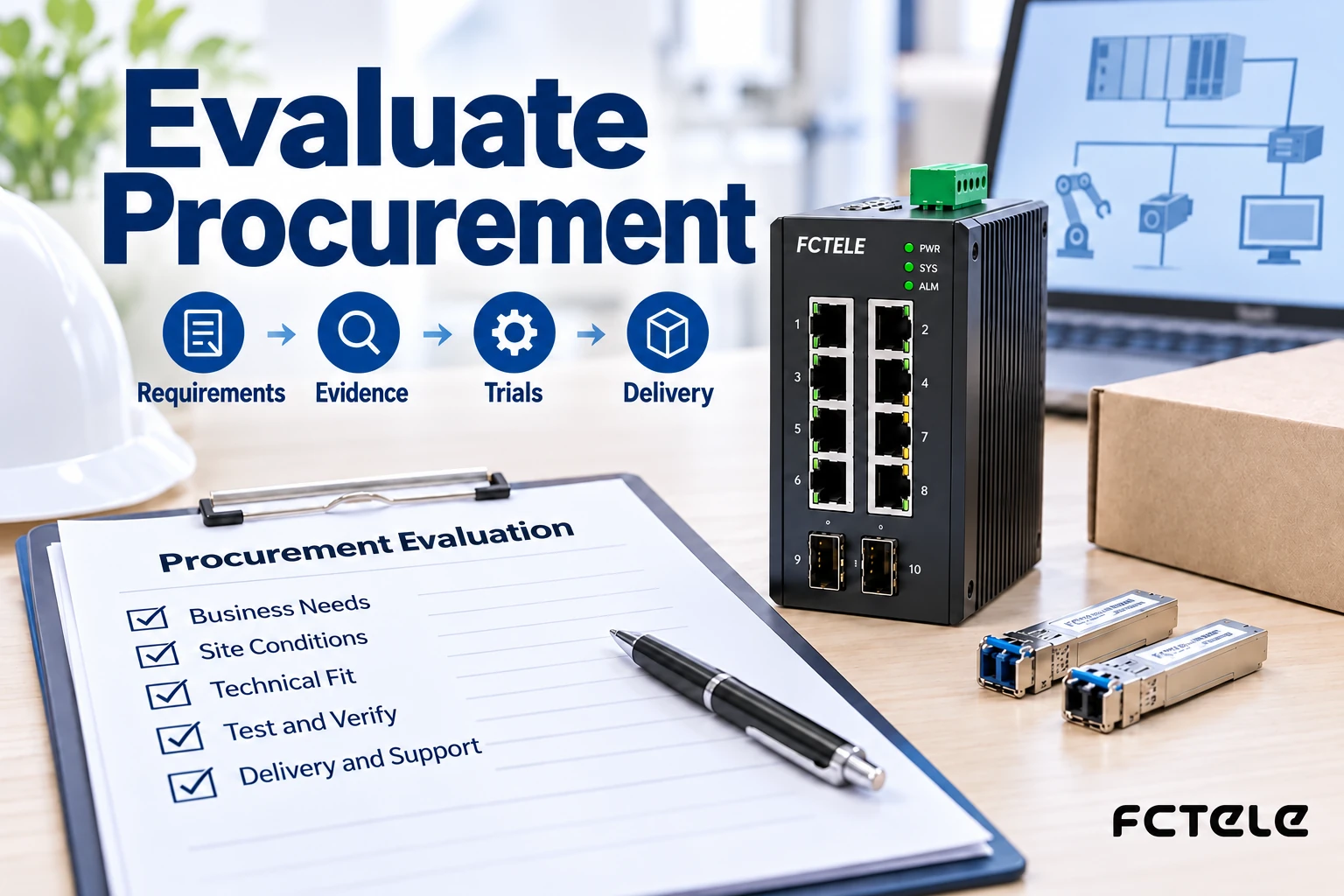
How to Evaluate Industrial Switch Procurement: Requirements, Evidence, Trials, and Delivery
Evaluate switch proposals through equal requirements, documented features, traffic-path trials and delivery records. Separate must-meet criteria from optional scoring.
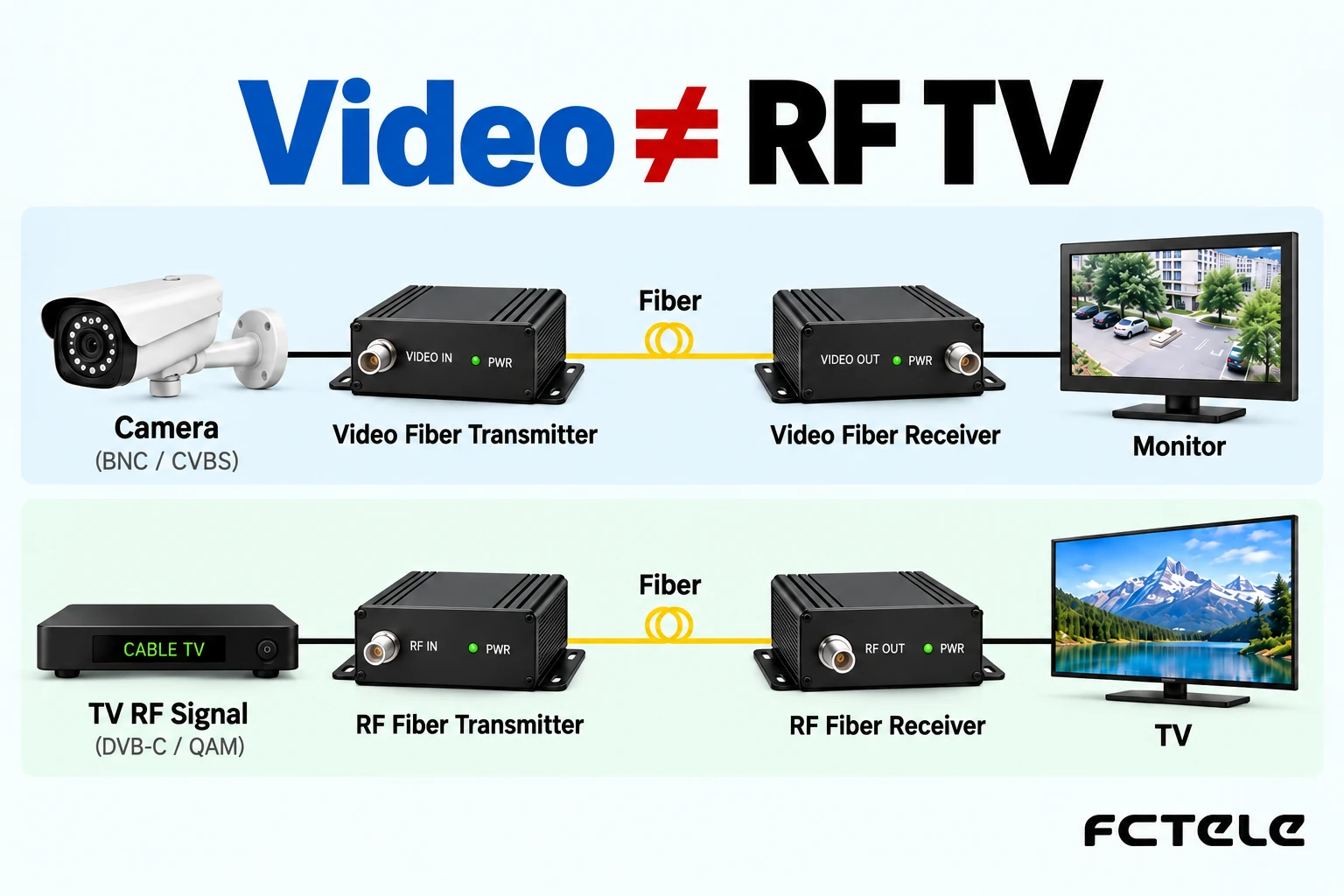
How to Distinguish TV and Surveillance Optical Transmission: Video, RF, and Service Boundaries
Distinguish camera-video optical extension from cable-TV RF transport. Match source formats, branching loss and receiver outputs before choosing transmission equipment.
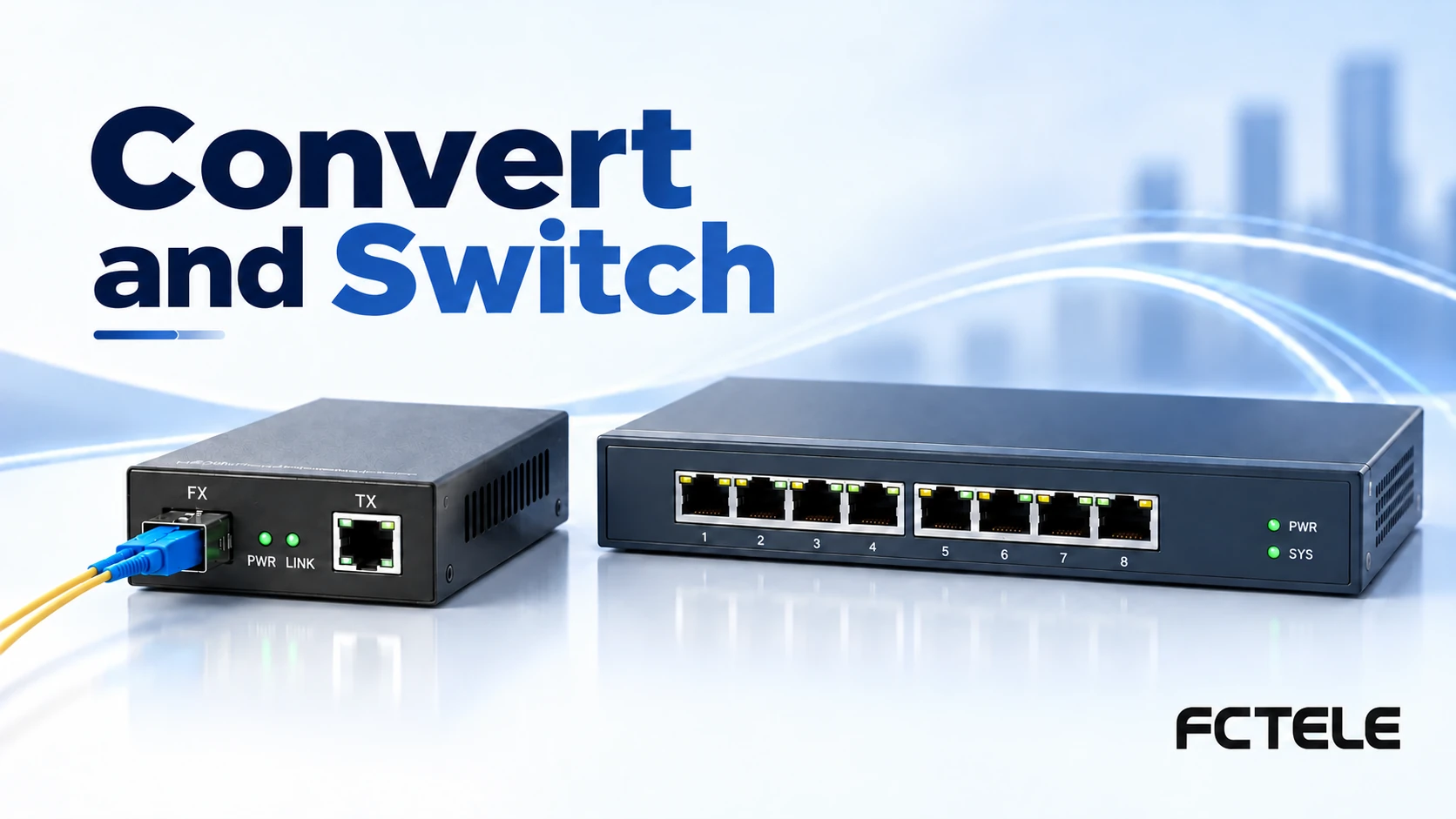
Fiber Media Converters, Fiber Switches, and Network Fiber Optic Transmission Devices: The Functional Differences Behind the Names
Distinguish media extension, Ethernet switching and dedicated optical services by actual ports and forwarding roles. Verify shared uplinks and avoid Fibre Channel confusion.
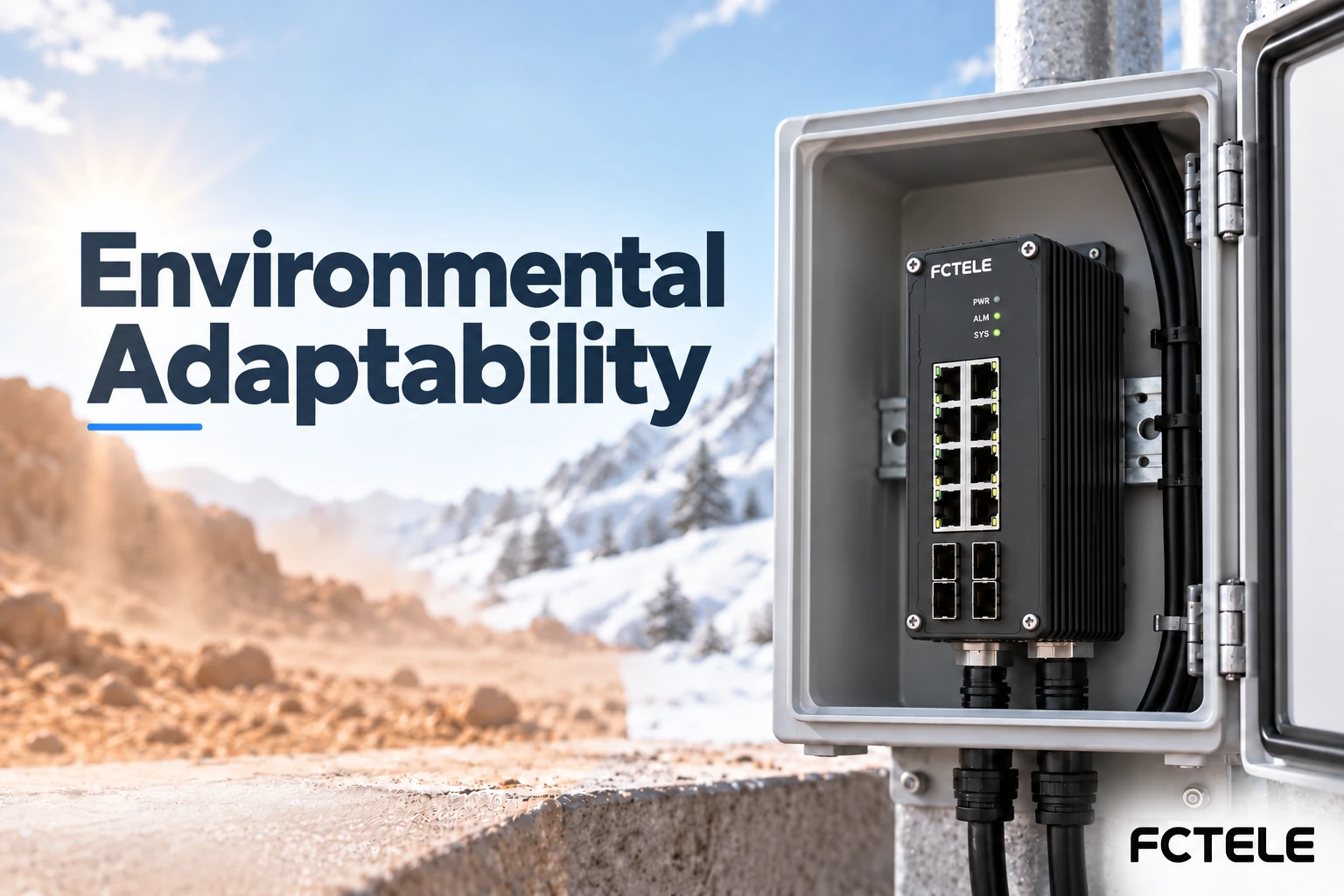
How to Verify Industrial Switch Environmental Adaptability: Temperature, Condensation, Vibration and Interference
Check industrial switch suitability against cabinet temperature, condensation, mounting strain and interference paths. Match site risks to model-specific evidence.
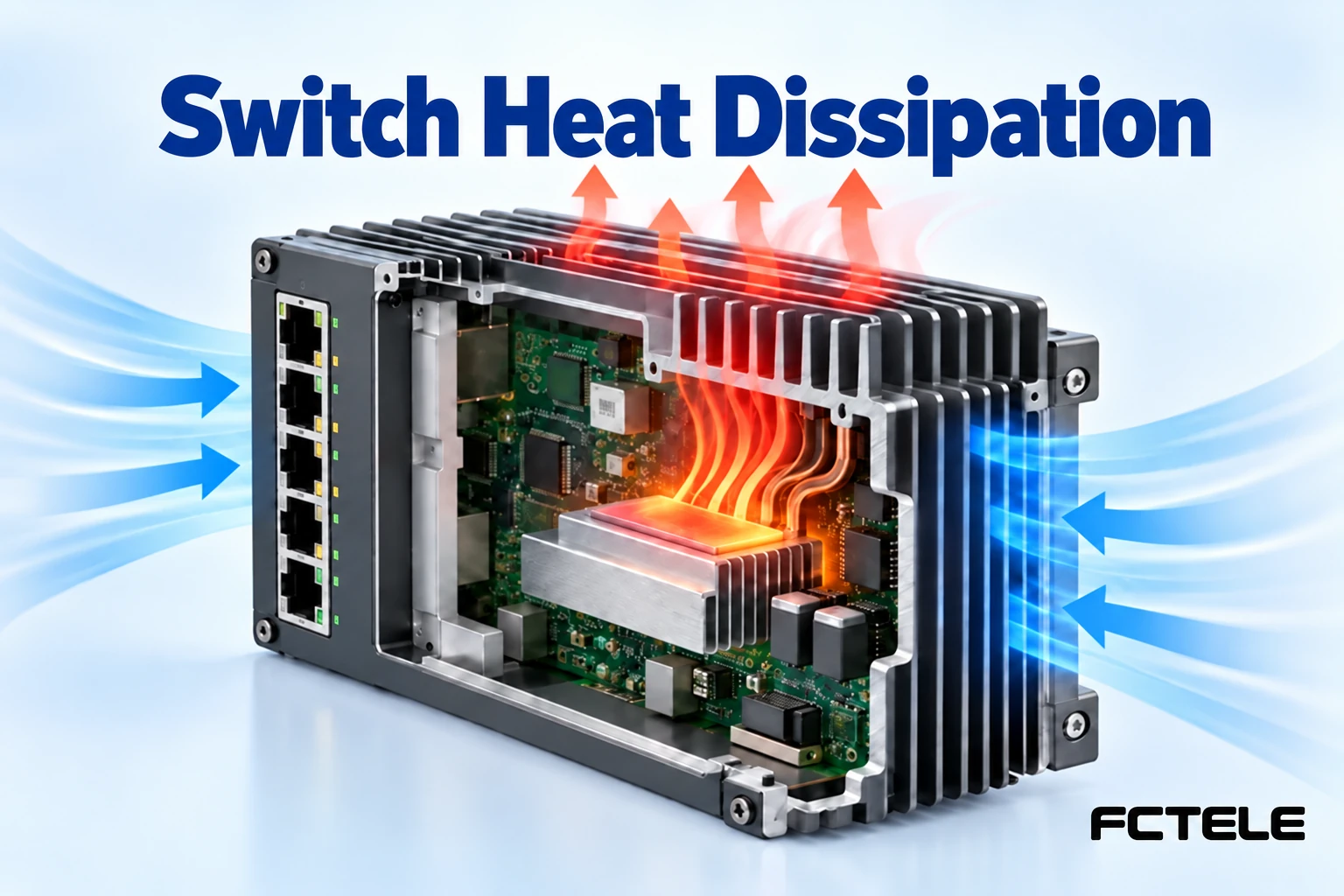
How Industrial Switches Dissipate Heat: Conduction, Convection, and Cabinet Temperature Rise
Understand conduction and convection in industrial switch cooling. Verify local cabinet air, component loss, module load and mounting clearance instead of touch.
