
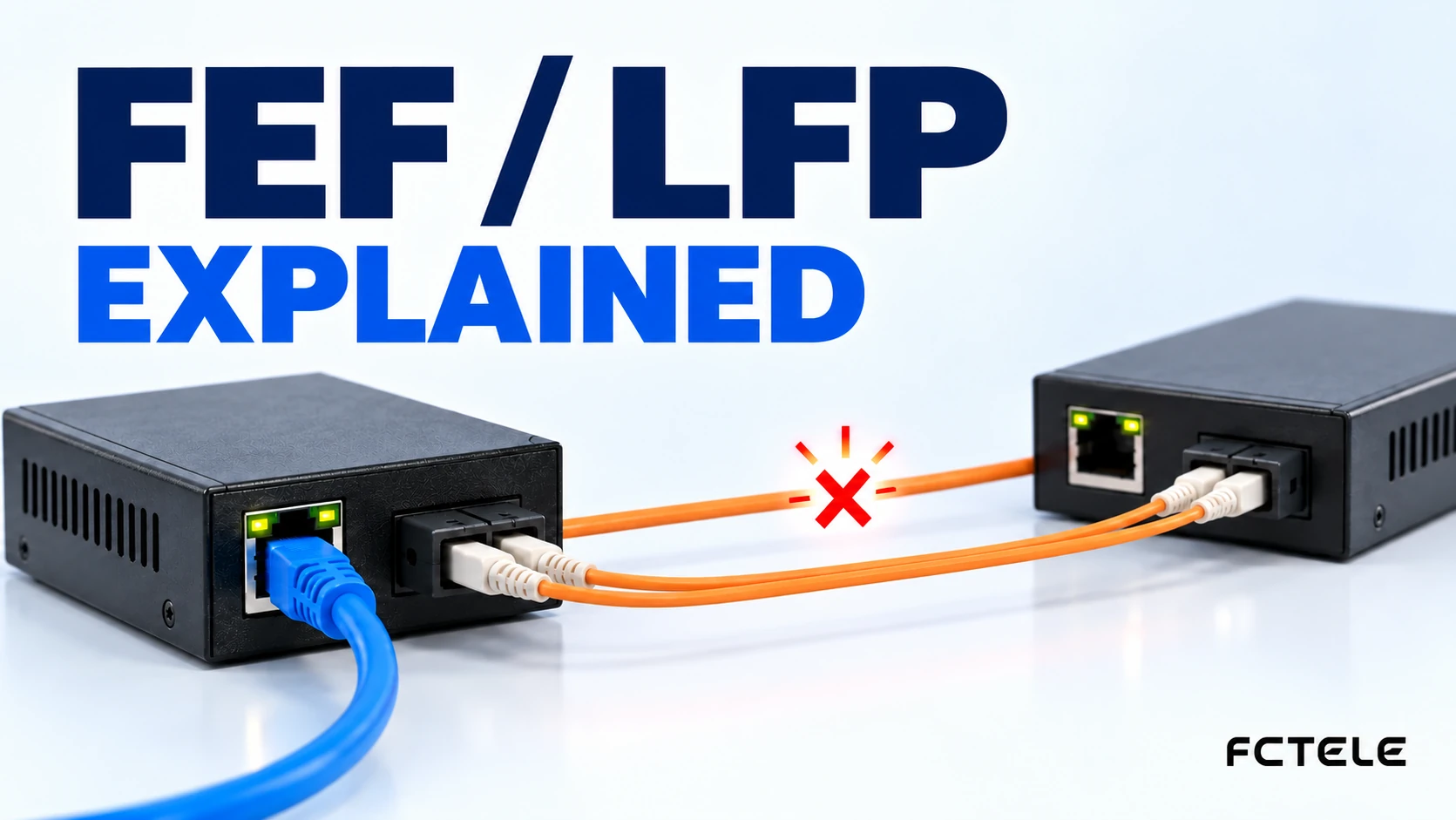
What Do FEF and LFP Mean on a Fiber Media Converter? From Fault Detection to Copper Port Linkage
Separate FEF remote fault indication from LFP interface-state linkage. Trace each fault direction, confirm supported modes and test notification separately from recovery.
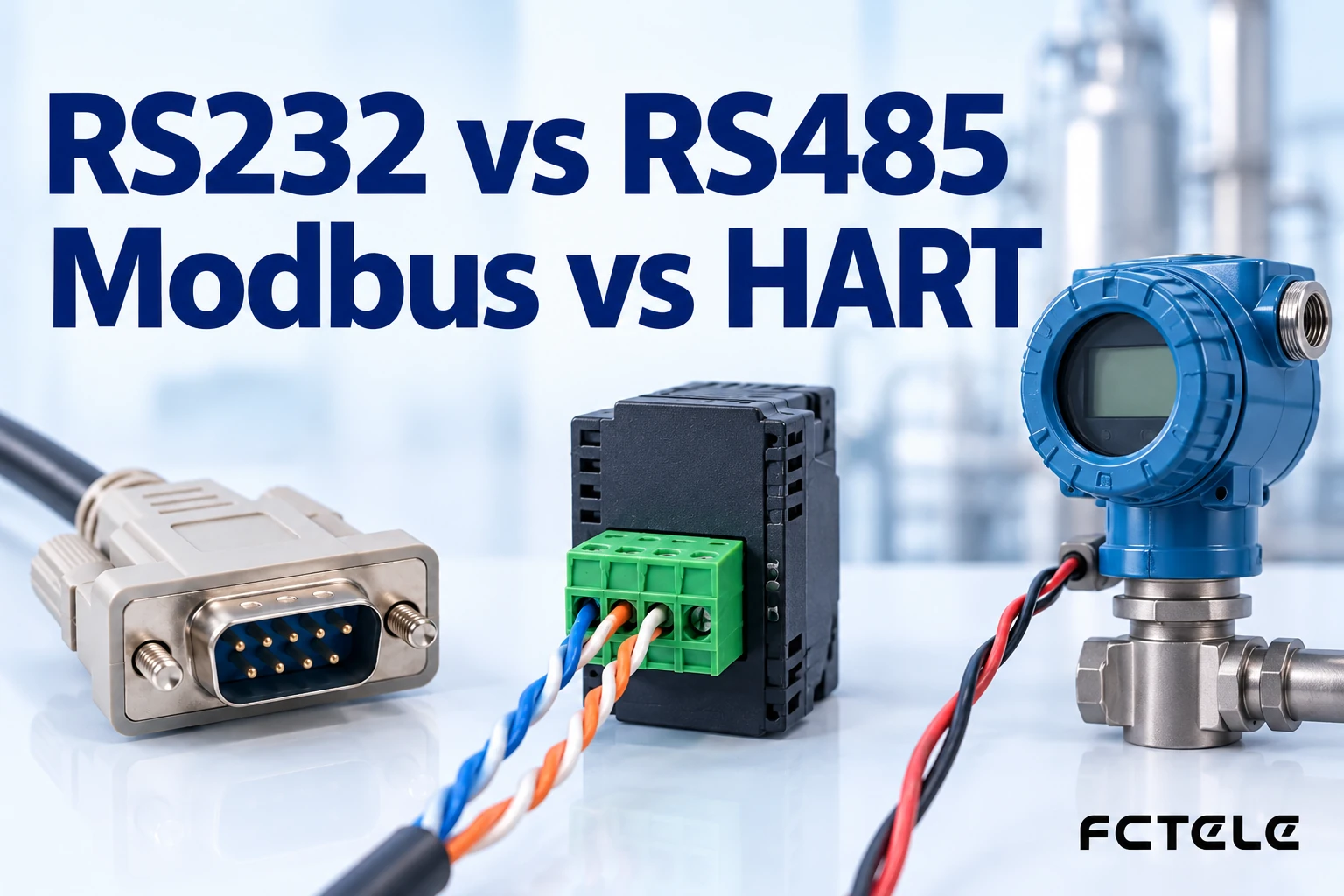
How to Tell RS232, RS485, Modbus and HART Apart: Understanding Electrical Interfaces and Data Rules in Layers
Separate serial electrical interfaces from message protocols and HART loop communication. Verify wiring, framing and register interpretation before choosing a converter.
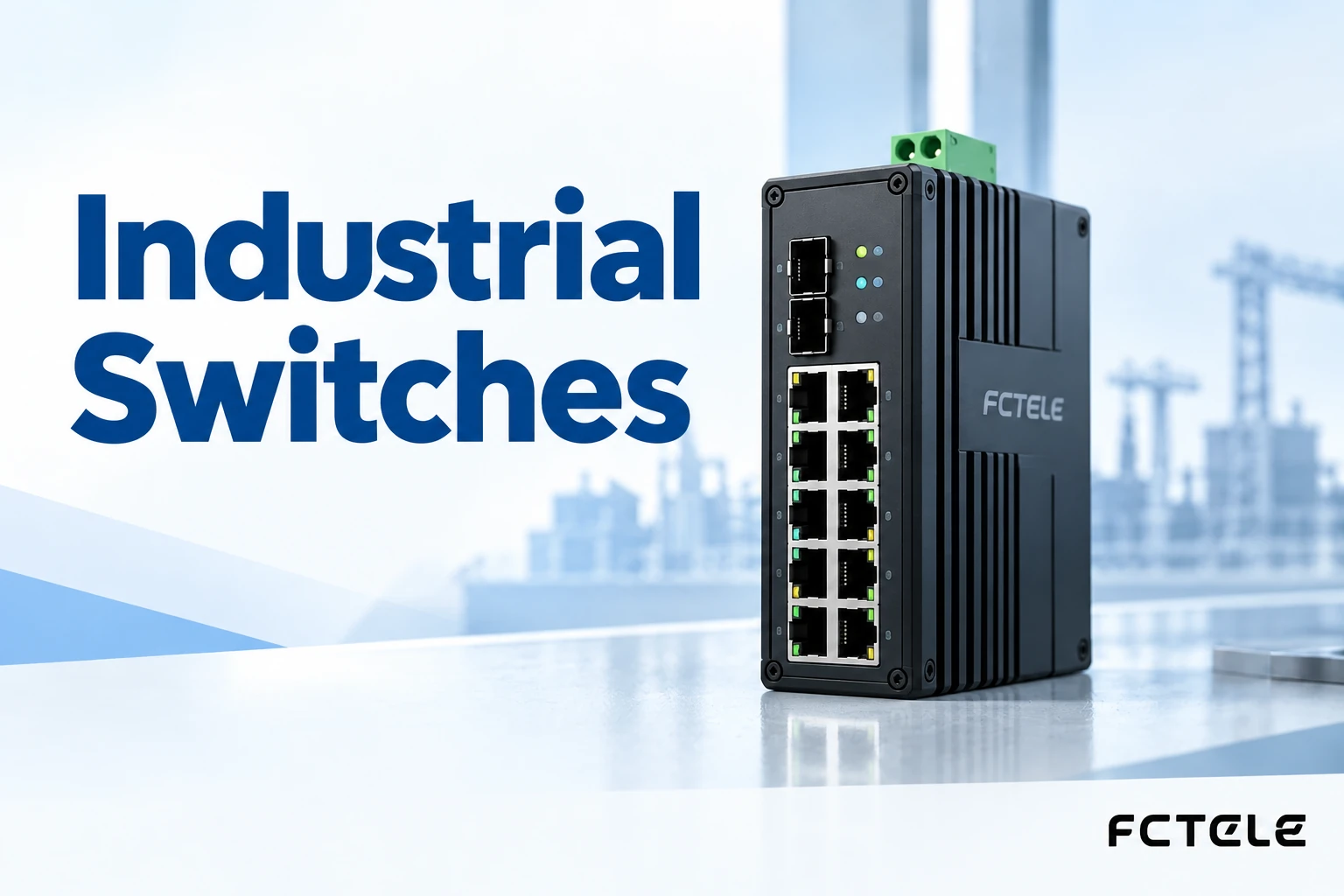
How to Use Industrial Switches Correctly: Forwarding Principles, Power Boundaries, and Routine Maintenance
Use industrial switches with a documented baseline, compatible links and verified power. Treat ring protection and PoE as supported configurations, not automatic benefits.
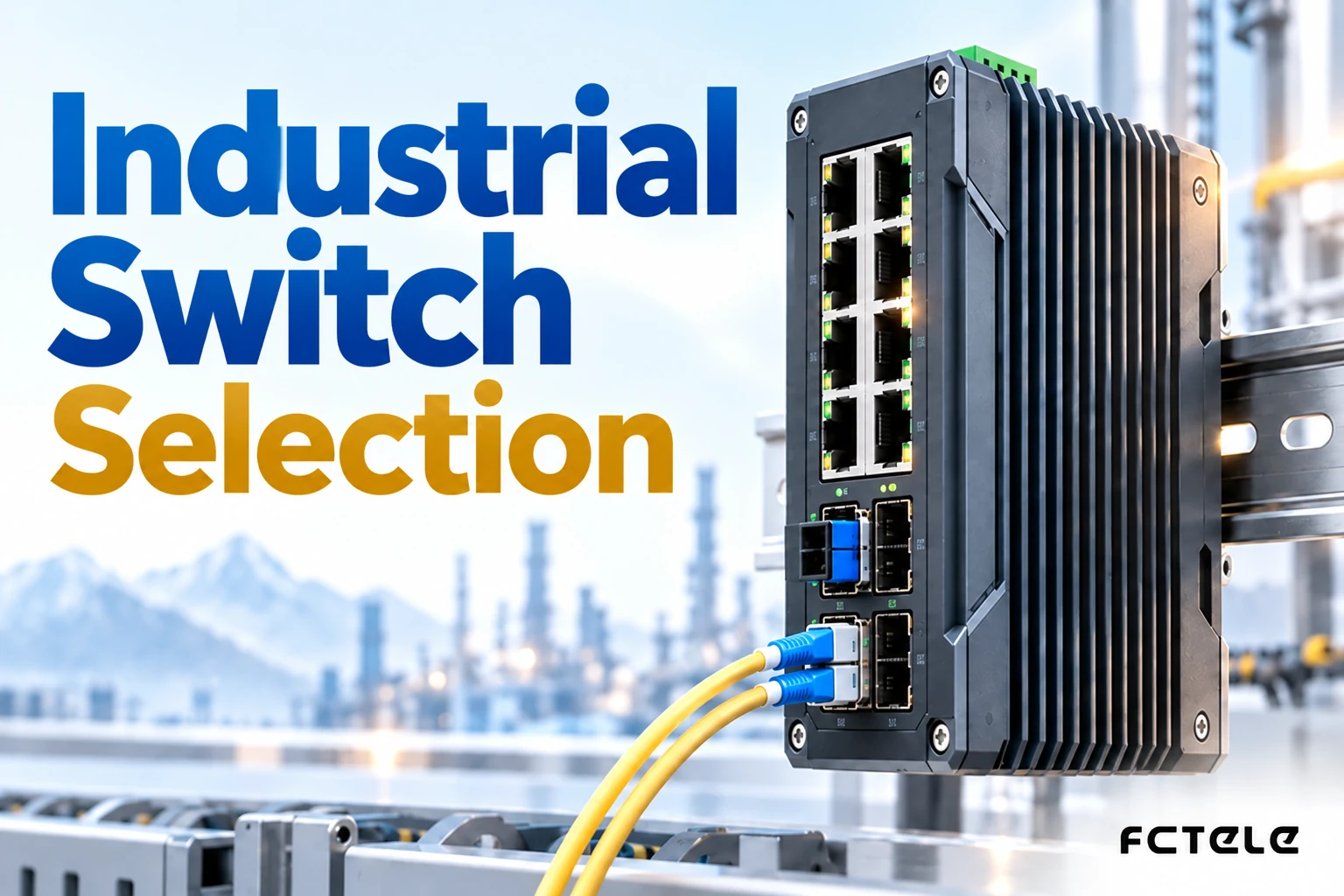
How to Choose an Industrial Switch: Define the Business First, Then Verify Reliability
Select industrial switches from terminal paths, uplink demand, optical pairing and site conditions. Tie management and redundancy features to explicit acceptance needs.
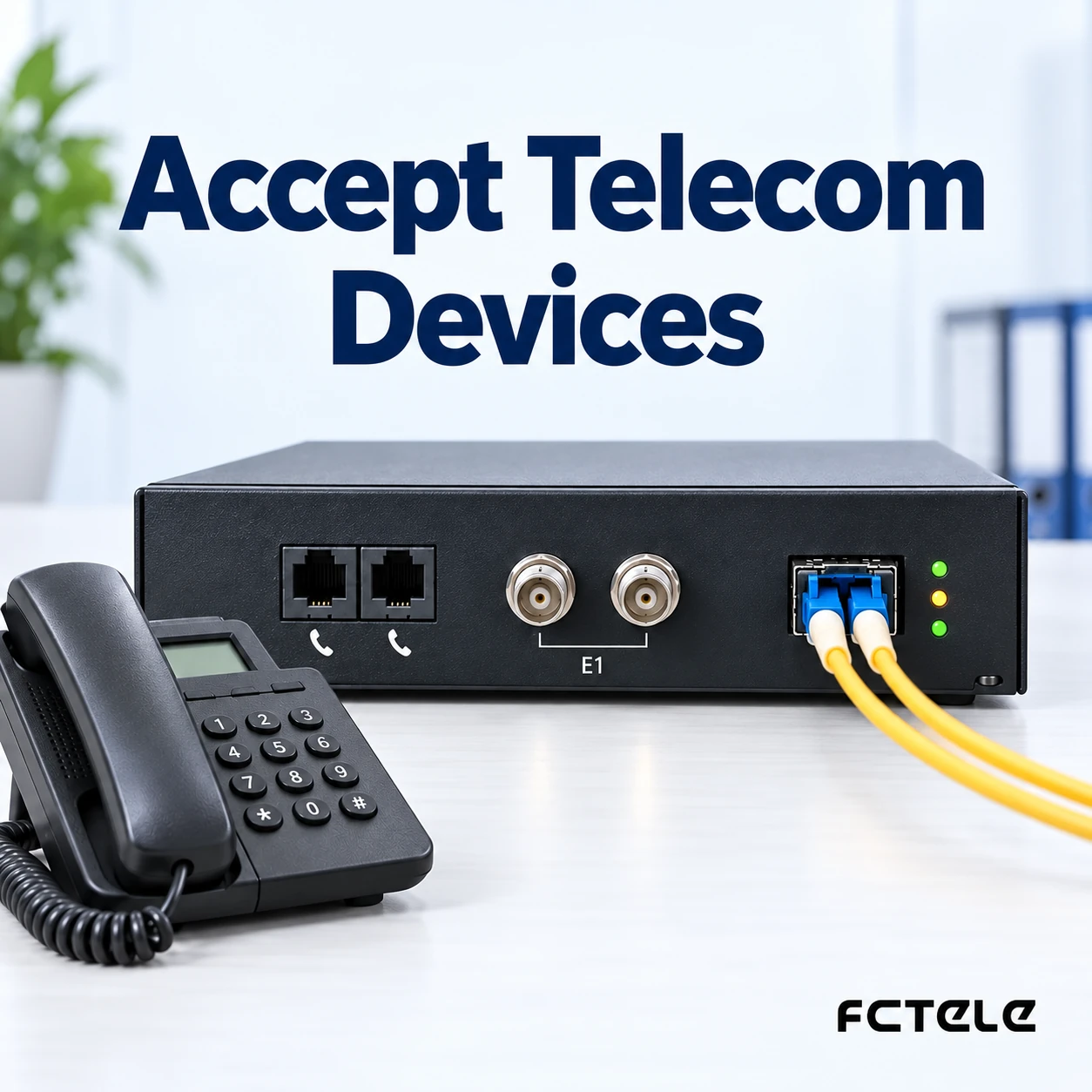
How to Accept Telephone and E1 Fiber Optic Transmission Devices: Interface Checks, Loopbacks, and Service Testing
Accept telephone and E1 optical equipment with correct interface roles, a short-link baseline and bounded loopbacks. Test every call phase and normal end-to-end service.
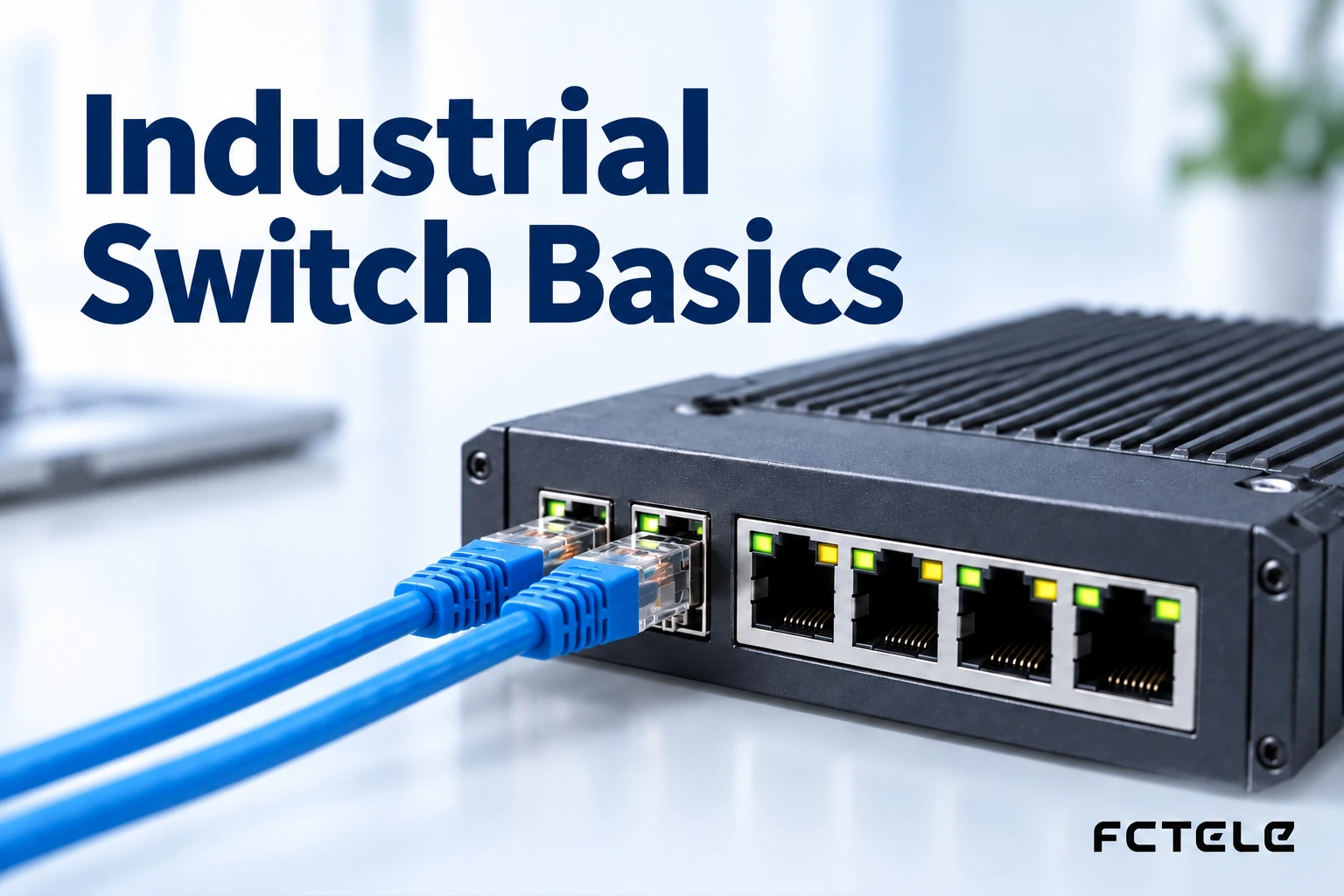
Understanding Common Industrial Switch Questions: Address Learning, Egress Queues, and Fault Recovery
Separate a switch MAC table from its frame queues and distinguish port rate from packet-processing capacity. Validate congestion and recovery with actual services.
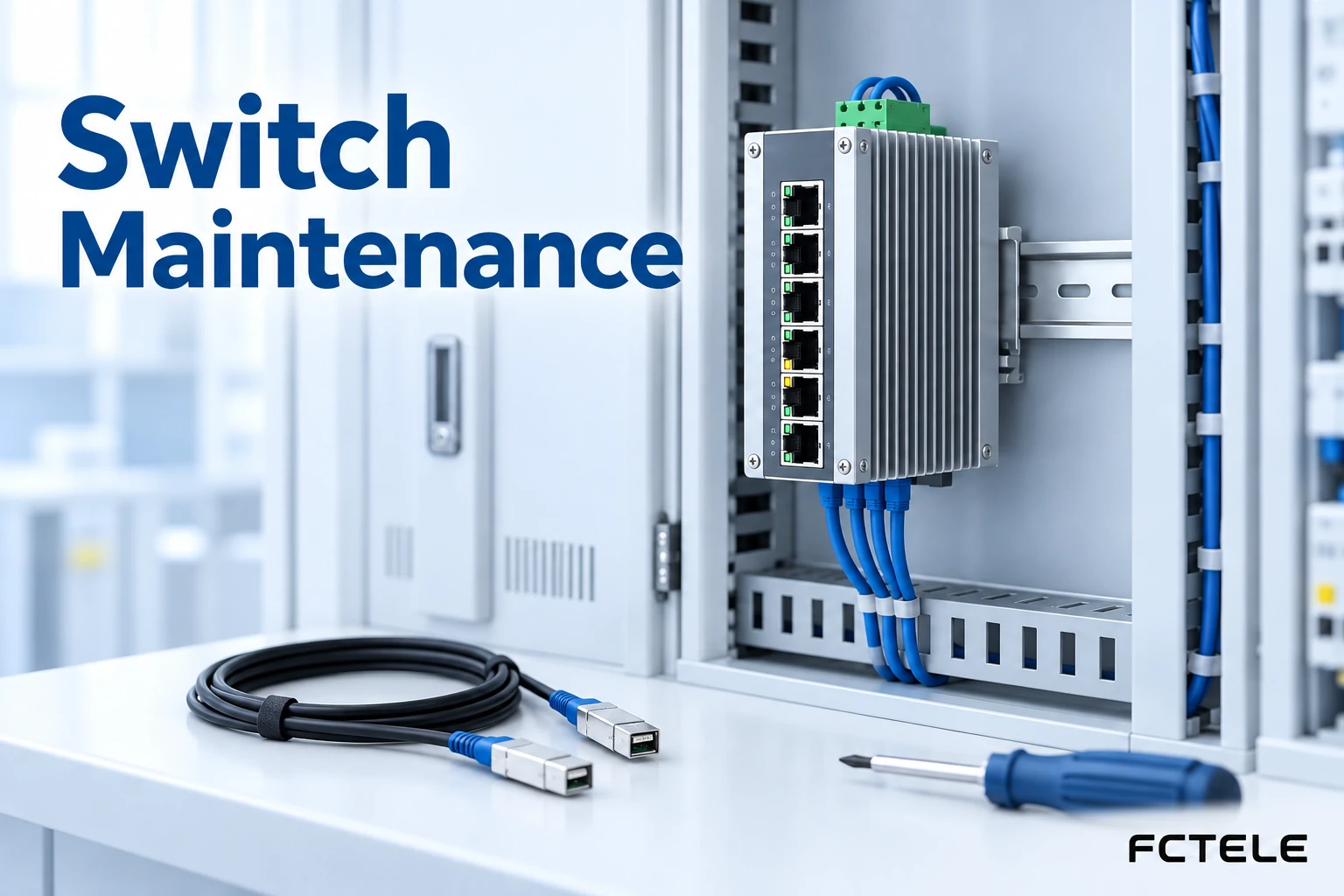
How to Do Routine Maintenance on Industrial Switches: Environment, Links, Configuration, and Spare Parts Checks
Maintain switch records, thermal conditions, link trends and tested backups. Match spare versions and negotiated port modes, then verify the real service after changes.
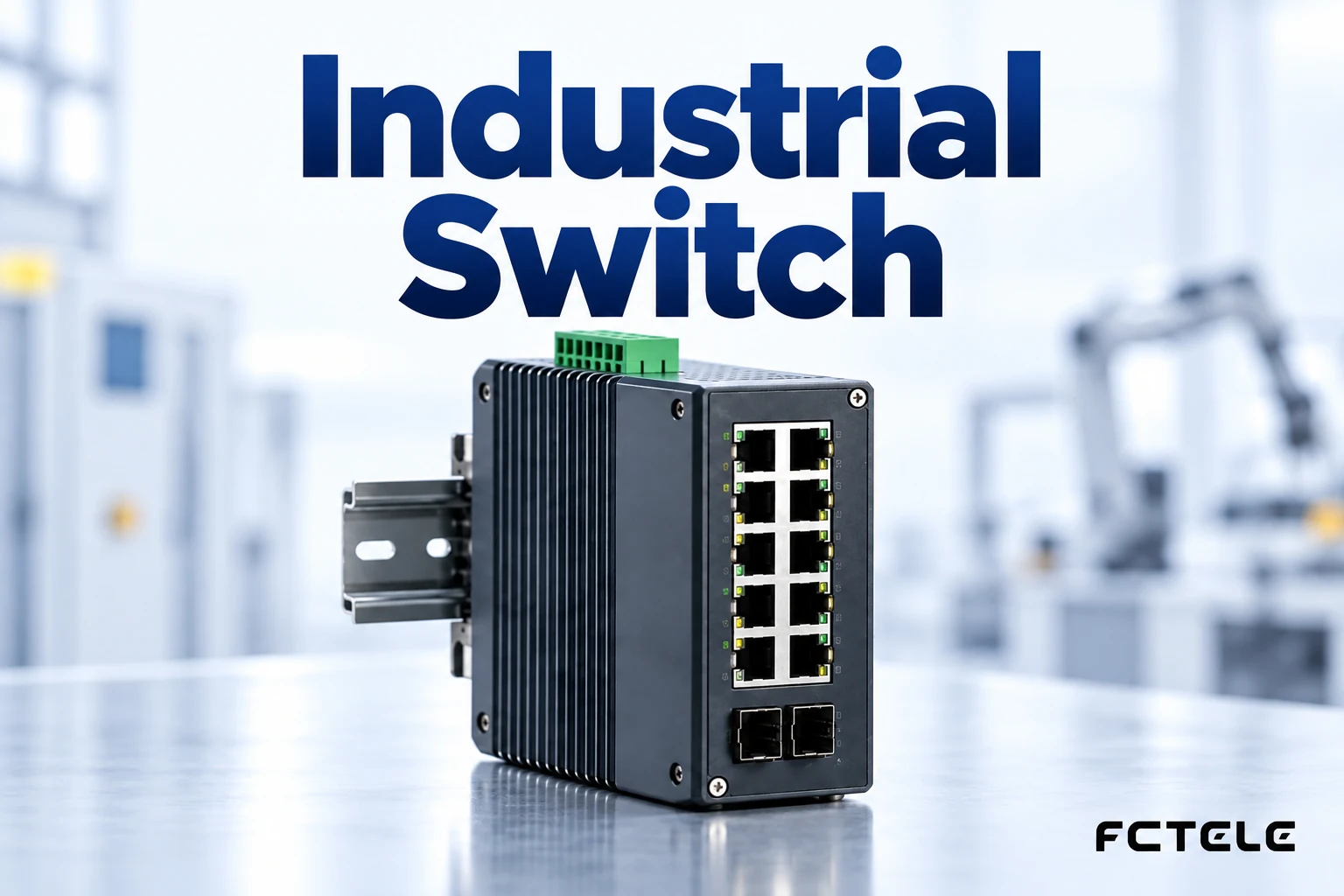
What to Check When Buying an Industrial Switch: Ports, Environment, and Maintenance Capability
Buy industrial switches against explicit ports, environment, power and maintenance requirements. Use delivery evidence and real application trials rather than Ping alone.
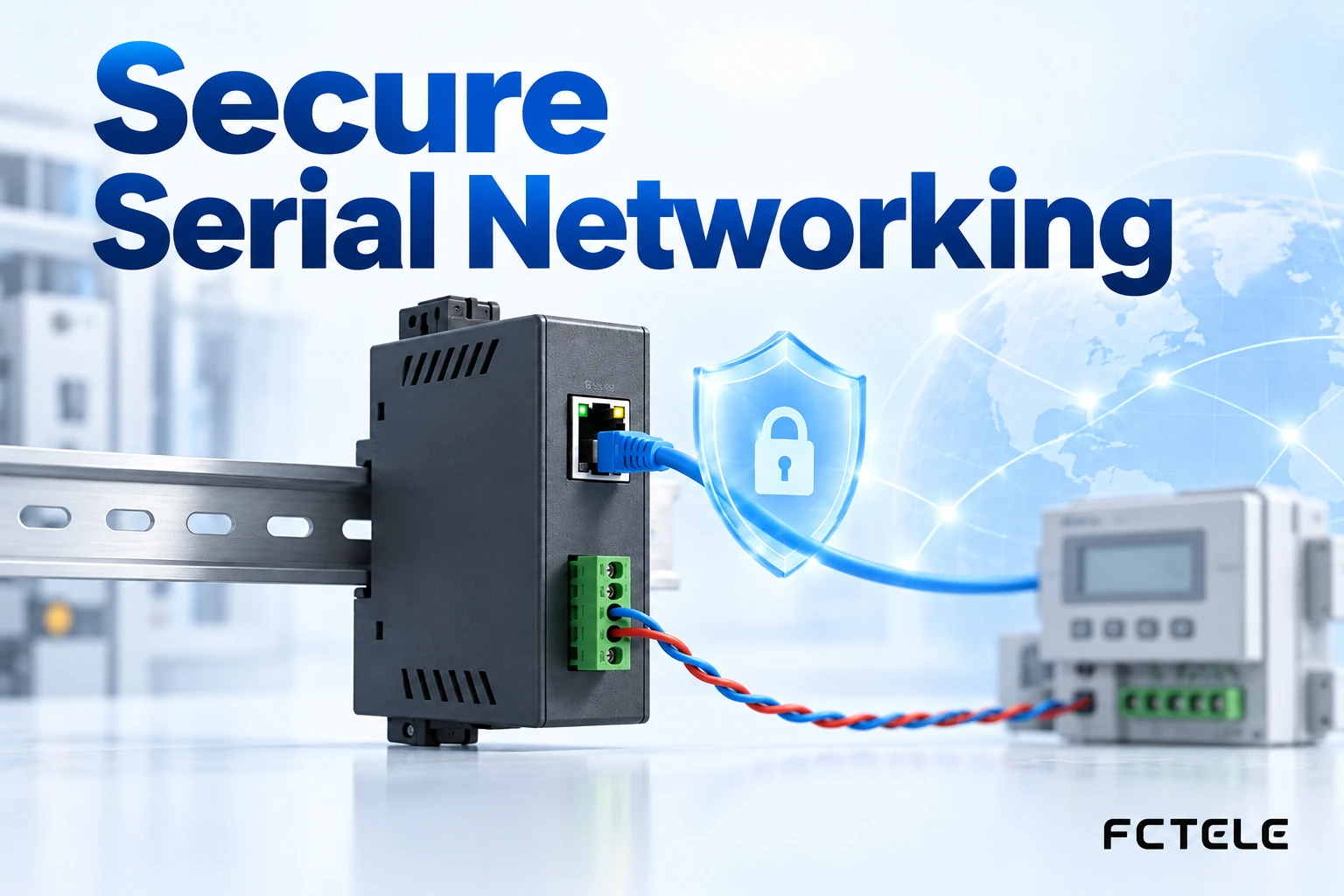
How to Connect Serial Servers to Networks Safely: Access Control, Encrypted Channels, and Industrial Site Protection
Protect serial networking with restricted sources, verified secure-channel scope and recoverable operation. TCP ordering and CRC do not provide confidentiality or identity.
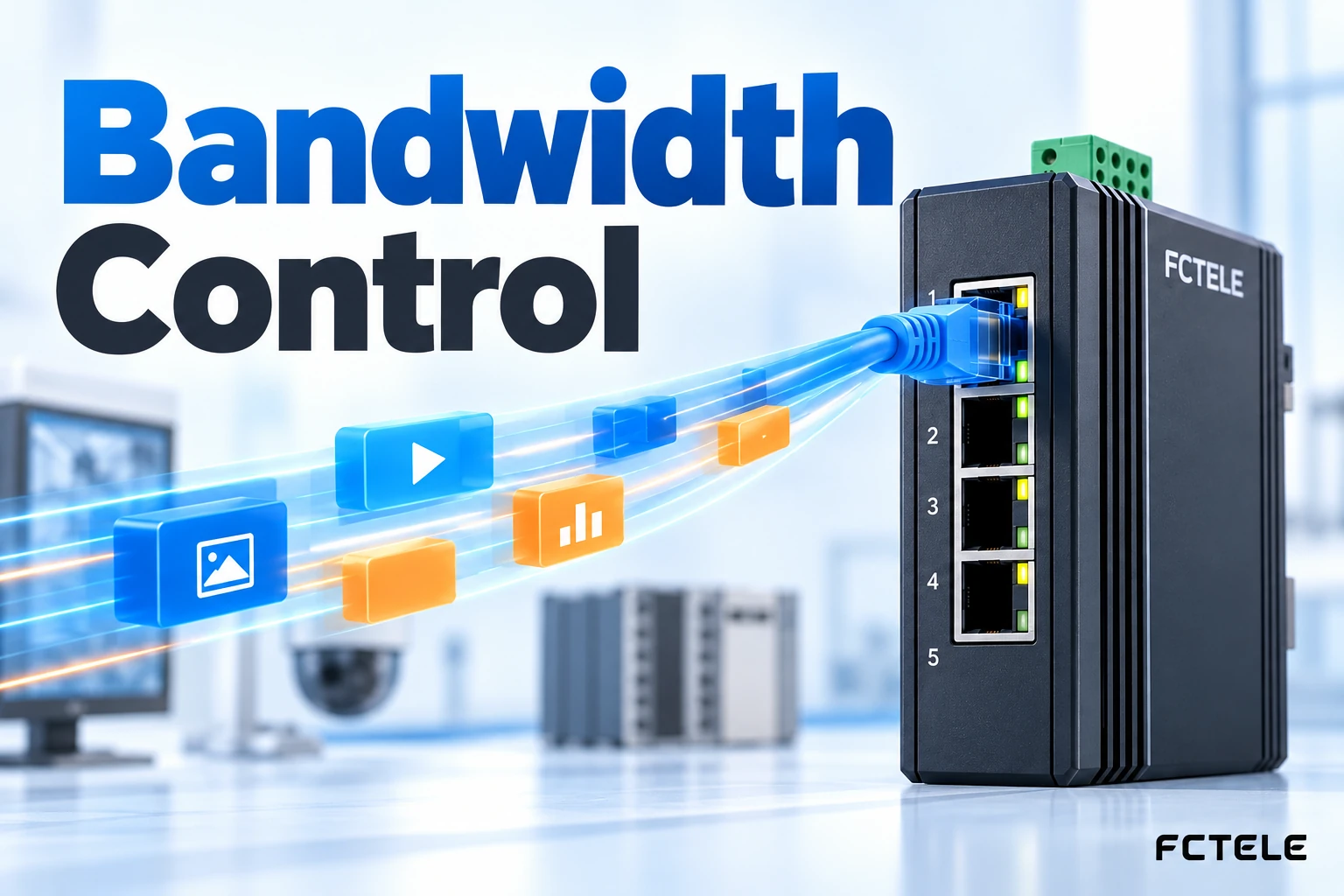
How Industrial Switches Manage Bandwidth: Egress Queuing, QoS, and Rate-Limiting Boundaries
Manage industrial traffic by locating shared egress demand and verifying QoS, policing or shaping behavior. Neither VLANs nor larger queues create unlimited bandwidth.
