

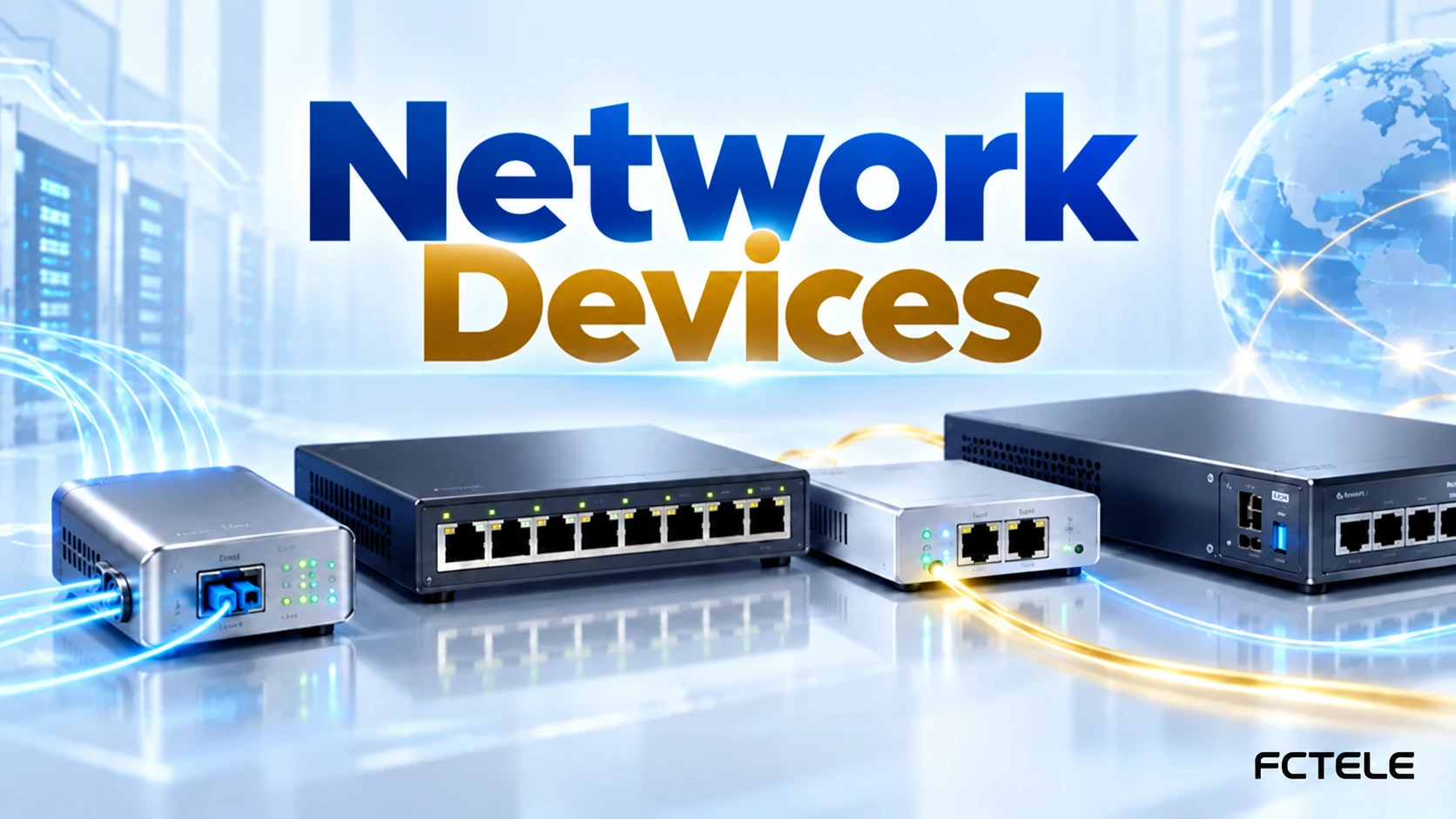
Repeaters, Hubs, Bridges, and Gateways: Understanding Them Layer by Layer from Signals to Protocols
Distinguish signal repetition, shared-medium hubs, address-based bridging and protocol gateways. Choose equipment by the information it processes, not socket count.
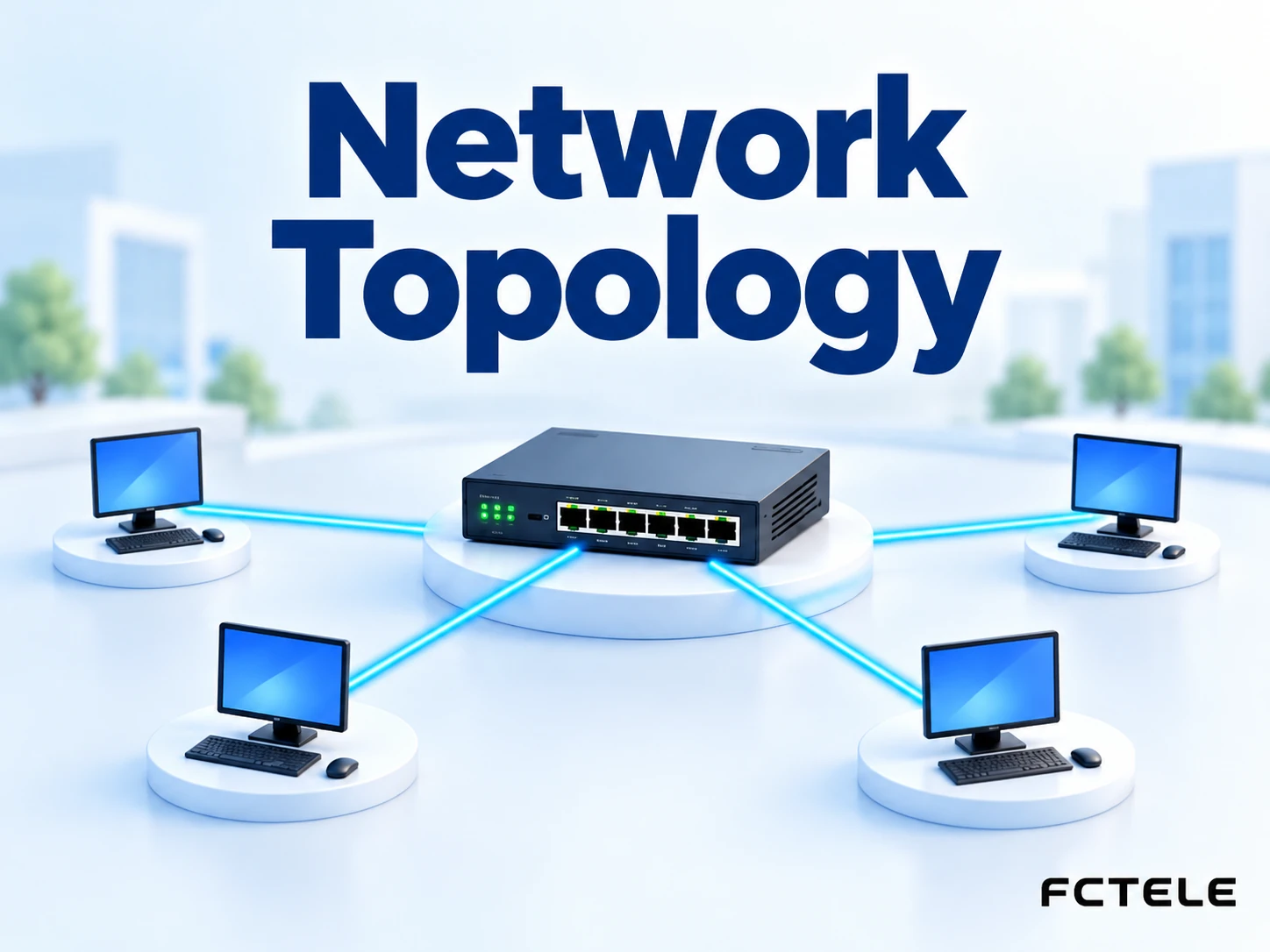
How to Choose a Network Topology: Physical Cabling, Logical Forwarding, and Failure Scope
Choose star, chain or protected ring topology by normal forwarding, shared capacity and faults. Identify common power and route dependencies before accepting redundancy.
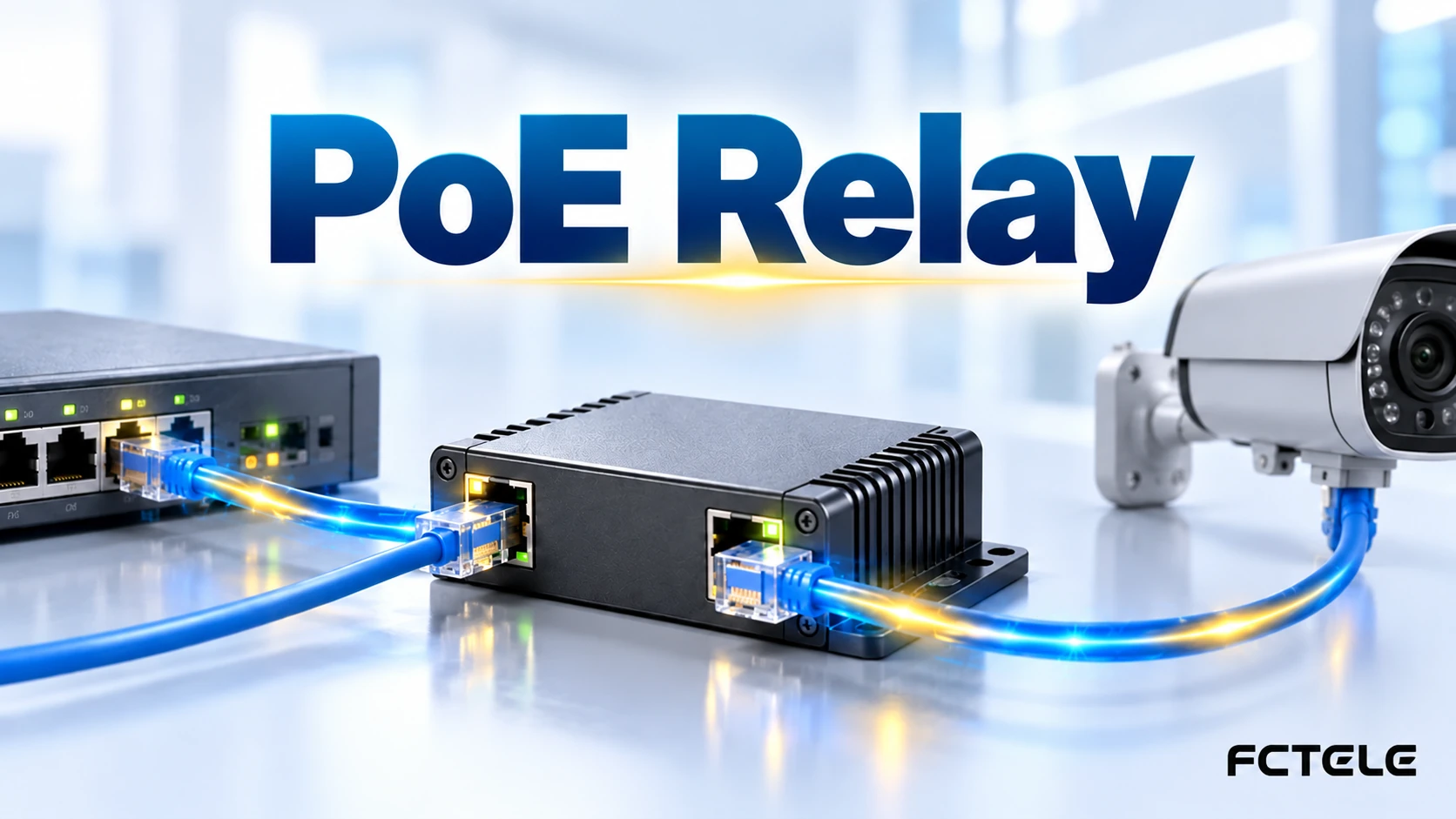
How PoE Relay Power Extends Links: Data Regeneration, Power Budget and Installation Limits
Plan PoE relay links using separate data segments and a complete power-loss budget. Include relay consumption, terminal peaks and supported cascading limits.
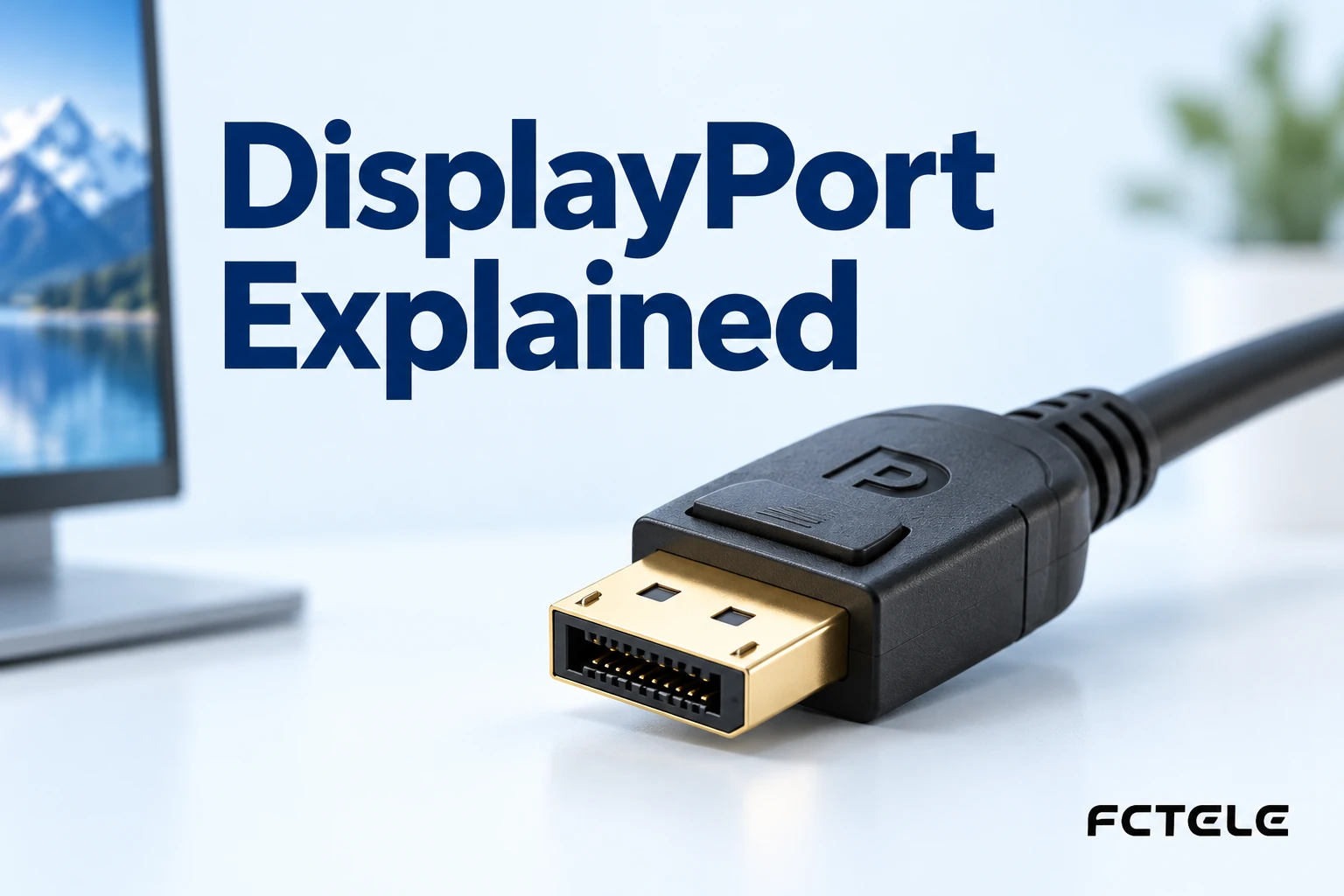
How DisplayPort Transmits Video: Main Link, Auxiliary Channel, and Adapter Limits
Understand DisplayPort through its main video link, AUX exchanges and supported adapter direction. Verify negotiated modes and wake recovery across the complete path.

How the MR-Ring Private Ring Network Protocol Works: Backup Paths and Compatibility Boundaries
Evaluate MR-Ring as a specific proprietary solution, not universal MRP interoperability. Verify supported firmware, controlled paths and restoration after defined faults.
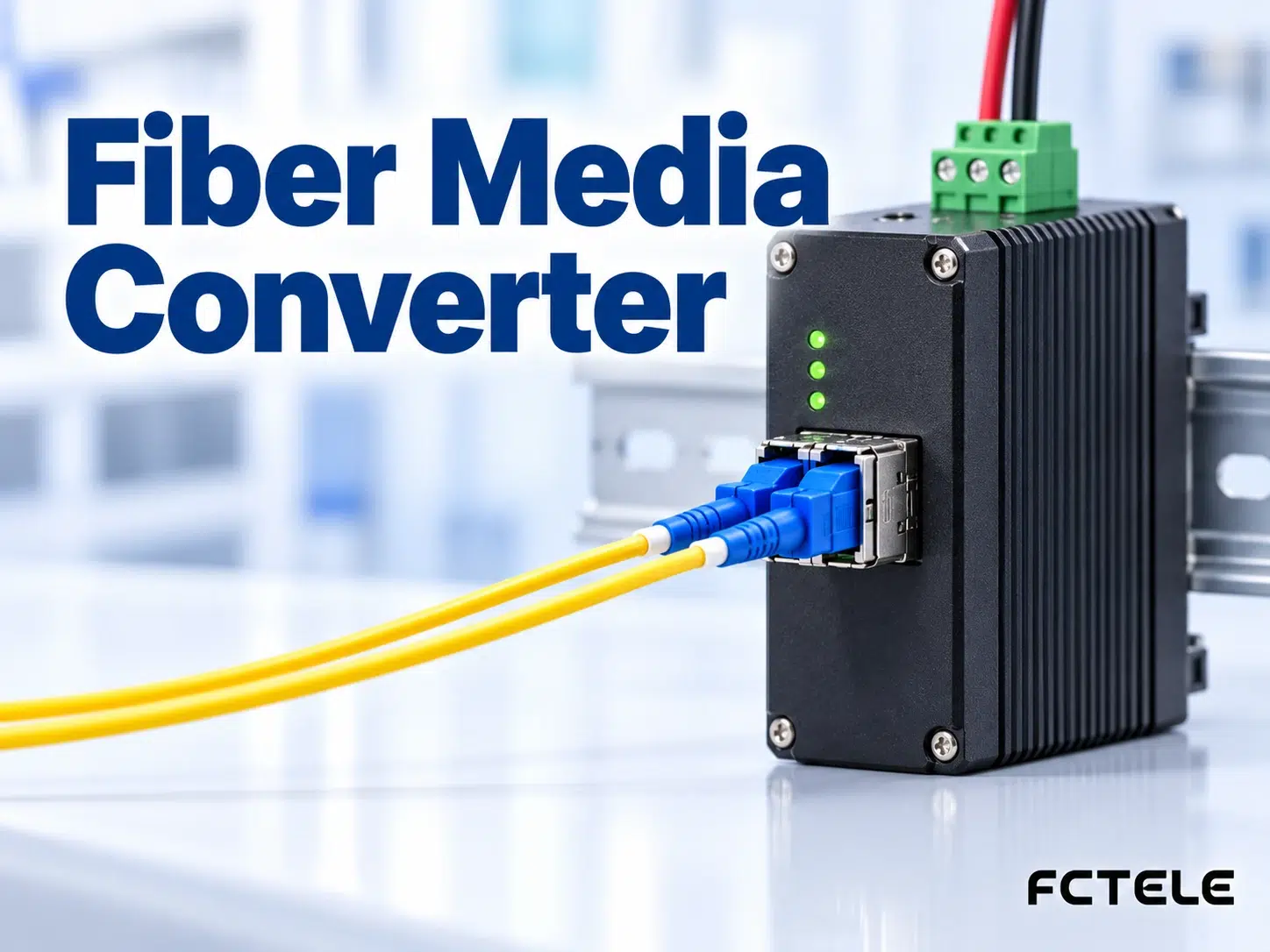
How to Use and Maintain Industrial Fiber Optic Transceivers: From Installation to Optical Power Records
Maintain industrial media converters with documented endpoint pairing, clean endfaces and comparable optical records. Separate environmental changes from network faults.
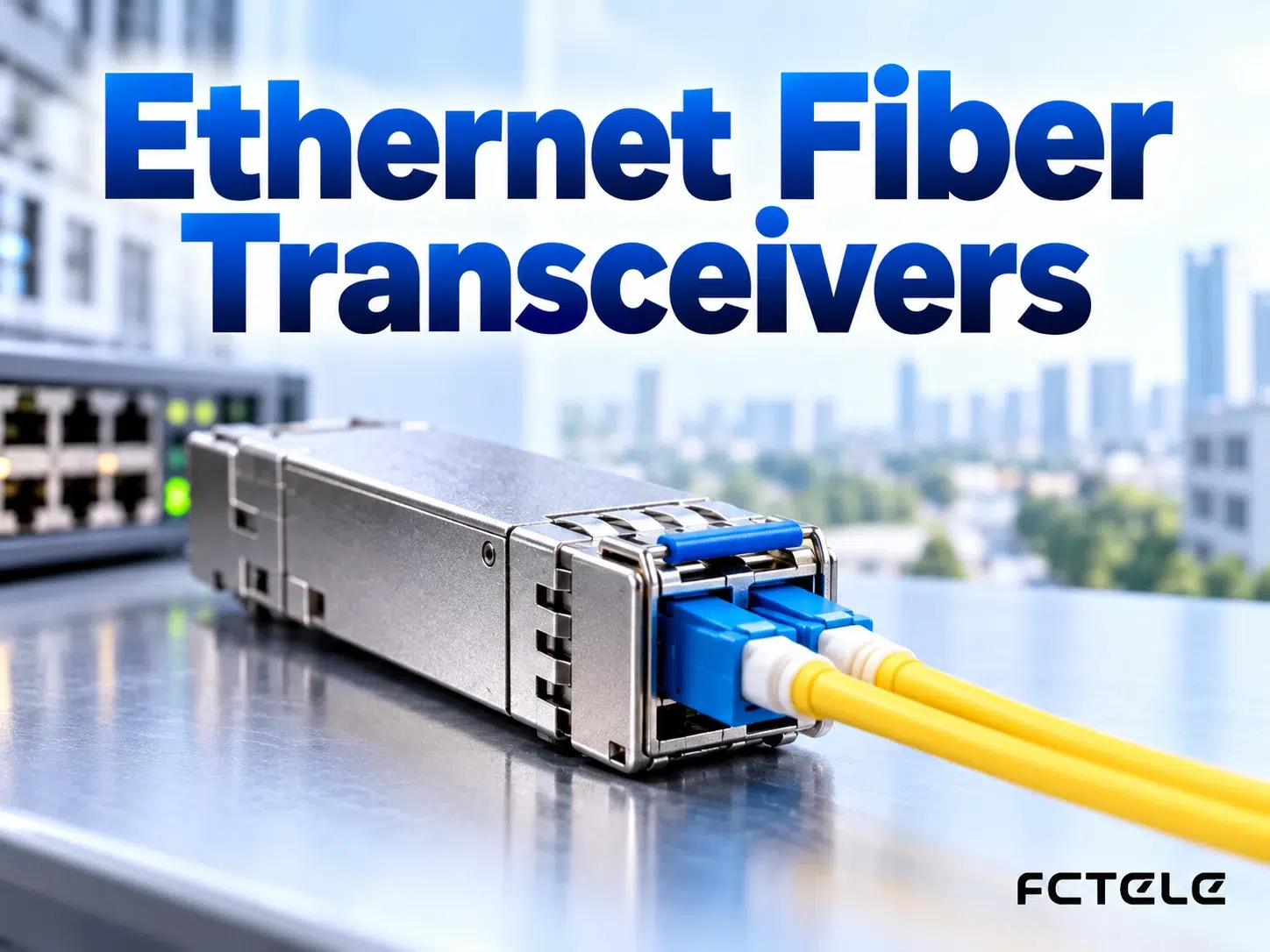
What Ethernet Fiber Transceivers Do: Electrical-Optical Conversion and Network Extension
Use Ethernet media conversion to extend a compatible link while preserving service checks. Verify peer optics and local power without assuming routing or protocol translation.
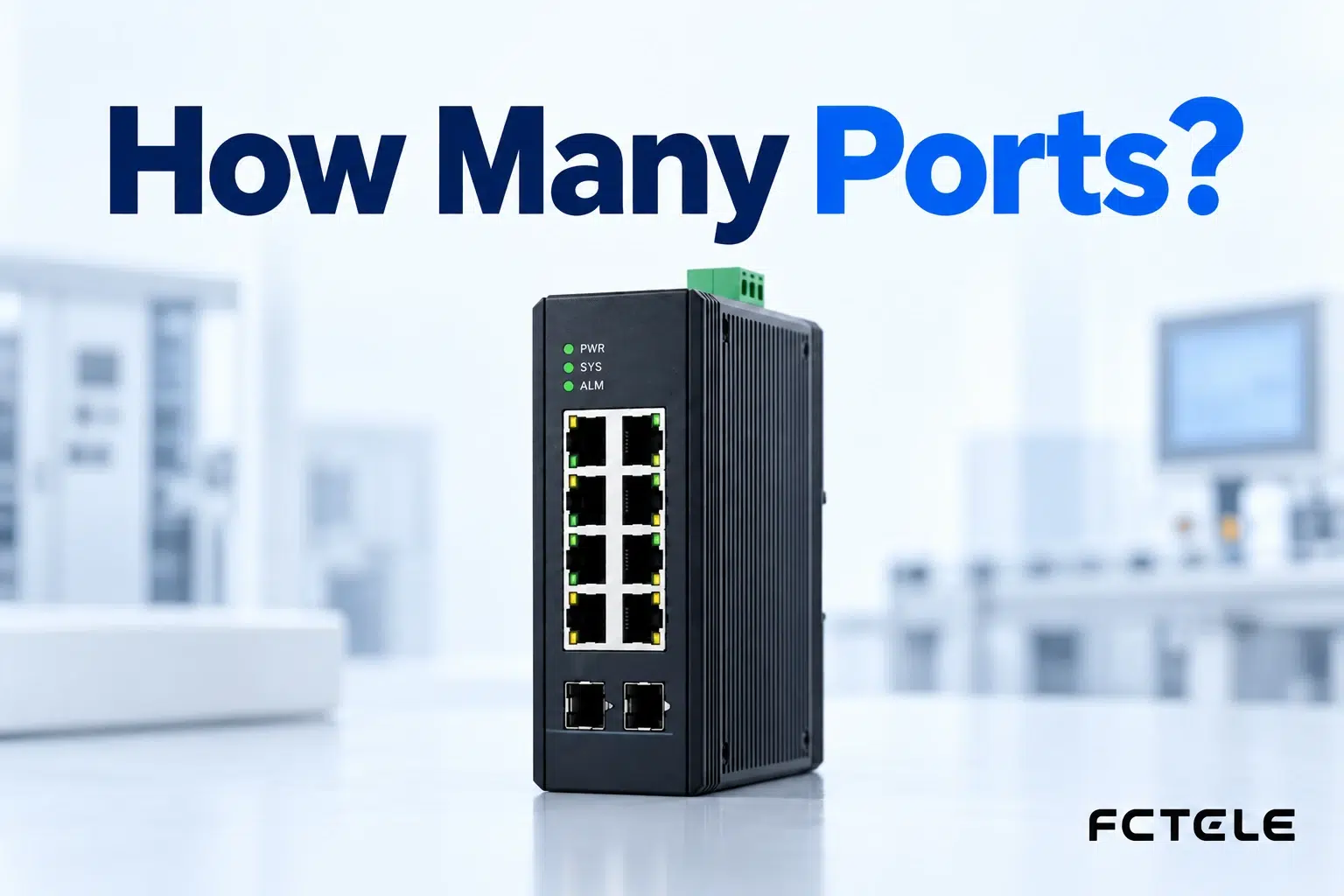
How Many Ports Does an Industrial Switch Need: Device Count, Uplink Capacity, and Expansion Margin
Plan switch ports with uplink roles, actual simultaneous traffic and PoE demand. Distinguish an unused socket from verified expansion capacity across the complete path.
How to Choose Optical Transmission Topology for Surveillance Systems: Analog Video, IP Networks, and Control Channels
Choose surveillance optical topology by analog or IP video, control return and shared failure paths. Verify each service rather than treating all optical cameras alike.

Why Twisted Pair Resists Interference: Differential Reception, Pair Integrity, and Transmission Limits
Explain twisted-pair interference resistance through differential reception and pairing. Separate common-mode rejection from cable loss, imbalance and installation limits.
