

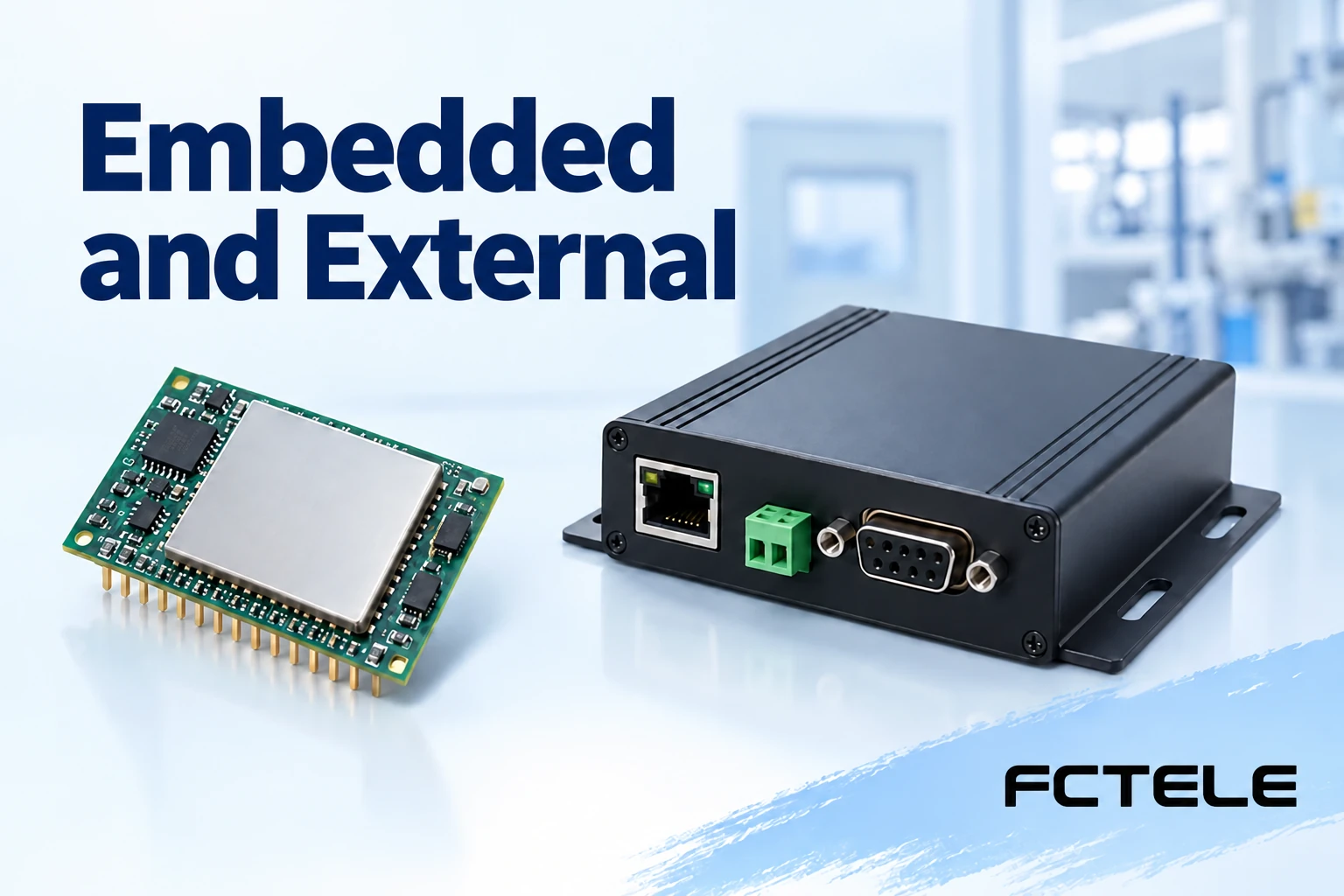
Serial Device Servers versus Embedded Ethernet Modules: Integration and Verification Responsibilities
Compare embedded serial-to-Ethernet modules and complete servers by electrical interfaces, final-product engineering, software lifecycle and installed recovery tests.
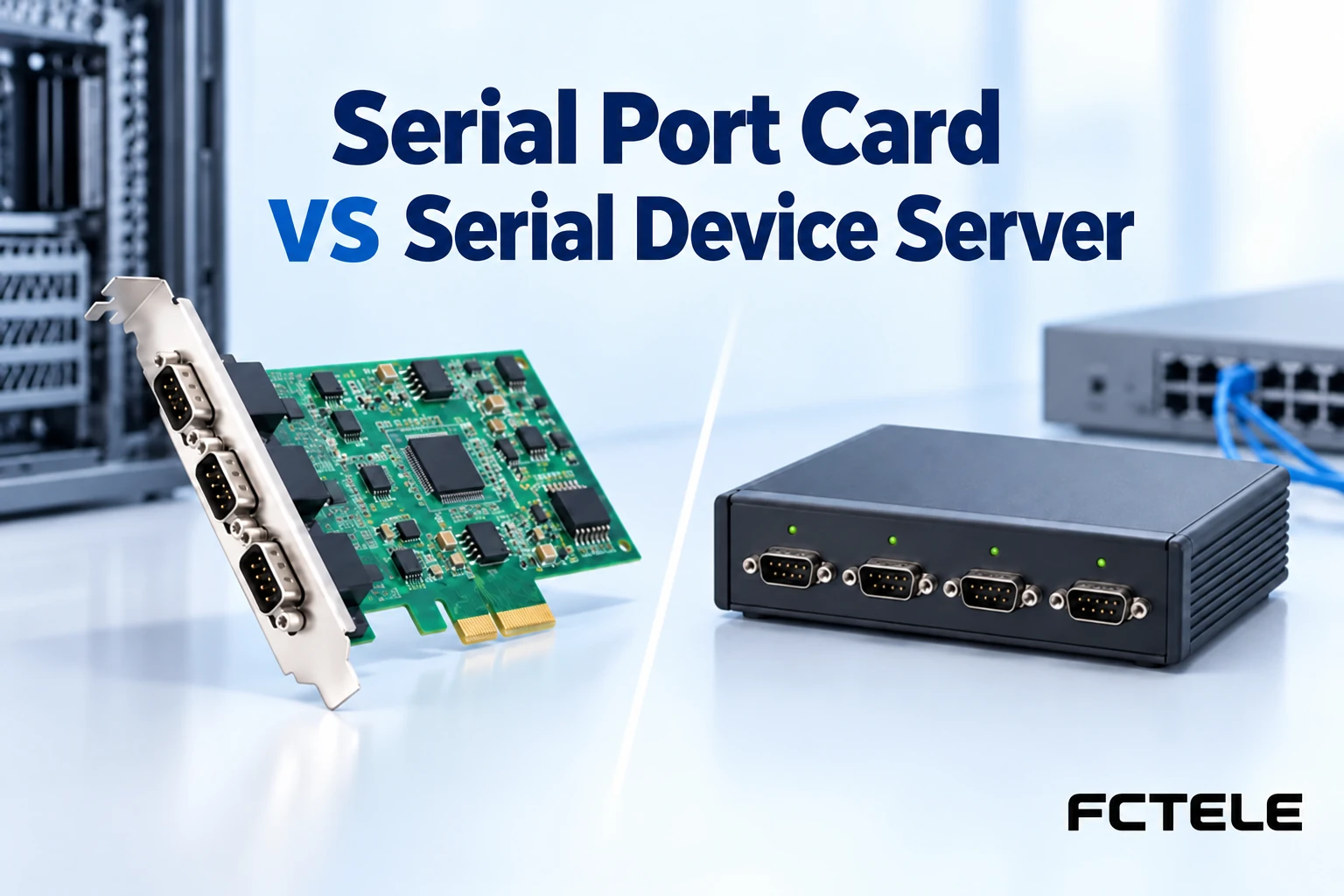
Serial Device Servers versus Serial Cards: Connection Paths and Software Compatibility
Compare serial cards and network device servers by drivers, COM behavior, control ownership and outage recovery. Test the original application before migration.
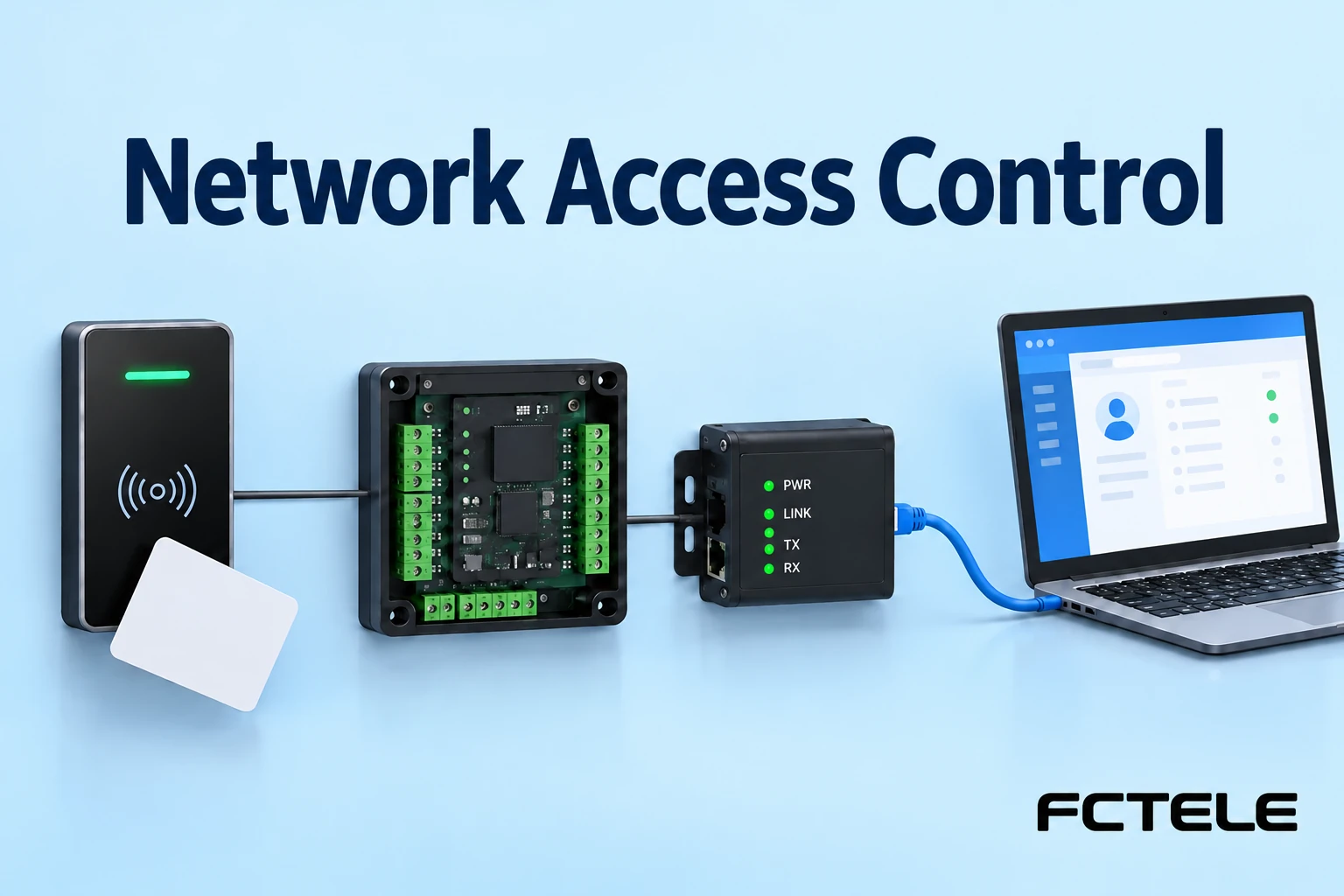
Networking Serial Access Control: Protocol Compatibility, Local Decisions and Outage Recovery
Retrofit serial access control with clear controller and server roles. Verify legacy software, offline permissions, event reconciliation and uncertain unlock commands.
How to Choose a Serial Server: Interface Parameters, Buffering and Flow Control, Disconnection Recovery, and On-Site Acceptance
Select serial servers by electrical interface, software access, packetization and recovery behavior. Test complete transactions, interface-specific rates and uncertain writes.
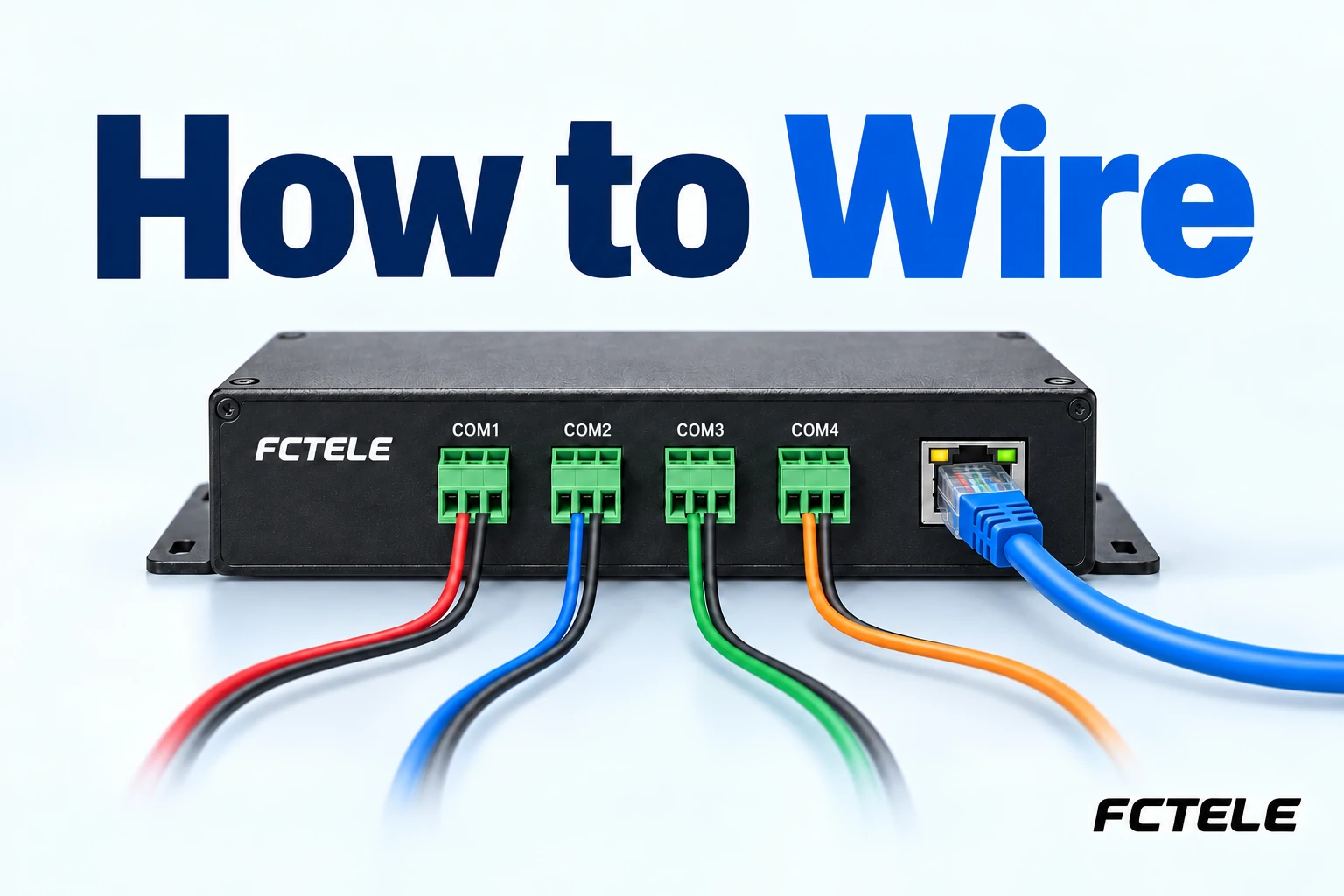
How to Wire a Multi-Serial Server: Channel Mapping, RS232 and RS485
Map multi-serial server channels to terminal identities, electrical modes and independent parser state. Test each channel, simultaneous traffic and isolated failures.
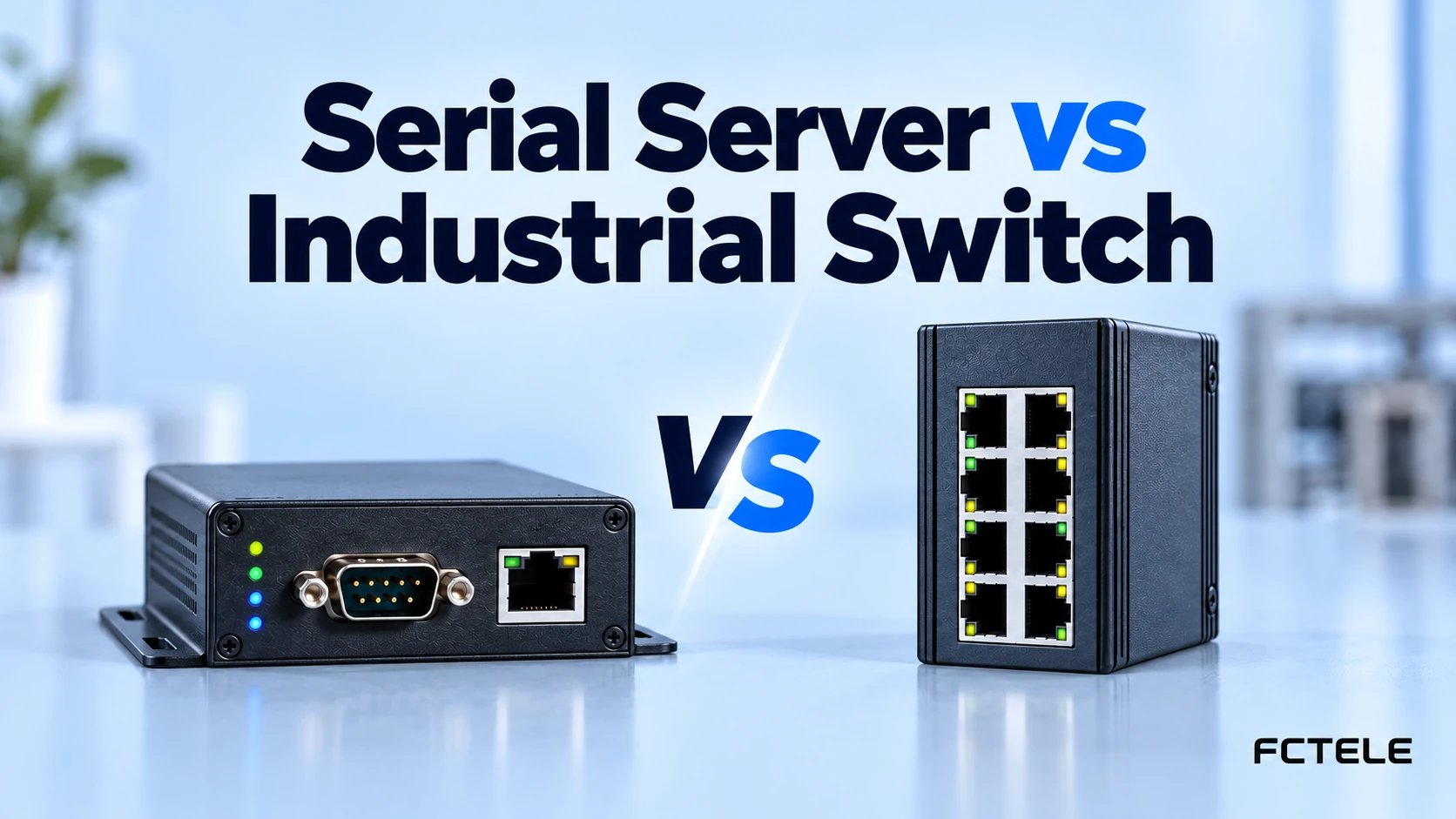
Serial Server vs Industrial Switch: Byte Access, Frame Forwarding, and Combined Networking
Compare serial servers and industrial switches by interface processing, network access and shared dependencies. Use them together where serial instruments join Ethernet.
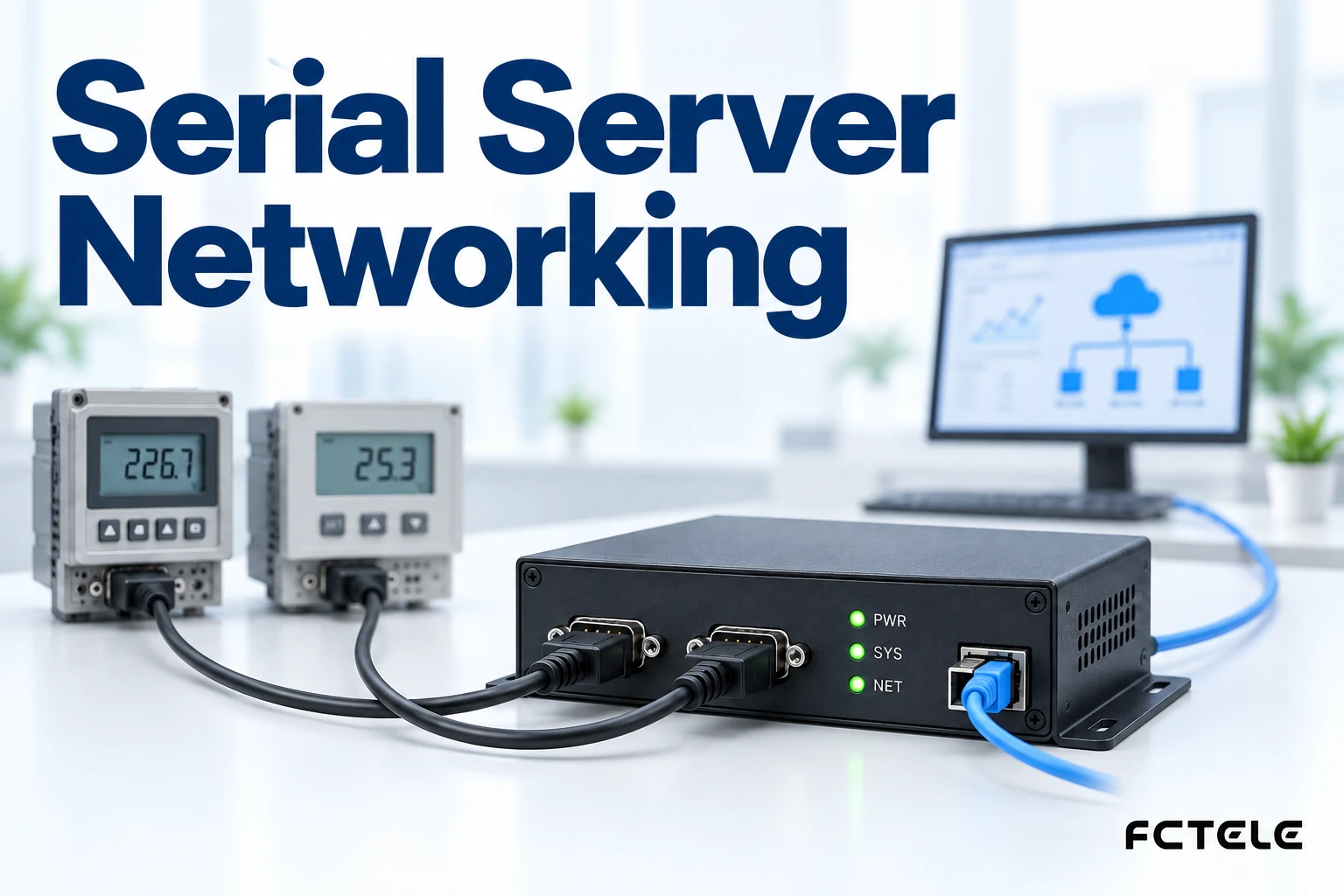
Advantages of Serial Server Networking: Boundaries of Connecting Legacy Devices, Centralized Collection, and Remote Maintenance
Use serial networking to retain compatible instruments and centralize collection. Plan channel identity, freshness, polling demand and controlled remote maintenance.
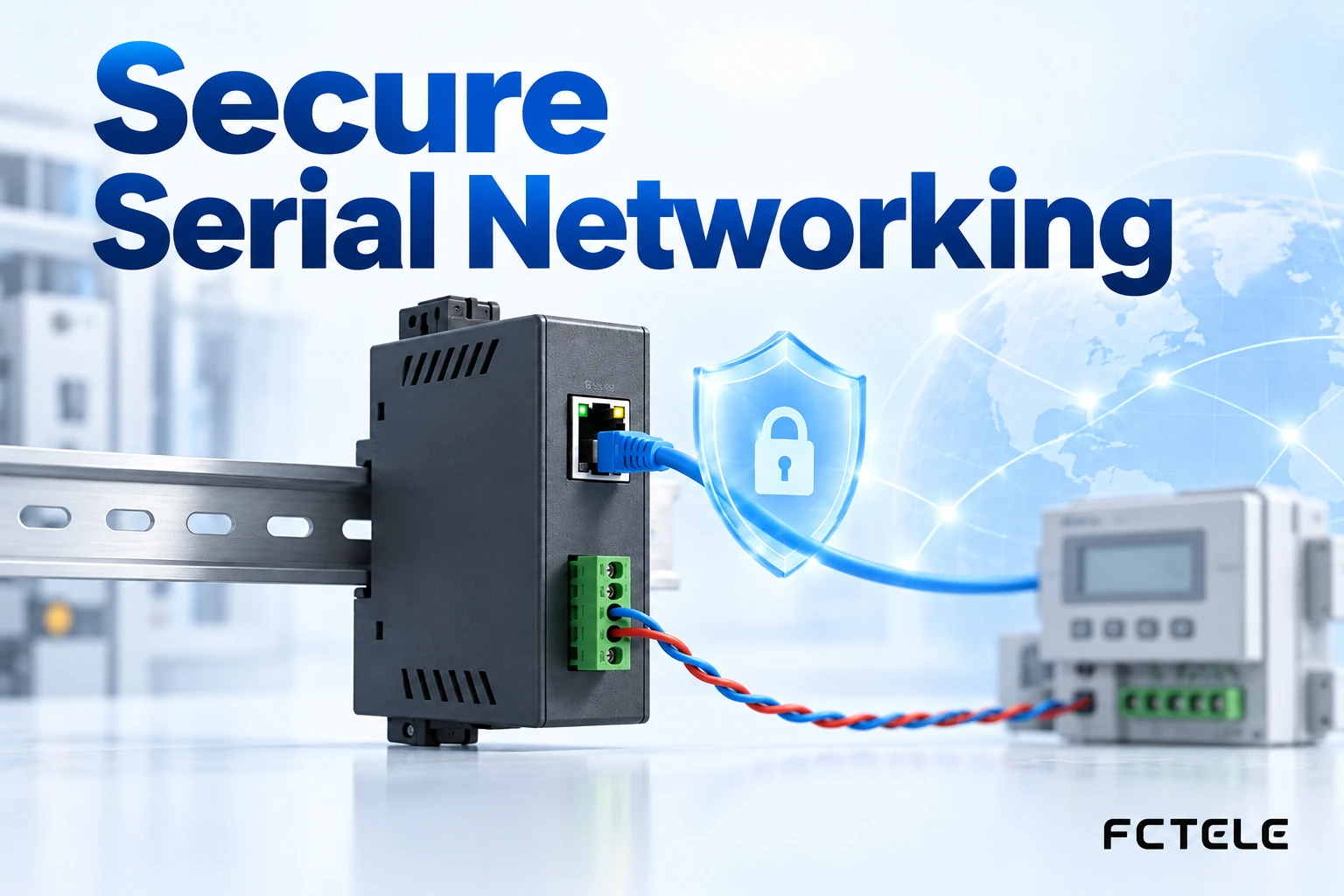
How to Connect Serial Servers to Networks Safely: Access Control, Encrypted Channels, and Industrial Site Protection
Protect serial networking with restricted sources, verified secure-channel scope and recoverable operation. TCP ordering and CRC do not provide confidentiality or identity.
Troubleshooting Serial Server Faults: Device Not Found, TCP Connection Failure, No Data After Connection
Diagnose serial server discovery, network sessions and missing device replies separately. Follow request bytes to the actual serial interface before changing settings.
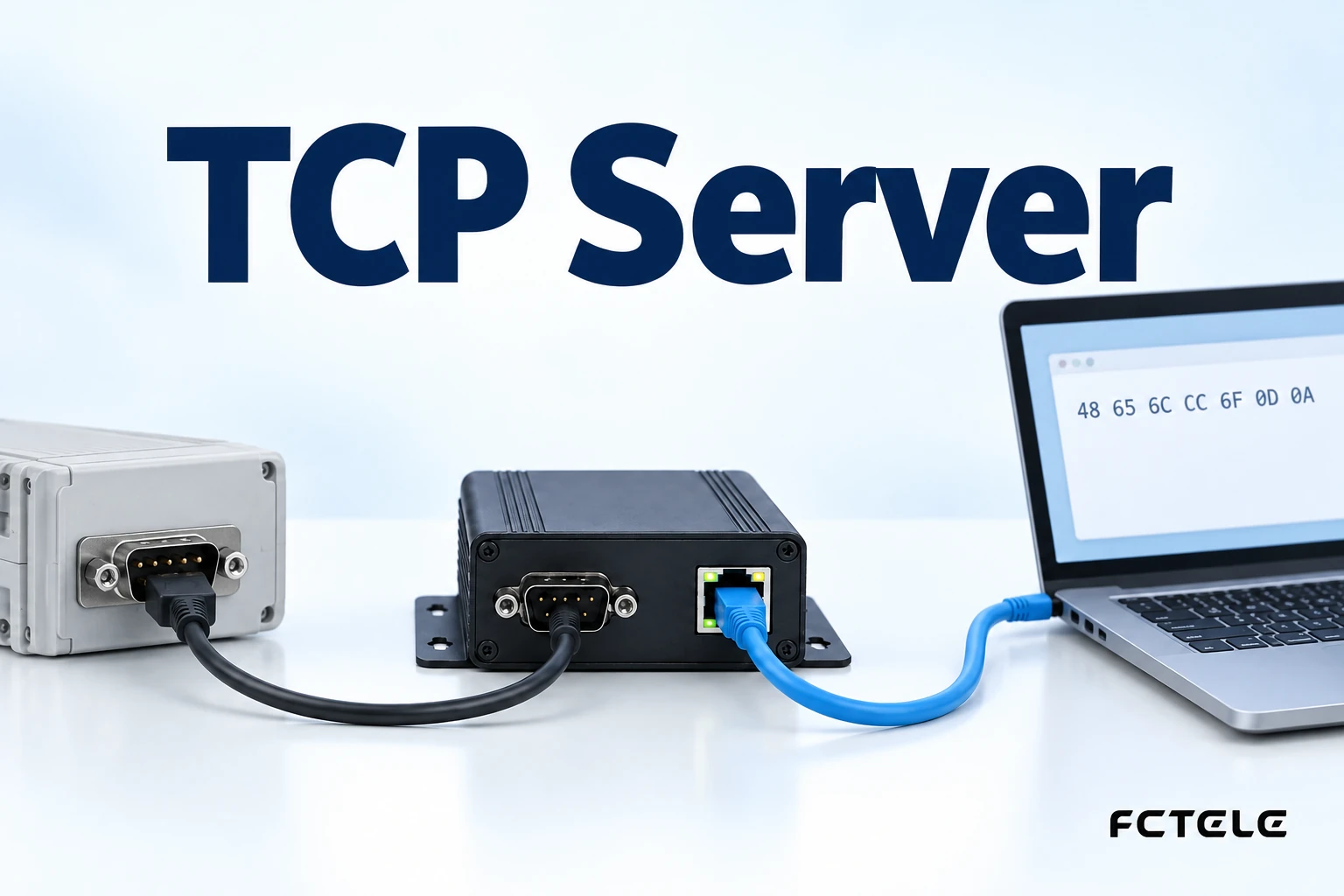
How to Use a Serial Server TCP Server: Connections, Byte Streams, and Serial Parameters
Use serial server TCP mode with explicit listener roles, serial format and application framing. Verify bidirectional bytes and recovery instead of relying on one read.
