

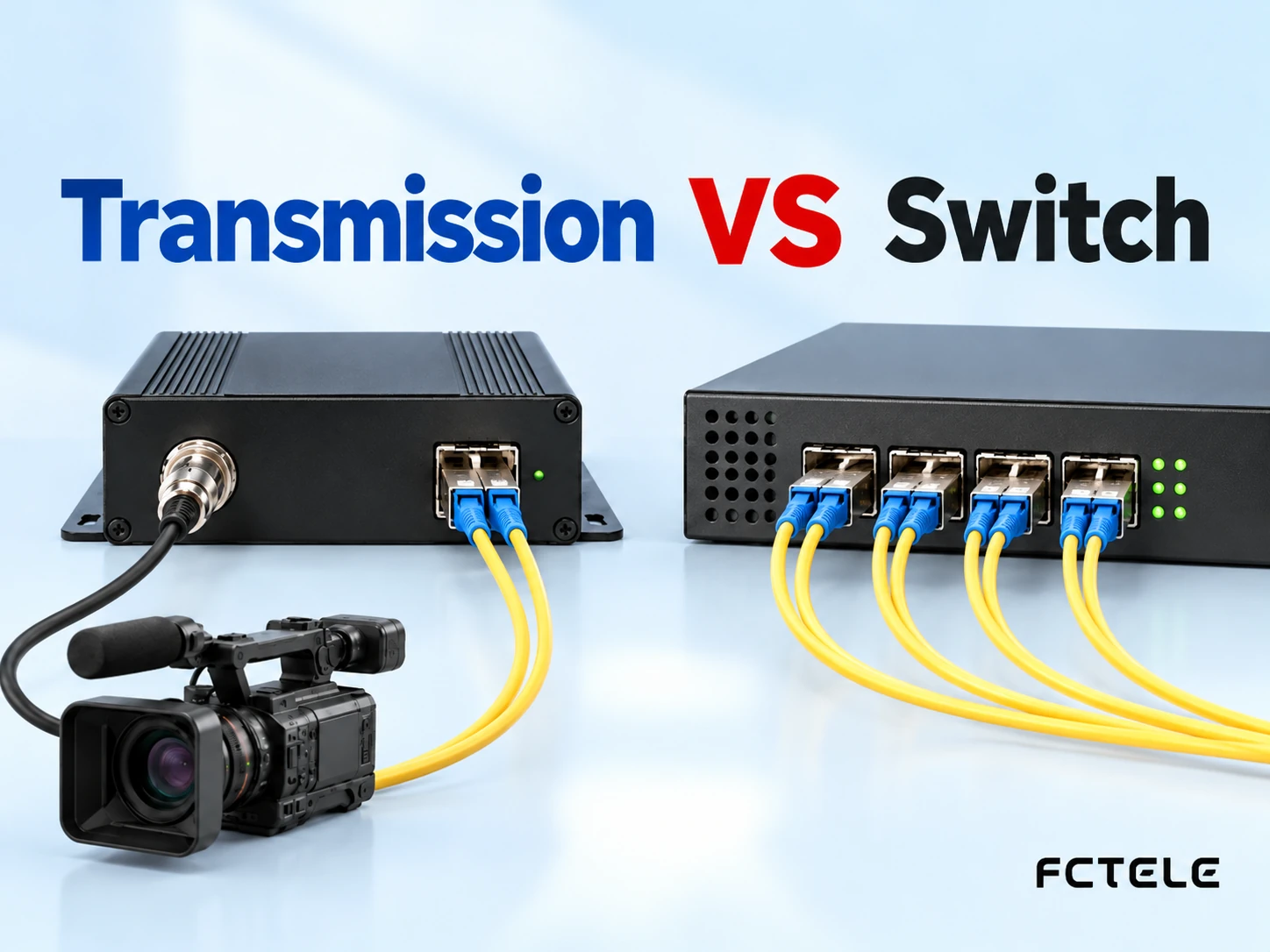
What Is the Difference Between a Fiber Optic Transmission Device and a Fiber Optic Switch: Service Interfaces and Forwarding Principles
Choose dedicated optical transmission or Ethernet switching from the terminal service and forwarding role. Keep channel multiplexing separate from MAC-based networking.
How to Choose Between 100M and Gigabit Industrial Switches: Port Speed, Uplink, and Feature Checklist
Choose 100M or gigabit switch links by actual traffic paths, negotiated rate and uplink demand. Evaluate management, PoE and installation independently of speed.
How to Read Industrial Switch Capacity and Packet Forwarding Rate: Gbps, Mpps, and Egress Bottlenecks
Read Gbps switching capacity and Mpps forwarding rate with explicit frame and duplex conventions. Check local egress bottlenecks and controlled performance evidence.
How to Choose Between Gigabit and 10-Gigabit Switches: Access, Uplink, and Real Bottlenecks
Choose gigabit or 10-gigabit links from concurrent demand, supported optics and endpoint limits. Compare application results with the same traffic and storage conditions.
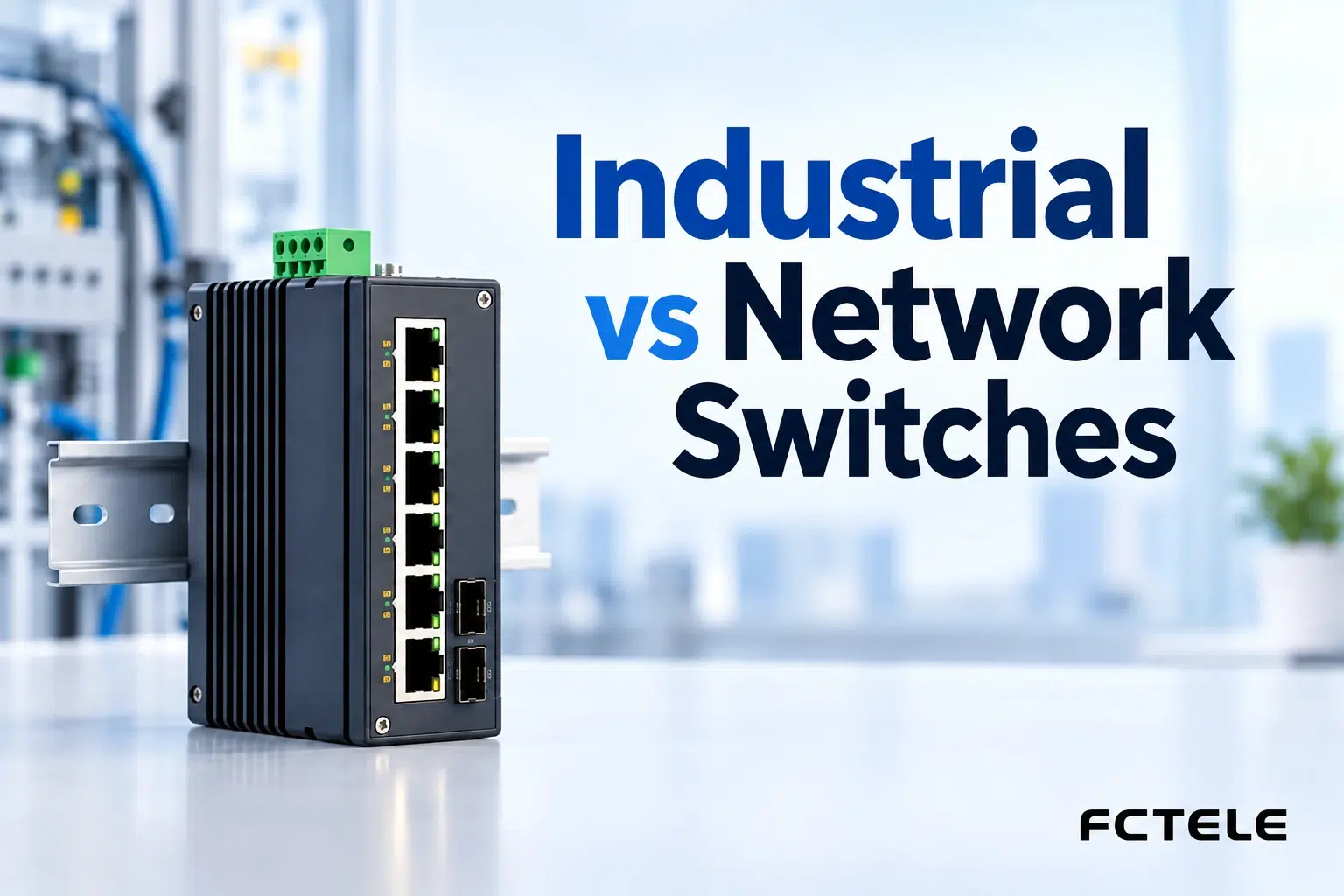
How Industrial Switches Compare with Network Switches: Communication, Environment, and Management Considered Separately
Compare industrial and other Ethernet switches using shared forwarding needs, cabinet conditions and documented management functions. Avoid claims based on enclosure labels.
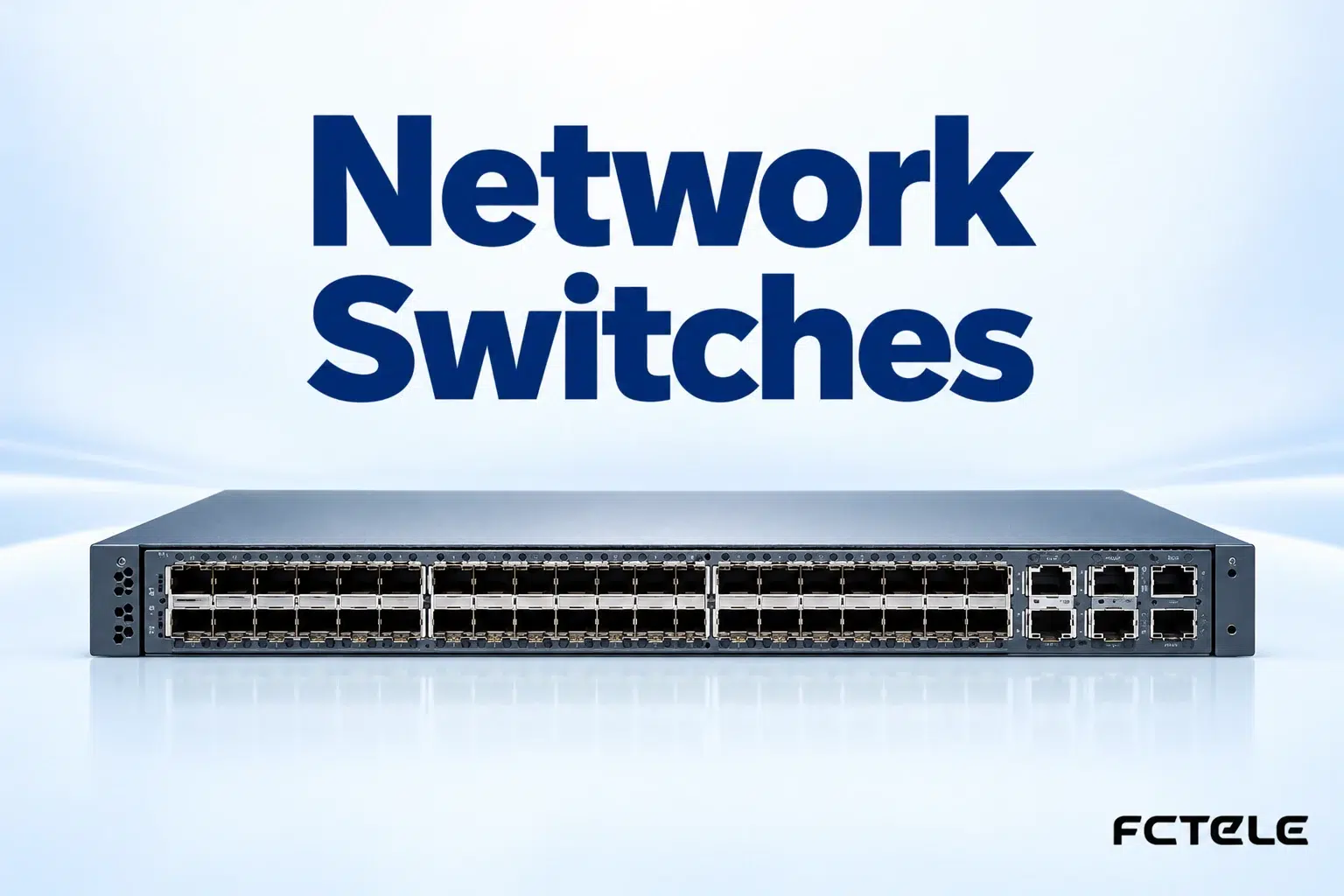
Access, Aggregation, and Core Switches: Deployment Roles vs. Forwarding Layers
Plan access, aggregation and core roles from real communication paths. Keep deployment position separate from Layer 2 bridging, Layer 3 routing and address translation.
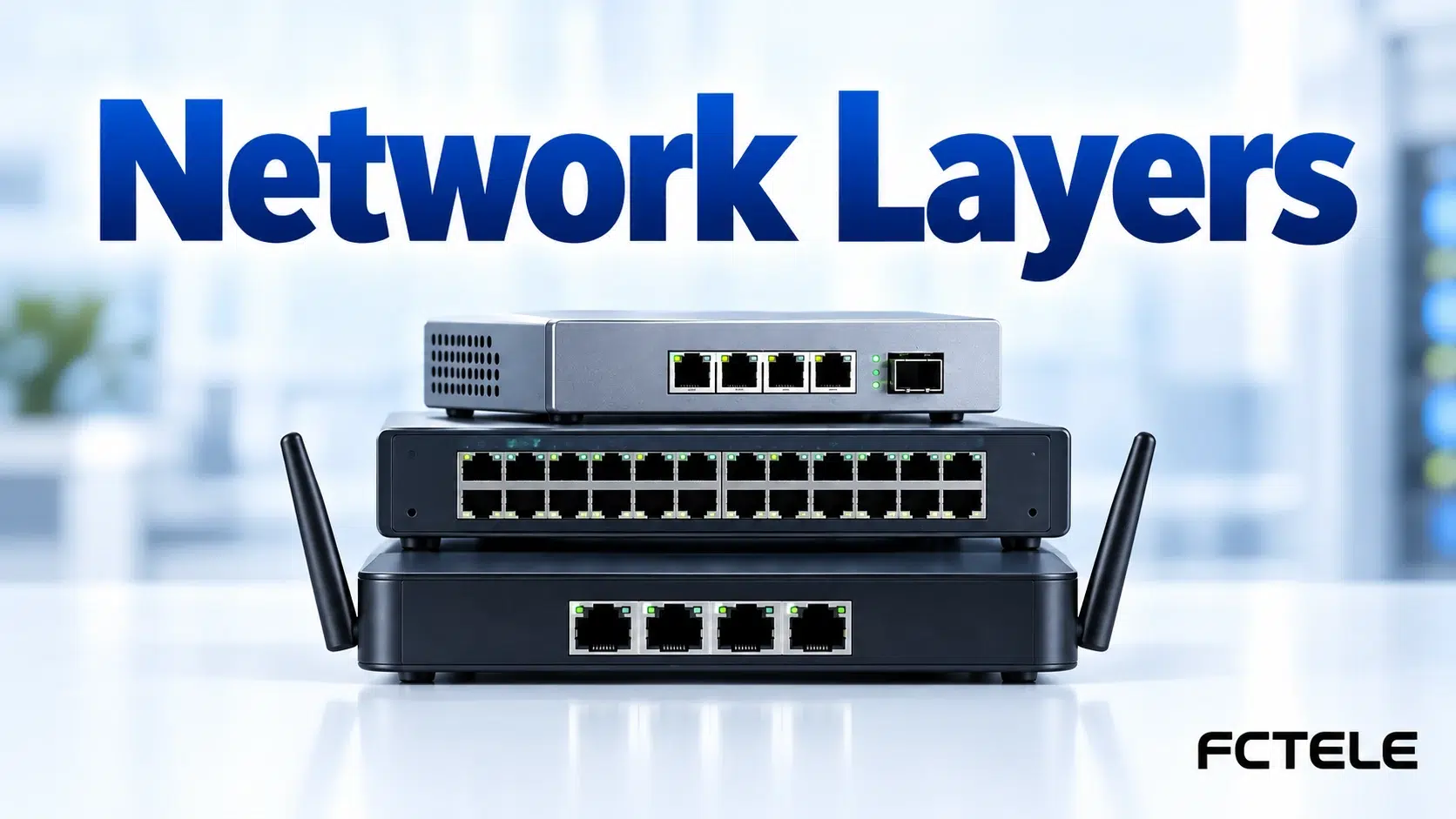
Hubs, Switches and Routers: Which Layer Processes the Data
Compare hub signal repetition, switch MAC forwarding and router next-hop selection. Use the processing function, not the chassis name, to identify each network role.
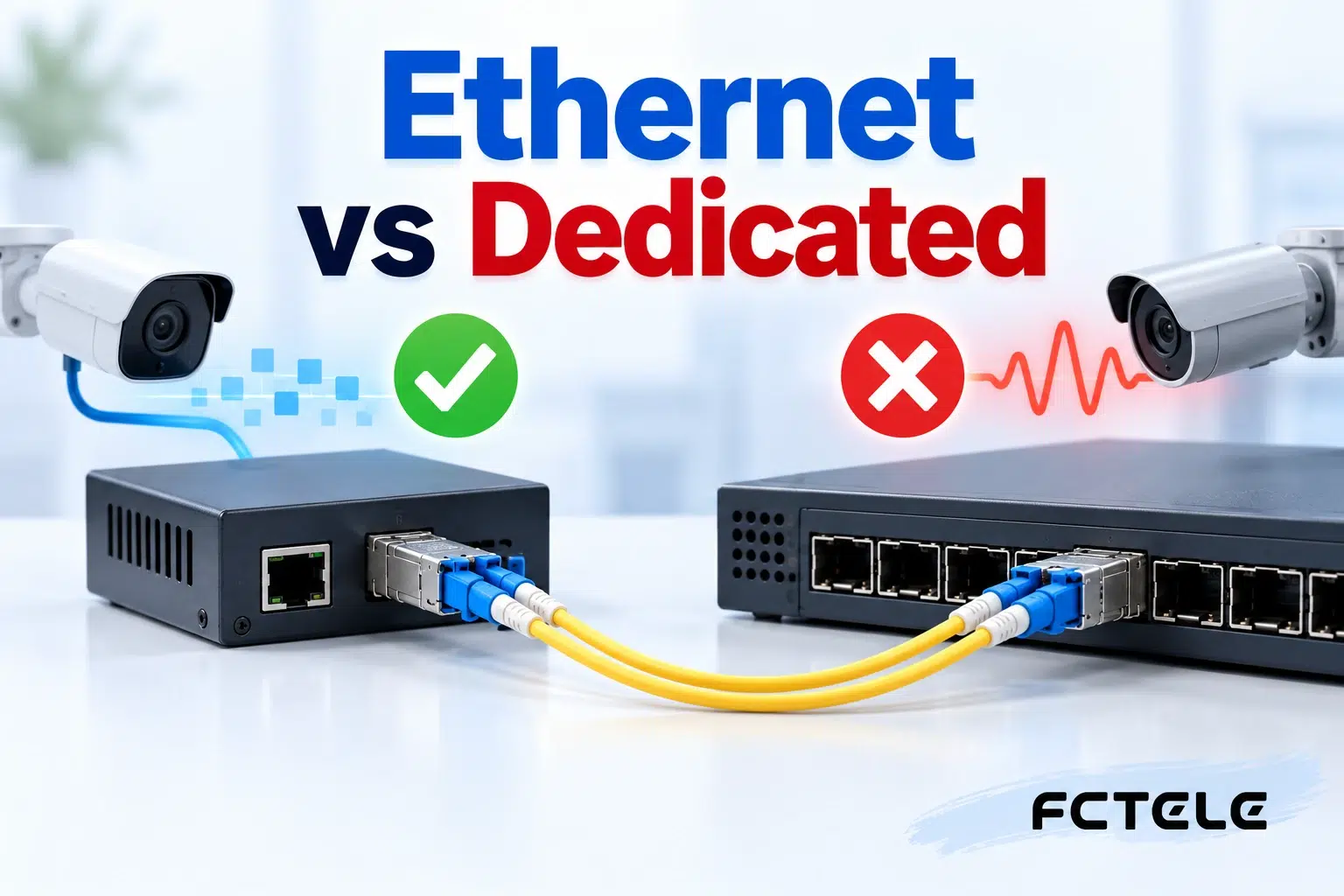
Connecting Fiber Transmission Equipment to Switches: Ethernet and Dedicated-Service Links
Decide whether an optical device can connect directly to an Ethernet switch by its protocol, rate and optical pairing. Dedicated video or E1 requires a supported path.
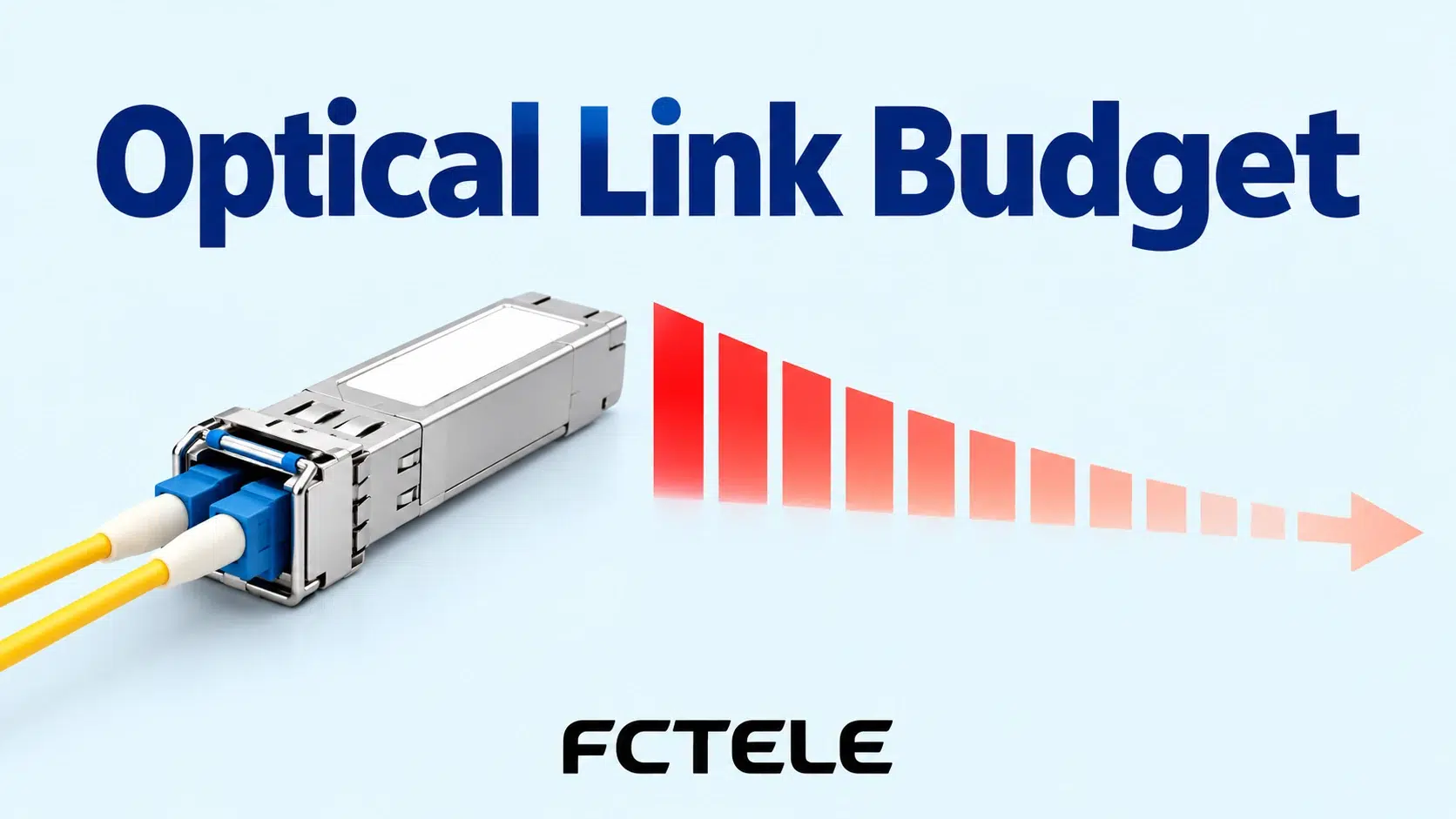
SFP Optical Link Budgets for Industrial Switches: Module Selection, Loss and Troubleshooting
Select industrial switch SFPs with compatible hosts and paired optics. Budget fiber, connectors and splices, retain margin and verify overload as well as sensitivity.
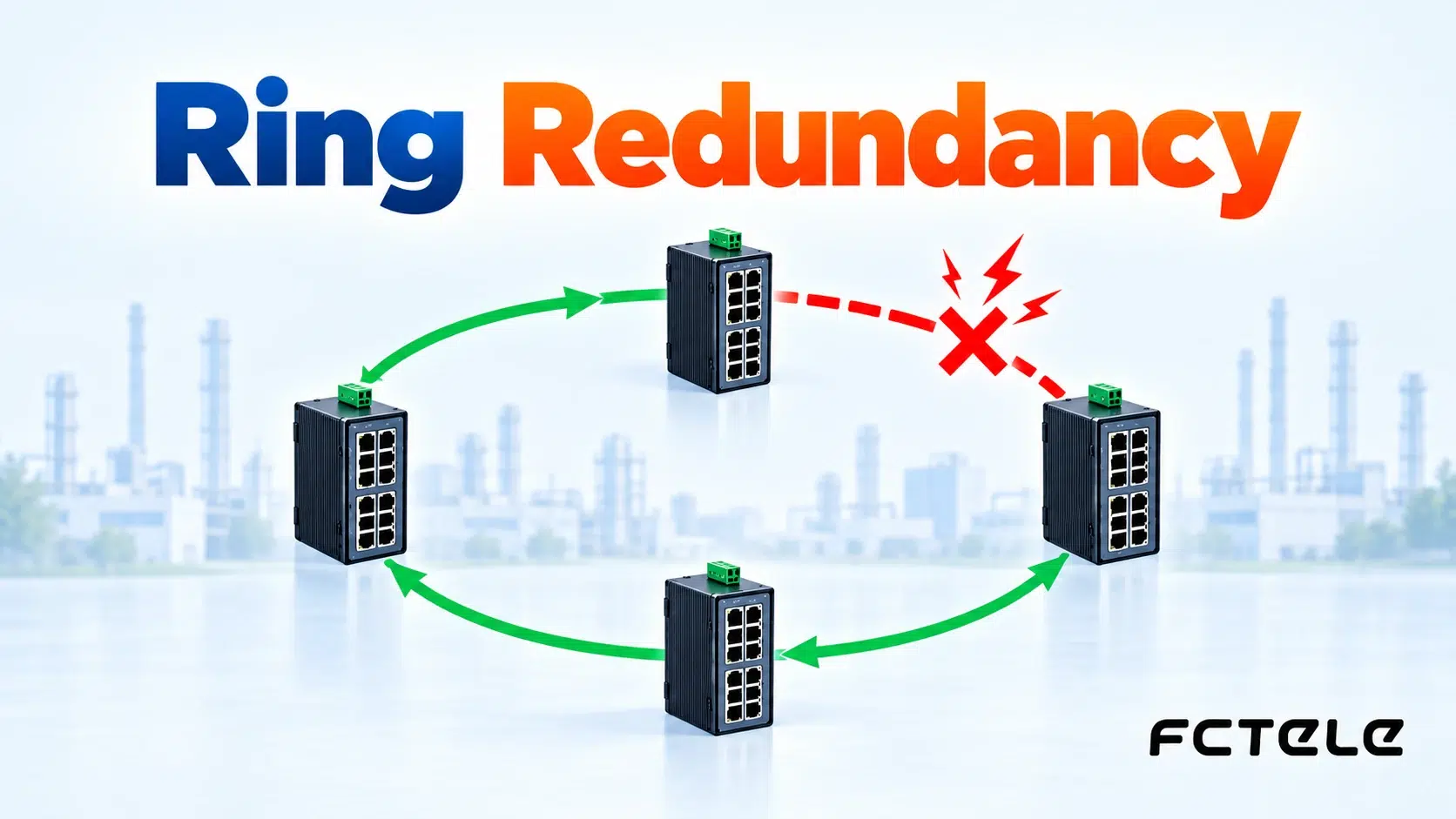
Industrial Ethernet Ring Redundancy: Choosing STP, RSTP, MSTP or ERPS
Choose loop control for the actual industrial topology and verify protocol roles, protected VLANs and bypass capacity. Measure application recovery after defined faults.
