

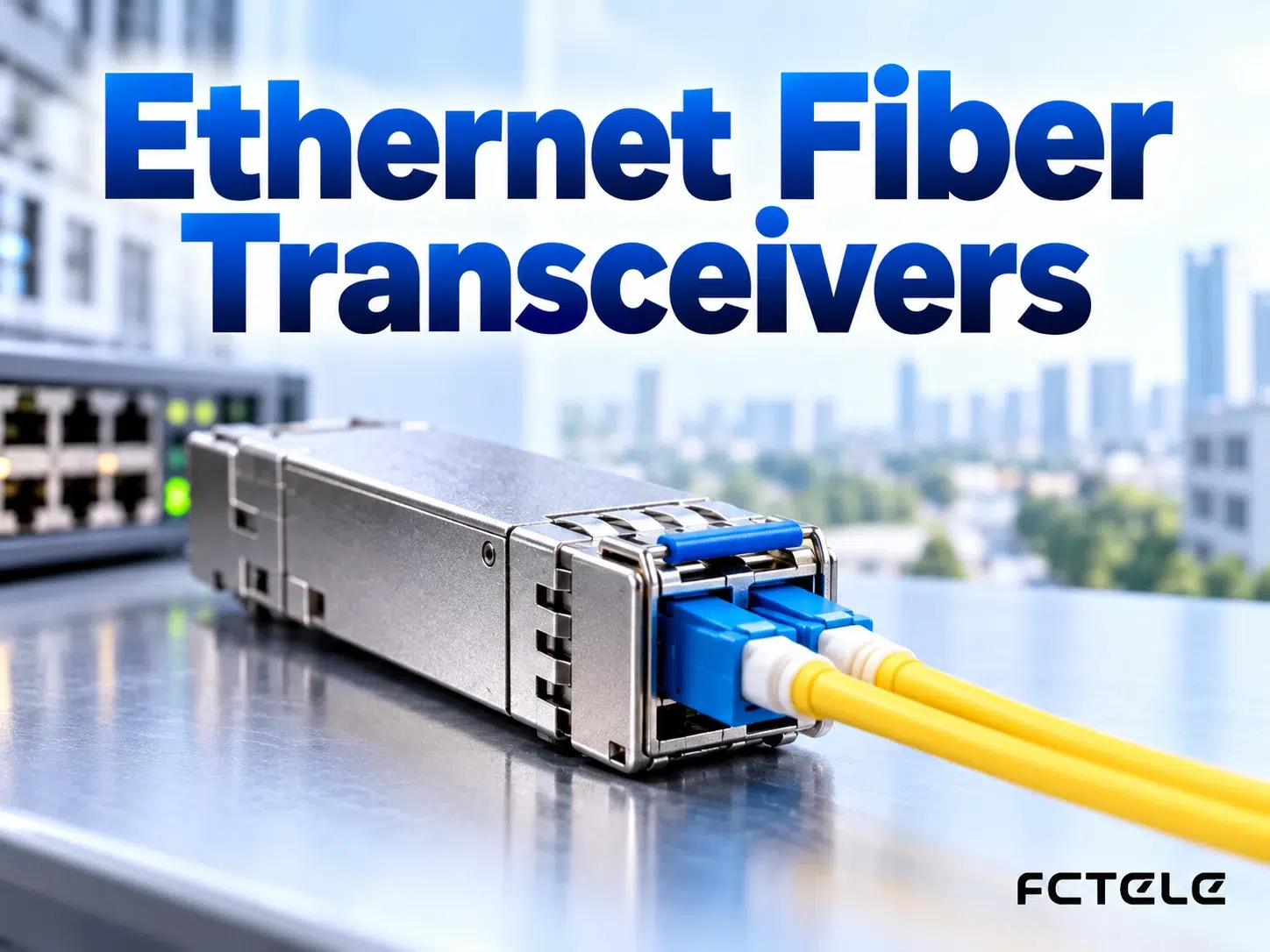
What Ethernet Fiber Transceivers Do: Electrical-Optical Conversion and Network Extension
Use Ethernet media conversion to extend a compatible link while preserving service checks. Verify peer optics and local power without assuming routing or protocol translation.
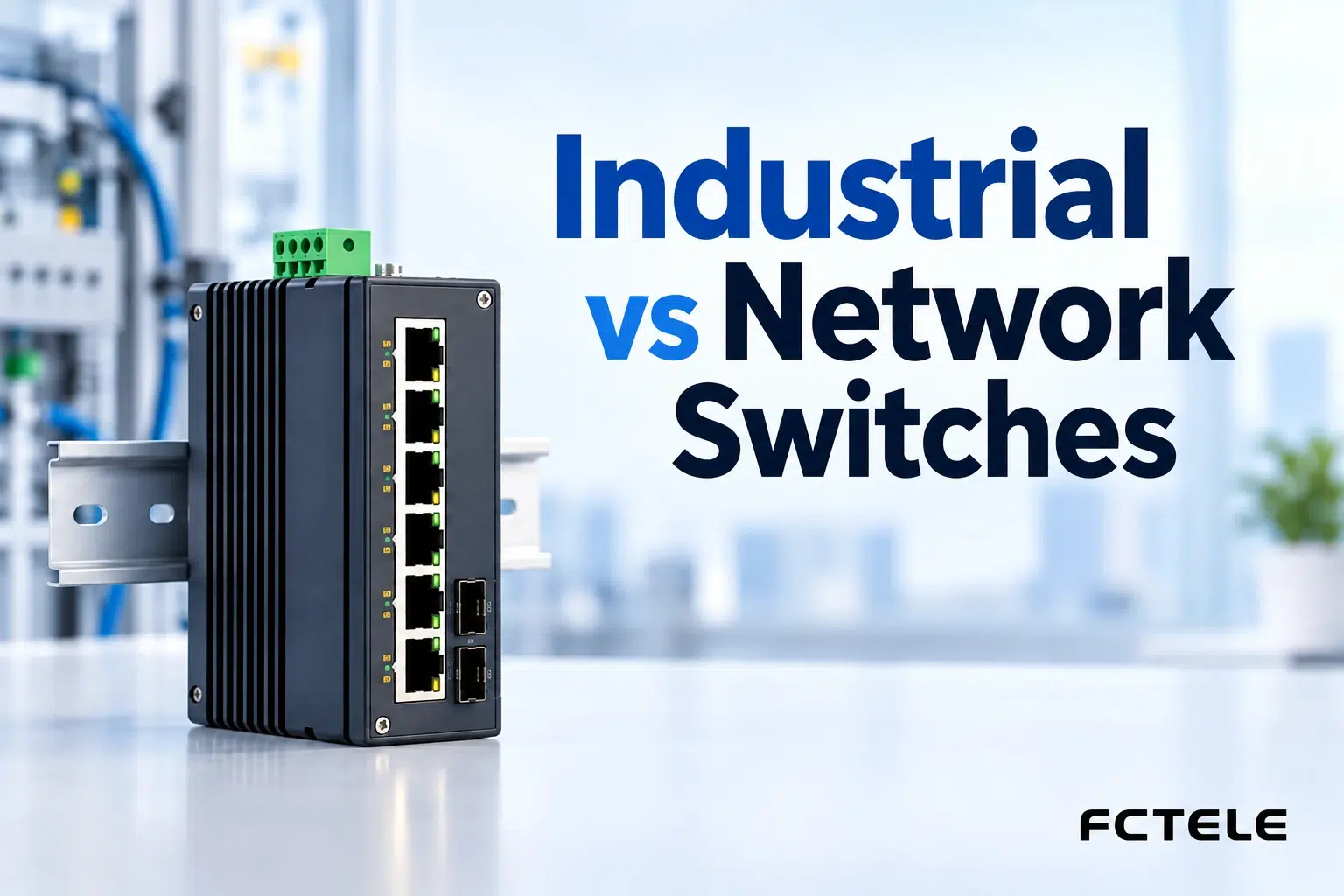
How Industrial Switches Compare with Network Switches: Communication, Environment, and Management Considered Separately
Compare industrial and other Ethernet switches using shared forwarding needs, cabinet conditions and documented management functions. Avoid claims based on enclosure labels.
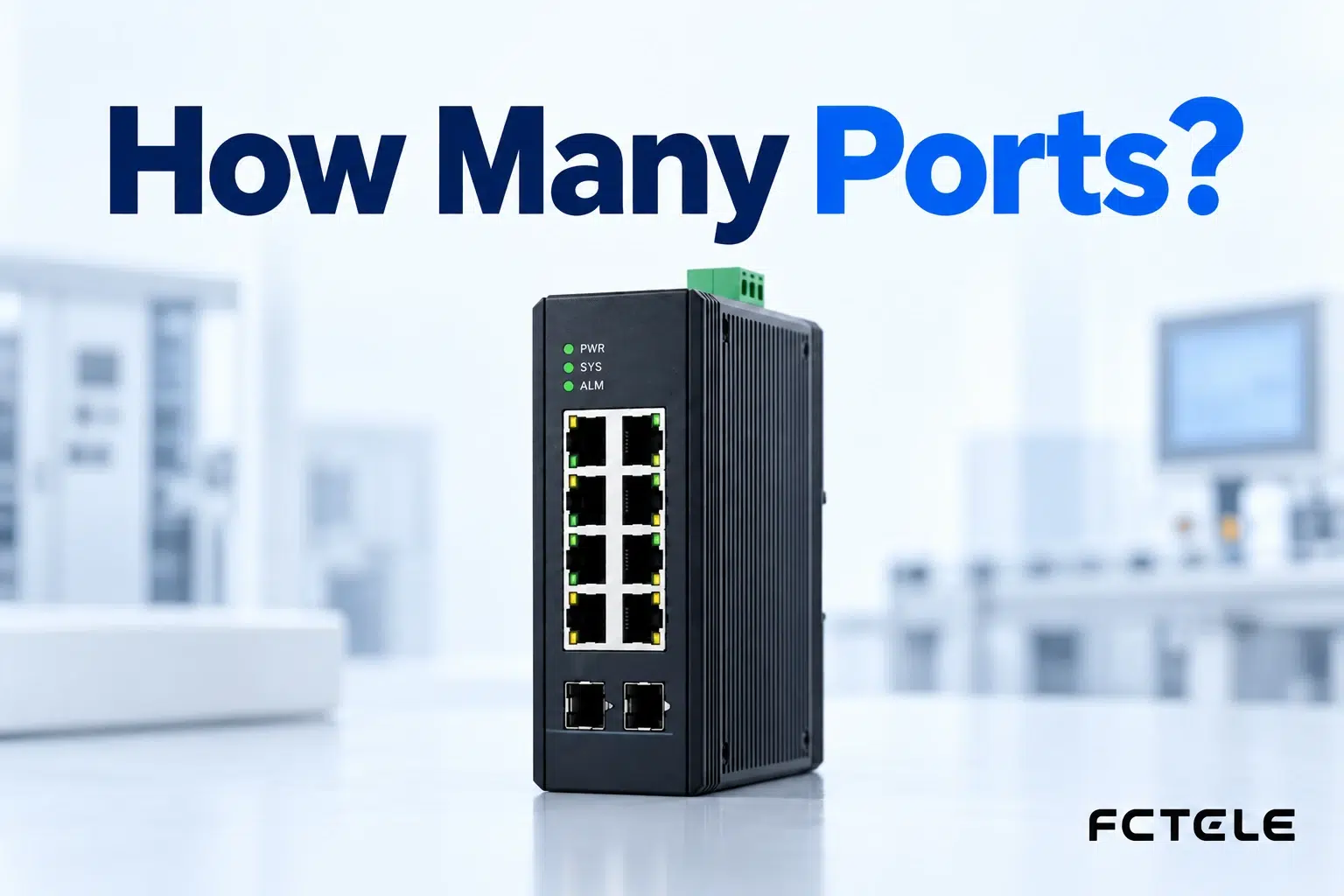
How Many Ports Does an Industrial Switch Need: Device Count, Uplink Capacity, and Expansion Margin
Plan switch ports with uplink roles, actual simultaneous traffic and PoE demand. Distinguish an unused socket from verified expansion capacity across the complete path.
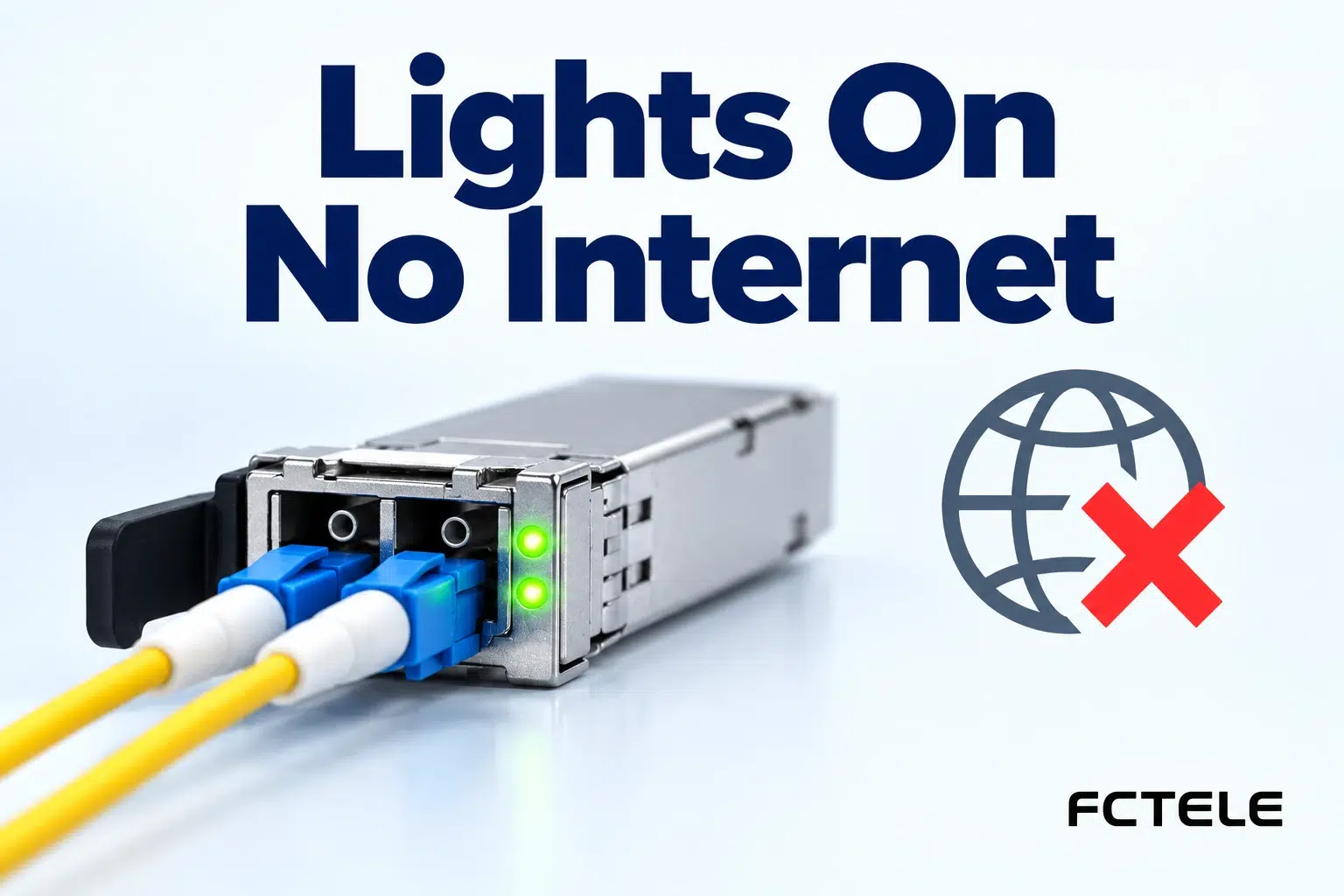
Fiber Transceiver Lights On but No Internet: Evidence-Based Troubleshooting for Cross-Building Links
Troubleshoot cross-building connectivity by tracing the gateway, address and DNS path separately from optical indications. Keep tests tied to their actual network scope.
How to Choose Optical Transmission Topology for Surveillance Systems: Analog Video, IP Networks, and Control Channels
Choose surveillance optical topology by analog or IP video, control return and shared failure paths. Verify each service rather than treating all optical cameras alike.

Why Twisted Pair Resists Interference: Differential Reception, Pair Integrity, and Transmission Limits
Explain twisted-pair interference resistance through differential reception and pairing. Separate common-mode rejection from cable loss, imbalance and installation limits.
Why Industrial Ethernet Goes Wrong: Congestion, Loops and Electromagnetic Interference
Diagnose industrial Ethernet interruptions using queue, topology and physical-error evidence. Separate application timing and command recovery from switch forwarding.
How Industrial Switches Form Networks: Fault Boundaries of Star, Chain, and Ring Topologies
Design switch networking around forwarding paths, shared capacity and covered faults. Compare star, chain and controlled ring behavior with real application recovery.
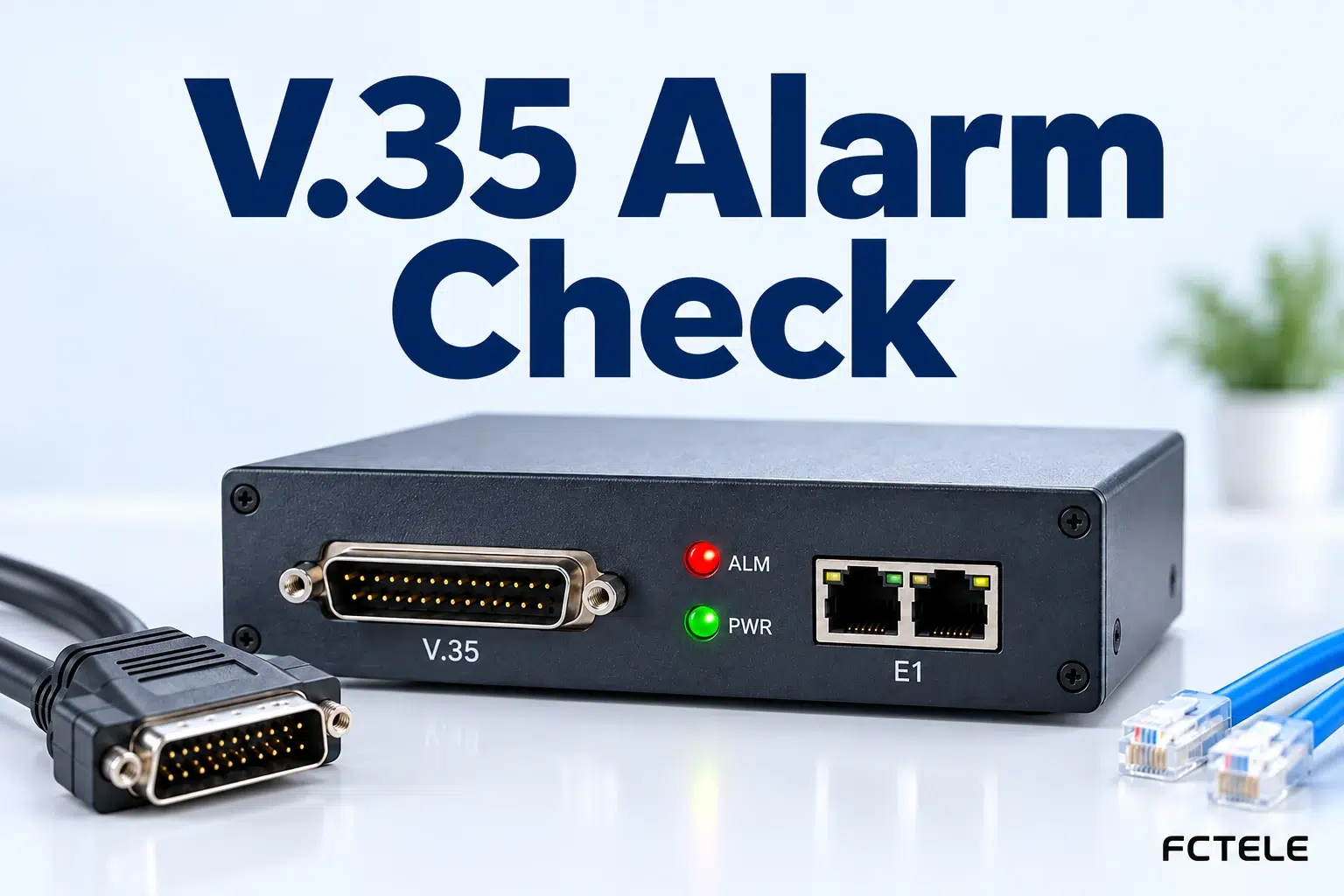
How to Judge V.35 Converter Alarms: Check E1 Signal, Data Direction, and Clock Separately
Read V.35 converter alarms by actual interface direction and model definitions. Separate E1 signal loss, AIS, synchronous clocks and the boundaries of test loopbacks.
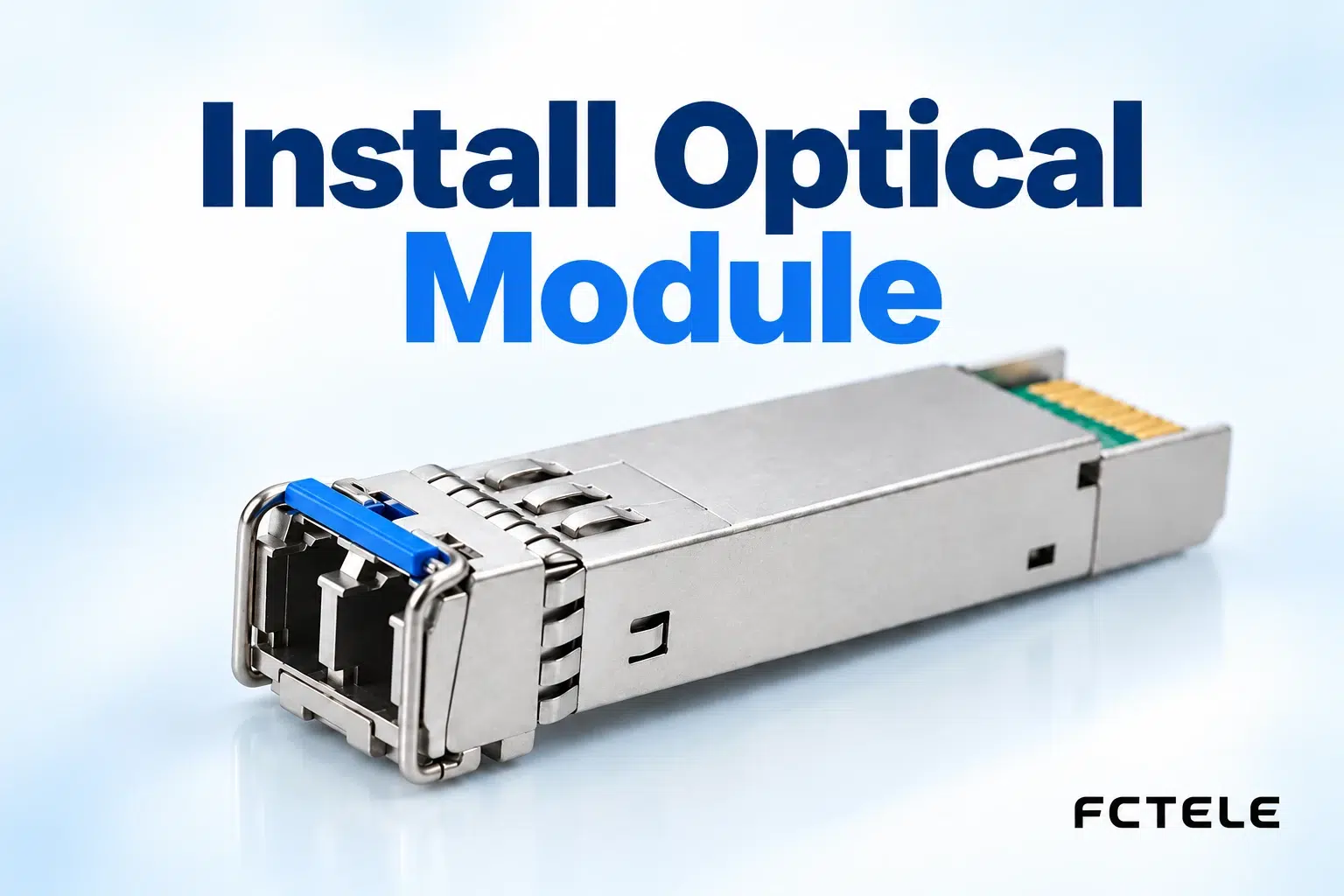
How to Install an Optical Module Correctly: Interface Matching, Latches, and End-Face Cleaning
Install optical modules with matched host support, approved handling and separate connector release. Verify receive conditions and traffic after mechanical installation.
