

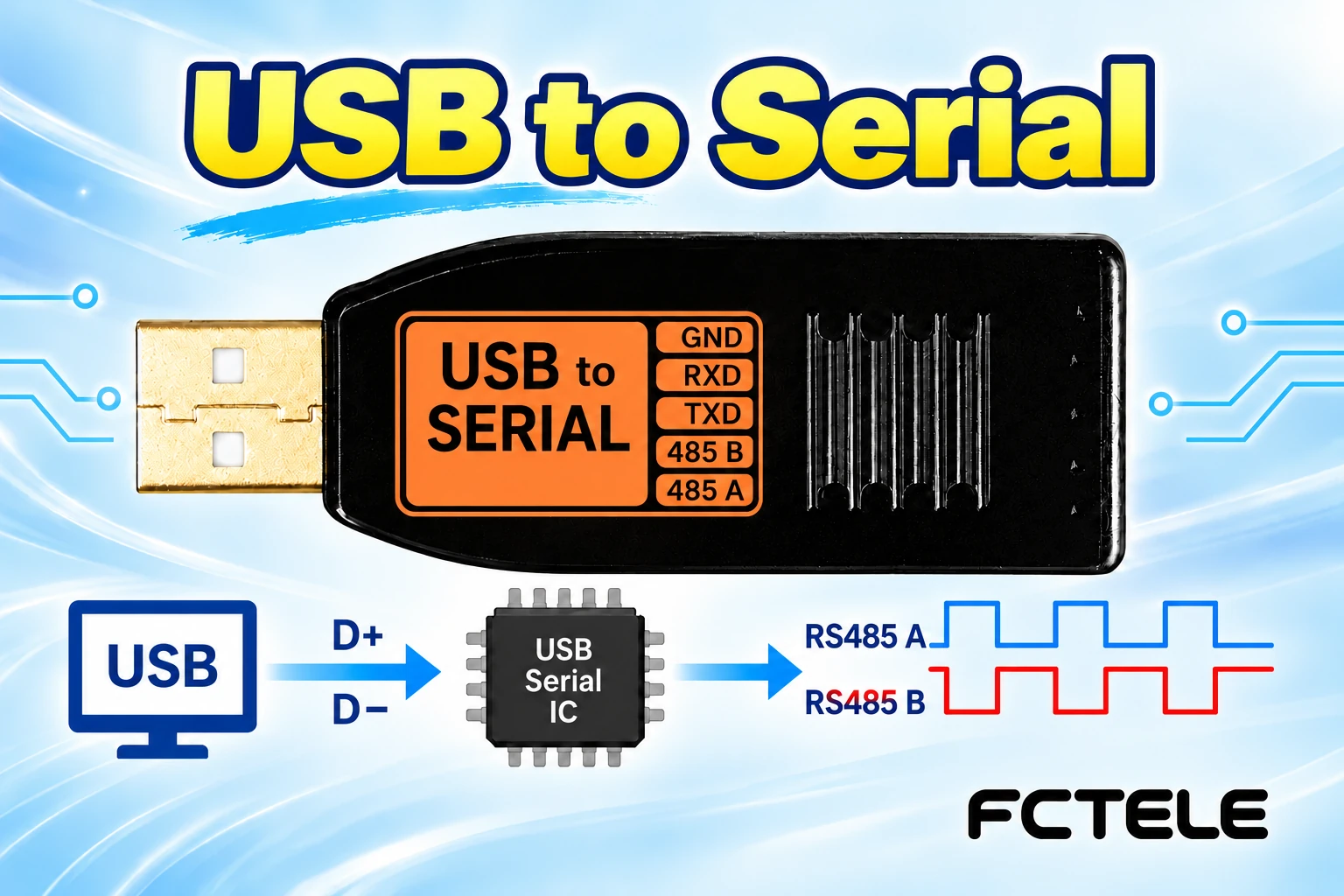
USB to Serial: Enumeration, Virtual COM and UART Data
Explains virtual COM and buffering from USB data to UART characters, distinguishing RS232, RS485 and TTL, and verifying the chain.
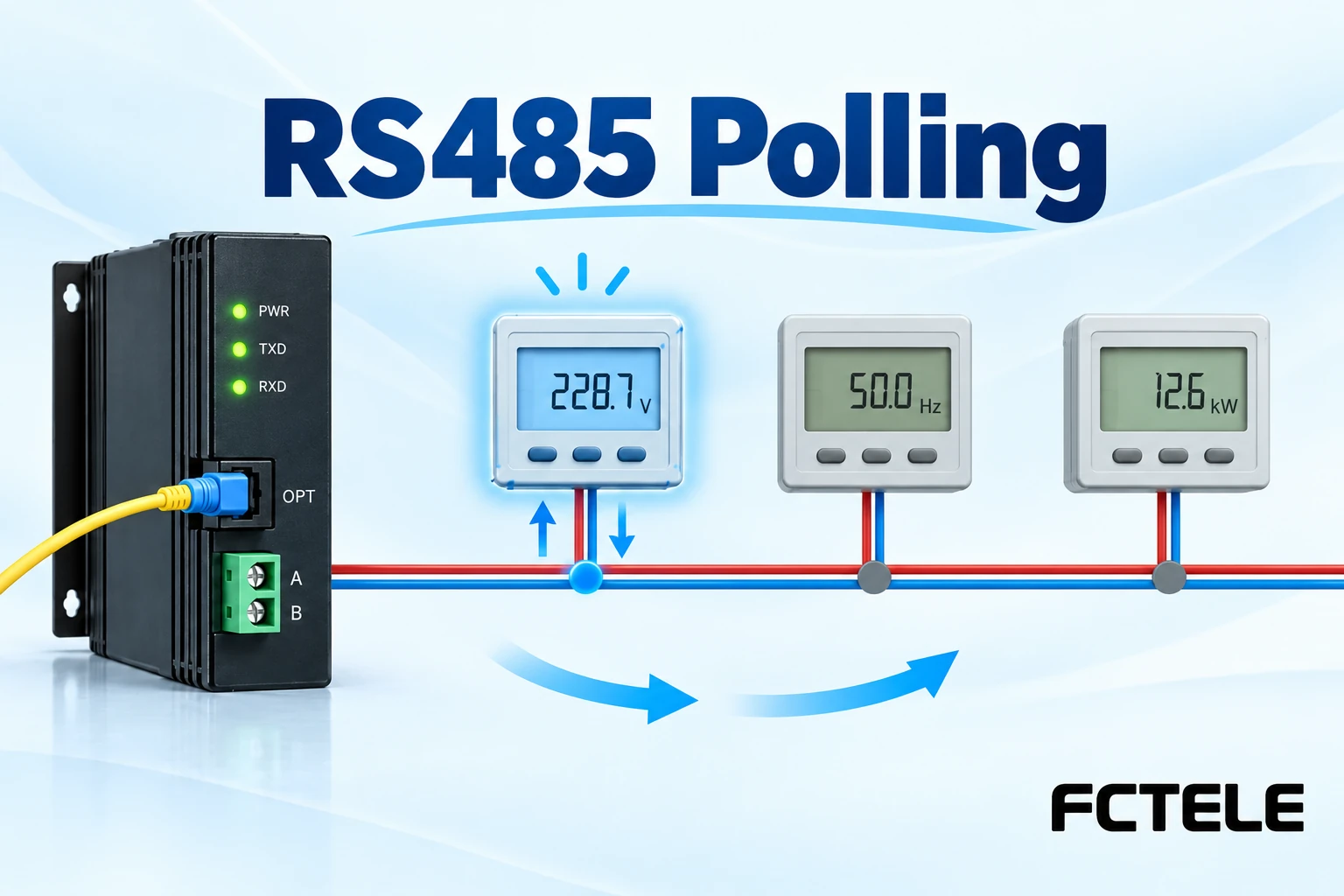
Multiple RS485 Instruments over One Fiber Pair: Polling and Timing
Multiple addressed instruments can share a supported serial network when wiring, bus ownership and protocol timing agree.
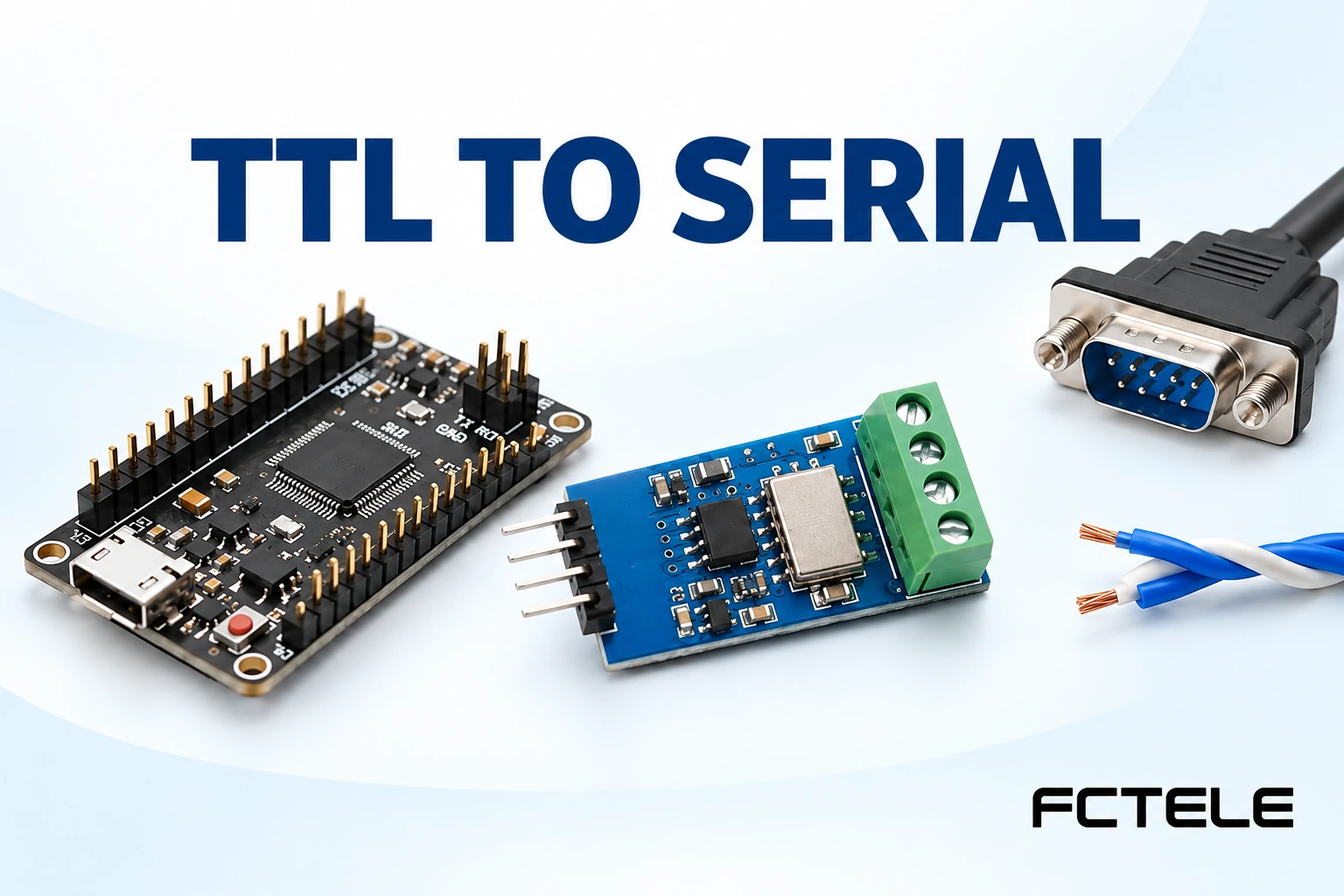
UART Logic Levels, RS232 and RS485: Electrical Conversion
UART character handling and the electrical line interface are different layers. Match the complete character configuration at both ends.
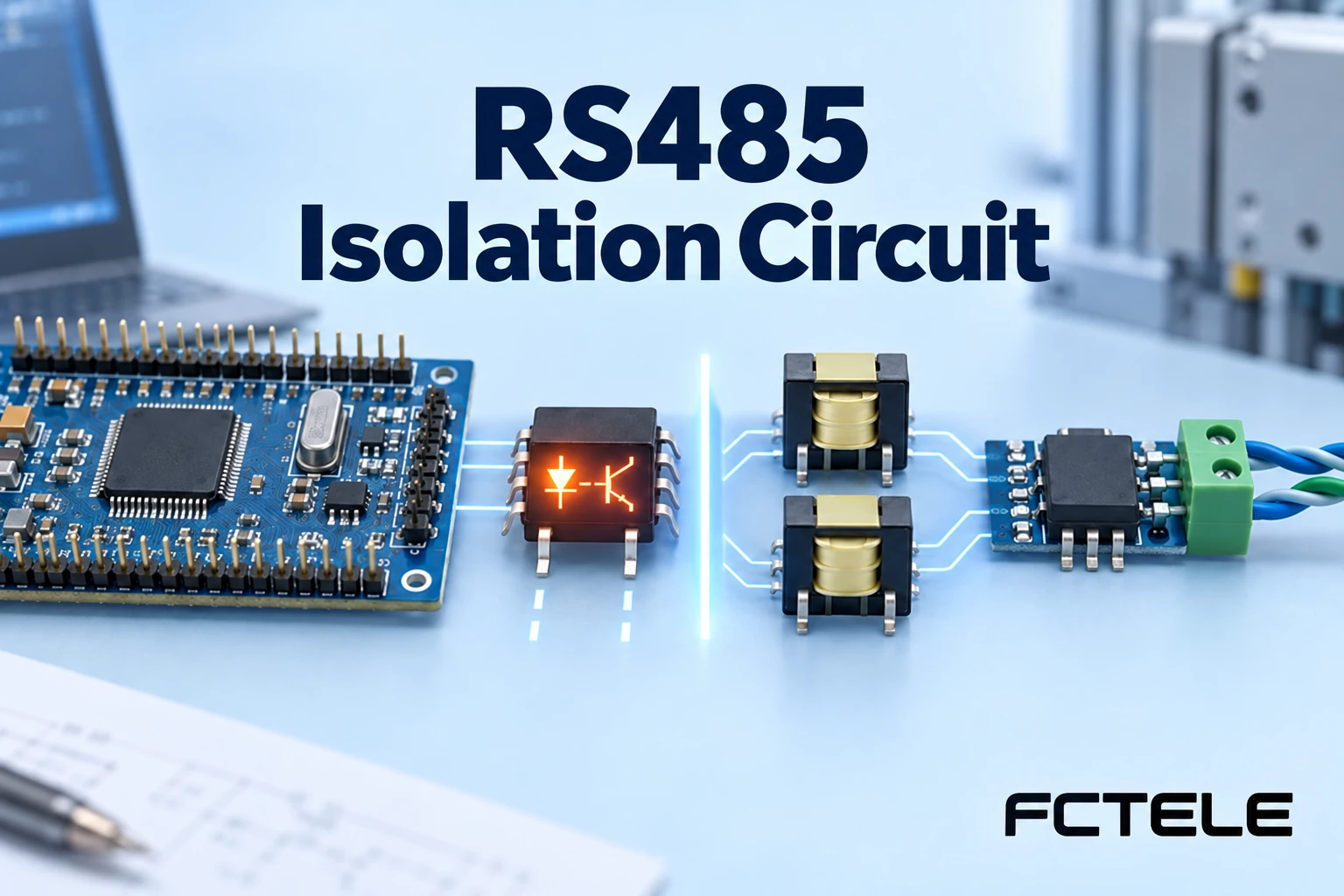
RS485 Isolation: Signal Barriers, Power and Port Protection
Trace RS485 signal isolation, isolated power and transient protection separately, including test cables or shared references that can bypass a barrier.
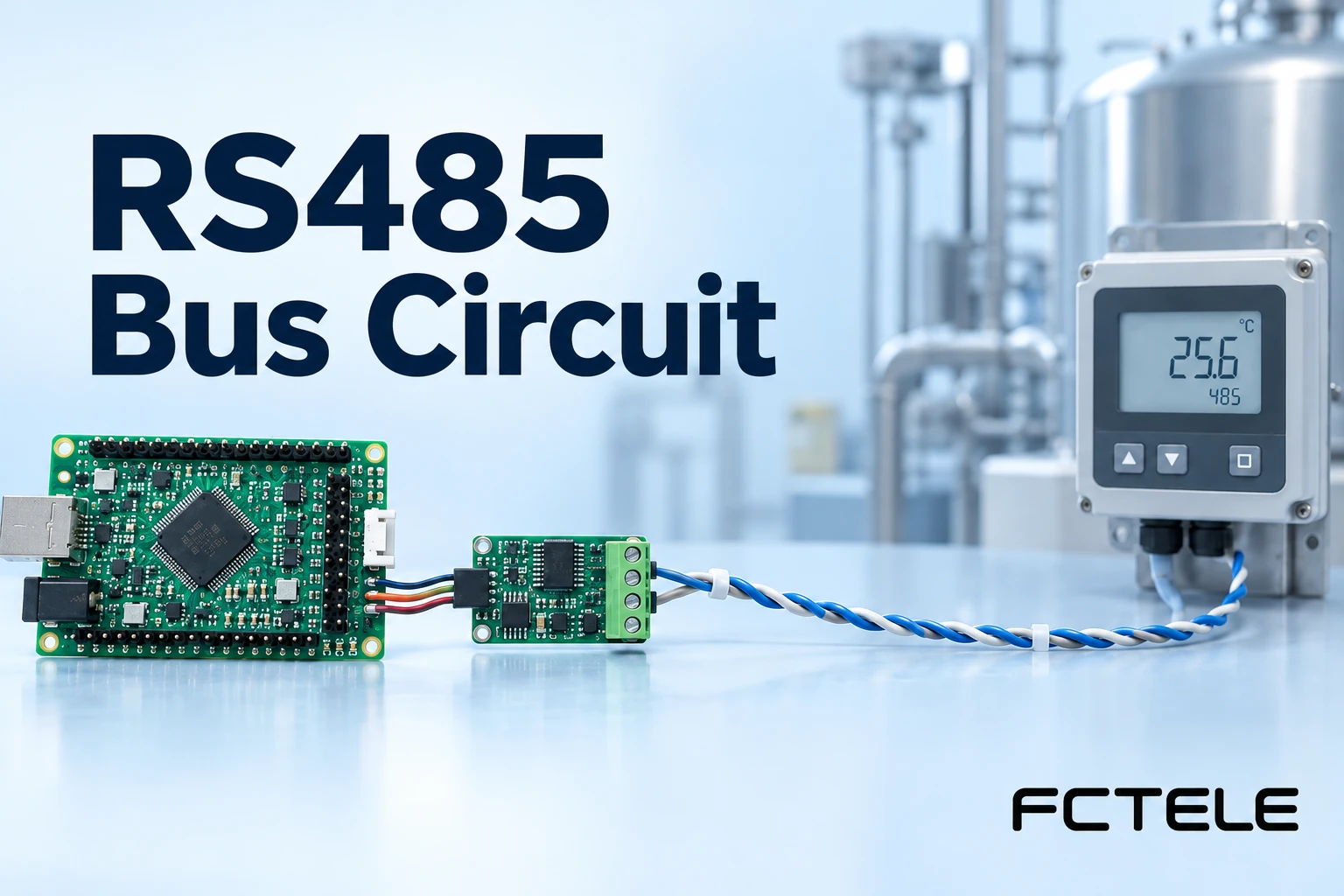
RS485 Bus Circuits: UART, Differential Signals and Half-Duplex
Follow UART characters into RS485 differential signals, then distinguish last-bit direction control, segment termination and idle bias on a two-wire bus.
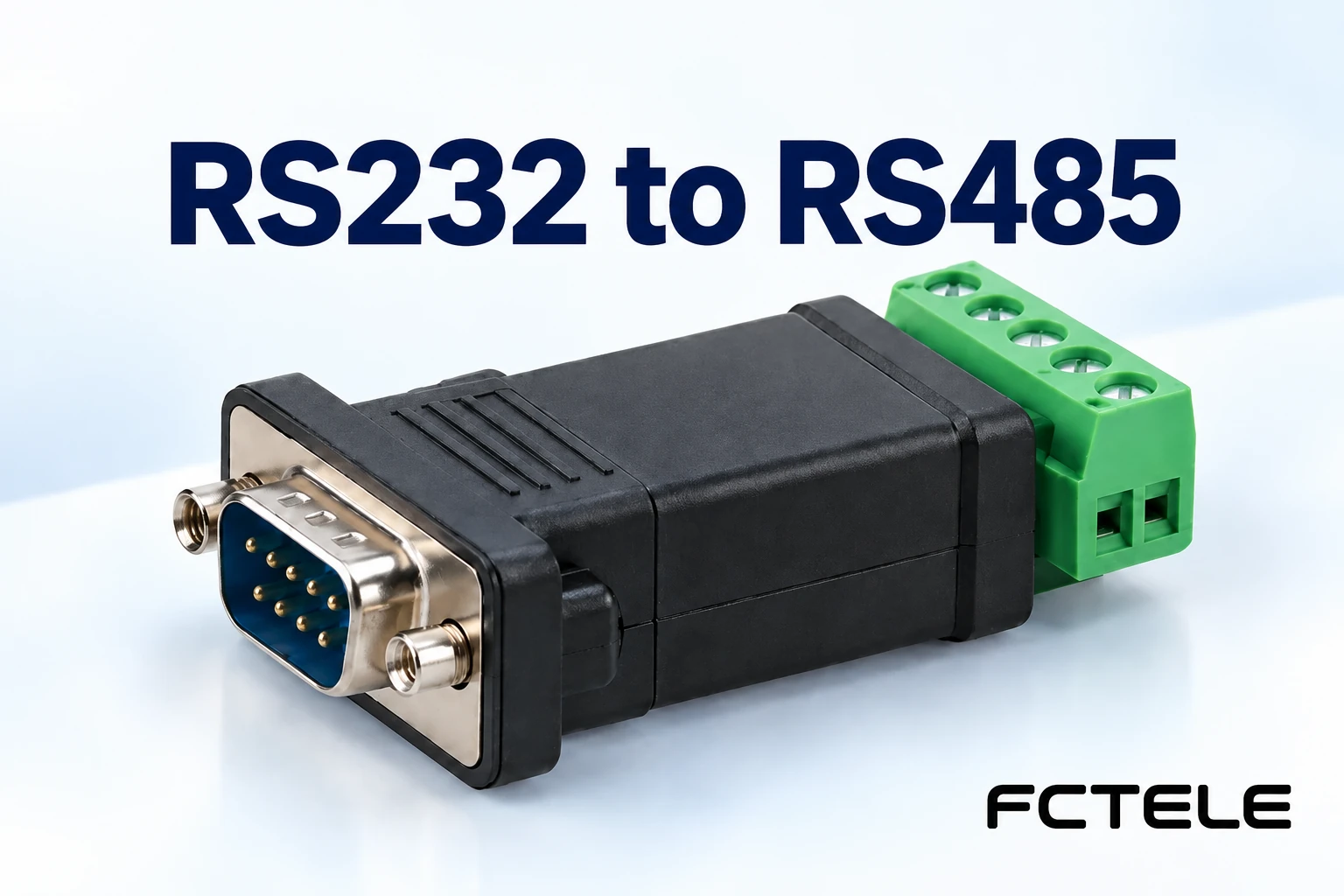
How RS232-to-RS485 Converters Work: Signals and Direction Control
Follow RS232 single-ended reception into RS485 differential driving, then verify unchanged character/protocol requirements, power and two-wire direction release.
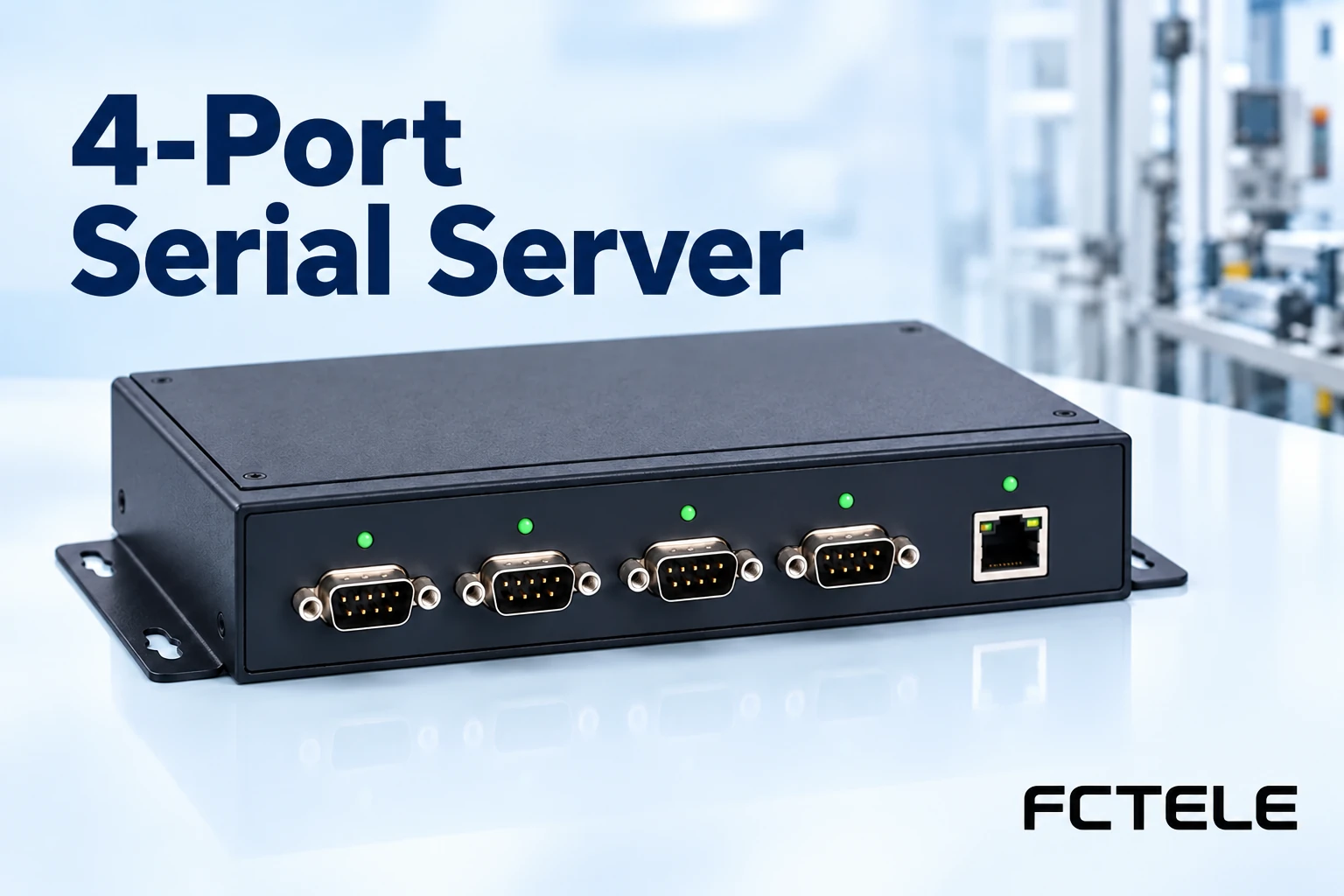
Using Four-Port Serial Device Servers: Independent Channels versus RS485 Multidrop
Plan four serial interfaces separately from RS485 station count and TCP service mappings. Verify channel ownership, polling budgets and simultaneous-load recovery.
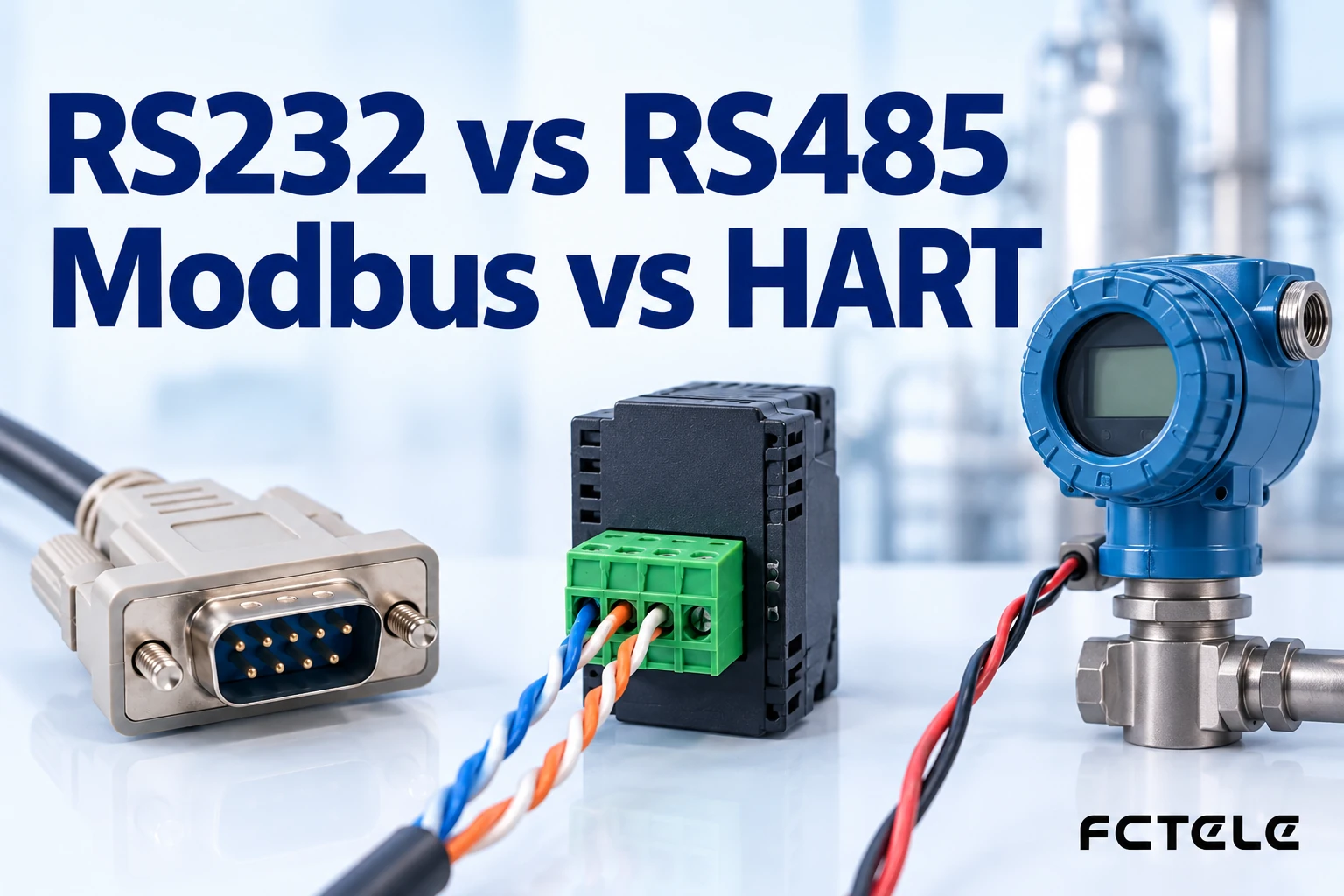
How to Tell RS232, RS485, Modbus and HART Apart: Understanding Electrical Interfaces and Data Rules in Layers
Separate serial electrical interfaces from message protocols and HART loop communication. Verify wiring, framing and register interpretation before choosing a converter.
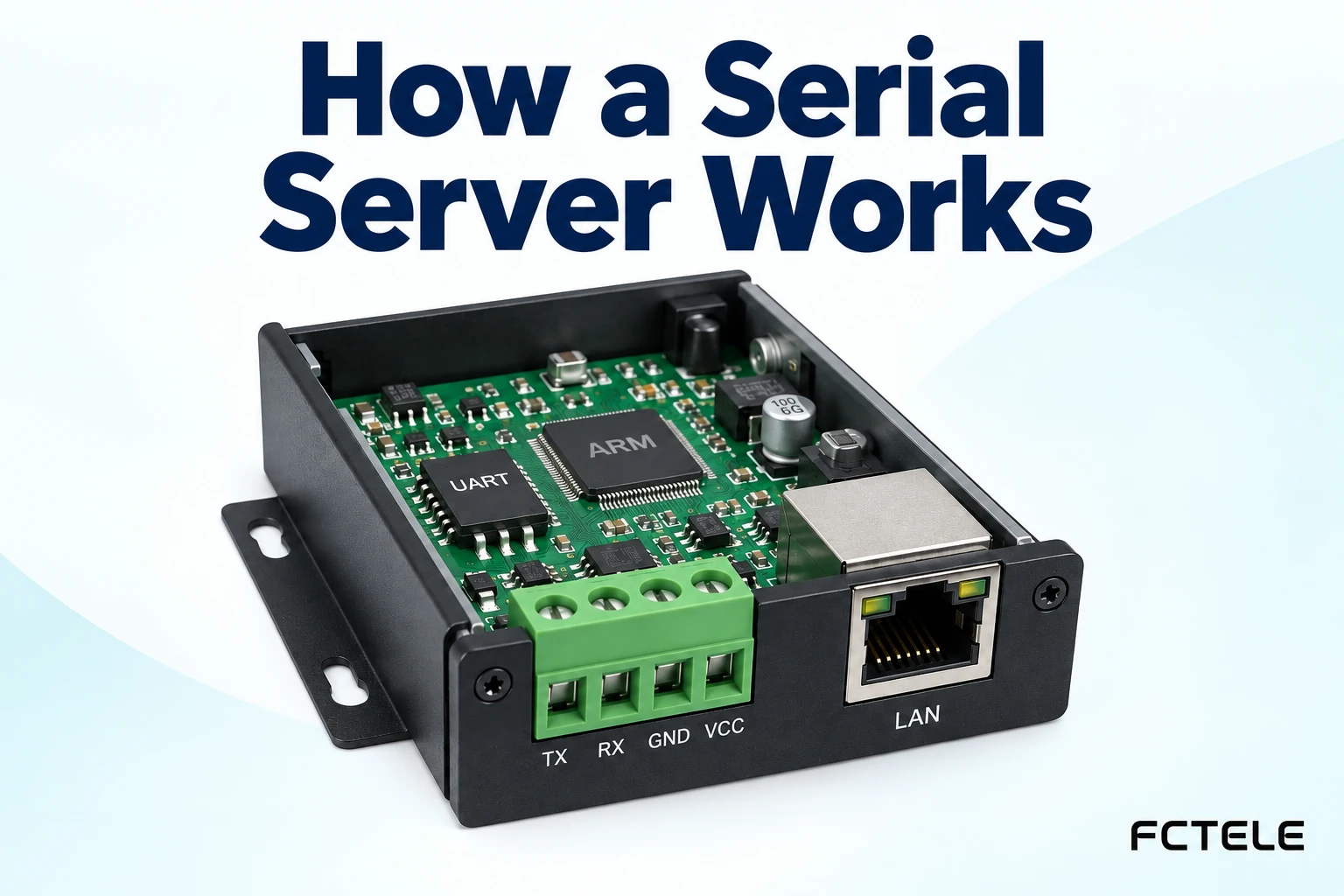
How a Serial Server Works Inside: Electrical Interfaces, UART, and Byte Buffering
Follow serial server data through electrical receivers, UART character handling and finite buffers. Separate interface support from application protocol conversion.

Why Twisted Pair Resists Interference: Differential Reception, Pair Integrity, and Transmission Limits
Explain twisted-pair interference resistance through differential reception and pairing. Separate common-mode rejection from cable loss, imbalance and installation limits.
