

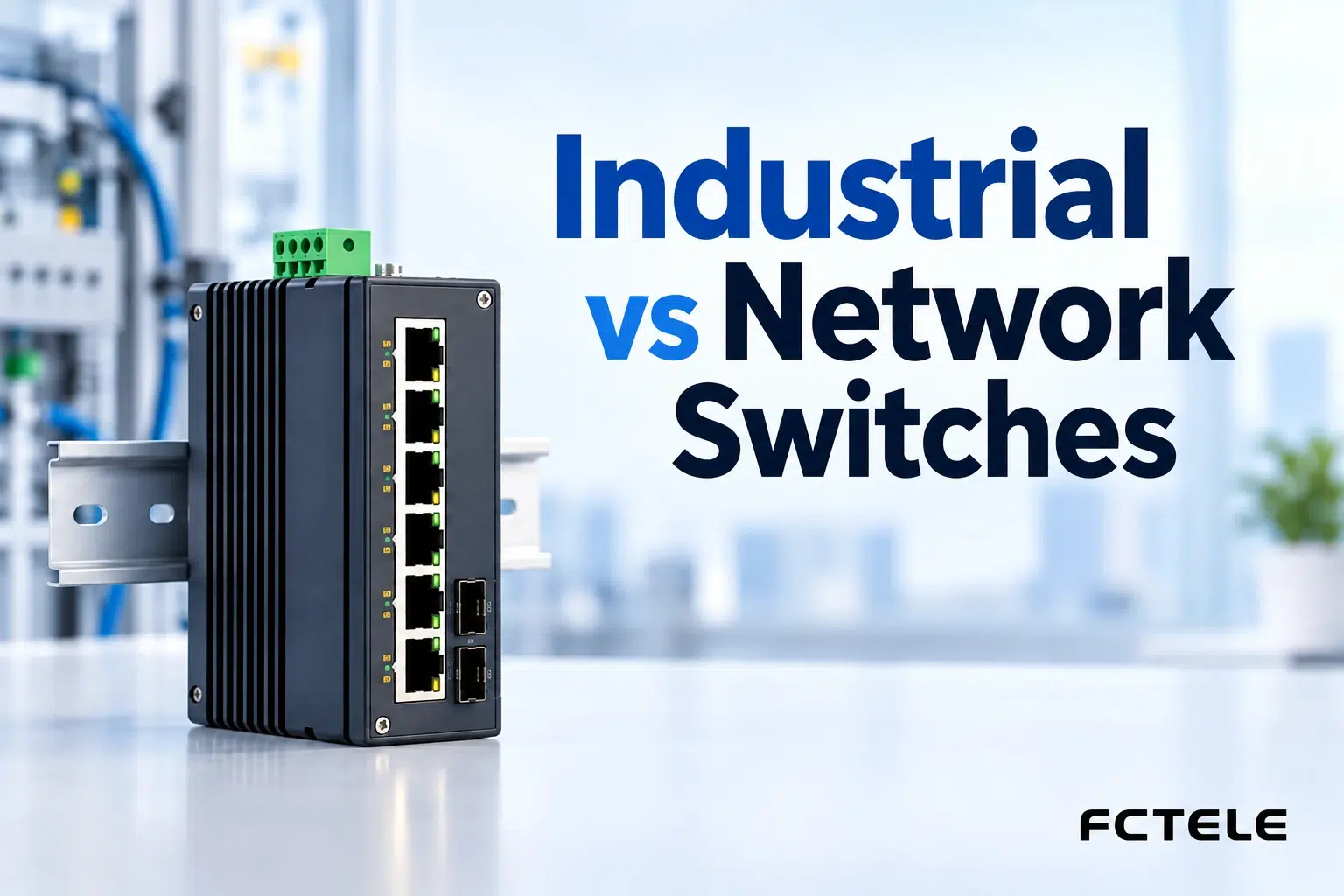
How Industrial Switches Compare with Network Switches: Communication, Environment, and Management Considered Separately
Compare industrial and other Ethernet switches using shared forwarding needs, cabinet conditions and documented management functions. Avoid claims based on enclosure labels.

How Many Ports Does an Industrial Switch Need: Device Count, Uplink Capacity, and Expansion Margin
Plan switch ports with uplink roles, actual simultaneous traffic and PoE demand. Distinguish an unused socket from verified expansion capacity across the complete path.
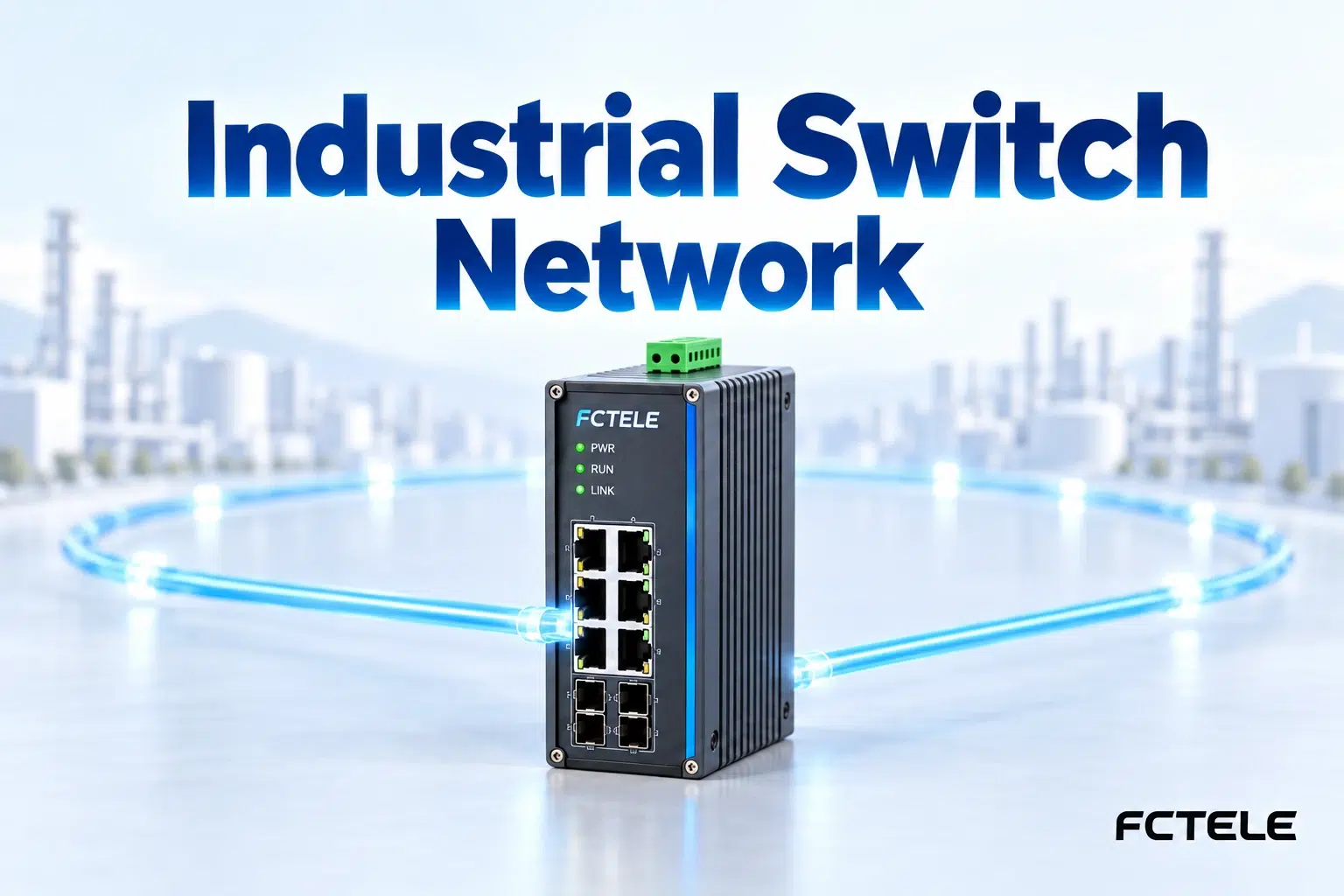
How Industrial Switches Form Networks: Fault Boundaries of Star, Chain, and Ring Topologies
Design switch networking around forwarding paths, shared capacity and covered faults. Compare star, chain and controlled ring behavior with real application recovery.
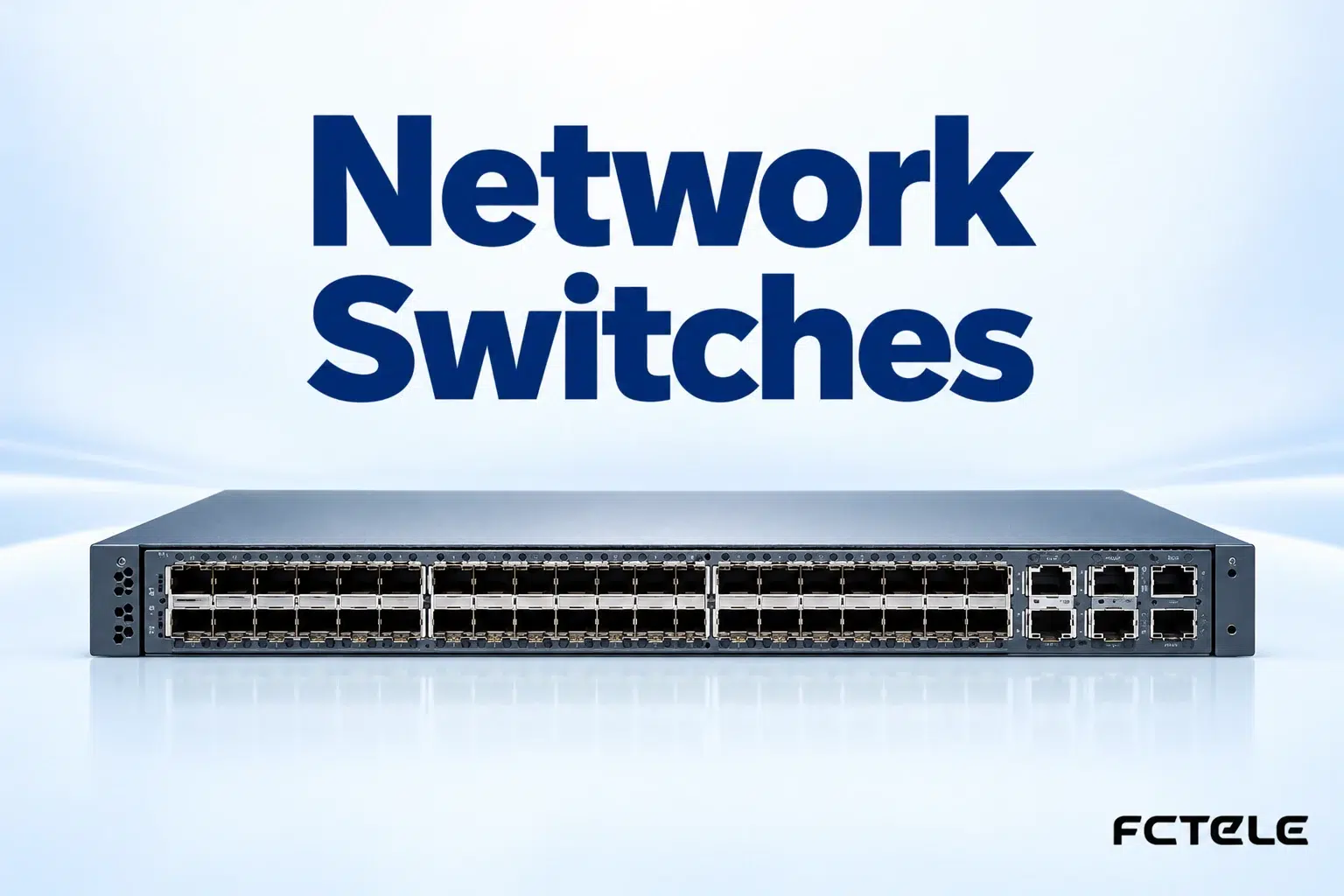
Access, Aggregation, and Core Switches: Deployment Roles vs. Forwarding Layers
Plan access, aggregation and core roles from real communication paths. Keep deployment position separate from Layer 2 bridging, Layer 3 routing and address translation.
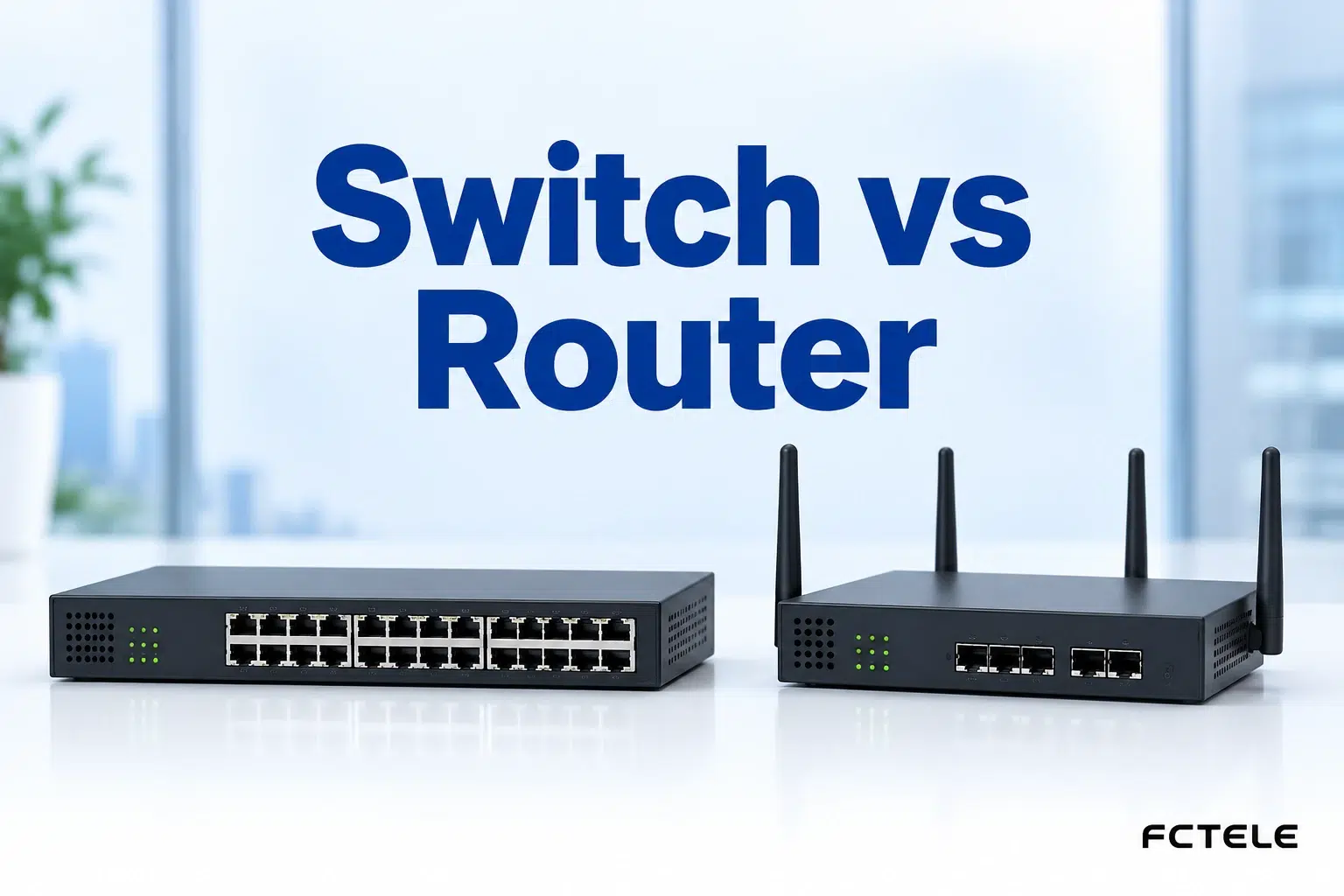
How Switches and Routers Divide Work: MAC Forwarding, Gateways, and Cross-Subnet Communication
Follow local MAC forwarding and cross-subnet IP routing as different tasks. Check host masks, gateway reachability and return routes without assuming NAT is required.
How Bridges Are Classified: Boundaries of MAC Learning, Spanning Tree, and Routing Functions
Understand transparent bridge learning and unknown-unicast forwarding, then separate spanning-tree path control from IP routing and historical bridge classifications.
How to Install a Network Surveillance System: Four Connection Methods and Their Applicable Boundaries
Compare four IP camera connection options by power, transport and recording needs. Verify aggregate streams, supported video services and recovery beyond a live picture.
Hubs, Switches and Routers: Which Layer Processes the Data
Compare hub signal repetition, switch MAC forwarding and router next-hop selection. Use the processing function, not the chassis name, to identify each network role.
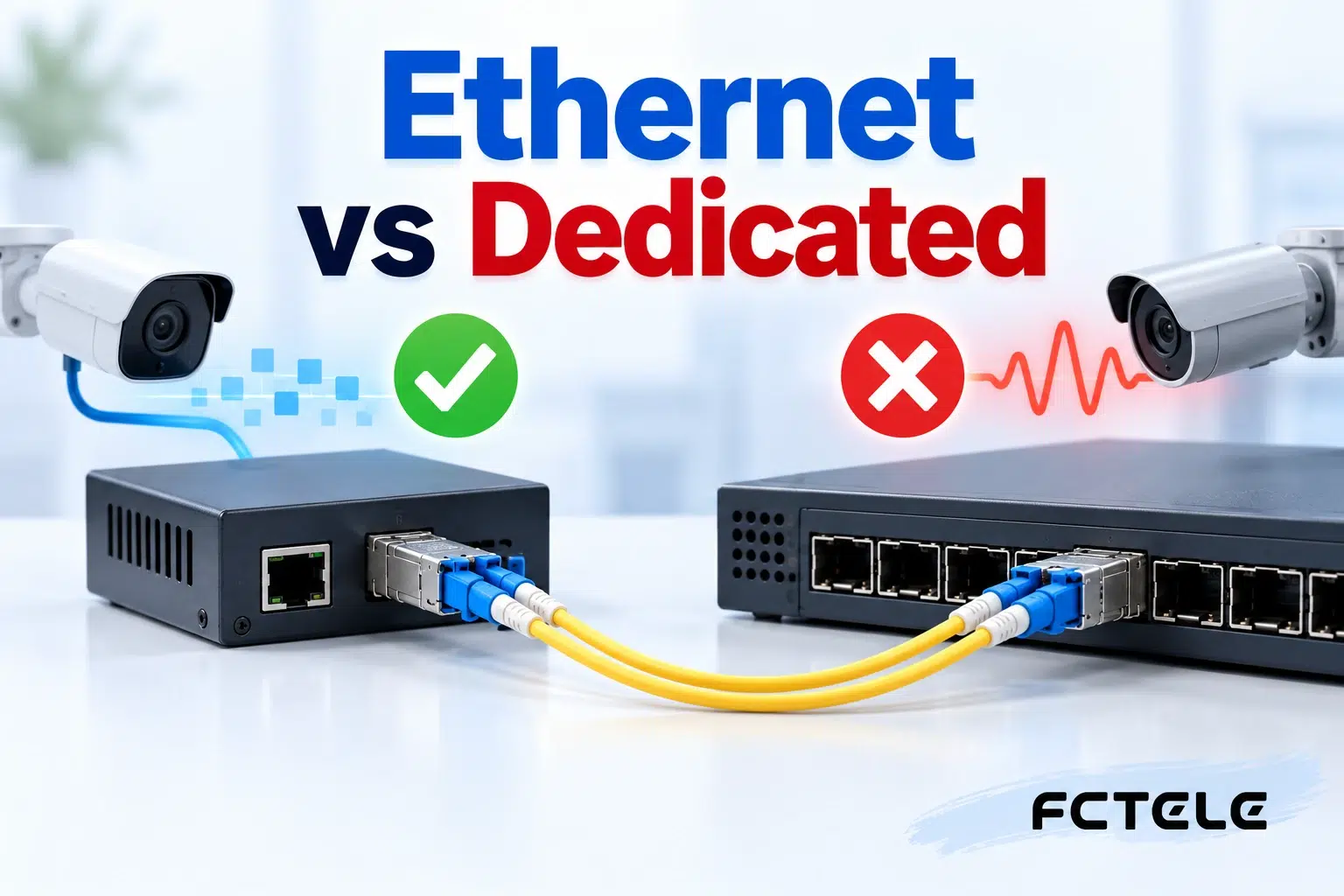
Connecting Fiber Transmission Equipment to Switches: Ethernet and Dedicated-Service Links
Decide whether an optical device can connect directly to an Ethernet switch by its protocol, rate and optical pairing. Dedicated video or E1 requires a supported path.
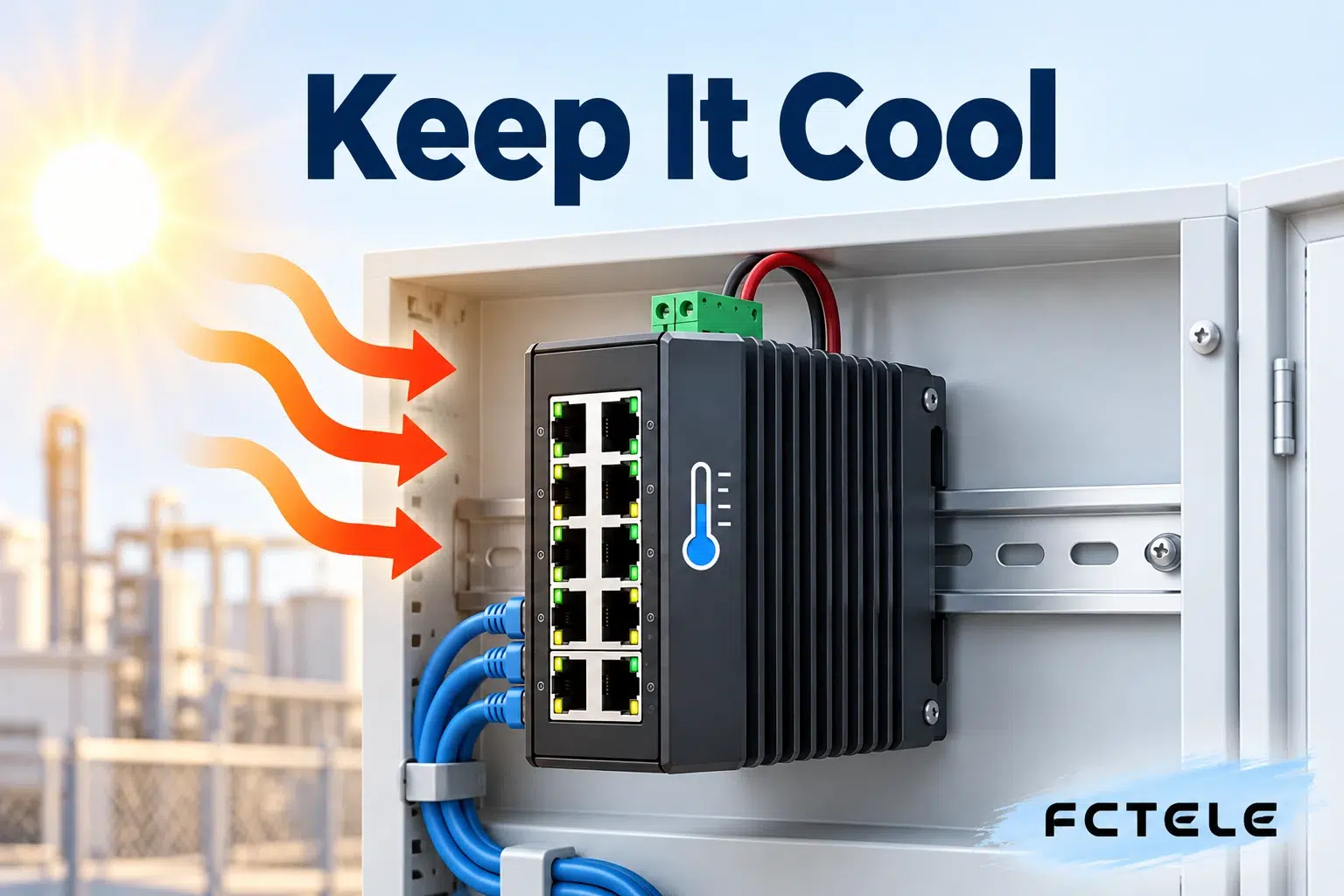
What Environment Does an Industrial Ethernet Switch Need: Temperature Rise, Power and Installation Checklist
Check industrial switch cabinet temperature, heat paths, power inputs and local protection. Wide-temperature labeling cannot substitute for installed operating conditions.
