

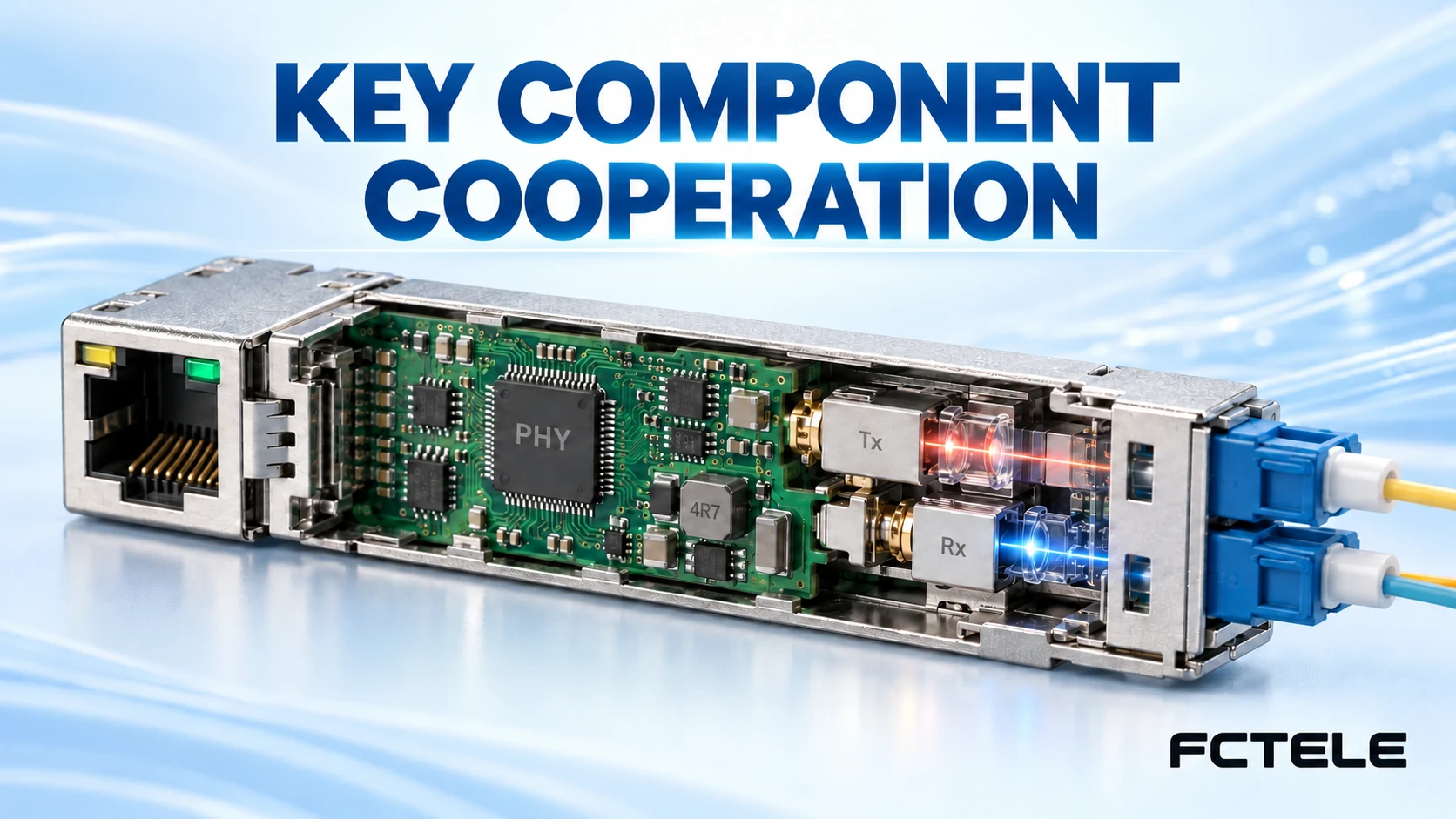
Key Components in Fiber Media Converters: How PHYs, Optics and Power Work Together
Follow the media converter signal path through copper PHY, processing and optical circuits. Separate electrical rails, optical input limits and thermal conditions.
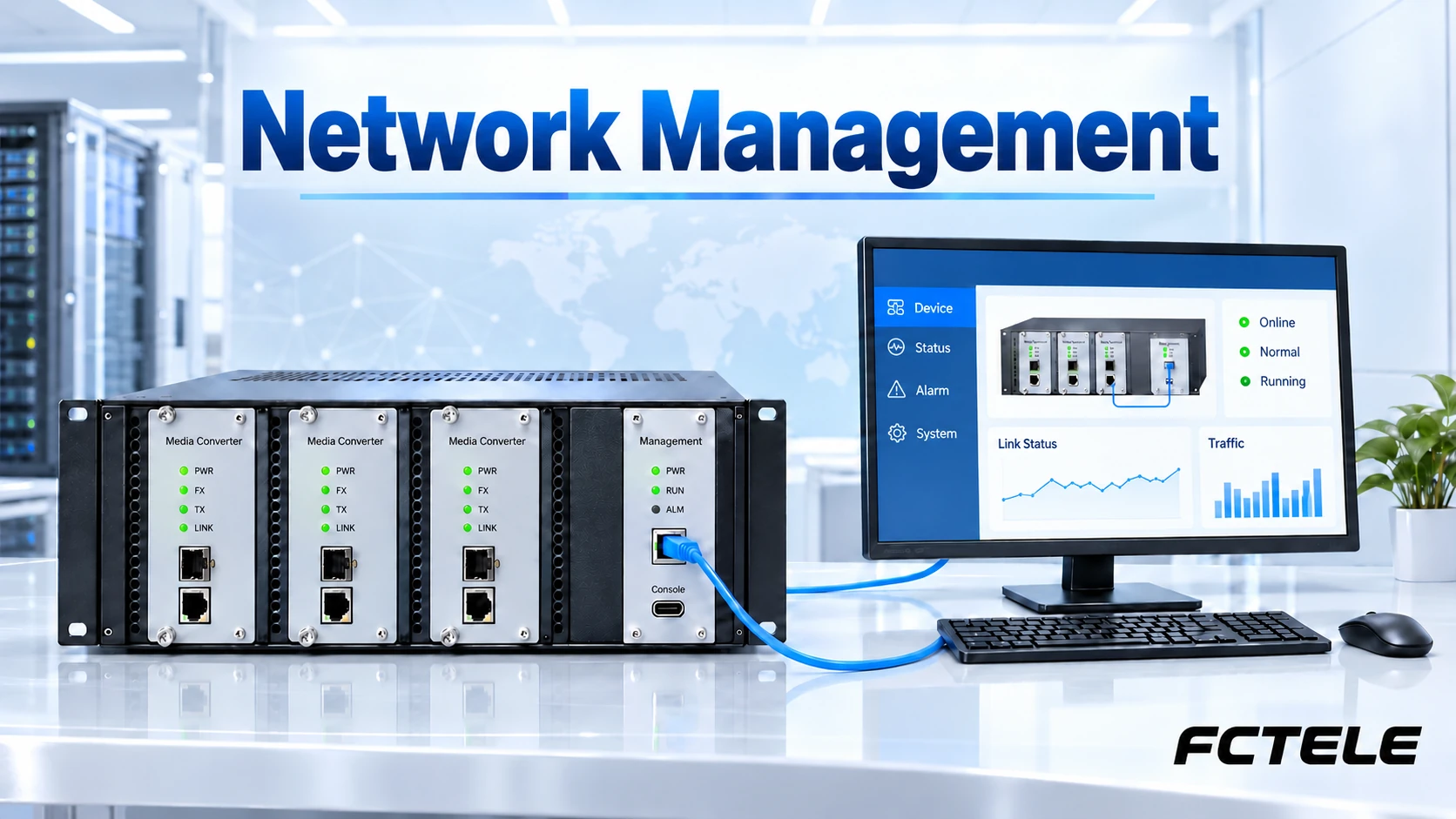
How Managed Fiber Media Converters Work: Status Collection, Chassis Objects and Notifications
Trace managed-converter status from ports and sensors to chassis objects and platform events. Distinguish polling, notifications, forwarding and configuration paths.
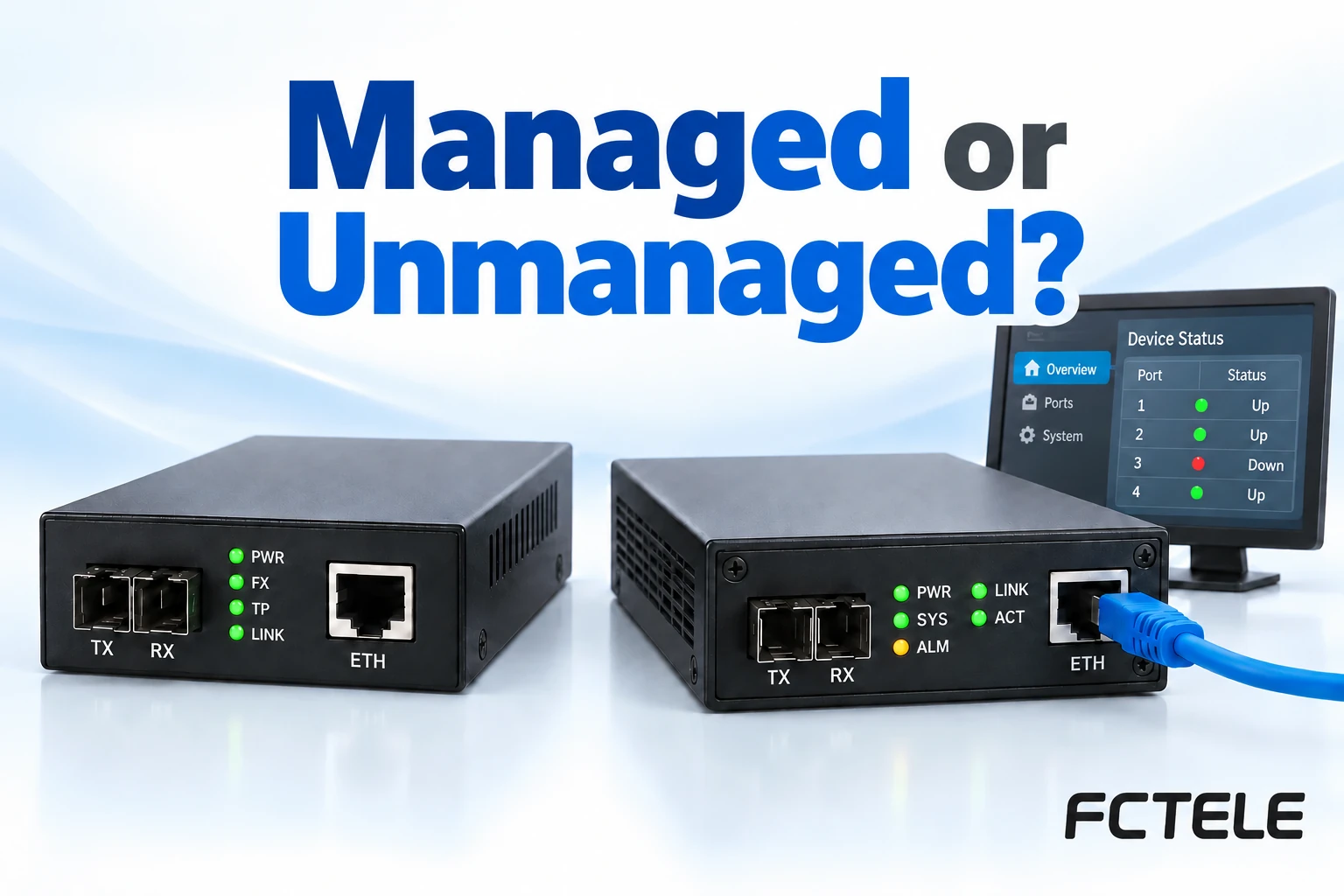
Managed or Unmanaged Fiber Media Converters: Forwarding, Management Paths and Maintenance
Choose managed or unmanaged fiber converters by actual maintenance tasks. Separate forwarding, diagnostic support and the management path during an optical outage.
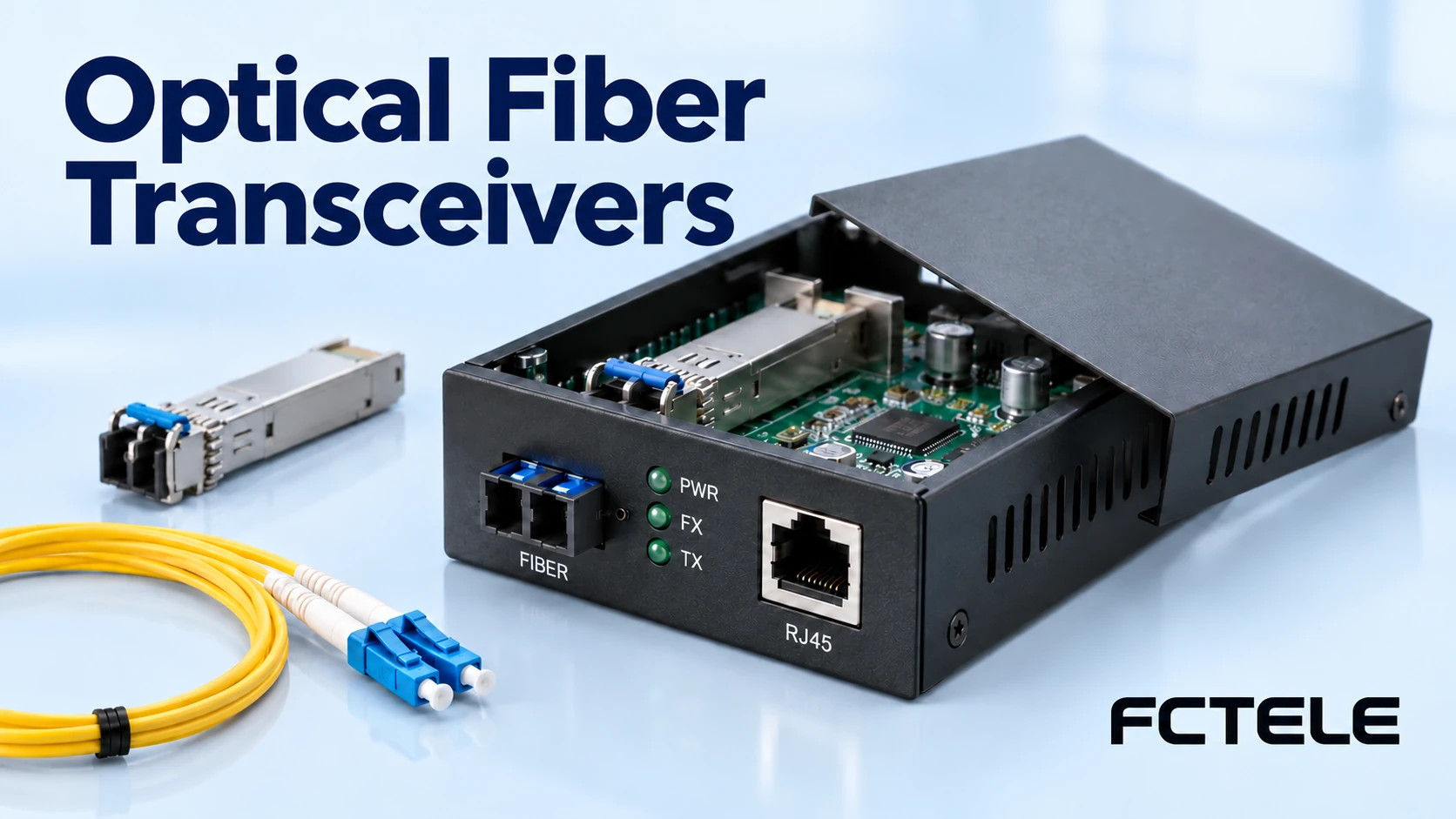
Fiber Media Converter Types: Rates, Fiber Modes, Core Counts and Device Formats
Classify media converters across independent dimensions: copper/optical rates, fiber mode, core count, chassis format, management and power. Build a complete order.
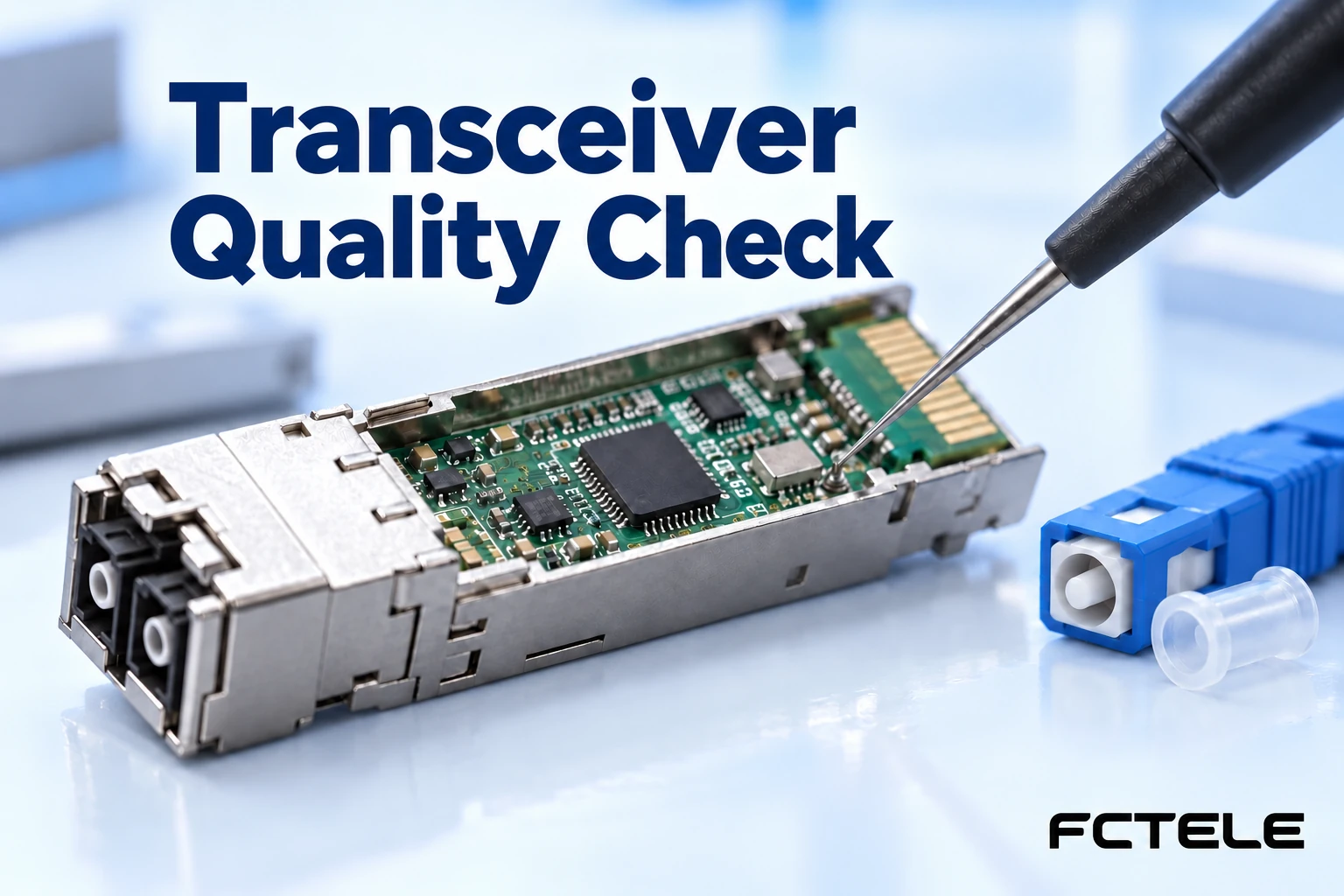
How Fiber Media Converter Manufacturers Verify Quality: Optics, Assembly and Complete-Unit Tests
Evaluate media converter manufacturers through optical coupling, assembly controls, complete-unit traffic tests and batch records. Separate evidence from promotion.
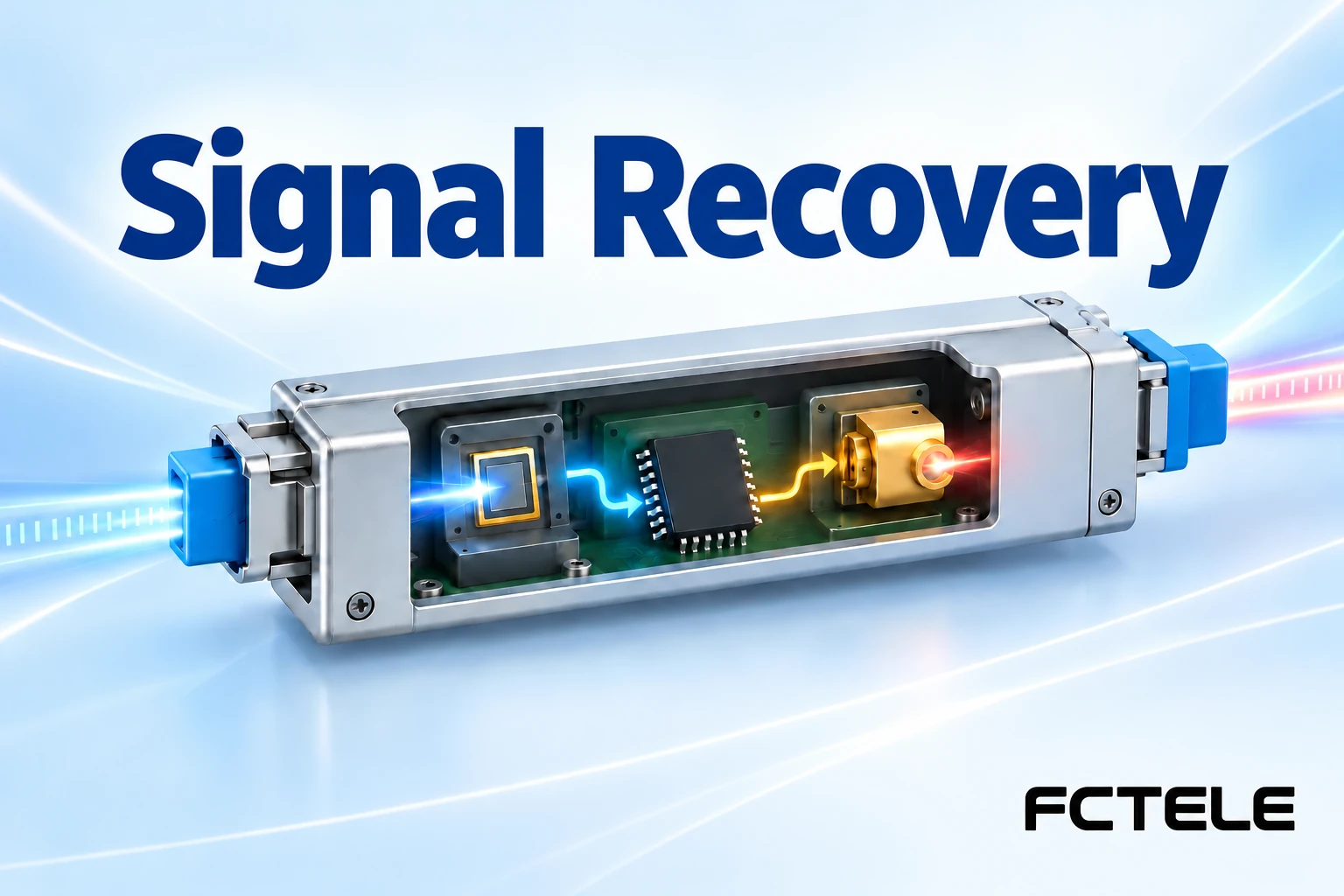
How Fiber Media Converters Recover Signals: Amplification, Clock Recovery and Regeneration
Distinguish receiver electrical amplification, clock recovery, optical gain and OEO regeneration. Check each relay segment before claiming a longer usable link.
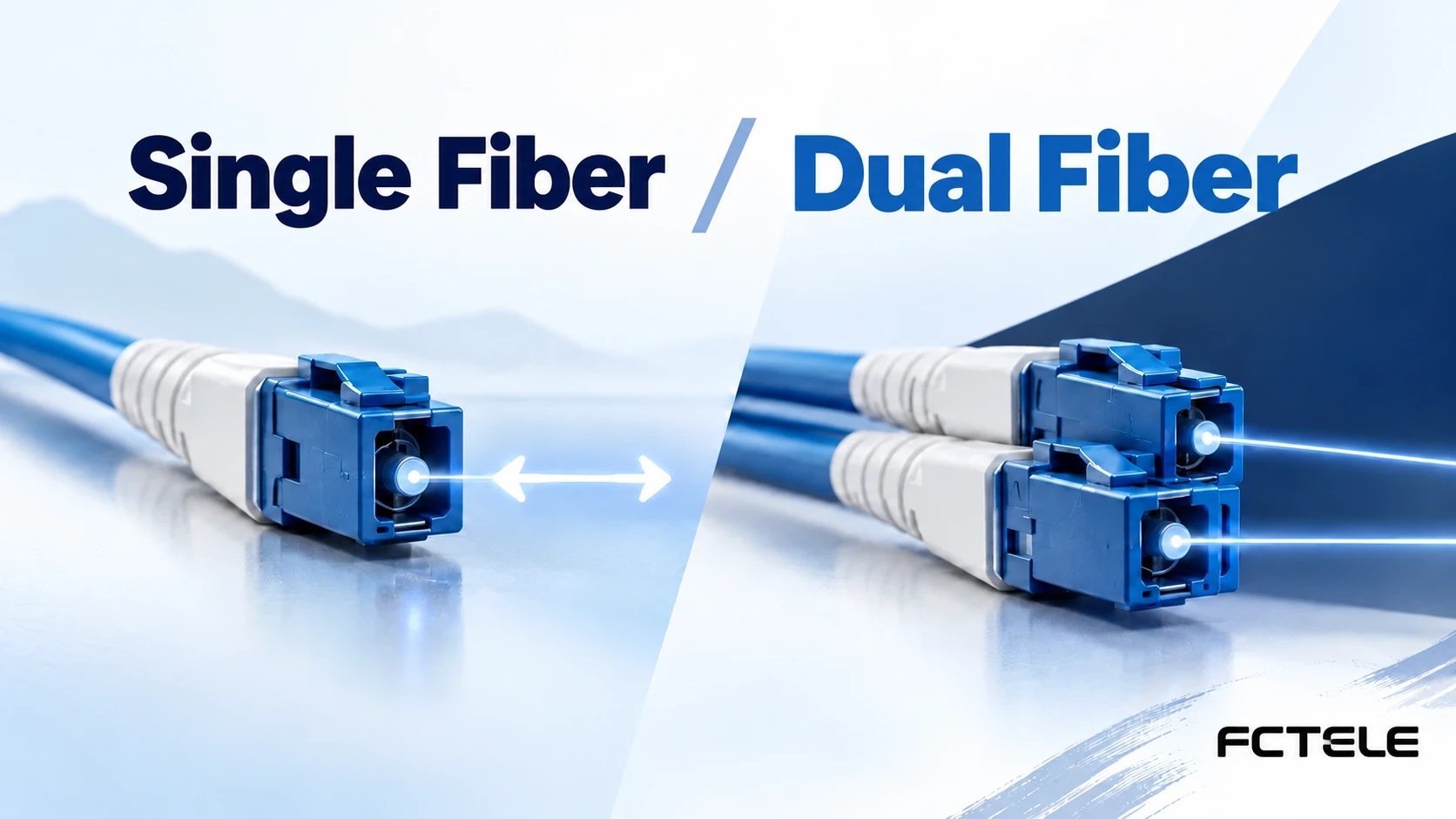
Single-Fiber or Dual-Fiber Optical Transmission: Directions, Wavelength Pairing and Acceptance
Compare BiDi and duplex optical links by core resources, complementary wavelengths and directional budgets. Distinguish two communication directions from redundancy.
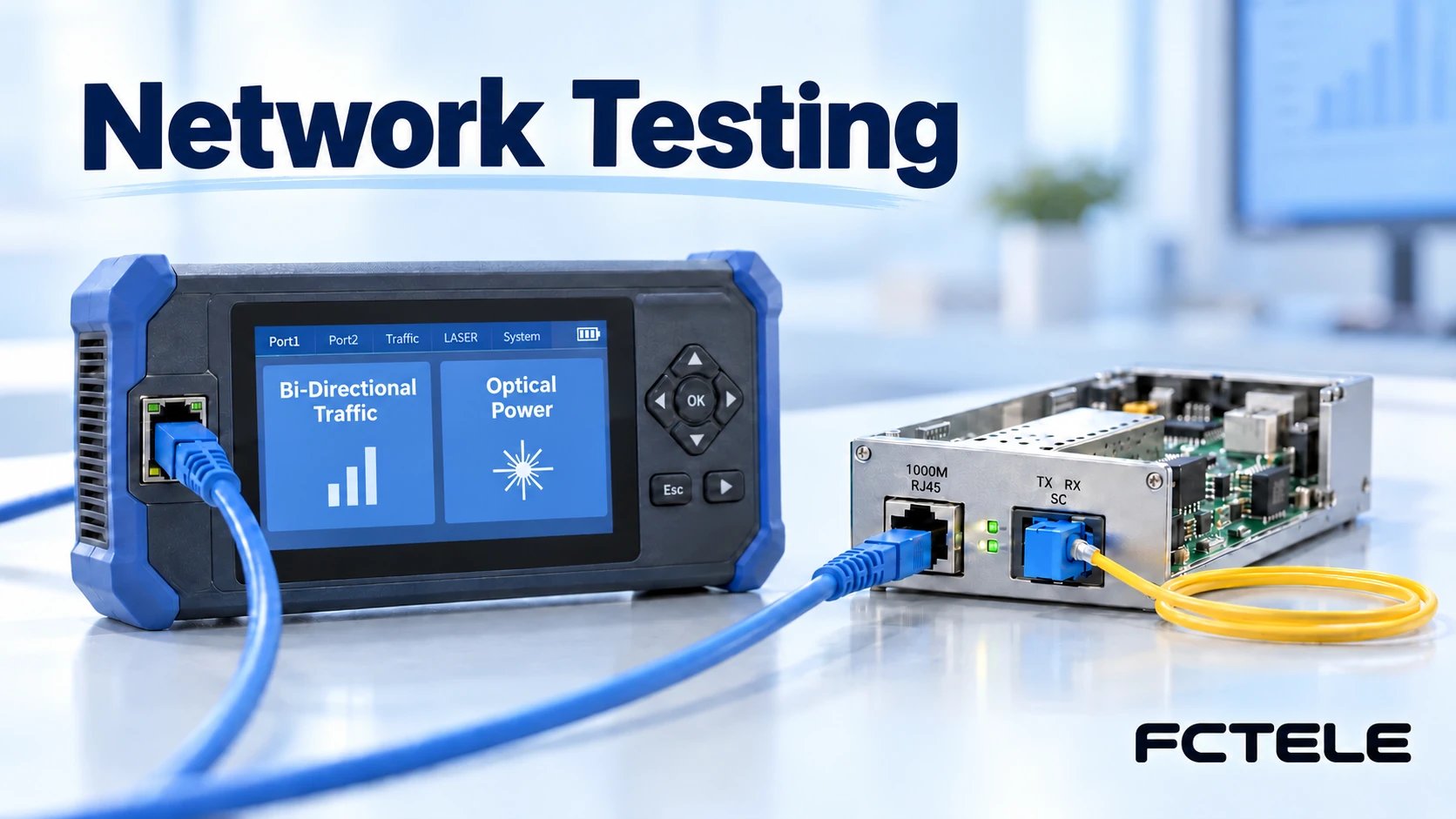
How to Test Fiber Media Converters: Optical Power, Bidirectional Frames and Complete-Unit Acceptance
Test converters with a known-good baseline, directional optical measurements and controlled frame counts. Separate BER, frame loss and application throughput.
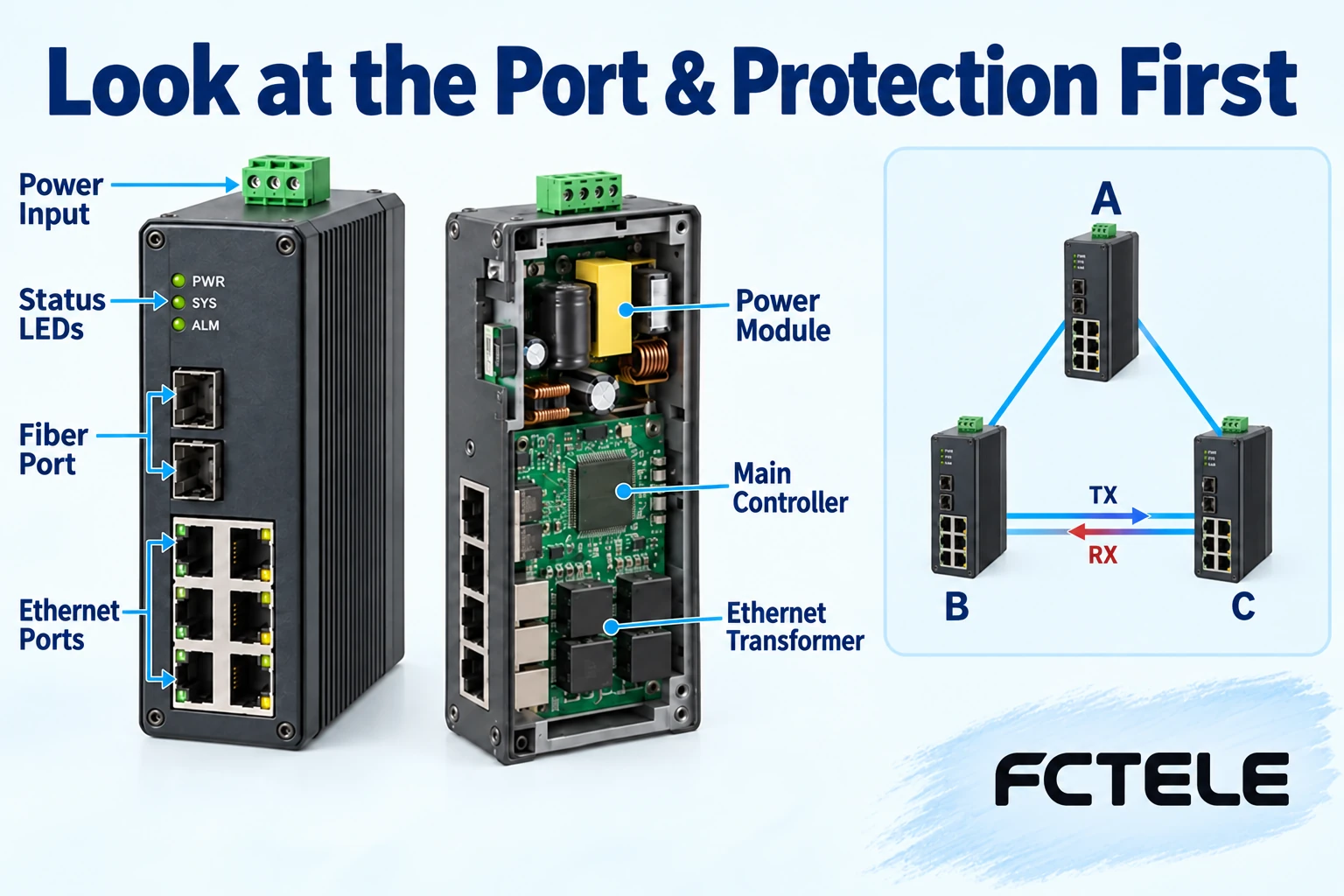
How Ethernet Fiber Media Converters Form Networks: Capability Boundaries of Star, Chain, and Ring Topologies
Plan point-to-point, star, chain and ring Ethernet links from actual ports and forwarding roles. Check shared uplinks and supported loop control before deployment.
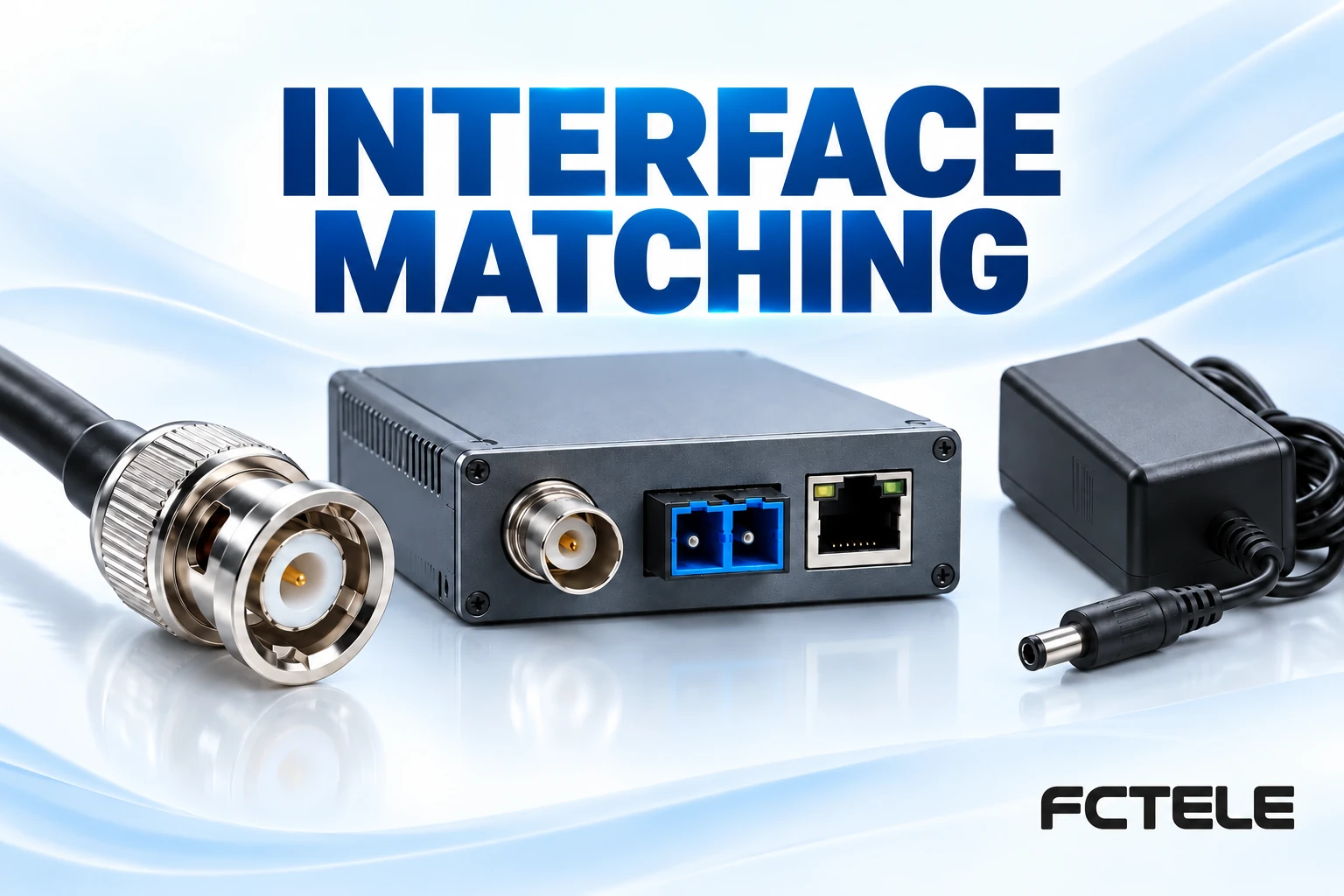
Common Fiber Optic Transmission Equipment Questions: Interfaces, PDH vs SDH, Dry Contacts, and Backup Power
Resolve optical equipment questions by distinguishing E1, video and Ethernet interfaces, dry-contact output and whole-chain backup power. Confirm the actual model.
