
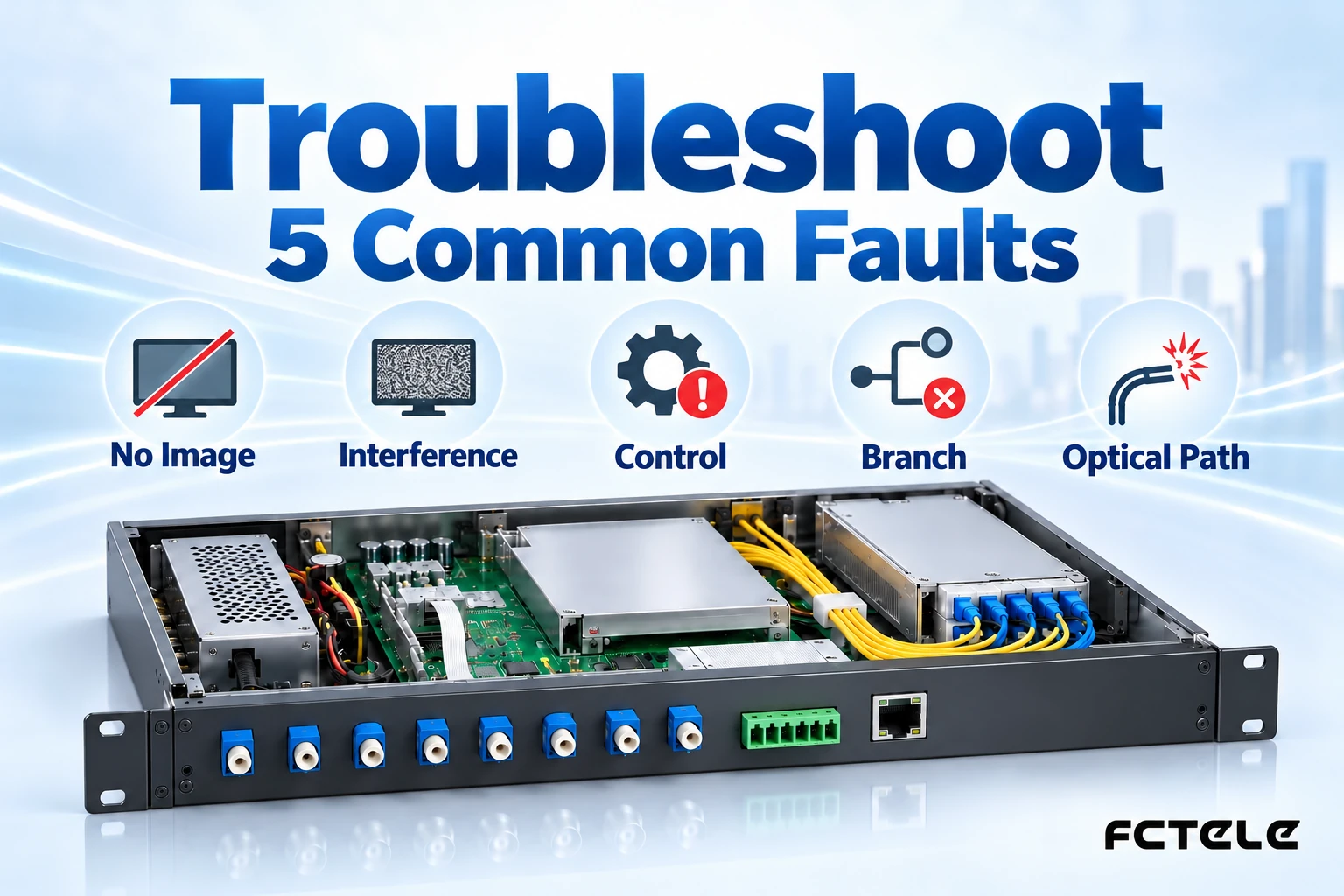
How to Troubleshoot Five Common Fiber Optic Transmission Device Faults: No Image, Interference, Control, Branch, and Optical Path
Separate no-image, interference, control, branch and optical-path faults. Use service-specific evidence and controlled substitutions instead of one alarm assumption.
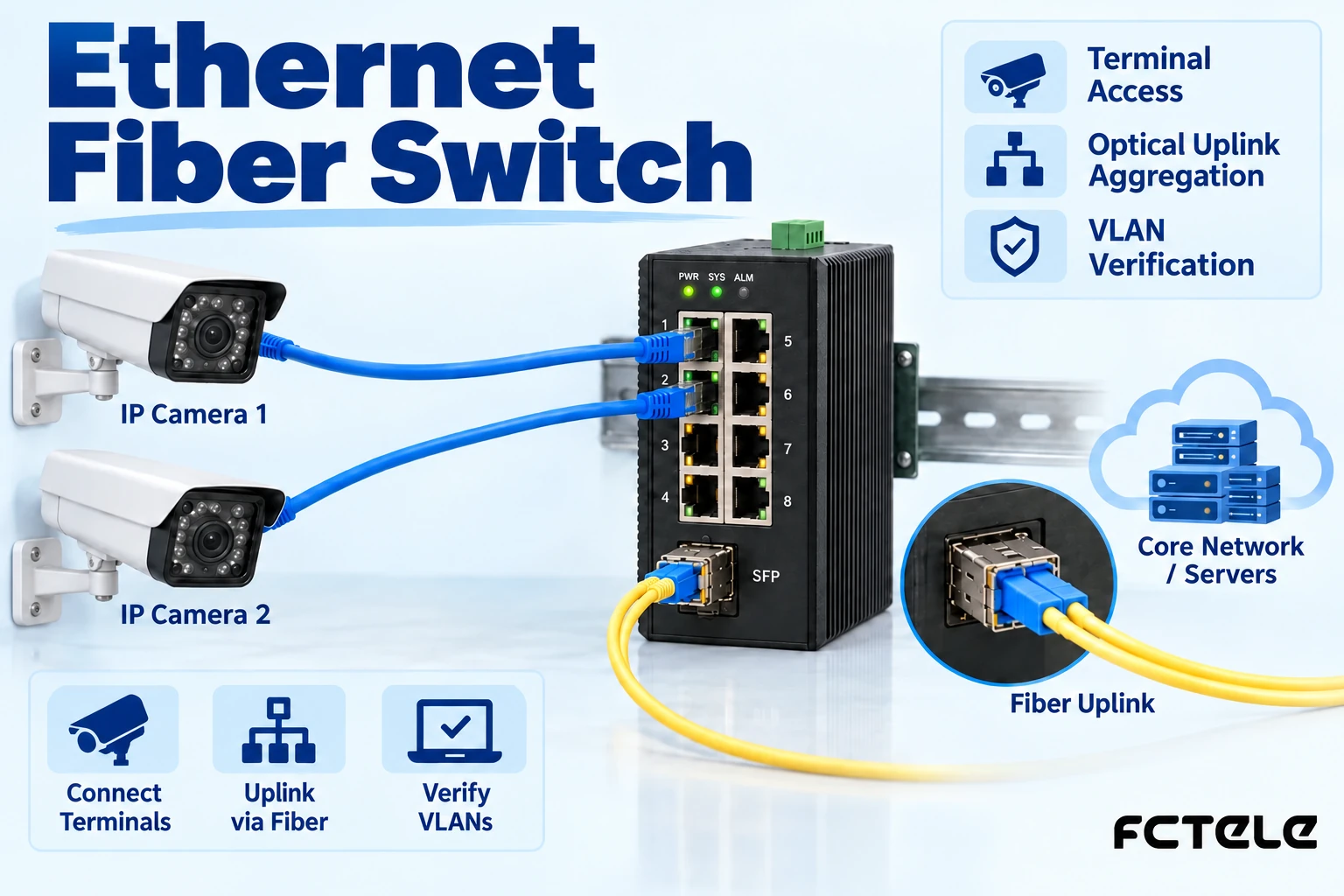
How to Use an Ethernet Fiber Switch: Terminal Access, Optical Uplink Aggregation, and VLAN Verification
Connect Ethernet fiber switches with verified optics, terminal VLAN membership and tagged uplinks. Size aggregation for concurrent service and accept the whole path.
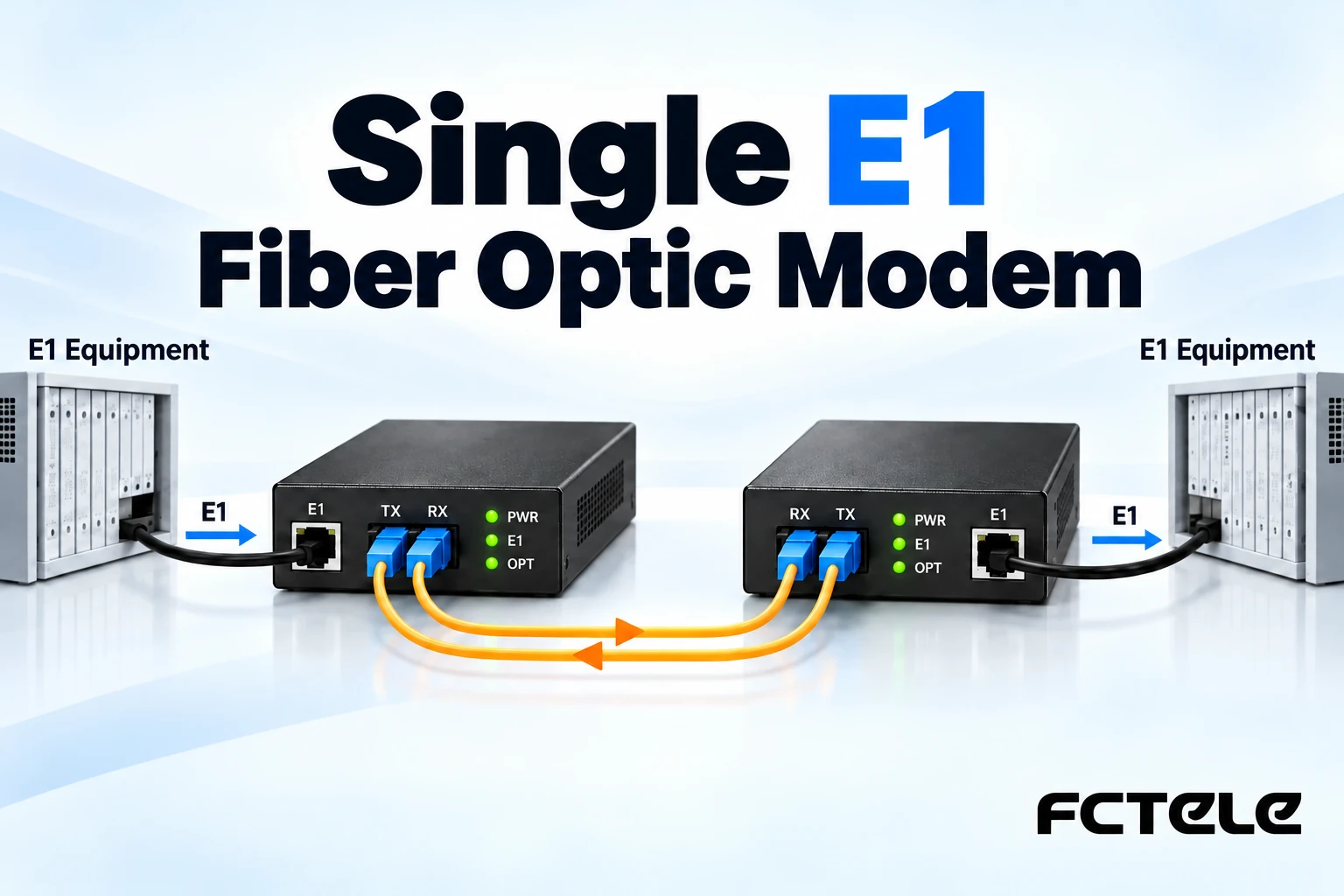
How to Choose a Single E1 Fiber Optic Modem: Electrical Interface, Clocking, and Service Acceptance
Select single E1 optical modems by 75/120-ohm interface, framing, clock roles and compatible peers. Keep loopback evidence separate from end-to-end service acceptance.
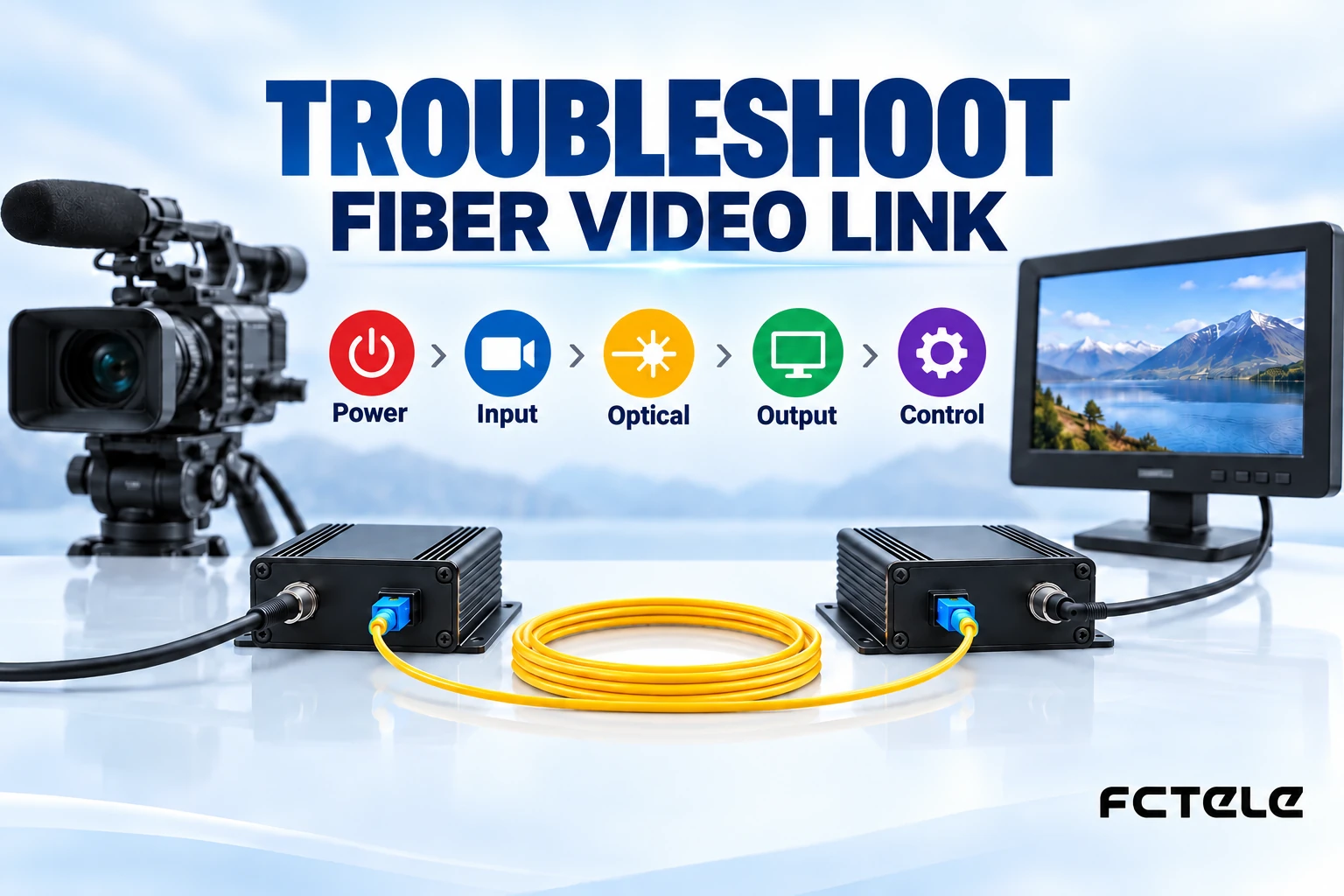
Troubleshooting a Fiber Optic transmission device: Power, Optical Path, Video and Control Signals
Locate video optical faults through input, power, received light, output and control. Compare known-good short links and retain time-aligned intermittent evidence.
EEE Ethernet Sleep: Wake-Up and First-Frame Delay
Understand EEE low-power idle, refresh and wake-up waiting. Compare actual port status and first-frame latency under controlled traffic before changing settings.
How to Choose a Fiber Optic Transmission Equipment Brand: Filter by Business Needs, Compatibility, and Verification Evidence
Compare optical equipment suppliers using matched service interfaces, peer compatibility, documented tests and recoverable delivery. Avoid unsupported brand rankings.
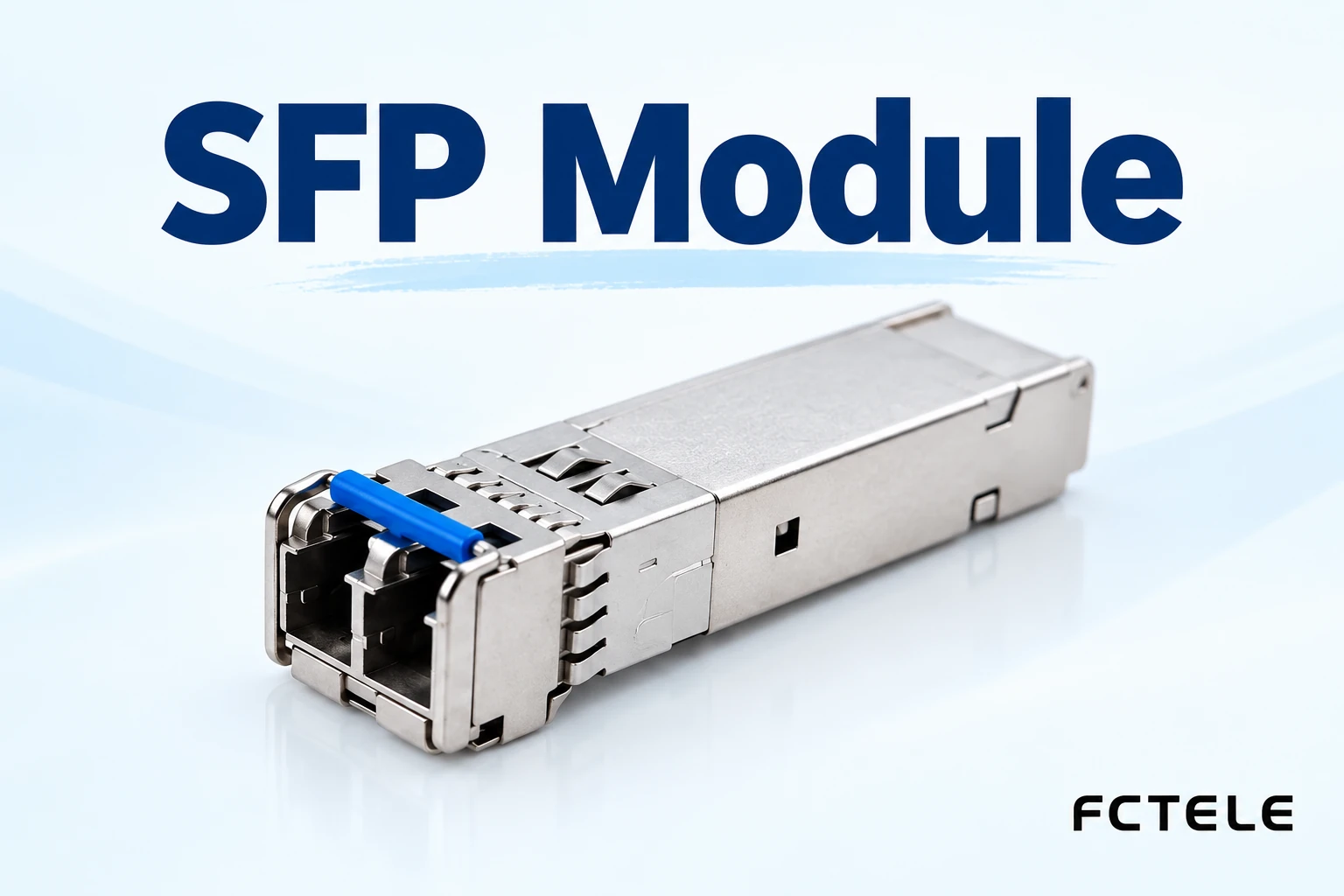
How to Tell Optical Modules from Fiber Media Converters: Host Power, Optical-Electrical Conversion, and Complete Device Wiring
Distinguish host-powered SFP optics from complete Ethernet media converters. Verify host support, local power and compatible line conditions before combining endpoints.
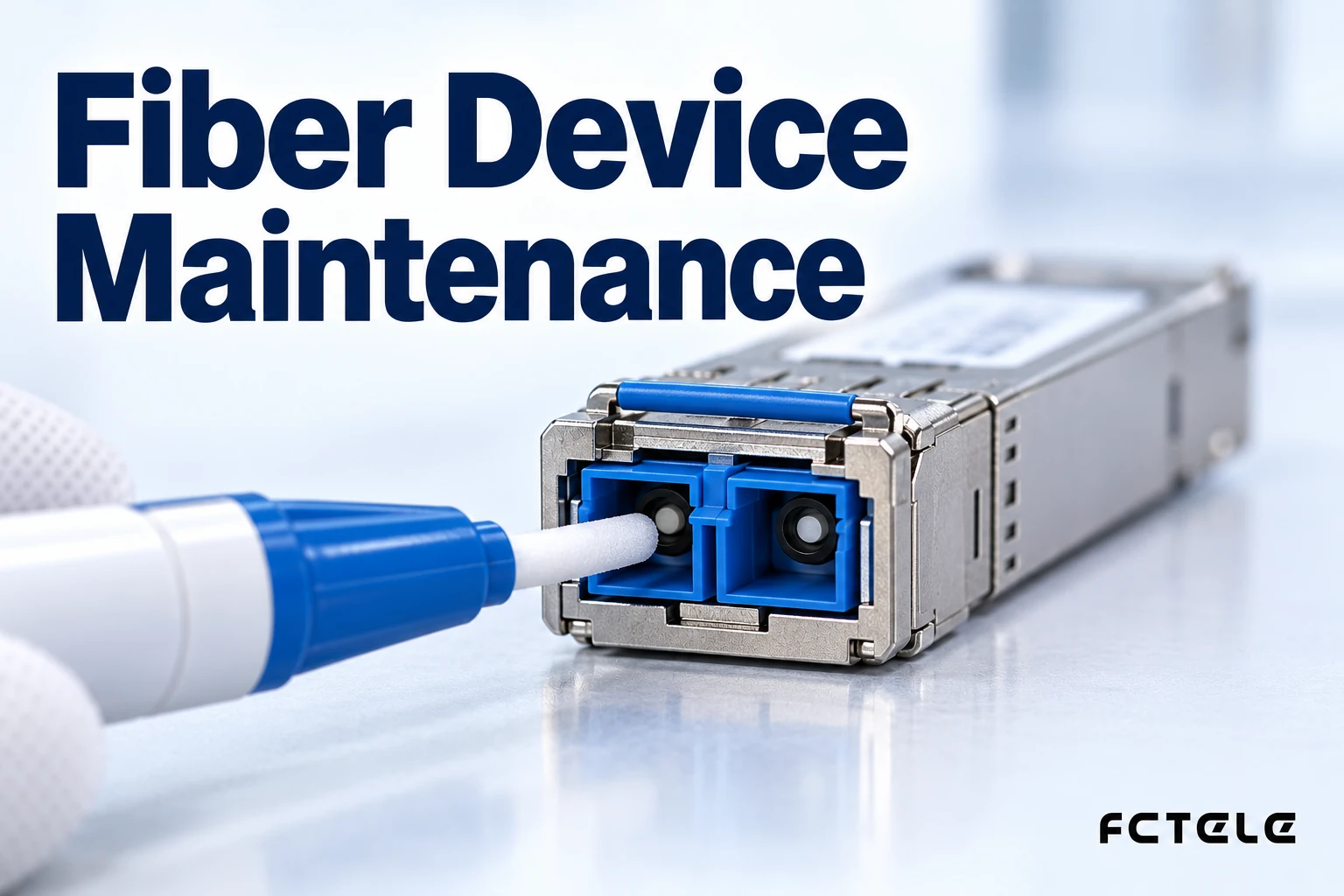
How to Inspect and Maintain Fiber Optic Transmission Devices: Heat Dissipation, Power Supply, and End-Face Cleaning
Maintain optical transmission equipment with recorded baselines, cabinet checks and safe inspect-clean-inspect procedures. Revalidate the original service after changes.
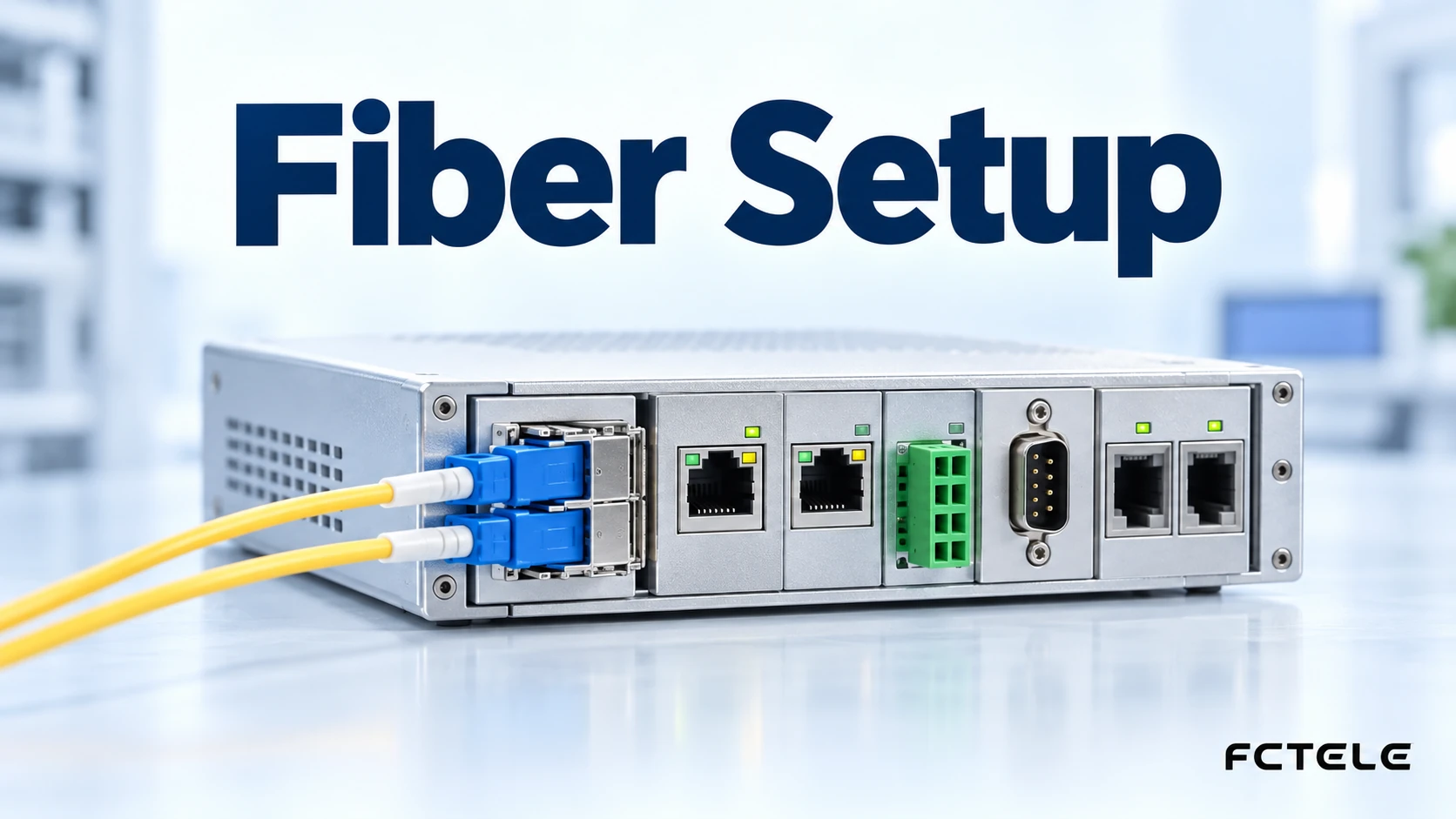
How to Wire and Configure a Multi-Service Fiber Optic Transmission Device: From Service Channels to Per-Channel Acceptance
Wire multi-service optical equipment from an explicit channel table. Match telephone, serial, Ethernet and E1 roles, then test one channel and concurrent services.
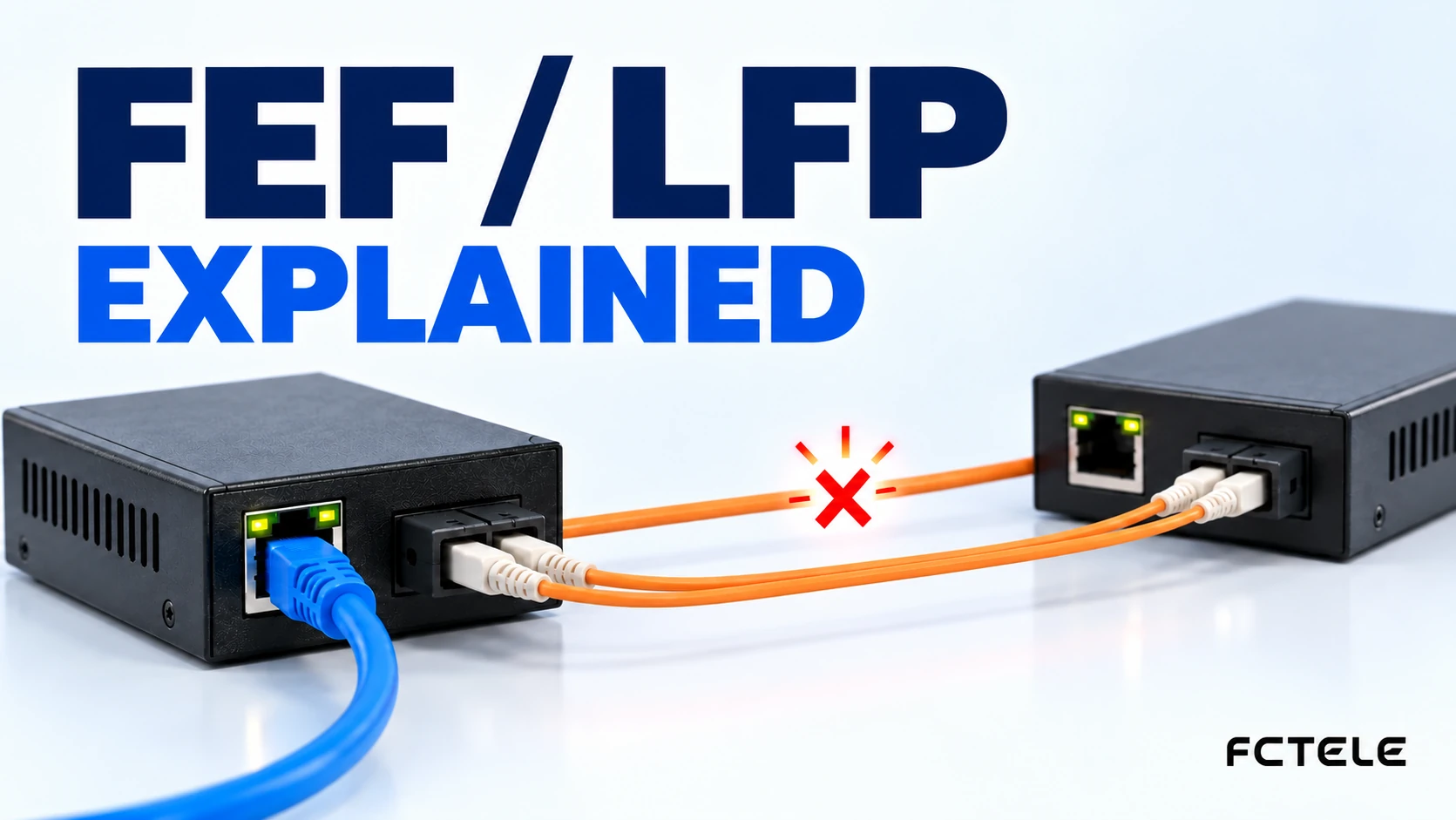
What Do FEF and LFP Mean on a Fiber Media Converter? From Fault Detection to Copper Port Linkage
Separate FEF remote fault indication from LFP interface-state linkage. Trace each fault direction, confirm supported modes and test notification separately from recovery.
