

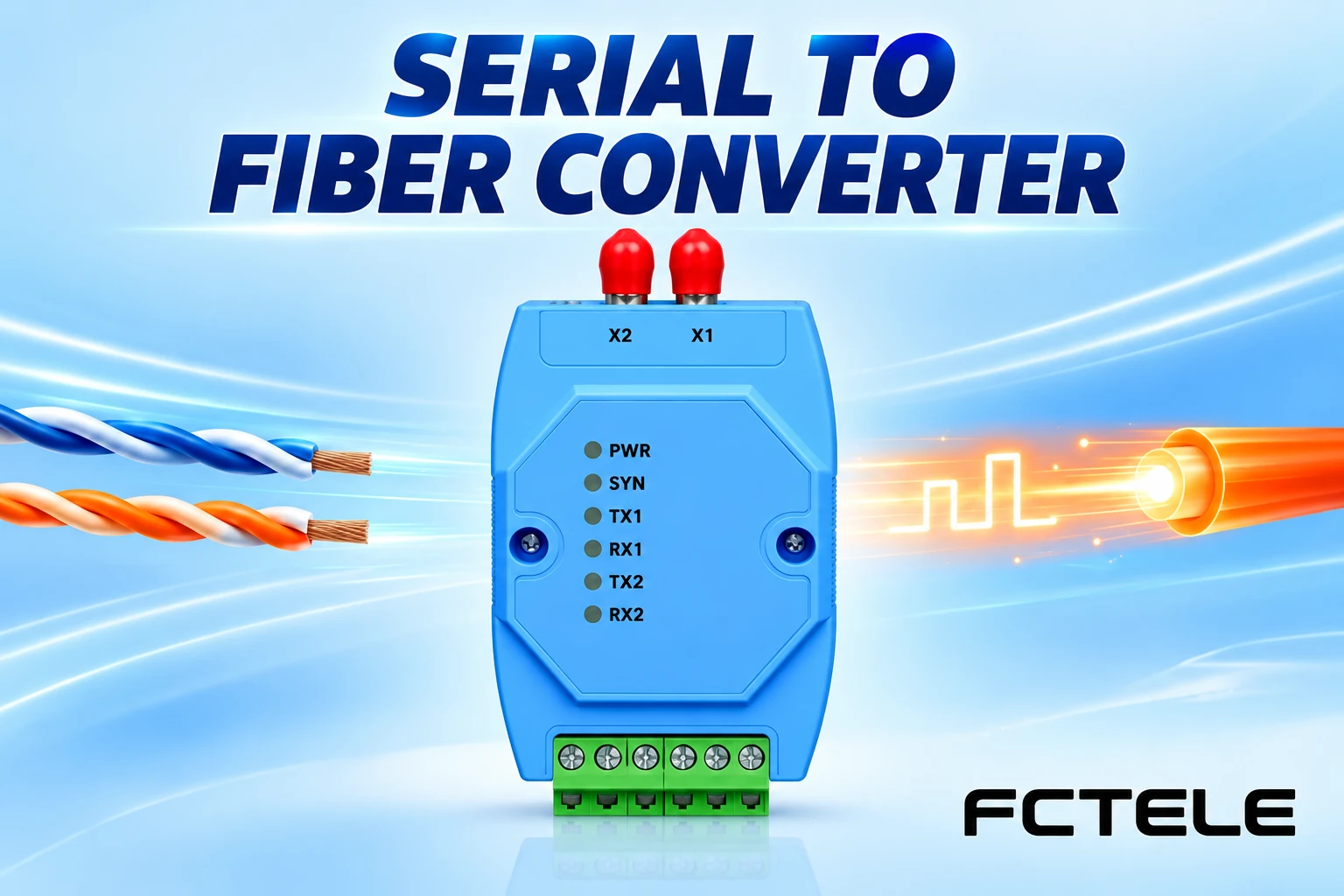
How Serial Fiber Converters Work: Optical Detection and Half-Duplex
A matched serial fiber pair changes the transmission medium while preserving the intended serial service.
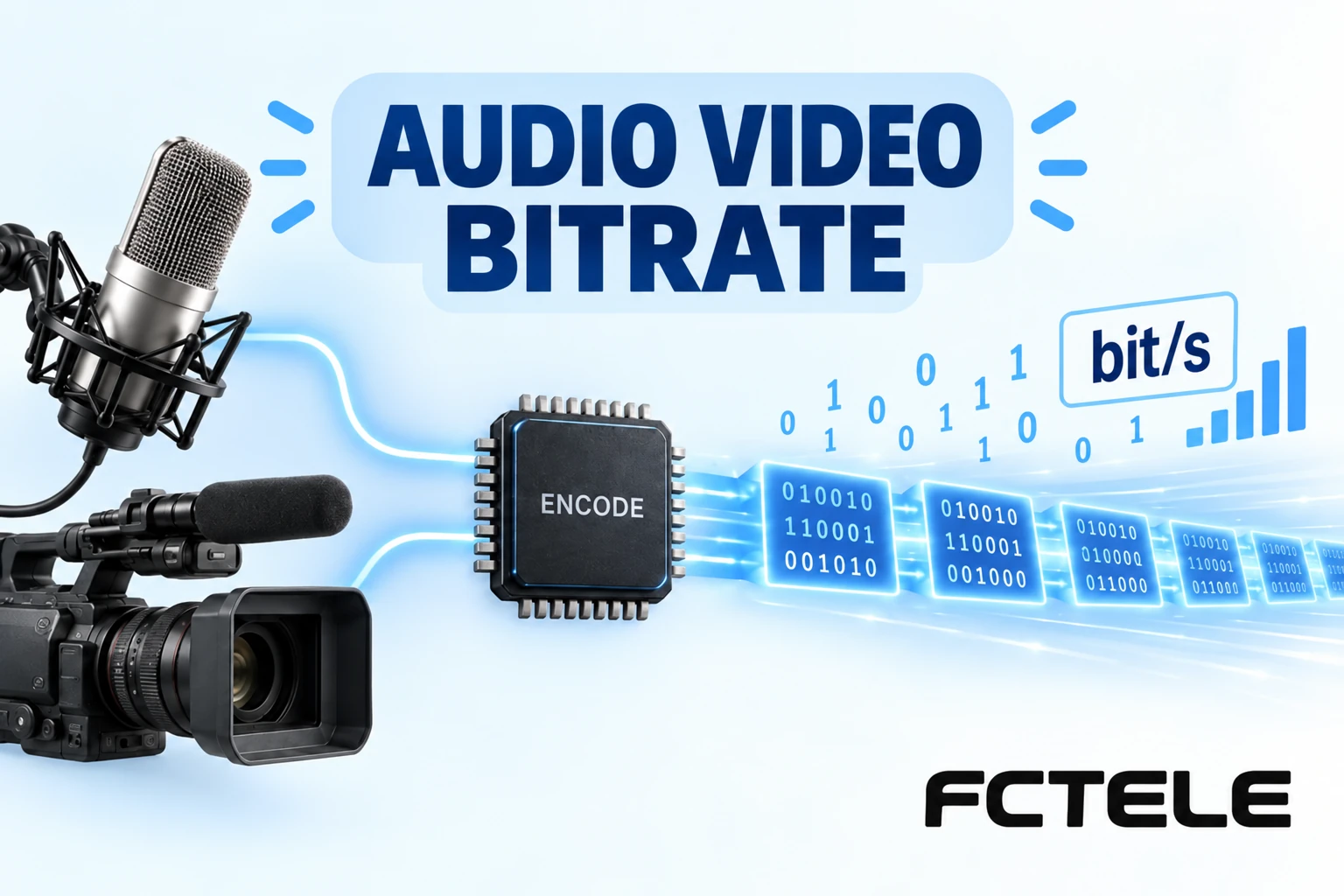
Audio and Video Bitrate: PCM, Compression and Network Capacity
Plan for the actual encoded streams, protocol overhead, traffic direction and simultaneous demand. Confirm the actual source format and channel count.
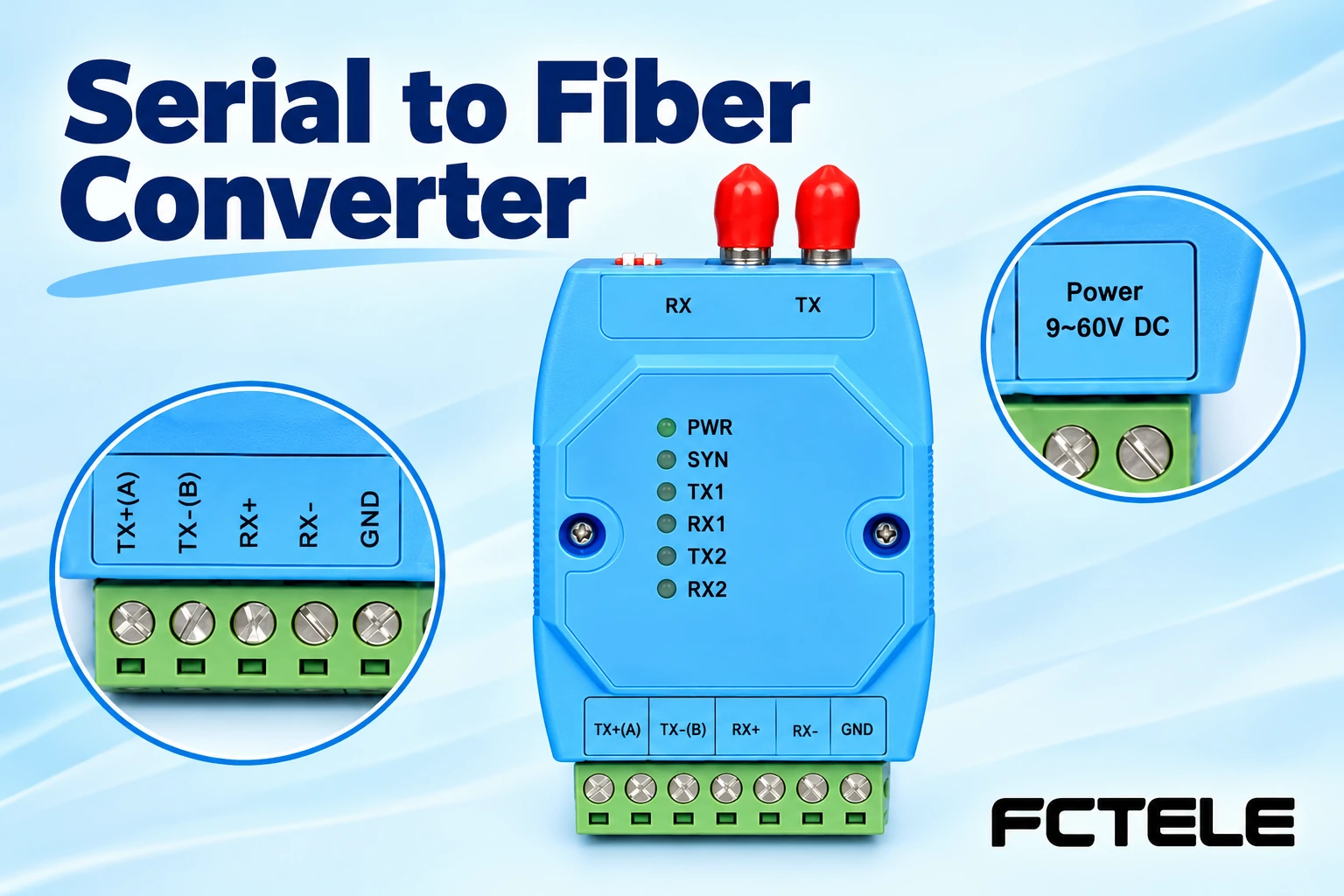
Choosing Serial Fiber Converters: Channels, Optics and Protection
Start with the actual serial endpoints, required simultaneous channels and compatible optical pair. Check the documented terminal definitions and service mode.
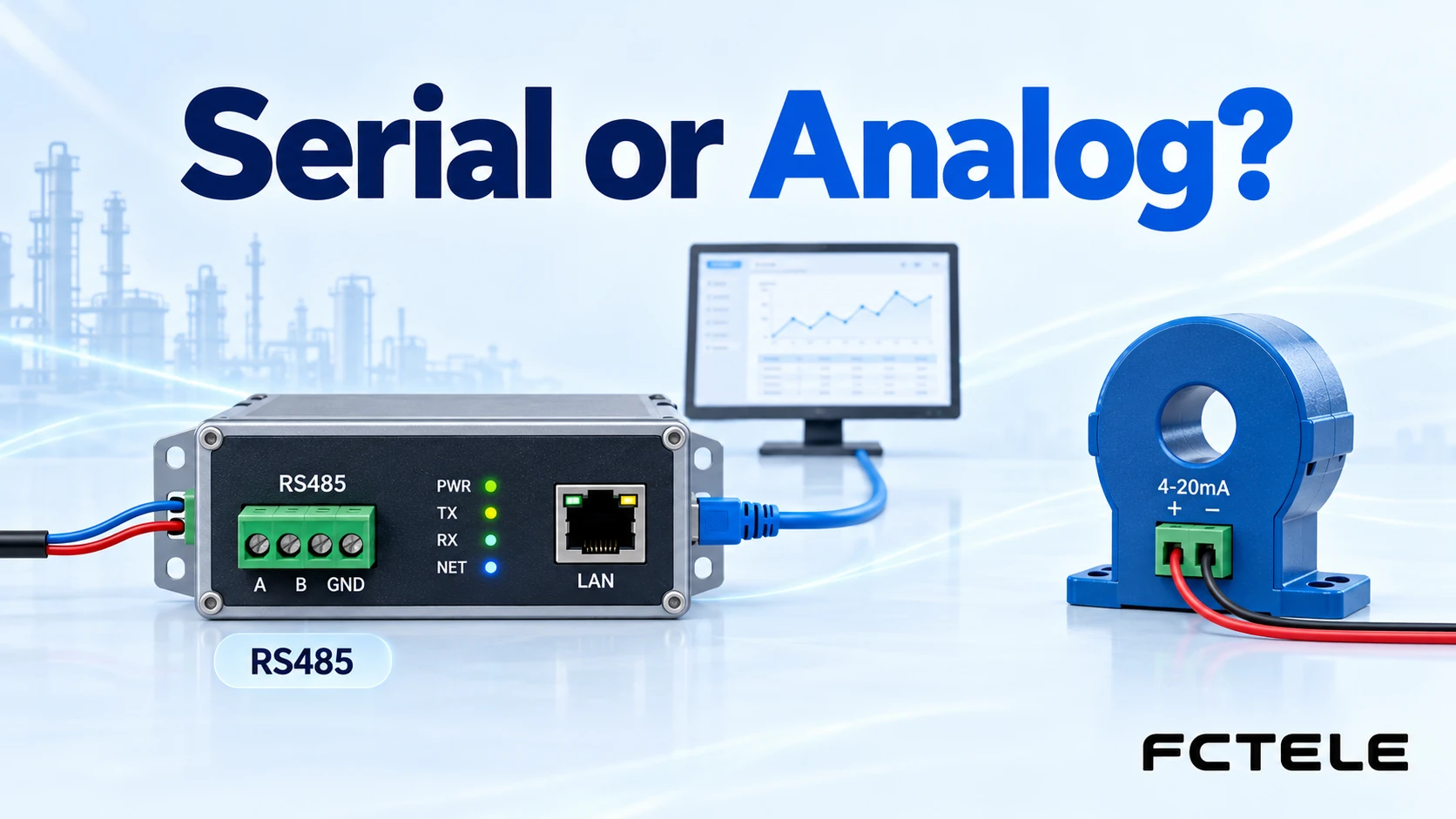
Serial Fiber, Protocol Gateways and Analog Sampling Explained
Media extension, electrical interface adaptation, application protocol translation and analog sampling are different jobs.
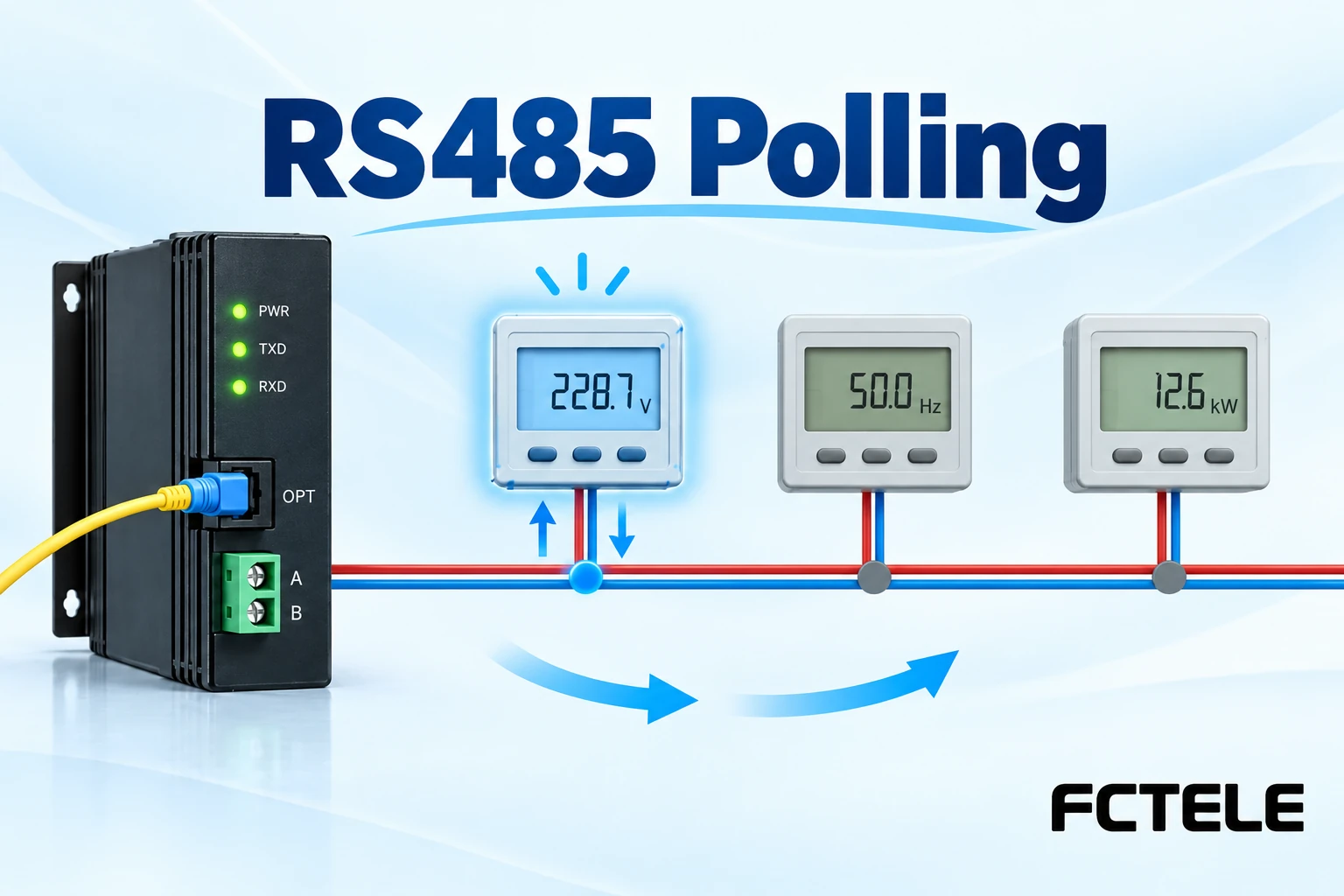
Multiple RS485 Instruments over One Fiber Pair: Polling and Timing
Multiple addressed instruments can share a supported serial network when wiring, bus ownership and protocol timing agree.
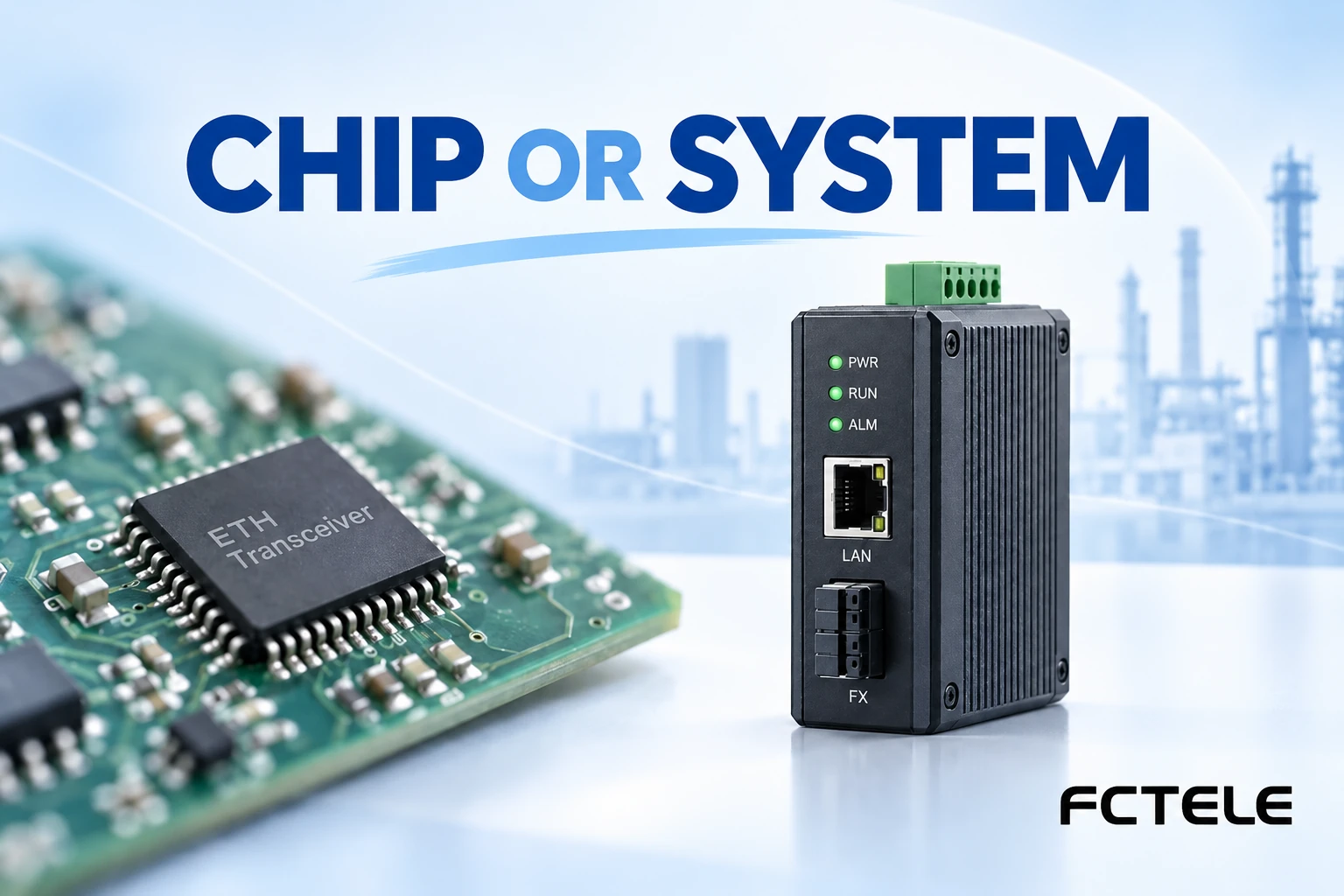
Industrial Transceivers: Interface Chips, Modules and Fiber Units
Transceiver can describe a line-interface chip, a radio module or a complete optical conversion device.
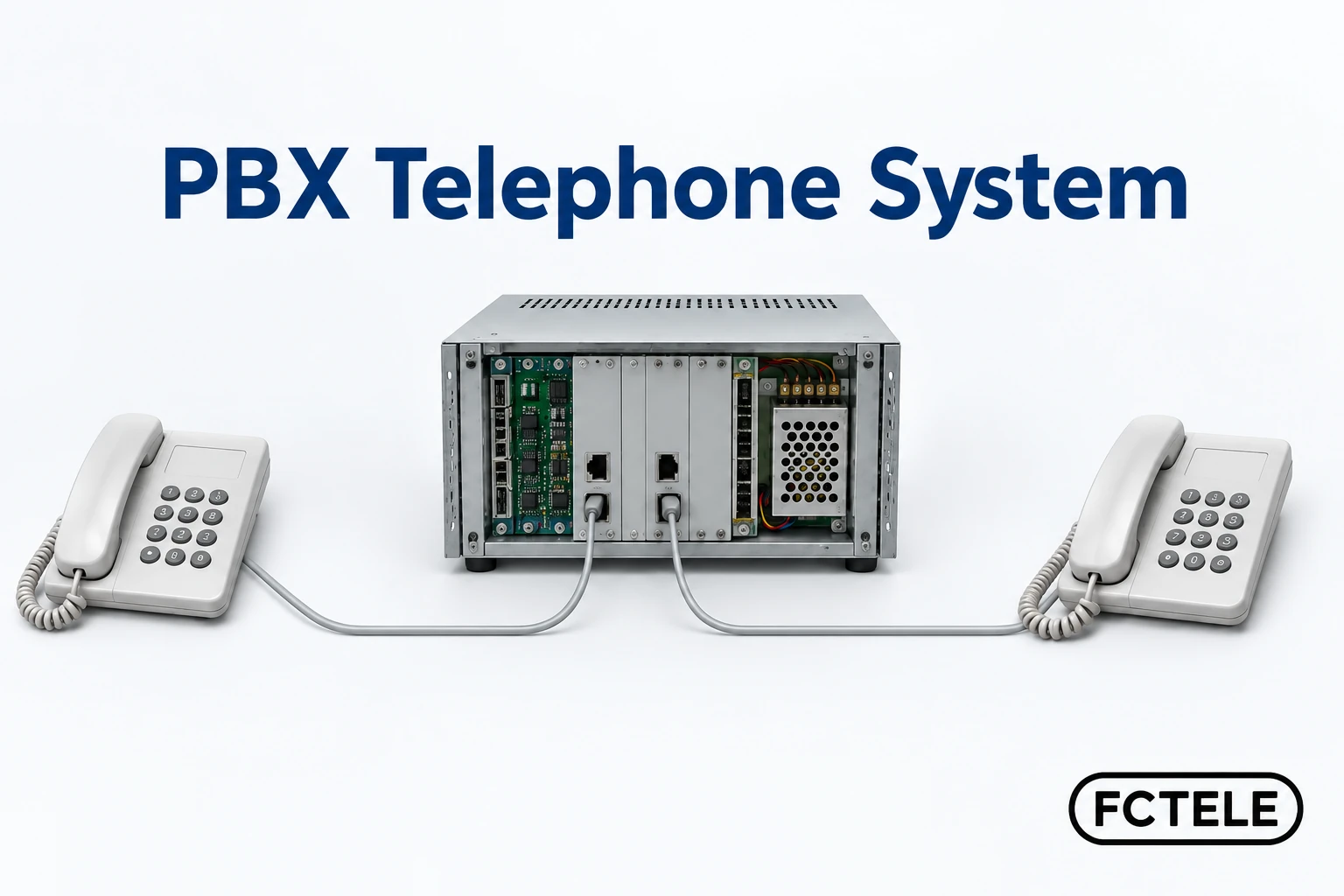
How a PBX Works: Call Control, Voice Switching and Fiber Extension
A PBX manages call setup and release and establishes supported voice paths between its interfaces. Verify both parties and resource release across test calls.
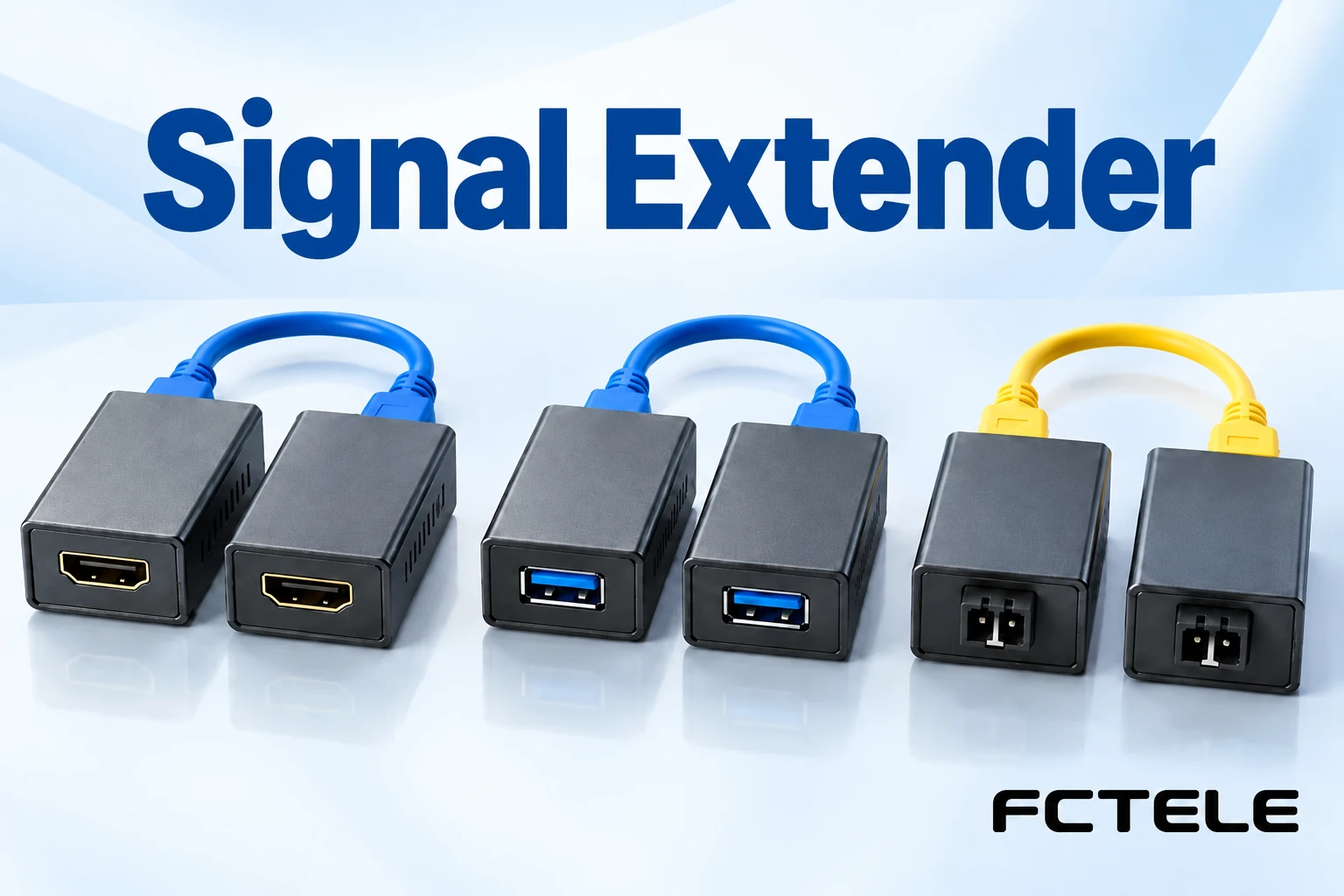
Signal Extender Types: Interfaces, Media and Compatibility
Choose video, USB or Ethernet extenders by signal roles, transmission method and endpoint compatibility instead of cable type or connector appearance.
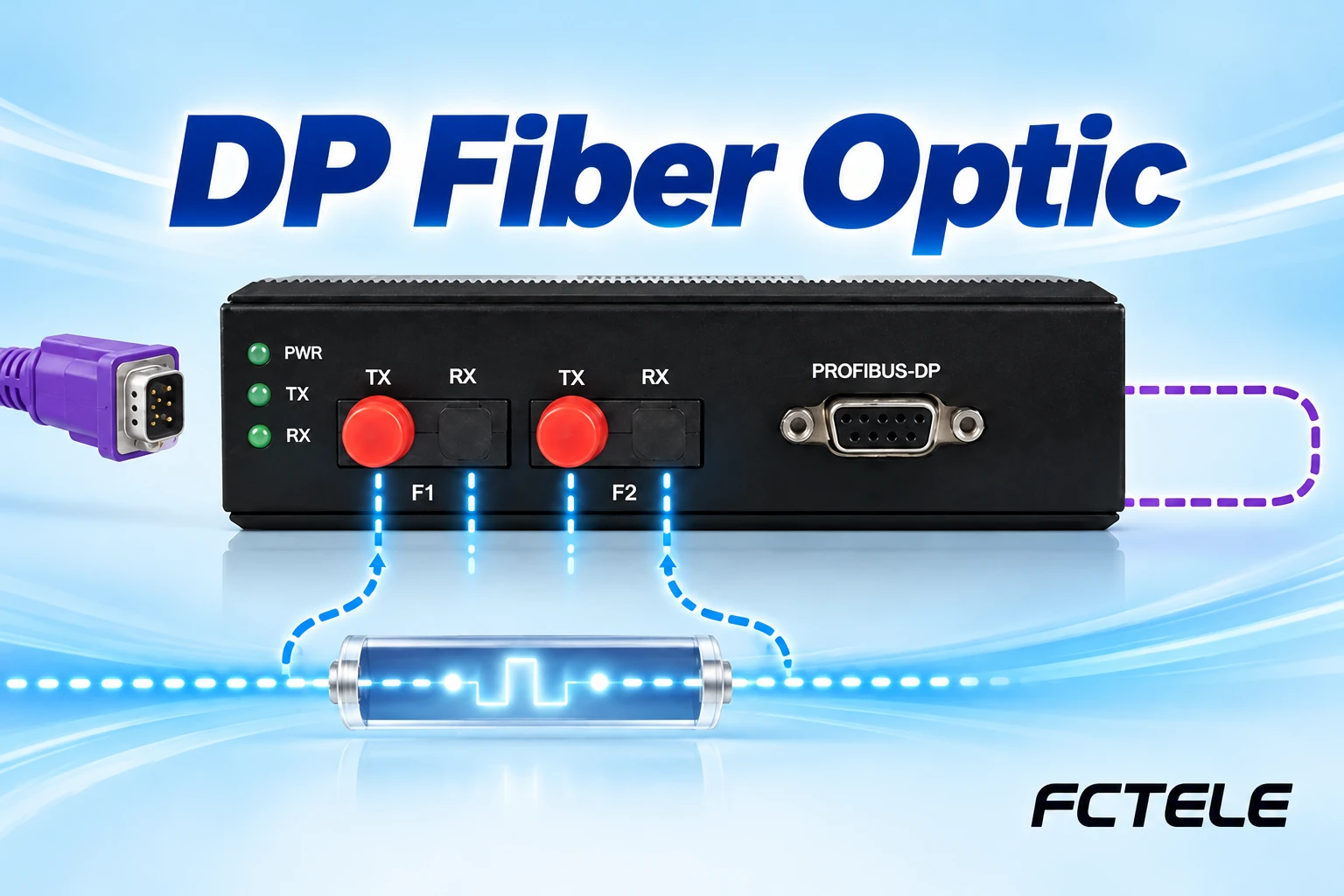
PROFIBUS-DP Fiber Repeaters: Conversion and Commissioning
Trace PROFIBUS-DP electrical-to-optical conversion, copper termination and timing limits, then commission a matched pair from a short-link baseline.
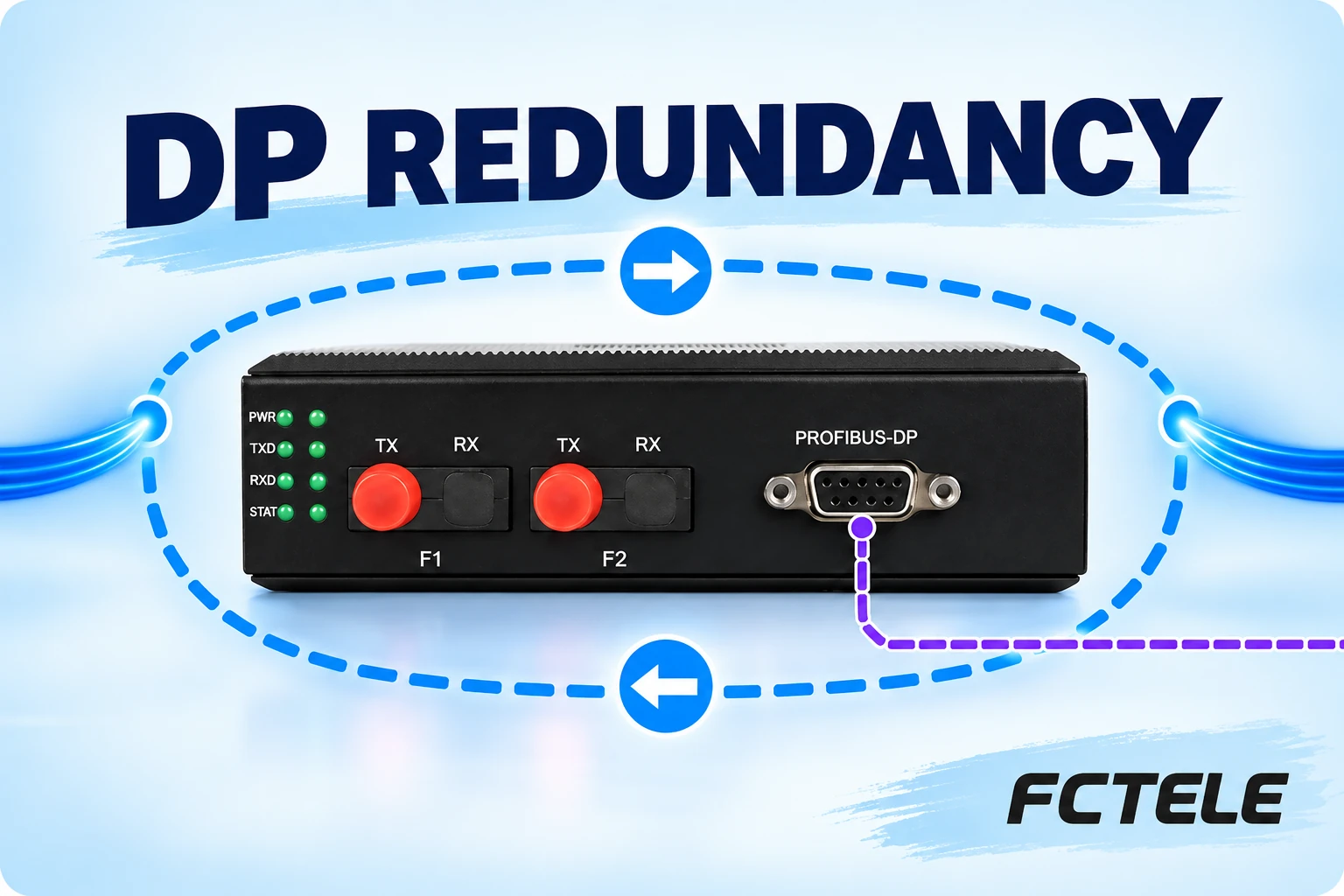
PROFIBUS-DP Dual Buses vs Dual Optical Ports
Distinguish two copper segments, independent DP services and dual optical paths, then test the actual faults covered by a supported redundant topology.
