

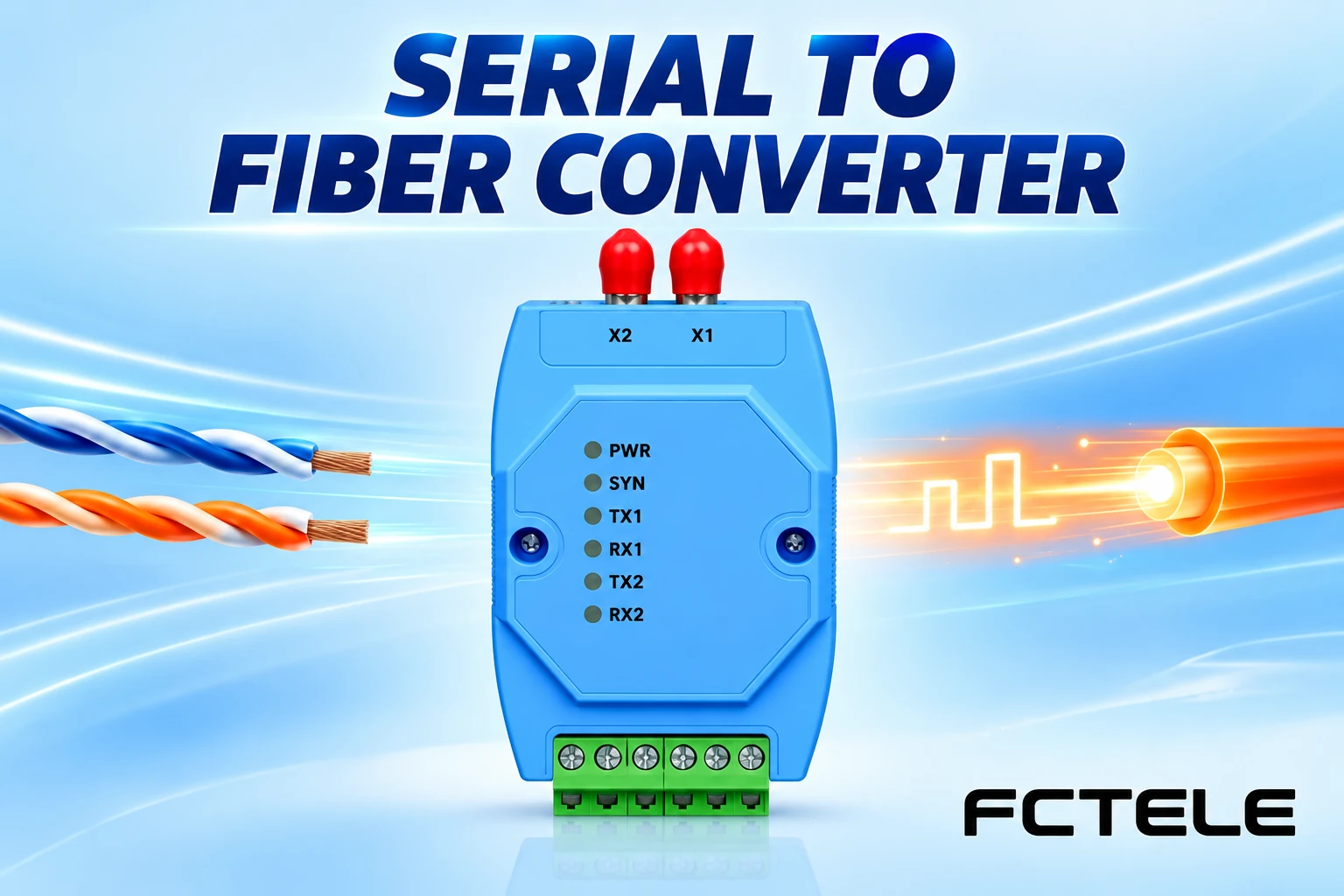
How Serial Fiber Converters Work: Optical Detection and Half-Duplex
A matched serial fiber pair changes the transmission medium while preserving the intended serial service.
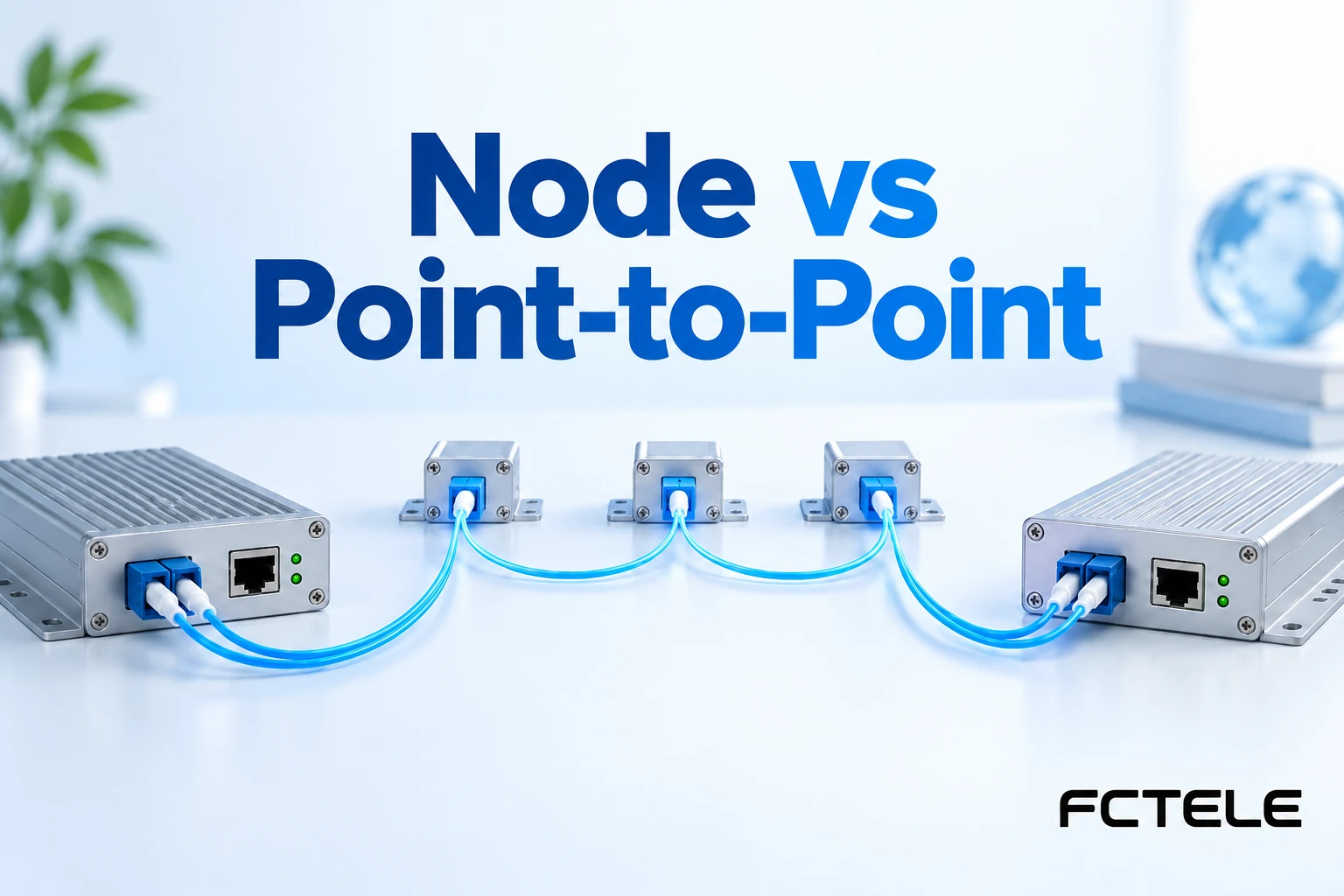
Node-Based vs Point-to-Point Fiber: Aggregation and Protection
Choose topology from service relationships, shared capacity and the required fault boundaries. Draw every service source, destination and shared link.
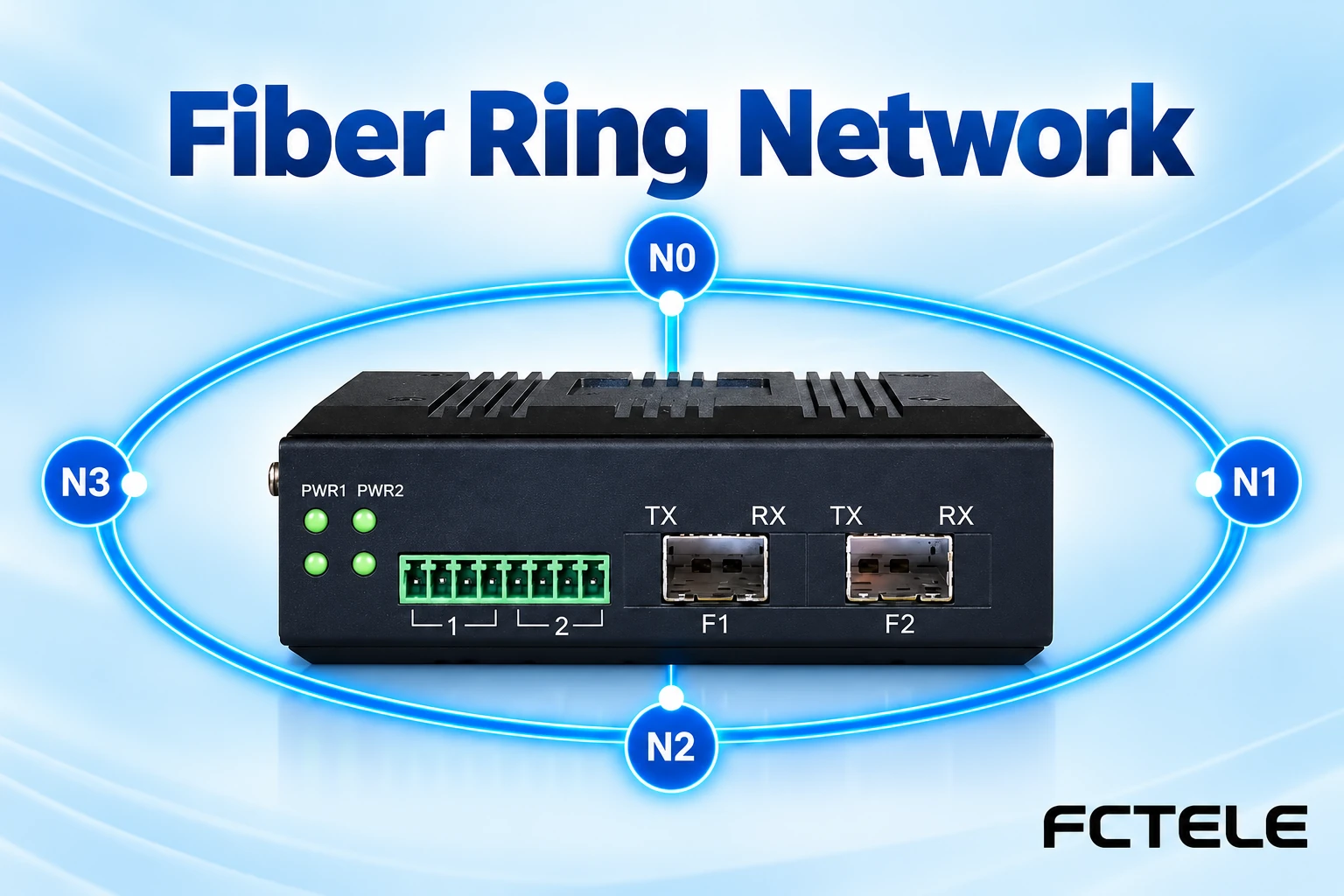
RS485 Fiber Rings: Master Polling, Backup Paths and Fault Tests
An RS485 fiber ring needs coordinated serial access and a supported protection mechanism. Check each slave with a known read-only request.
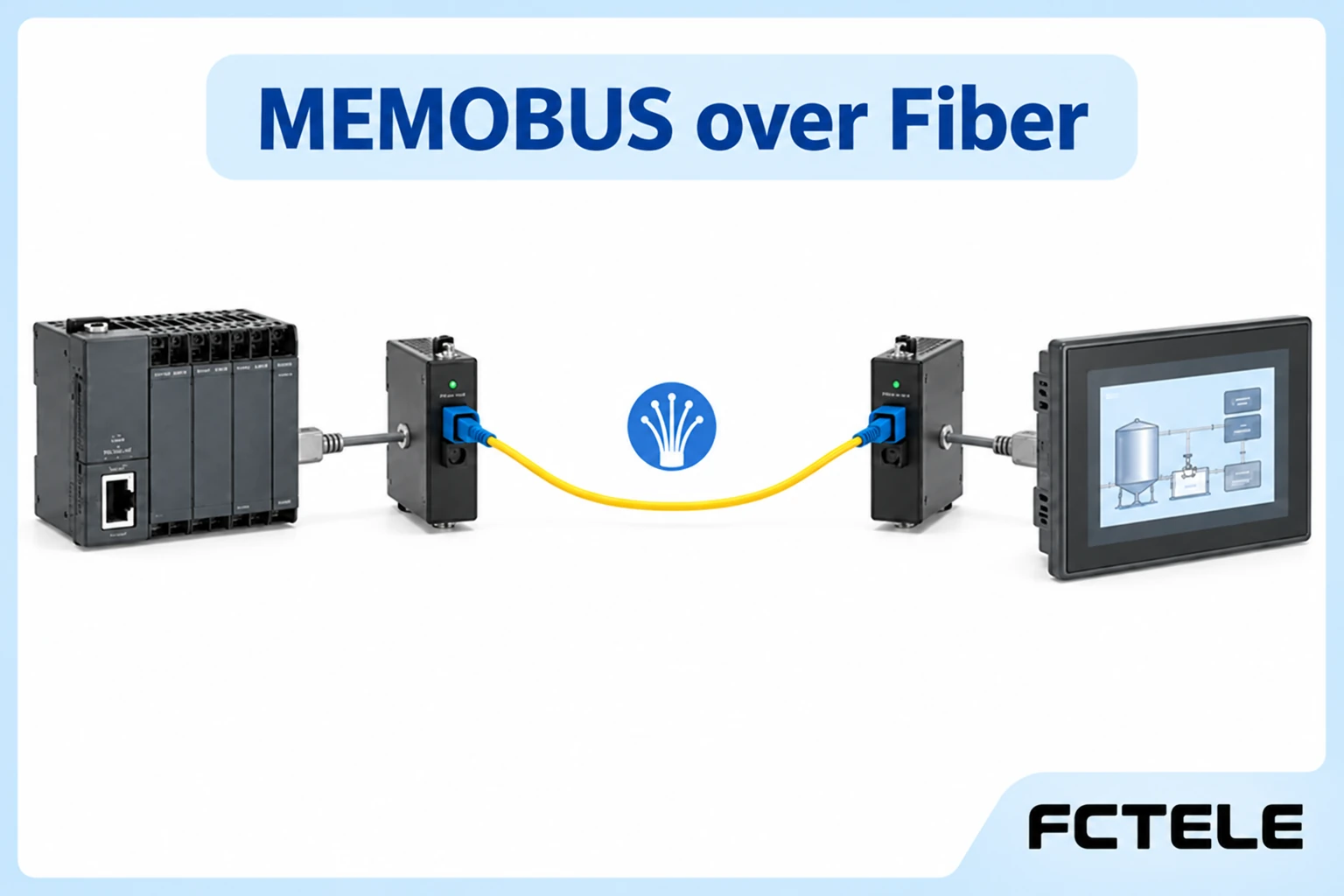
MEMOBUS over Fiber: Transparent Serial Data and Turnaround Timing
Transparent serial fiber extension carries compatible serial data; it does not automatically interpret or translate MEMOBUS transactions.
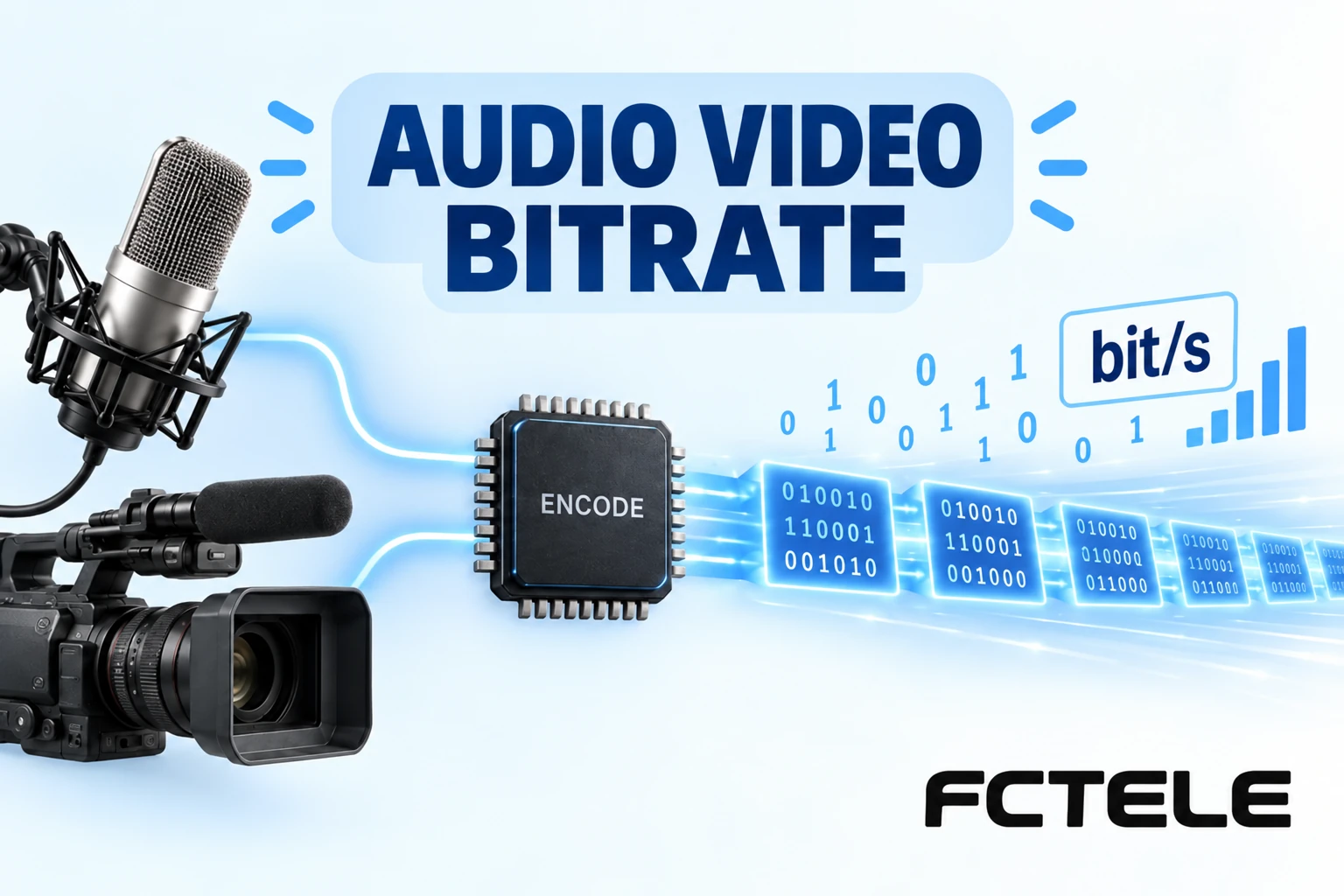
Audio and Video Bitrate: PCM, Compression and Network Capacity
Plan for the actual encoded streams, protocol overhead, traffic direction and simultaneous demand. Confirm the actual source format and channel count.
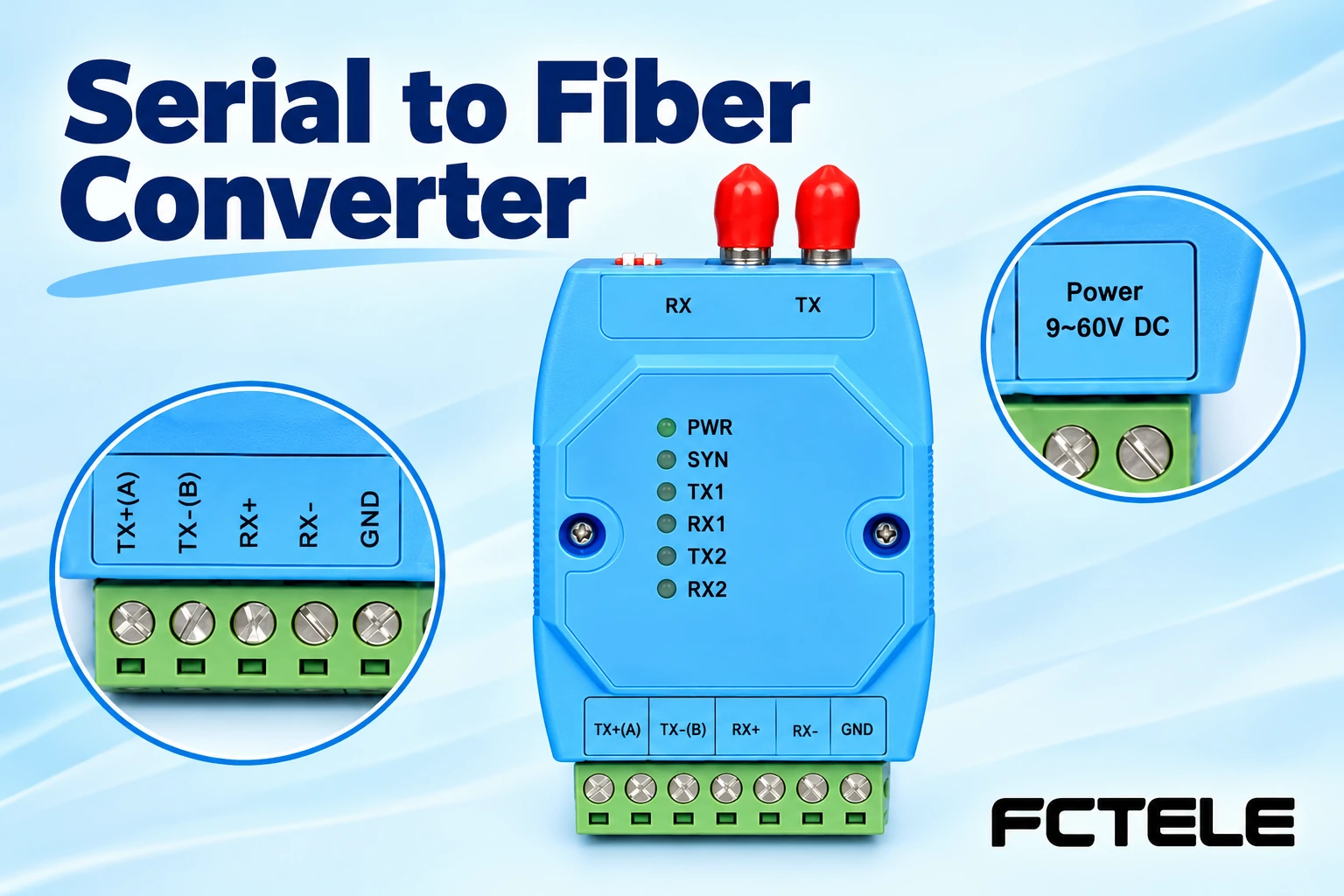
Choosing Serial Fiber Converters: Channels, Optics and Protection
Start with the actual serial endpoints, required simultaneous channels and compatible optical pair. Check the documented terminal definitions and service mode.
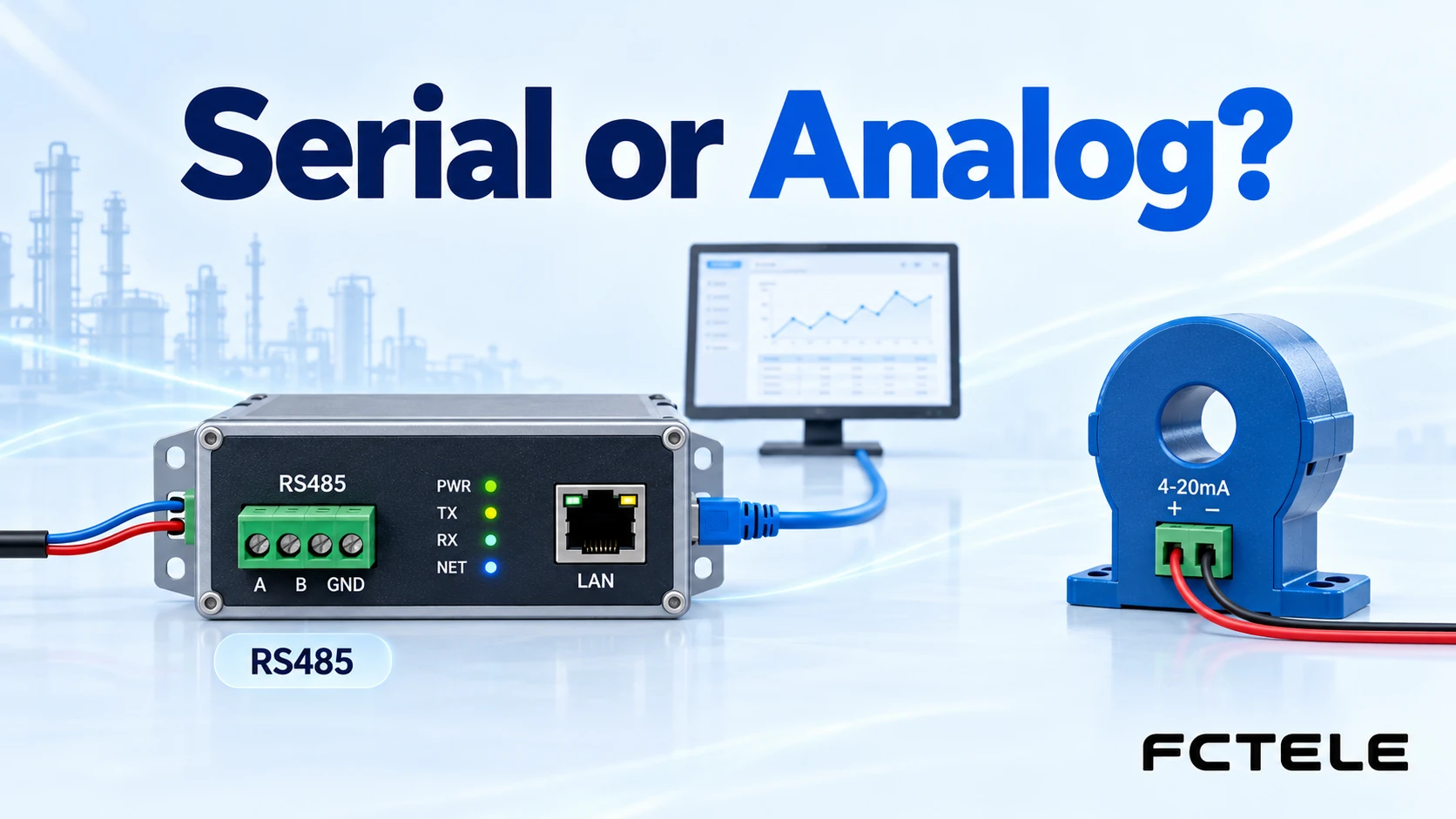
Serial Fiber, Protocol Gateways and Analog Sampling Explained
Media extension, electrical interface adaptation, application protocol translation and analog sampling are different jobs.
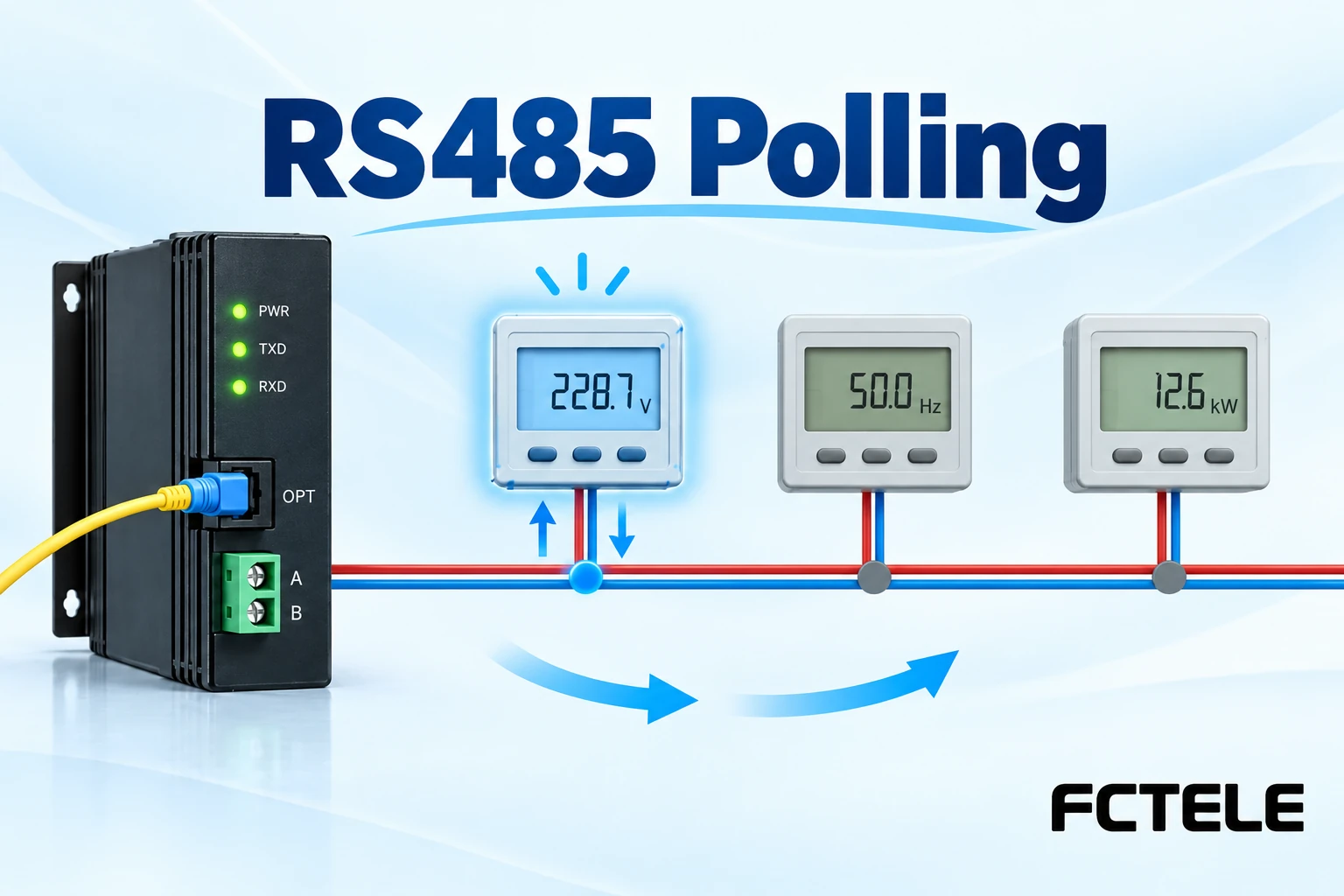
Multiple RS485 Instruments over One Fiber Pair: Polling and Timing
Multiple addressed instruments can share a supported serial network when wiring, bus ownership and protocol timing agree.
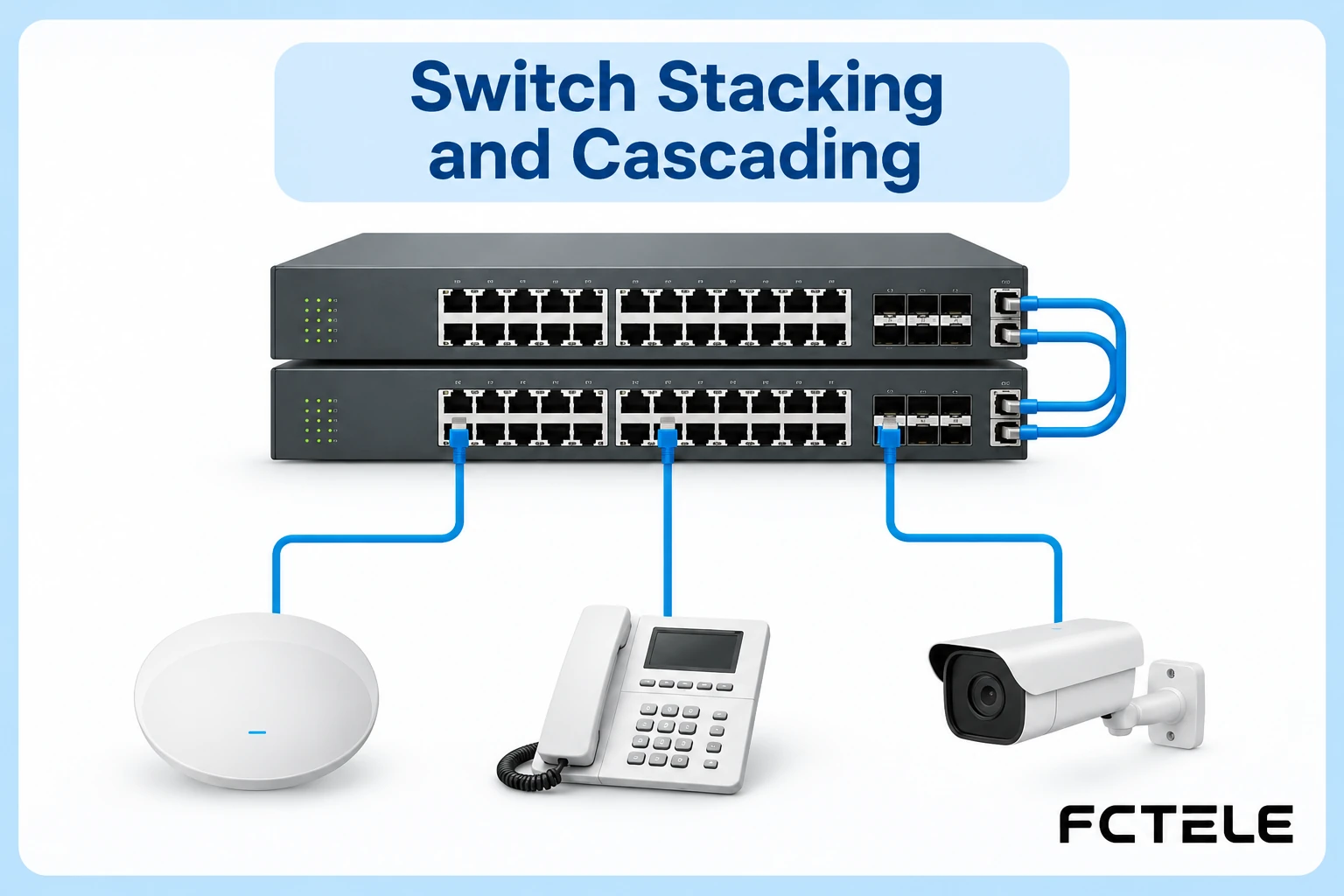
Switch Stacking vs Cascading: Capacity and Failure Boundaries
Cascading connects switches through network links, while supported stacking can coordinate several units as a managed system.
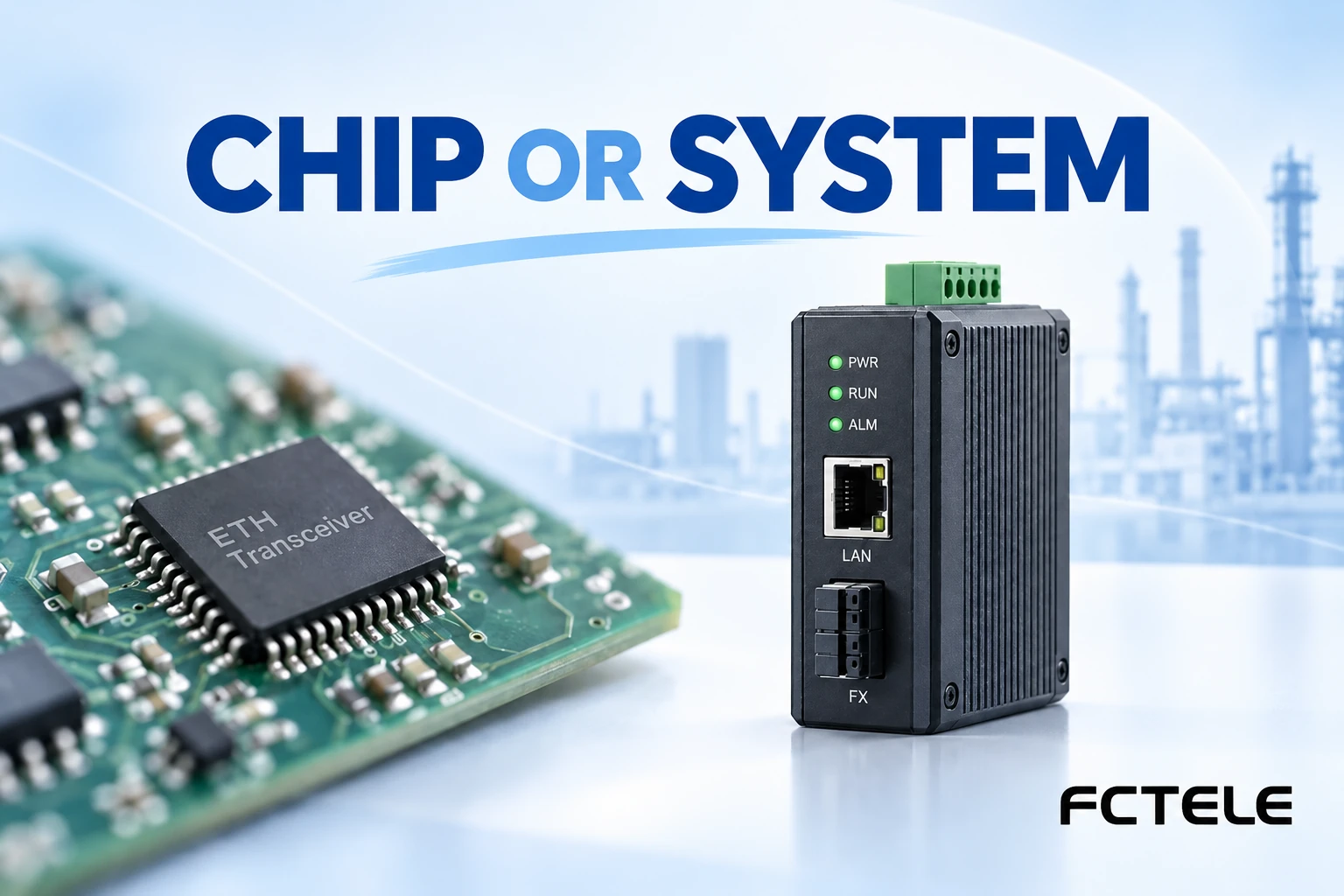
Industrial Transceivers: Interface Chips, Modules and Fiber Units
Transceiver can describe a line-interface chip, a radio module or a complete optical conversion device.
