
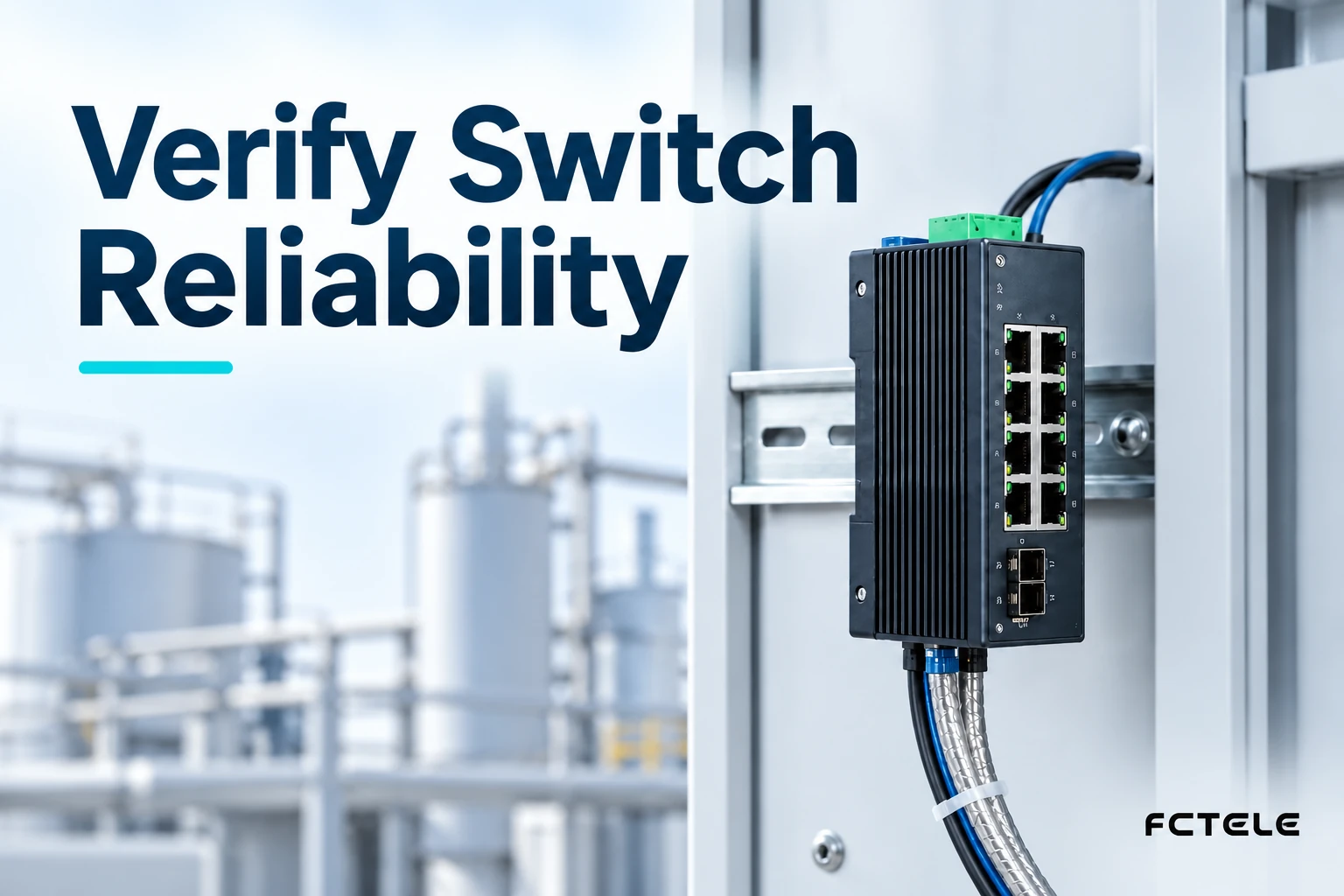
How to Verify Industrial Switch Reliability: Environment, Redundancy, and Lifetime Boundaries
Verify switch reliability through installation evidence, independent power paths and actual service recovery. Keep warranty, MTBF and supported environmental limits distinct.
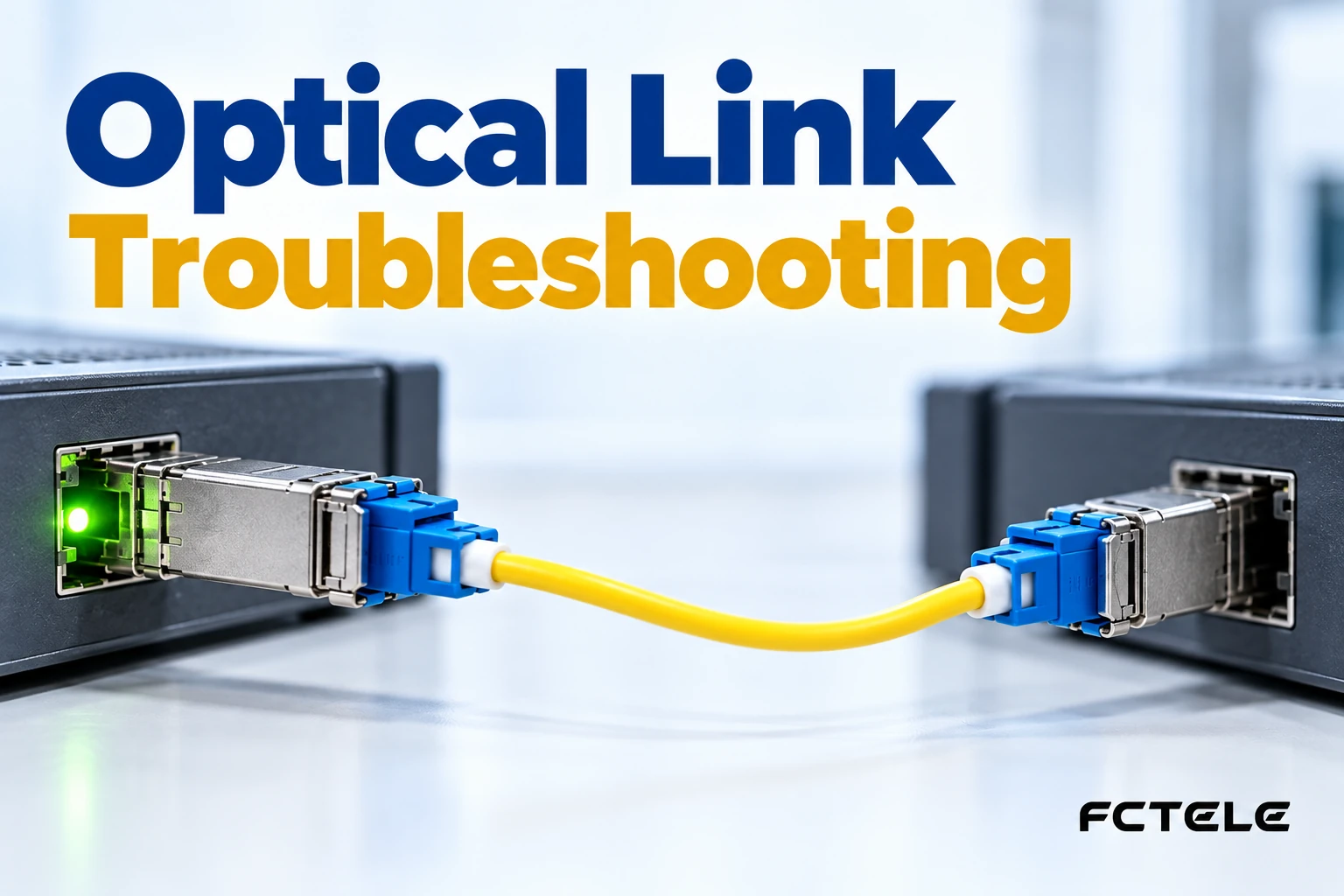
How to Troubleshoot When One End of an Optical Link Is Dark: Transmit/Receive Directions, Power Windows, and Service Verification
Troubleshoot a dark optical direction using endpoint identity, transmit-receive mapping and measured power. Distinguish propagated link indications from root faults.
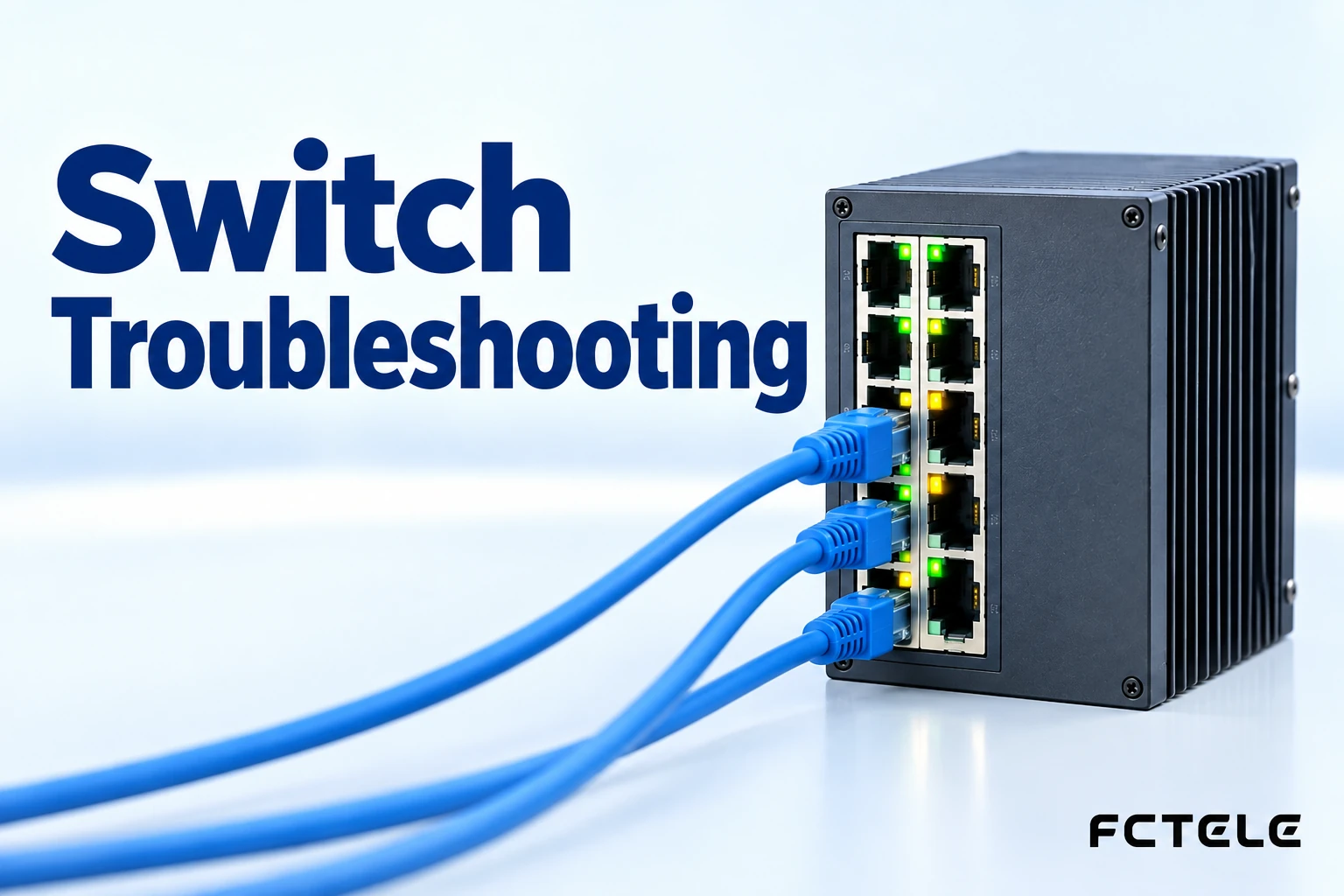
How to Troubleshoot Industrial Switch Faults by Layers: Link, Forwarding, Congestion, and Power
Isolate switch faults with preserved evidence and one-variable comparisons. Separate physical errors, forwarding rules, output congestion and actual application behavior.
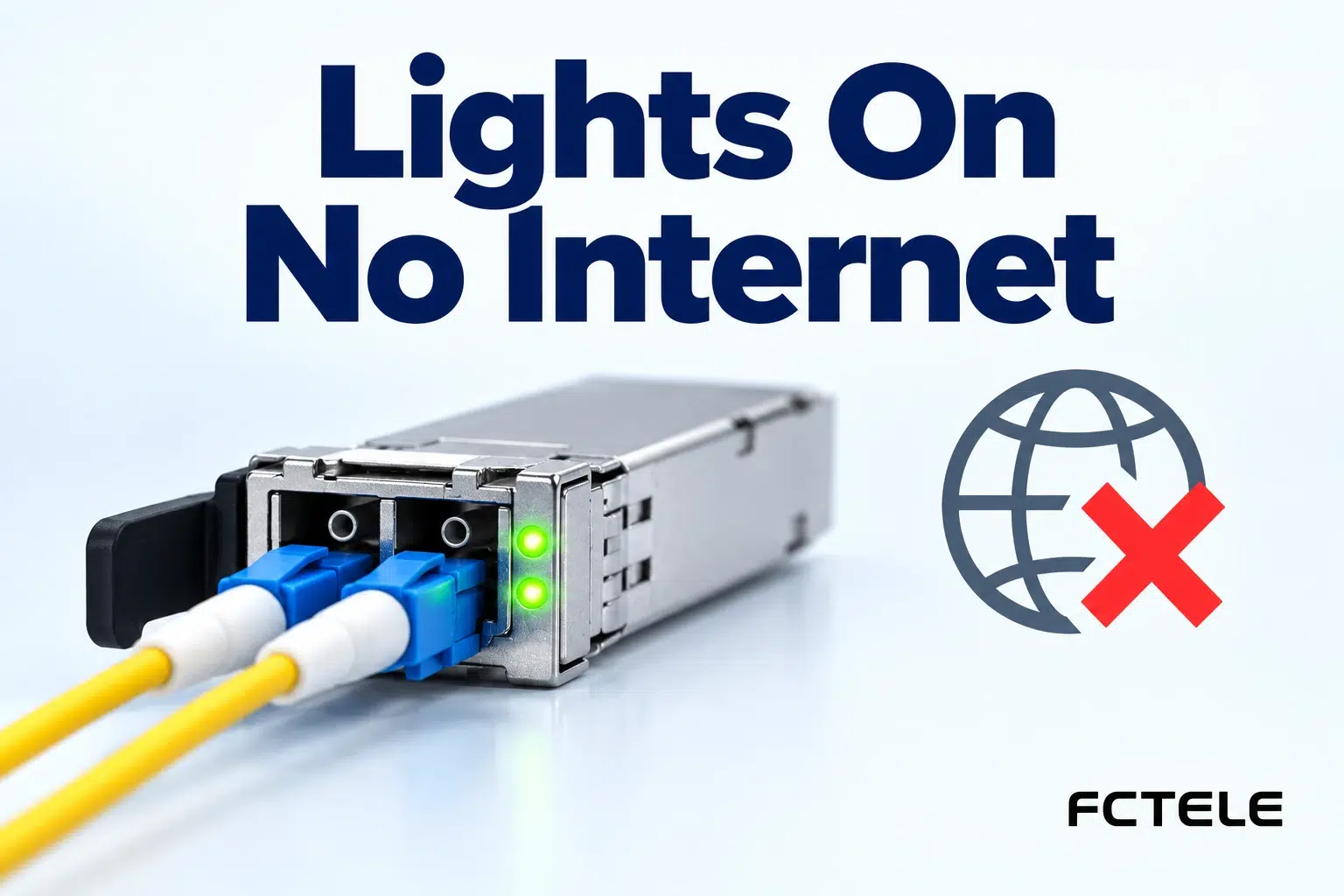
Fiber Transceiver Lights On but No Internet: Evidence-Based Troubleshooting for Cross-Building Links
Troubleshoot cross-building connectivity by tracing the gateway, address and DNS path separately from optical indications. Keep tests tied to their actual network scope.
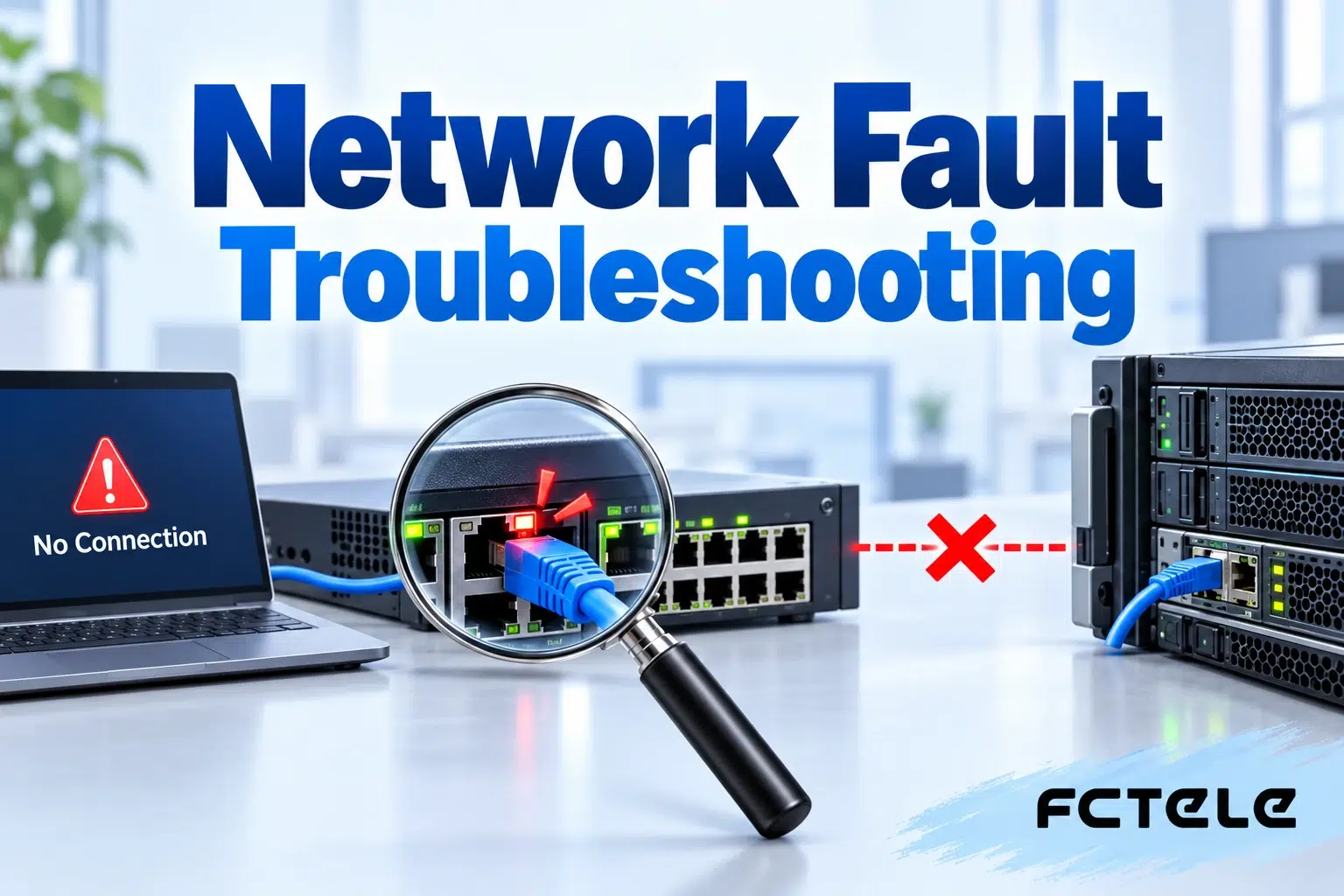
How to Locate Network Device Faults: From Physical Link to Routing and Applications
Locate faults with evidence from the affected scope, stable links, VLAN/MAC state, return routes and application logs. Preserve counters before restarting equipment.
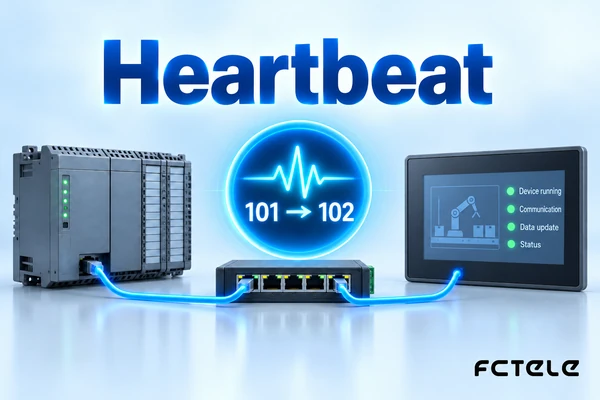
Link UP but Stale Data: How Industrial Heartbeats, Timeouts and Watchdogs Detect False Online Status
Separate physical LINK, TCP reachability and fresh application data. Bind heartbeats to the monitored task and verify timeout, stale-value handling and staged recovery.
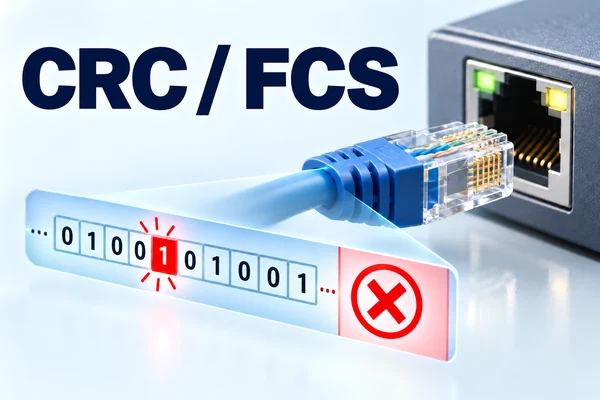
Industrial Ethernet CRC and FCS: Detecting and Locating Bad Frames
Separate CRC calculation, frame FCS and congestion drops. Use receive-counter changes and capture limits to investigate corrupt frames without guessing a failed device.
