

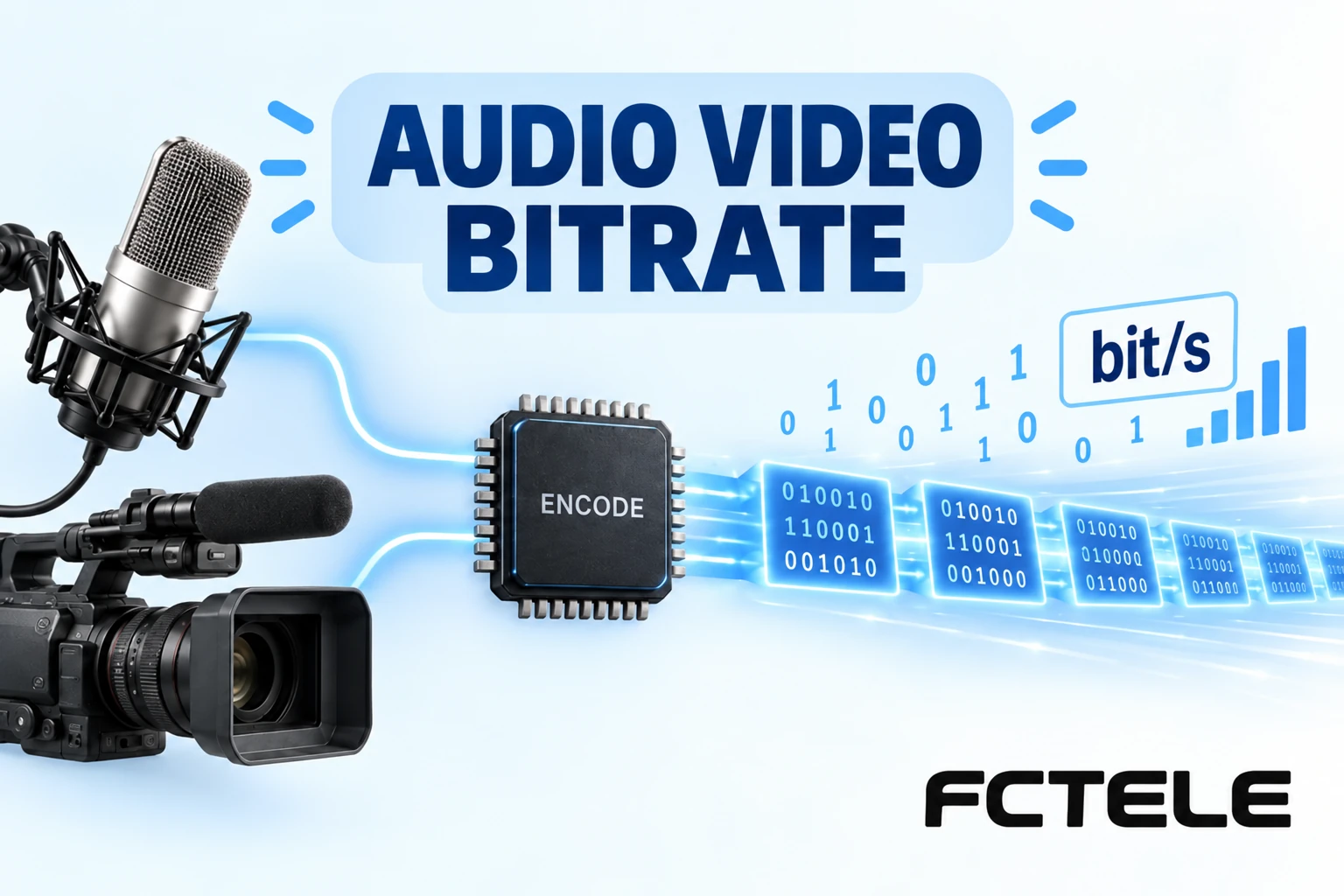
Audio and Video Bitrate: PCM, Compression and Network Capacity
Plan for the actual encoded streams, protocol overhead, traffic direction and simultaneous demand. Confirm the actual source format and channel count.
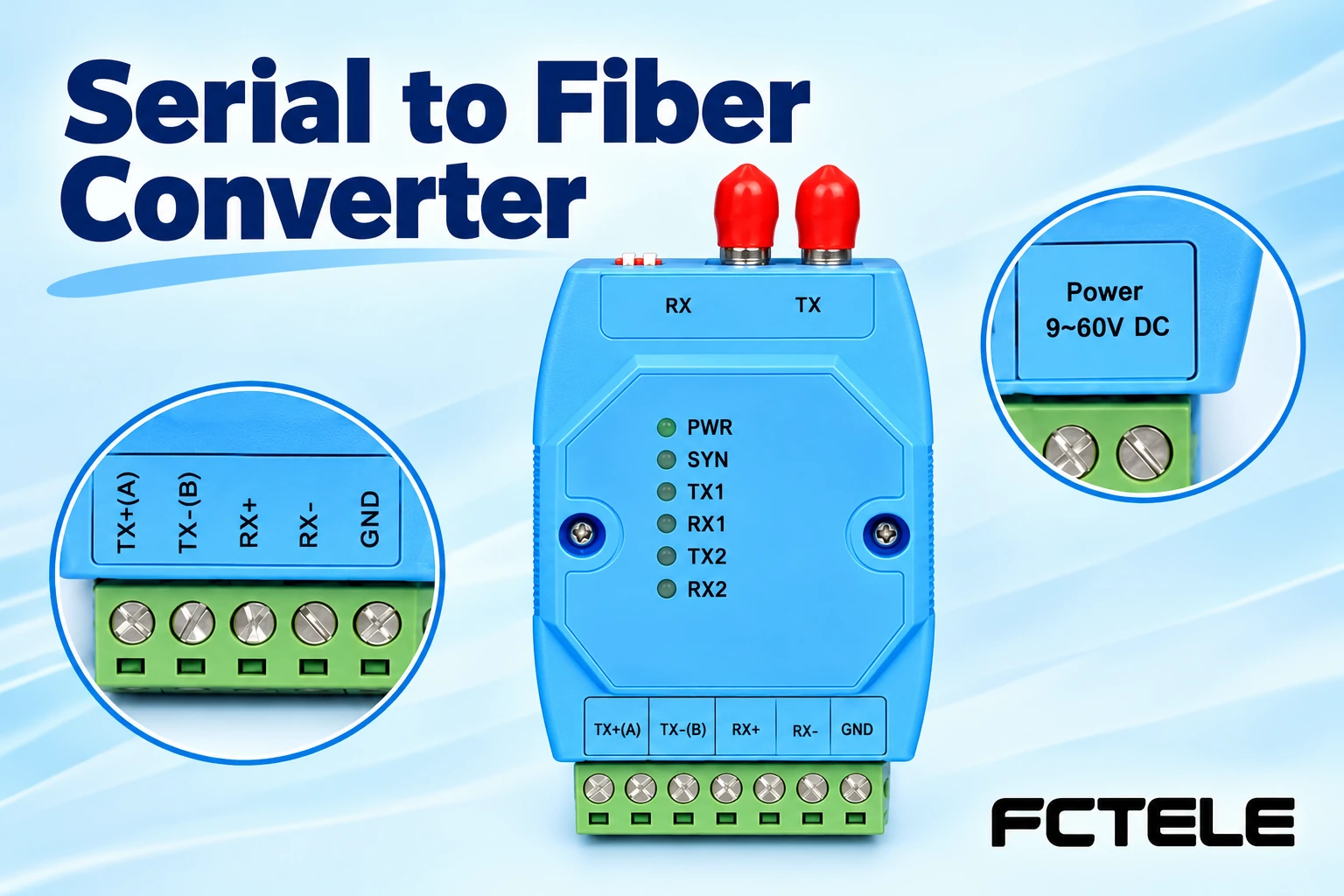
Choosing Serial Fiber Converters: Channels, Optics and Protection
Start with the actual serial endpoints, required simultaneous channels and compatible optical pair. Check the documented terminal definitions and service mode.
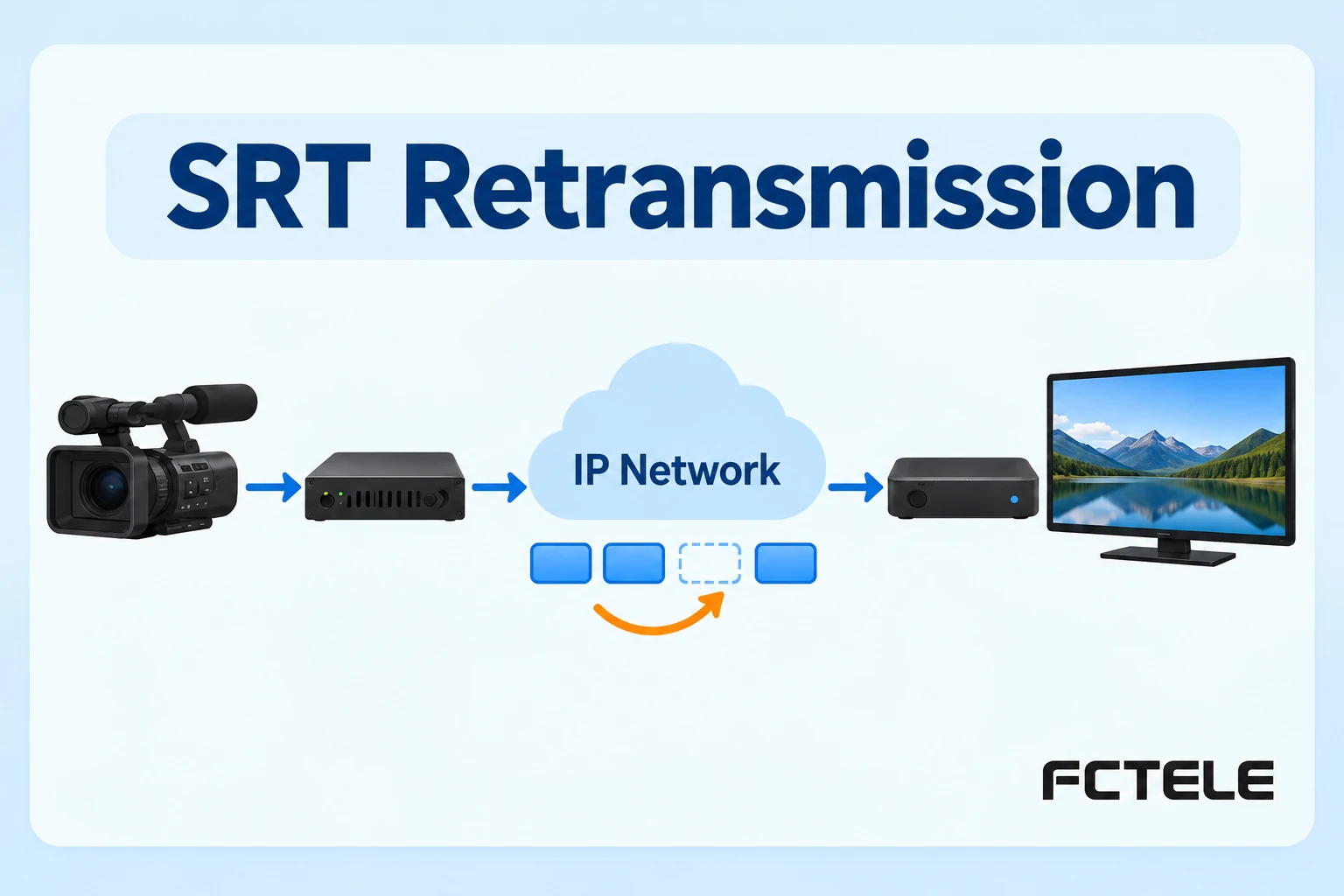
SRT Video Transport: Retransmission, Buffering and Connection Roles
SRT uses transport recovery mechanisms and buffering to handle supported packet loss within a configured latency budget.
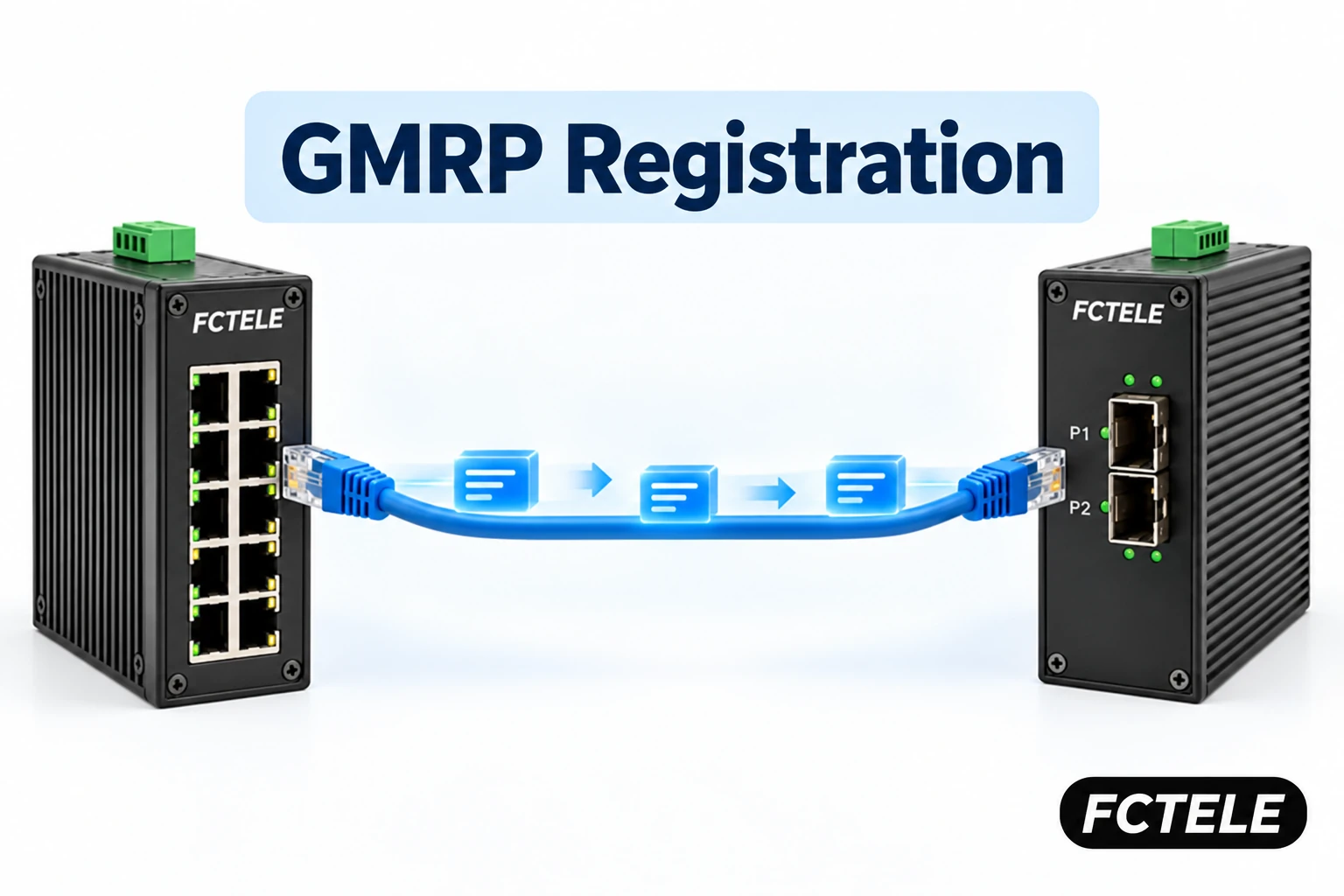
GMRP Multicast Registration: Join, Leave and IGMP Differences
GMRP registers Layer 2 multicast membership, while IGMP-related functions concern IPv4 multicast group signaling.
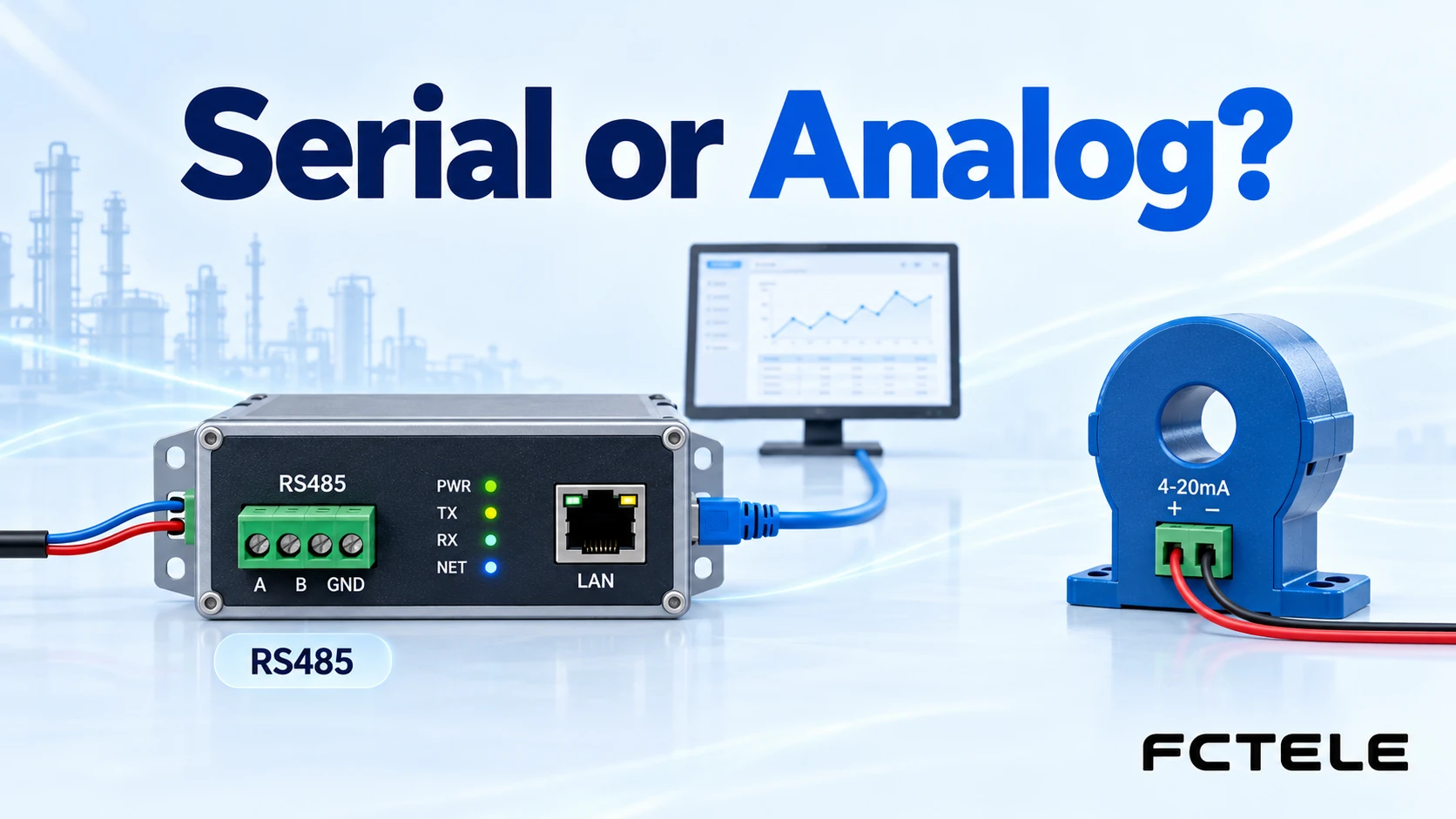
Serial Fiber, Protocol Gateways and Analog Sampling Explained
Media extension, electrical interface adaptation, application protocol translation and analog sampling are different jobs.
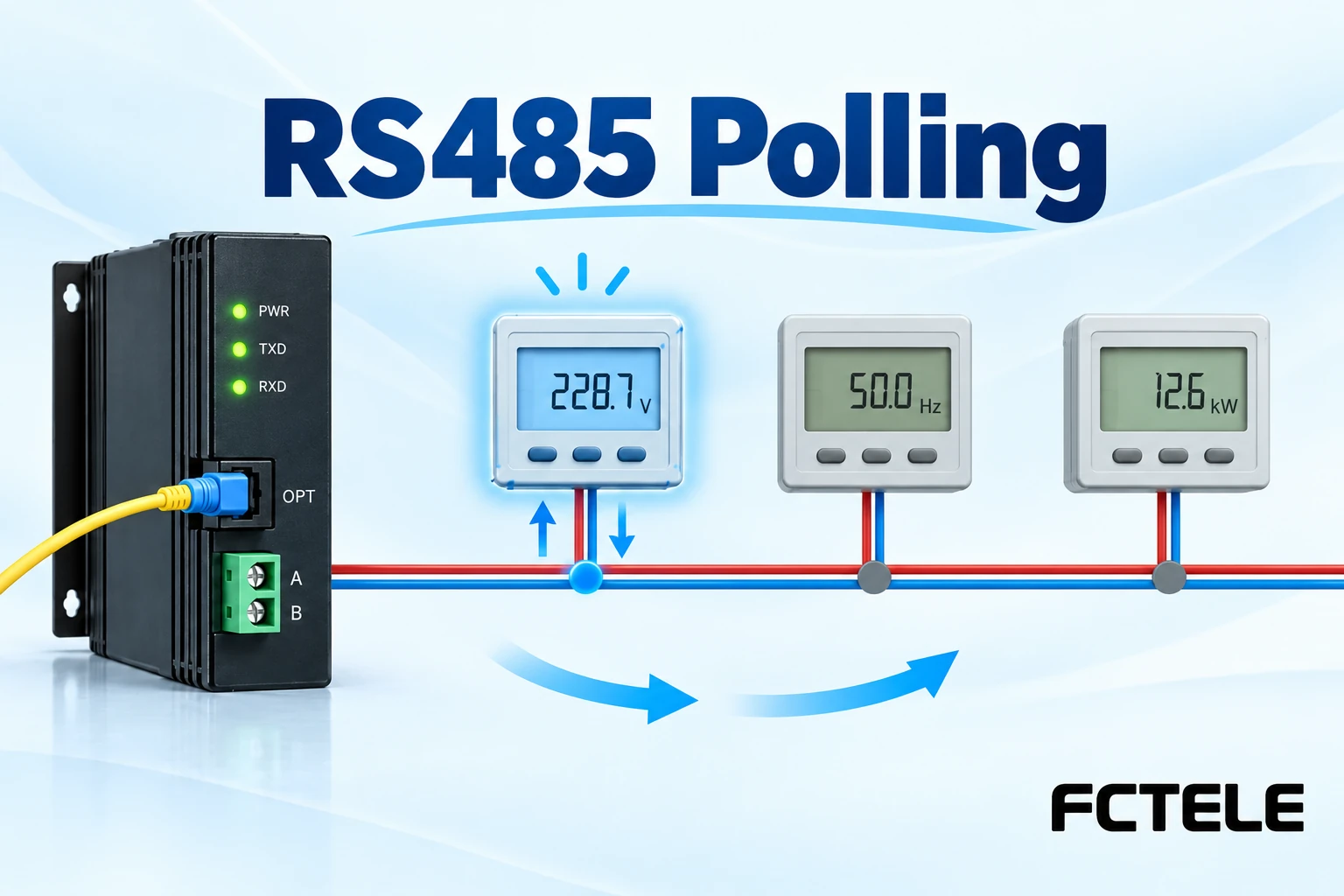
Multiple RS485 Instruments over One Fiber Pair: Polling and Timing
Multiple addressed instruments can share a supported serial network when wiring, bus ownership and protocol timing agree.
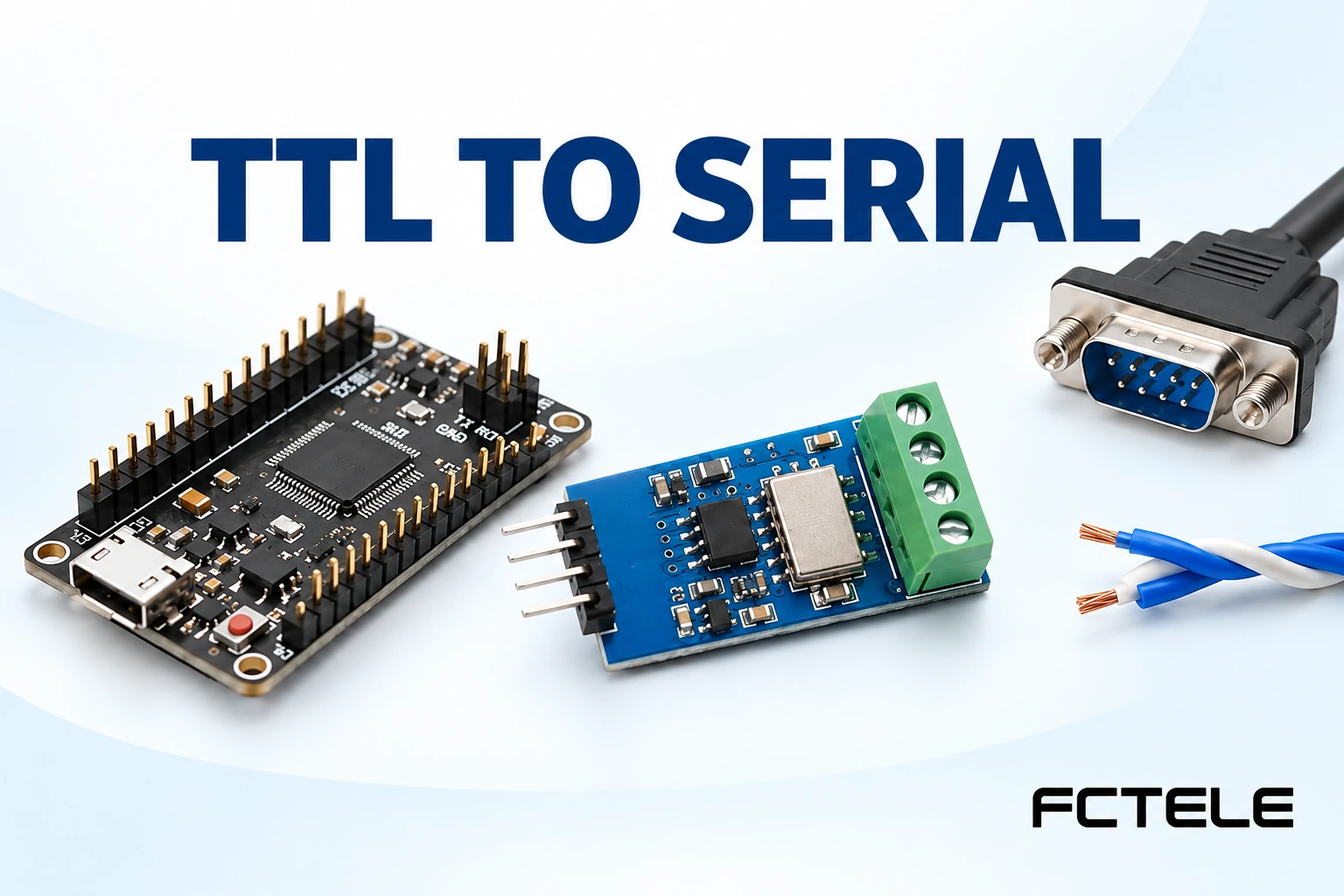
UART Logic Levels, RS232 and RS485: Electrical Conversion
UART character handling and the electrical line interface are different layers. Match the complete character configuration at both ends.
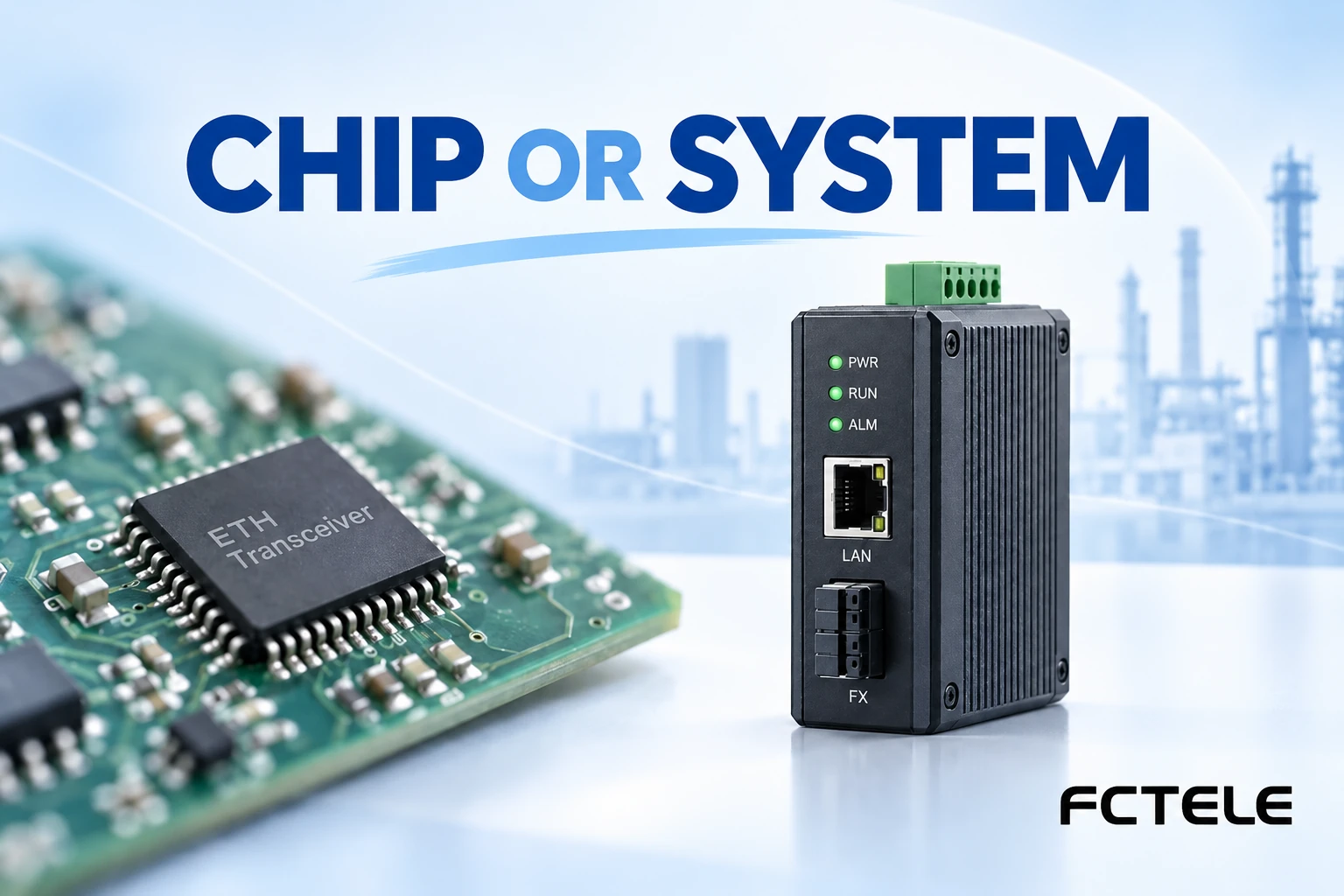
Industrial Transceivers: Interface Chips, Modules and Fiber Units
Transceiver can describe a line-interface chip, a radio module or a complete optical conversion device.
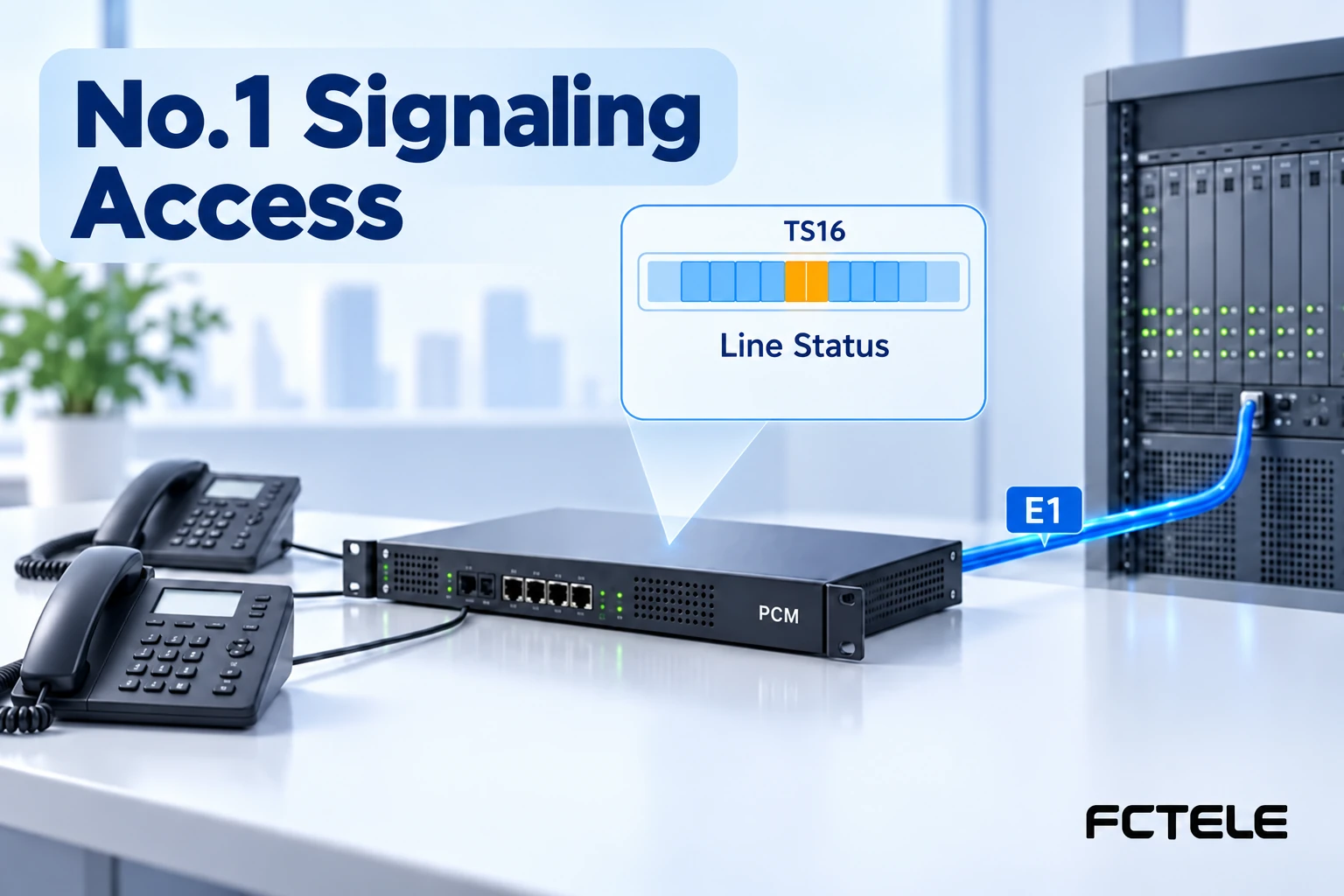
Chinese No.1 Signaling: CAS Line States and Register Tones
Line synchronization, channel-associated states, number exchange and voice are separate parts of a call.
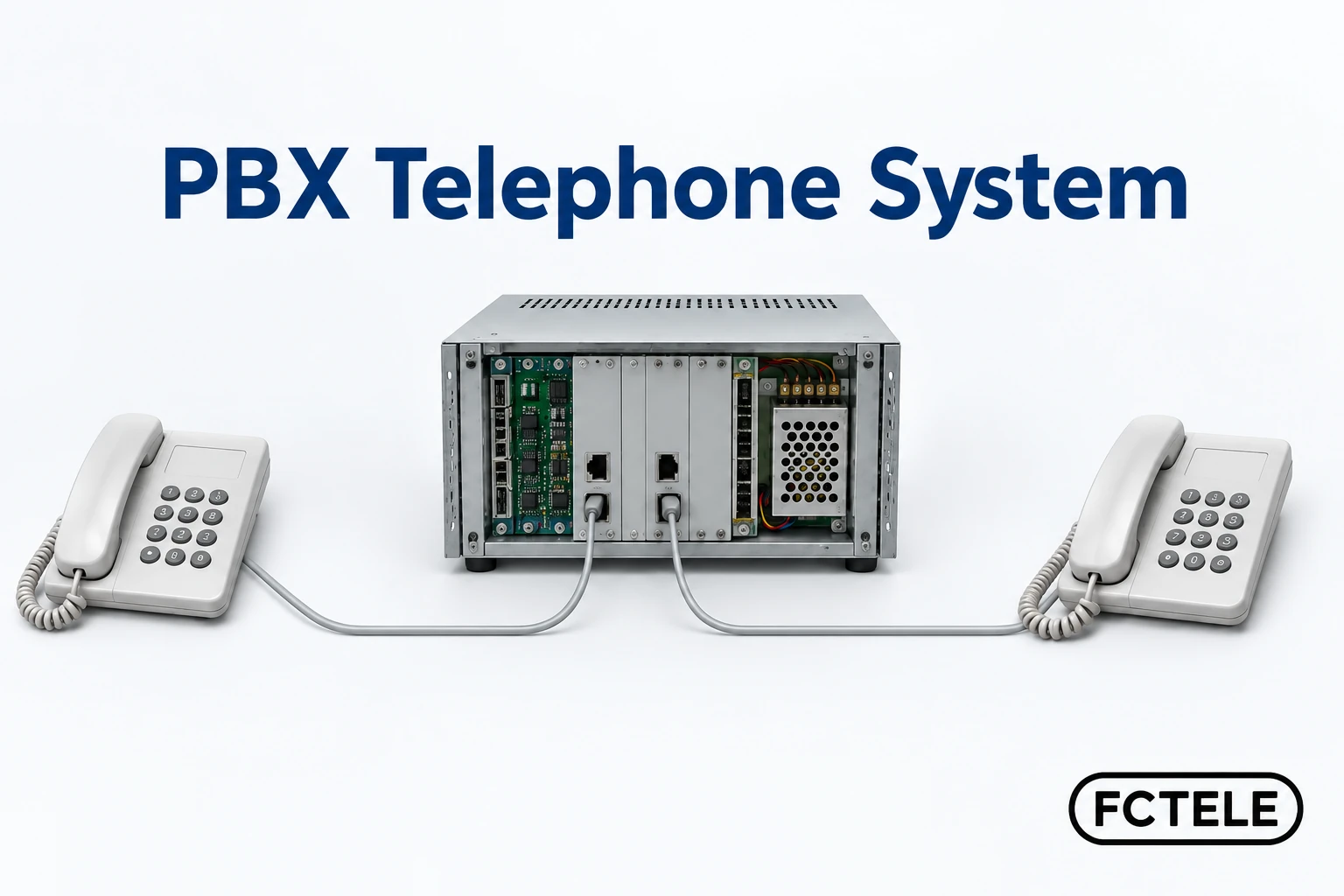
How a PBX Works: Call Control, Voice Switching and Fiber Extension
A PBX manages call setup and release and establishes supported voice paths between its interfaces. Verify both parties and resource release across test calls.
