
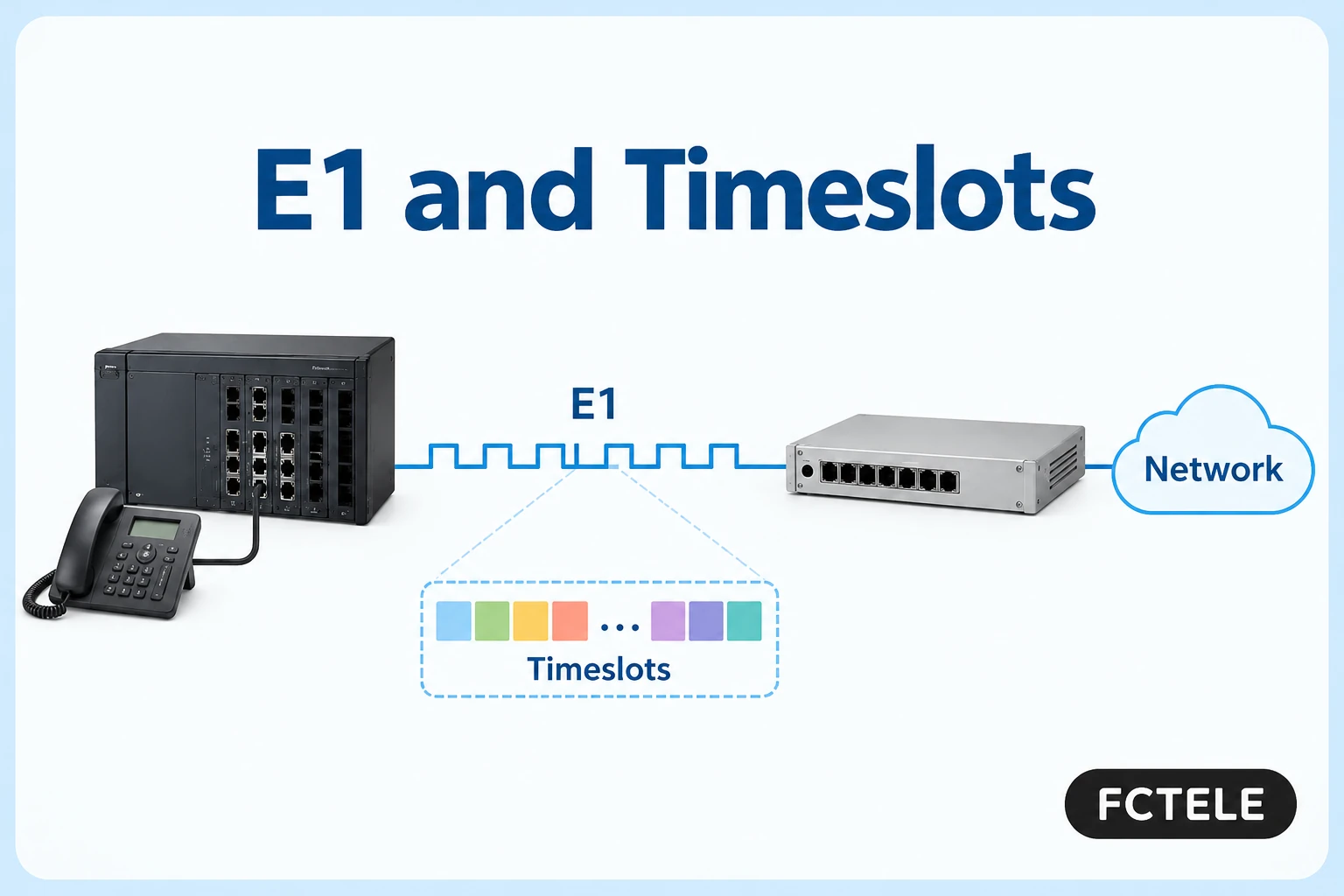
E1, Channelized E1 and PRI: Time Slots, Signaling and Testing
E1 identifies a transmission interface, while framing, channel allocation and signaling define how a service uses it.
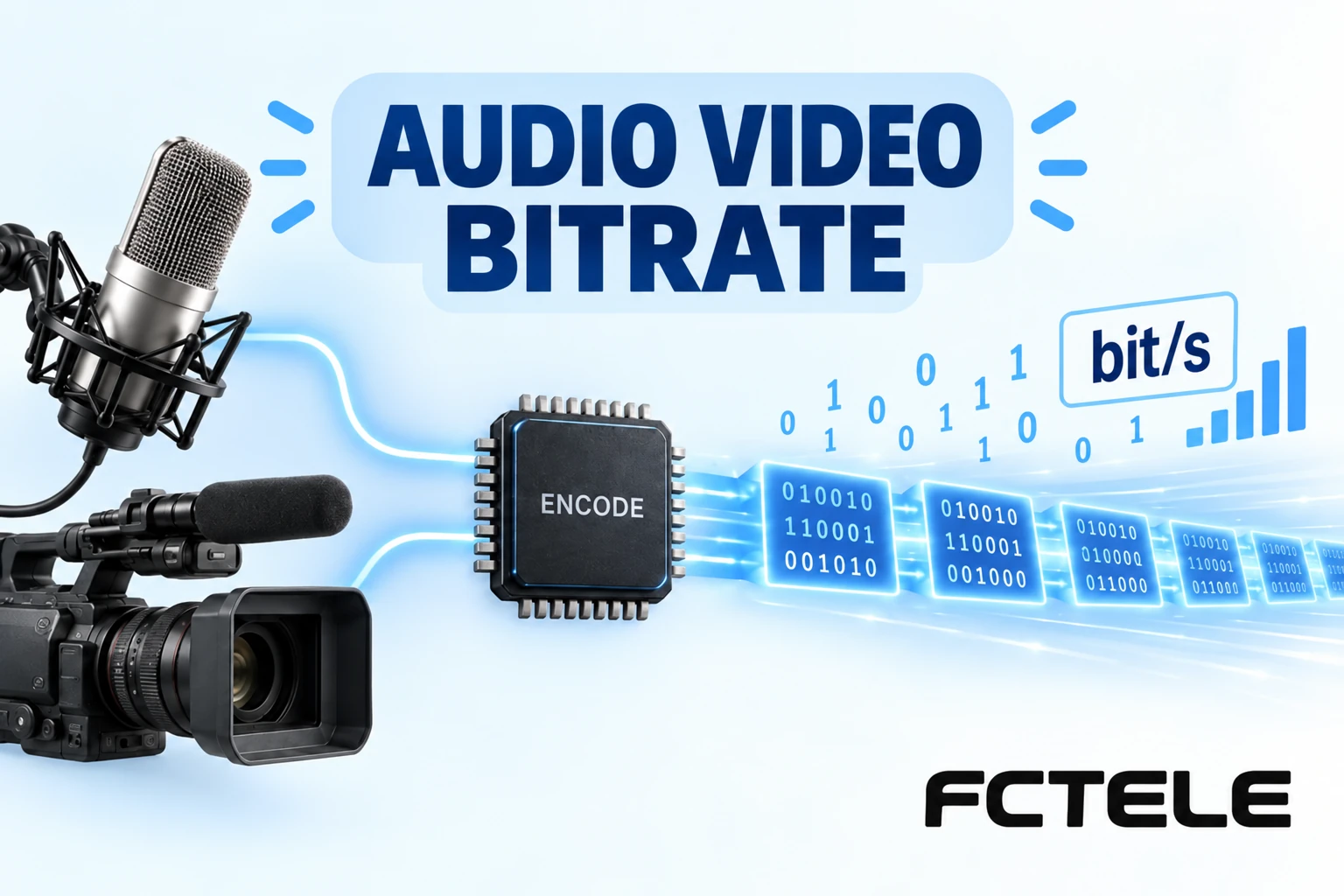
Audio and Video Bitrate: PCM, Compression and Network Capacity
Plan for the actual encoded streams, protocol overhead, traffic direction and simultaneous demand. Confirm the actual source format and channel count.
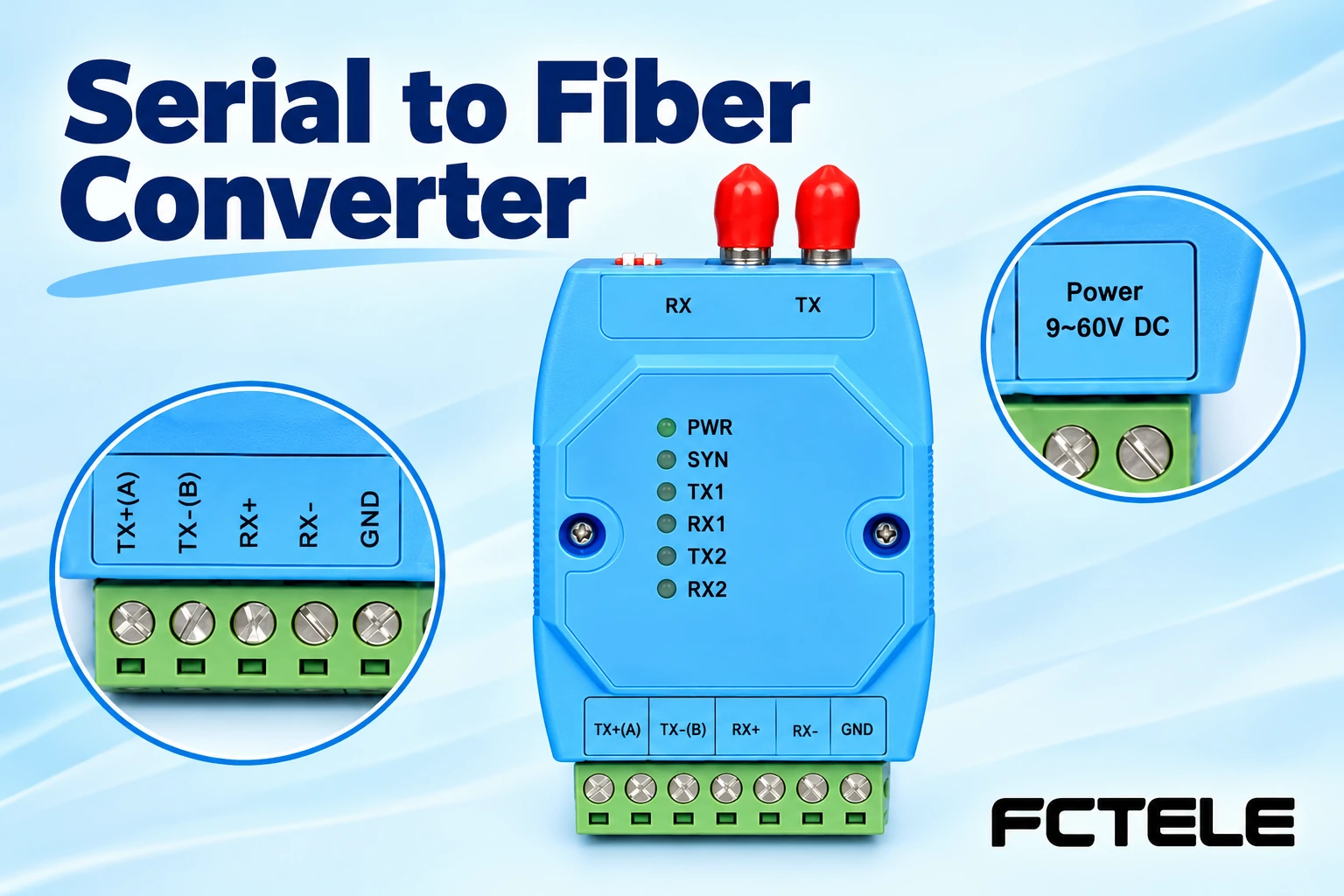
Choosing Serial Fiber Converters: Channels, Optics and Protection
Start with the actual serial endpoints, required simultaneous channels and compatible optical pair. Check the documented terminal definitions and service mode.
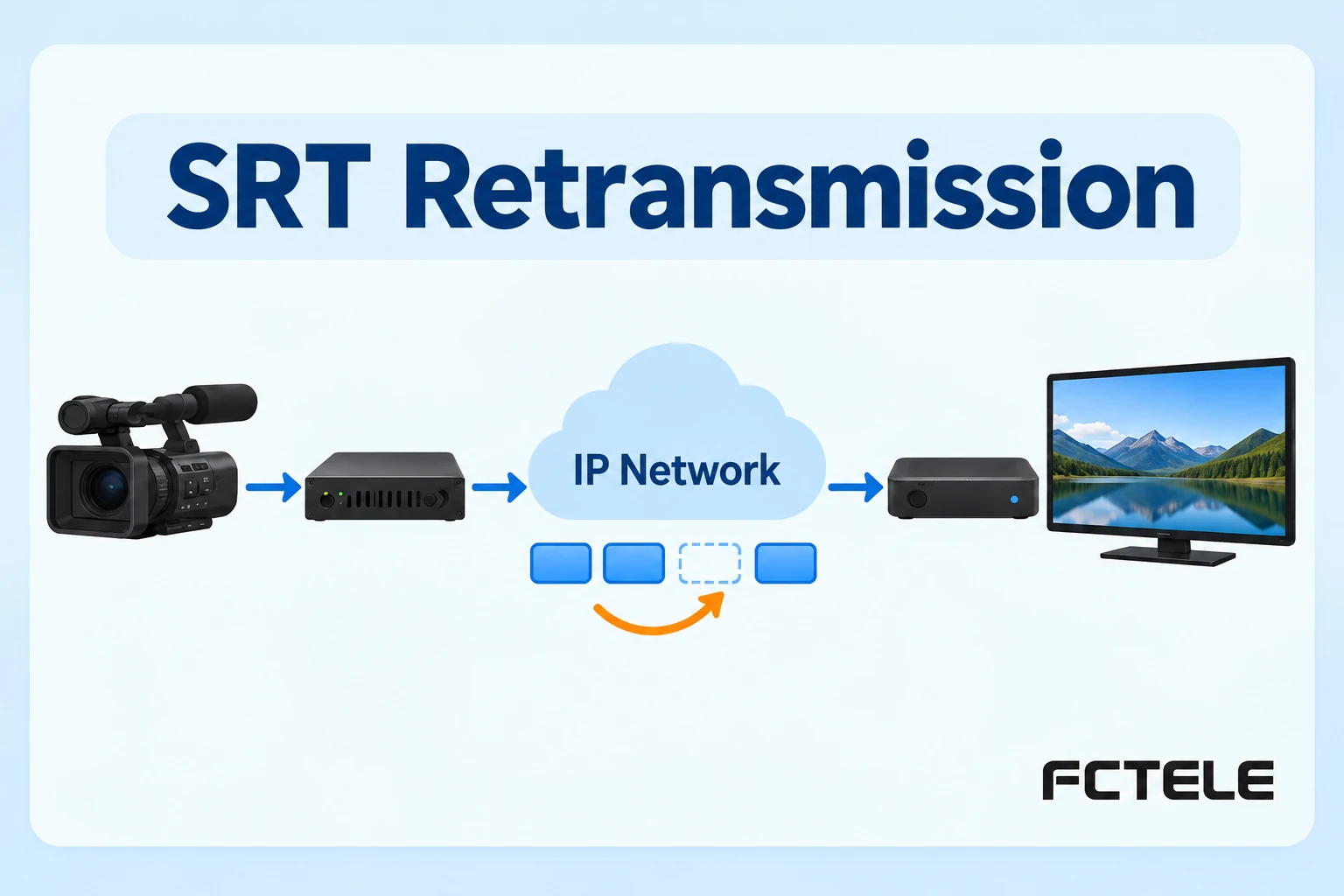
SRT Video Transport: Retransmission, Buffering and Connection Roles
SRT uses transport recovery mechanisms and buffering to handle supported packet loss within a configured latency budget.
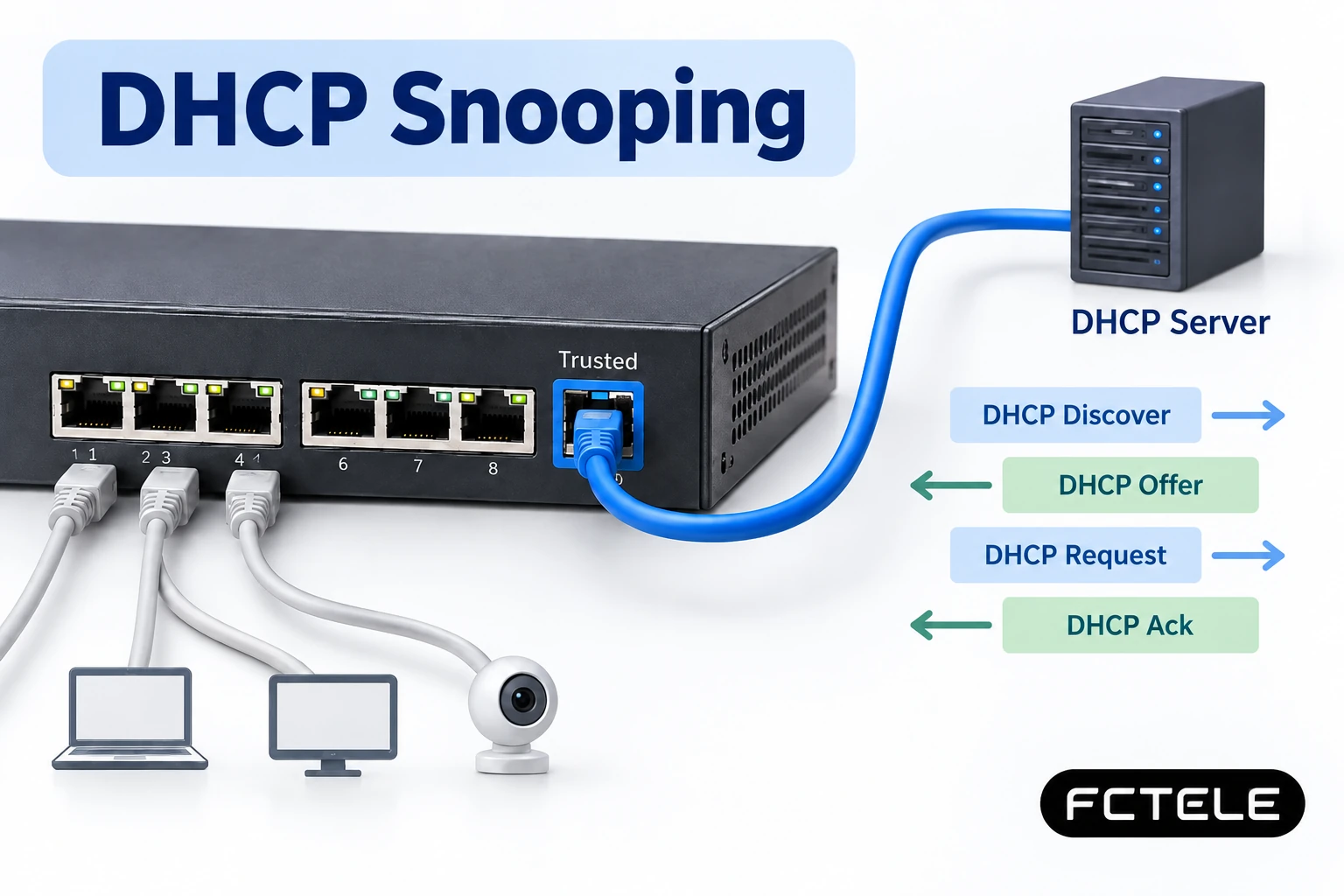
DHCP Snooping: Trusted Ports, Binding Tables and Troubleshooting
DHCP Snooping restricts qualifying DHCP traffic and maintains binding information on supported switches.
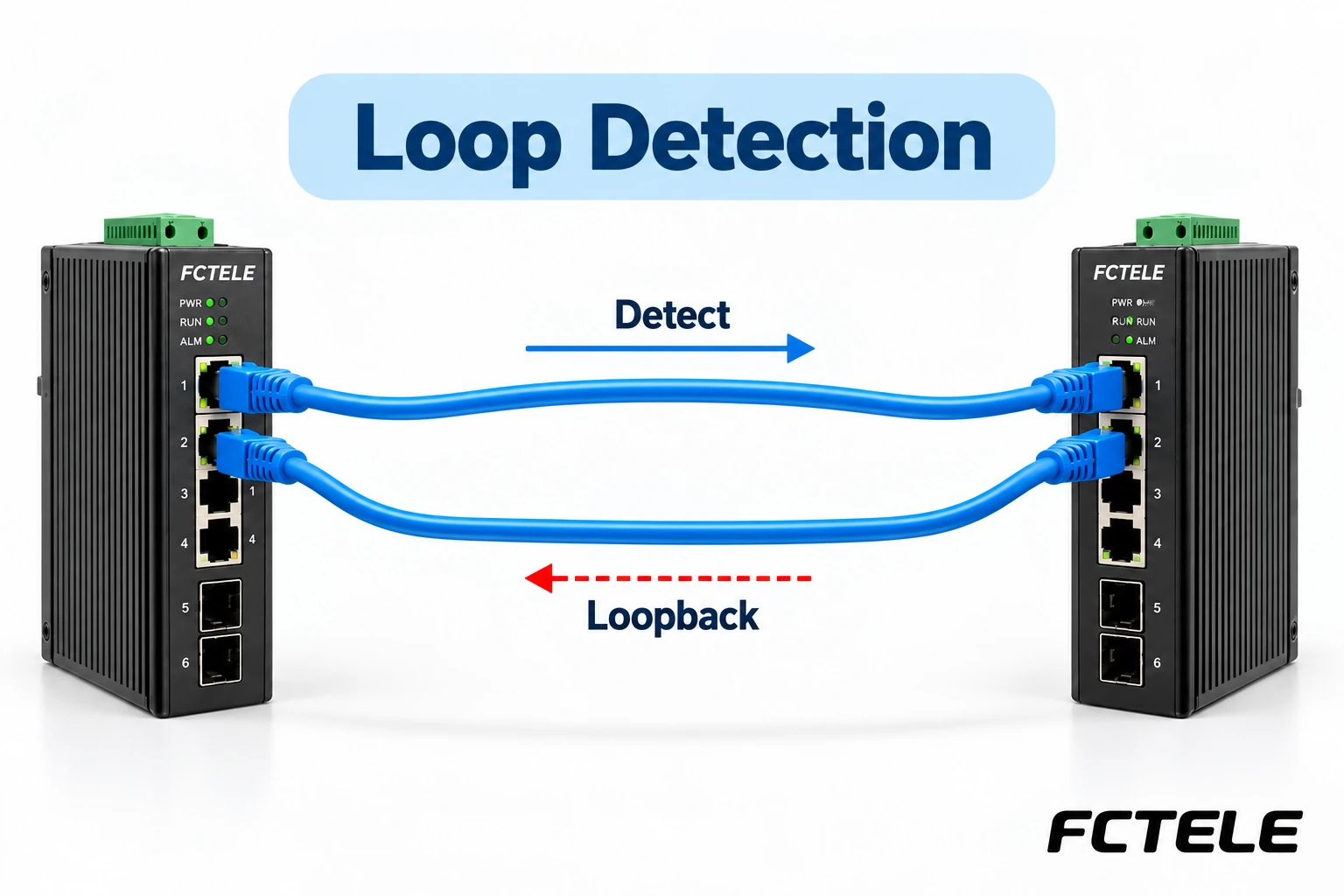
Switch Loop Detection: Probe Return, Protection and Recovery
A loop-detection function may recognize a returned probe and apply its configured protection action.
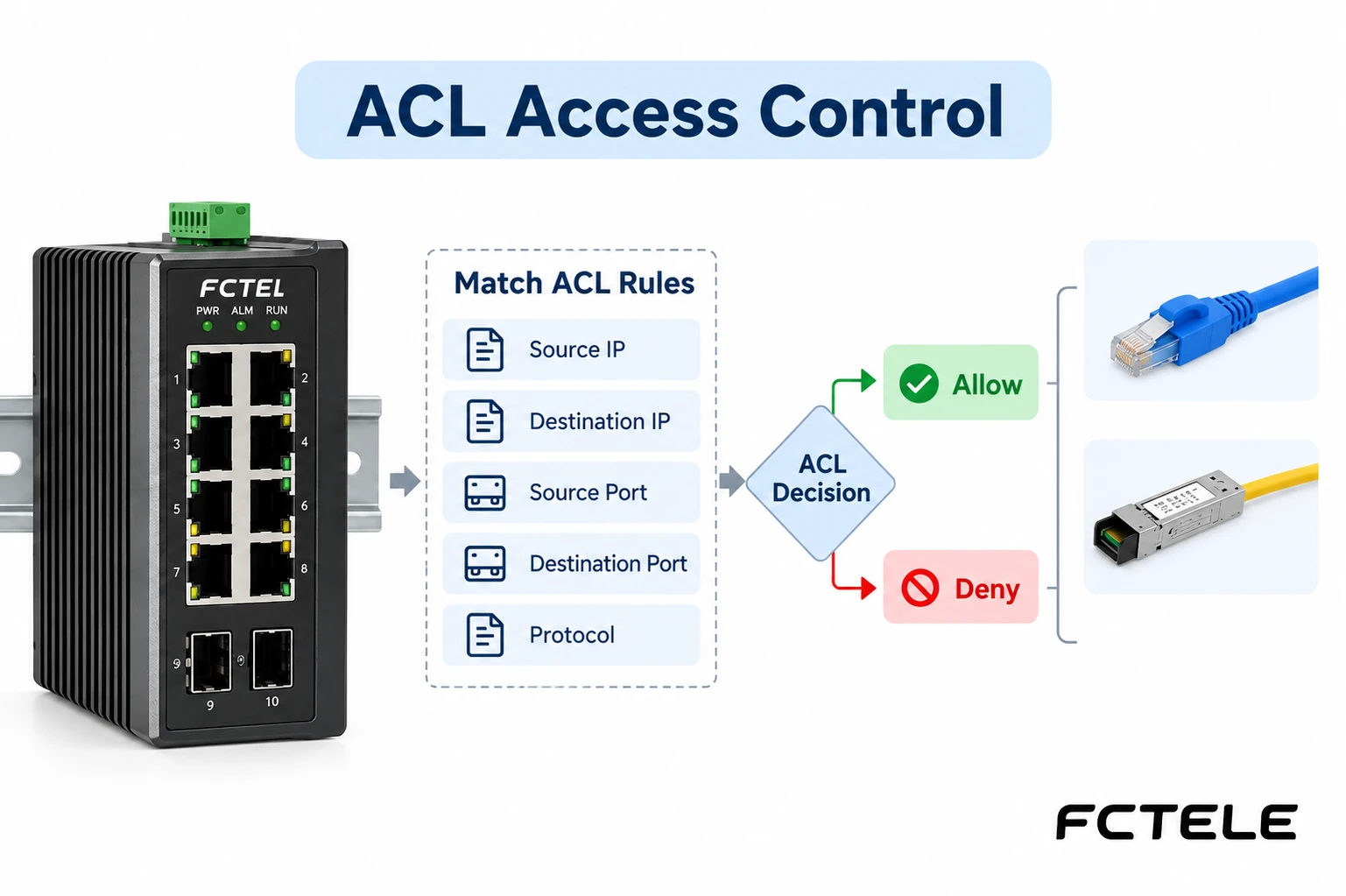
Industrial Switch ACLs: Rule Order, Binding and Access Testing
An access-control rule only affects the traffic and attachment points supported by its implementation.
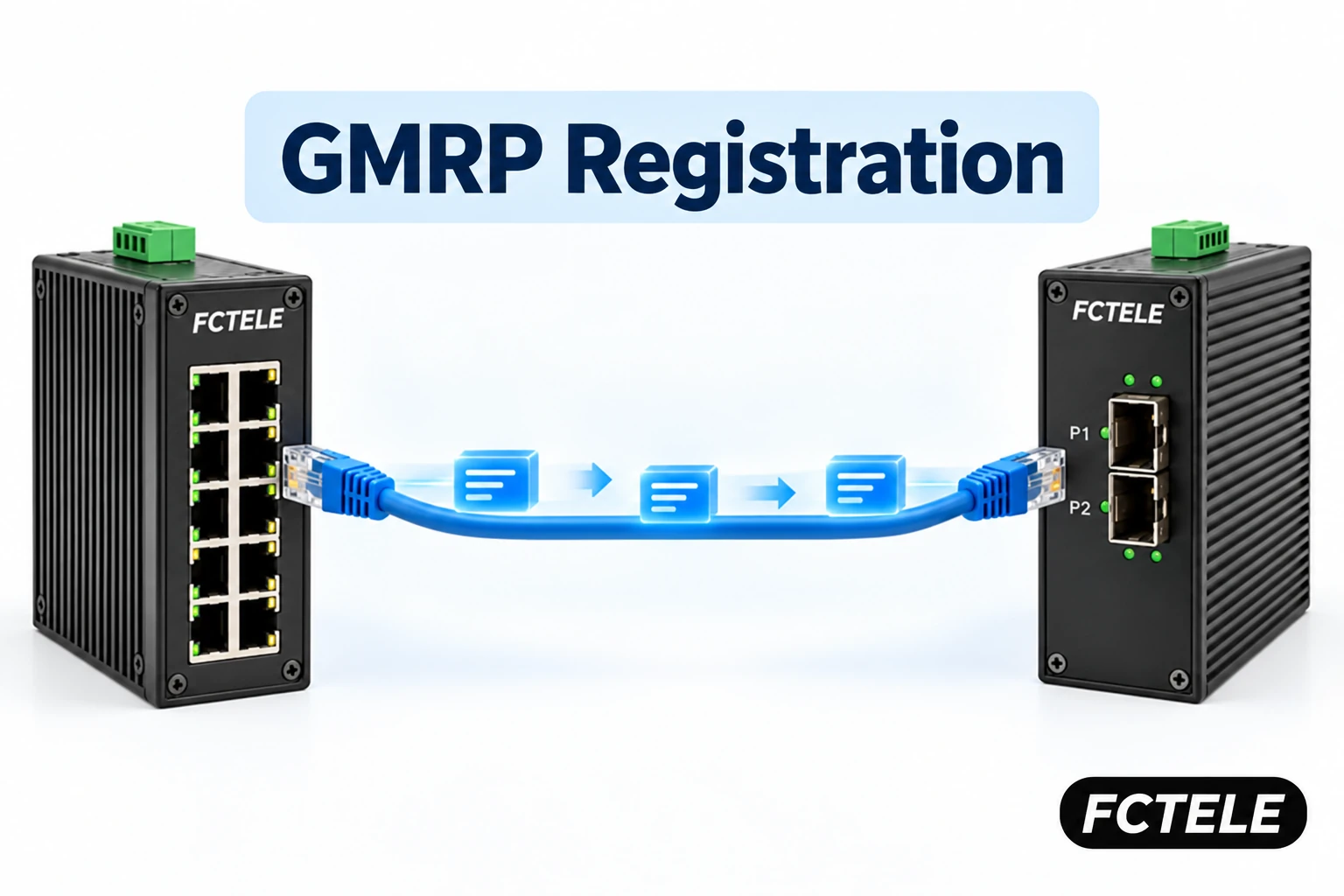
GMRP Multicast Registration: Join, Leave and IGMP Differences
GMRP registers Layer 2 multicast membership, while IGMP-related functions concern IPv4 multicast group signaling.
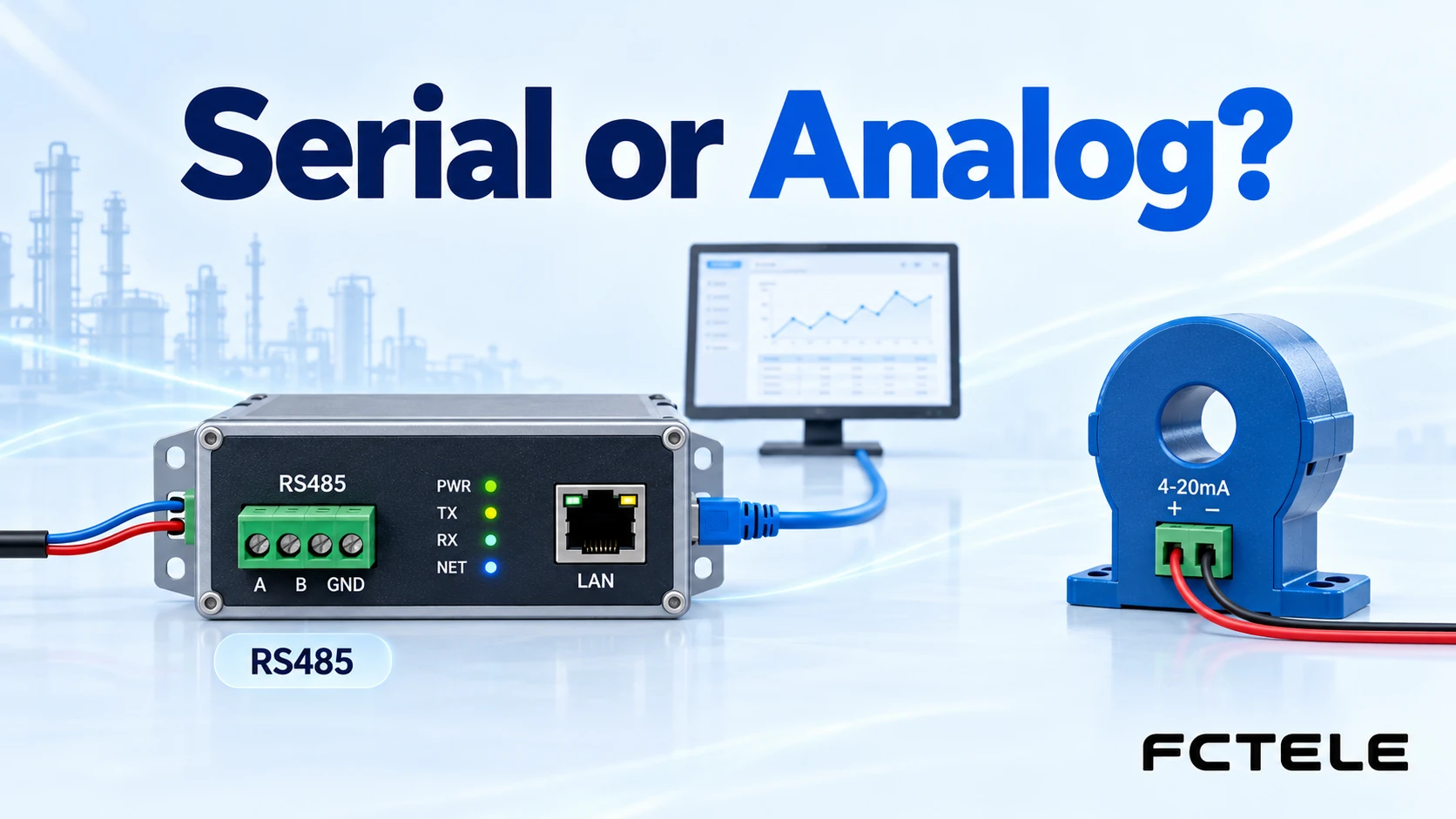
Serial Fiber, Protocol Gateways and Analog Sampling Explained
Media extension, electrical interface adaptation, application protocol translation and analog sampling are different jobs.
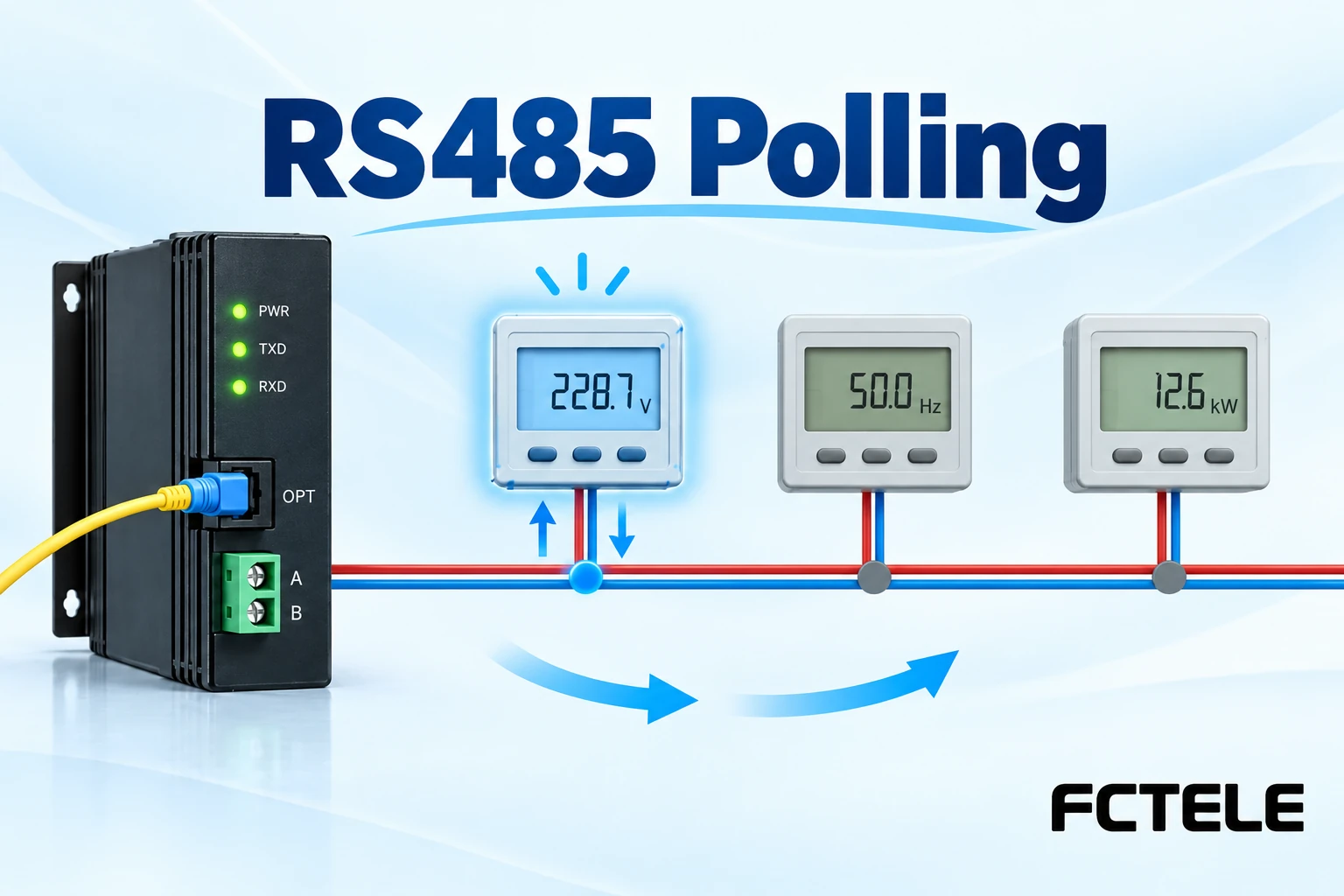
Multiple RS485 Instruments over One Fiber Pair: Polling and Timing
Multiple addressed instruments can share a supported serial network when wiring, bus ownership and protocol timing agree.
