

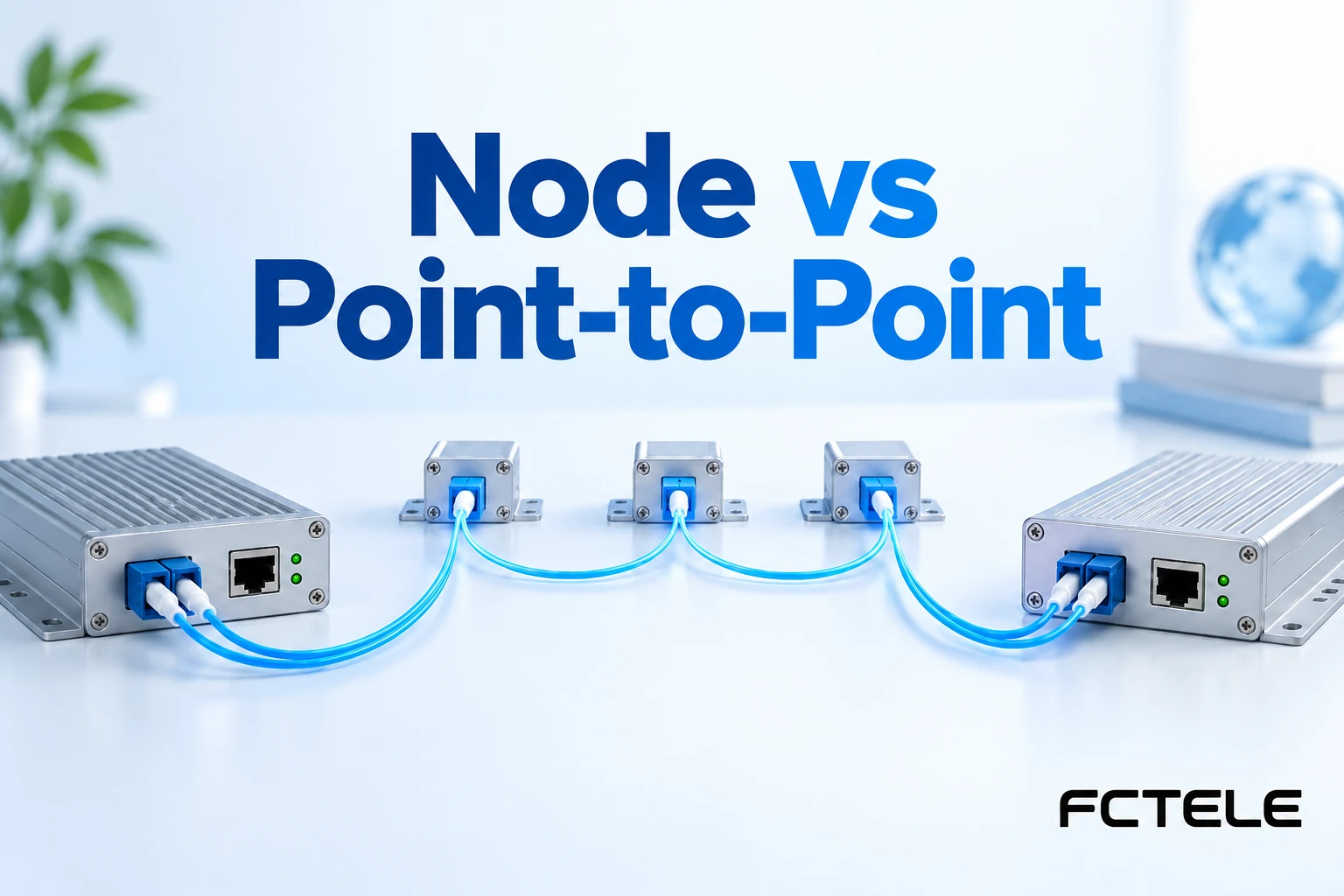
Node-Based vs Point-to-Point Fiber: Aggregation and Protection
Choose topology from service relationships, shared capacity and the required fault boundaries. Draw every service source, destination and shared link.
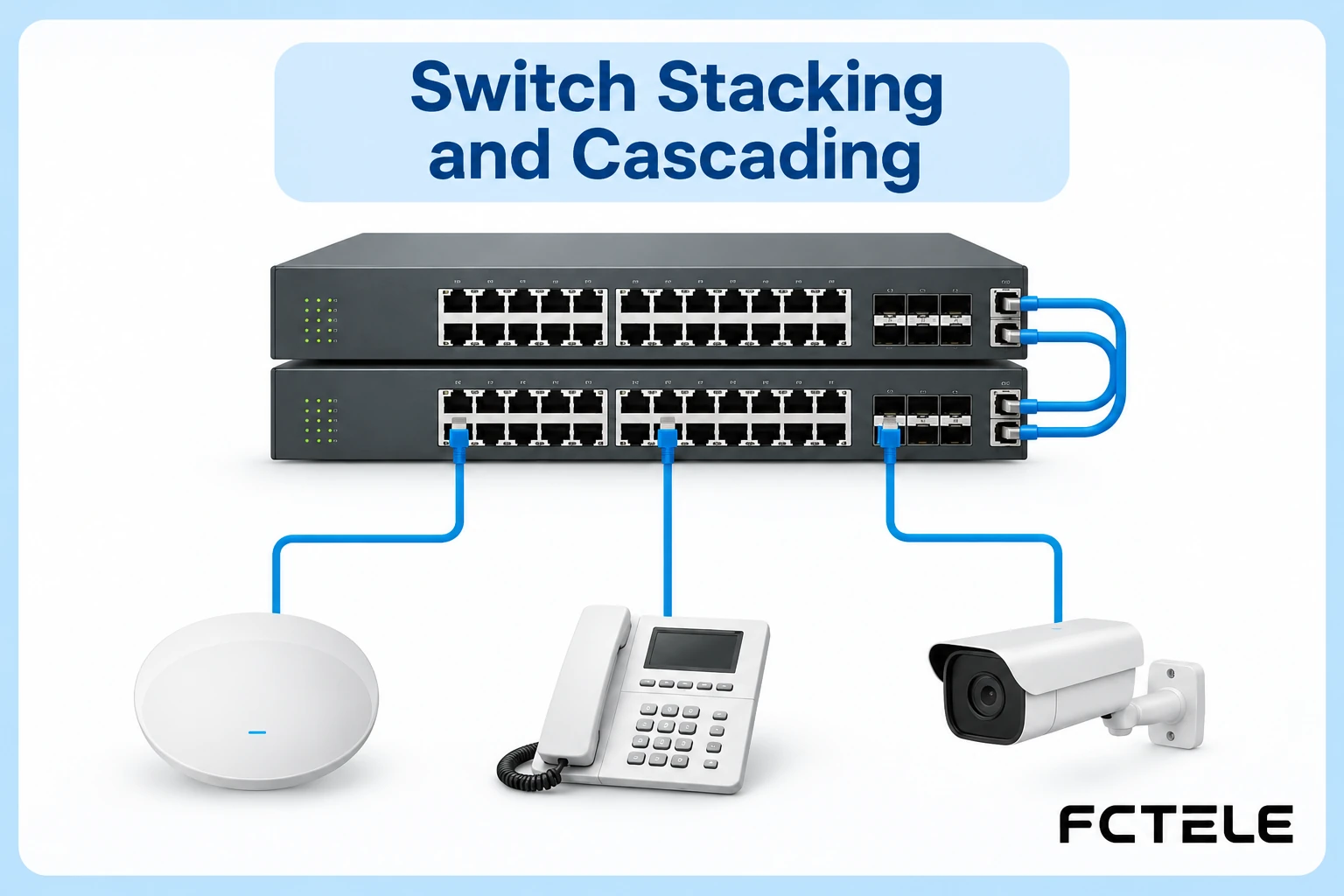
Switch Stacking vs Cascading: Capacity and Failure Boundaries
Cascading connects switches through network links, while supported stacking can coordinate several units as a managed system.
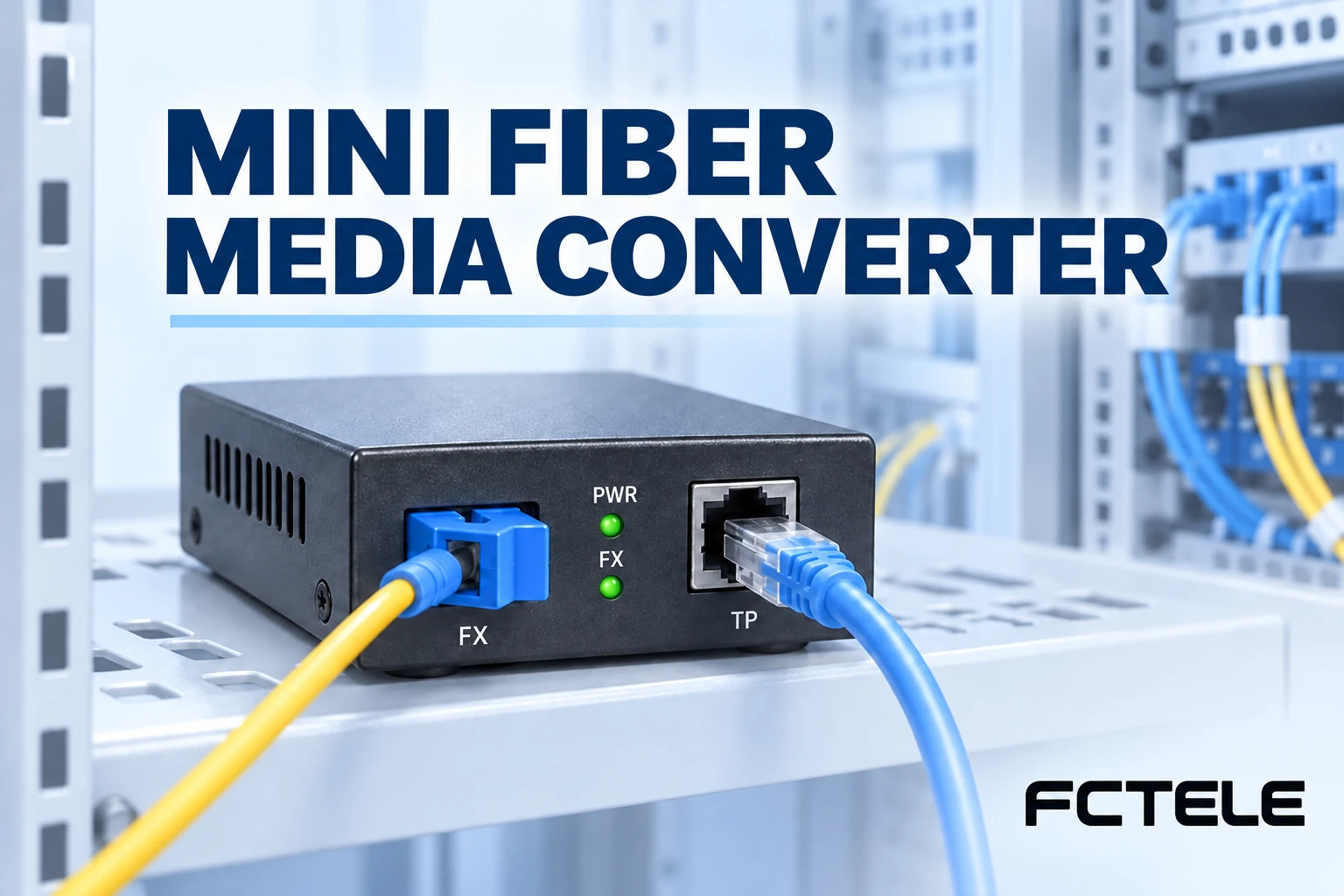
MINI Fiber Media Converters: Space, Heat and Interfaces
Choose a compact Ethernet fiber converter with room for connectors and cable bends, suitable heat dissipation, matched optics and verified local power.
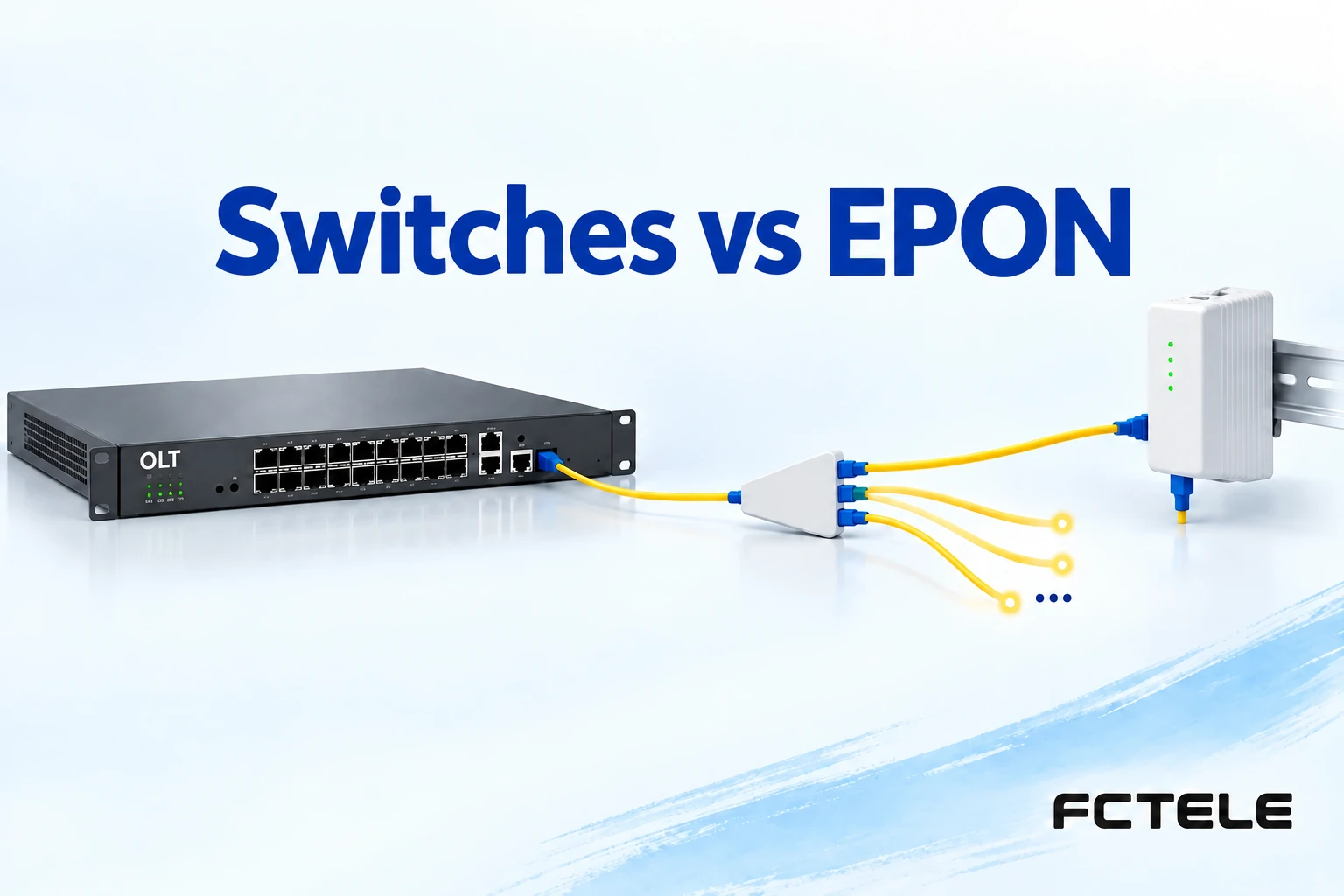
Industrial Ethernet Switches vs EPON: Shared Access and Capacity
Compare point-to-point Ethernet with EPON shared optical access, including ONU scheduling, splitter loss, power dependencies and concurrent service tests.
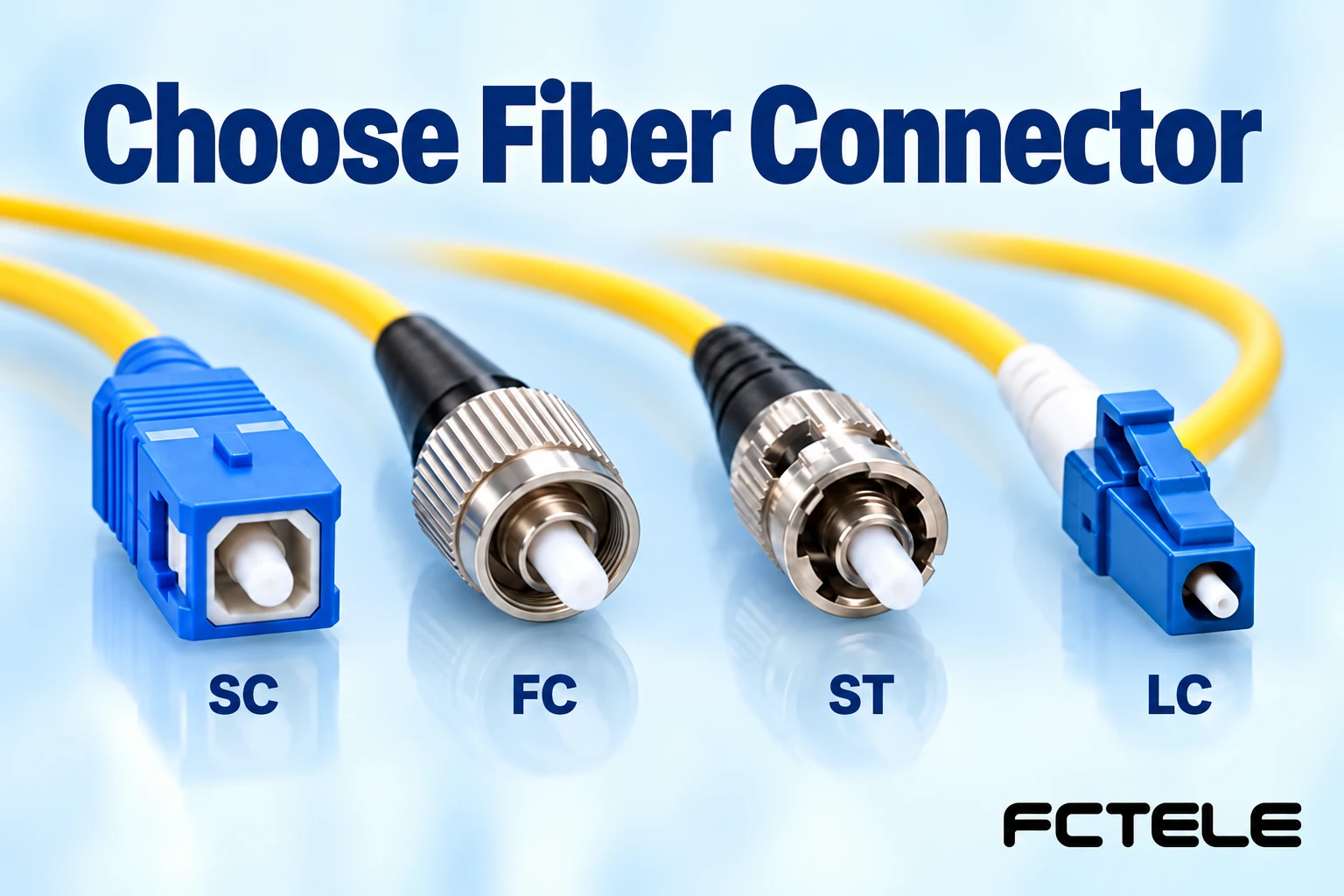
SC, FC, ST and LC Fiber Connectors: UPC/APC and Wiring
Match fiber connector locking, ferrule alignment, UPC/APC polish and TX/RX paths separately. A hybrid patch cord does not convert optical formats.
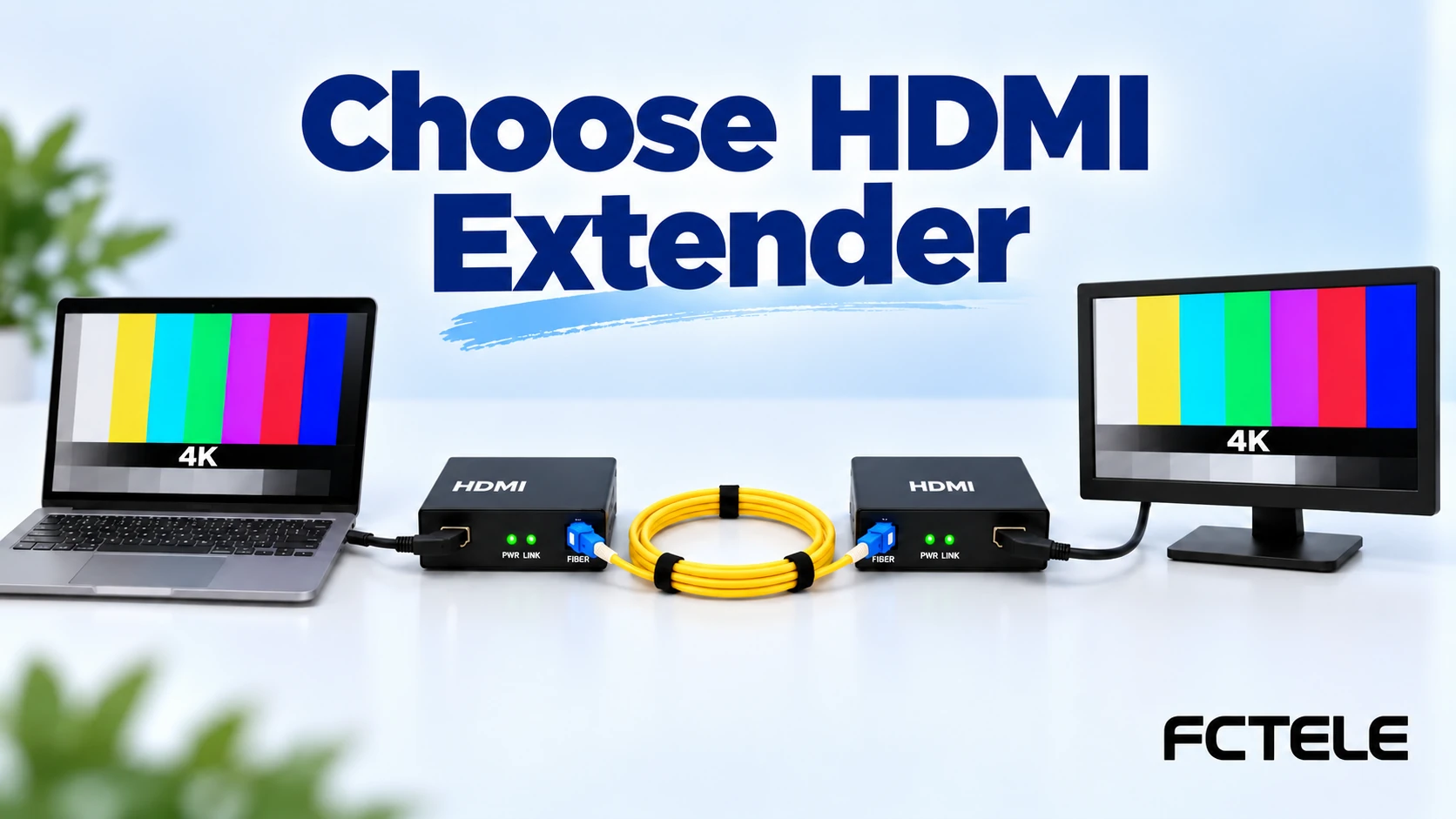
Choosing HDMI Fiber Extenders: Video Modes and Optical Budget
Specify HDMI resolution, refresh, chroma, bit depth and auxiliary services. Check EDID, HDCP and the receiver power window with the actual endpoint pair.
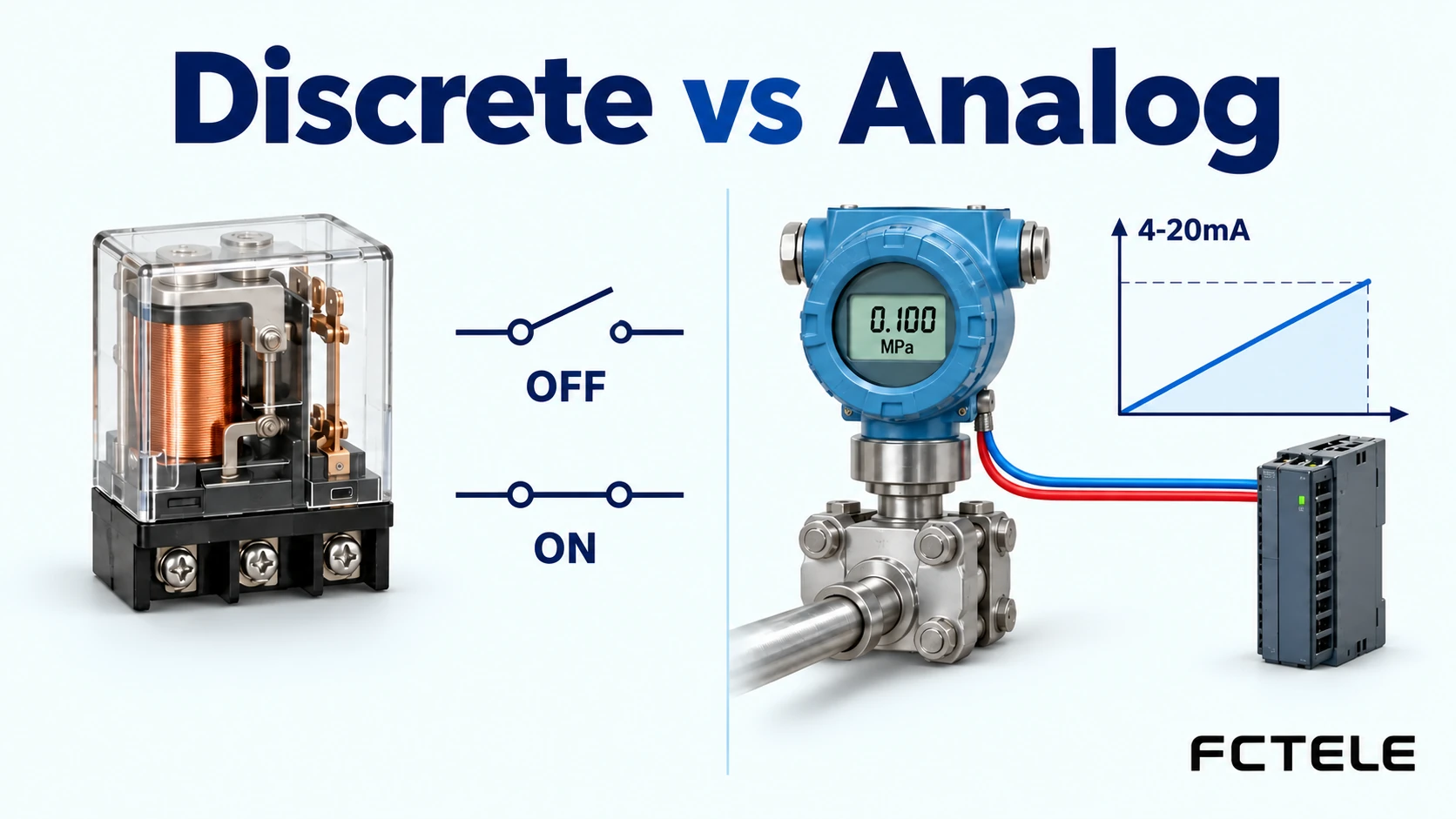
Discrete vs Analog Fiber I/O: DI/DO, AI/AO and Signal Scaling
Choose DI/DO or AI/AO by the required information, then verify electrical input form, output direction, analog scaling and complete channel mapping.
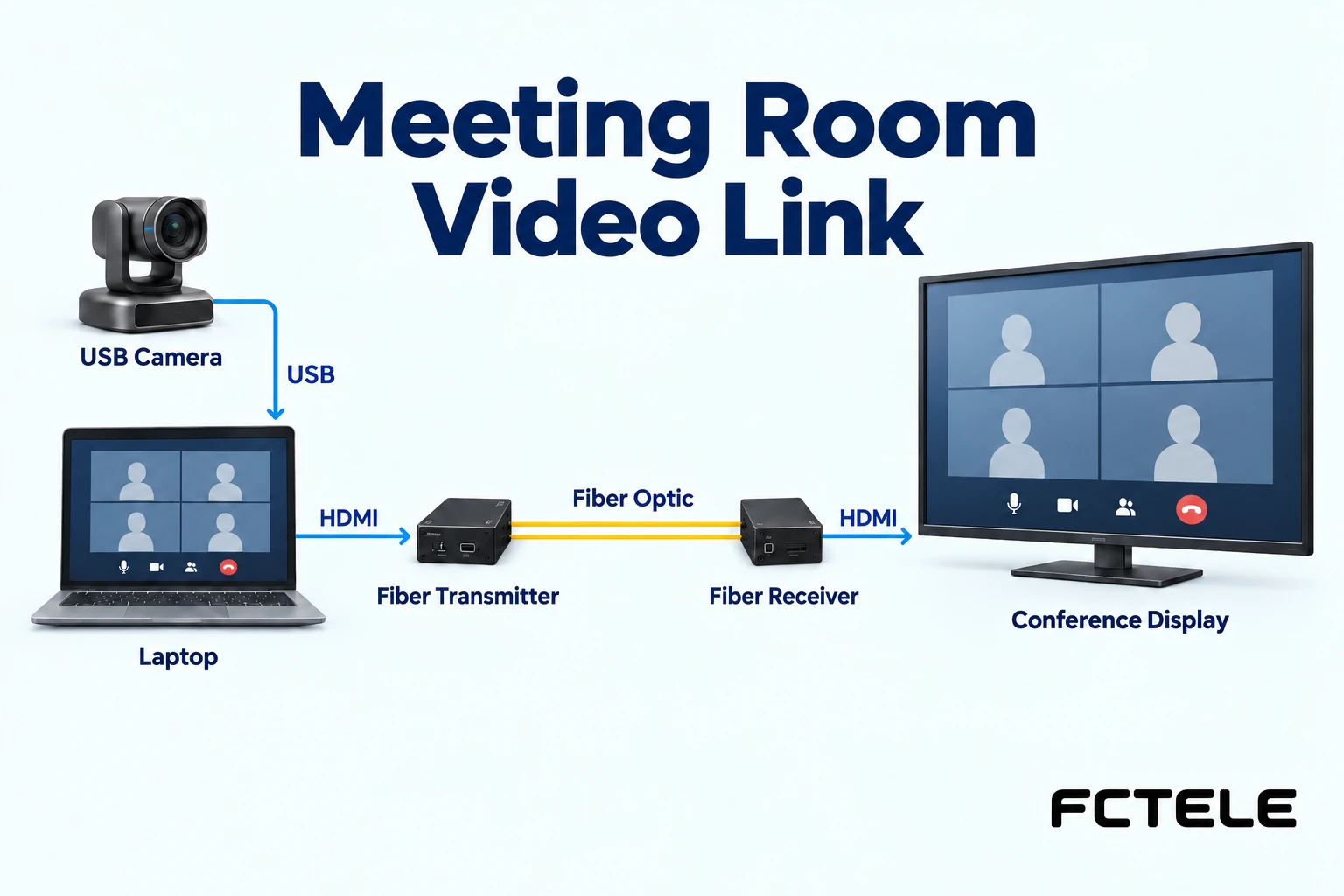
Conference Room Links: HDMI Display, USB Capture and IP Calls
Plan HDMI display, USB camera capture and IP conferencing as separate paths, then verify sound, control and concurrent operation in a complete meeting.
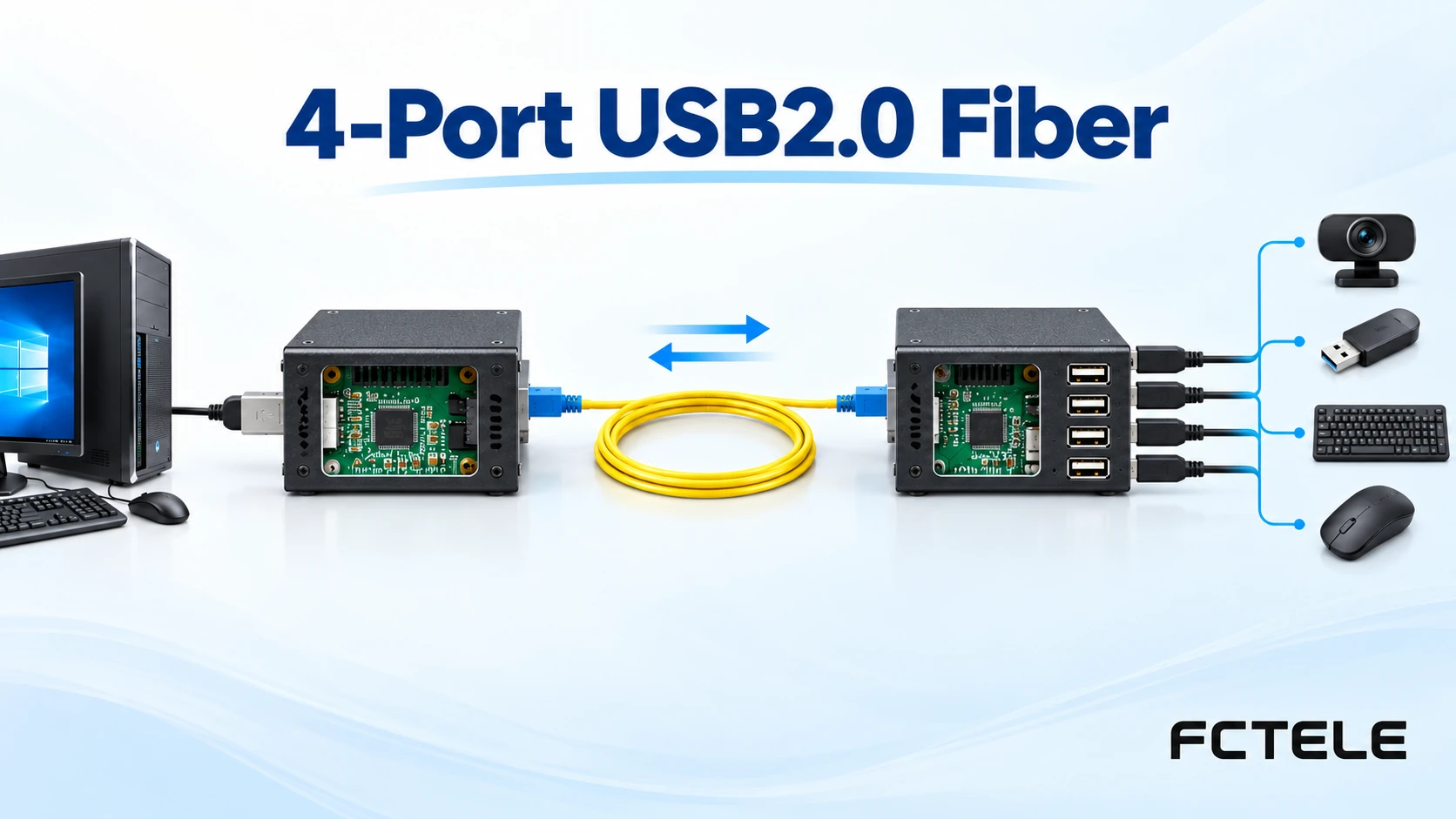
Choosing Four-Port USB2.0 Fiber Extenders: Bandwidth and Power
Size four-port USB2.0 extension around one host, concurrent transfer demand, individual port limits and the remote power budget for the exact peripherals.
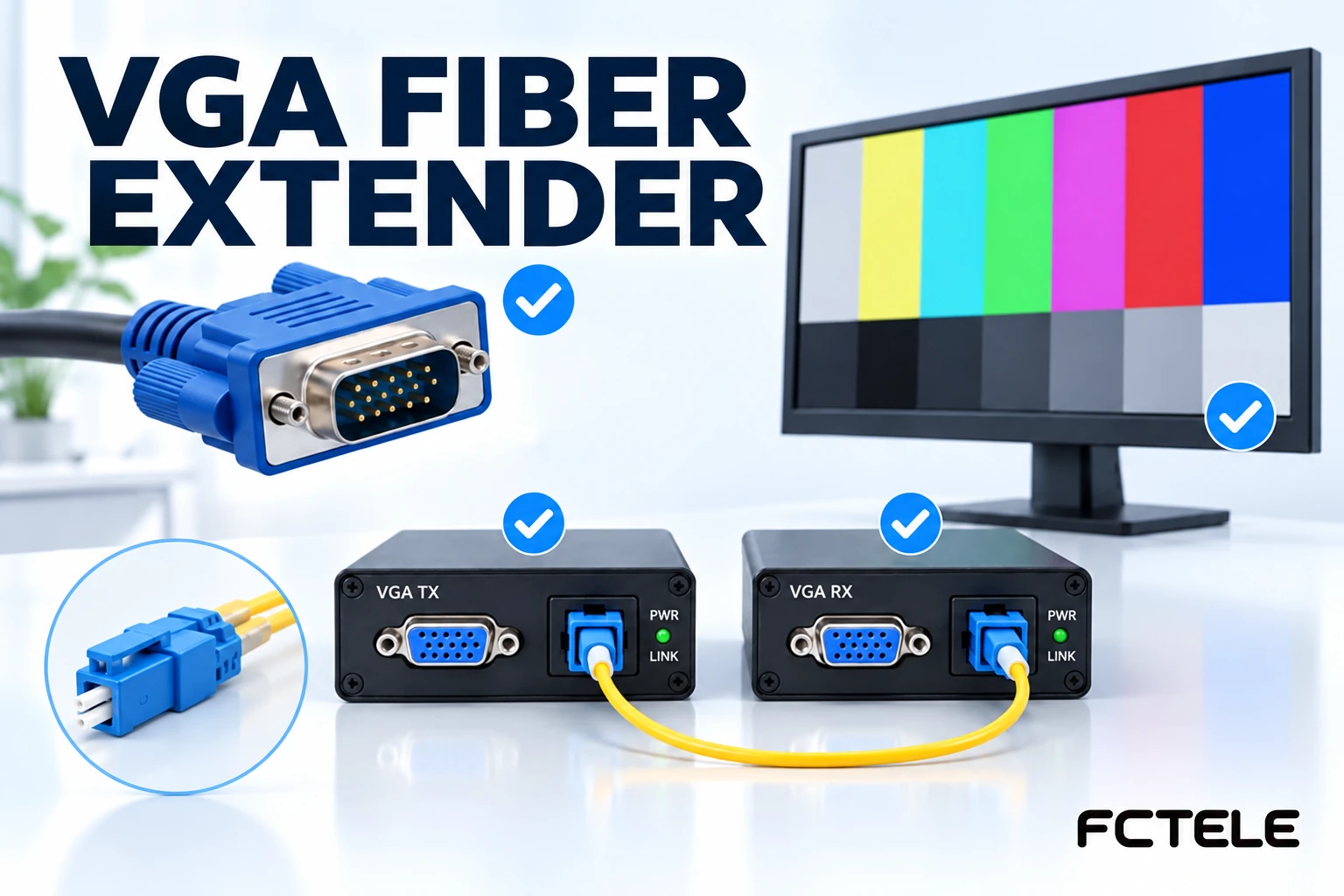
Choosing VGA Fiber Extenders: Timing, Optical Budget and Interfaces
Check common VGA timing, display identification, optical receive conditions and required auxiliary interfaces before selecting a matched extension pair.
