

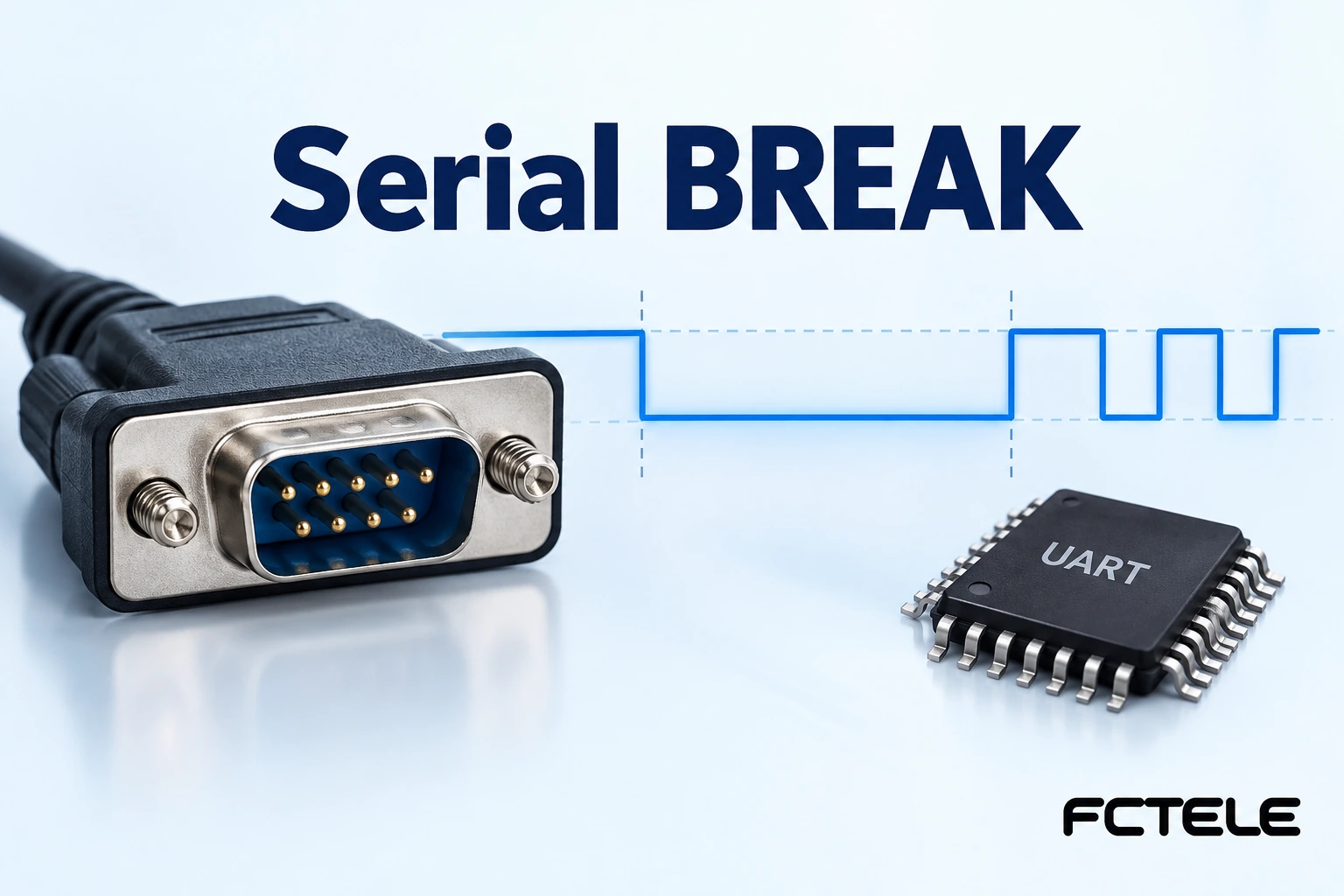
Serial BREAK Signals: Why a Sustained State Is Not a Disconnected Cable
Understand how serial BREAK differs from 0x00, cable disconnection and framing errors, and what to verify when a serial device server carries data and control.
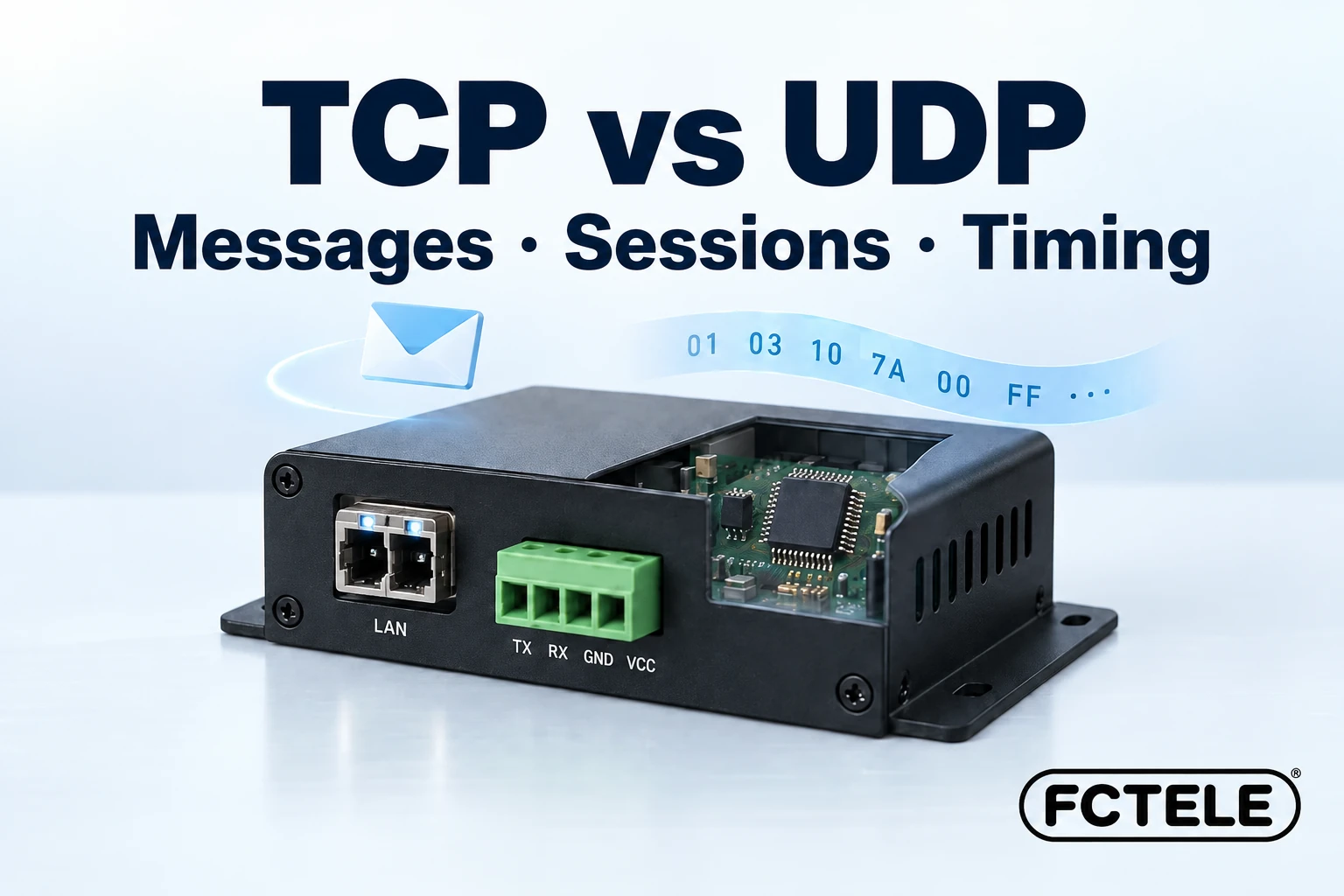
Serial Server TCP vs UDP: Messages, Sessions and Timing
TCP provides an ordered byte stream, not one network message per serial command. Parse using the instrument protocol rather than one read call.
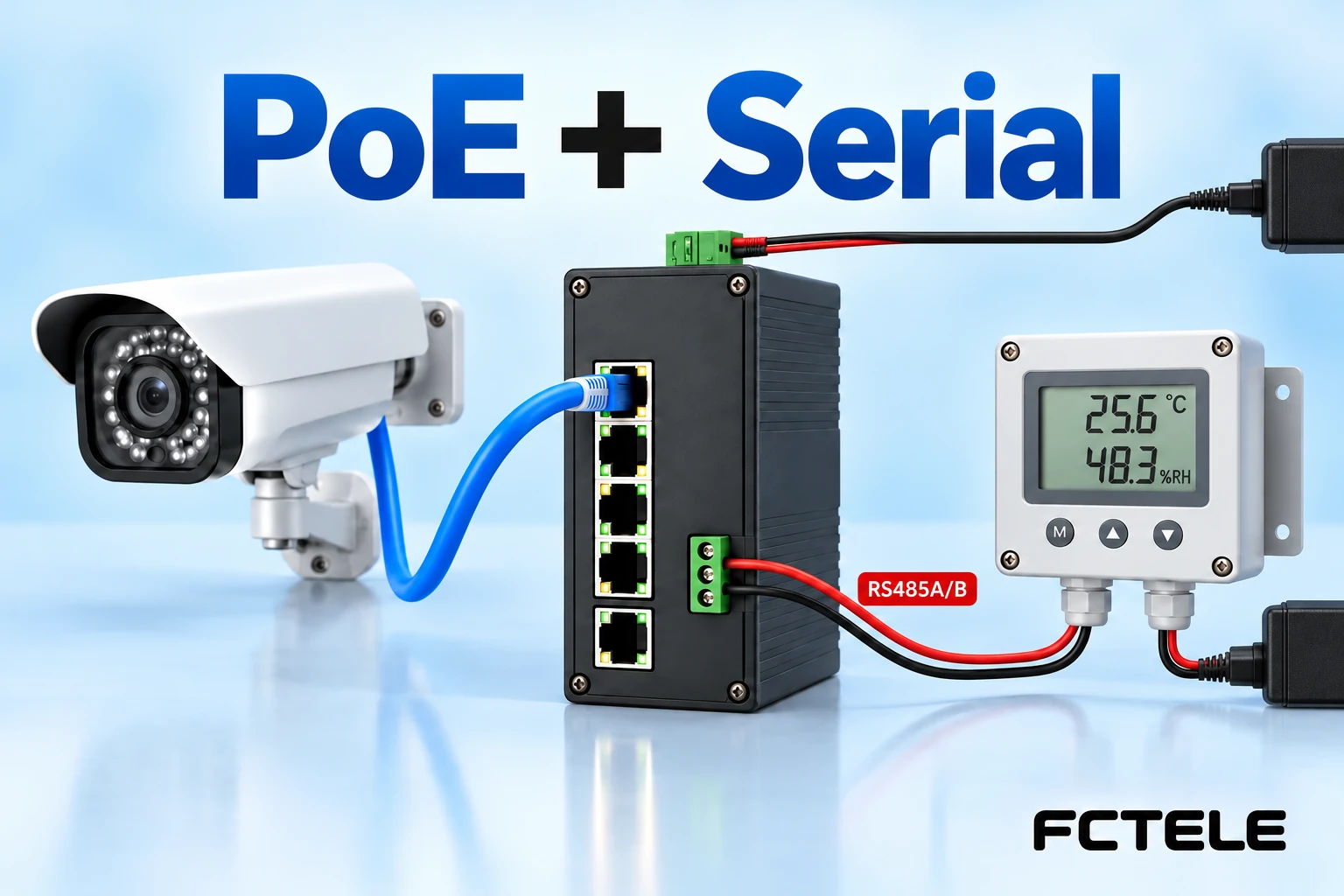
PoE Switches with Serial Servers: Three Internal Paths
Separate Ethernet switching, PoE delivery and serial byte transport in integrated equipment. Check shared resources, serial scheduling and ordered options.
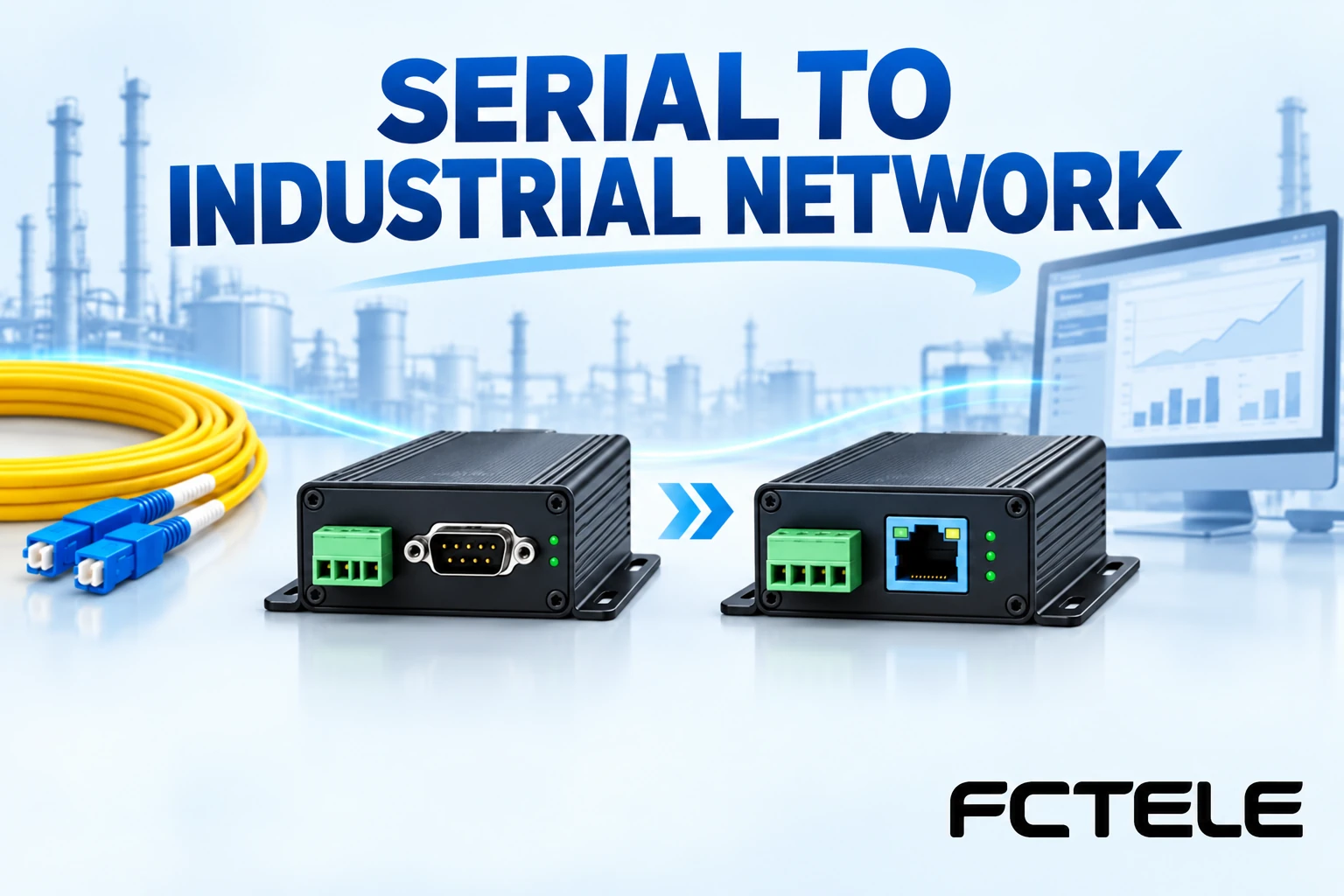
Serial Fiber Modems, Serial Servers and Industrial Gateways
Choose serial fiber extension, network byte carriage or application mapping by task. Verify meaningful platform data and controlled access at each handover.
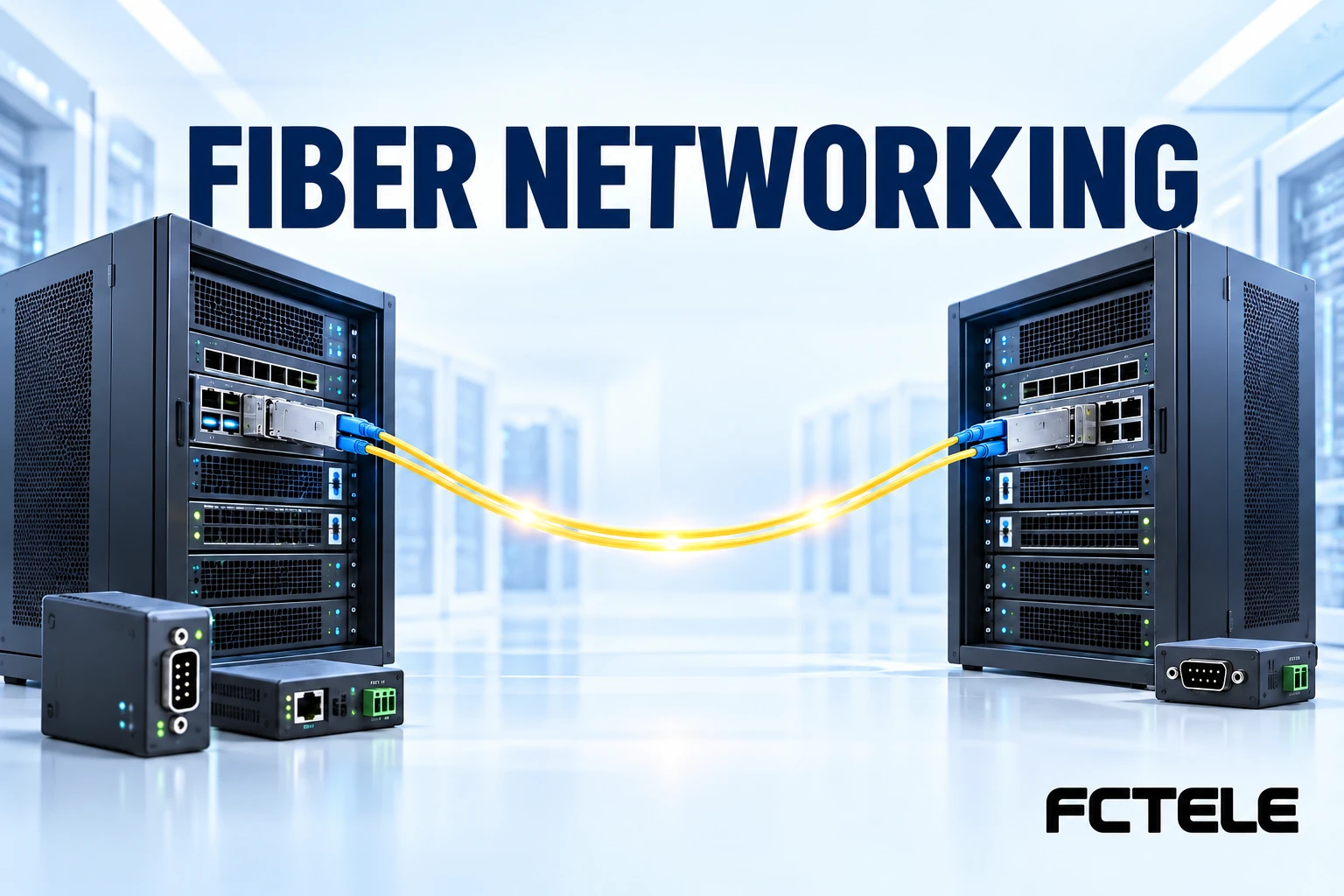
Using Fiber Transmission Equipment in Data Centers: Separate Server Networks from Auxiliary Services
Select data-center fiber equipment by endpoint service. Separate server Ethernet and optics from serial acquisition, receive-power checks and availability design.
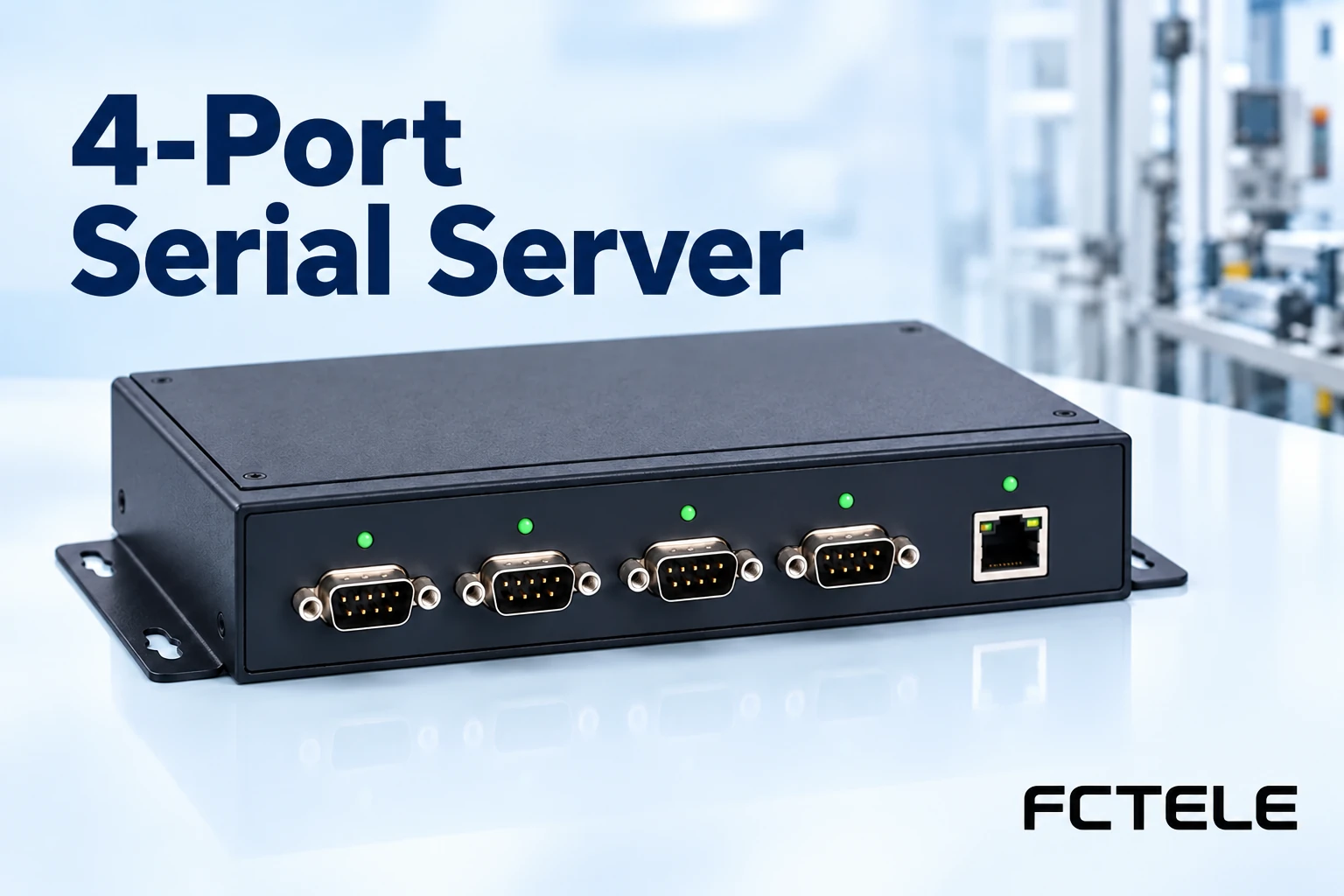
Using Four-Port Serial Device Servers: Independent Channels versus RS485 Multidrop
Plan four serial interfaces separately from RS485 station count and TCP service mappings. Verify channel ownership, polling budgets and simultaneous-load recovery.
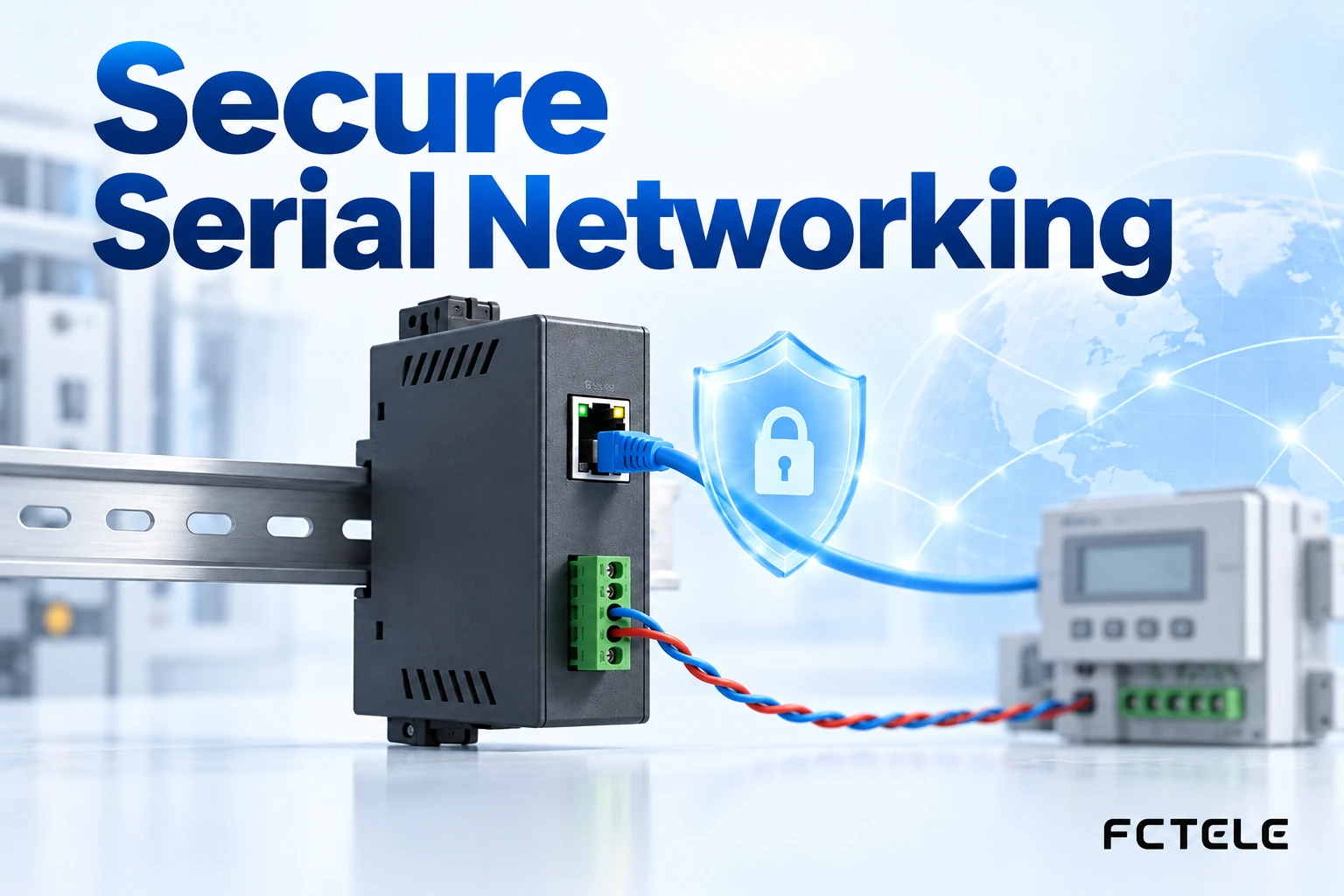
How to Connect Serial Servers to Networks Safely: Access Control, Encrypted Channels, and Industrial Site Protection
Protect serial networking with restricted sources, verified secure-channel scope and recoverable operation. TCP ordering and CRC do not provide confidentiality or identity.
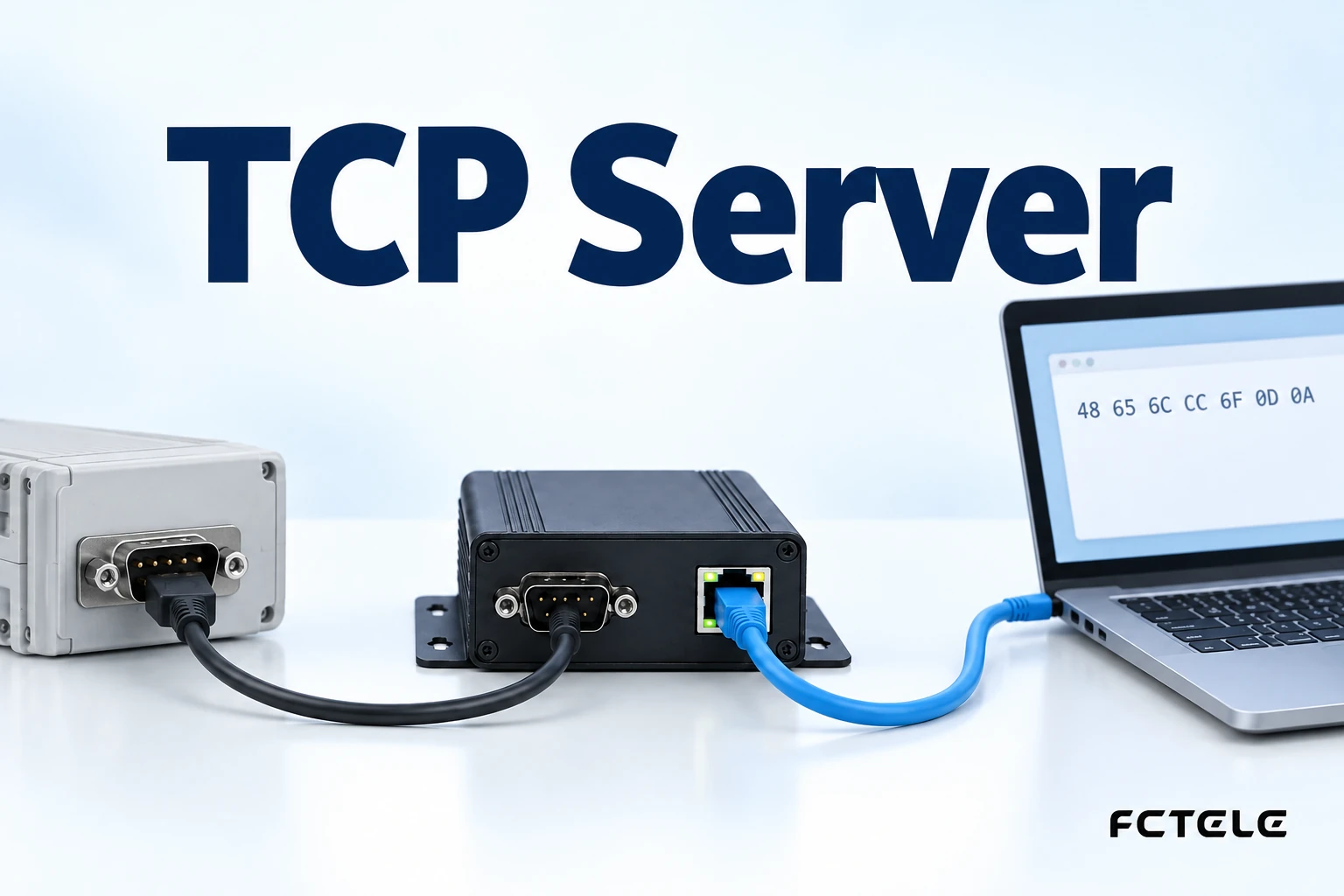
How to Use a Serial Server TCP Server: Connections, Byte Streams, and Serial Parameters
Use serial server TCP mode with explicit listener roles, serial format and application framing. Verify bidirectional bytes and recovery instead of relying on one read.
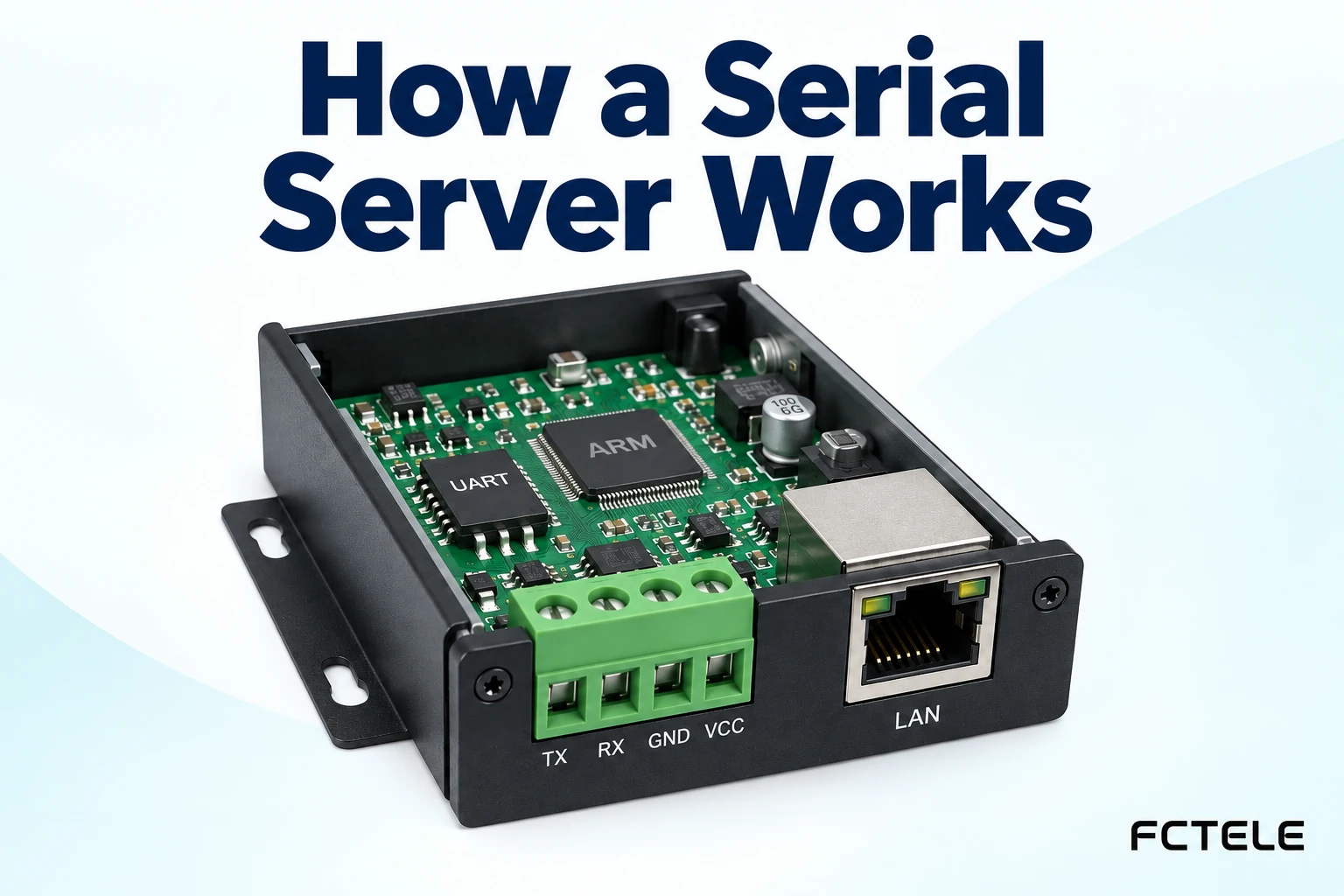
How a Serial Server Works Inside: Electrical Interfaces, UART, and Byte Buffering
Follow serial server data through electrical receivers, UART character handling and finite buffers. Separate interface support from application protocol conversion.
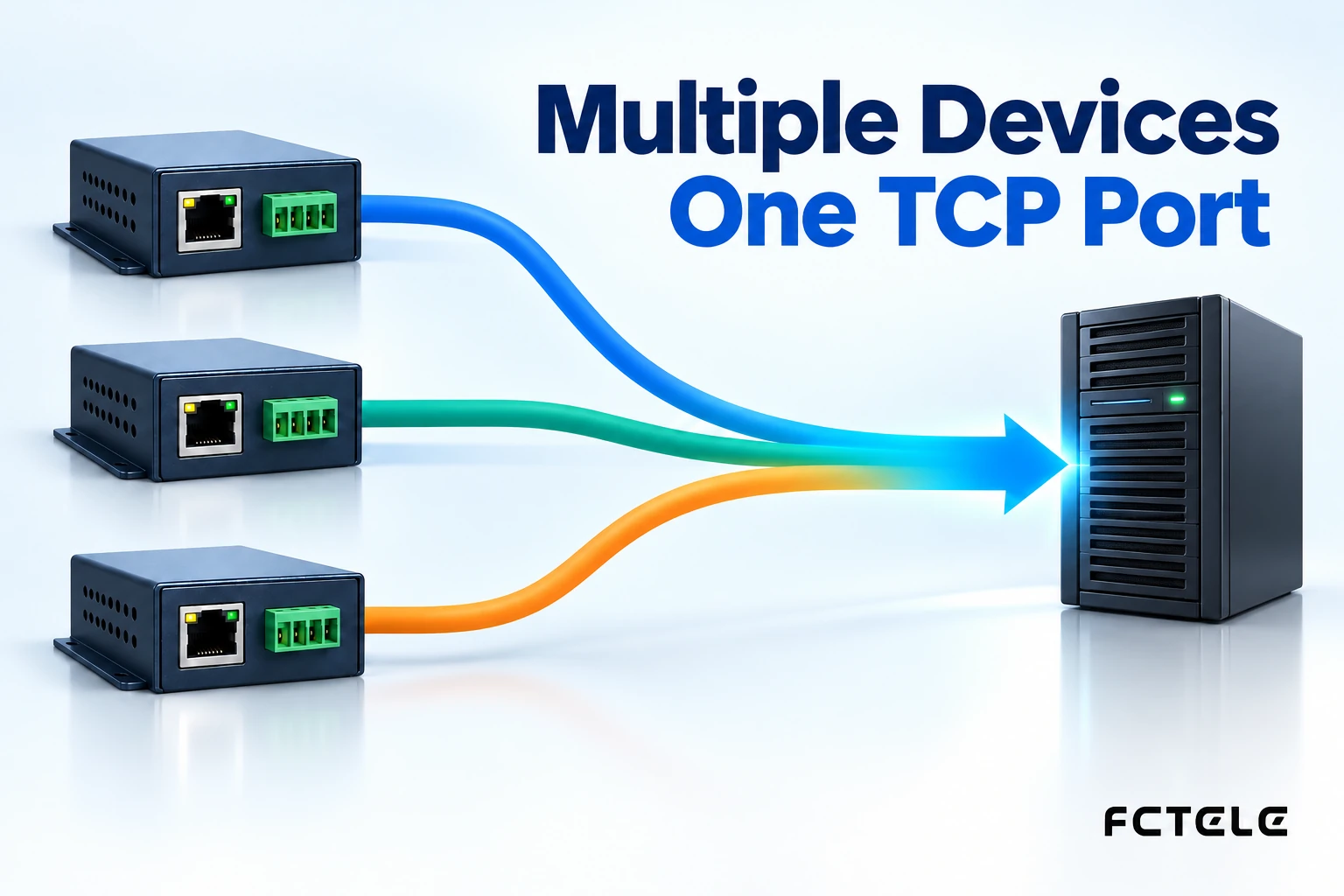
Multiple Serial Servers Connecting to One TCP Port: Device Identification and Communication Configuration
Connect multiple serial servers to a central TCP listener with explicit device identity and reconnect rules. Separate session endpoints from the shared port number.
