


UART Parity Explained: Why Corrupted Bytes Can Still Pass
A plain-English guide to UART parity bits, single- and two-bit error examples, and the separate checks inside serial-to-Ethernet communication paths.
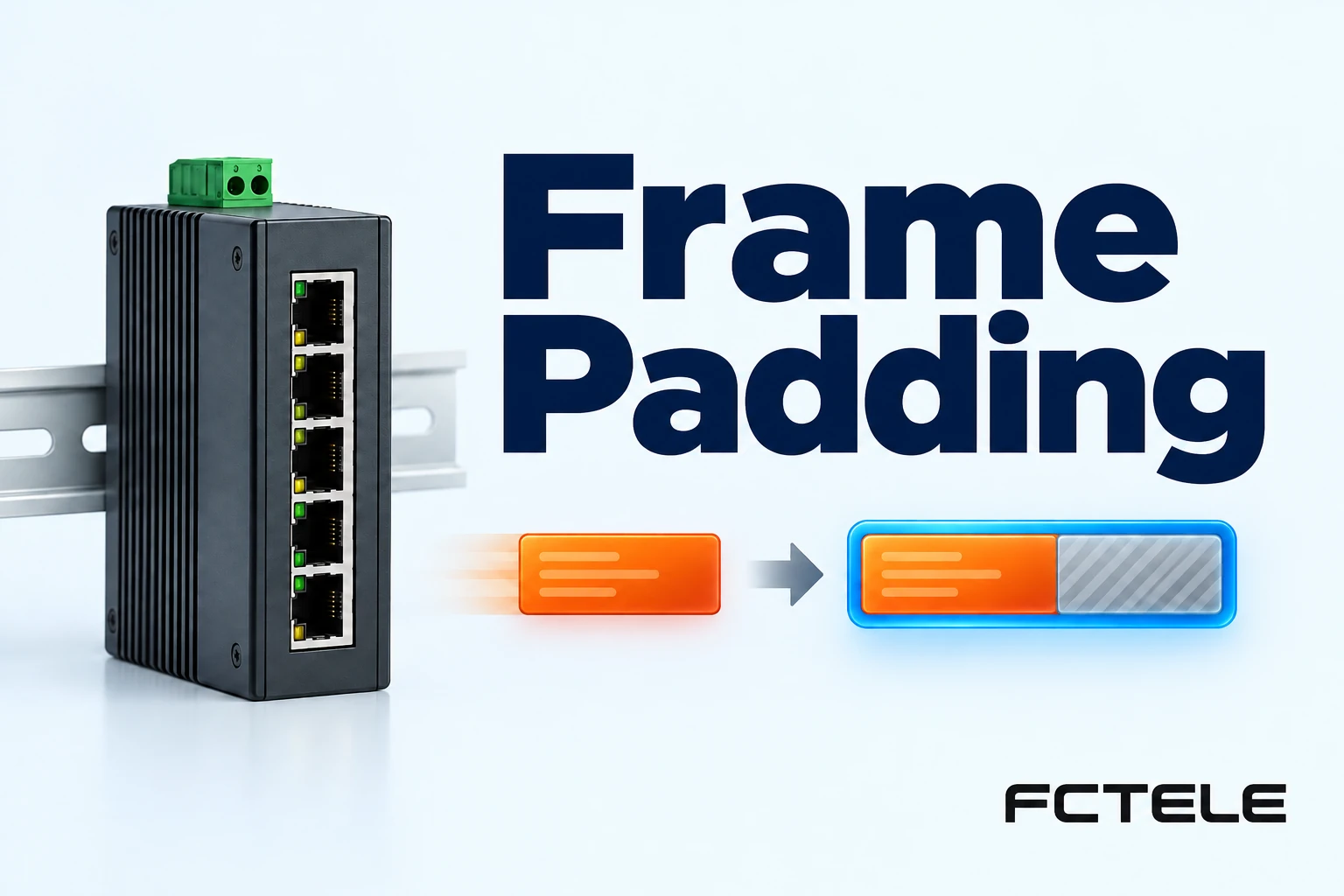
Ethernet Frame Padding Explained: Why Short Messages and Capture Lengths Differ
Understand where padding belongs, what the 64-byte MAC frame includes, and why a 60-byte capture alone does not prove an undersize frame.

Dying Gasp Explained: How Network Devices Send a Final Power-Loss Notification
Follow stored energy, power detection, link OAM and management paths to understand a final power-loss notification and its limits versus redundant power, a UPS and a broken link.
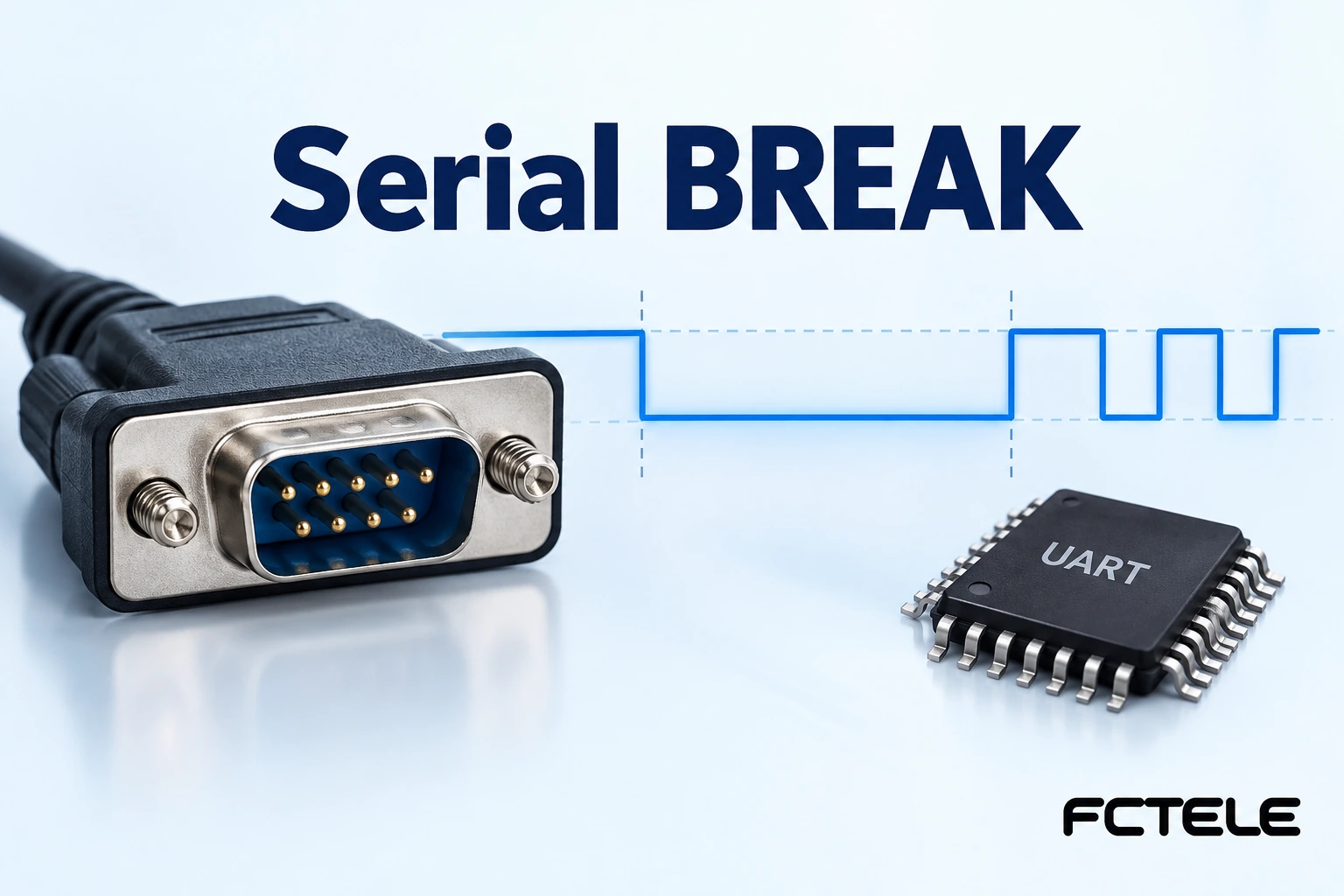
Serial BREAK Signals: Why a Sustained State Is Not a Disconnected Cable
Understand how serial BREAK differs from 0x00, cable disconnection and framing errors, and what to verify when a serial device server carries data and control.
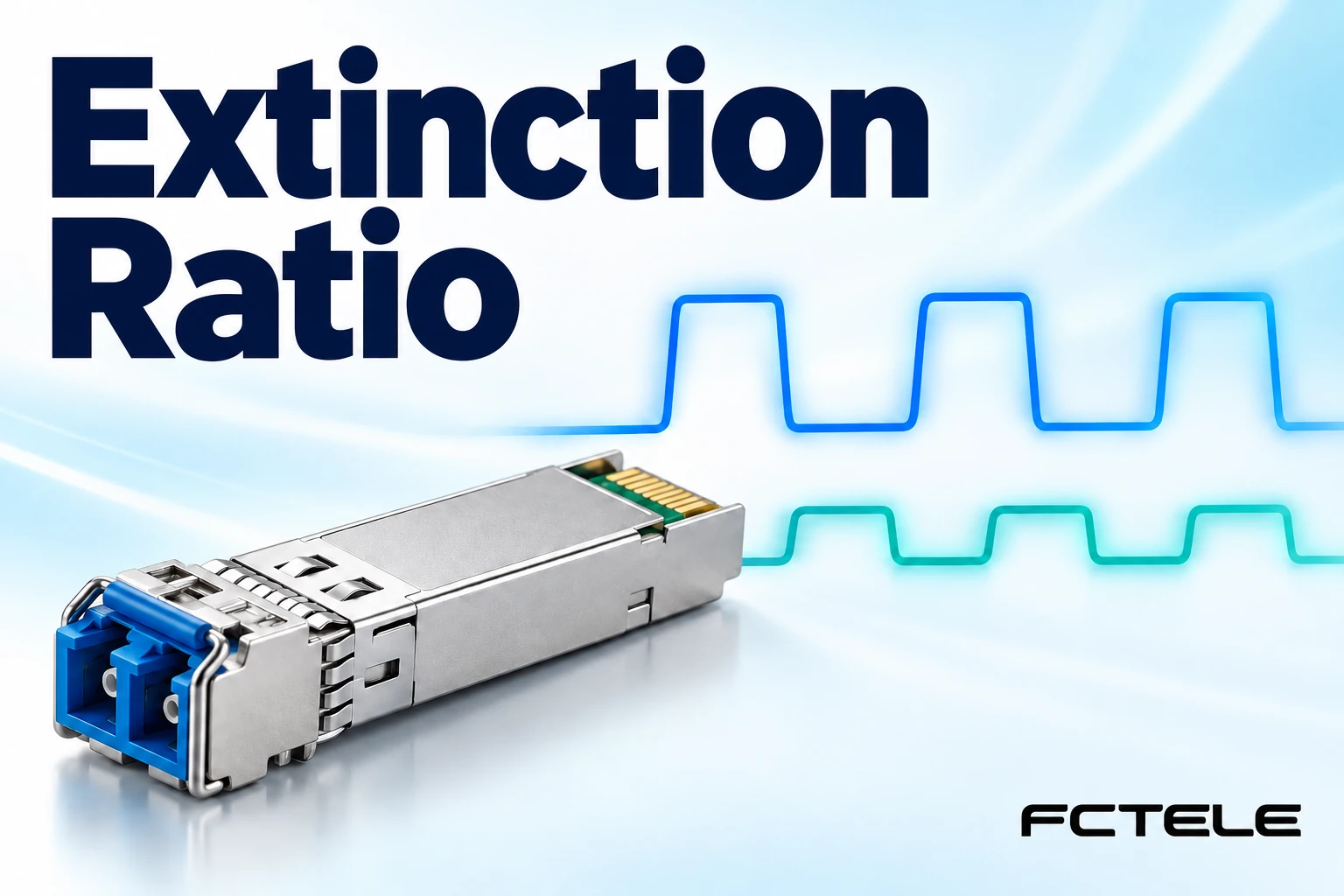
Optical Extinction Ratio: Why Average Power Does Not Describe Signal Clarity
Understand optical extinction ratio through two light levels, equal-average waveforms and test-instrument roles. Separate average power, eye quality and errors in an industrial fiber link.
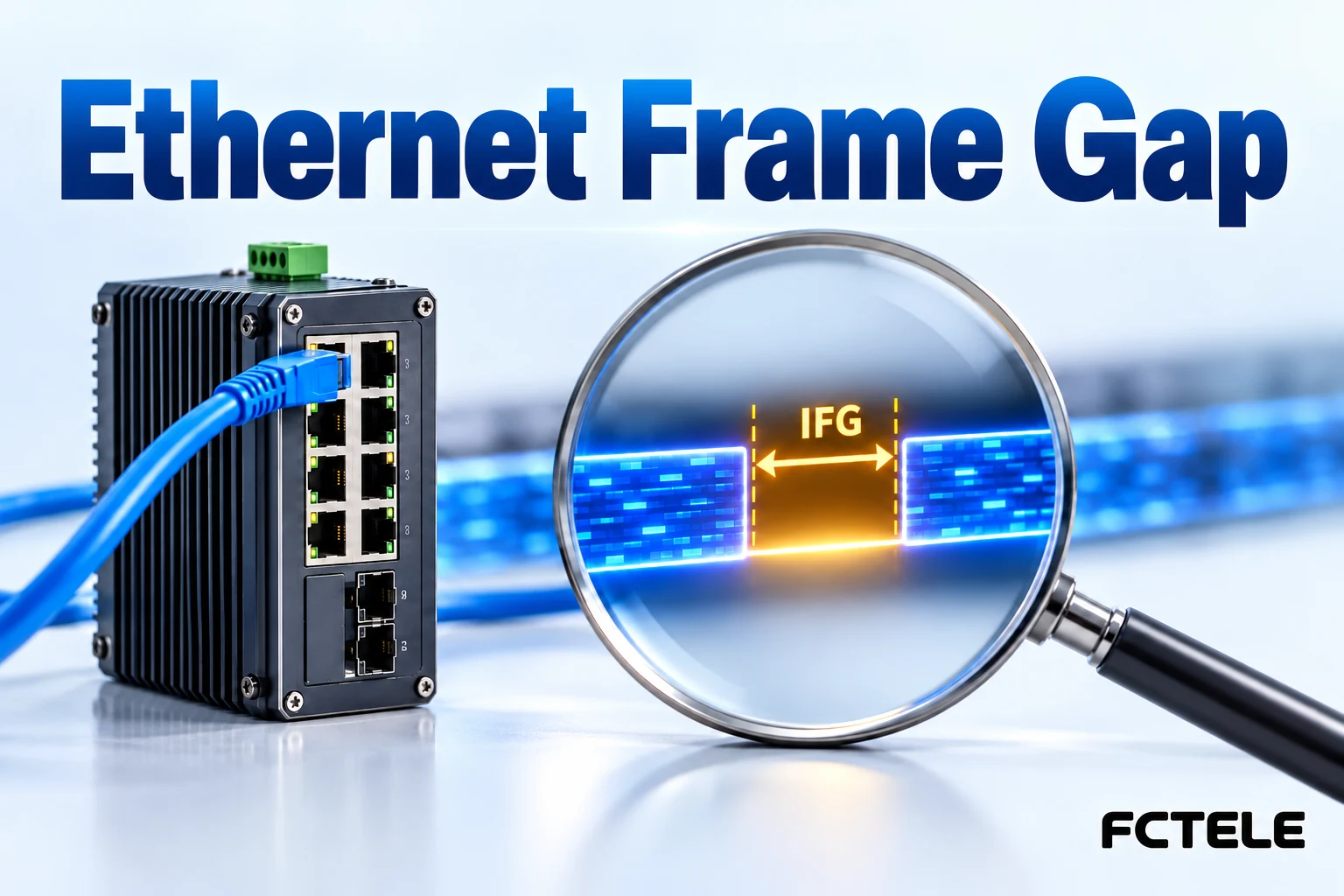
Ethernet Preamble and Interframe Gap: Why Frames Need Boundaries
Understand Ethernet preamble, SFD and interframe gap in plain English, including capture limitations, small-frame overhead and the difference between IFG and queuing.
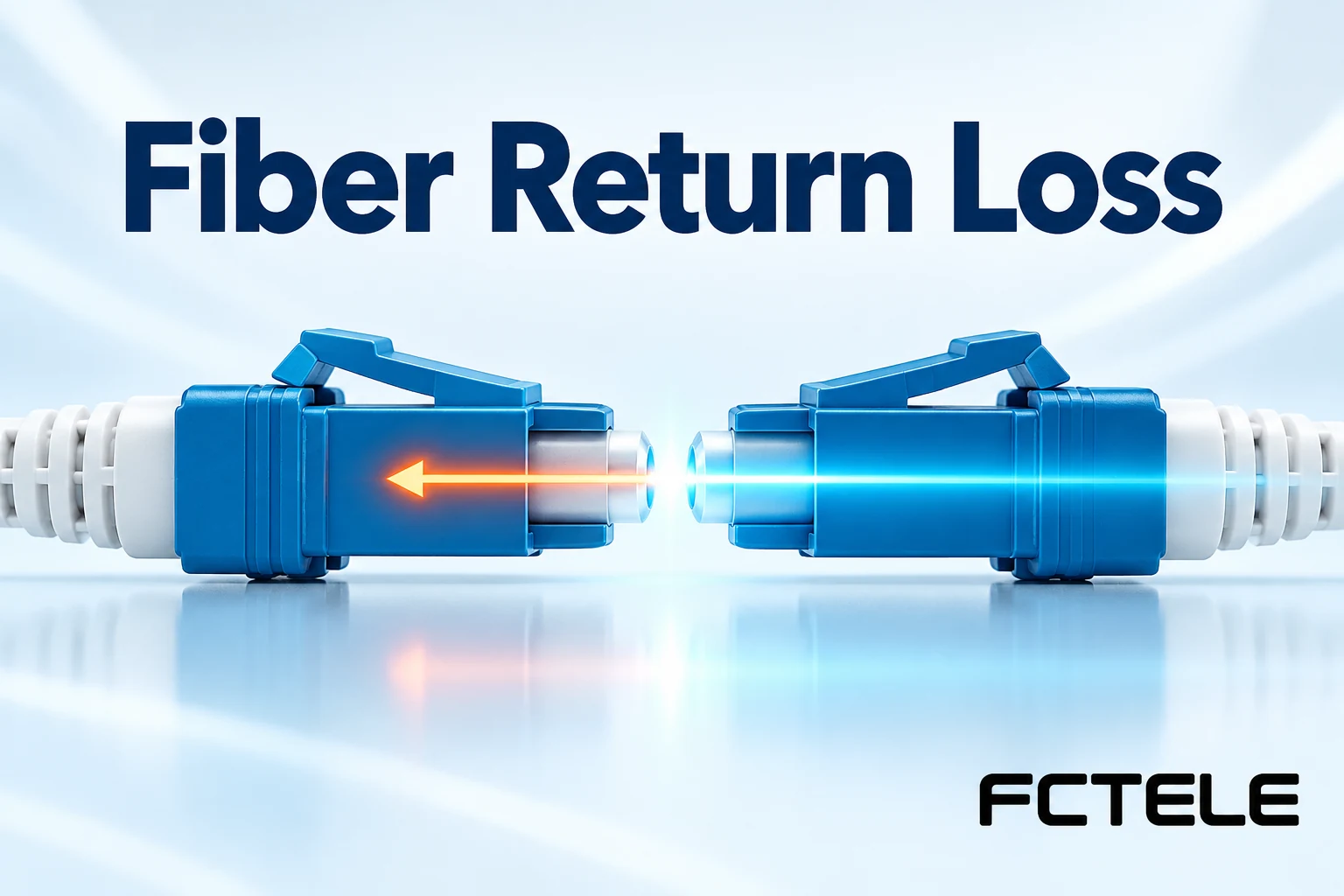
Fiber Return Loss: Why a Higher Reading Can Be Better
A plain-English guide to forward loss, reflected light and optical return loss: reading signs, defining measurement scope and verifying fiber links.

Optical Dispersion: Why Enough Light Can Still Mean Errors
Normal optical power does not prove that neighboring symbols remain distinguishable in time. Check fiber type, source spectrum, supported rate and reach.

Electrical Isolation over Fiber: Signal, Power and Network Limits
Distinguish fiber electrical isolation, equipment interference immunity and service network security, clarifying metal cable, shared power and surge boundaries.
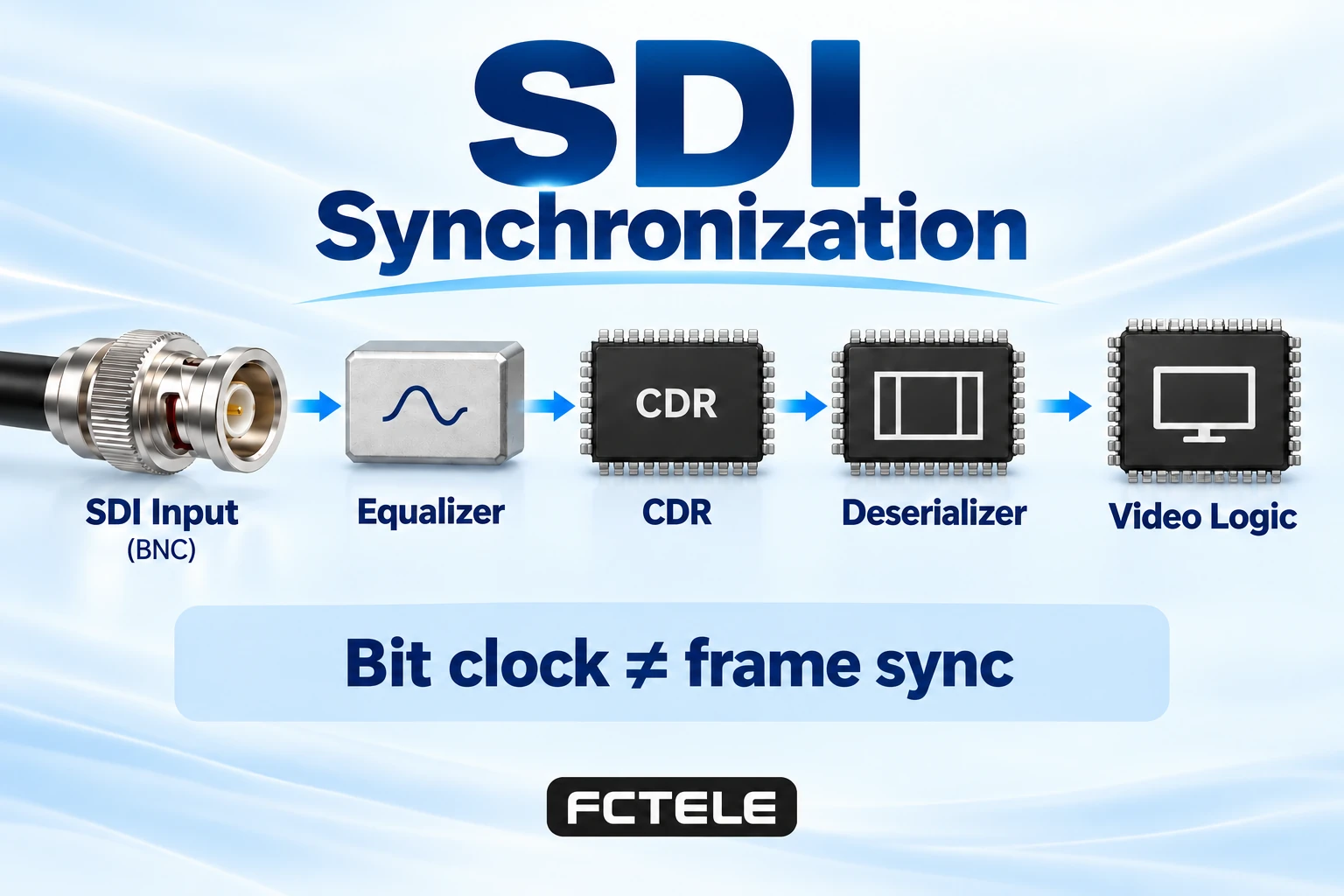
SDI Synchronization: Bit Clock, Frame Markers and Genlock
Separate SDI bit clock recovery, line and frame positioning, and multi-camera sync, explaining 3G mapping compatibility, genlock and frame synchronizers.
