
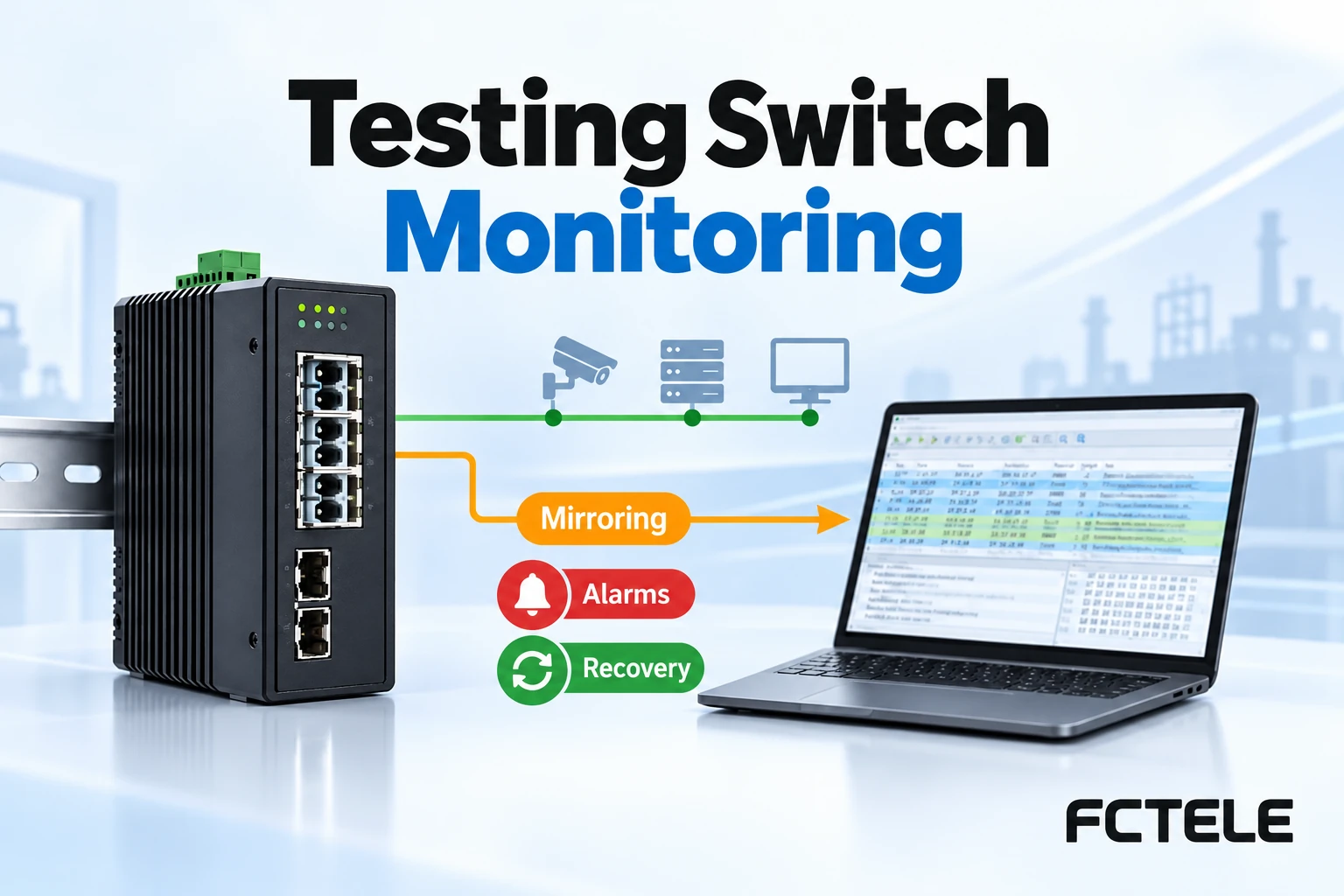
Testing Switch Monitoring: Mirroring, Alarms and Recovery
Prove monitoring by comparing device events, observation copies and real service delivery. Compare capture sequence numbers with the actual receiver.
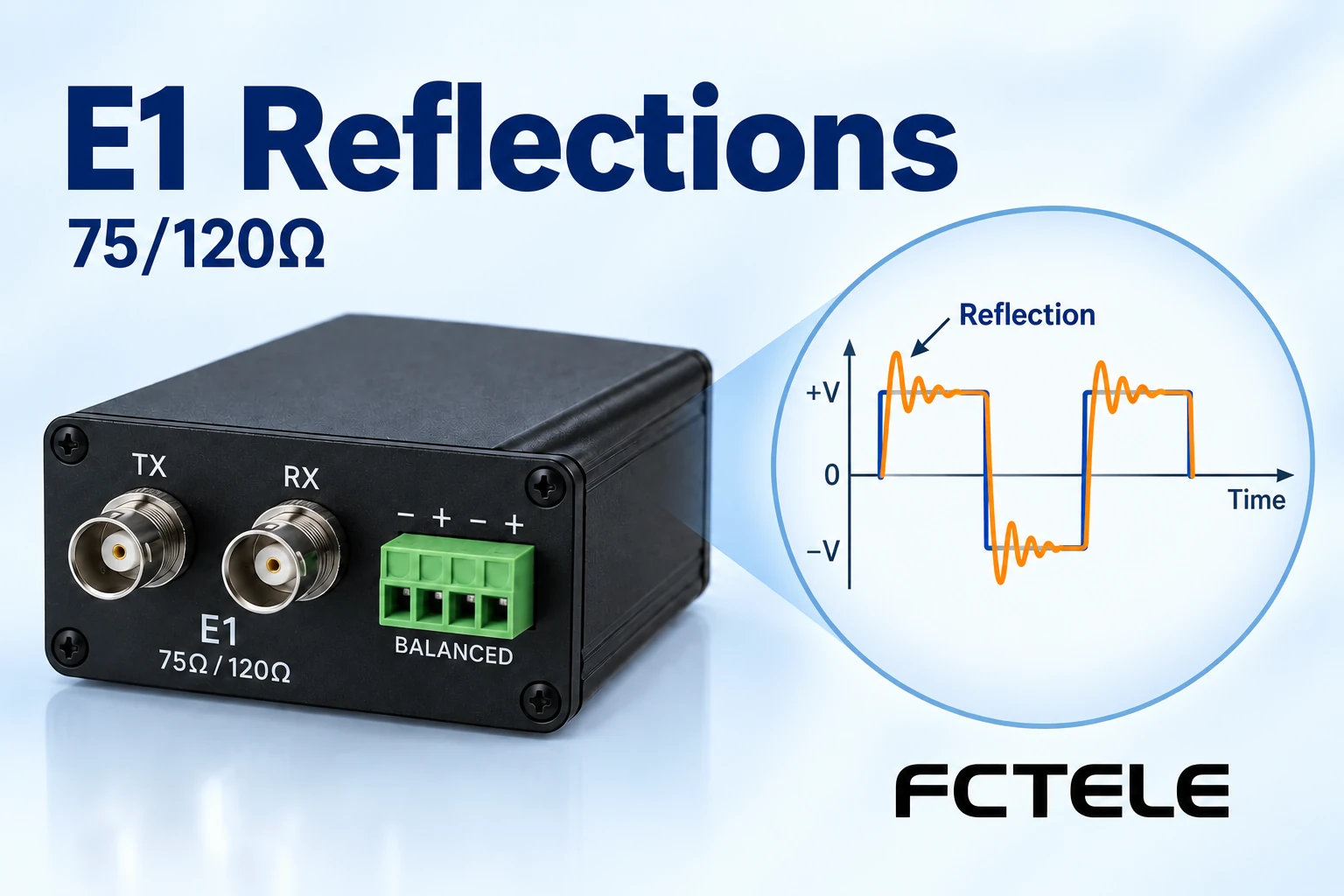
E1 Impedance Mismatch: Reflections, Pulses and Error Tests
Diagnose E1 mismatch by checking electrical interfaces and comparing controlled line tests. Compare the specified cable, termination and interface types.
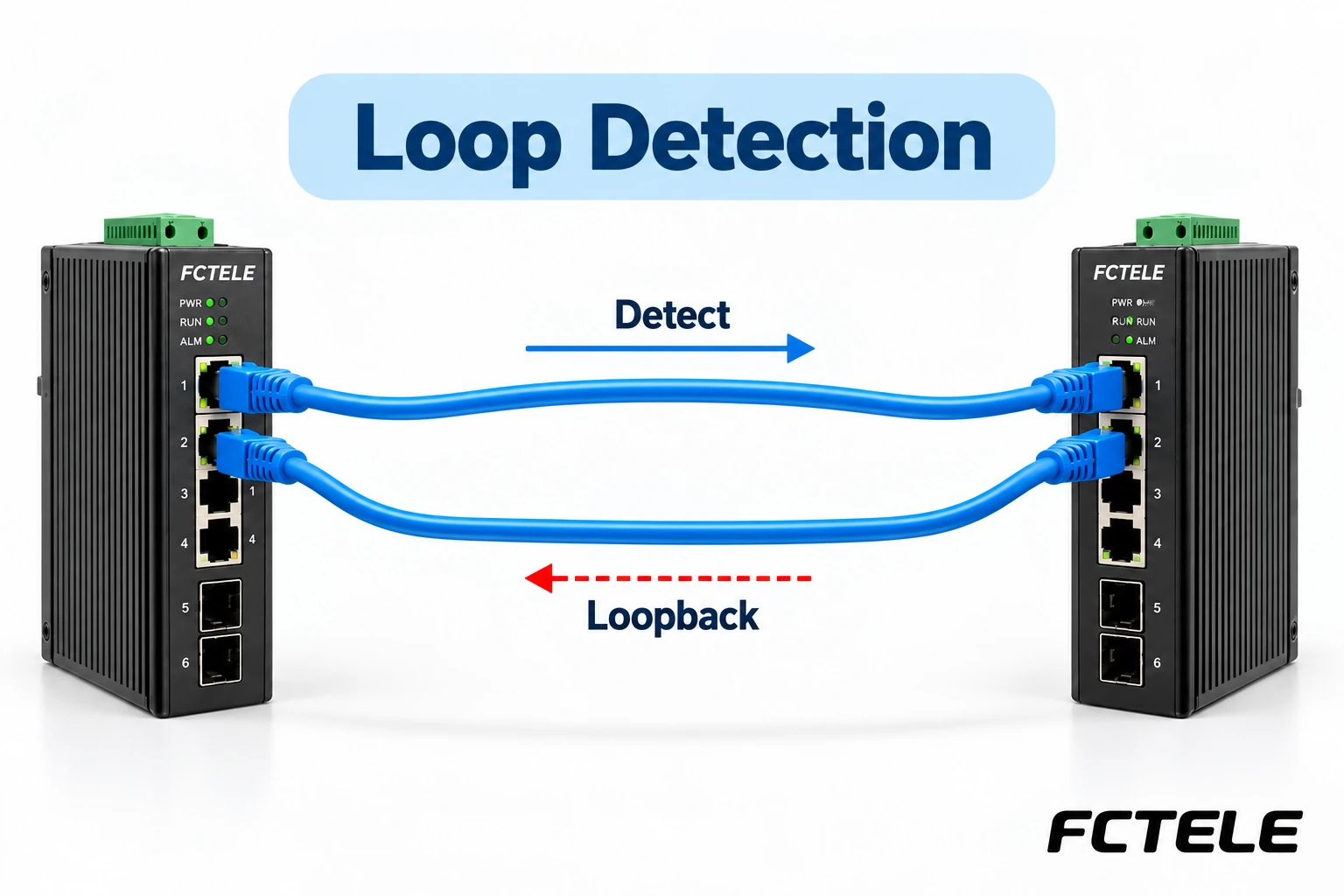
Switch Loop Detection: Probe Return, Protection and Recovery
A loop-detection function may recognize a returned probe and apply its configured protection action.
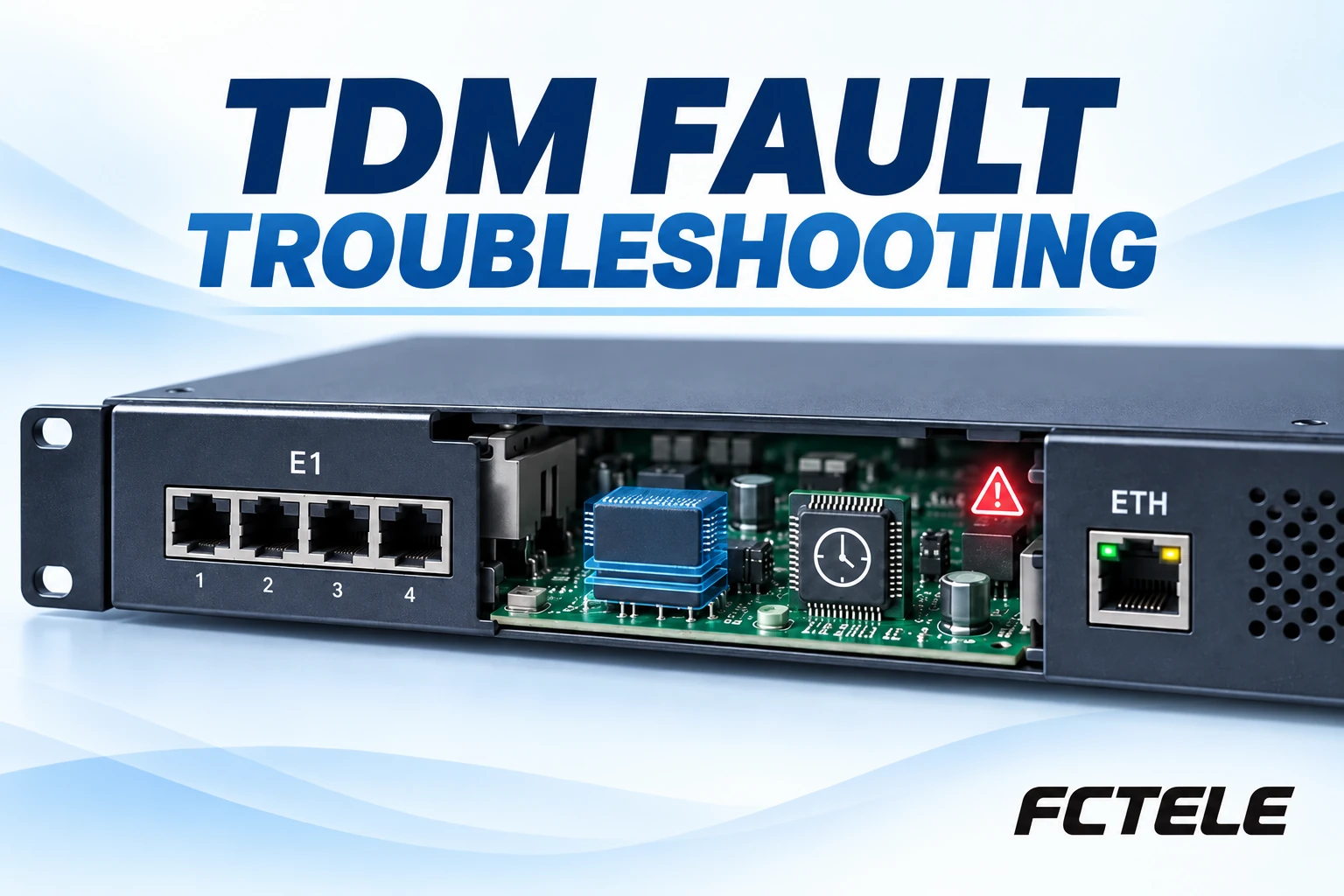
TDM over IP Troubleshooting: E1 Alarms, Packets and Clock Recovery
Separate the local circuit, packet transport and recovered remote circuit before changing settings. Record E1 alarms and a local test baseline.
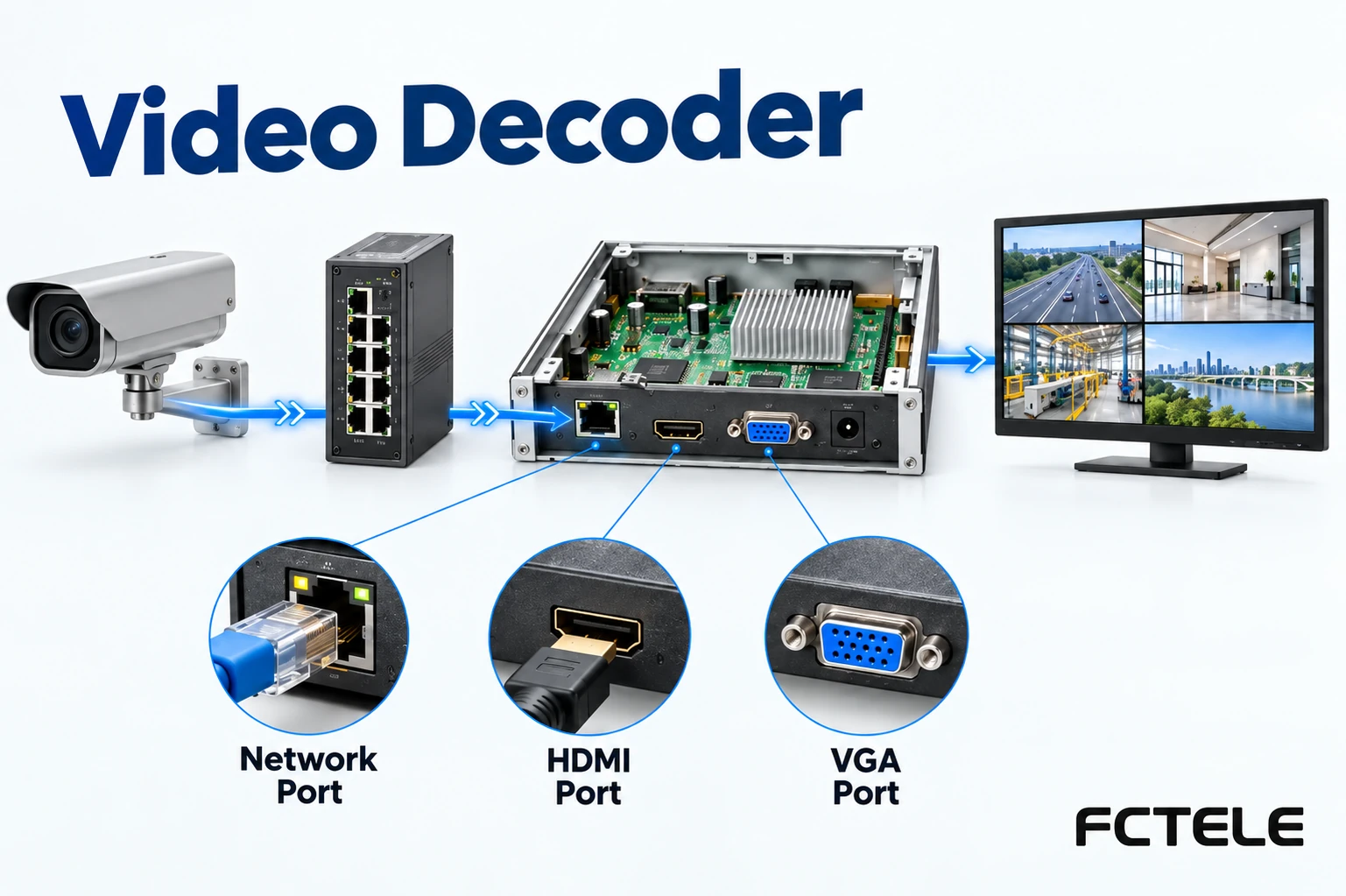
Network Video Decoder Troubleshooting: From Stream to Display
Follow the chain from network delivery to stream parsing, decoding and display output. Check the actual stream address, port, permissions and counters.
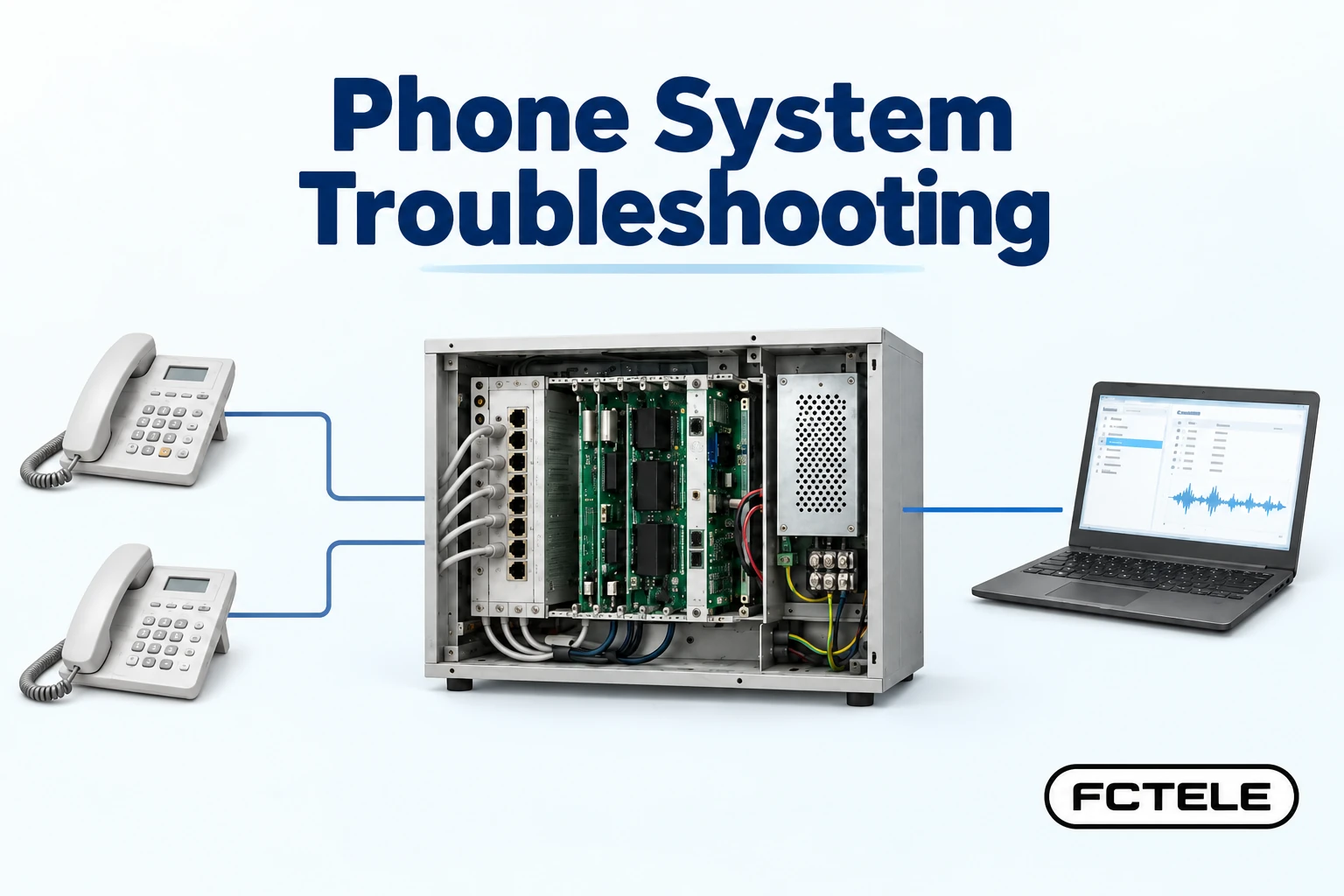
PBX Maintenance: Isolating Power, Interface and Call Faults
Separate power and platform state, physical interfaces, trunk signaling and the voice path. Compare affected extensions and platform alarms.
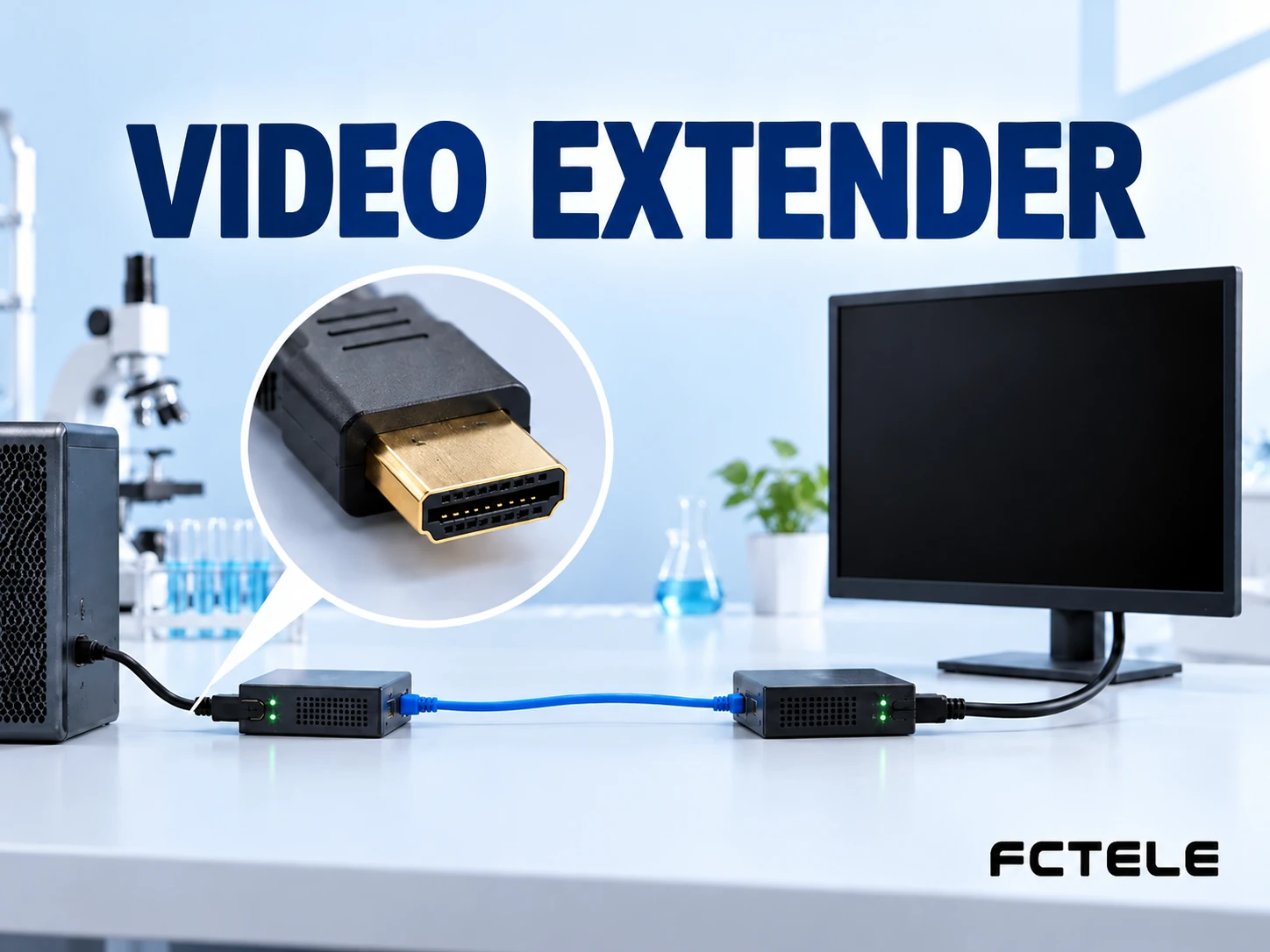
Signal Extender Faults: VGA Smearing and Digital Black Screens
Separate analog VGA edge loss and channel skew from digital video lock, EDID and format faults using direct, short-link and installed-line baselines.
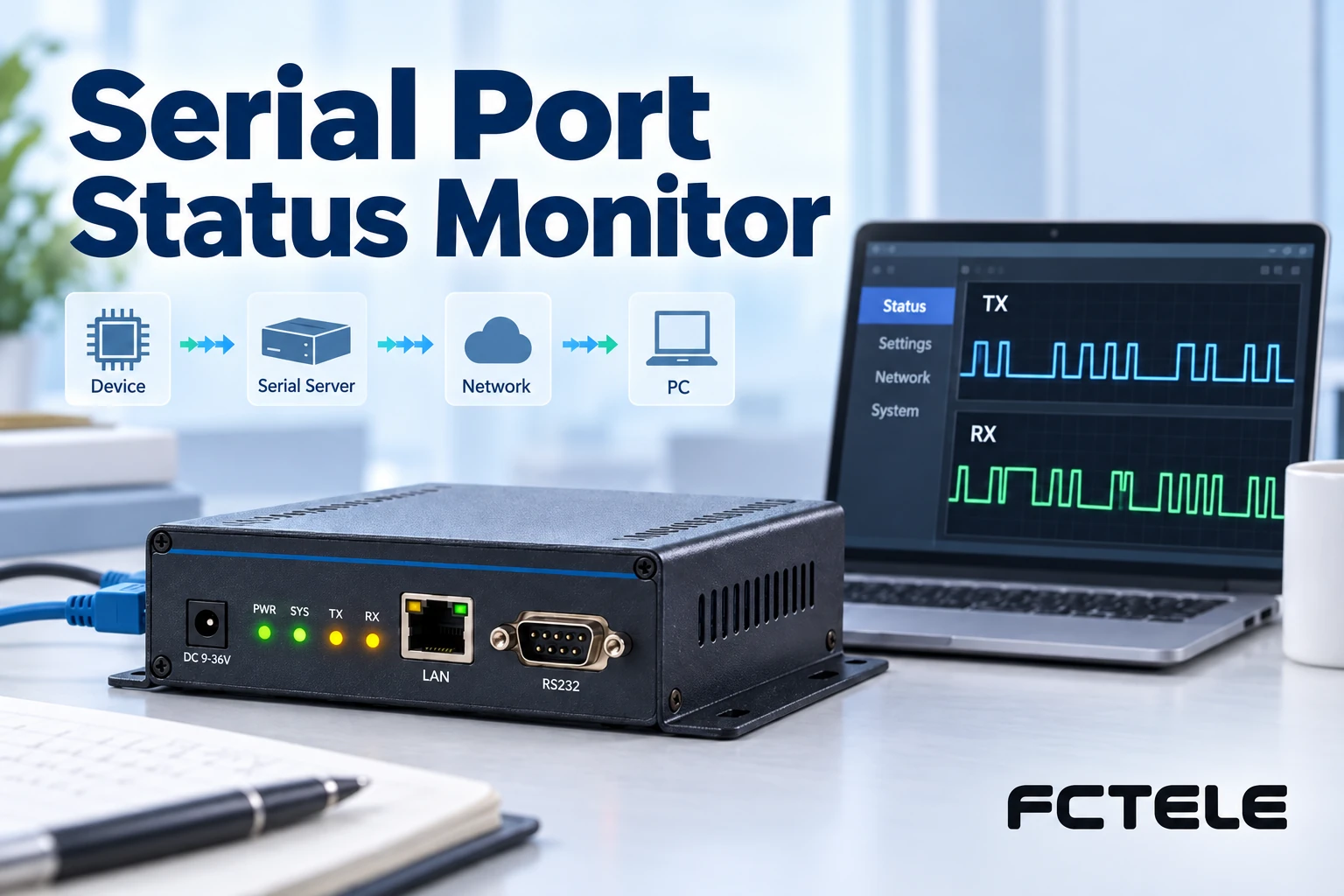
Serial Server Status: Counters, Resets and Recovery
Correlate serial-server network and serial counters with a valid instrument response, and separate reboot, reset and firmware upgrade evidence.
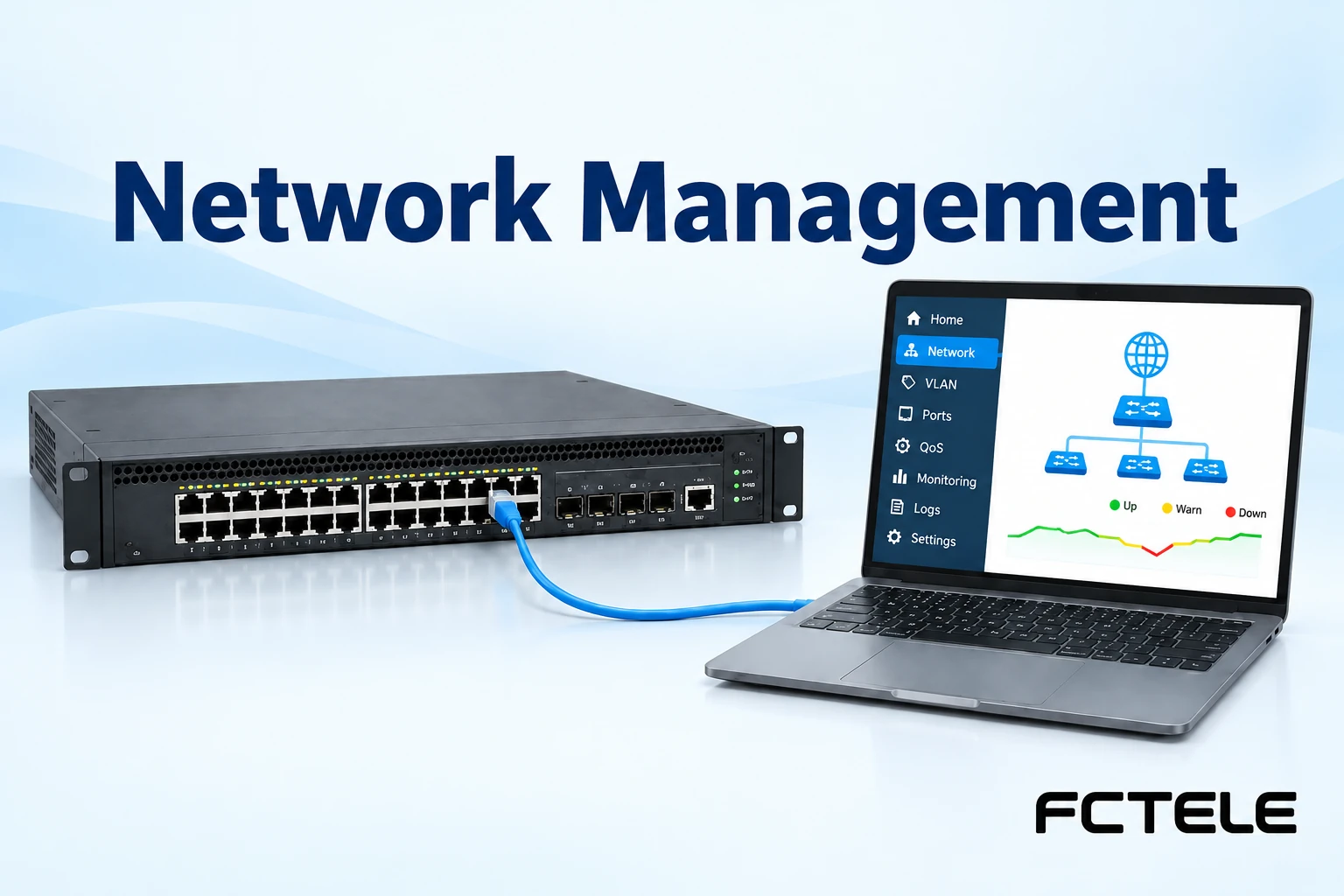
Layer 3 Switch Troubleshooting: Paths and Counter Evidence
Trace VLAN, route, next-hop and return-path faults, then use valid counter differences and controlled changes to verify Layer 3 service recovery.
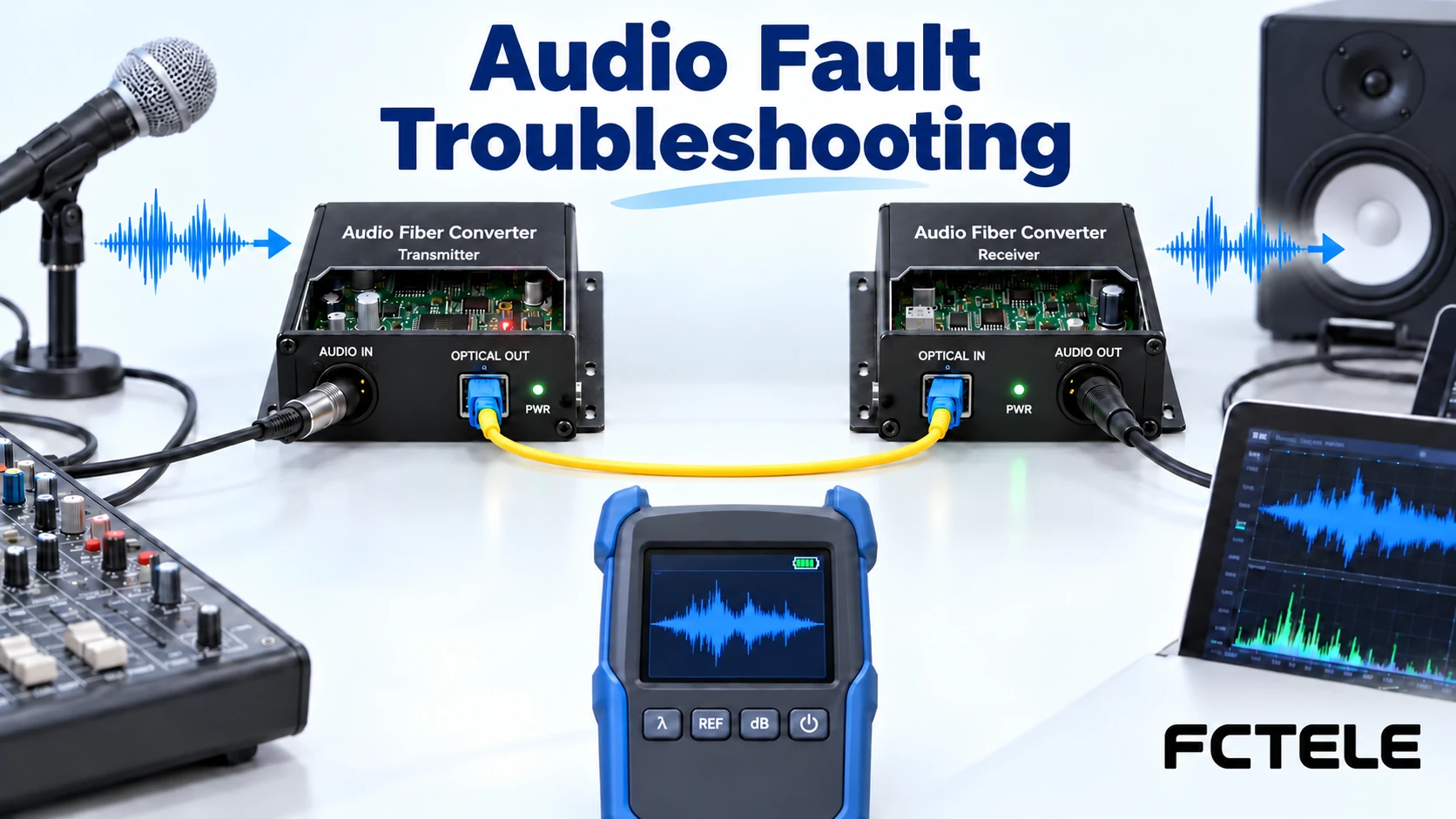
Audio Fiber Link Troubleshooting: Silence, Noise and Recovery
Trace silent, distorted or intermittent audio across input level, channel direction, optical receive conditions and fresh output after link recovery.
