
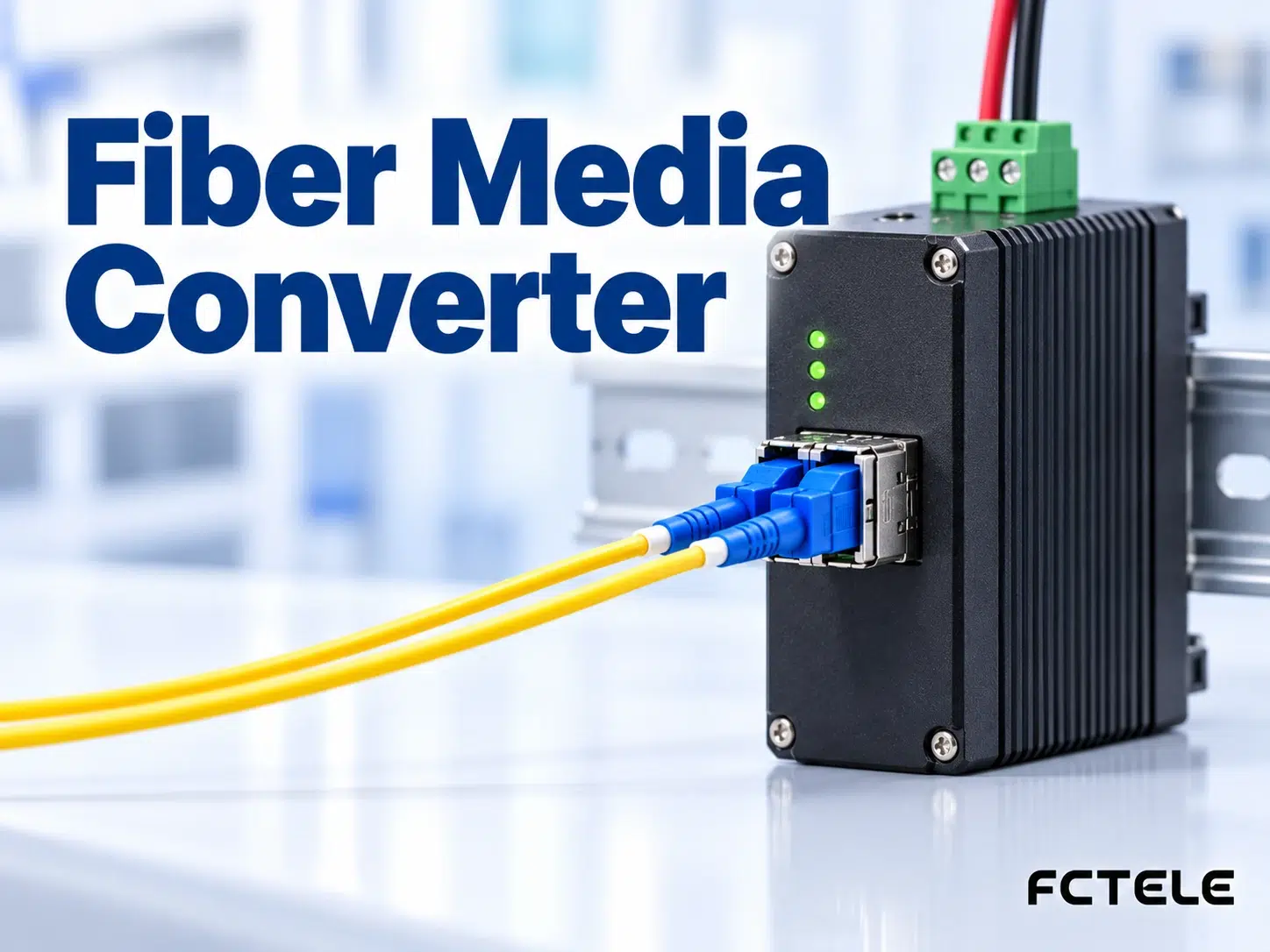
How to Use and Maintain Industrial Fiber Optic Transceivers: From Installation to Optical Power Records
Maintain industrial media converters with documented endpoint pairing, clean endfaces and comparable optical records. Separate environmental changes from network faults.
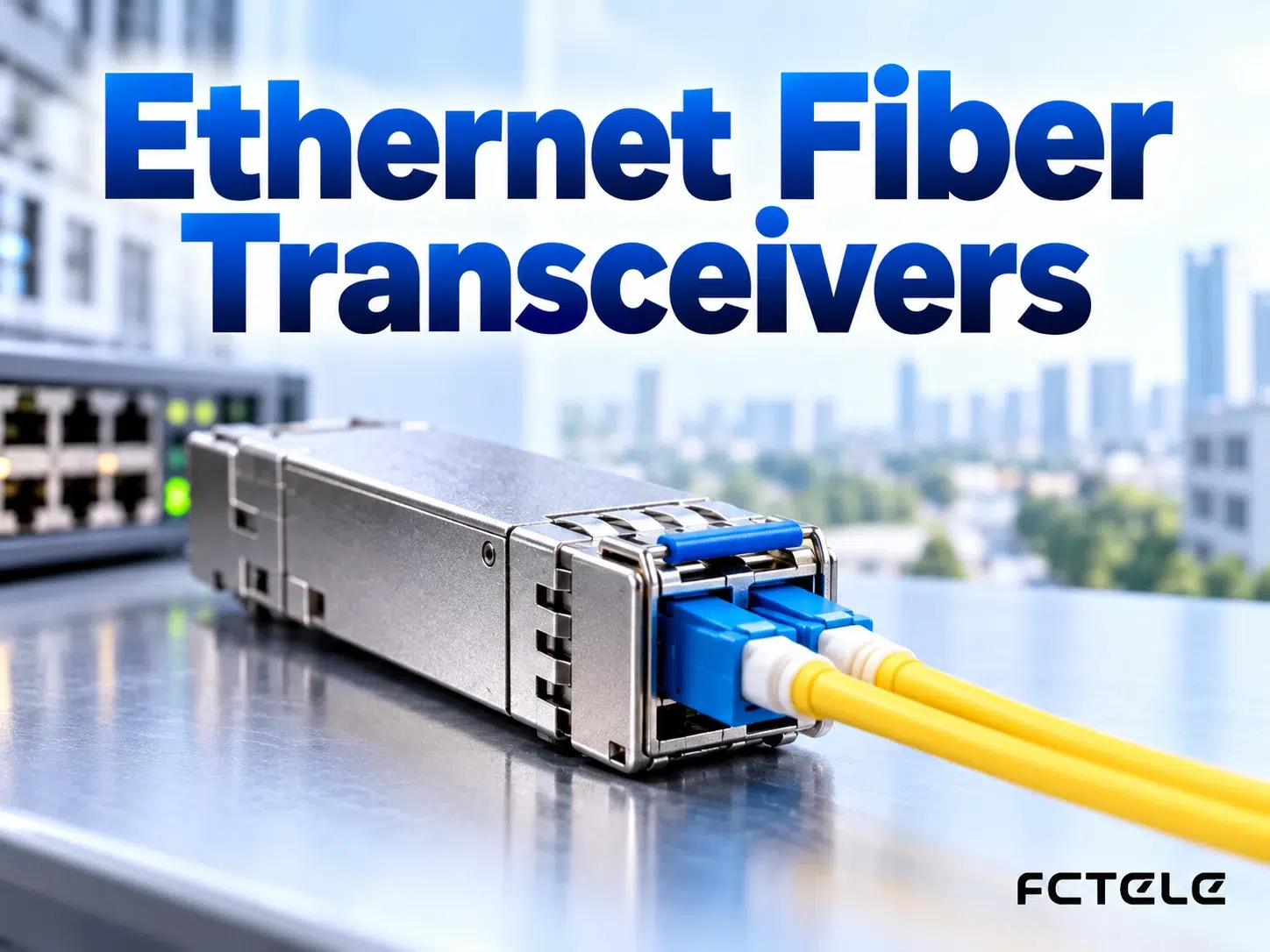
What Ethernet Fiber Transceivers Do: Electrical-Optical Conversion and Network Extension
Use Ethernet media conversion to extend a compatible link while preserving service checks. Verify peer optics and local power without assuming routing or protocol translation.
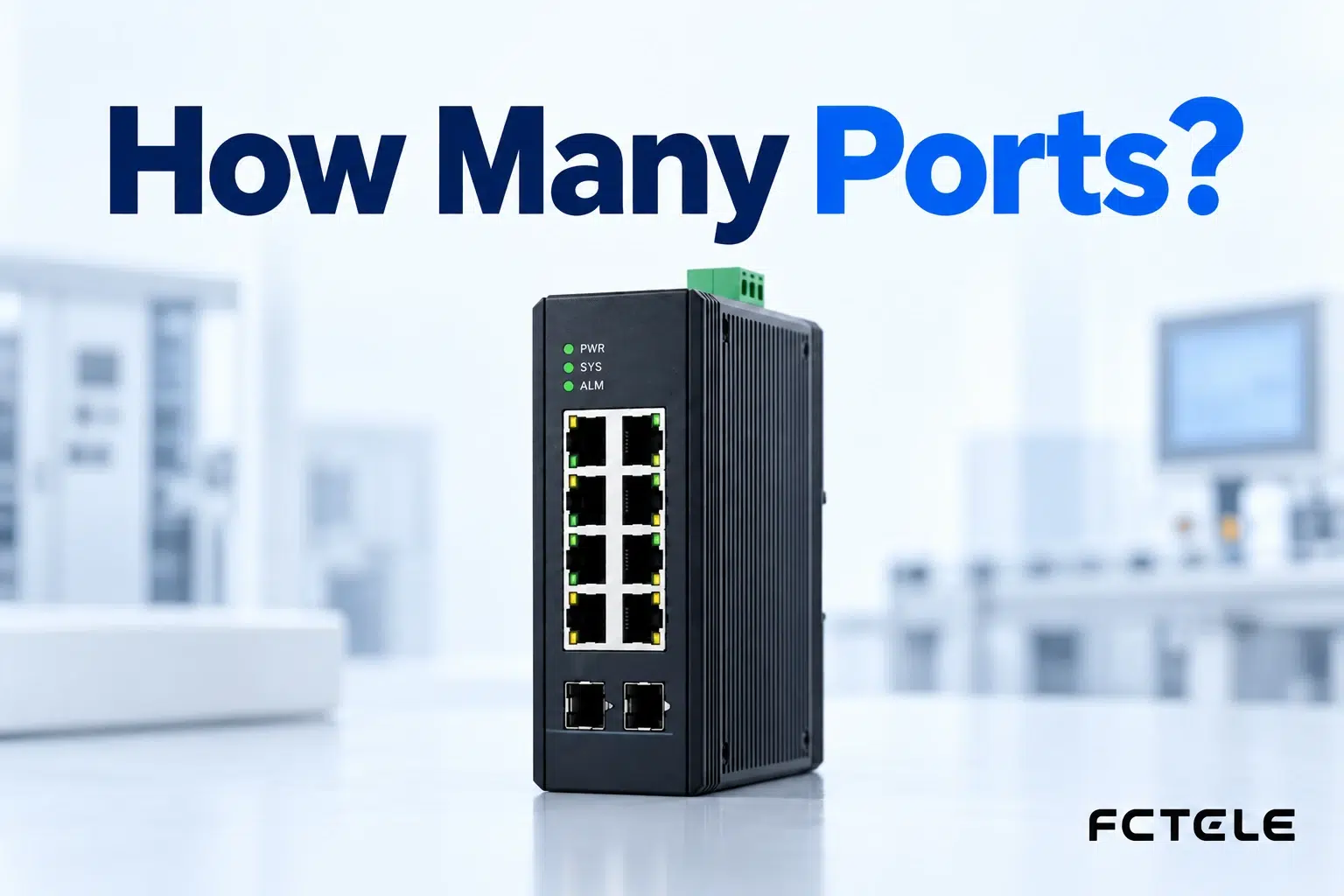
How Many Ports Does an Industrial Switch Need: Device Count, Uplink Capacity, and Expansion Margin
Plan switch ports with uplink roles, actual simultaneous traffic and PoE demand. Distinguish an unused socket from verified expansion capacity across the complete path.
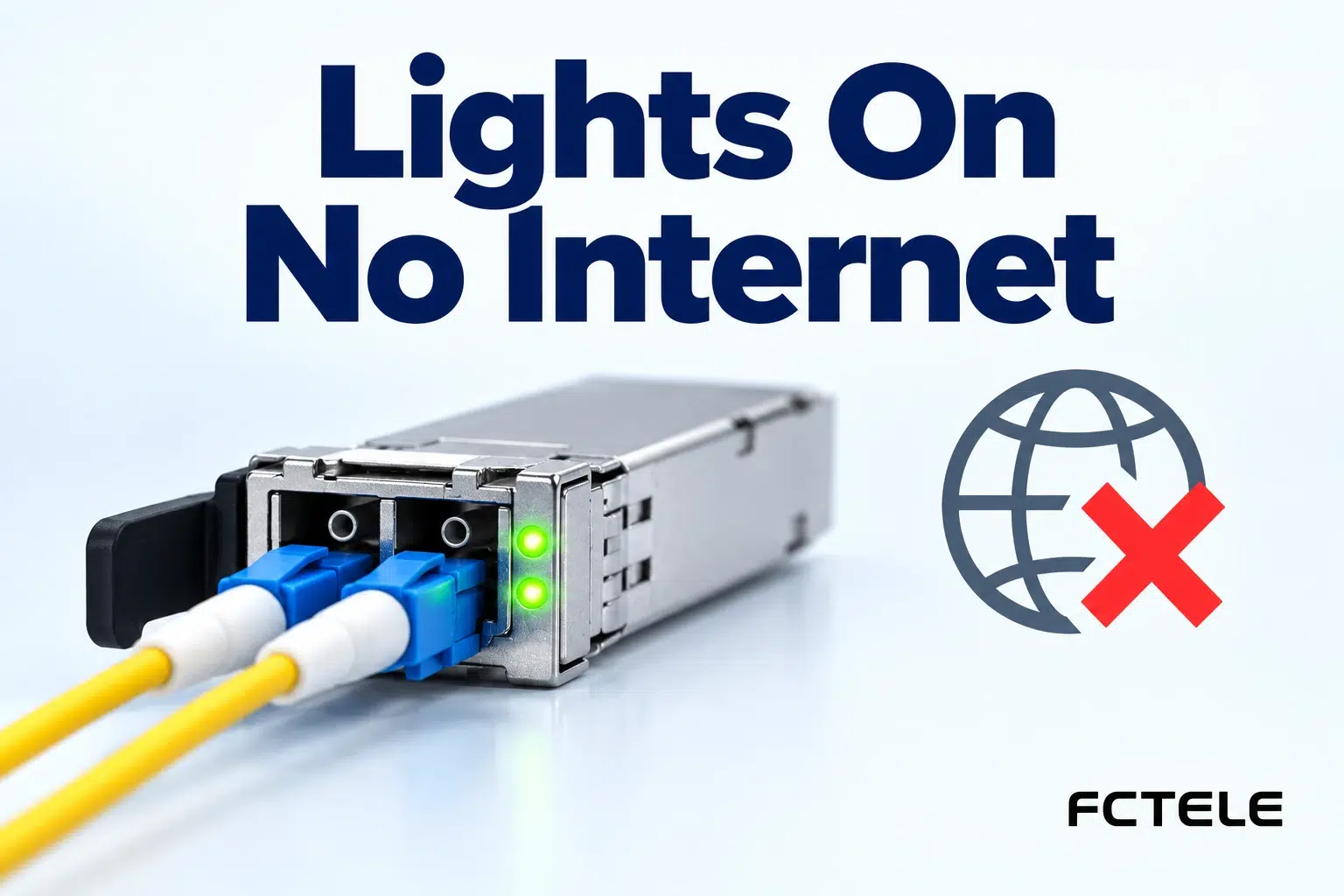
Fiber Transceiver Lights On but No Internet: Evidence-Based Troubleshooting for Cross-Building Links
Troubleshoot cross-building connectivity by tracing the gateway, address and DNS path separately from optical indications. Keep tests tied to their actual network scope.
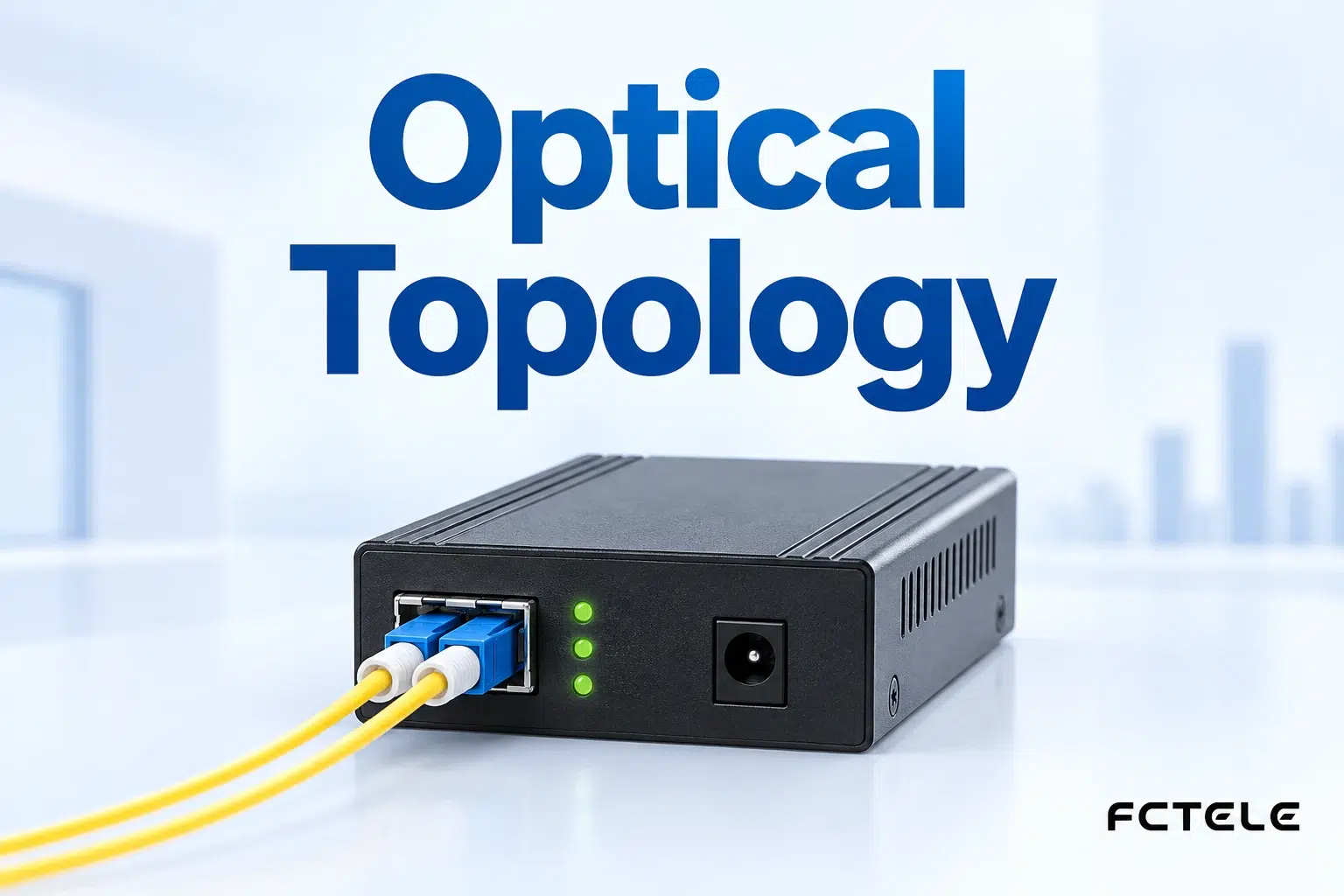
How to Choose Optical Transmission Topology for Surveillance Systems: Analog Video, IP Networks, and Control Channels
Choose surveillance optical topology by analog or IP video, control return and shared failure paths. Verify each service rather than treating all optical cameras alike.
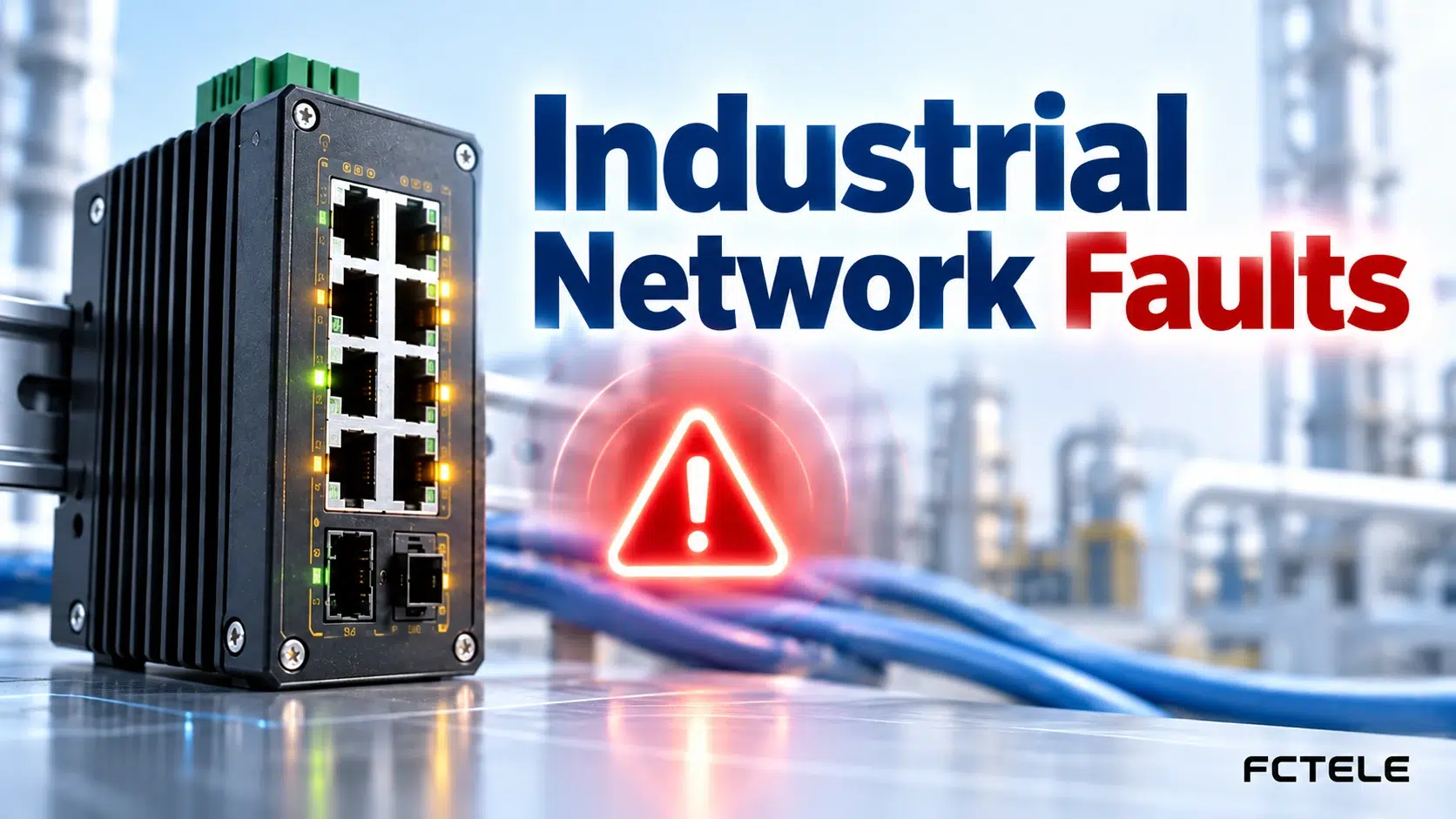
Why Industrial Ethernet Goes Wrong: Congestion, Loops and Electromagnetic Interference
Diagnose industrial Ethernet interruptions using queue, topology and physical-error evidence. Separate application timing and command recovery from switch forwarding.
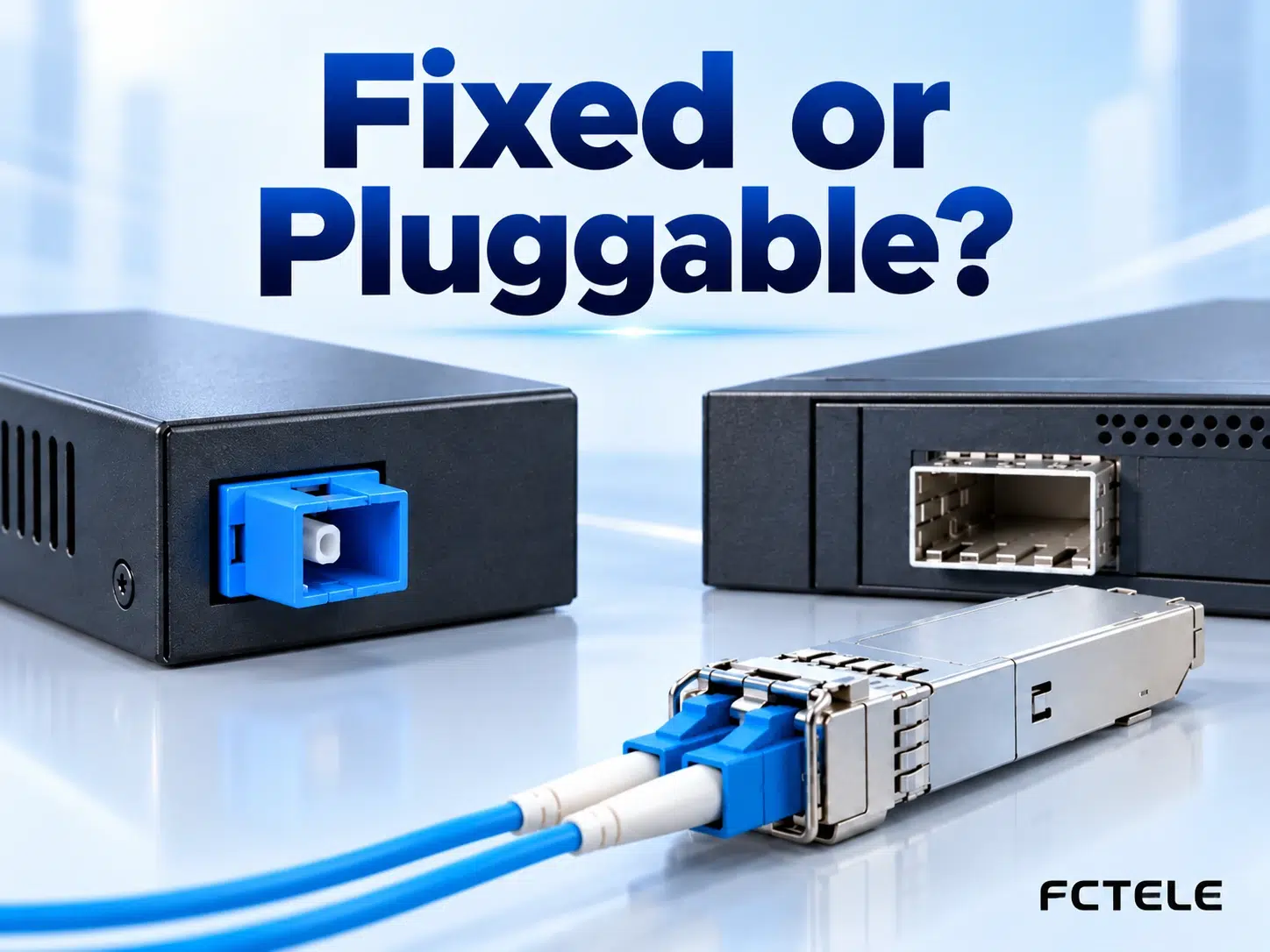
Does a Fiber Optic Interface Always Need a Module? Fixed Optical Ports vs Pluggable Optical Ports
Determine whether an optical interface needs a module from its actual structure and host support. Specify included components, peer pairing and replacement conditions.
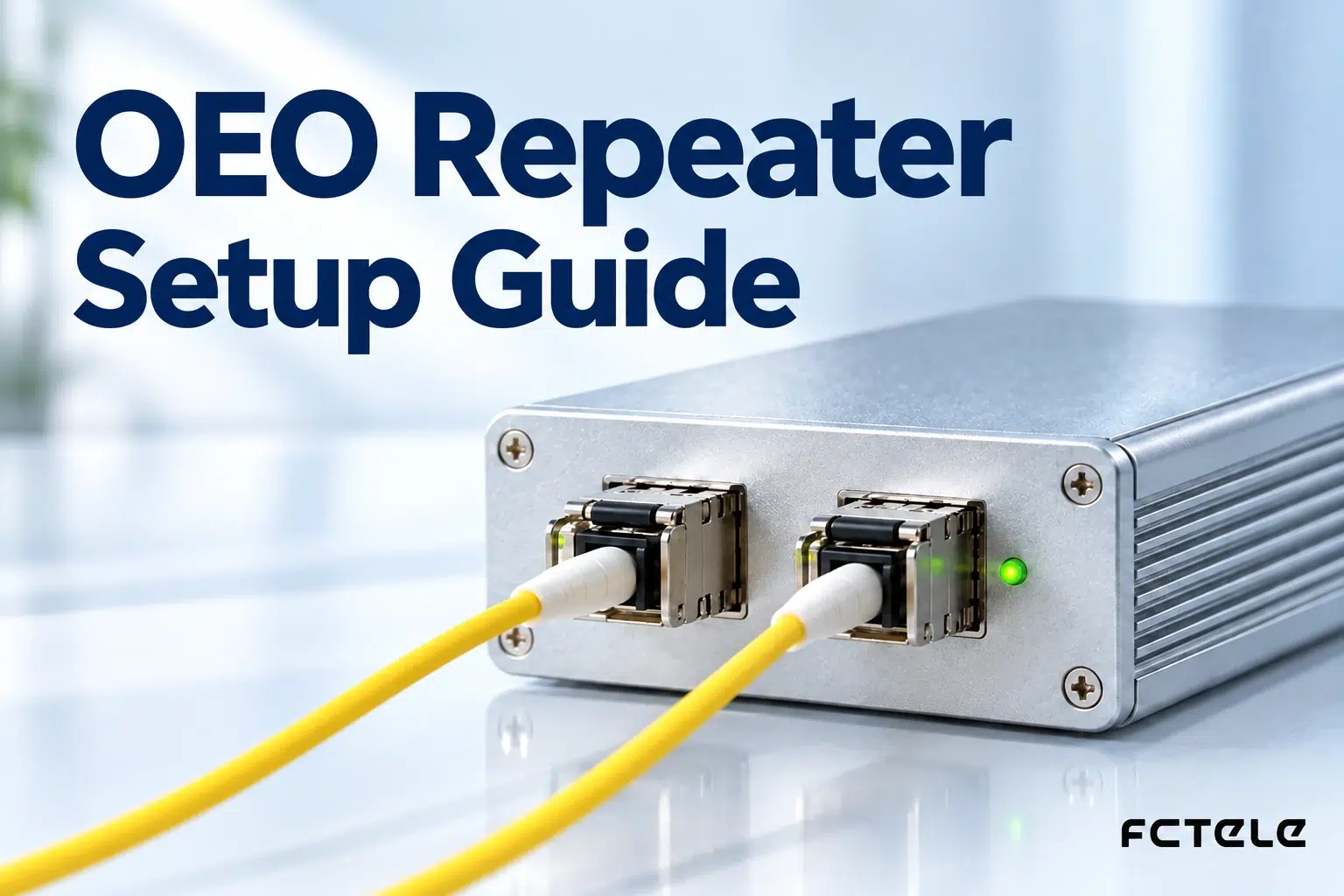
How to Install and Debug an OEO Fiber Repeater: Signal Regeneration and Two-Segment Optical Budgets
Commission OEO repeaters with supported signal processing and separate optical budgets for both spans. Verify regeneration limits instead of assuming universal conversion.
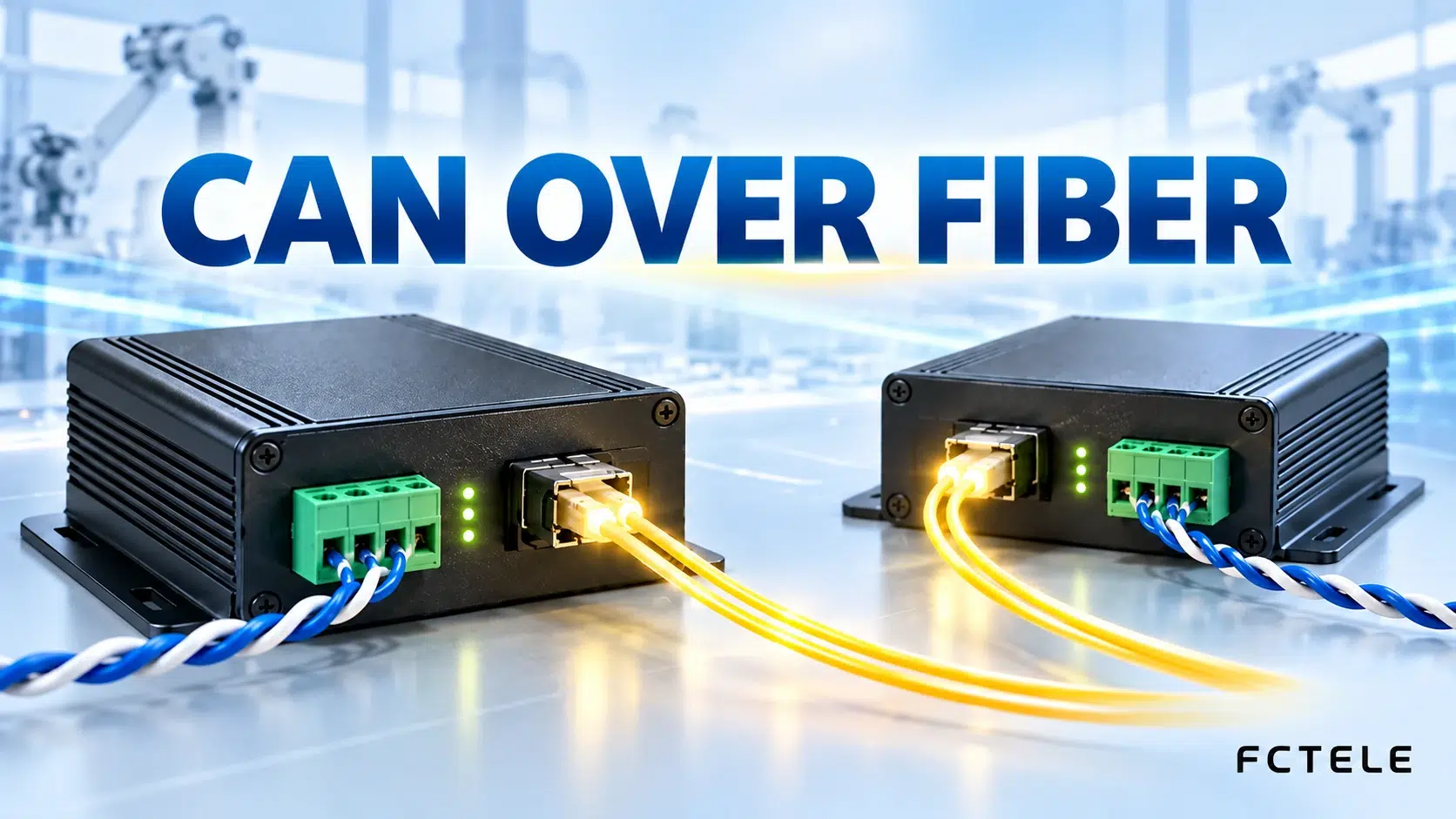
How CAN Bus Fiber Optic Modems Extend Fieldbus: Differential Signals, Arbitration Timing, and Selection
Select CAN fiber extension by bit-level or frame-level processing, propagation timing and error behavior. Verify the intended bus segments rather than nominal distance alone.
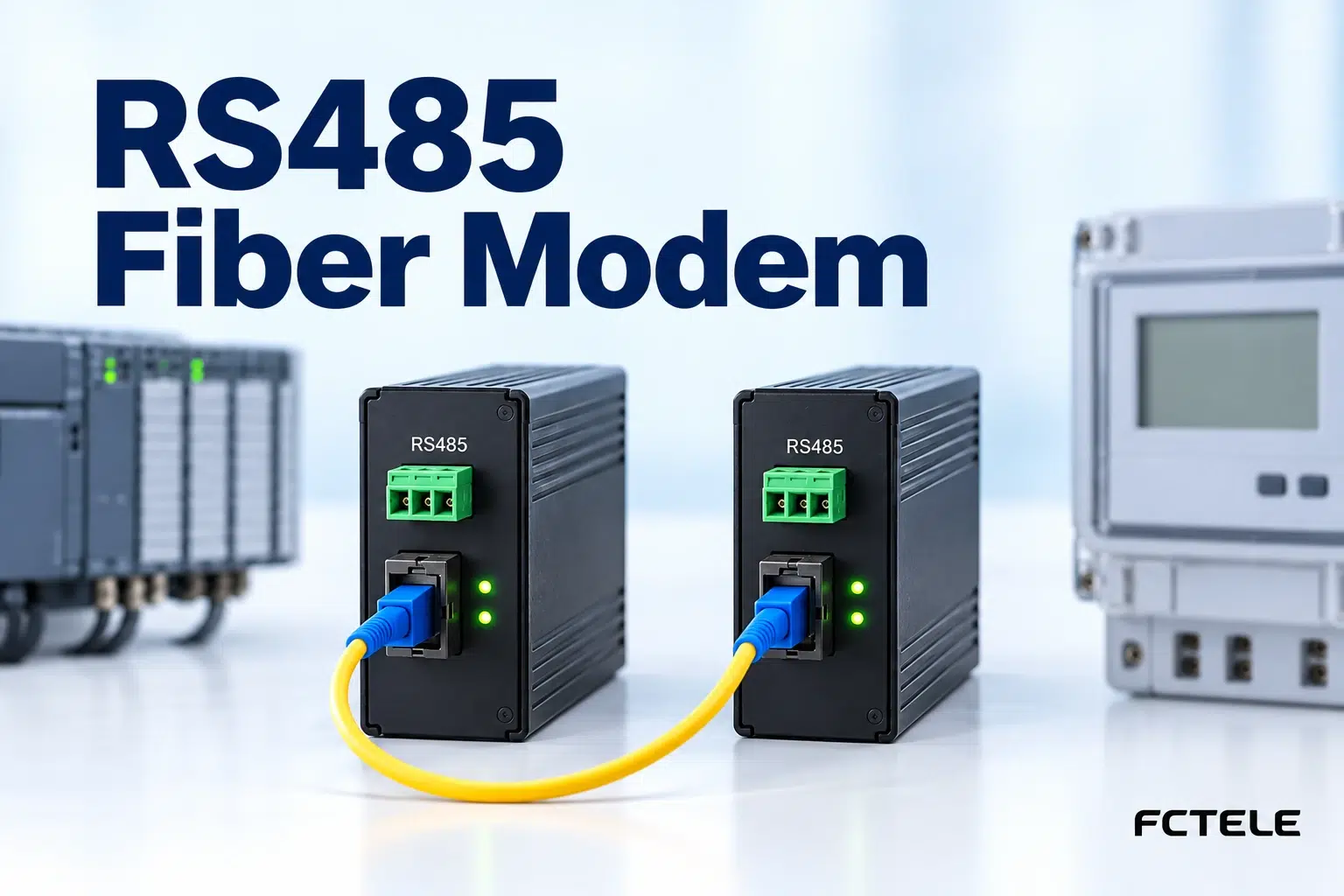
How RS485 Fiber Optic Modems Handle Data Direction: Half-Duplex Timing and Forward/Reverse Definitions
Specify RS485 fiber modem direction by request, response and local bus behavior. Keep surveillance forward/reverse labels separate from polarity and optical pairing.
