
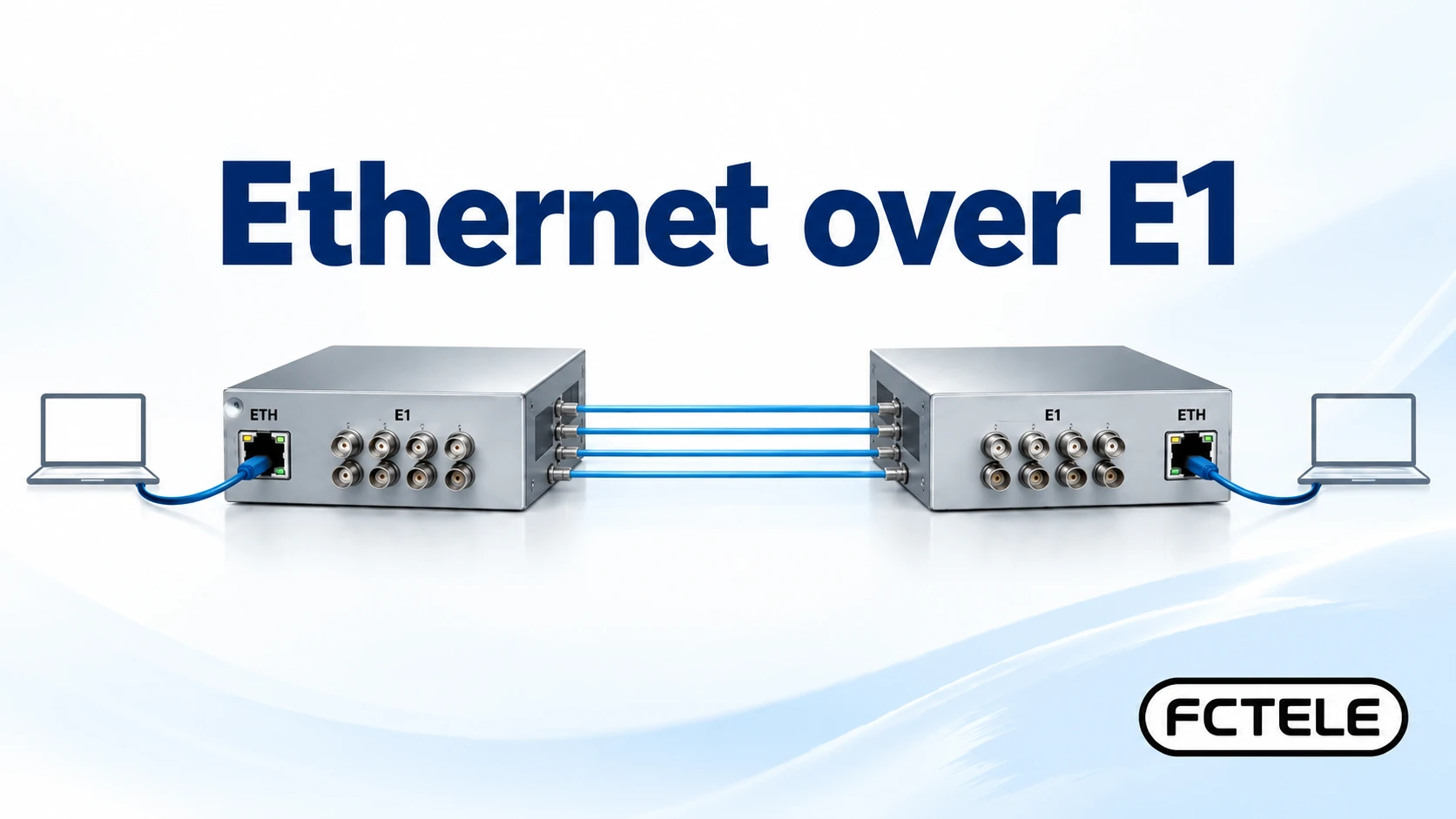
Ethernet over E1: Bandwidth, Aggregation and Upgrade Testing
Reuse E1 for Ethernet frames within a documented capacity. Check encapsulation, grouped circuits, path-delay differences and service behavior after losing a member.
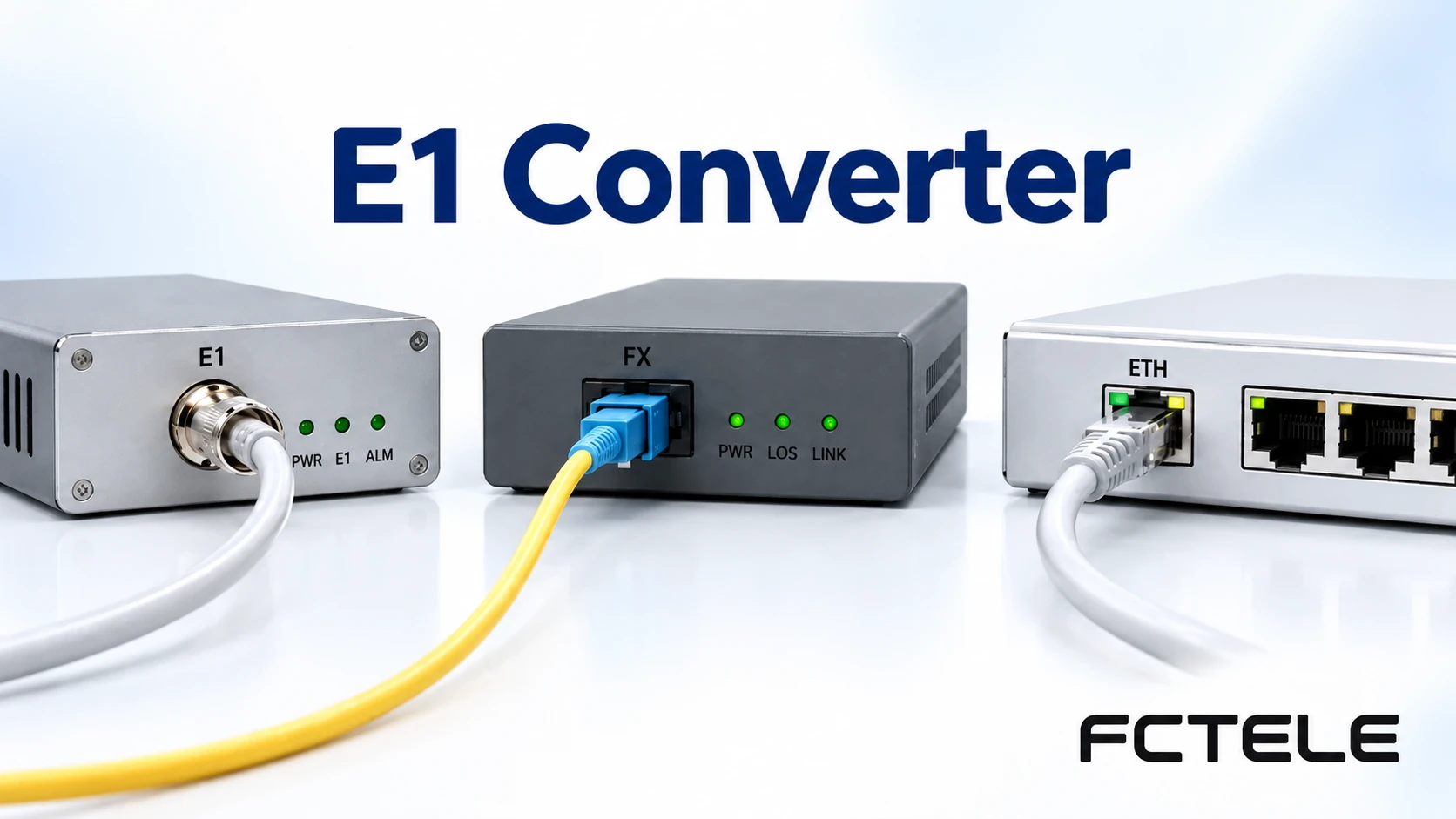
Choosing E1 Converters: Fiber, Ethernet, IP and Serial Paths
Choose E1 fiber extension, Ethernet-over-E1, circuit emulation or serial adaptation by the actual endpoints and bearer. Verify mapping, timing and support.
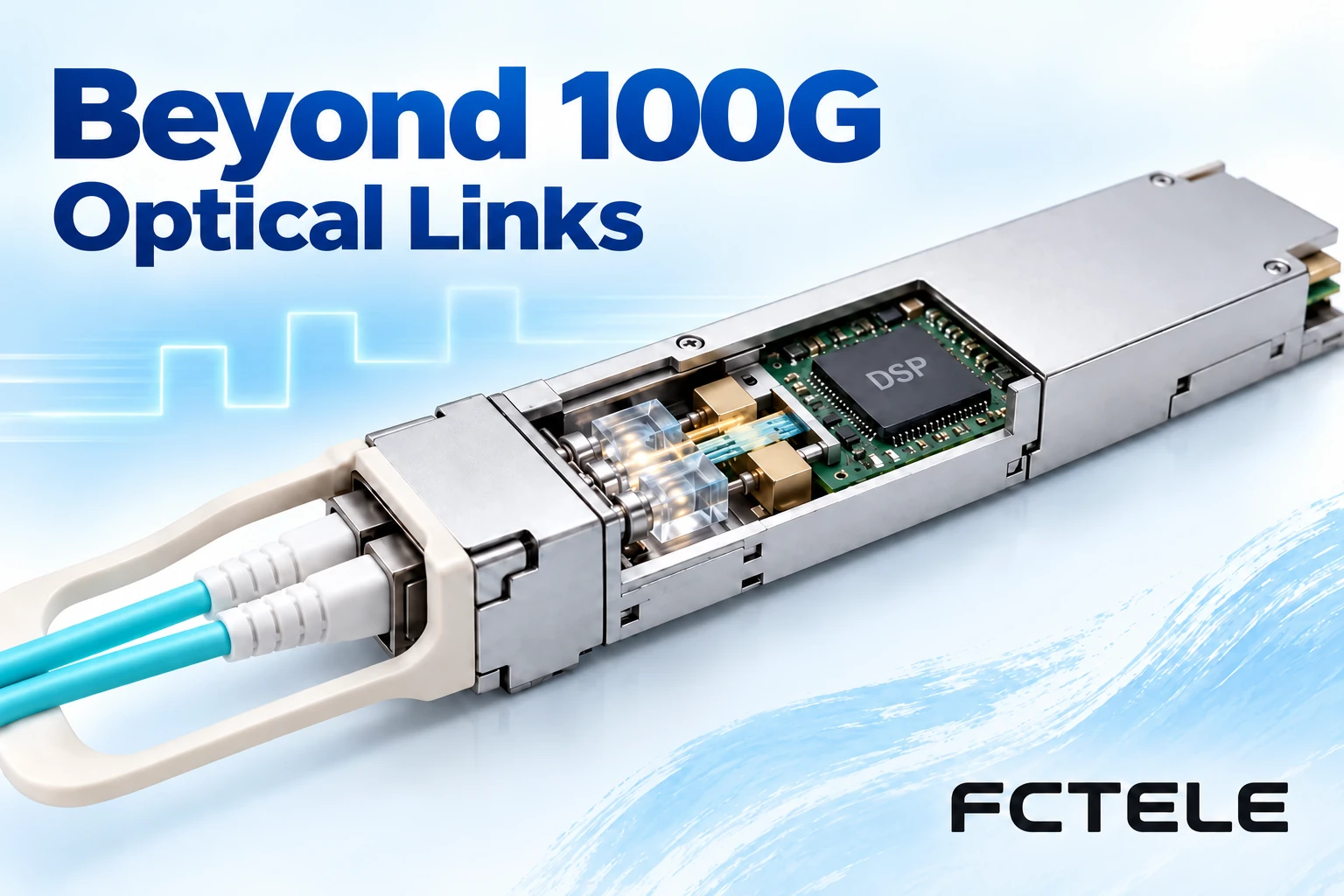
Beyond-100G Optical Links: PAM4, FEC and Acceptance Testing
Verify high-speed optical links by host mode, lane organization, PAM4/FEC requirements and thermal conditions. Equal total rate does not prove interoperability.
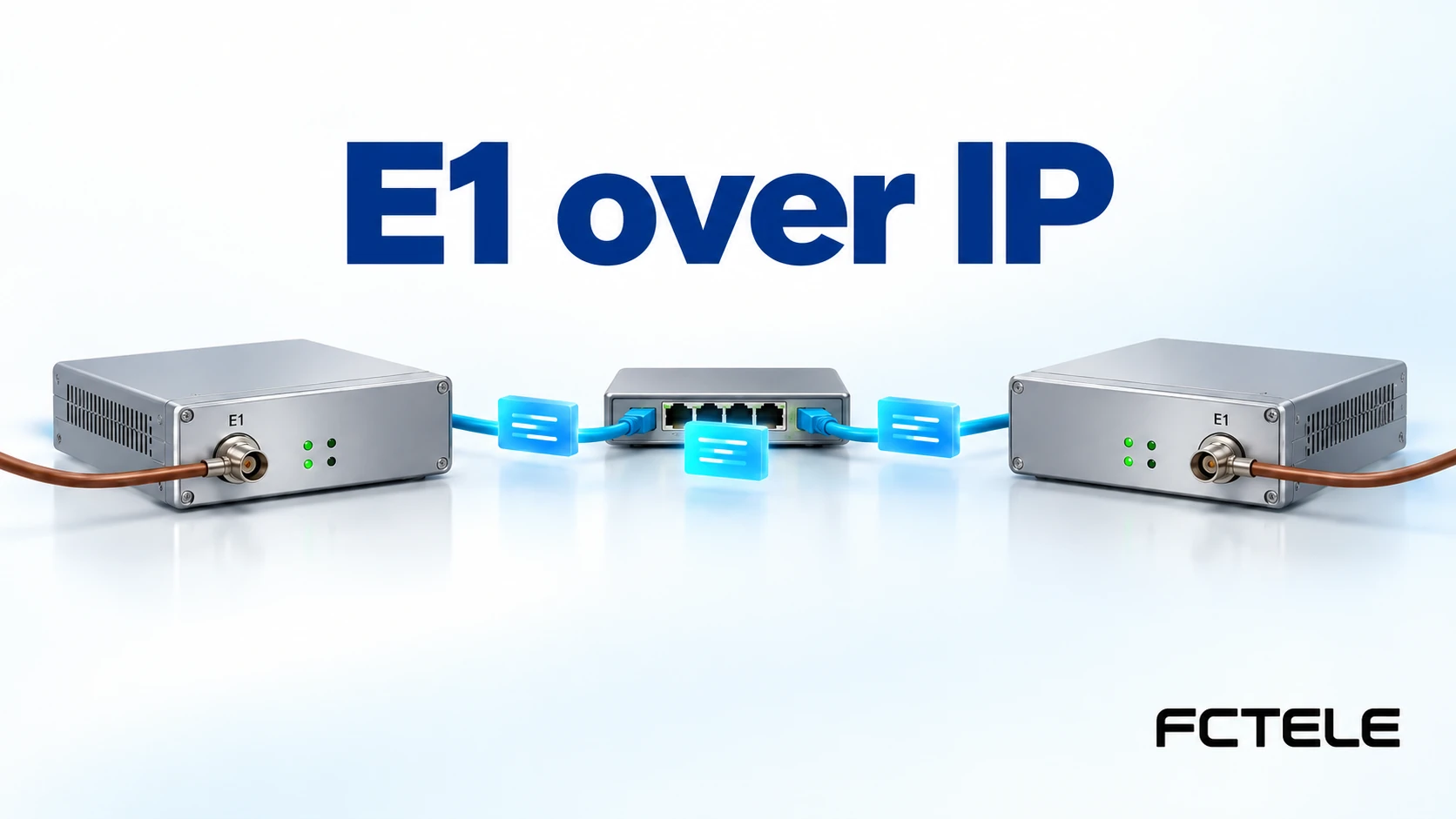
How E1 over IP Works: Packetization, Buffering and Clock Recovery
Recreate E1 across an IP bearer with compatible packetization, mapping, buffering and clocking. Verify packet conditions and the restored circuit separately.
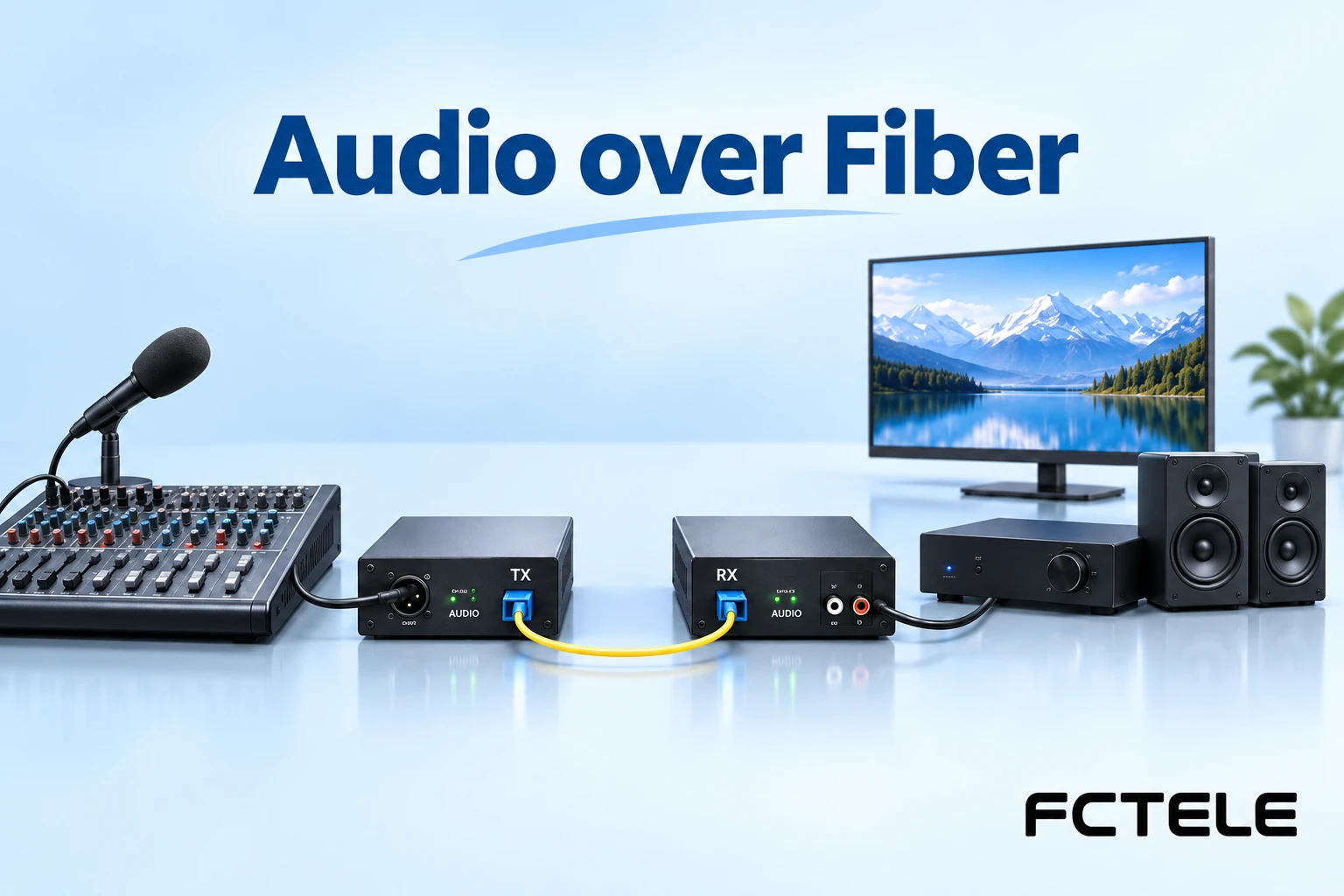
Audio over Fiber: Dedicated Links, Network Audio and AV Sync
Choose dedicated optical audio or compatible network audio by architecture. Verify channel routing, clock continuity, AV timing and conference return paths.
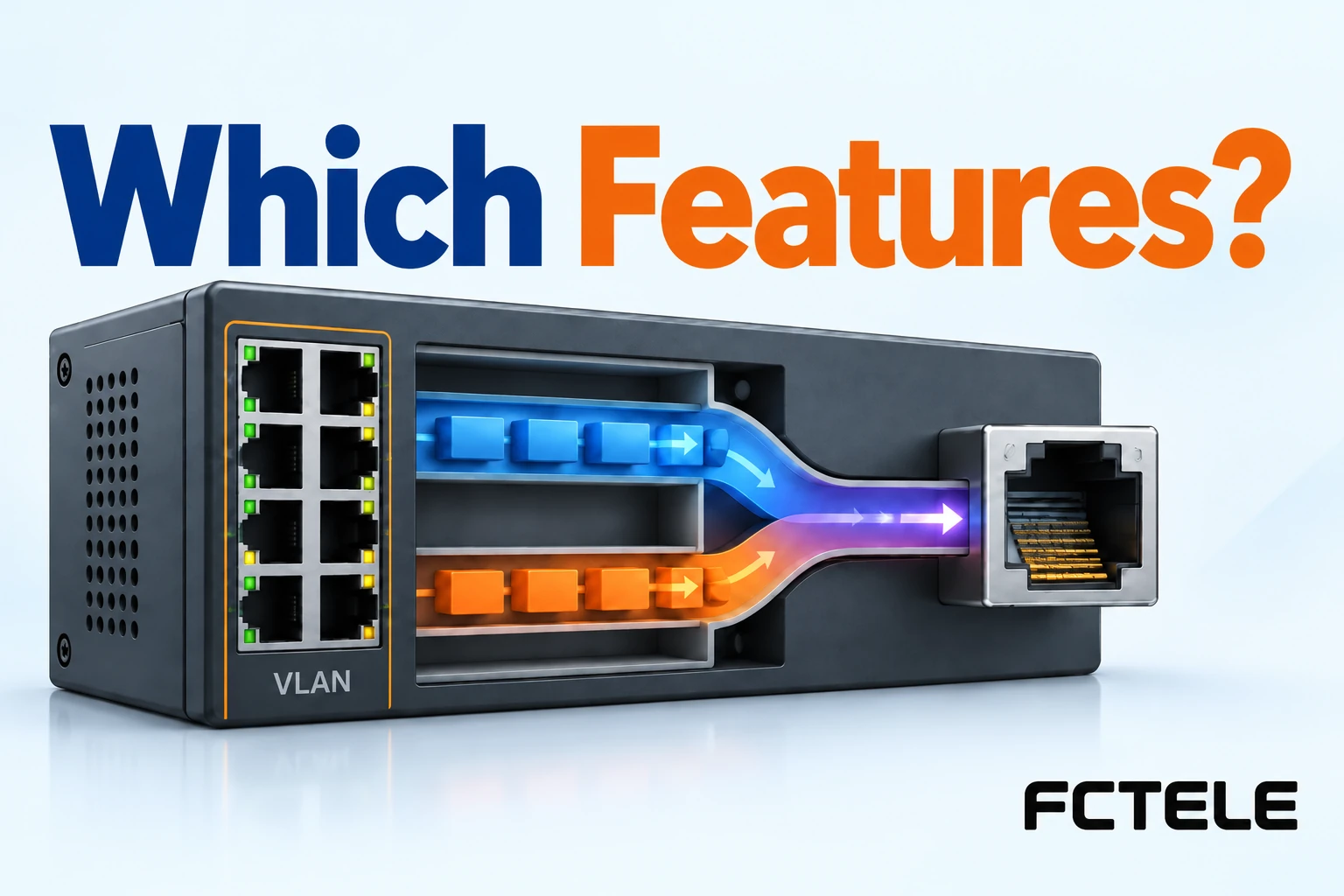
Which Industrial Switch Functions Do You Need? Choose VLANs, QoS and Redundancy by Task
Choose VLAN, QoS, multicast control and redundancy from the service task. Verify actual membership, queues, receiver state and configuration persistence.
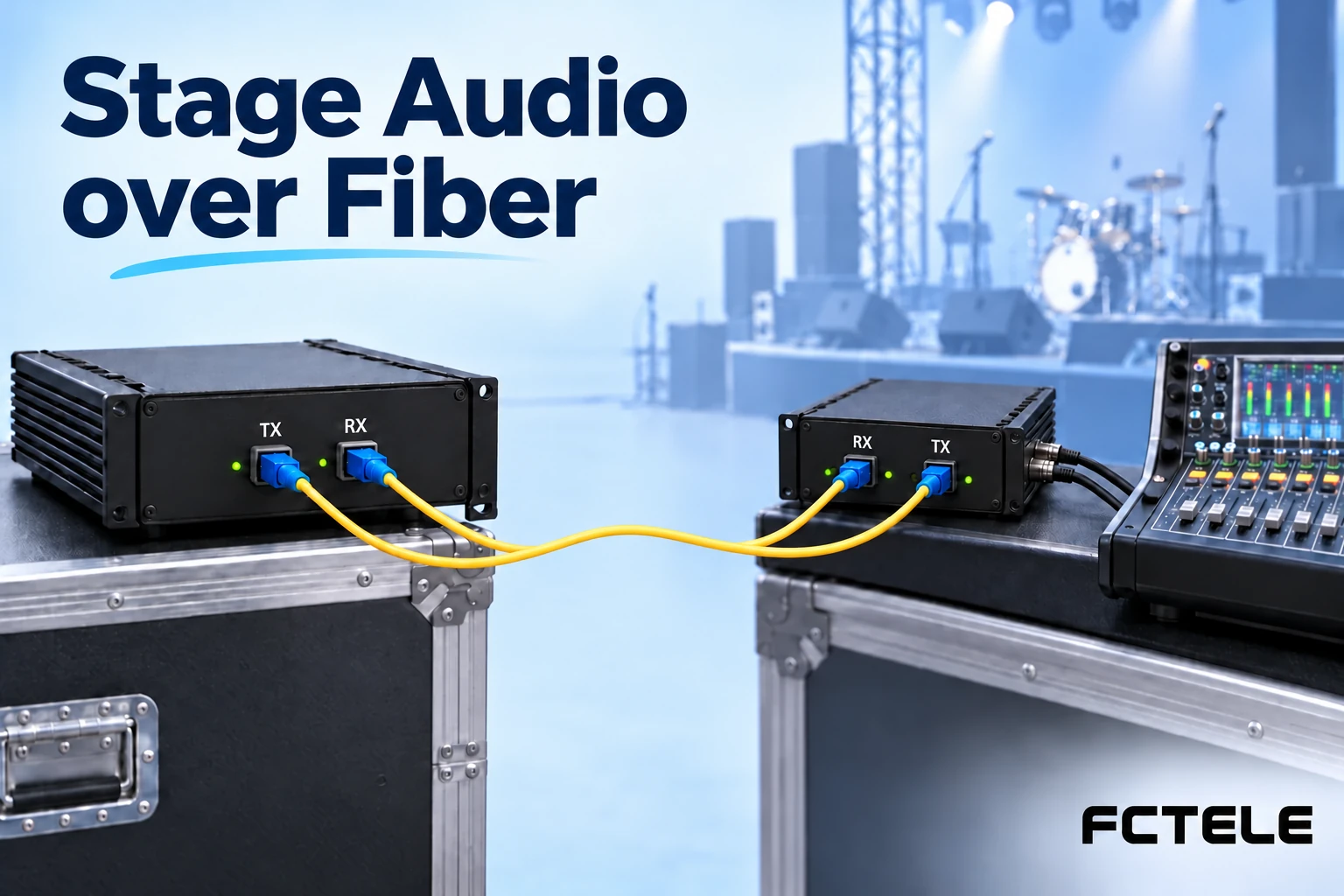
Connecting Professional Audio over Fiber: Levels, Channel Direction and Stage Return Acceptance
Connect professional audio fiber by actual input level, format, channel direction and supported microphone power. Measure the complete stage-to-monitor return.
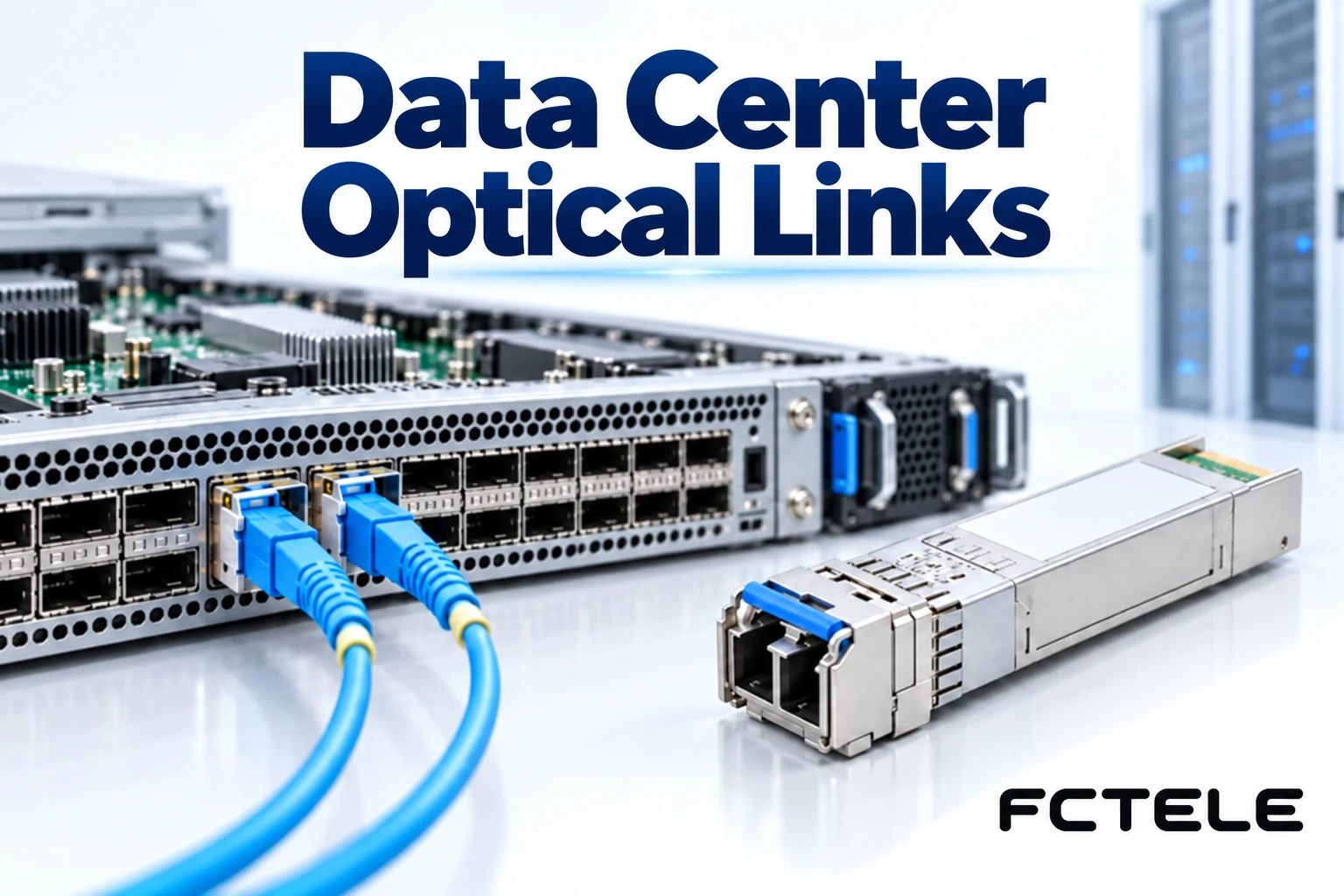
Choosing Data Center Optical Links: Capacity, Module Compatibility and Redundant Paths
Plan data-center optical links around hosts, actual egress demand and documented module support. Verify optical conditions and failure routes beyond link-up.
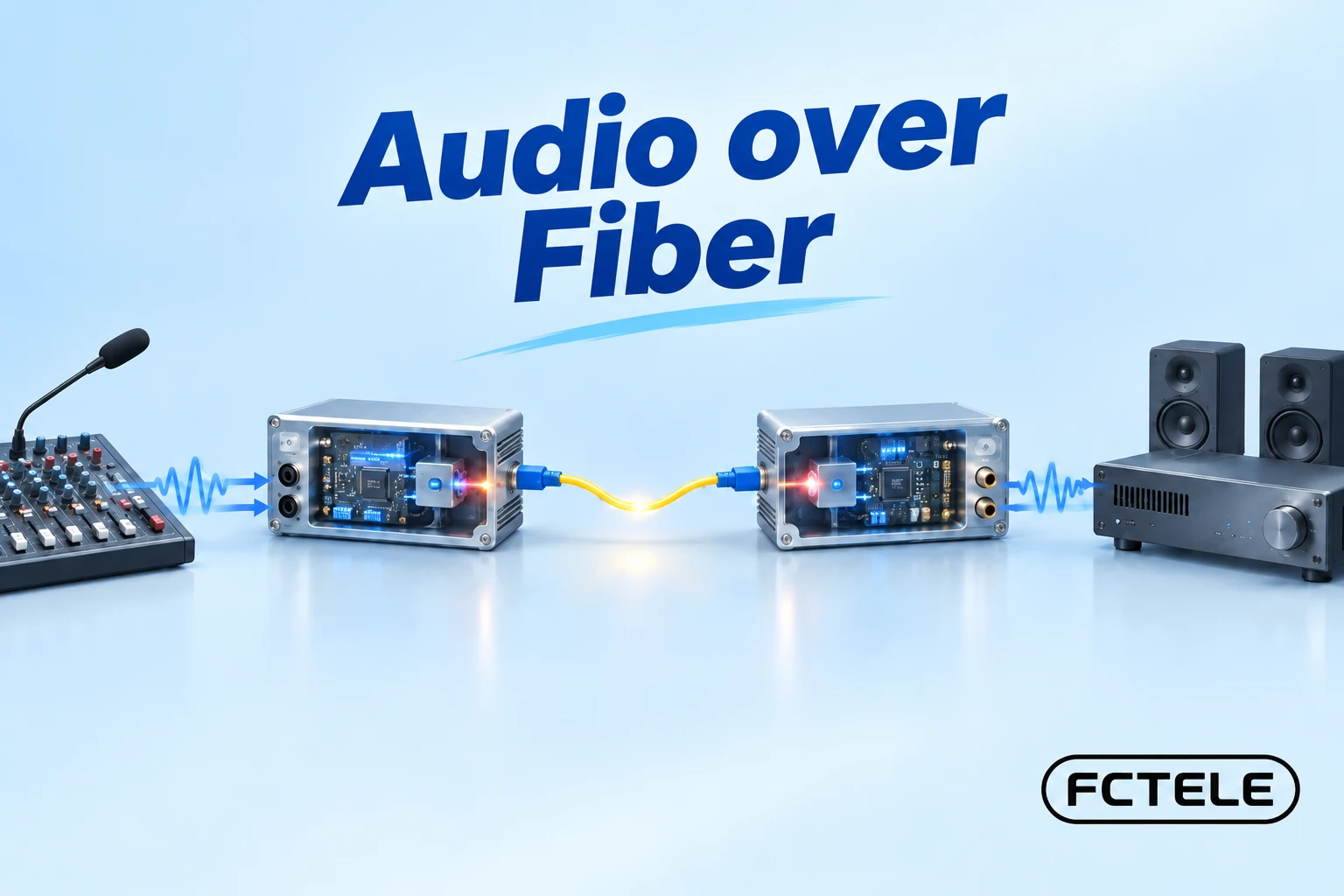
Where Can Audio Fiber Transmission Be Used? Digital Signal Paths and Interface Limits
Apply optical audio to the correct source and destination interfaces. Check dedicated transport, distribution support, analog boundaries and usable sound evidence.
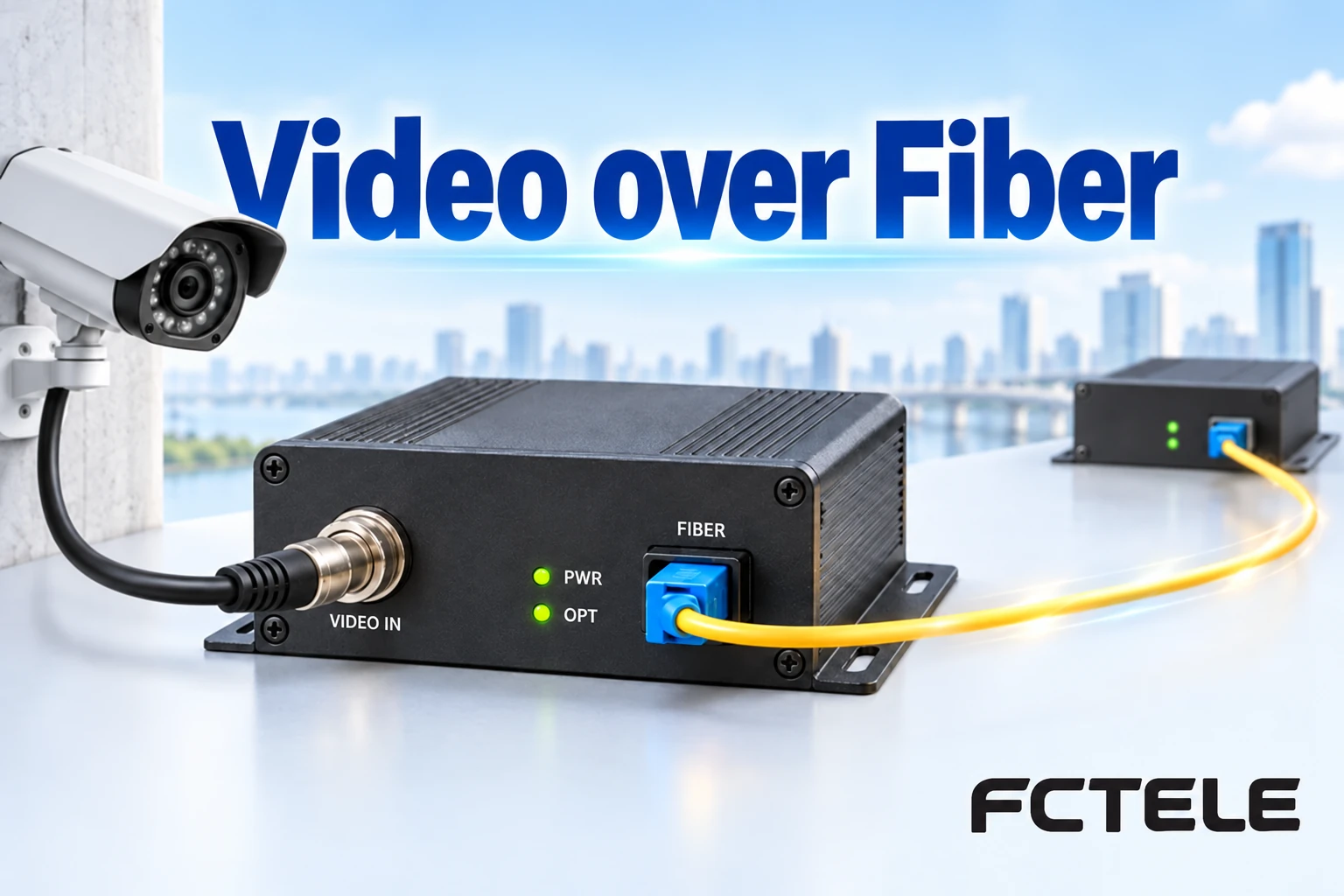
How Does Surveillance Video Travel over Fiber? Video Transmission Interfaces and IP Migration Boundaries
Match surveillance fiber transport to the camera’s real output. Separate digitized CVBS carriage, SDI extension and compressed IP migration with an encoder.
