
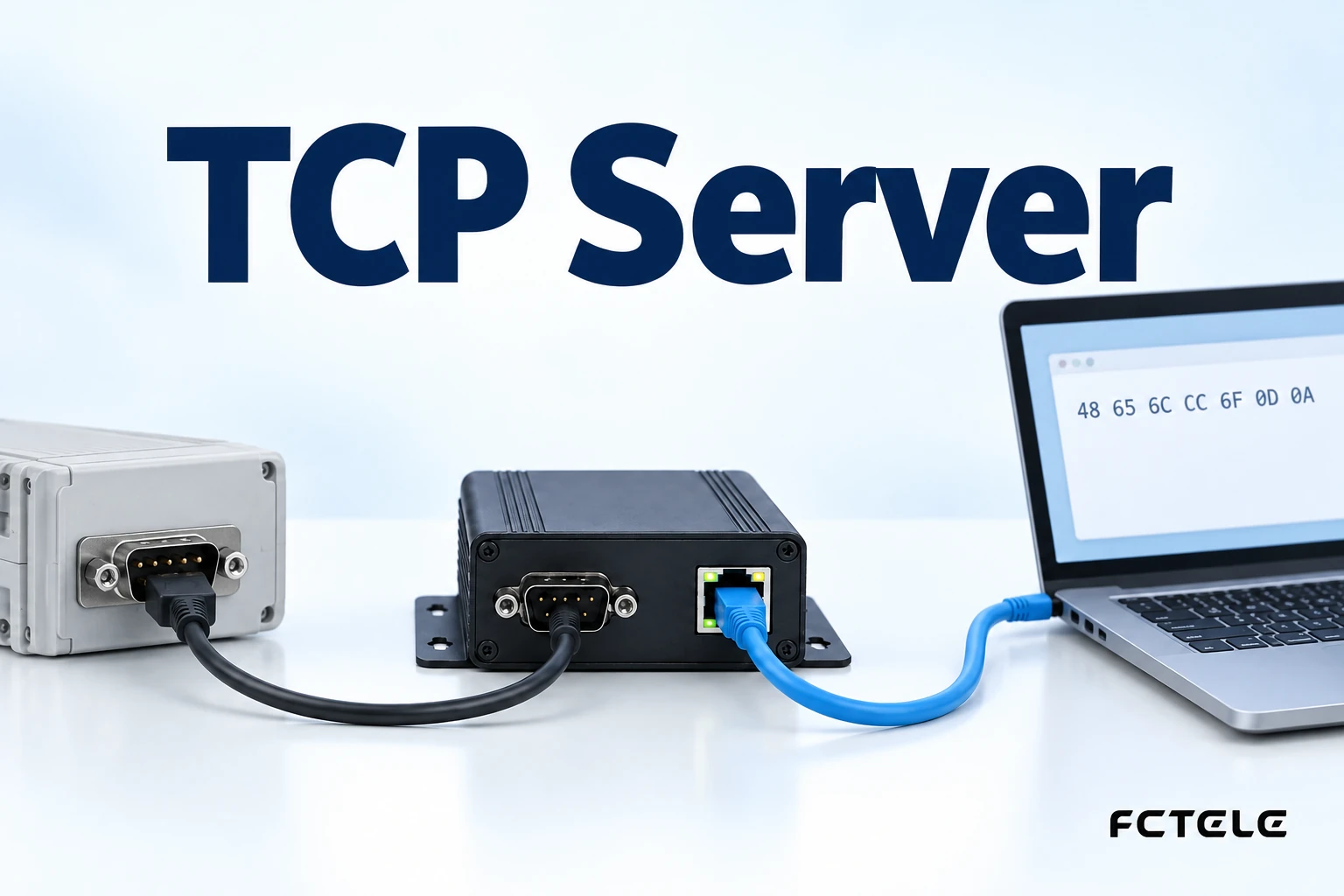
How to Use a Serial Server TCP Server: Connections, Byte Streams, and Serial Parameters
Use serial server TCP mode with explicit listener roles, serial format and application framing. Verify bidirectional bytes and recovery instead of relying on one read.
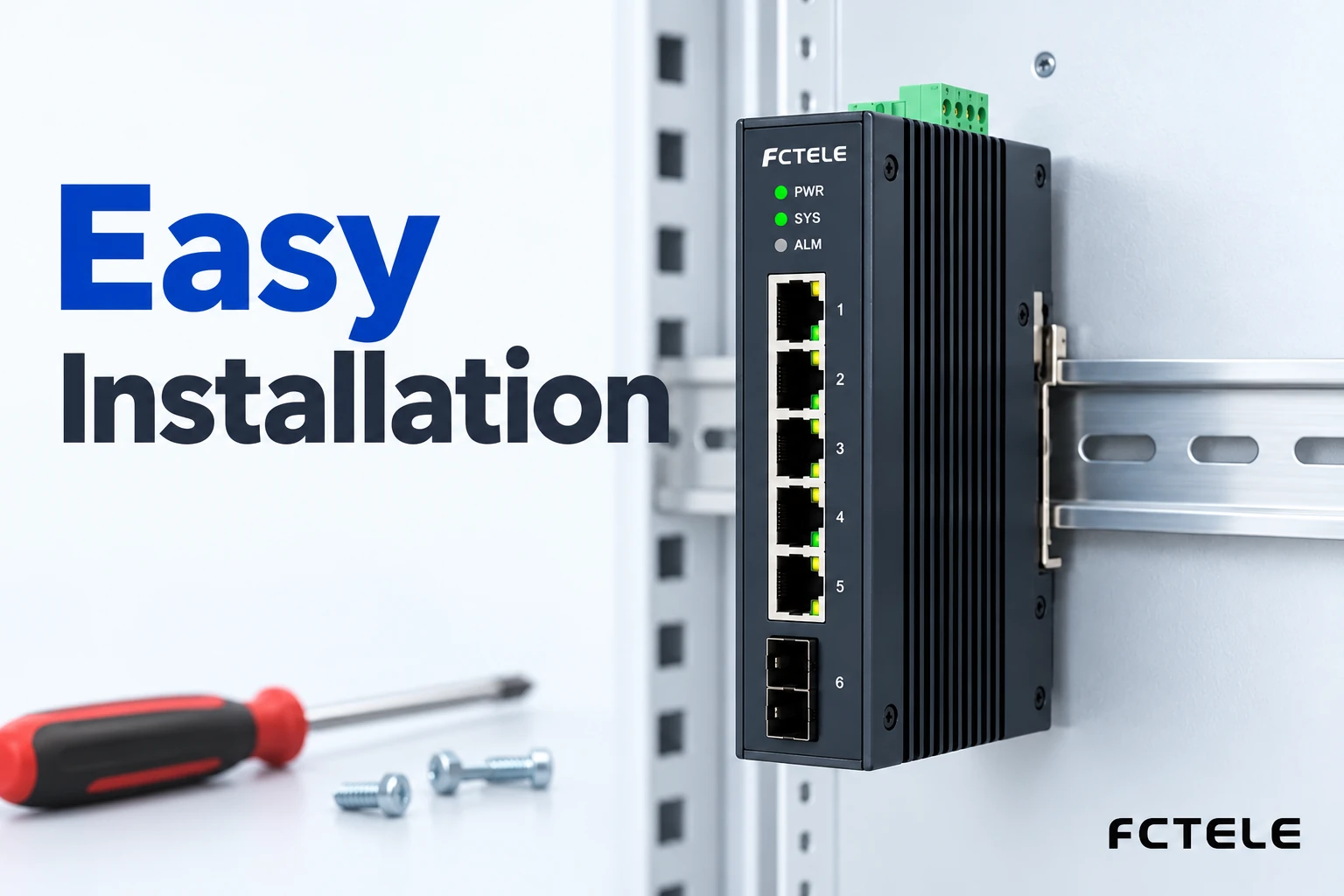
How to Install and Secure an Industrial Switch: DIN Rail Clips, Wall Mounting, Rack Mounting, and Cooling Space
Check industrial switch mounting as a complete load path with matched accessories, independent cable support and cabinet airflow. Avoid universal spacing assumptions.
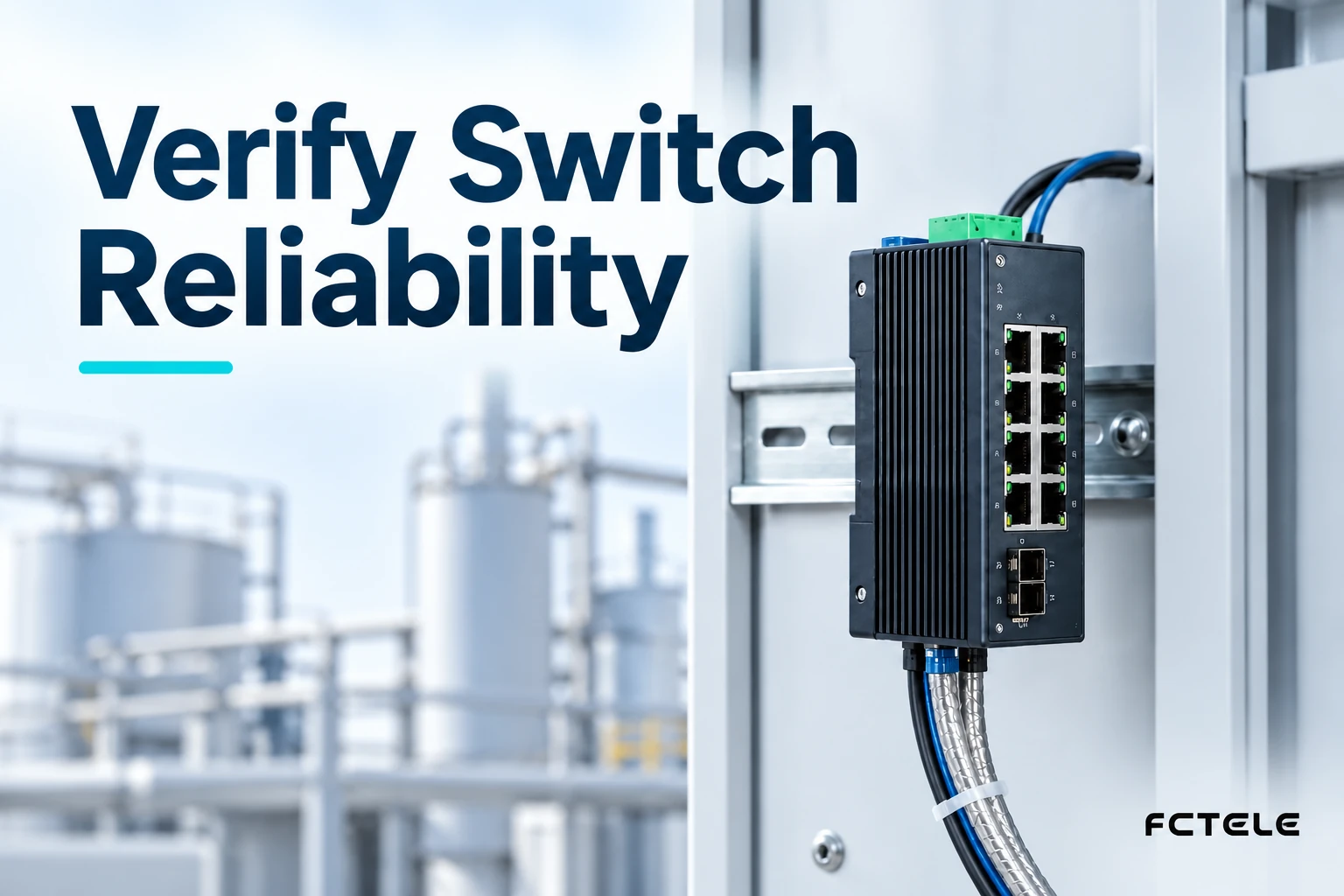
How to Verify Industrial Switch Reliability: Environment, Redundancy, and Lifetime Boundaries
Verify switch reliability through installation evidence, independent power paths and actual service recovery. Keep warranty, MTBF and supported environmental limits distinct.
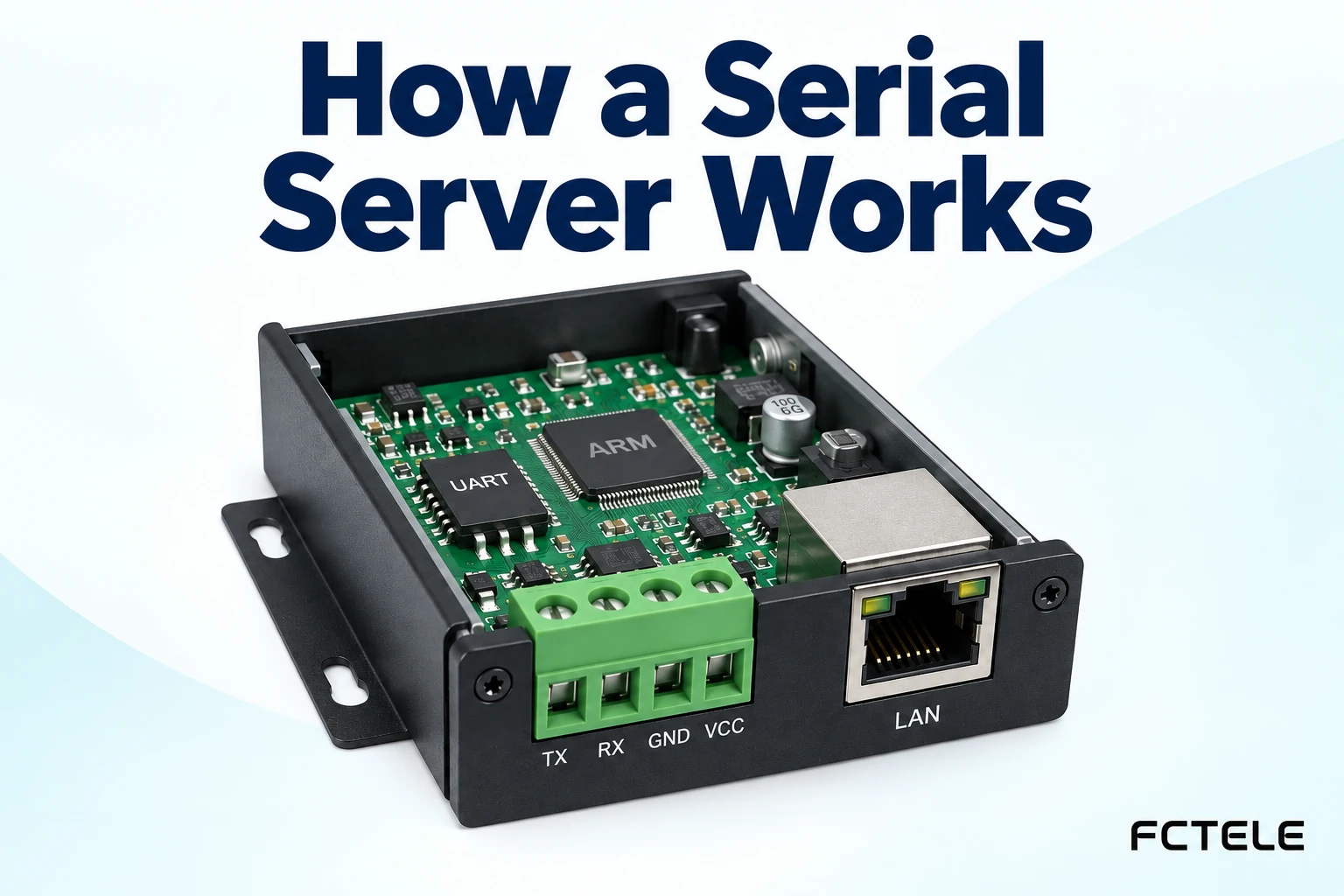
How a Serial Server Works Inside: Electrical Interfaces, UART, and Byte Buffering
Follow serial server data through electrical receivers, UART character handling and finite buffers. Separate interface support from application protocol conversion.
How to Recover from Industrial Switch Software Failures: Running Config, Firmware, and Management Access
Recover managed switch service by distinguishing running rules, startup state and firmware. Preserve access and verified backups before changing or restoring software.
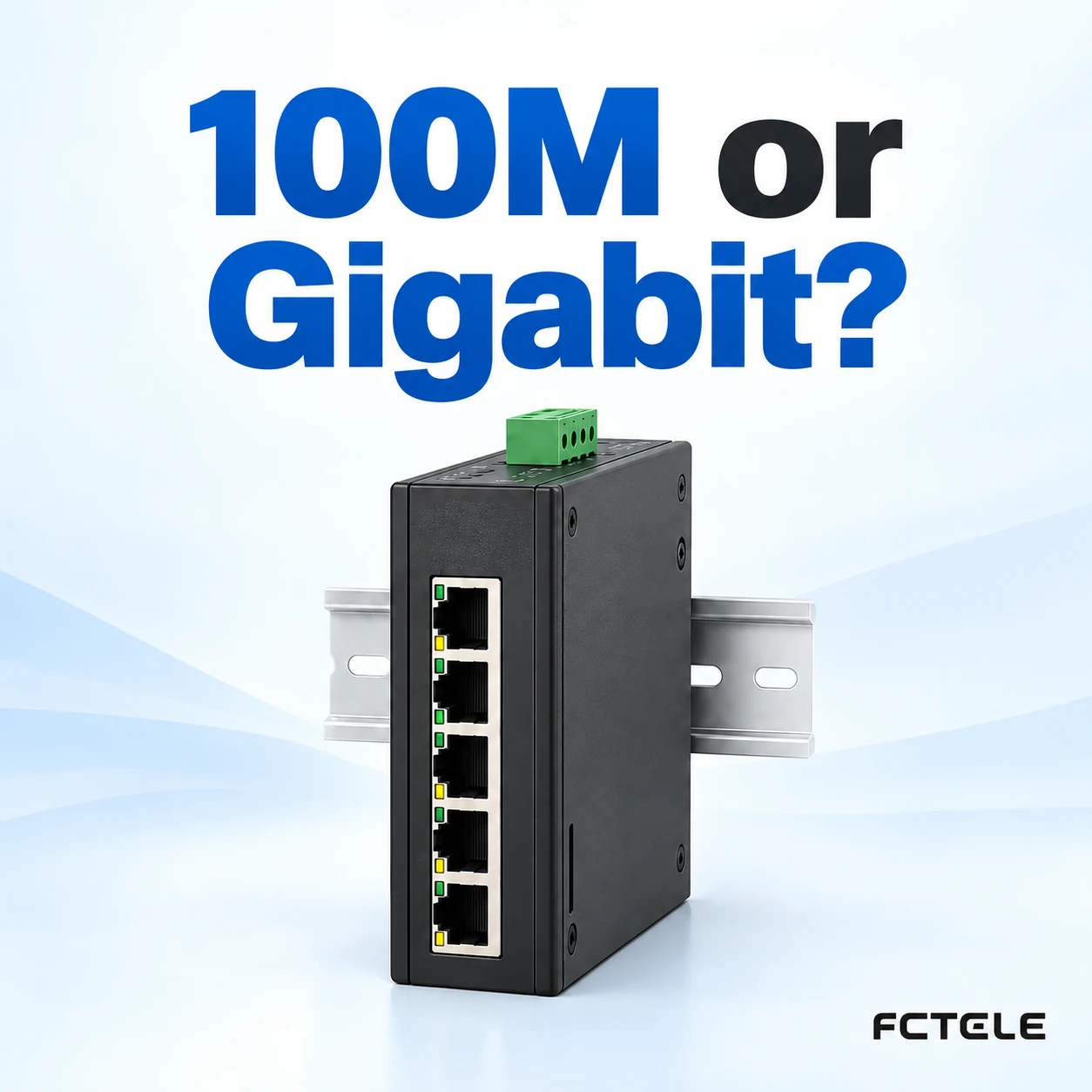
How to Choose Between 100M and Gigabit Industrial Switches: Port Speed, Uplink, and Feature Checklist
Choose 100M or gigabit switch links by actual traffic paths, negotiated rate and uplink demand. Evaluate management, PoE and installation independently of speed.
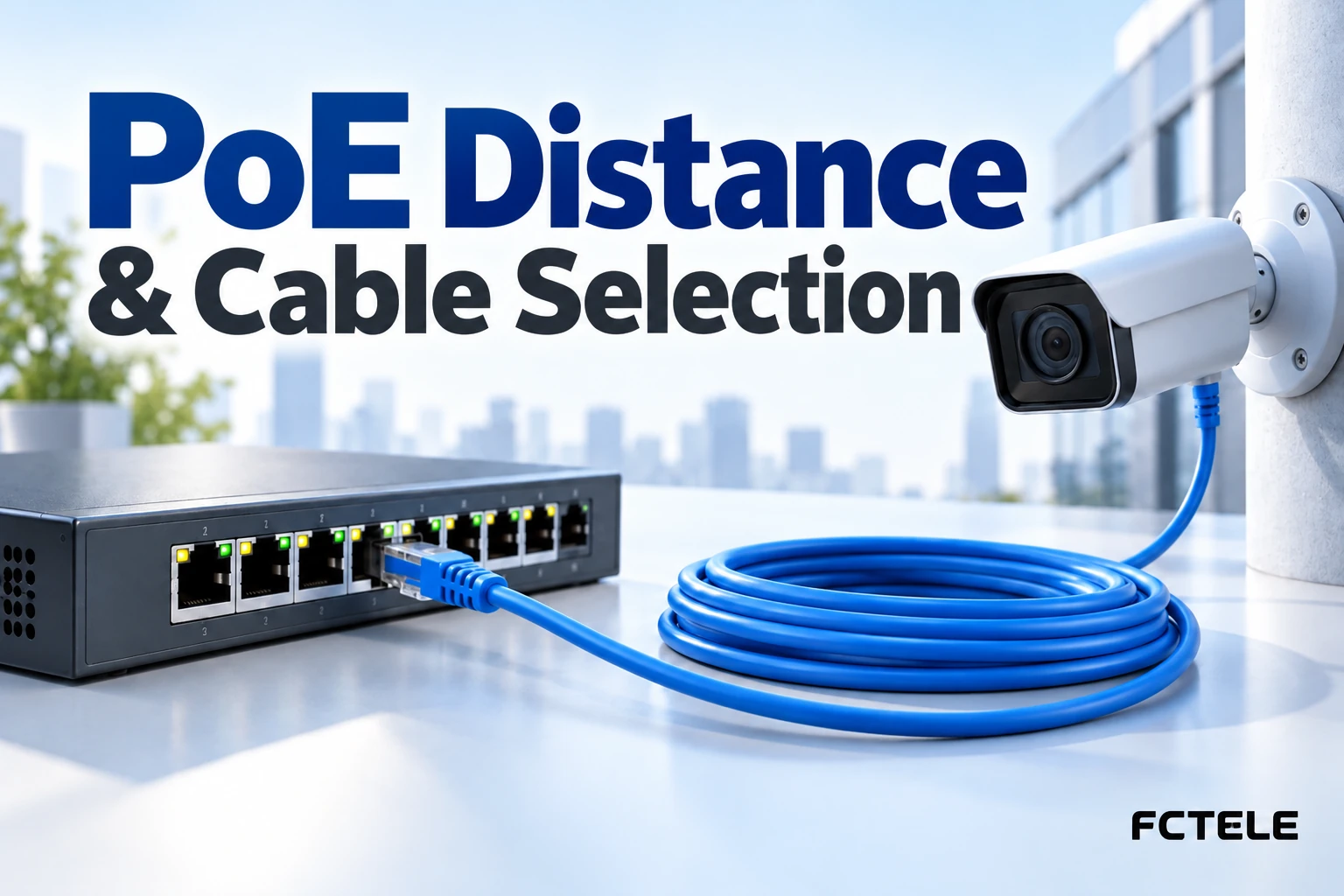
PoE Power Distance and Ethernet Cable Selection: 100m Channel, Voltage Drop, and Remote Power
Evaluate PoE reach using complete channel length, cable resistance and terminal load. Separate optical data extension from the local electrical power budget.
How to Understand Common Fiber Optic Transmission Device Terms: Services, Interfaces, Bandwidth, and Optical Power
Interpret optical transmission terms by service format, electrical interface and receive-power window. Keep connector type, fiber category and bandwidth units distinct.
How to Test Fiber Optic Transmission Device Quality: Optical Power, Service Testing, and Aging Screening
Evaluate optical transmission equipment with defined attenuation, actual service tests and traceable screening records. Do not equate aging tests with guaranteed lifetime.
How to Troubleshoot When One End of an Optical Link Is Dark: Transmit/Receive Directions, Power Windows, and Service Verification
Troubleshoot a dark optical direction using endpoint identity, transmit-receive mapping and measured power. Distinguish propagated link indications from root faults.
