

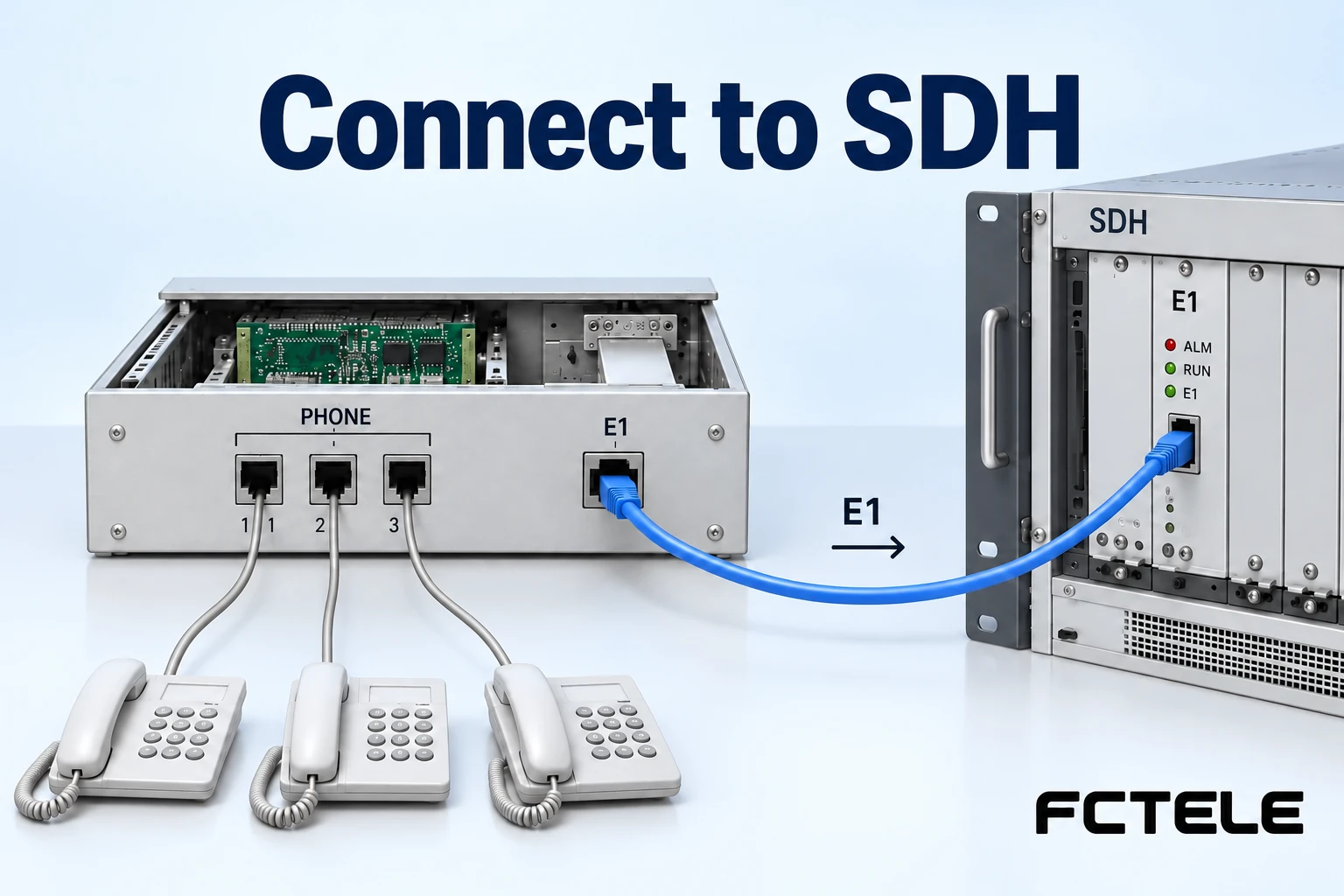
Telephone Access over SDH: E1 Mapping, Clocking and Testing
Carry telephone access through an agreed SDH tributary interface. Verify E1 framing, channel-associated signaling, cross-connect mapping and clock sources.
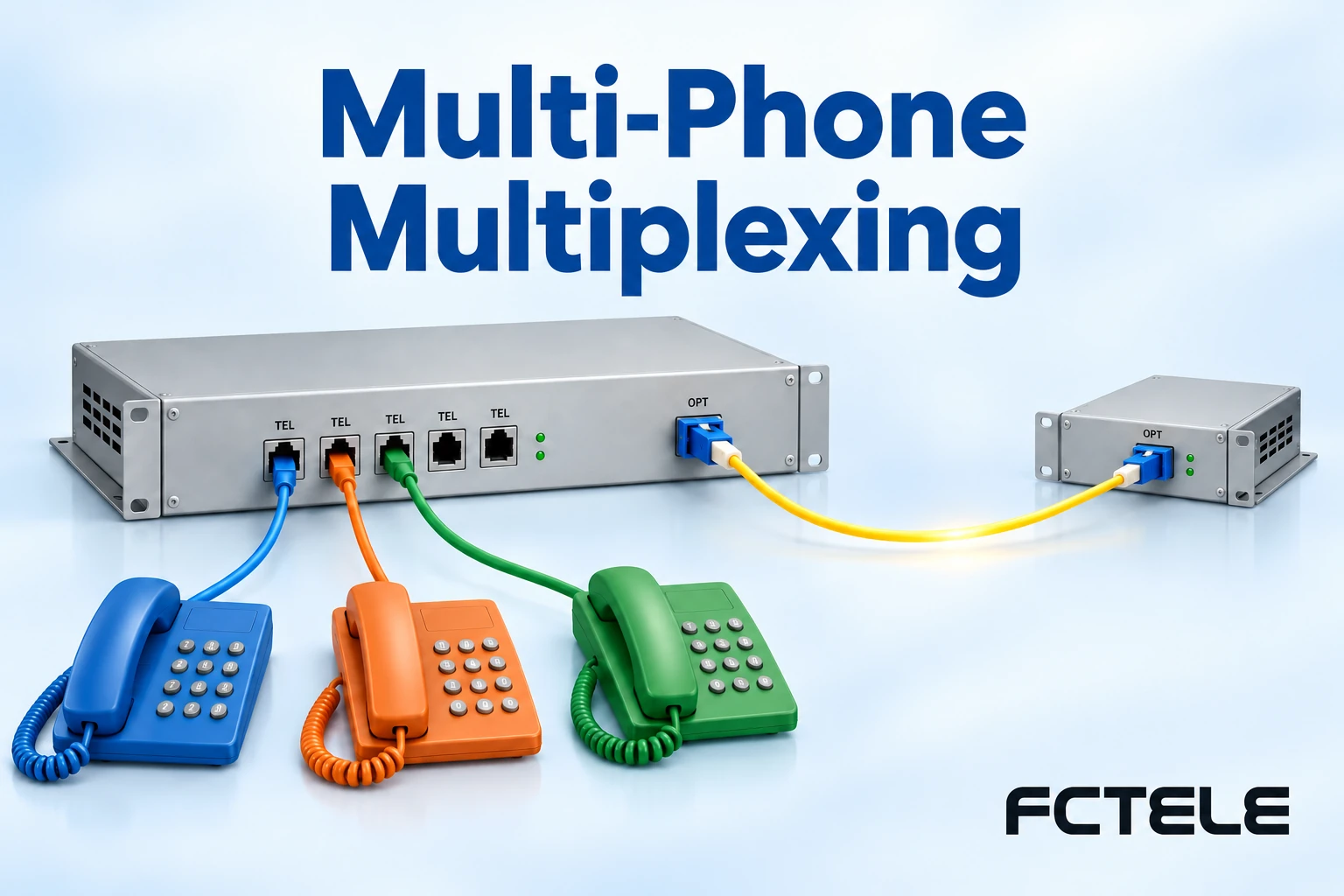
How Telephone Fiber Multiplexing Works: TDM vs WDM
Follow telephone voice and call states through sampling and TDM. Distinguish telephone channel mapping from WDM optical channels and optical line capacity.
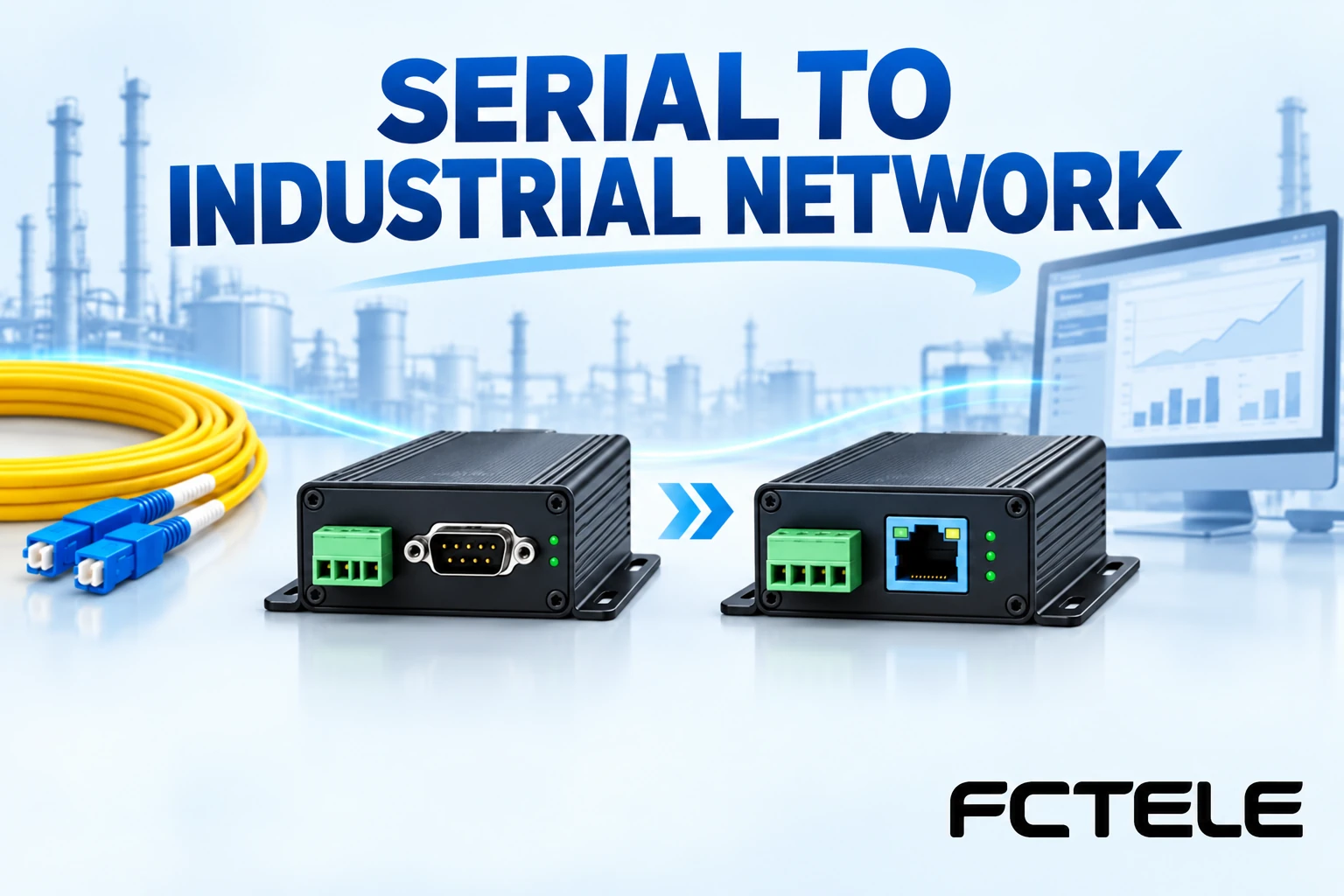
Serial Fiber Modems, Serial Servers and Industrial Gateways
Choose serial fiber extension, network byte carriage or application mapping by task. Verify meaningful platform data and controlled access at each handover.
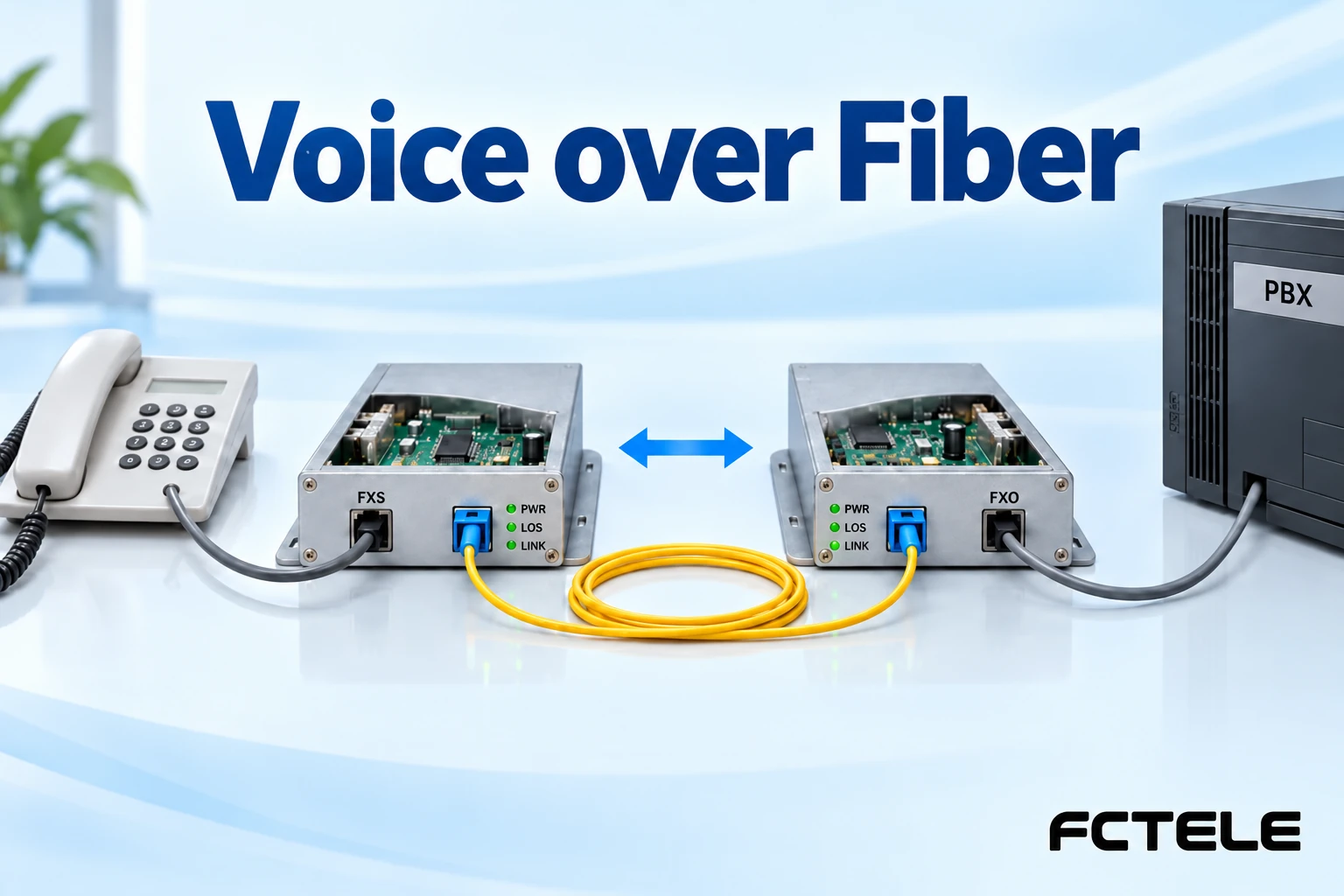
Telephone Fiber Links: Voice Coding, FXS/FXO and Fault Finding
Troubleshoot telephone fiber links by analog port role, two-way voice and reproduced call states. Use controlled port comparisons and complete call acceptance.
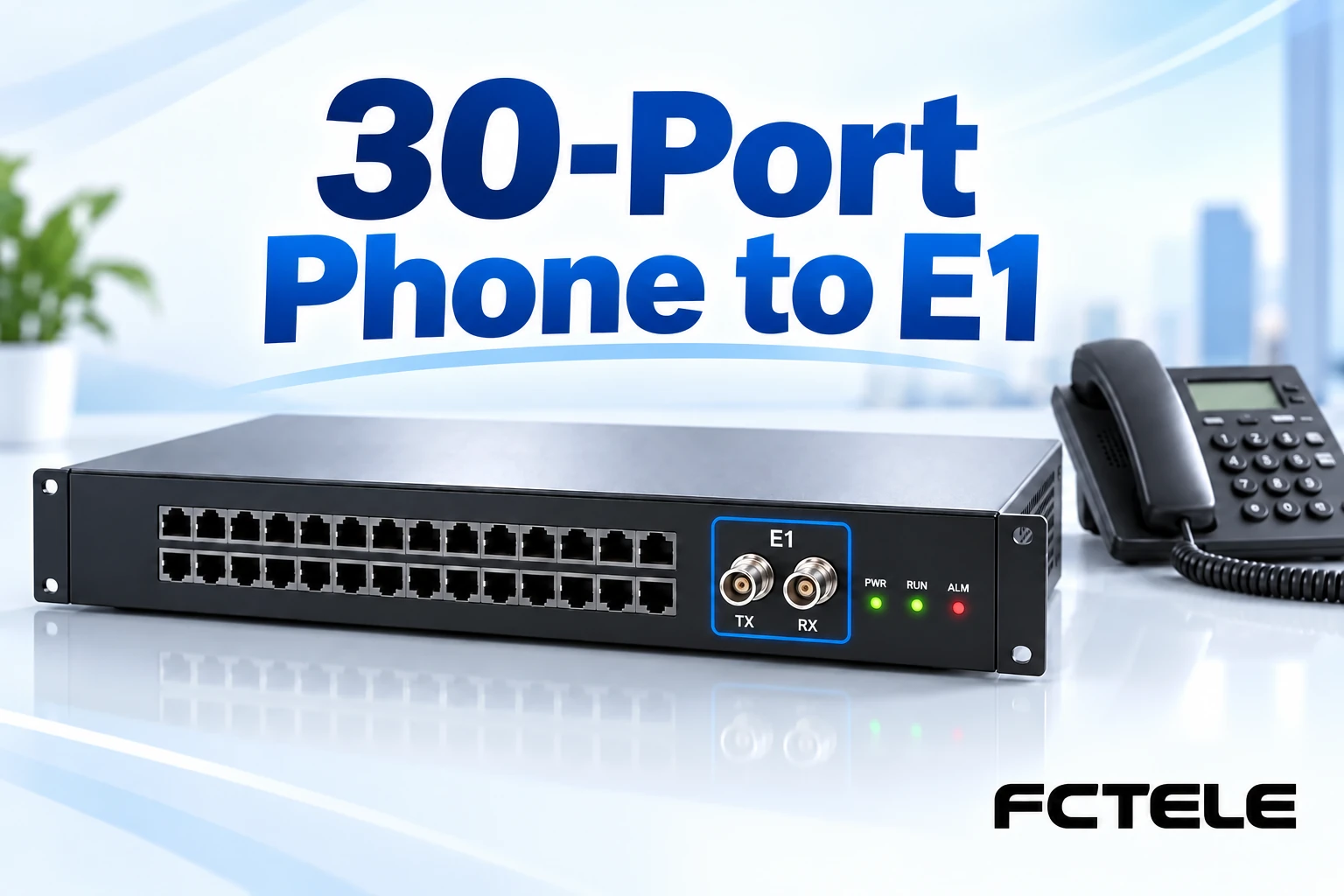
30-Channel Telephone Links: Paired Fiber vs E1 CAS Access
Choose thirty-channel telephone access by the delivered bearer and port roles. Separate paired optical extension from E1 CAS mapping and concurrent-call tests.
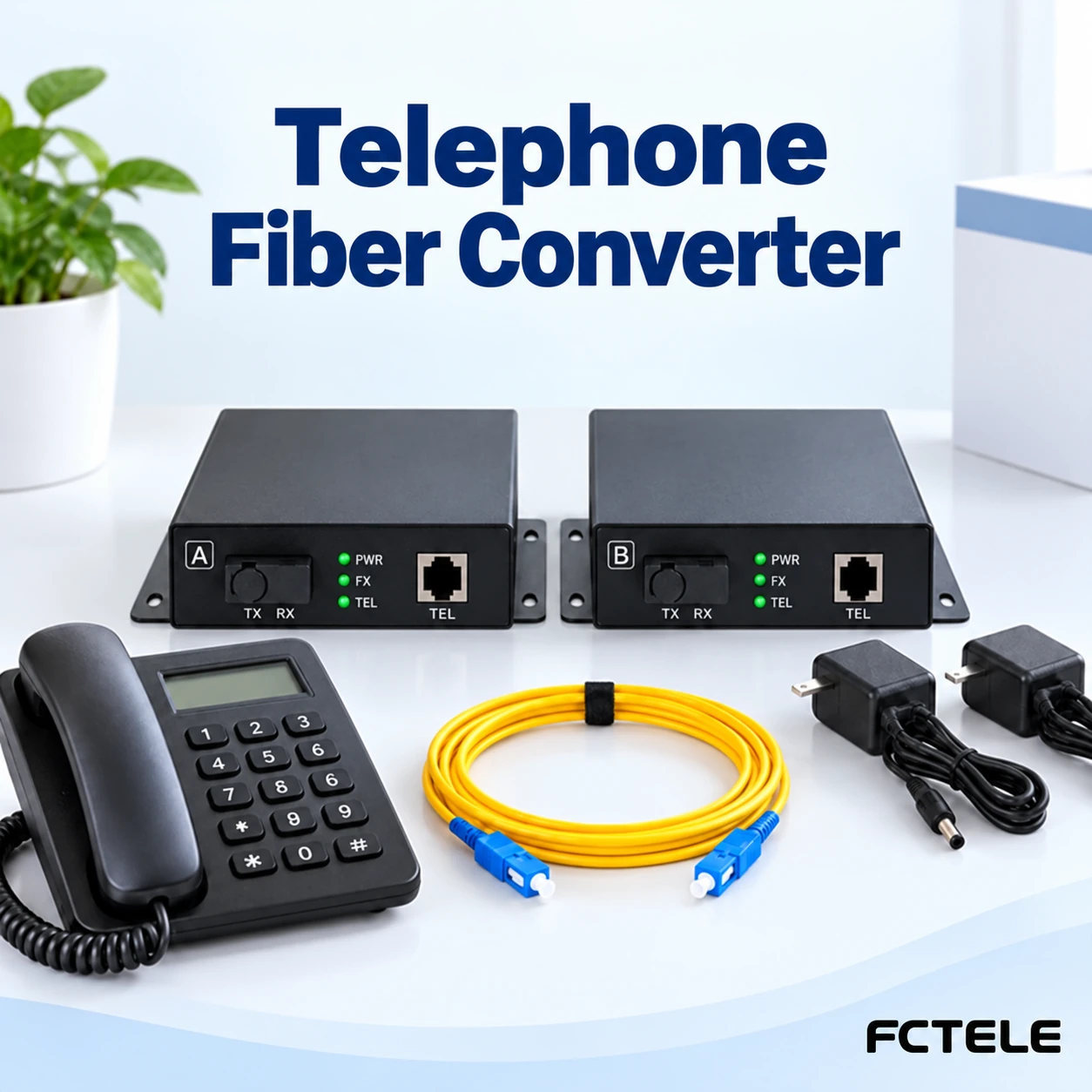
Telephone Fiber Multiplexer Pricing: Compare Complete Systems
Prepare comparable telephone fiber quotations with both endpoints, optical pairing, power, accessories and acceptance scope. Historical prices are not current quotes.
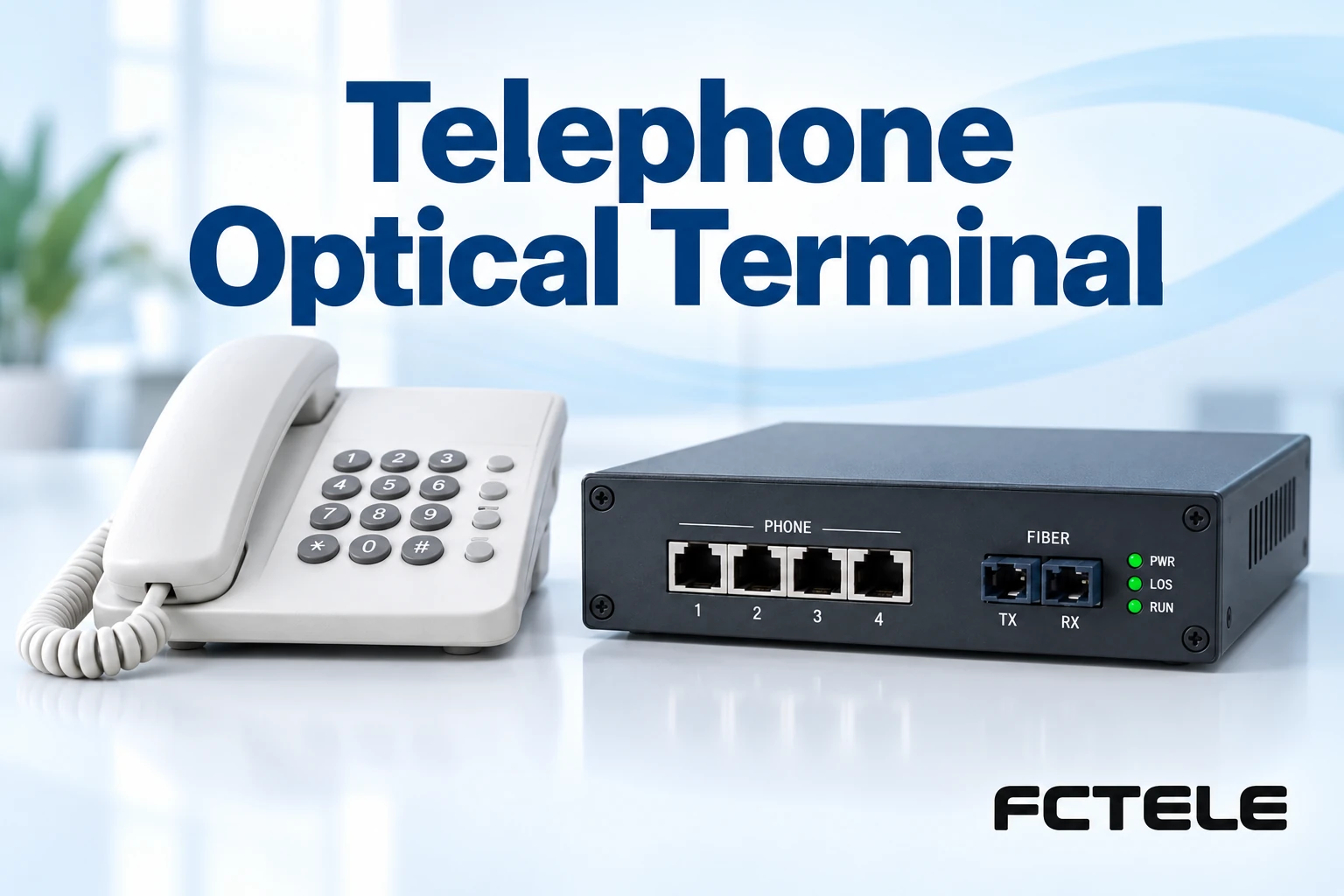
Types of Telephone Fiber Multiplexers: Interfaces and Services
Classify telephone fiber equipment by access roles, bearer and service mix. Installation form, channel count and management are separate configuration dimensions.
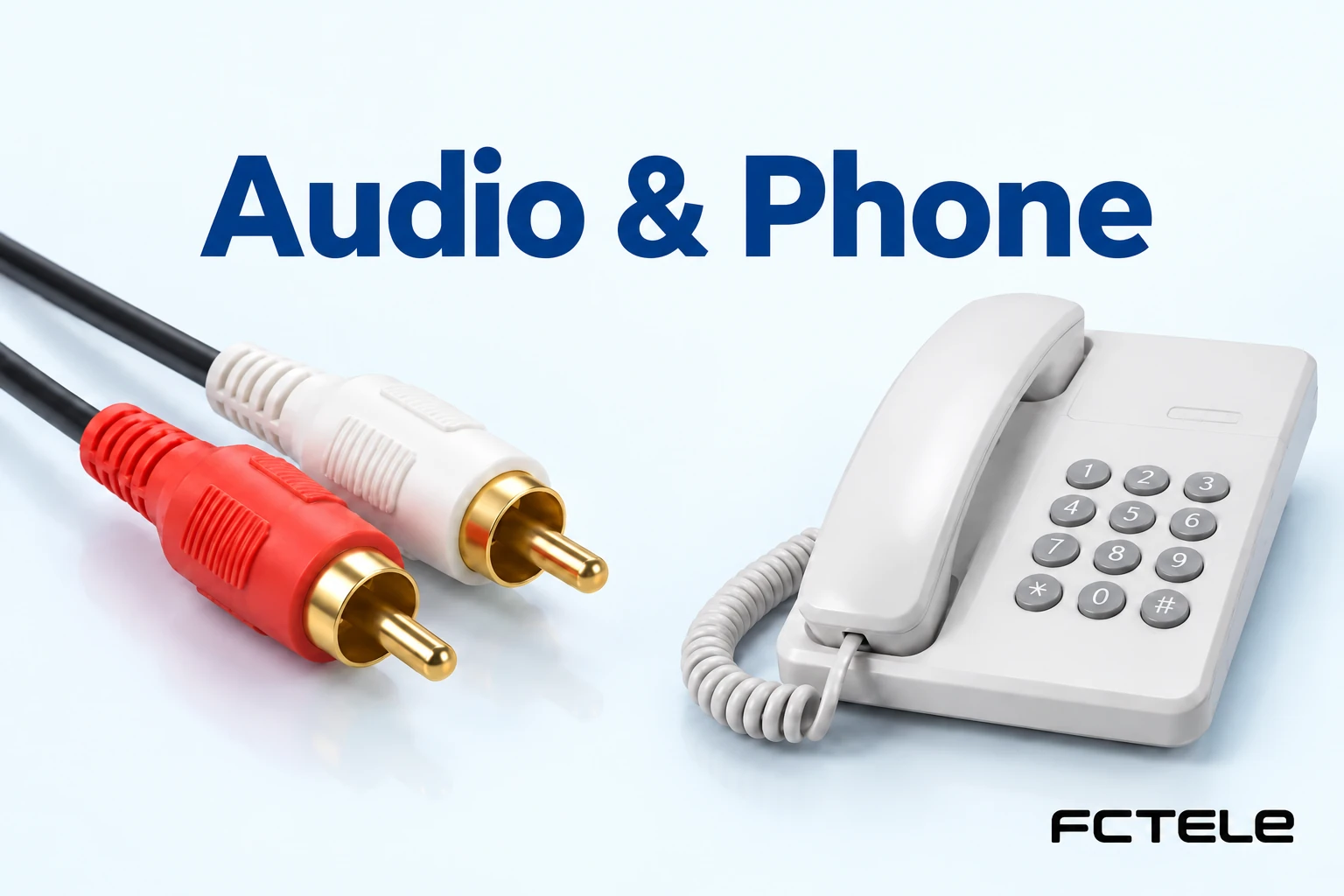
Audio vs Telephone Fiber Links: Waveforms and Call Signaling
Choose audio or telephone fiber by interface purpose. Line audio, speaker power and FXS/FXO call-state handling are different stages despite sharing sound.
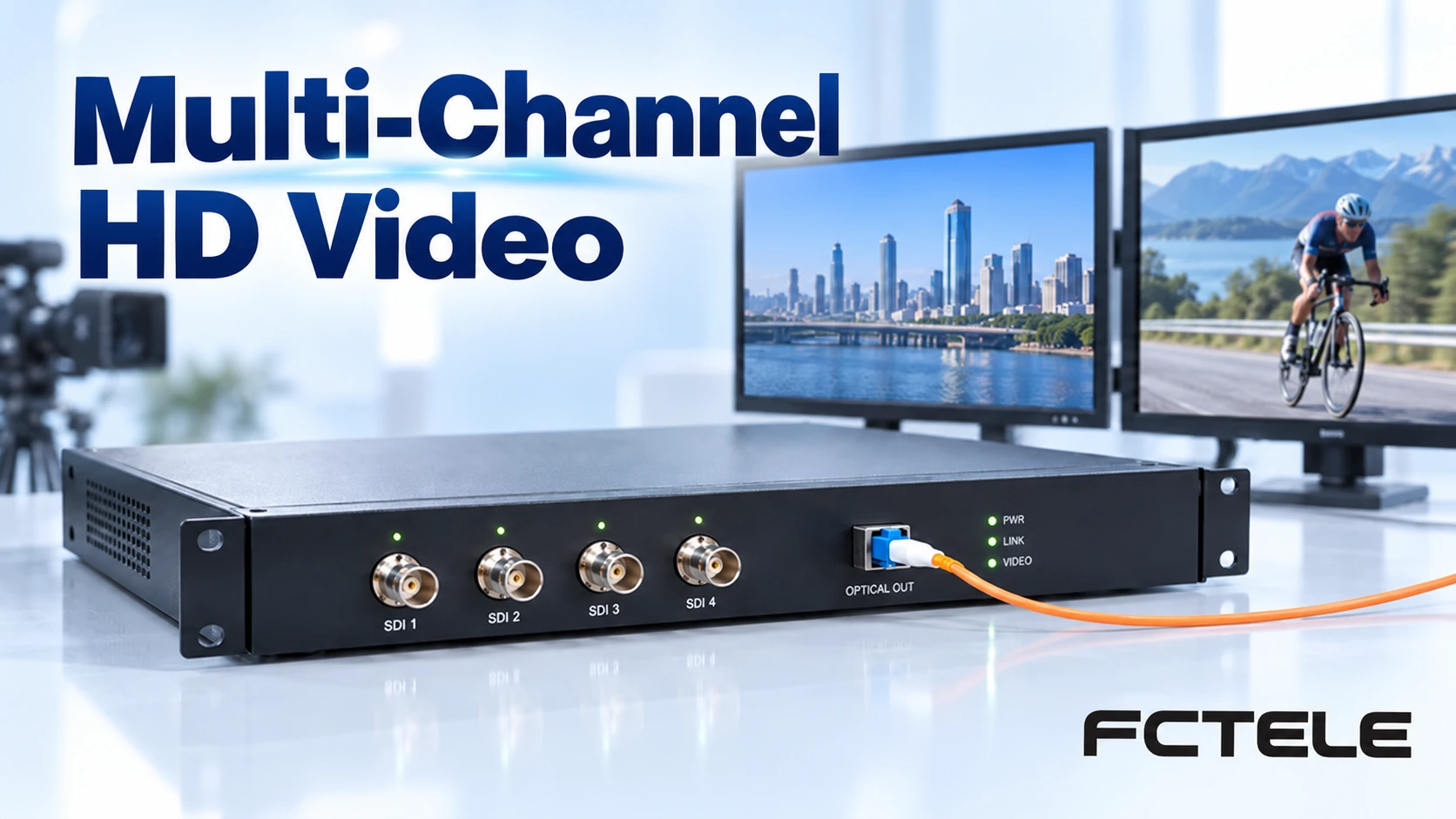
Multichannel SDI over Fiber: Capacity, Clocking and Testing
Accept multichannel SDI fiber with the actual format mix and auxiliary load. Separate per-input clock recovery, shared capacity and picture-frame synchronization.
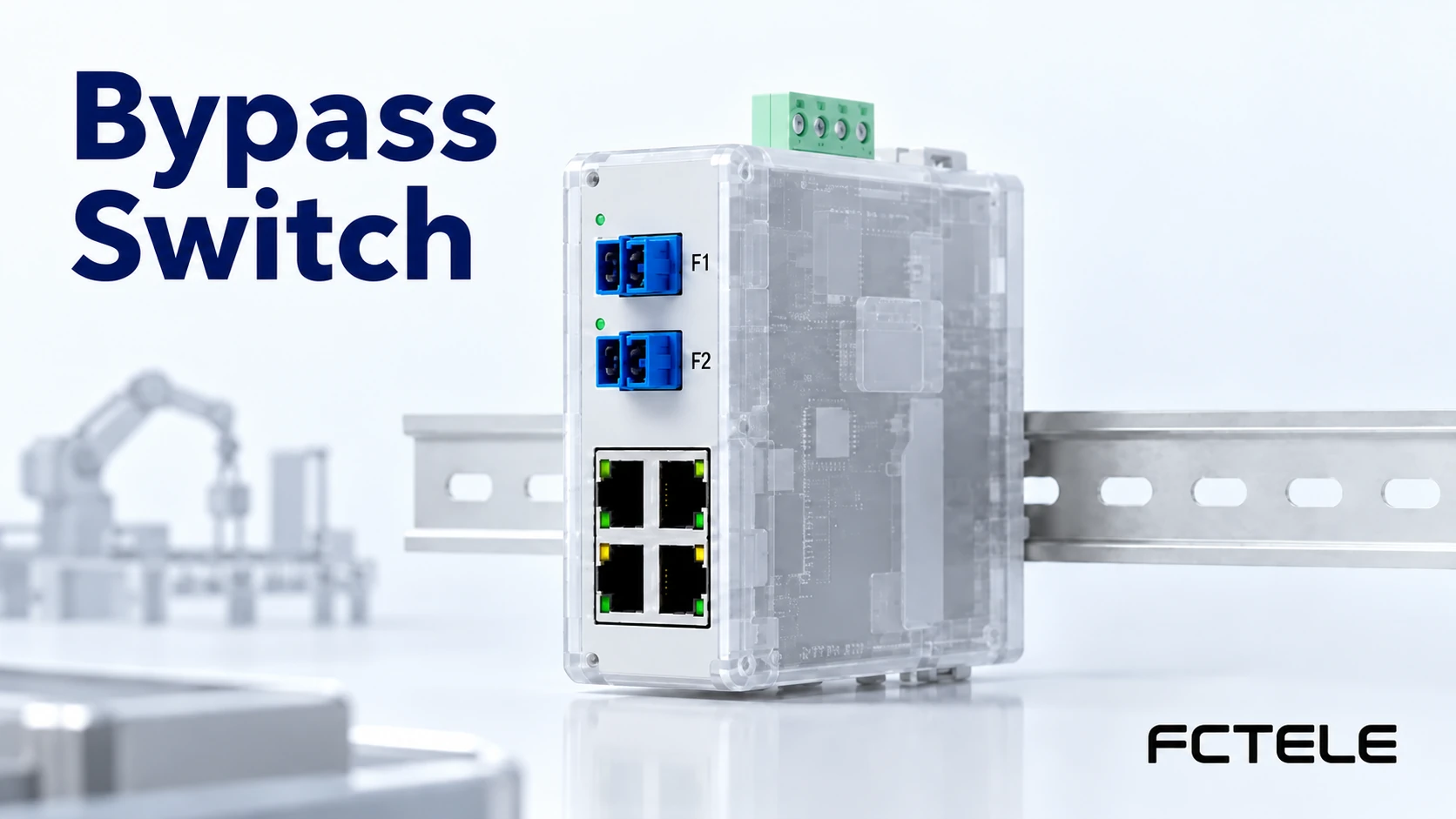
How Bypass Works: Optical Paths, Inline Tools and Fault Limits
Define which device is bypassed, the documented trigger and the remaining service path. Recheck optical loss, skipped functions and recovery after restoration.
