

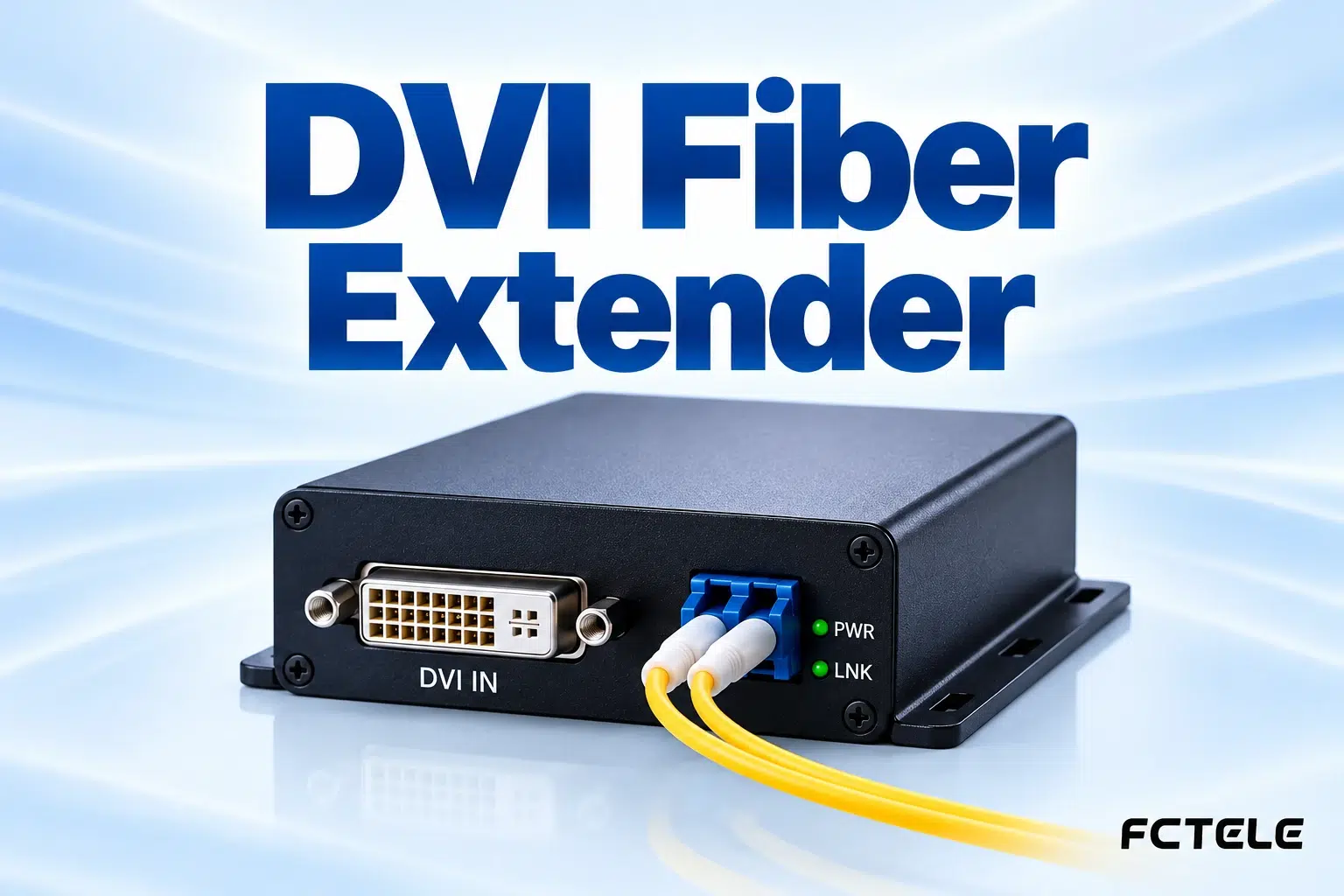
How DVI Fiber Optic Extenders Transmit Images: Digital Interfaces, Optical-Electrical Conversion, and Display Compatibility
Extend DVI video with matched digital interface, complete timing and documented EDID handling. Separate single/dual link, fiber count and optional audio or control.
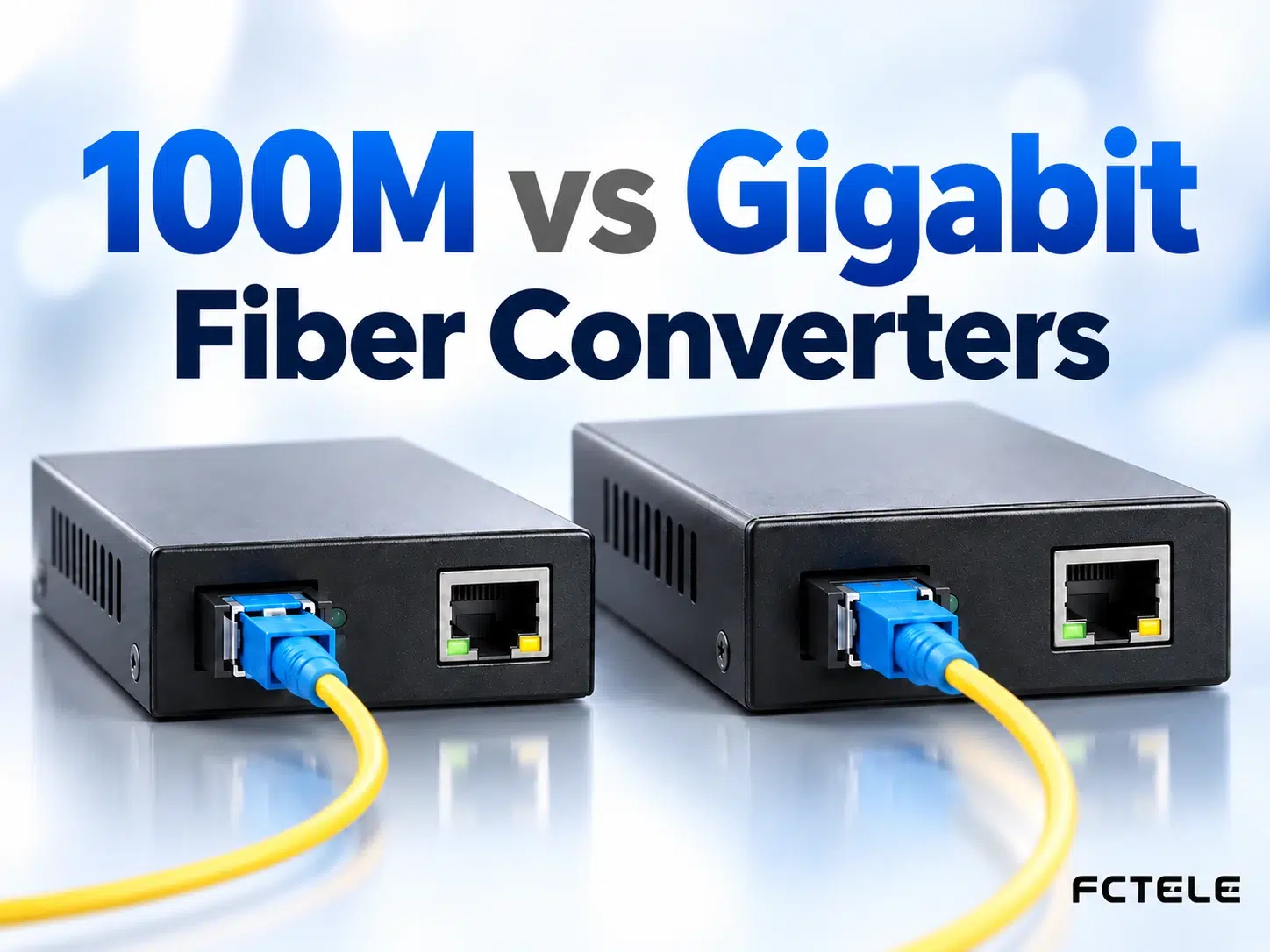
100M vs Gigabit Fiber Media Converters: Speed Compatibility and Bandwidth Needs
Compare copper and optical speeds, far-end compatibility and shared traffic before a media converter upgrade. A gigabit label cannot remove another link's bottleneck.
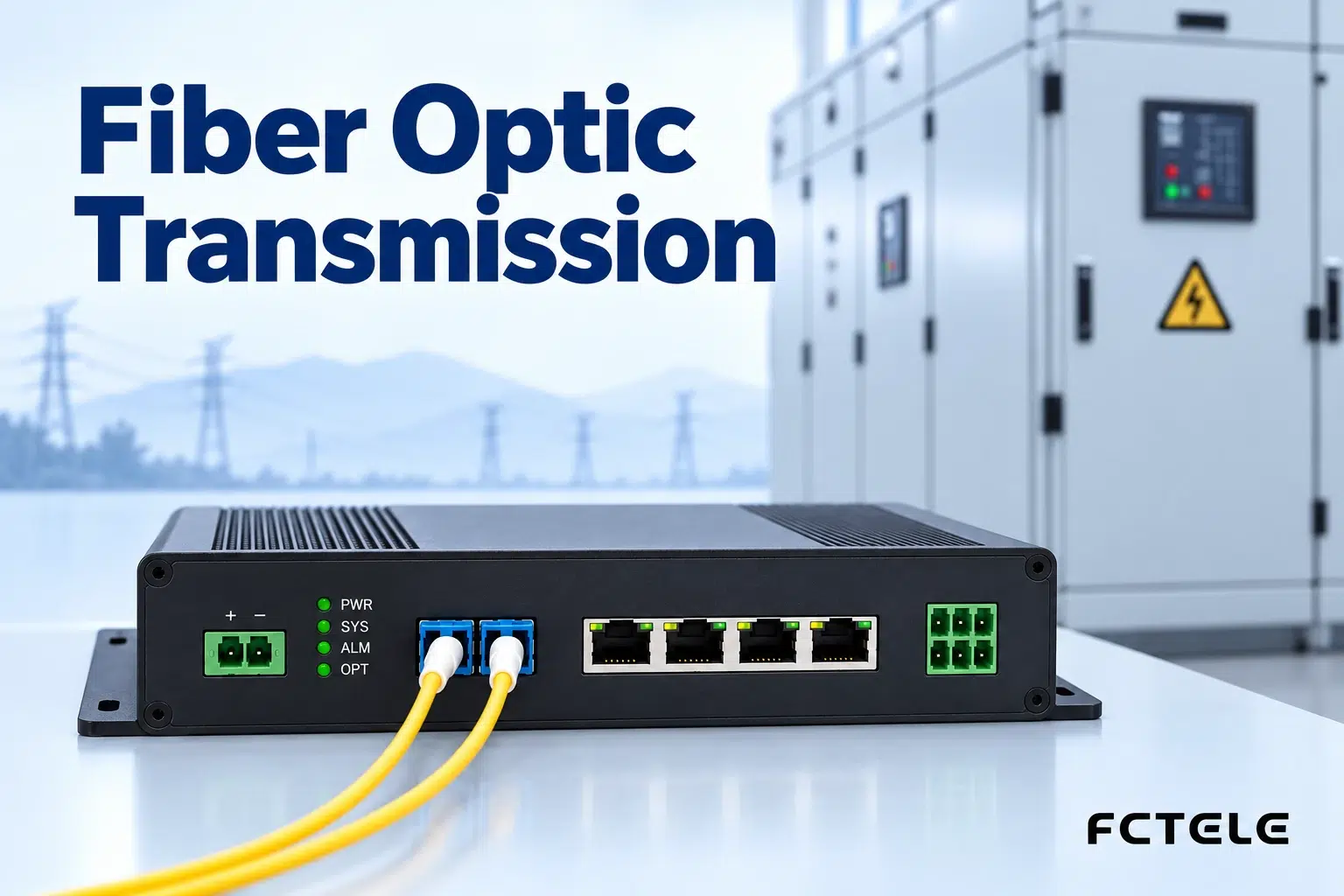
What Does a Fiber Optic Transmission Device Do in a Five-Prevention System: Multi-Service Transmission and Safety Responsibility Boundaries
Separate multi-service fiber transport from interlocking logic and safety responsibility. Verify channel identity, data freshness and approved abnormal-state handling.
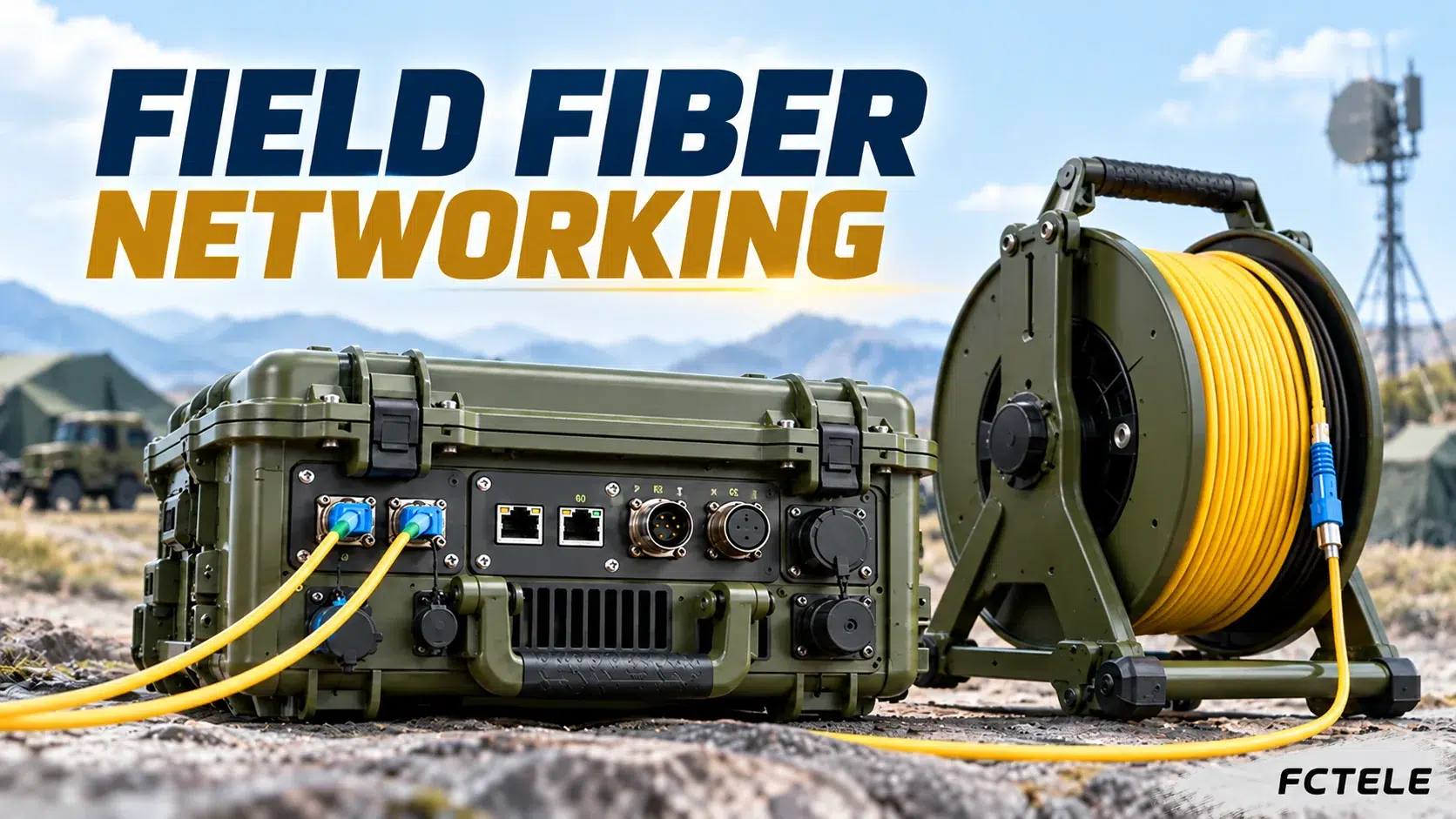
How to Network Field (Portable) Fiber Optic Transmission Devices: Temporary Links, Interface Checks, and On-Site Maintenance
Plan portable fiber links around actual interfaces, a short-link baseline, compatible optics and local power. Preserve cable handling and recovery records at temporary sites.
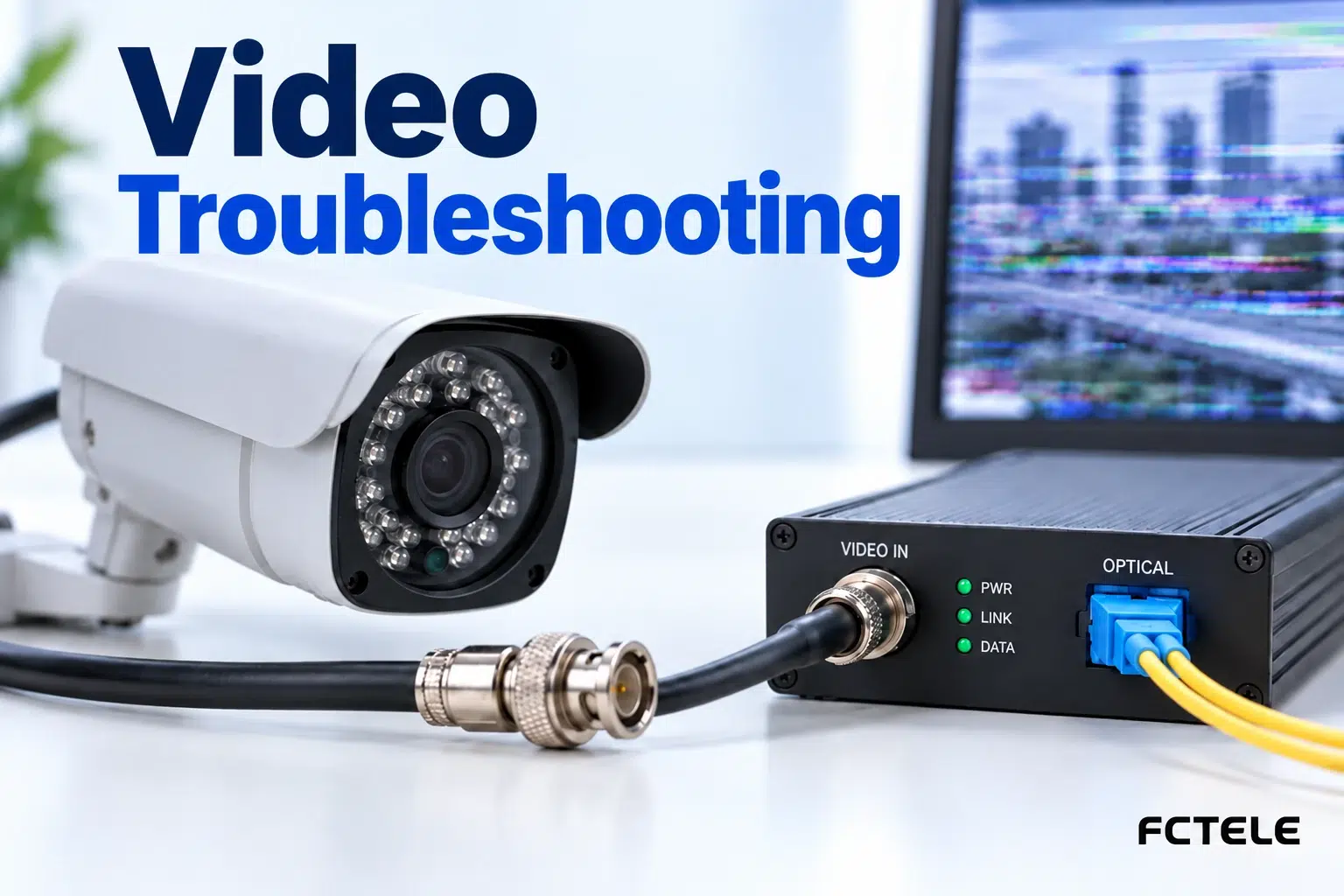
How to Troubleshoot Video Interference: First Separate Analog Signals, Digital Links, and Network Transmission
Distinguish analog waveform noise, digital video errors and IP congestion before replacing equipment. Use compatible short-link tests and preserve safe power and grounding.

Understanding the Smart Rock Project: Sensing, Transmission, and Alarm Linkage
Trace a monitoring event from sensor input through the network to platform association and operator review. Verify freshness and timing without inventing project claims.
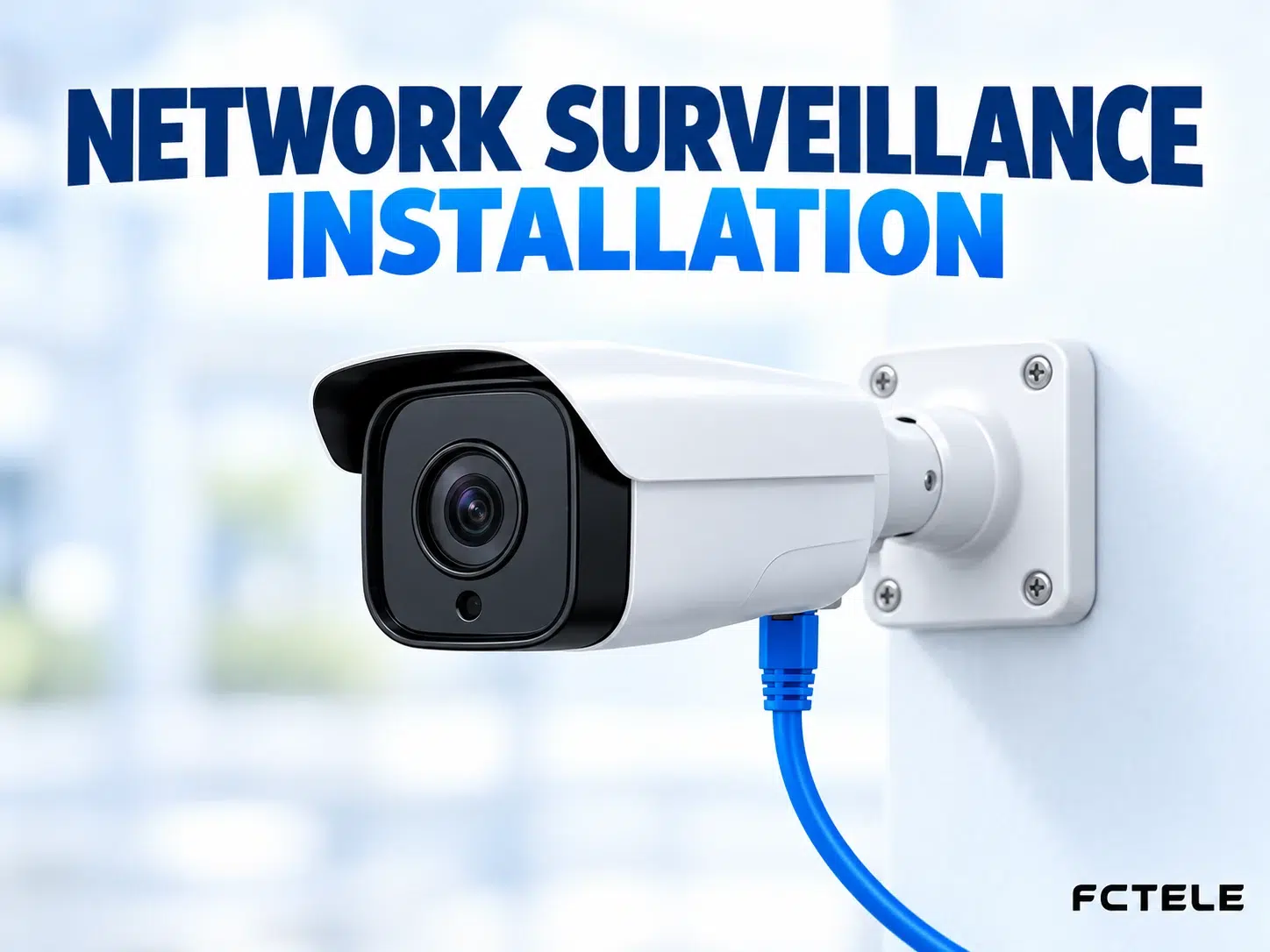
How to Install a Network Surveillance System: Four Connection Methods and Their Applicable Boundaries
Compare four IP camera connection options by power, transport and recording needs. Verify aggregate streams, supported video services and recovery beyond a live picture.
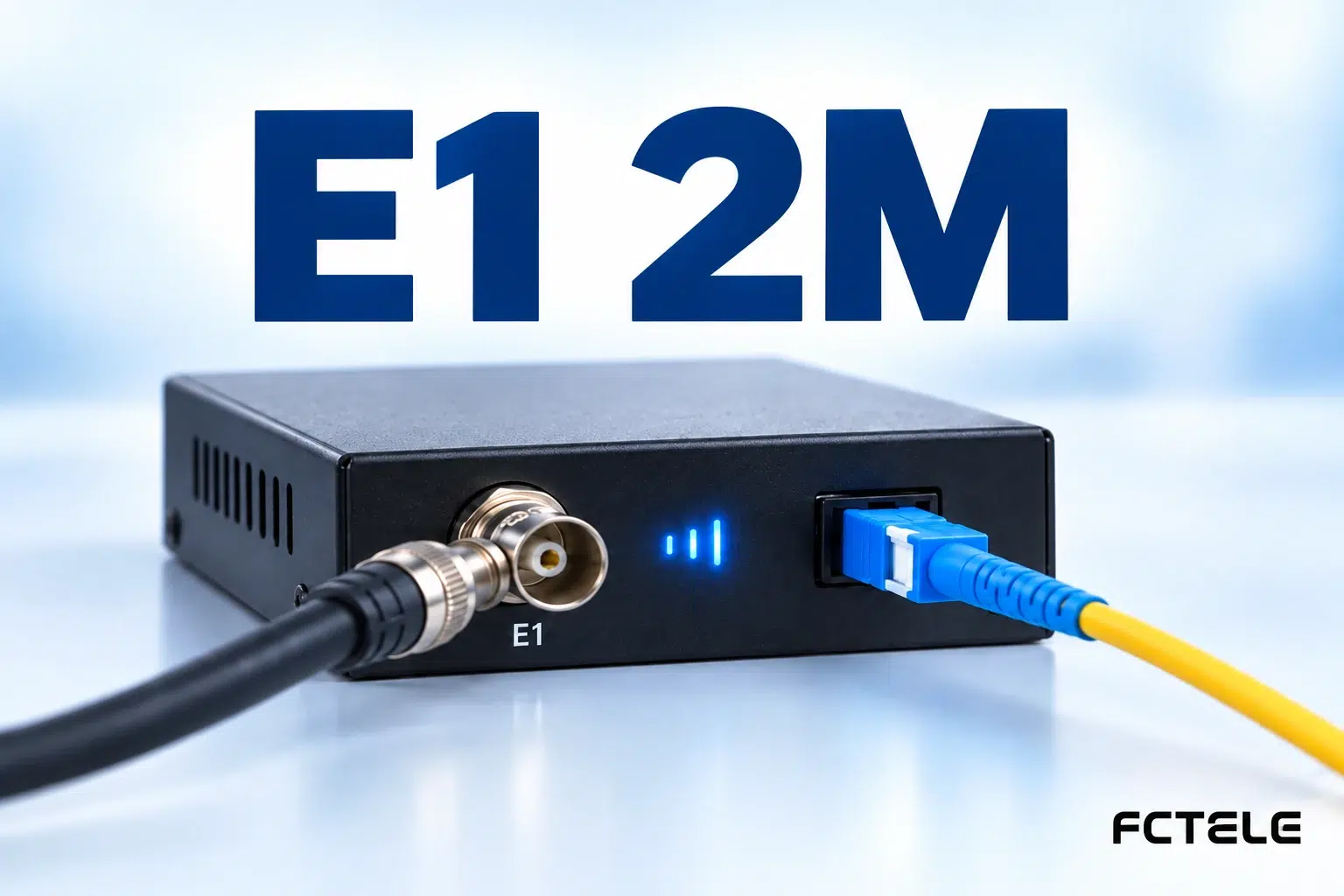
What 2M Means on a Fiber Optic Transmission Device: E1 Rate, Time Slots, and Fiber Transmission Explained
Understand E1's 2.048 Mbit/s line rate, framed time slots and timing requirements. Keep channel allocation and application throughput separate from the optical medium.
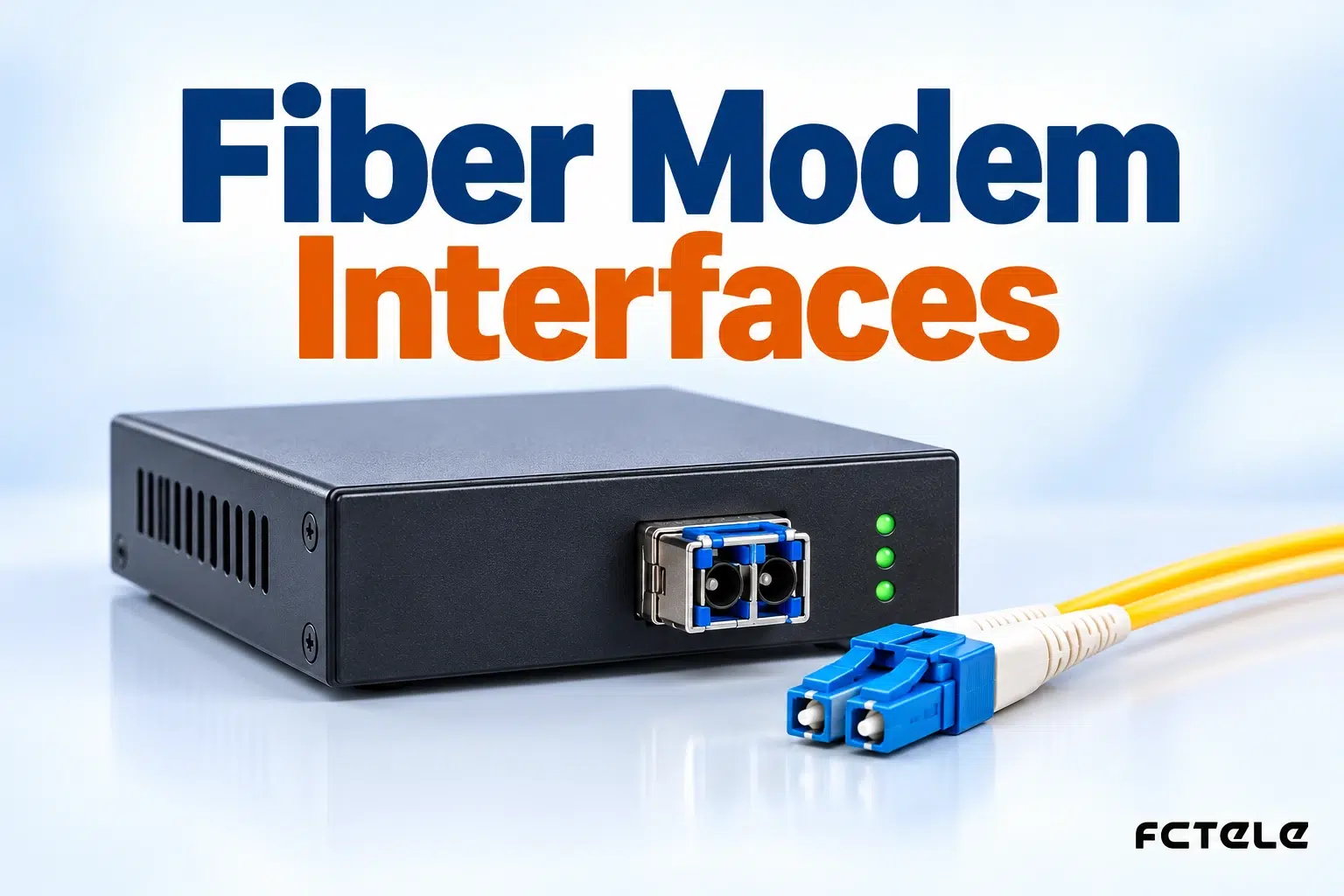
What Is the Difference Between E1, V.35, and Ethernet Fiber Modems: Services, Clocking, and Actual Bandwidth
Compare E1, synchronous V.35 and Ethernet optical extensions by their electrical interfaces, framing and clocks. Check delivered modes rather than similar connectors.
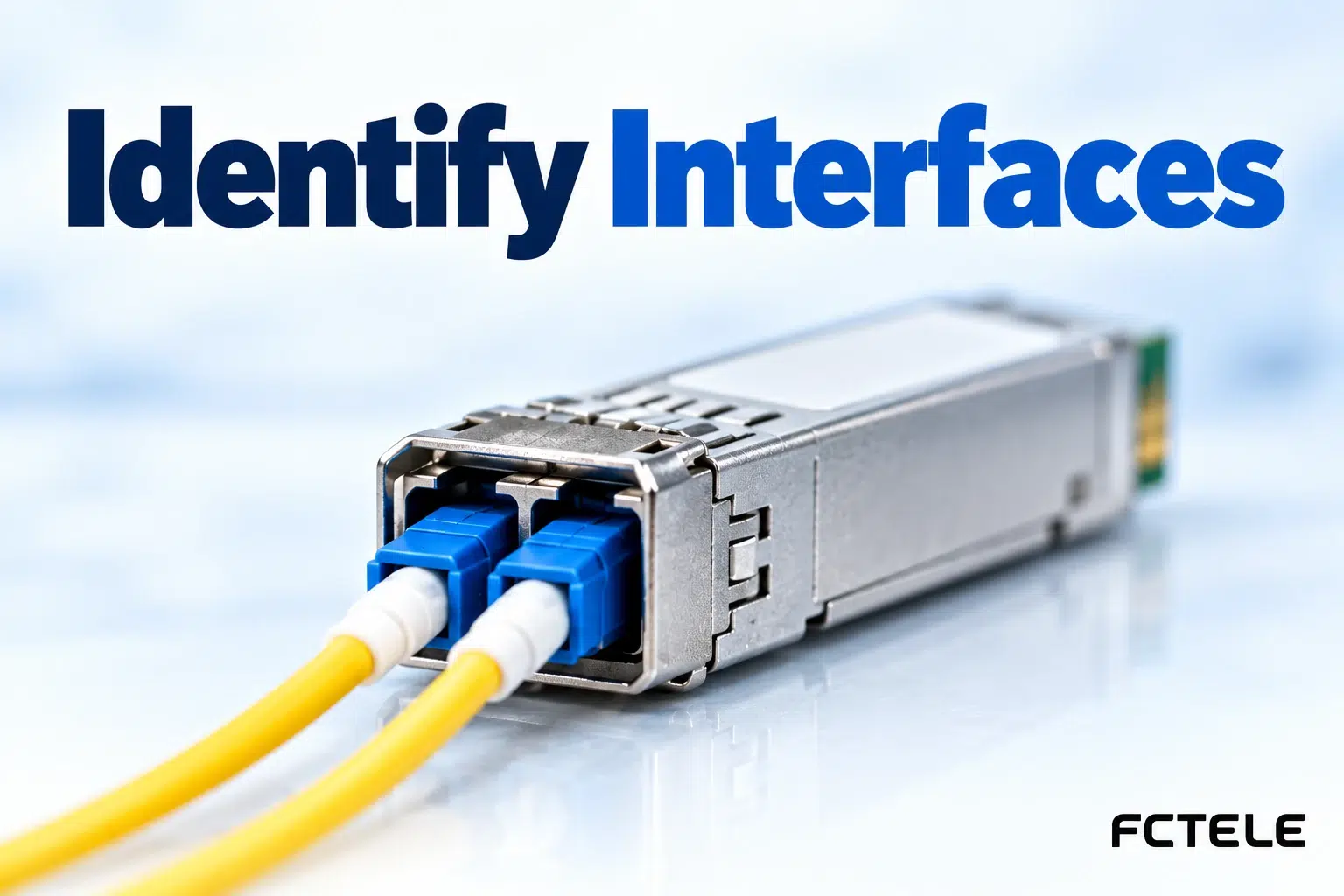
How to Identify Fiber Optic Transmission Device Interfaces: Plugs, Electrical Signals, and Services Are Not Just About Shape
Identify optical transmission ports through their electrical standard, direction and service definition. Similar BNC or RJ45 shapes do not establish compatible signals.
