
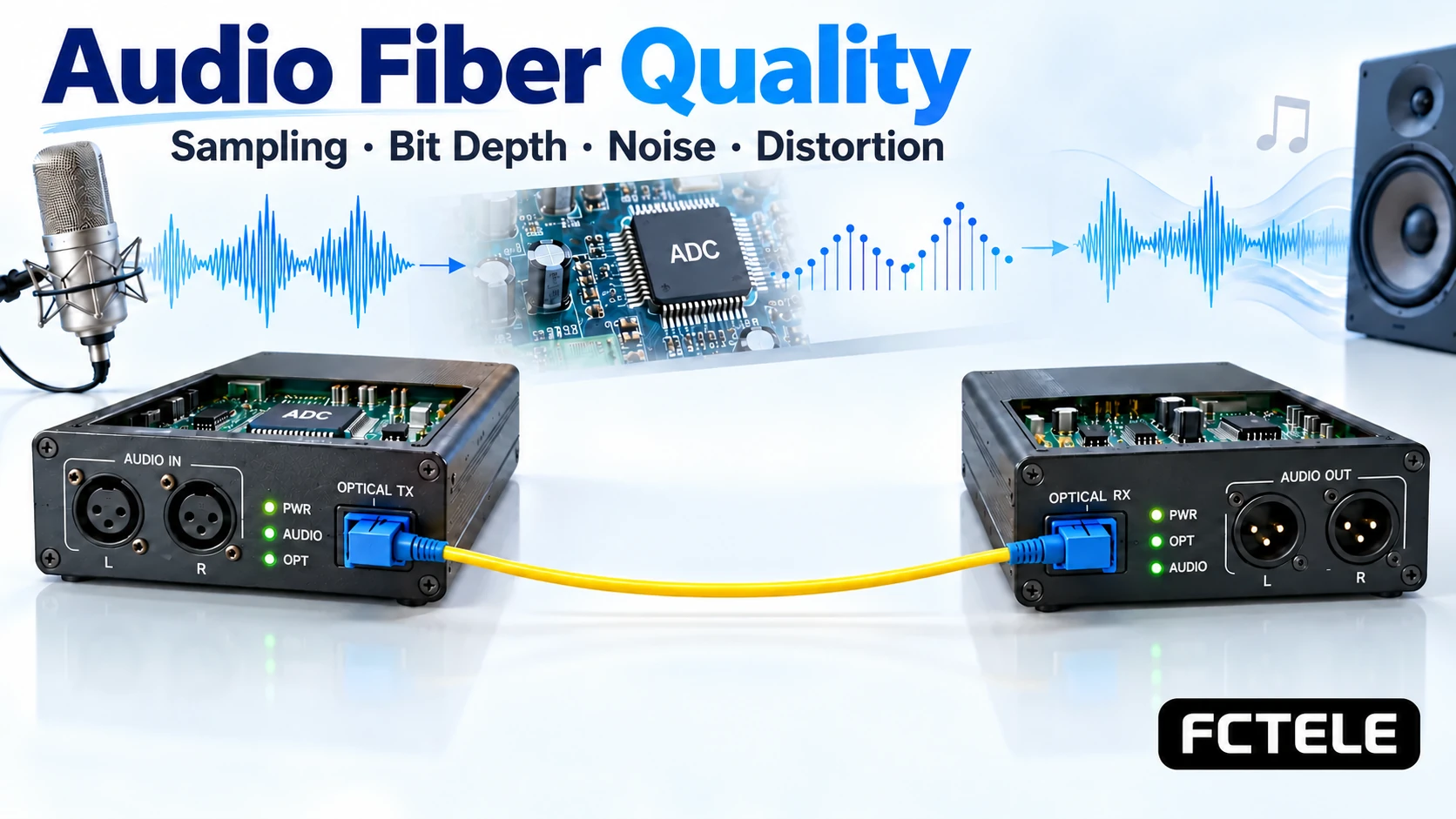
Audio Fiber Quality: Sampling, Bit Depth, Noise and Distortion
Explain digital audio optical transmission using sample rate, bit depth and bitrate, distinguishing theoretical quantization from device noise and distortion.
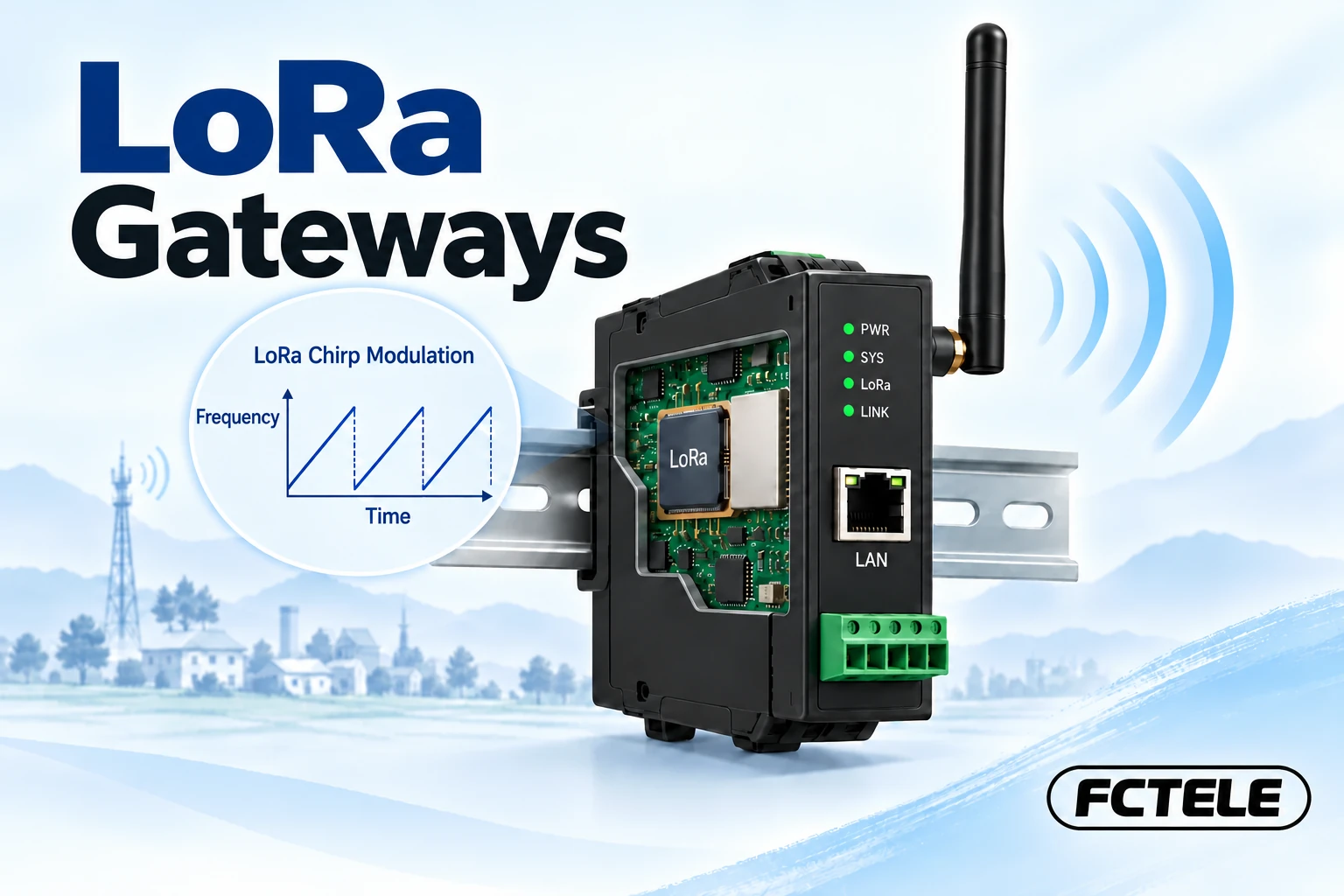
LoRa Industrial Gateways: Chirps, Airtime and Data Handover
Learn how LoRa industrial gateways detect contacts, form messages, modulate wirelessly and hand data to systems, plus how to check airtime and node concurrency.
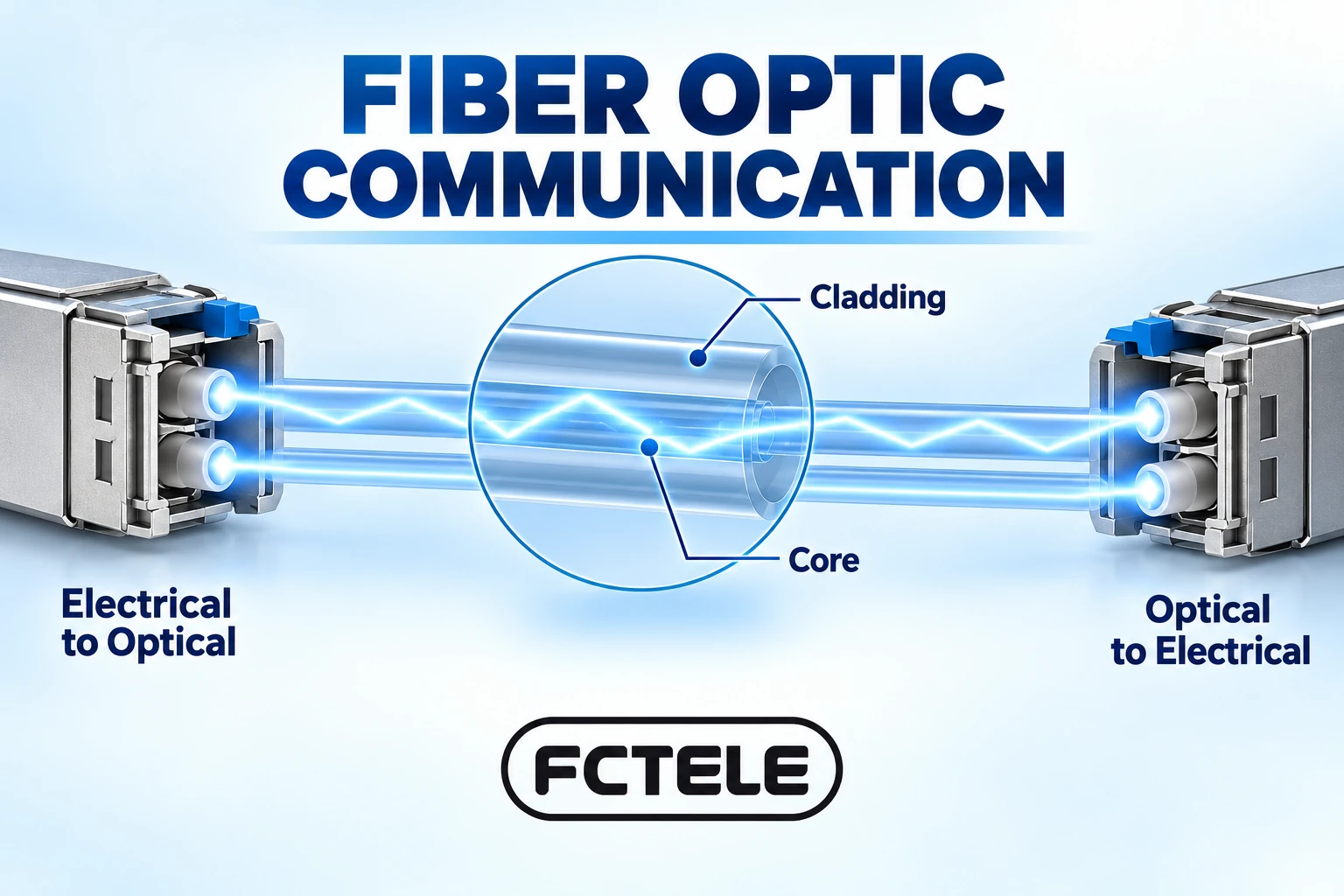
How Fiber Carries Data: Guiding Light, Loss and Detection
Learn how fiber optic communication works, from light sources and core-cladding to photodetection, distinguishing light guiding, power loss and pulse spreading.
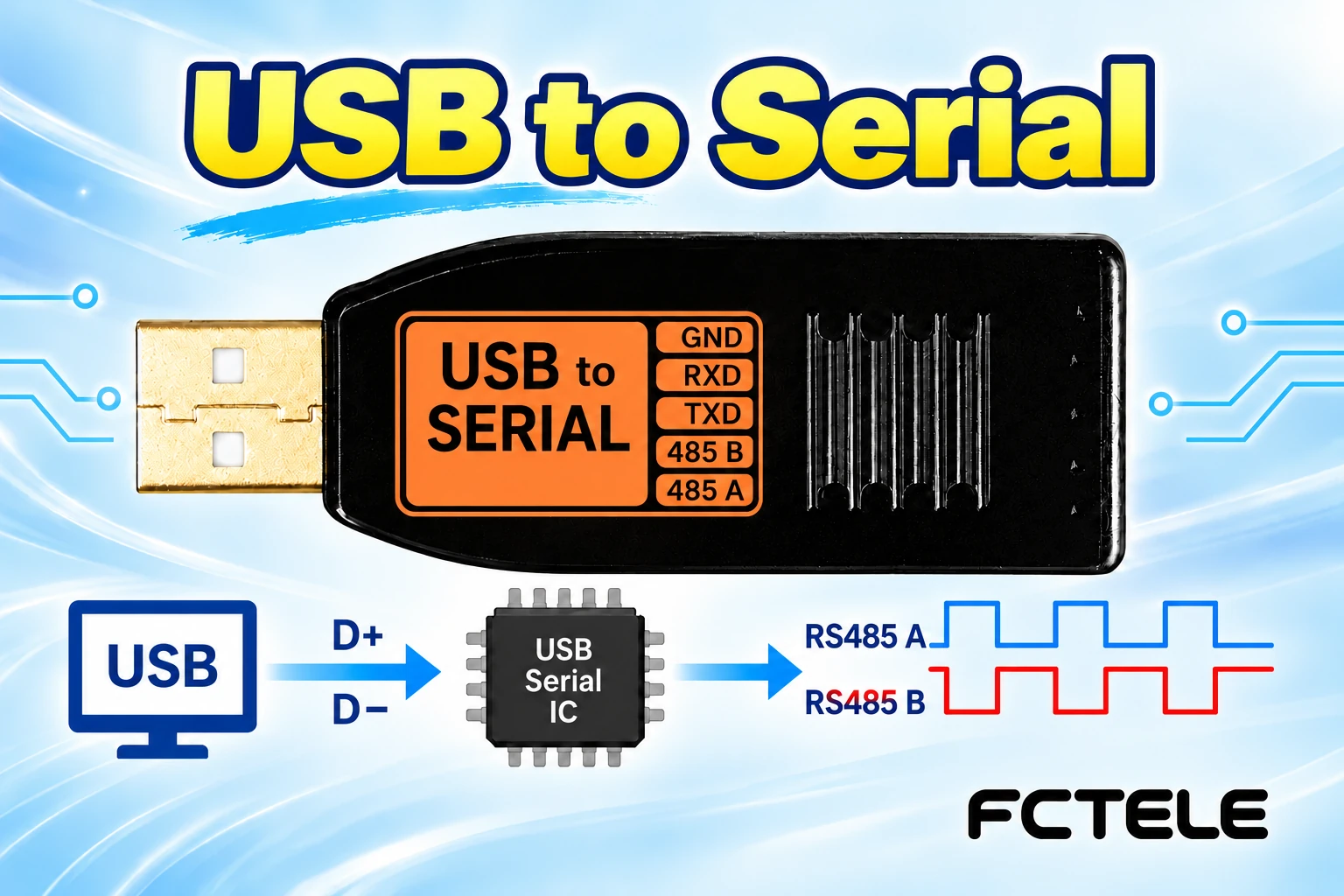
USB to Serial: Enumeration, Virtual COM and UART Data
Explains virtual COM and buffering from USB data to UART characters, distinguishing RS232, RS485 and TTL, and verifying the chain.
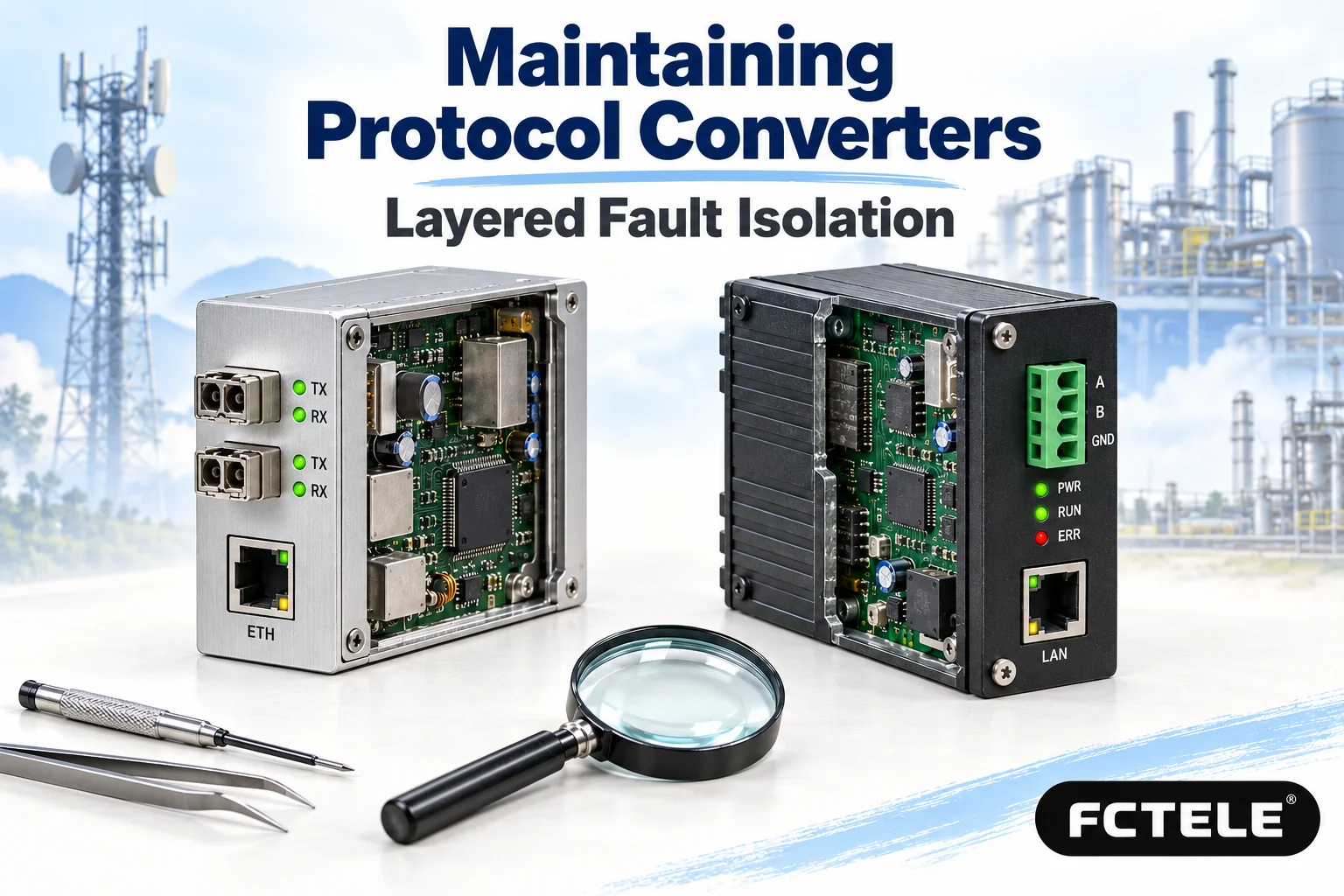
Maintaining Protocol Converters: Layered Fault Isolation
Begin with the exact service and isolate one layer at a time. Record interface type, alarms and one known service exchange.
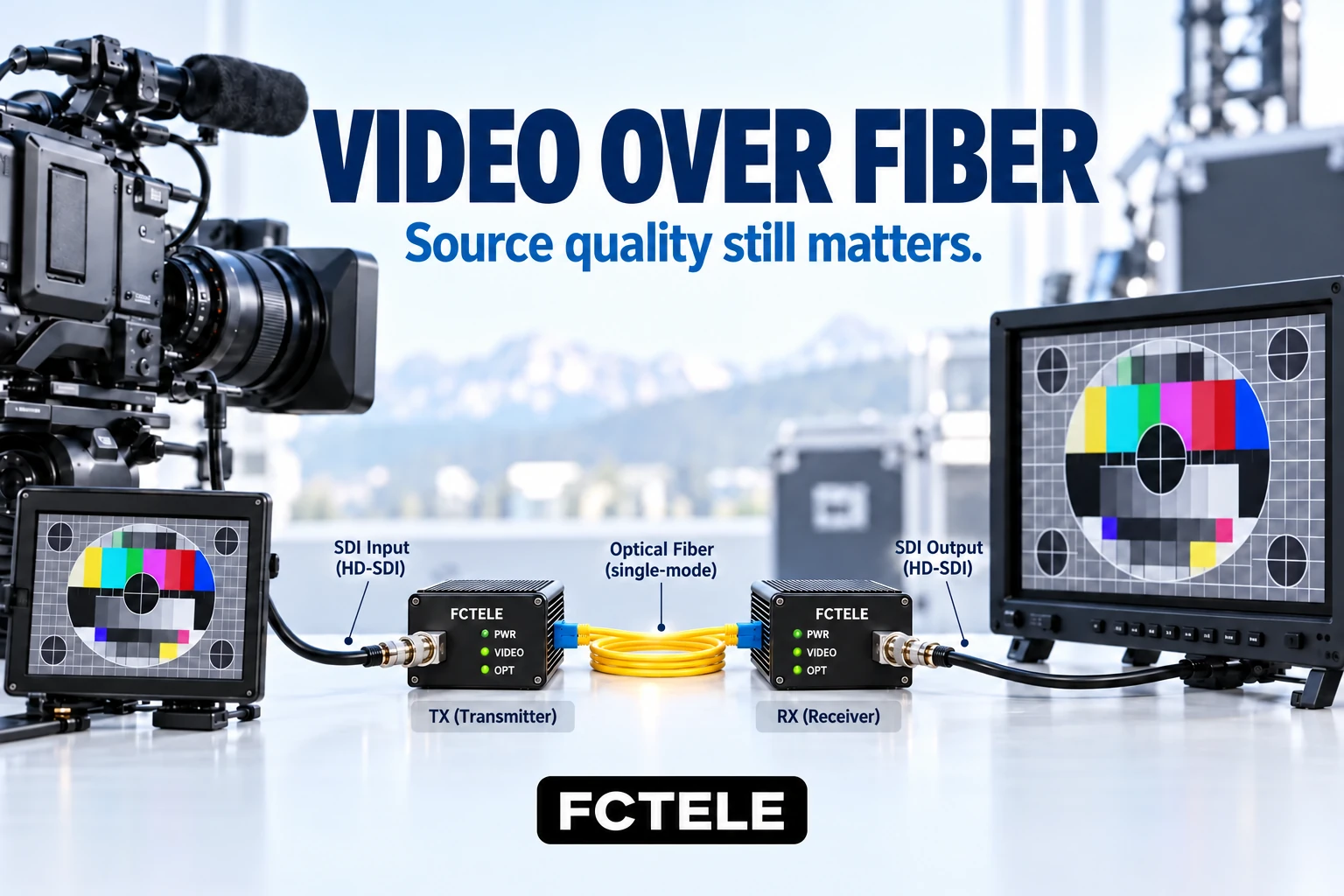
Can Video Fiber Converters Improve Picture Quality?
A transmission converter does not automatically restore detail missing from the source. Confirm source level, impedance and the documented video format.
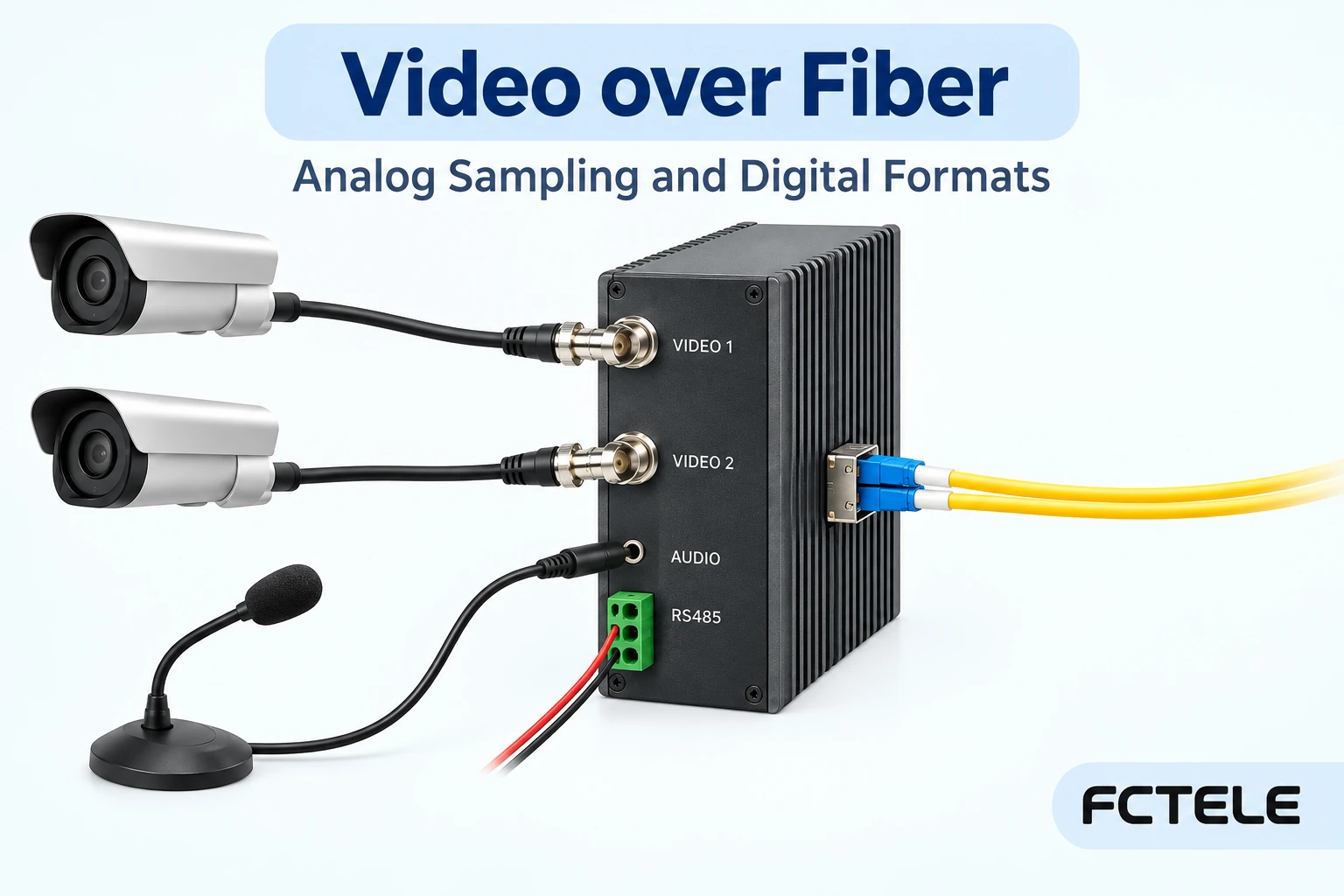
Multi-Service Video over Fiber: Analog Sampling and Digital Formats
A multi-service fiber unit combines only the interfaces and channel types it is designed to support.
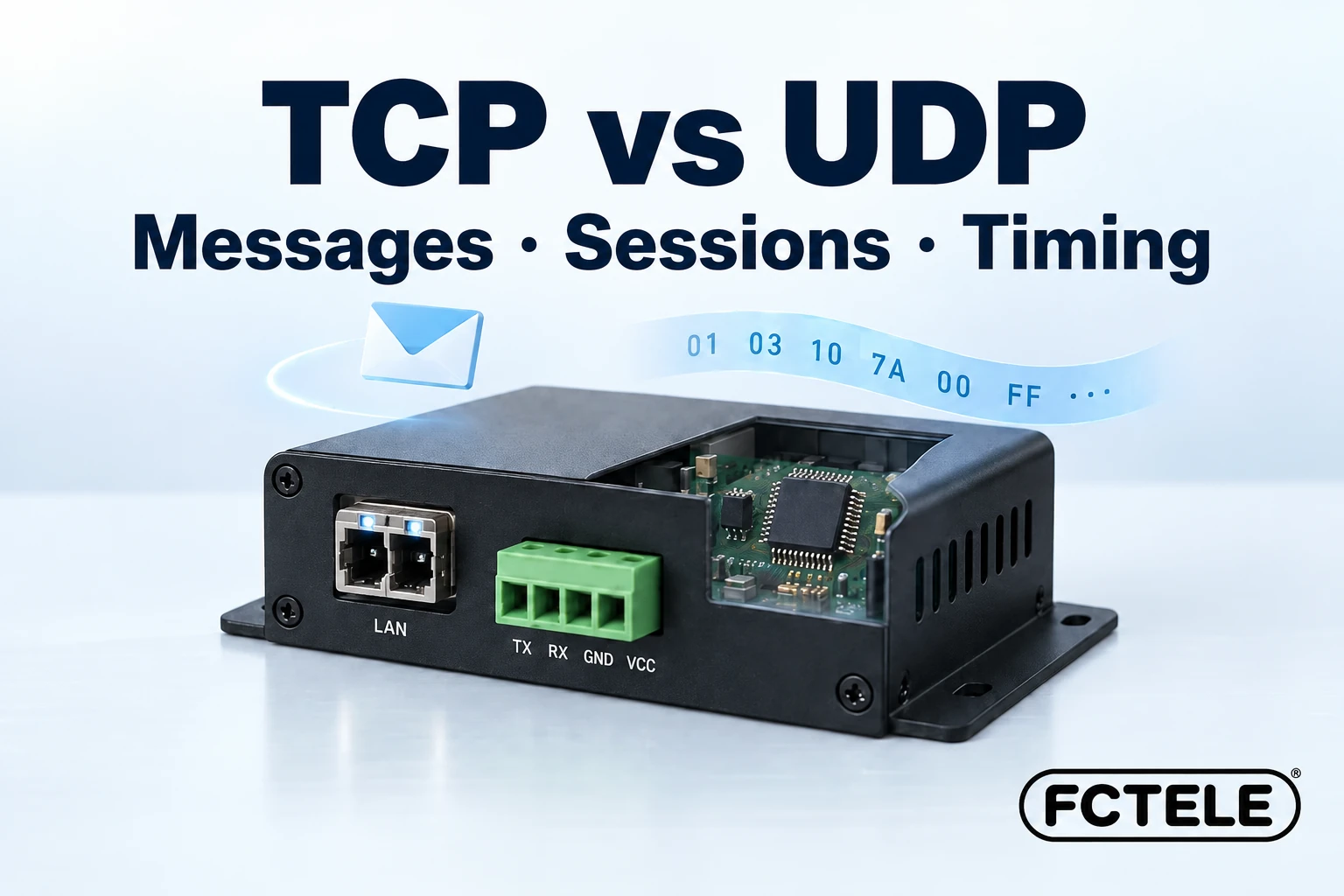
Serial Server TCP vs UDP: Messages, Sessions and Timing
TCP provides an ordered byte stream, not one network message per serial command. Parse using the instrument protocol rather than one read call.
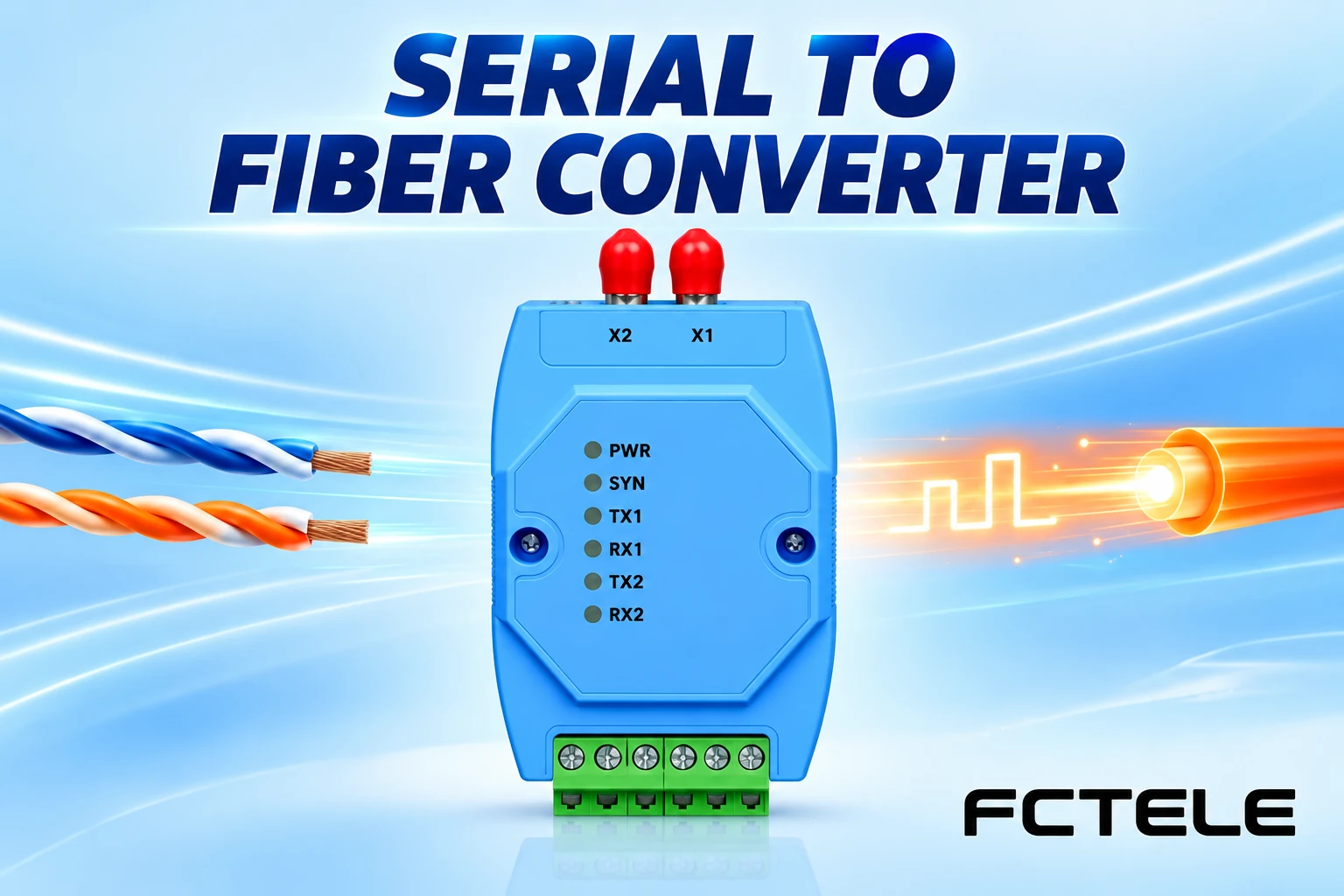
How Serial Fiber Converters Work: Optical Detection and Half-Duplex
A matched serial fiber pair changes the transmission medium while preserving the intended serial service.
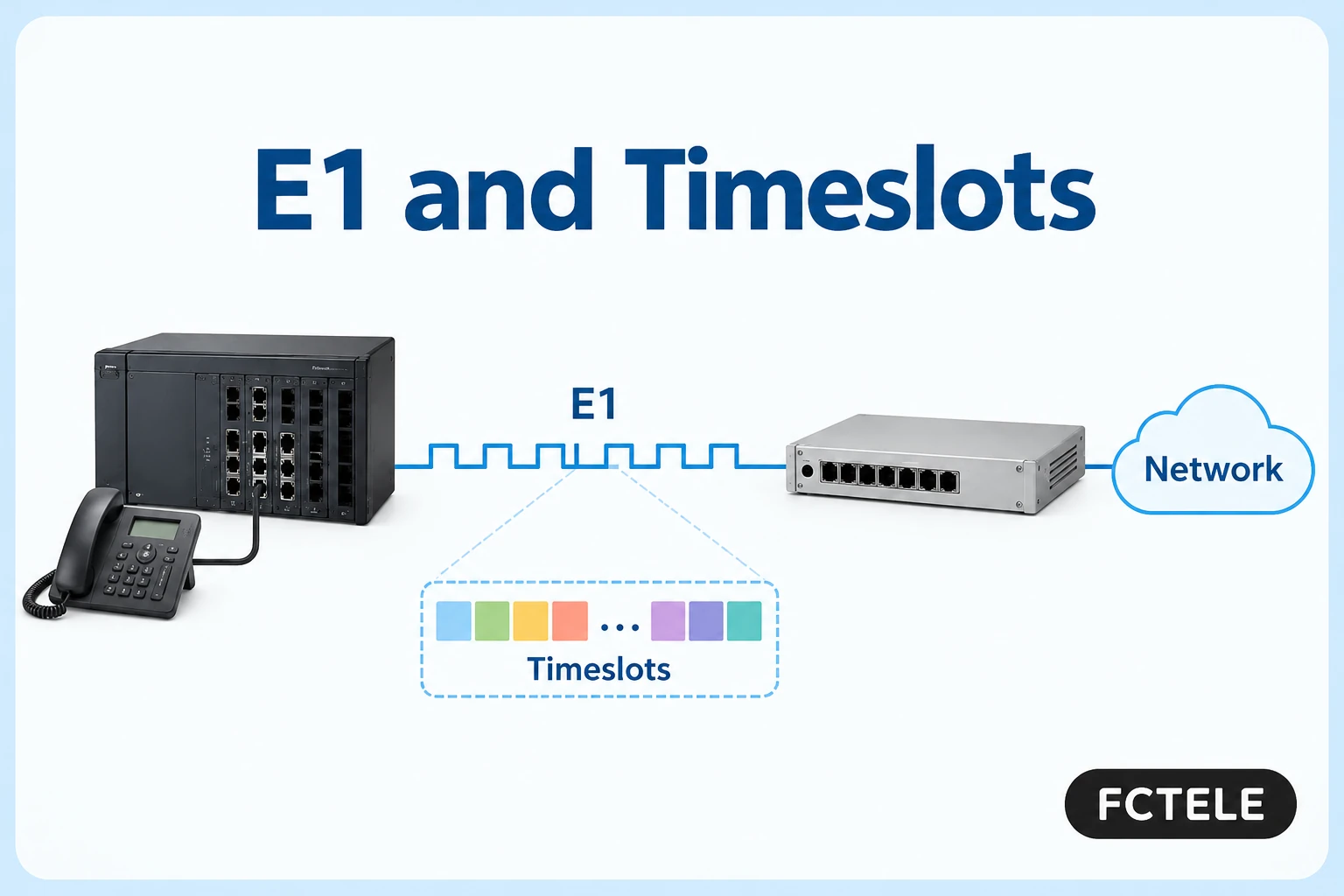
E1, Channelized E1 and PRI: Time Slots, Signaling and Testing
E1 identifies a transmission interface, while framing, channel allocation and signaling define how a service uses it.
