
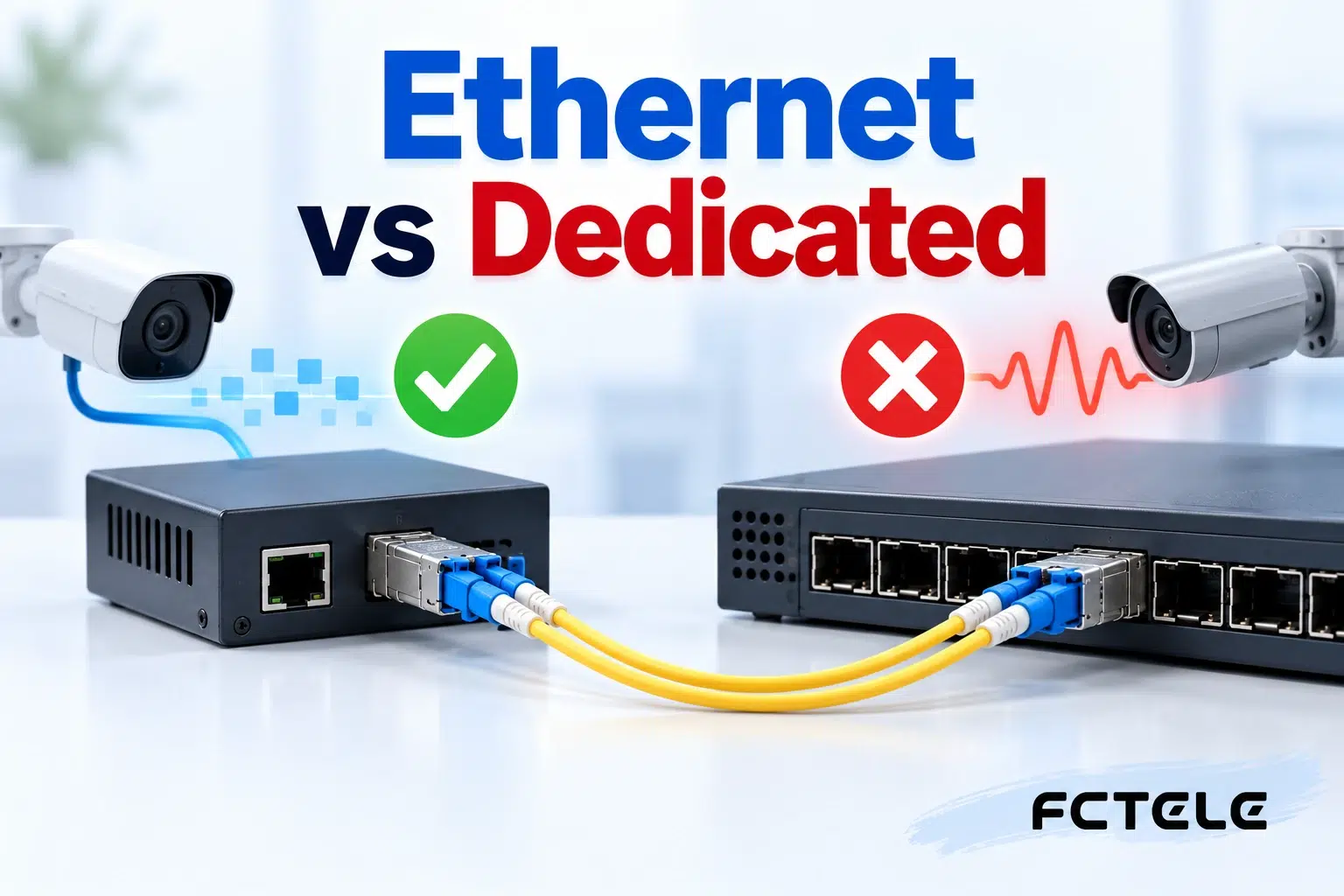
Connecting Fiber Transmission Equipment to Switches: Ethernet and Dedicated-Service Links
Decide whether an optical device can connect directly to an Ethernet switch by its protocol, rate and optical pairing. Dedicated video or E1 requires a supported path.
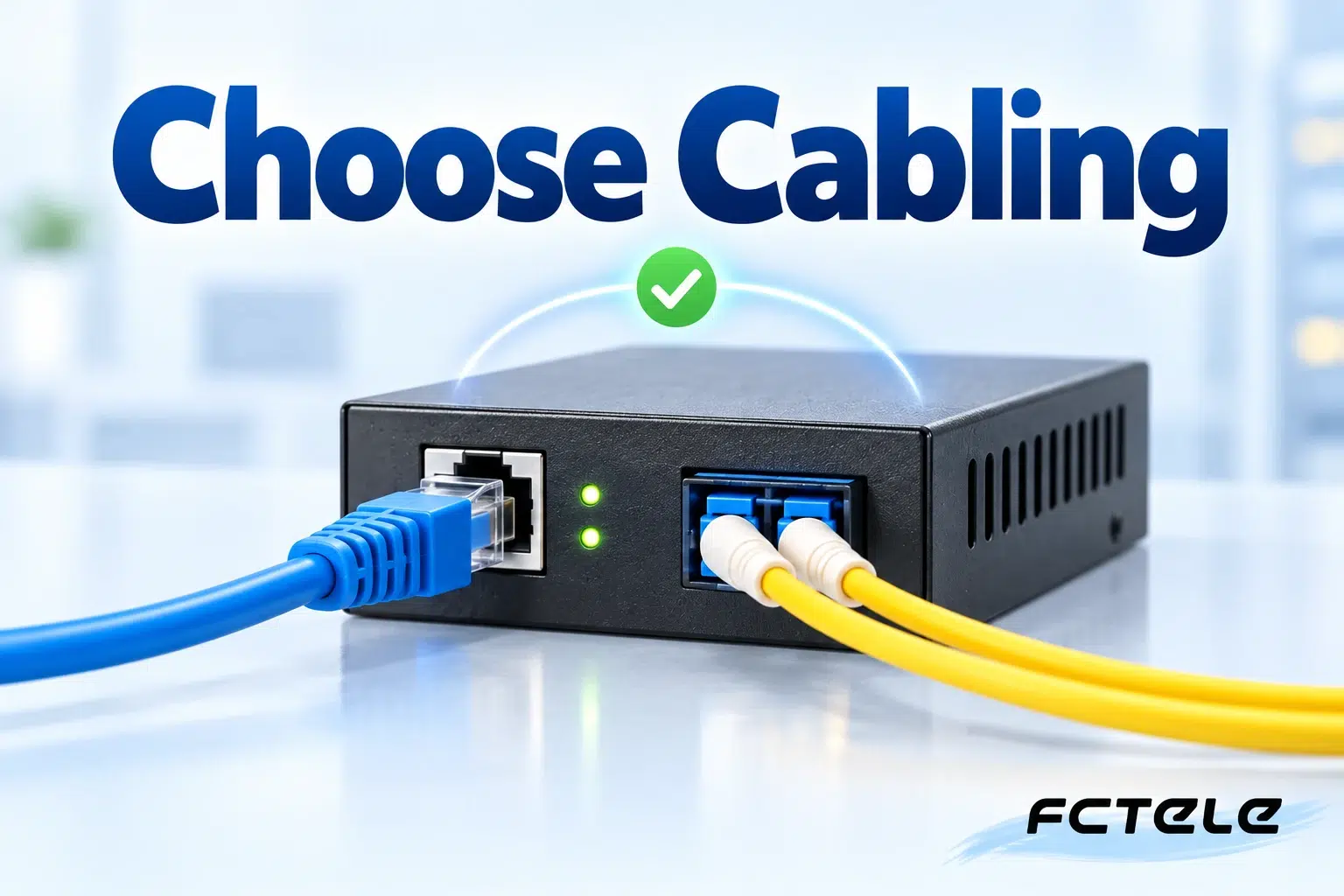
Cabling Gigabit Ethernet Media Converters: Copper Channels, Optical Matching and Testing
Check all four 1000BASE-T pairs, channel performance and paired optical specifications. Separate wire continuity from cabling certification and receive-power acceptance.
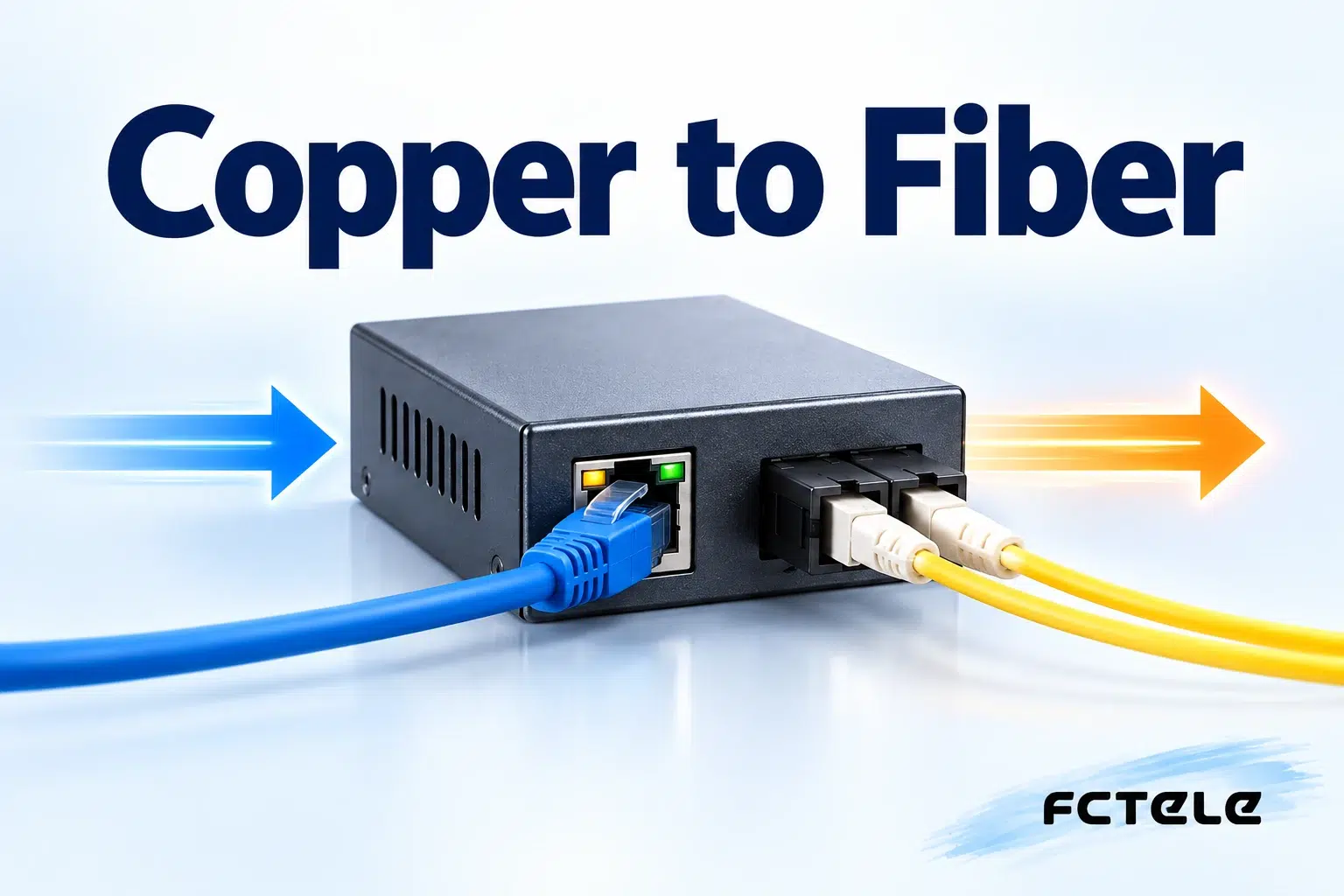
What Does an Ethernet Fiber Optic Converter Do: Working Mechanism and Capability Boundaries
Follow copper PHY reception, optical transmission and electrical recovery in a media converter. Keep media extension separate from routing, PON and protocol translation.
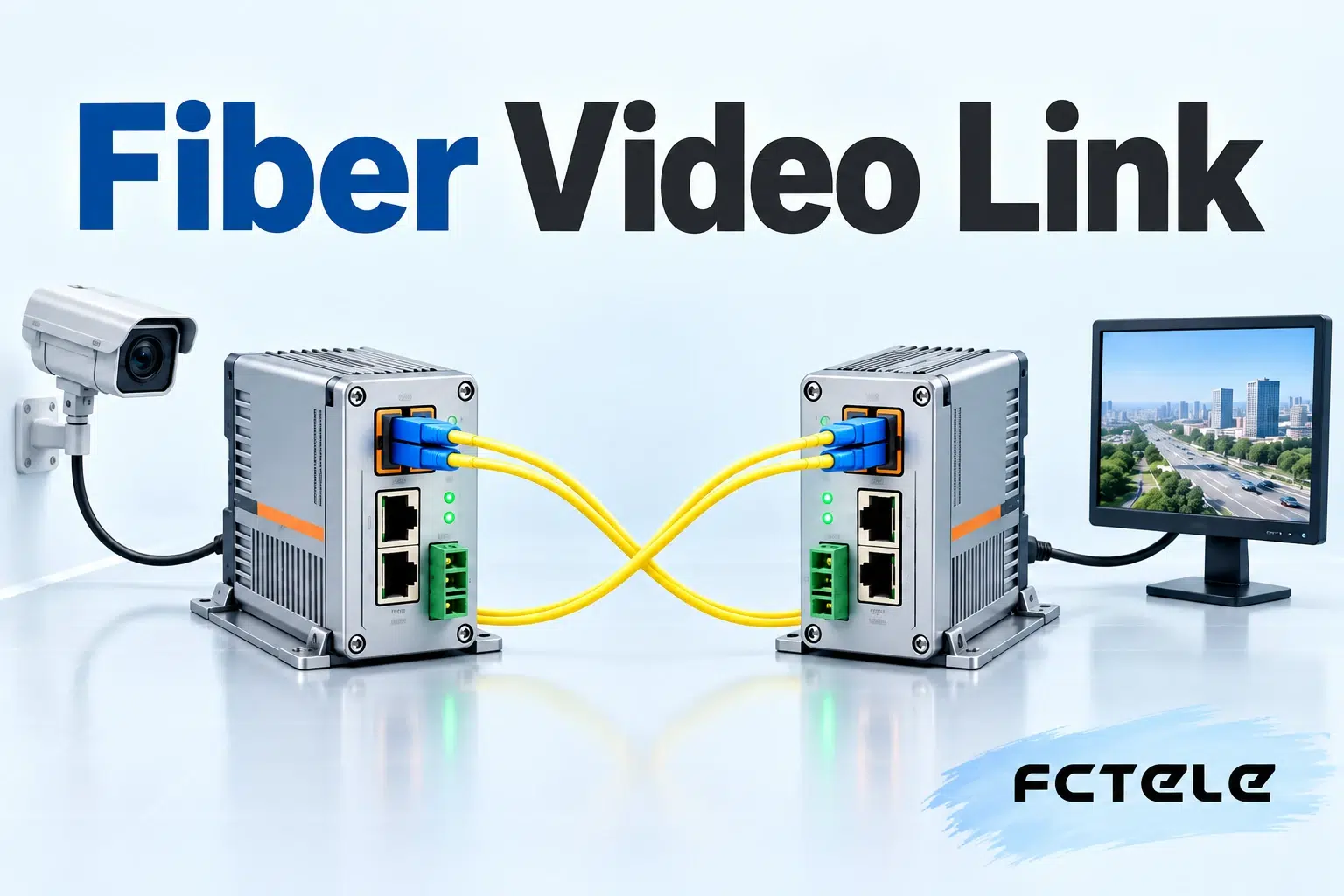
Fiber Optic Transmission Networks: Point-to-Point, Backup, Rings and Multipoint Links
Choose point-to-point, optical backup, protected rings or multipoint aggregation by service relationships. Verify actual protection behavior and every local serial segment.
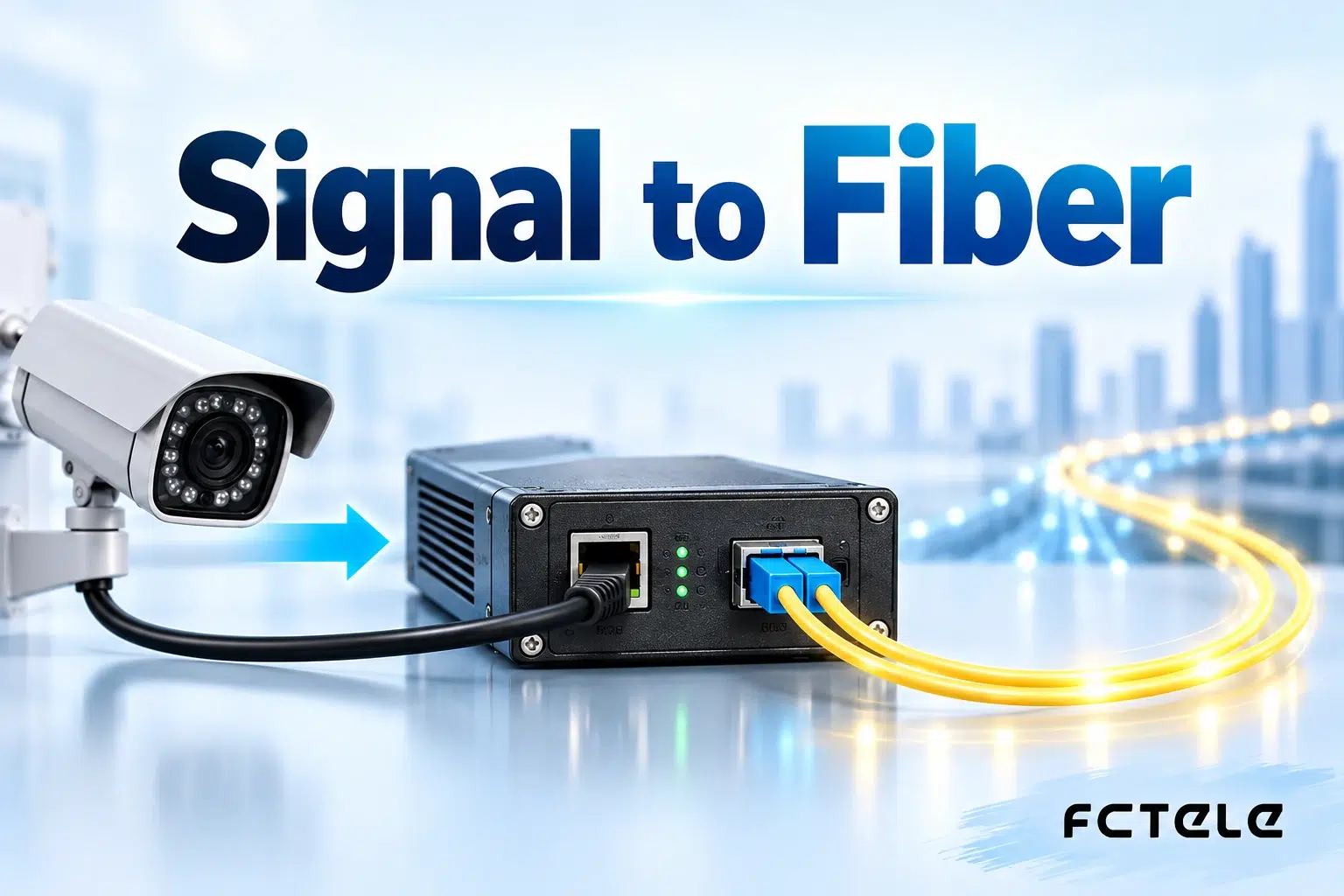
What Fiber Optic Transmission Devices Do: Service Interfaces and Optical Link Boundaries
Choose fiber transmission equipment by input format, channel direction and far-end restoration. Keep shared transport, optical pairing and common chassis dependencies visible.
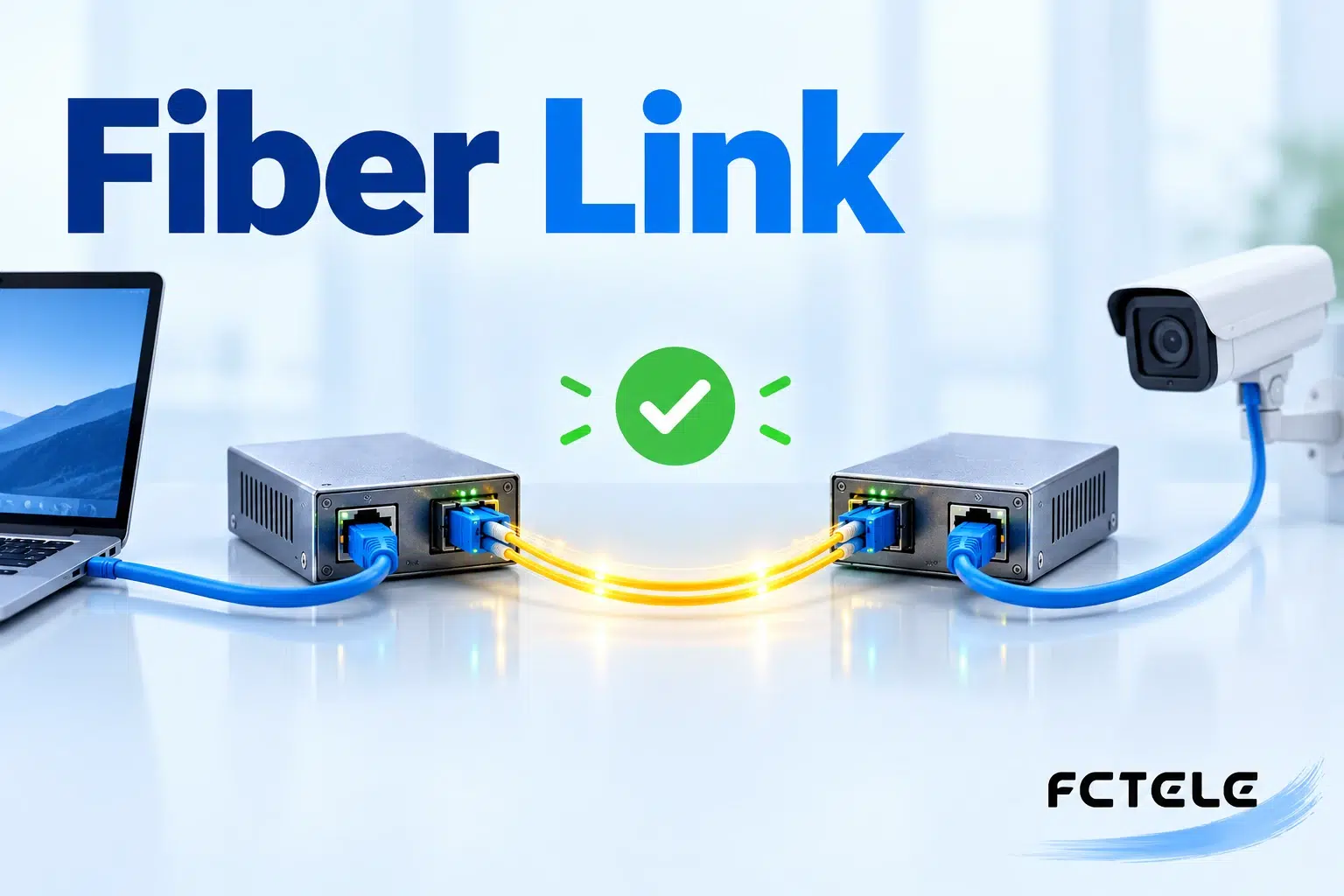
Using Ethernet Fiber Media Converters: Pairing, Wiring and Acceptance Tests
Install Ethernet media converters with matched optics, correct TX/RX directions and local power. Verify addressing, VLANs and service recovery after link establishment.
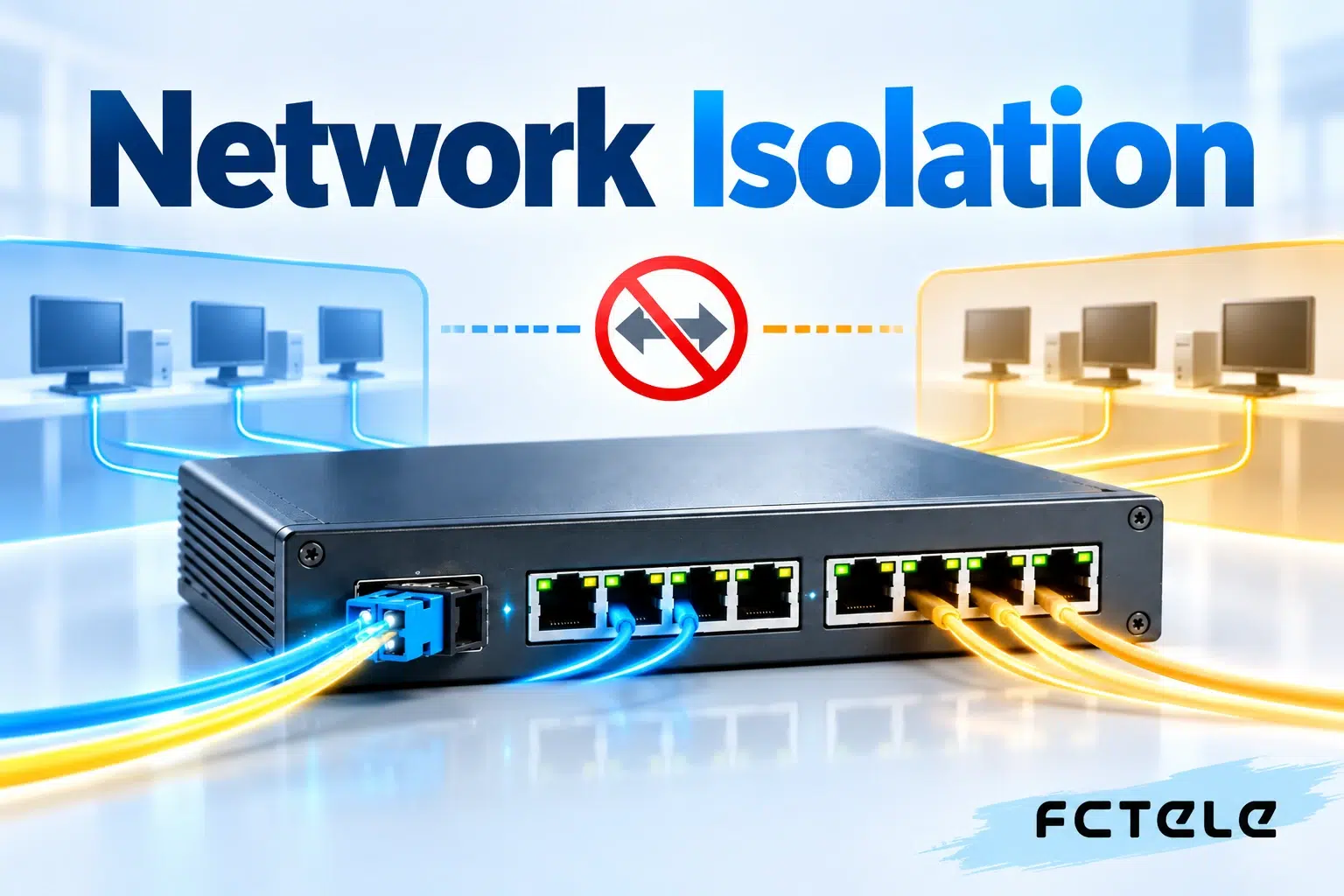
Separating Networks with Multi-Port Fiber Media Converters: VLANs and Physical Isolation
Separate electrical non-conduction, VLAN forwarding boundaries and physical network separation. Trace shared chips, management paths and uplinks before claiming isolation.
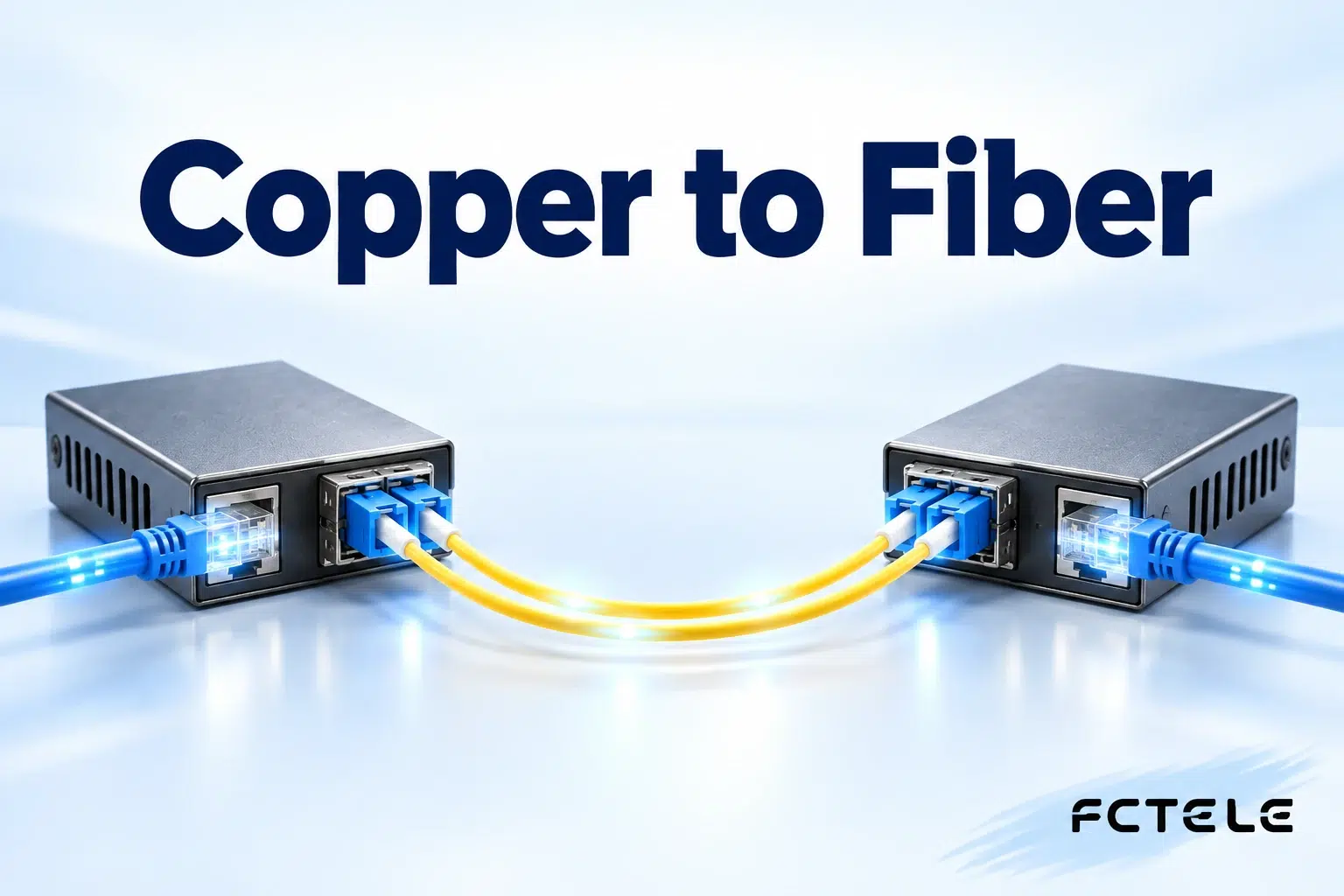
Ethernet Fiber Media Converters: Electrical–Optical Conversion and Single- or Dual-Fiber Pairing
Understand electrical-to-optical Ethernet conversion, dual-fiber TX/RX paths and complementary BiDi wavelengths. Verify both directions and actual service after installation.
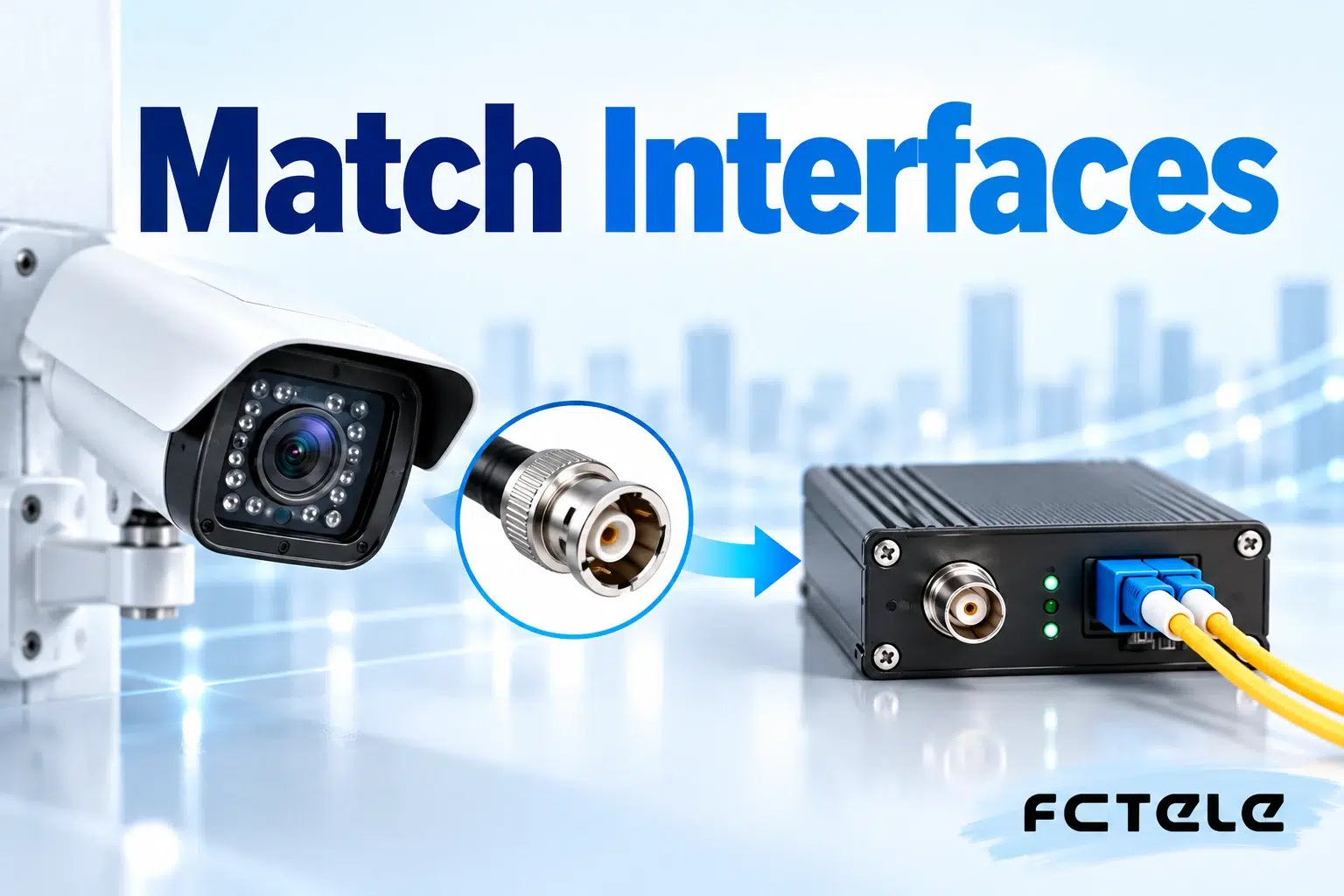
How to Choose Optical Transmission for Security Monitoring: Analog Video, IP Cameras, and Optical Link Acceptance
Select surveillance optical equipment by the camera signal and receiver. Verify auxiliary channels, optical power and recording performance when retaining or upgrading fiber.
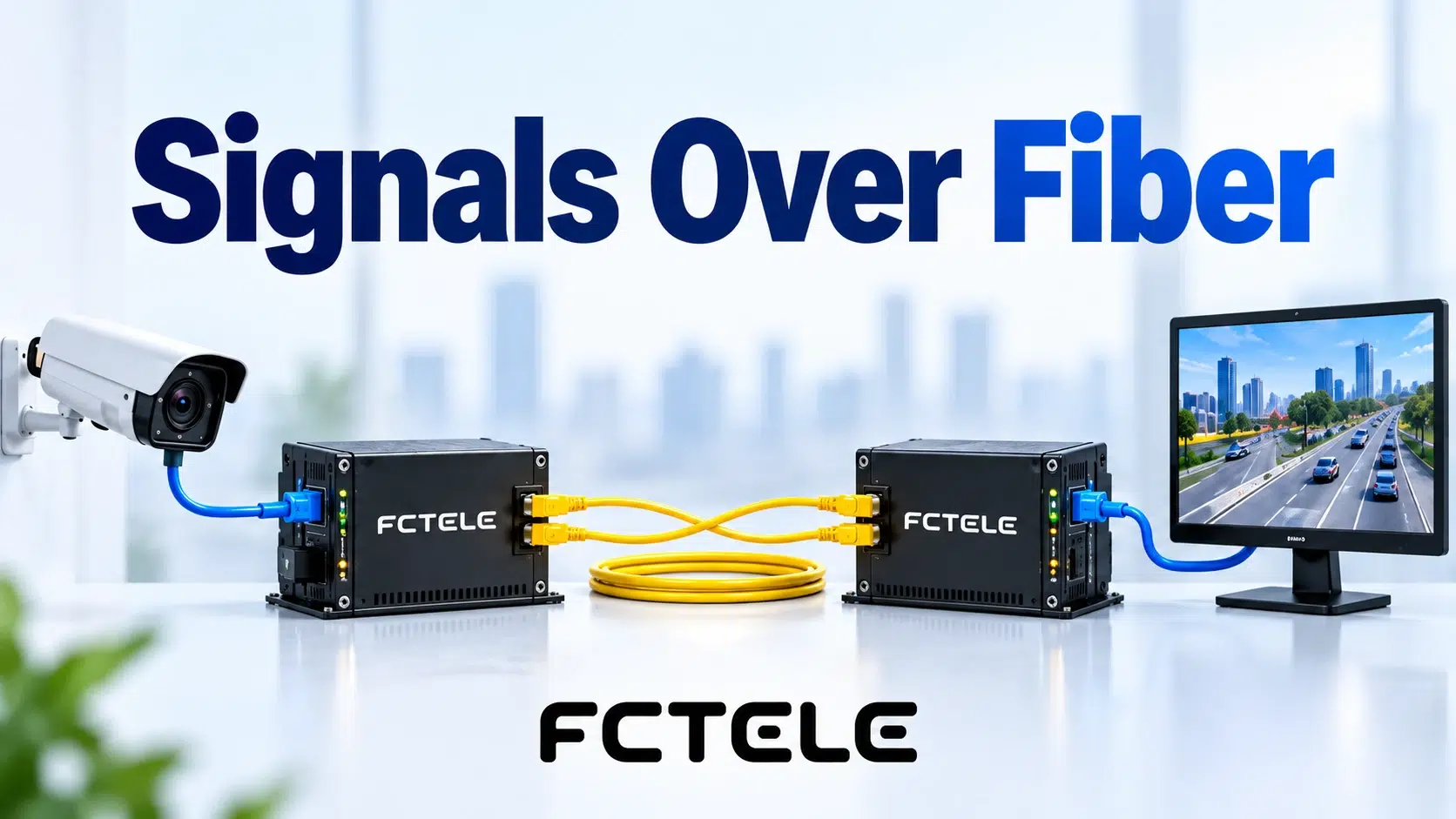
How Fiber Optic Transmission Devices Turn Electrical Signals into Light and Restore Them
Follow electrical input, supported optical transport and far-end restoration. Keep video, serial, telephone, Ethernet and PON roles distinct when identifying equipment.
