

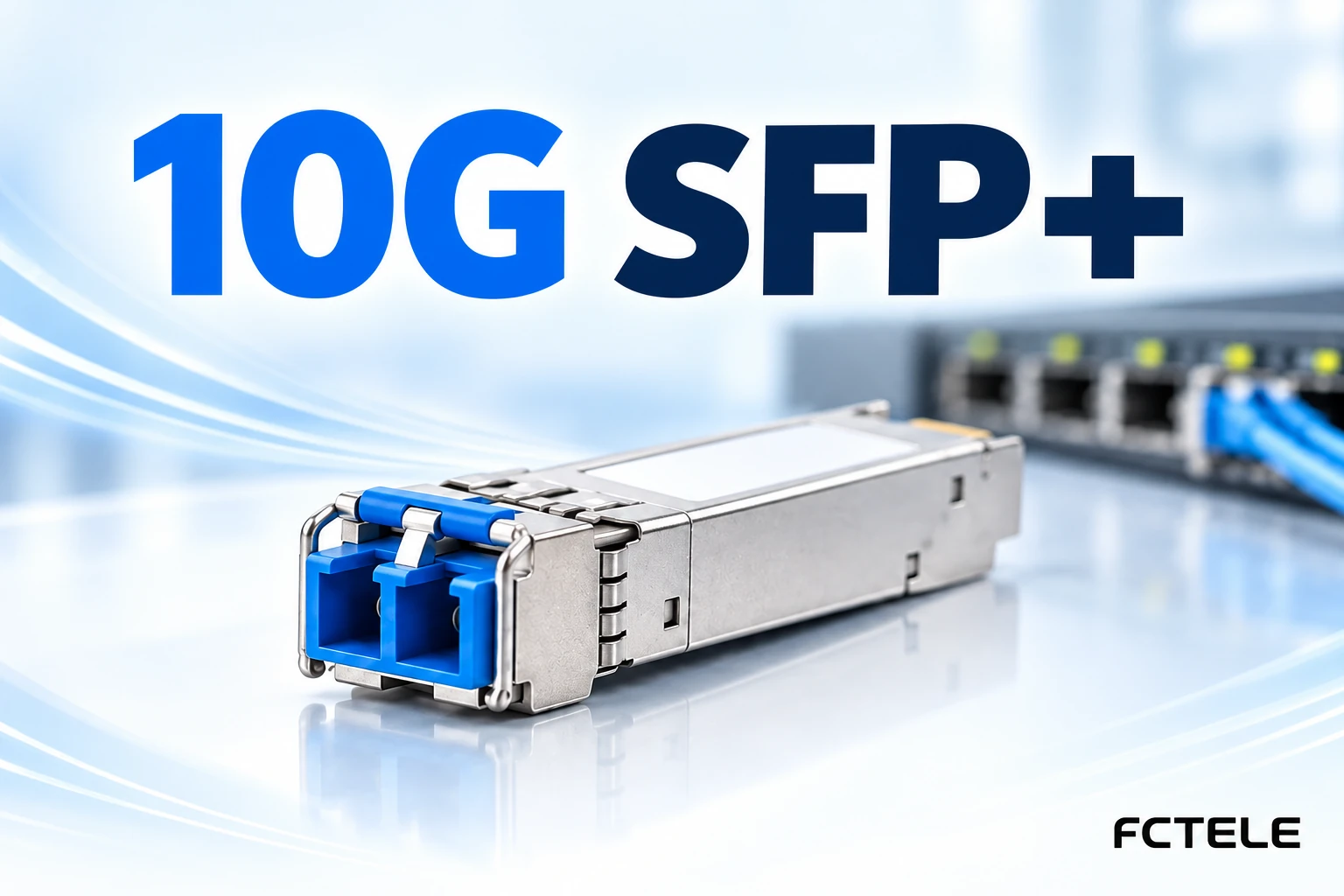
How to Choose a 10Gbps Optical Module: SFP+ Compatibility, Fiber Matching, and Optical Power Budget
Choose 10G optics by supported host port, matching SR/LR fiber conditions and bidirectional receive limits. Verify thermal operation and real traffic after identification.
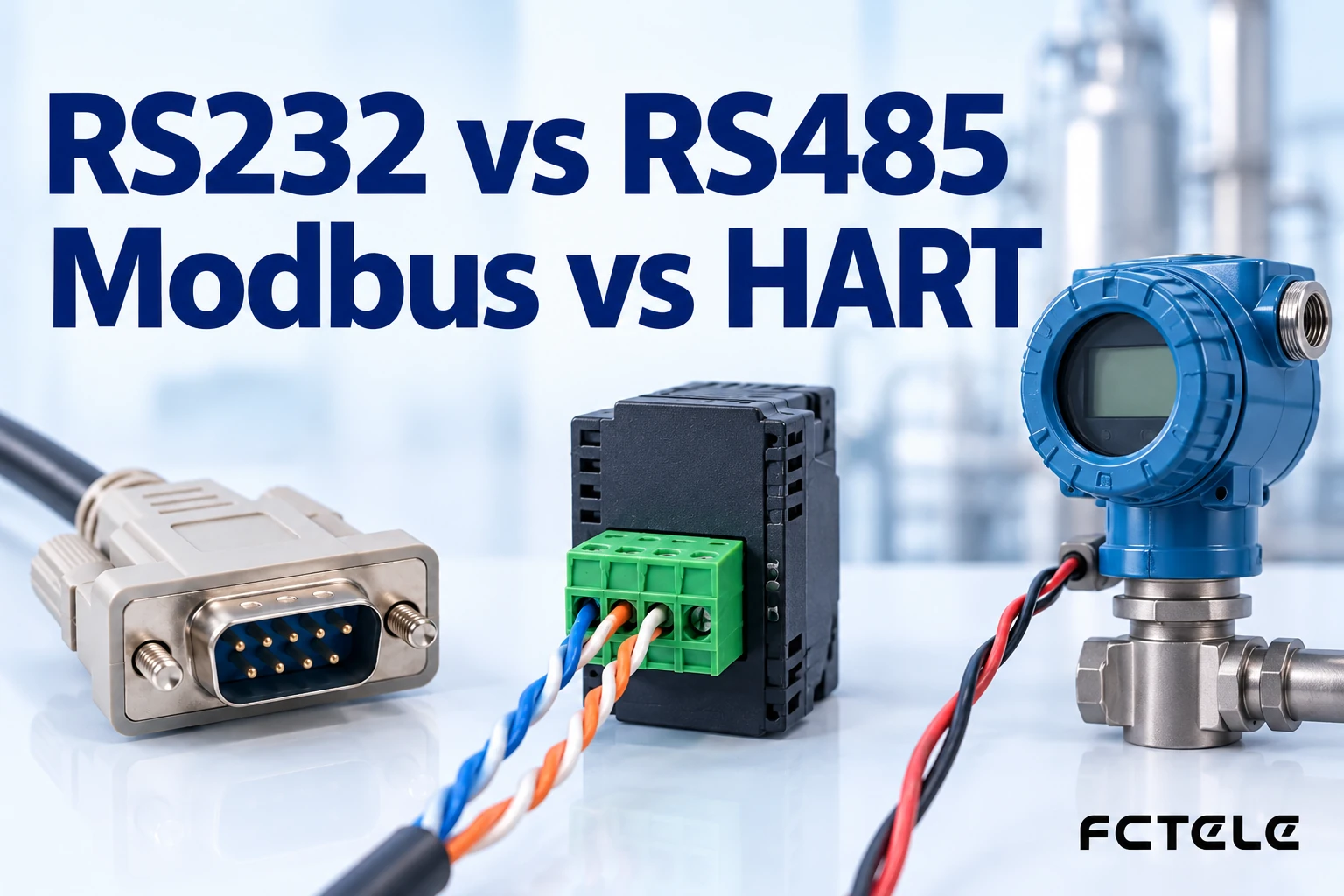
How to Tell RS232, RS485, Modbus and HART Apart: Understanding Electrical Interfaces and Data Rules in Layers
Separate serial electrical interfaces from message protocols and HART loop communication. Verify wiring, framing and register interpretation before choosing a converter.
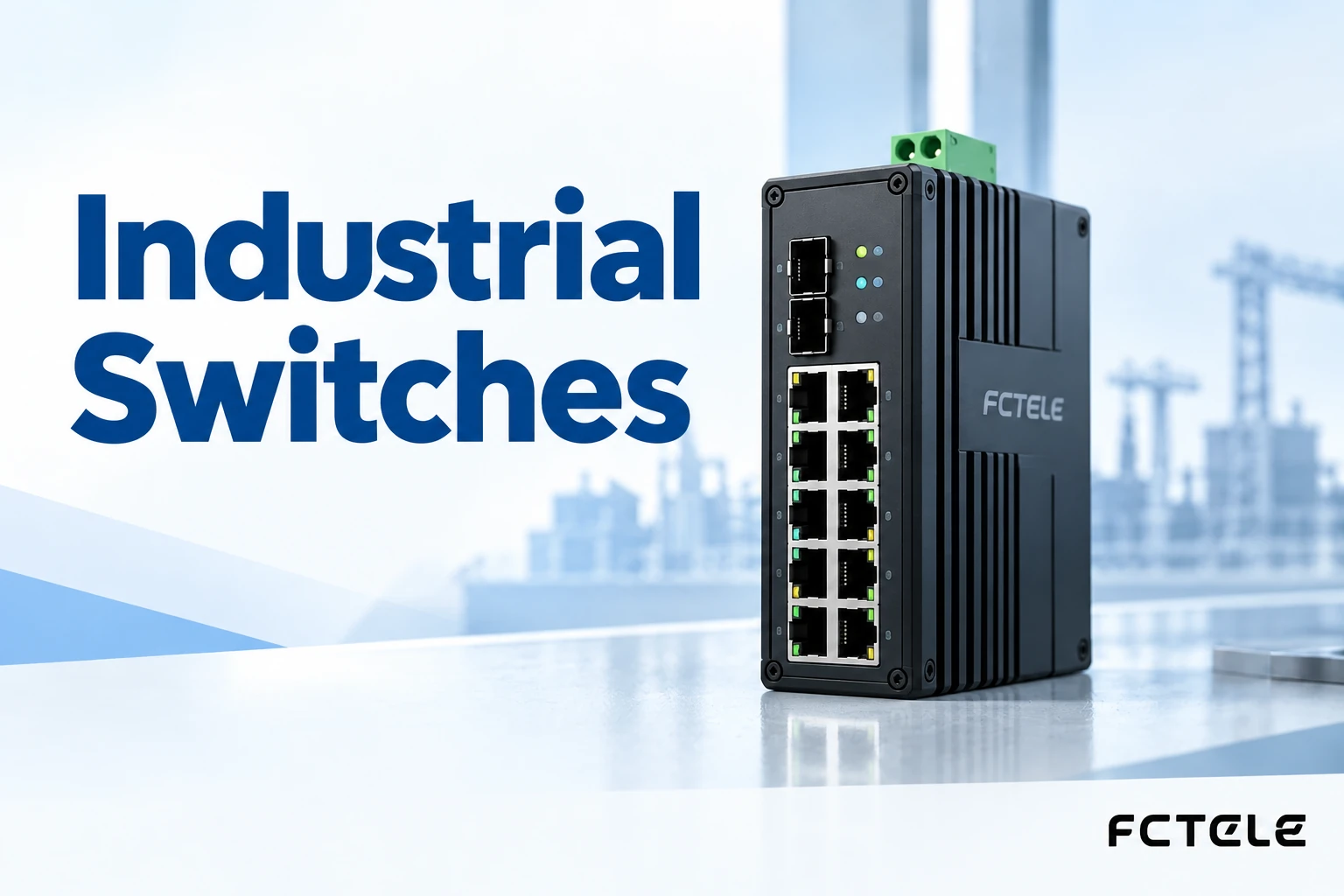
How to Use Industrial Switches Correctly: Forwarding Principles, Power Boundaries, and Routine Maintenance
Use industrial switches with a documented baseline, compatible links and verified power. Treat ring protection and PoE as supported configurations, not automatic benefits.
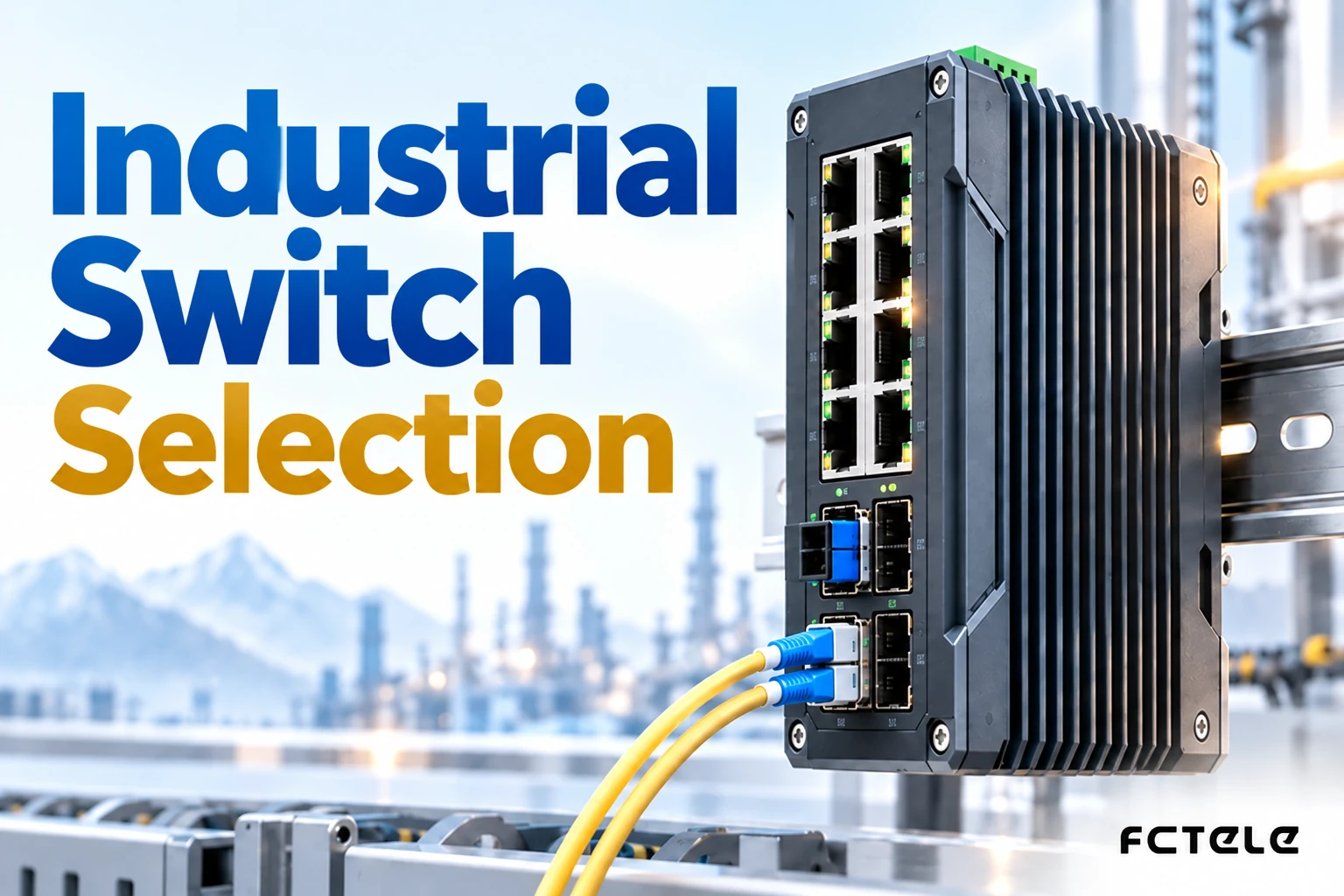
How to Choose an Industrial Switch: Define the Business First, Then Verify Reliability
Select industrial switches from terminal paths, uplink demand, optical pairing and site conditions. Tie management and redundancy features to explicit acceptance needs.
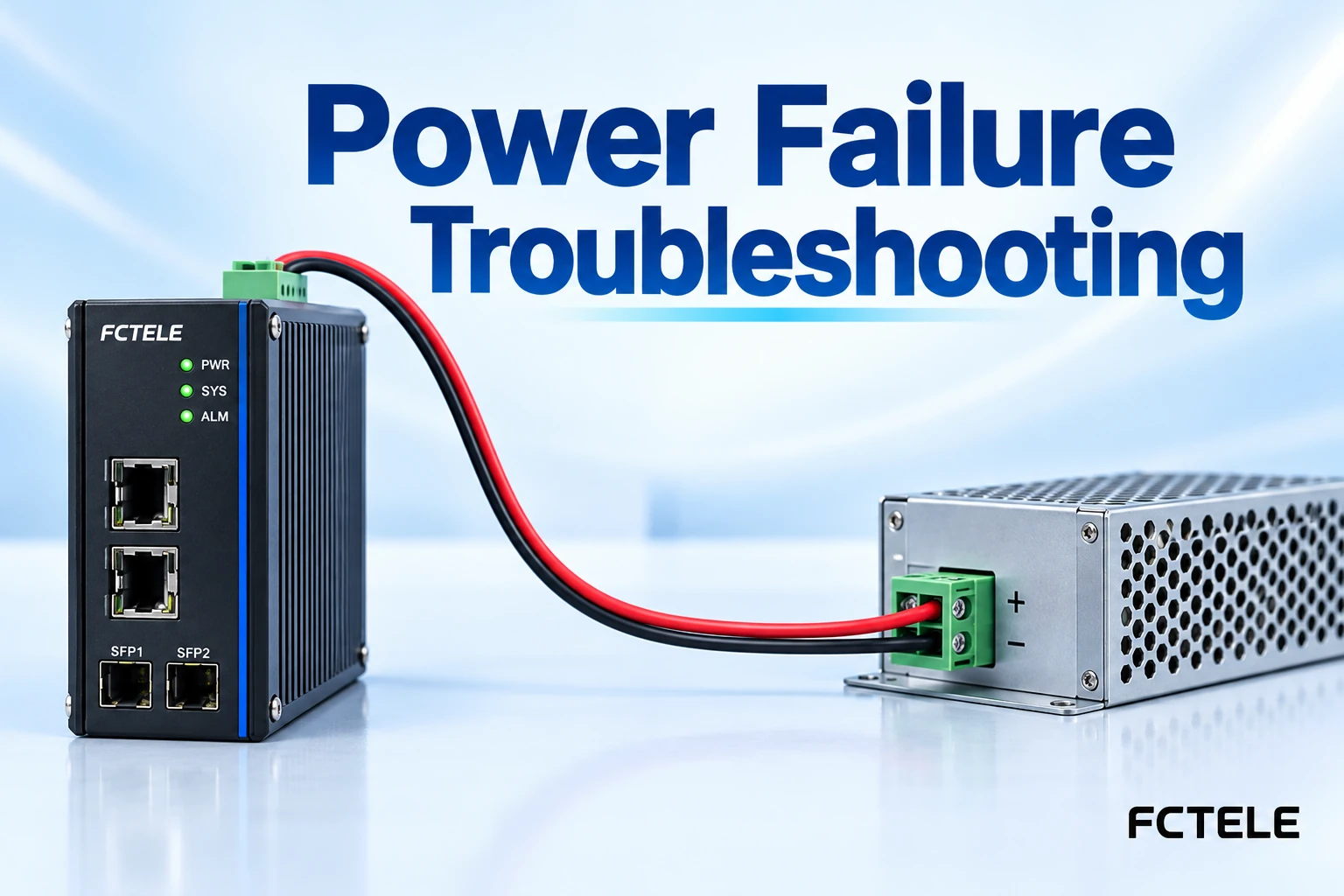
How to Troubleshoot Industrial Switch Power Failures: Supply Chain, Load Voltage Drop, and Safety Checks
Trace switch power faults from source to terminals under load. Check voltage drop, startup demand and shared supplies before assuming hardware failure or trying resets.
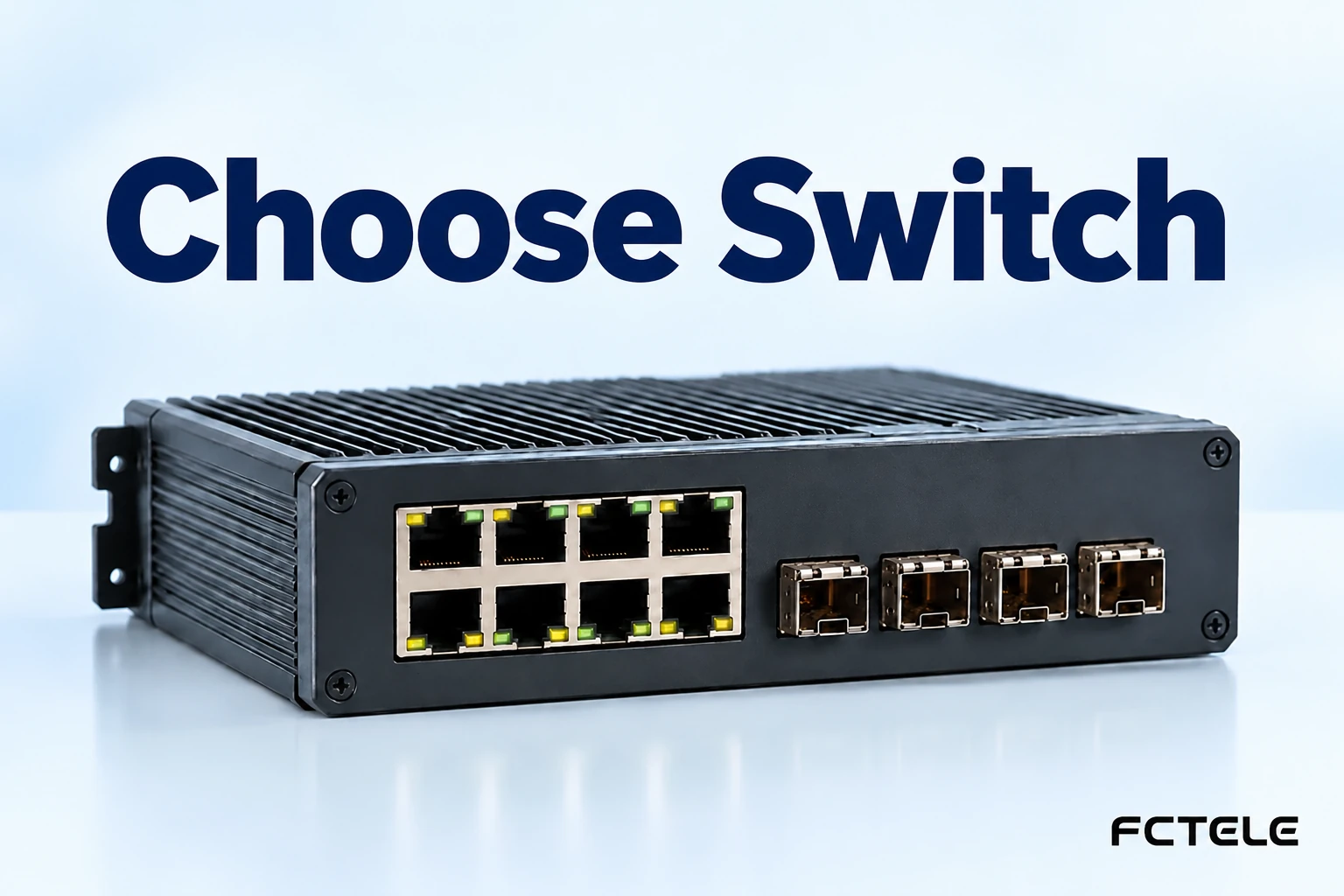
How to Choose an Industrial LAN Switch: Ports, Management, Bandwidth, and Site Conditions
Plan an industrial LAN switch from interface types, shared uplinks and service paths. Distinguish unmanaged access, management features and Layer 3 requirements.
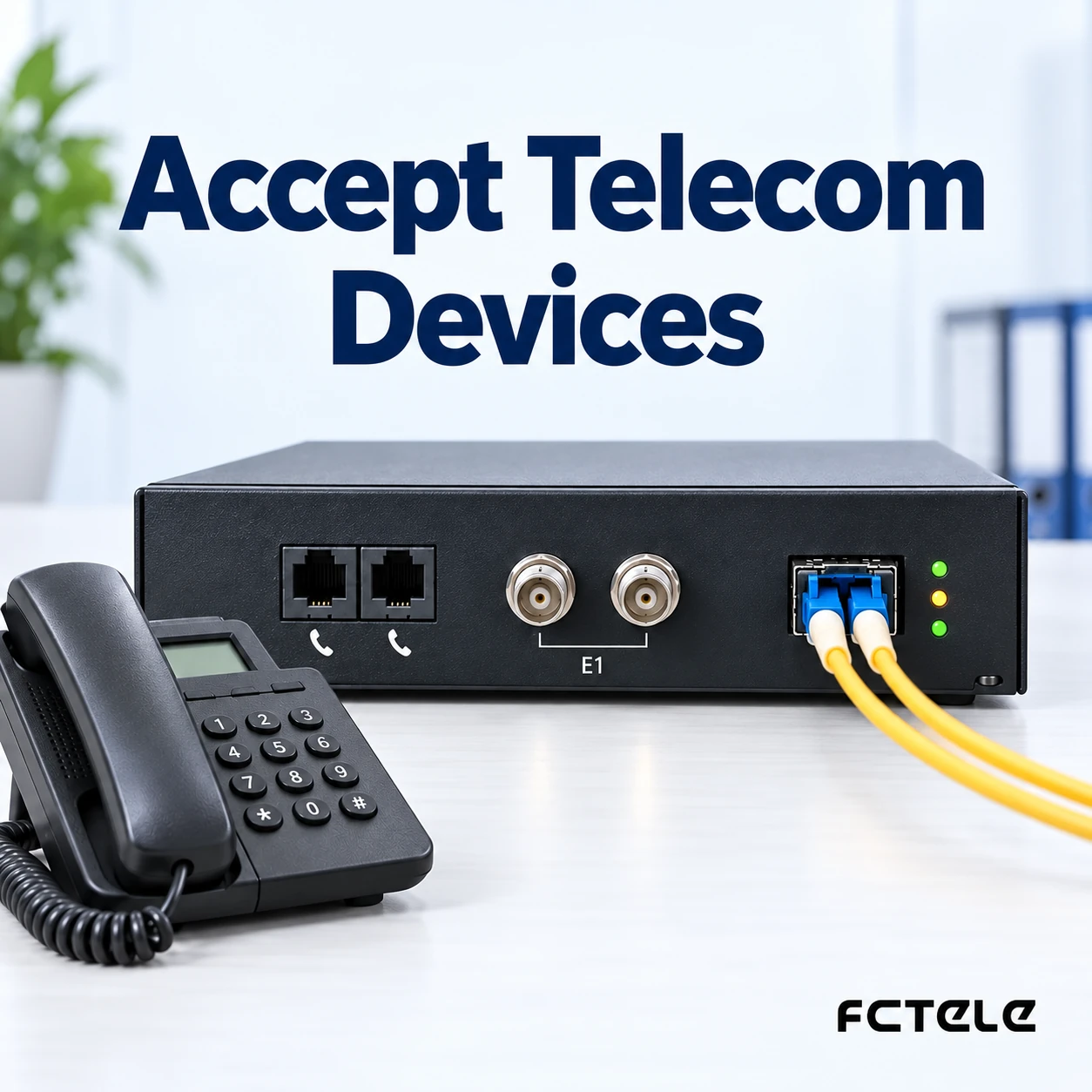
How to Accept Telephone and E1 Fiber Optic Transmission Devices: Interface Checks, Loopbacks, and Service Testing
Accept telephone and E1 optical equipment with correct interface roles, a short-link baseline and bounded loopbacks. Test every call phase and normal end-to-end service.
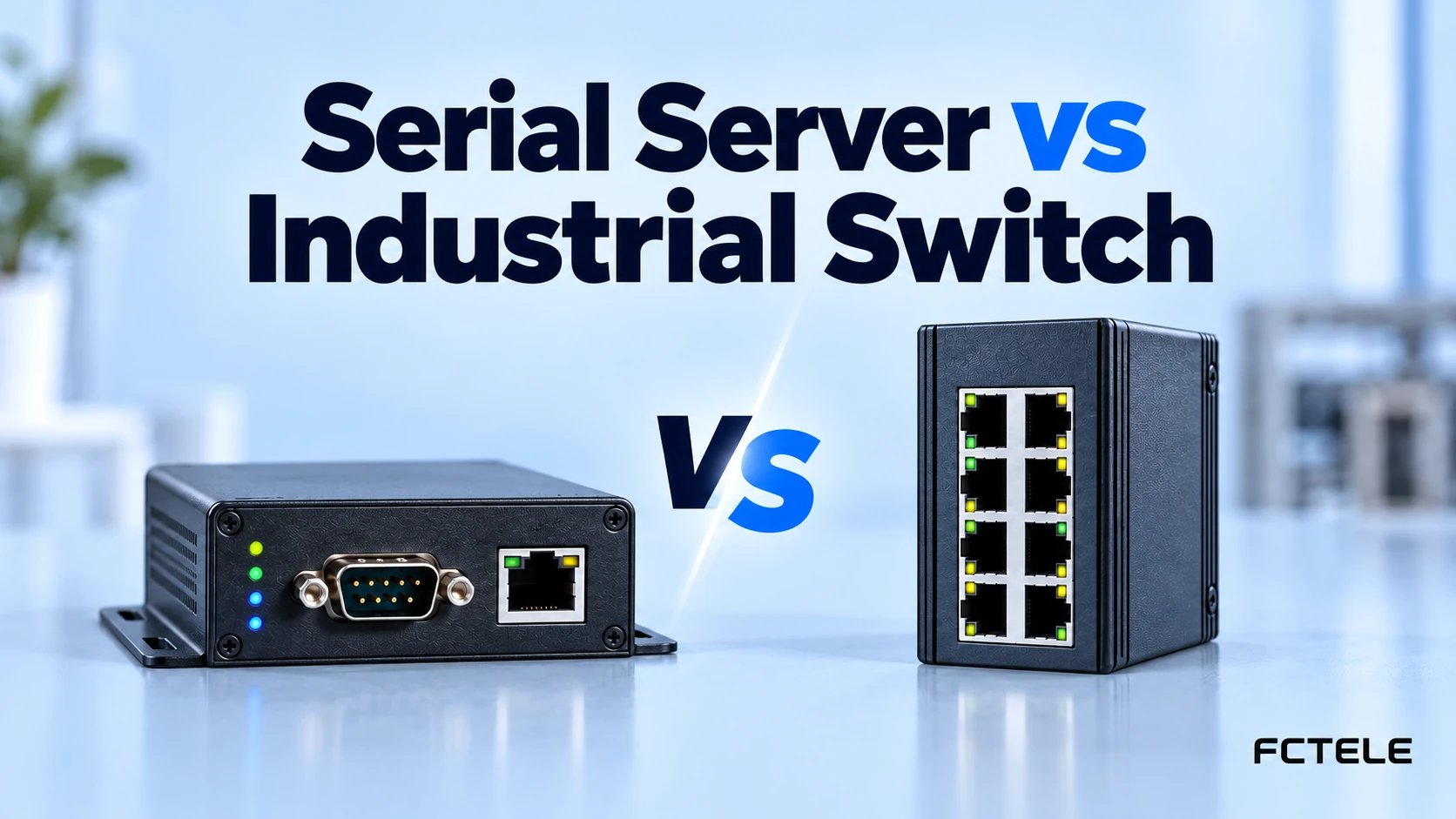
Serial Server vs Industrial Switch: Byte Access, Frame Forwarding, and Combined Networking
Compare serial servers and industrial switches by interface processing, network access and shared dependencies. Use them together where serial instruments join Ethernet.
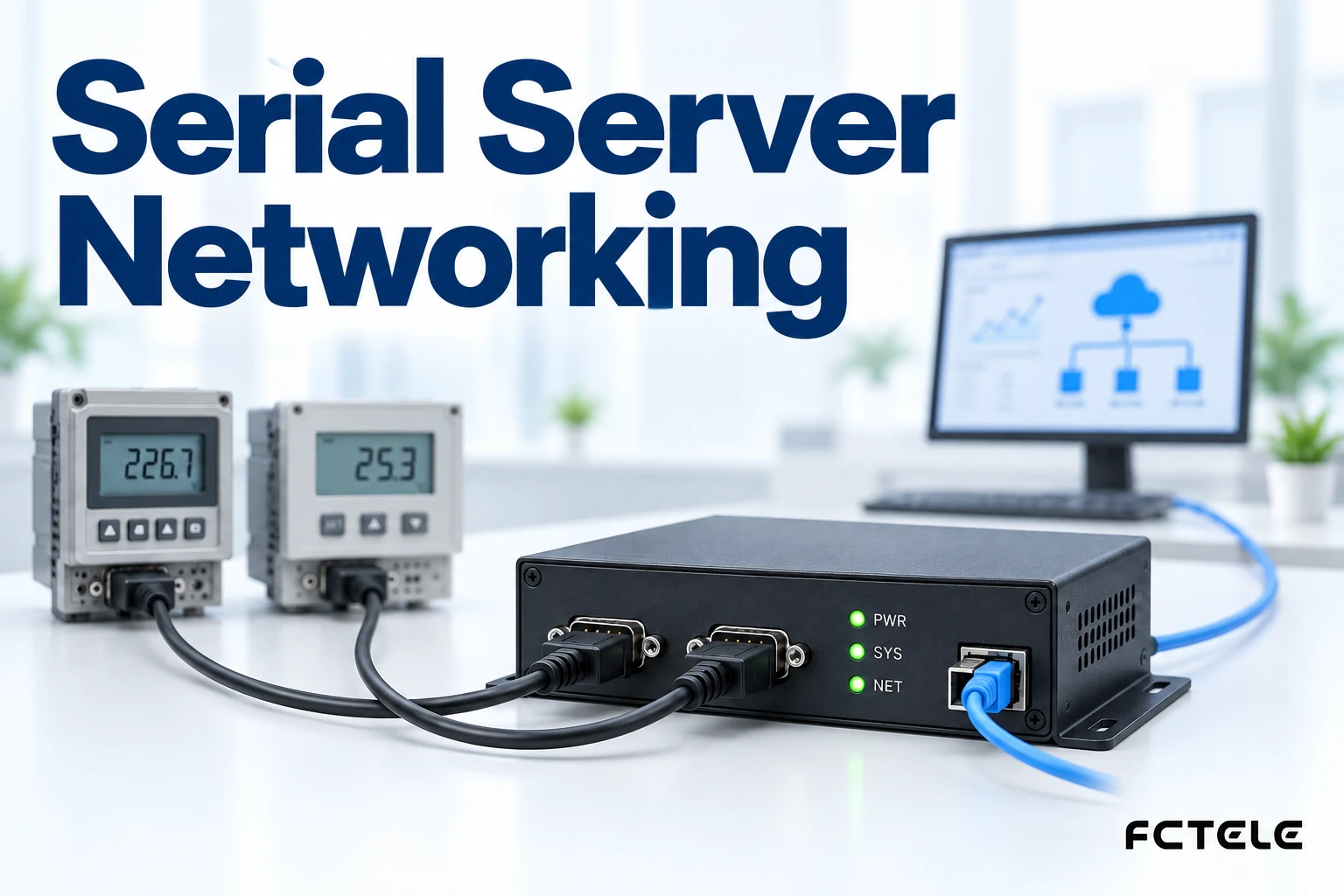
Advantages of Serial Server Networking: Boundaries of Connecting Legacy Devices, Centralized Collection, and Remote Maintenance
Use serial networking to retain compatible instruments and centralize collection. Plan channel identity, freshness, polling demand and controlled remote maintenance.
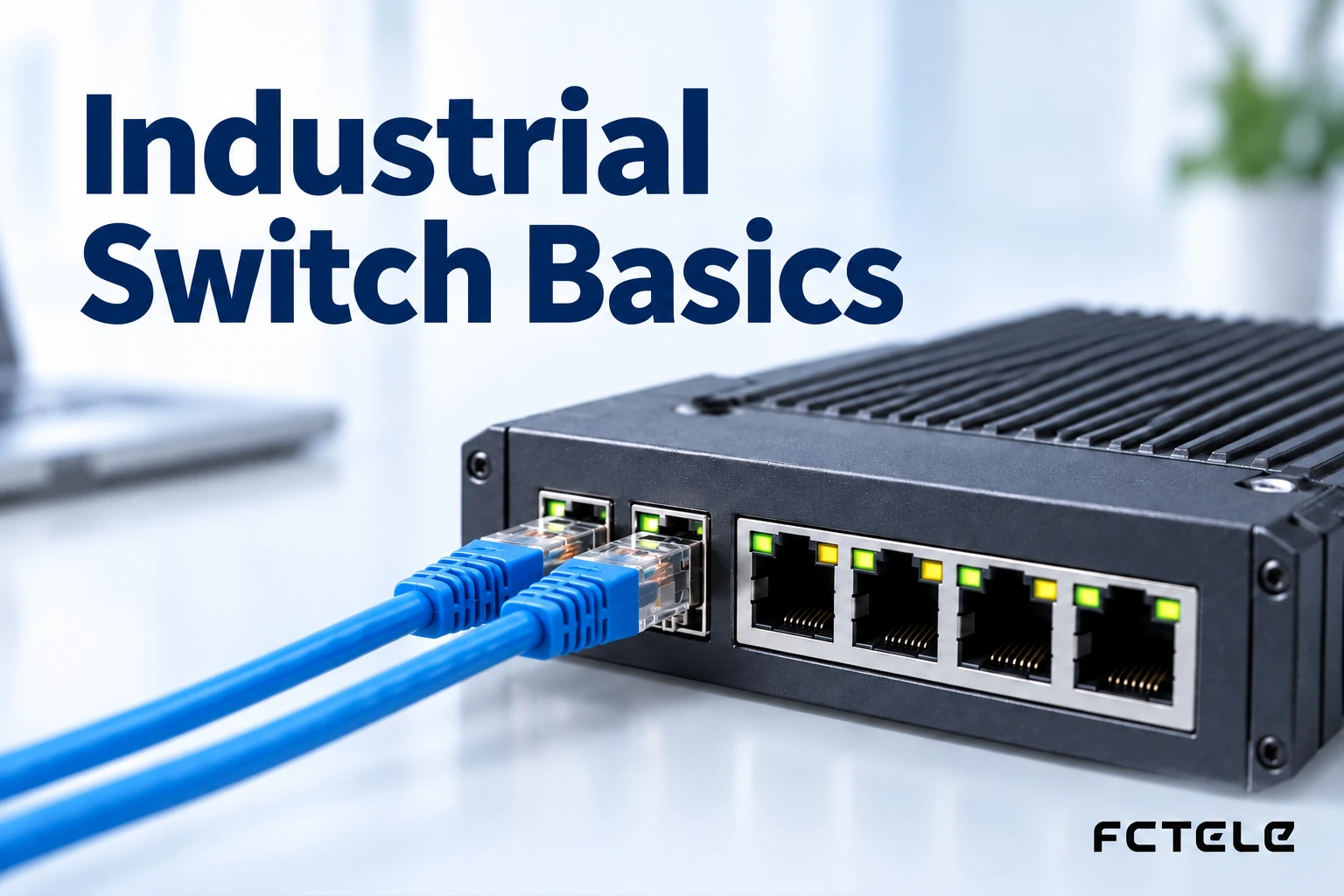
Understanding Common Industrial Switch Questions: Address Learning, Egress Queues, and Fault Recovery
Separate a switch MAC table from its frame queues and distinguish port rate from packet-processing capacity. Validate congestion and recovery with actual services.
