

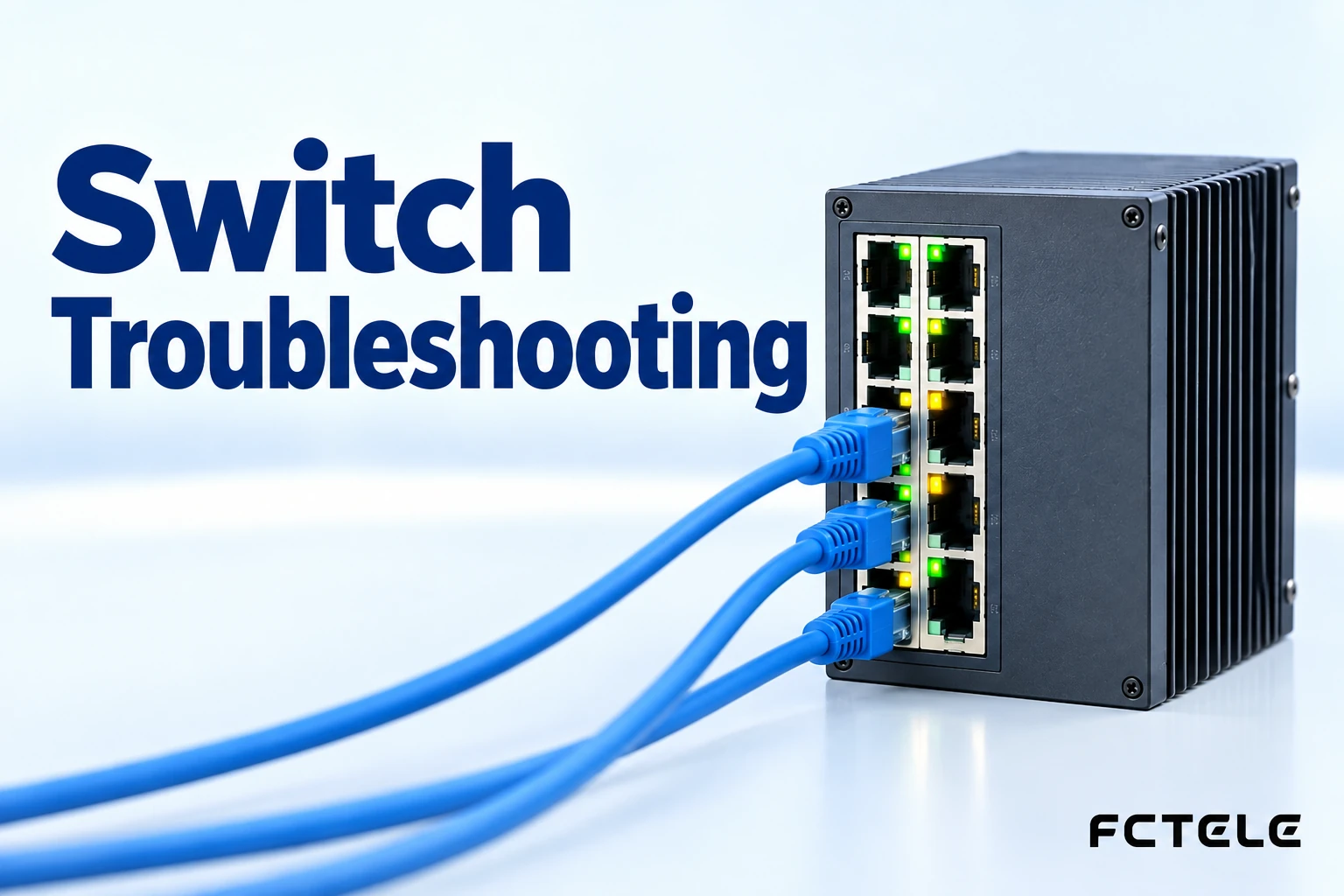
How to Troubleshoot Industrial Switch Faults by Layers: Link, Forwarding, Congestion, and Power
Isolate switch faults with preserved evidence and one-variable comparisons. Separate physical errors, forwarding rules, output congestion and actual application behavior.
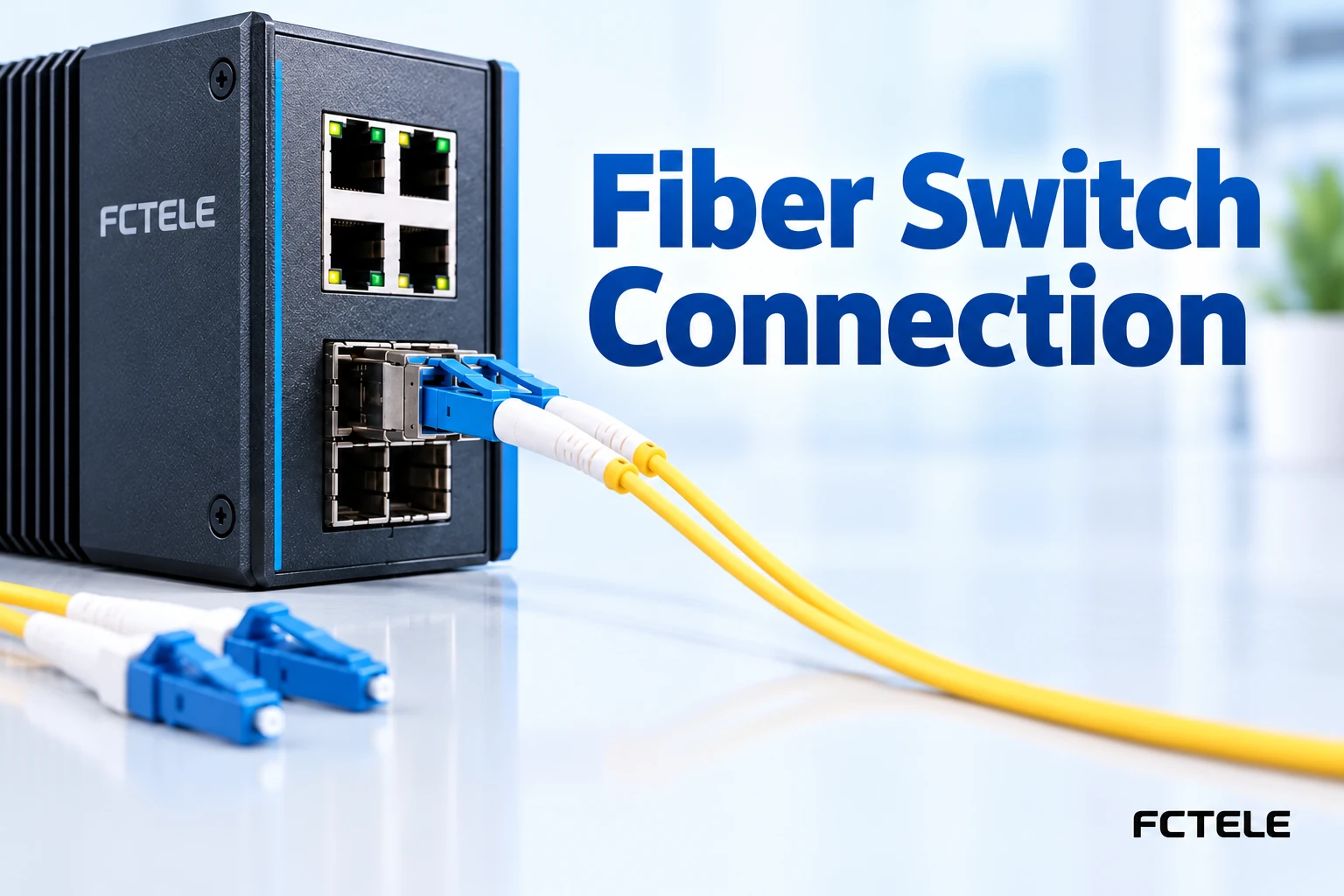
Industrial Fiber Switch Connections: Endface Cleaning, Pairing, and Segment-by-Segment Acceptance
Commission industrial fiber links with verified modules, transmit-receive pairing and clean endfaces. Compare short-link baselines with installed-path measurements.
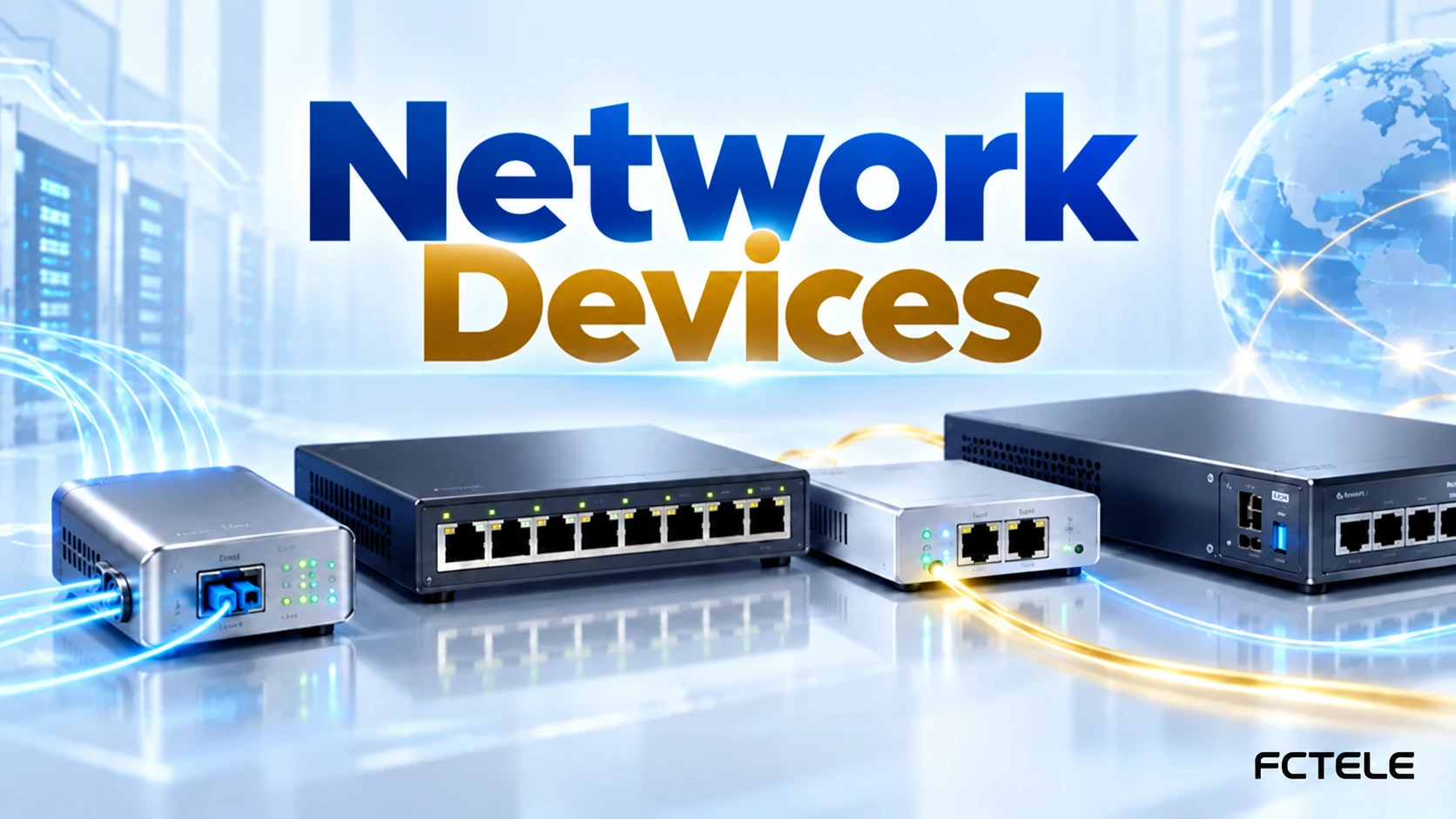
Repeaters, Hubs, Bridges, and Gateways: Understanding Them Layer by Layer from Signals to Protocols
Distinguish signal repetition, shared-medium hubs, address-based bridging and protocol gateways. Choose equipment by the information it processes, not socket count.
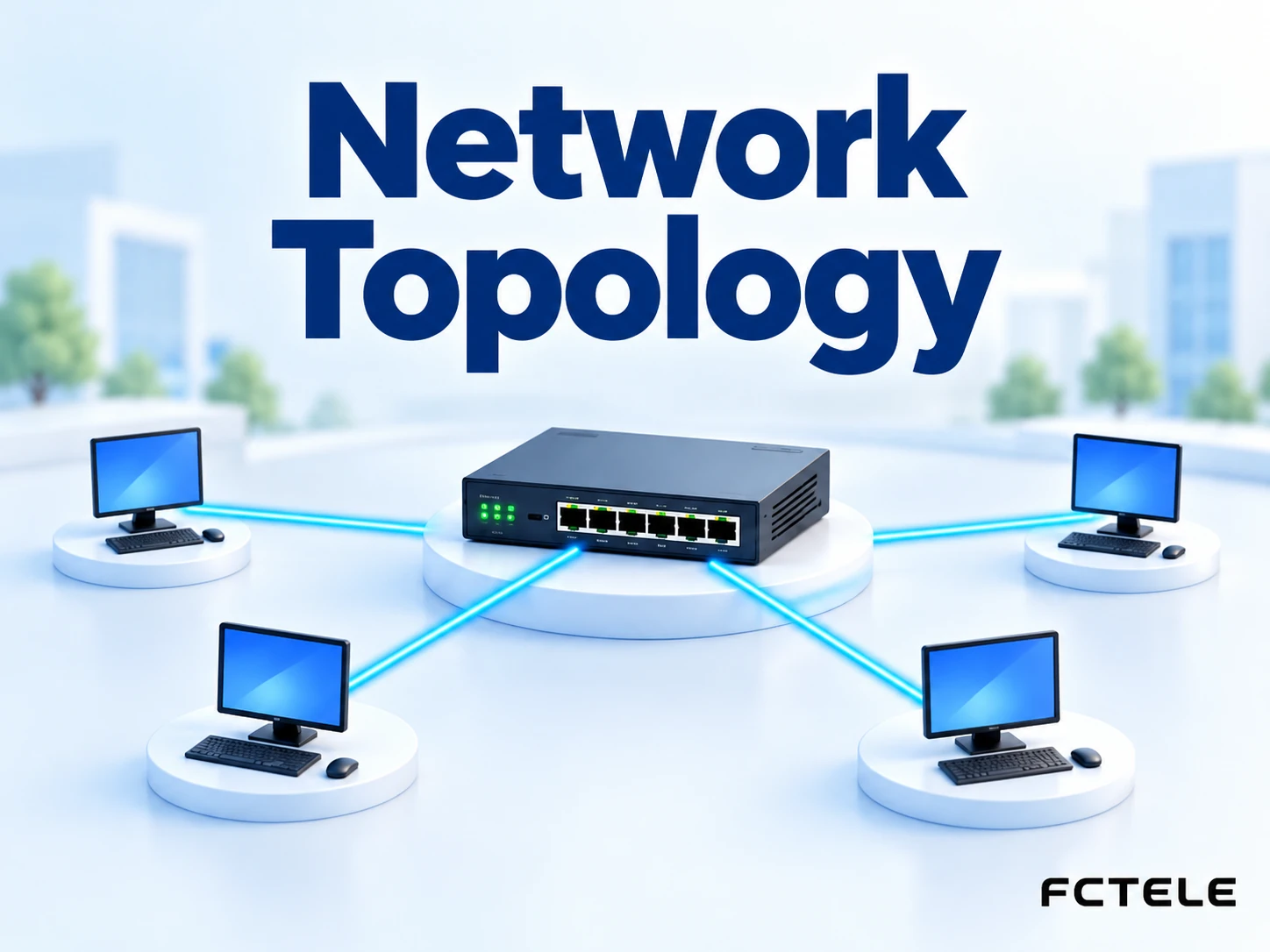
How to Choose a Network Topology: Physical Cabling, Logical Forwarding, and Failure Scope
Choose star, chain or protected ring topology by normal forwarding, shared capacity and faults. Identify common power and route dependencies before accepting redundancy.
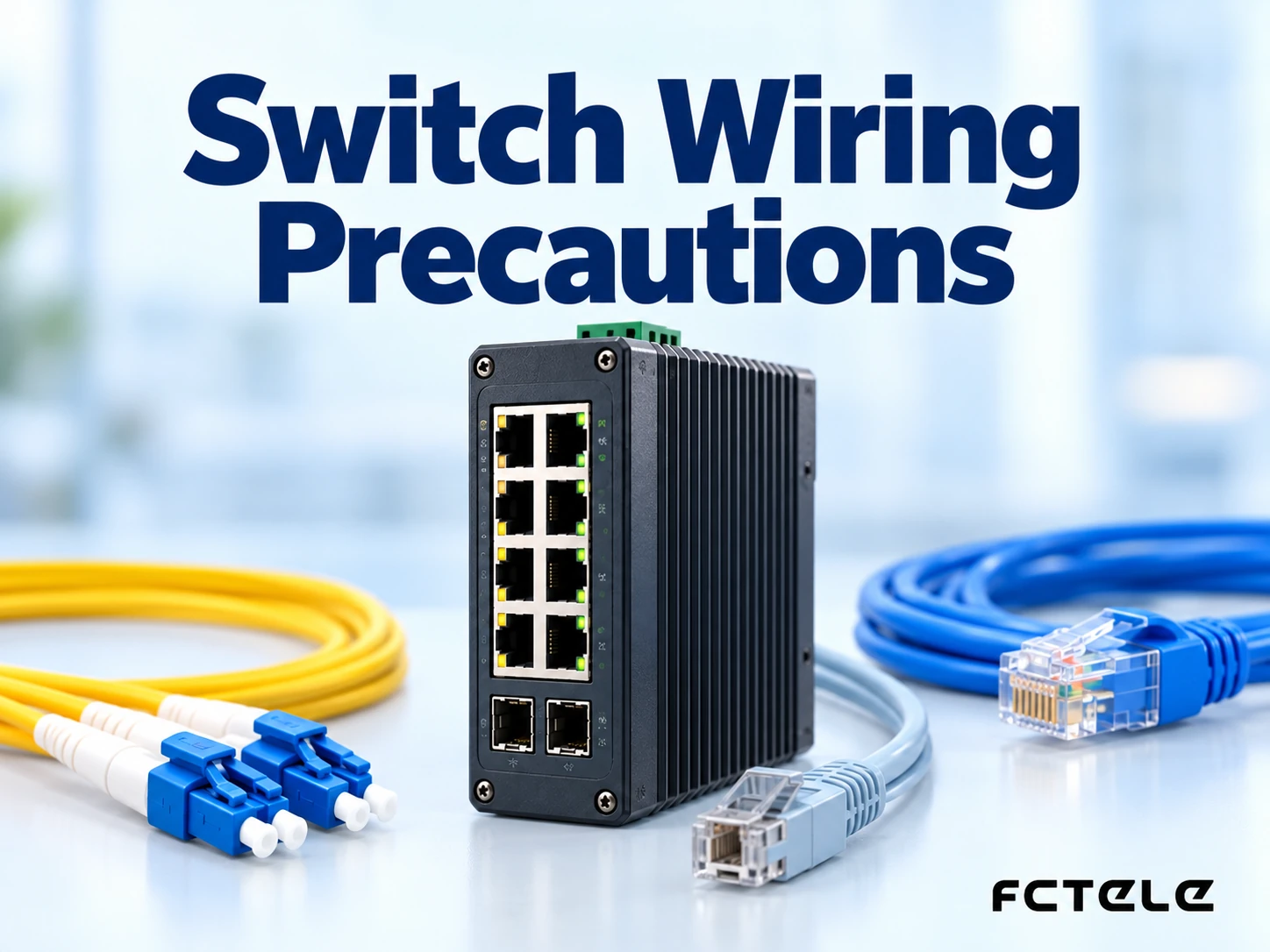
Industrial Switch Wiring Precautions: Optical Port Pairing, Console Connection, and Power-On Acceptance
Check switch wiring by interface role, copper and optical compatibility, Console access and power conditions. Accept the real service rather than only indicator lights.
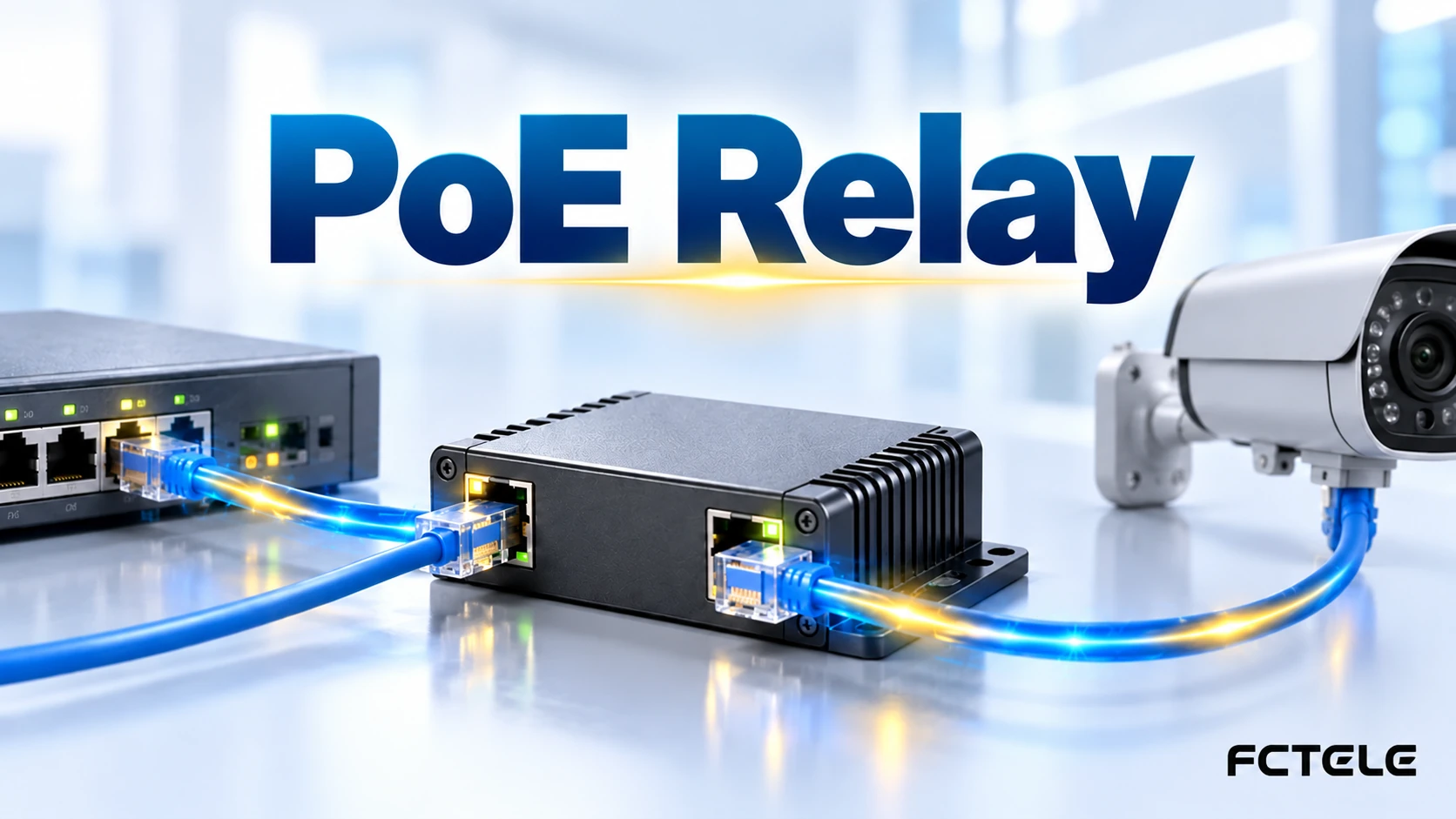
How PoE Relay Power Extends Links: Data Regeneration, Power Budget and Installation Limits
Plan PoE relay links using separate data segments and a complete power-loss budget. Include relay consumption, terminal peaks and supported cascading limits.
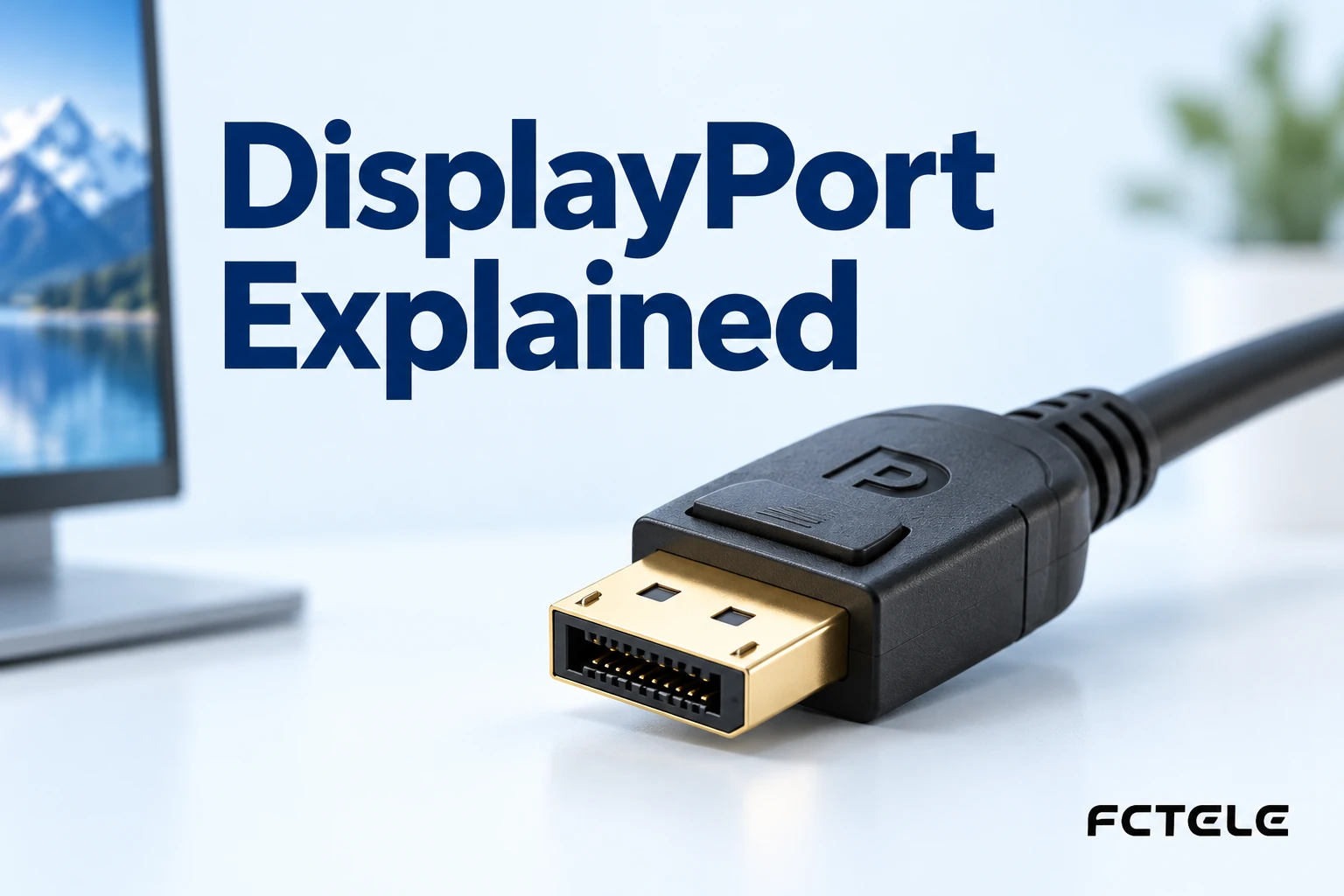
How DisplayPort Transmits Video: Main Link, Auxiliary Channel, and Adapter Limits
Understand DisplayPort through its main video link, AUX exchanges and supported adapter direction. Verify negotiated modes and wake recovery across the complete path.
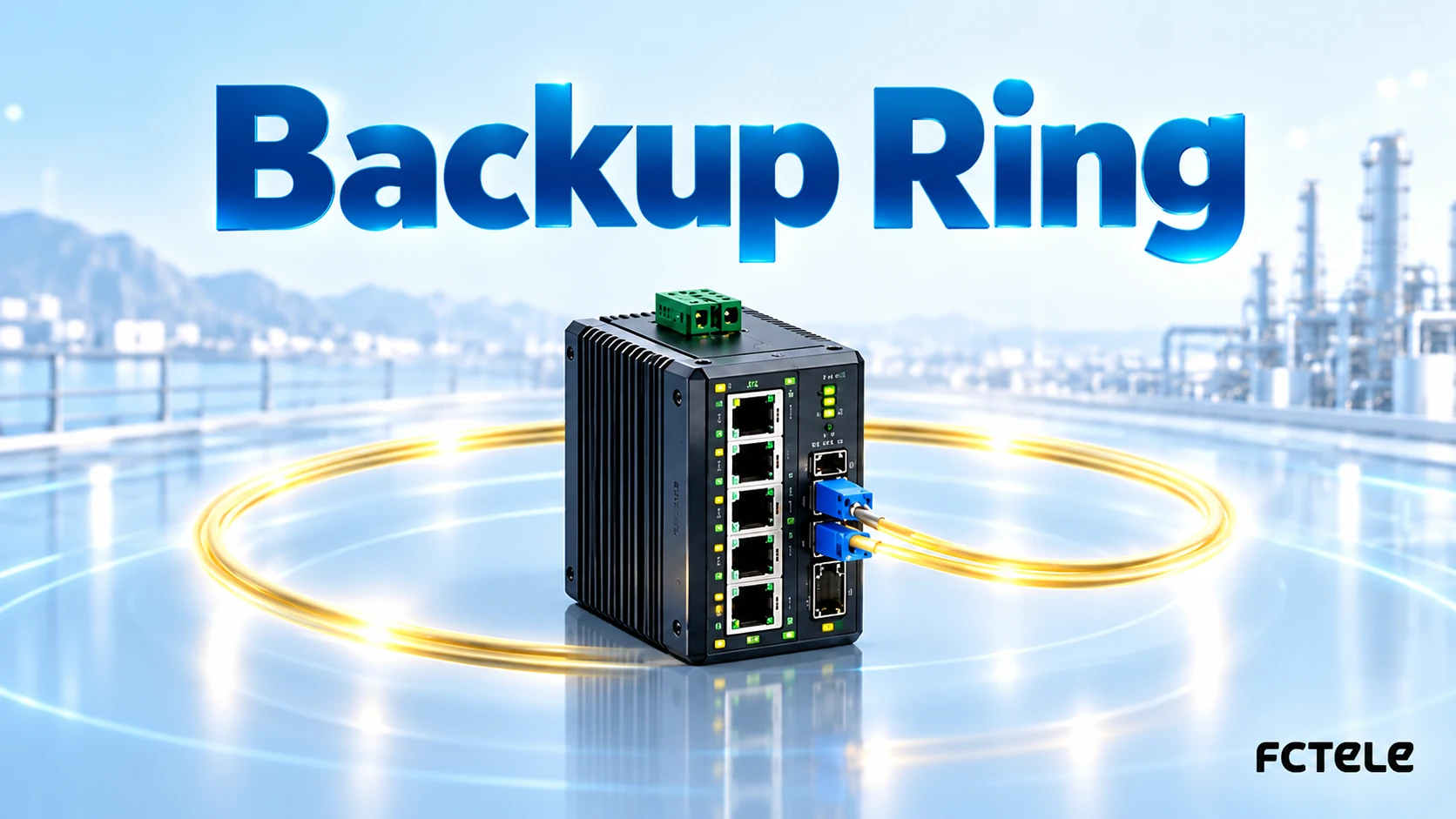
How the MR-Ring Private Ring Network Protocol Works: Backup Paths and Compatibility Boundaries
Evaluate MR-Ring as a specific proprietary solution, not universal MRP interoperability. Verify supported firmware, controlled paths and restoration after defined faults.
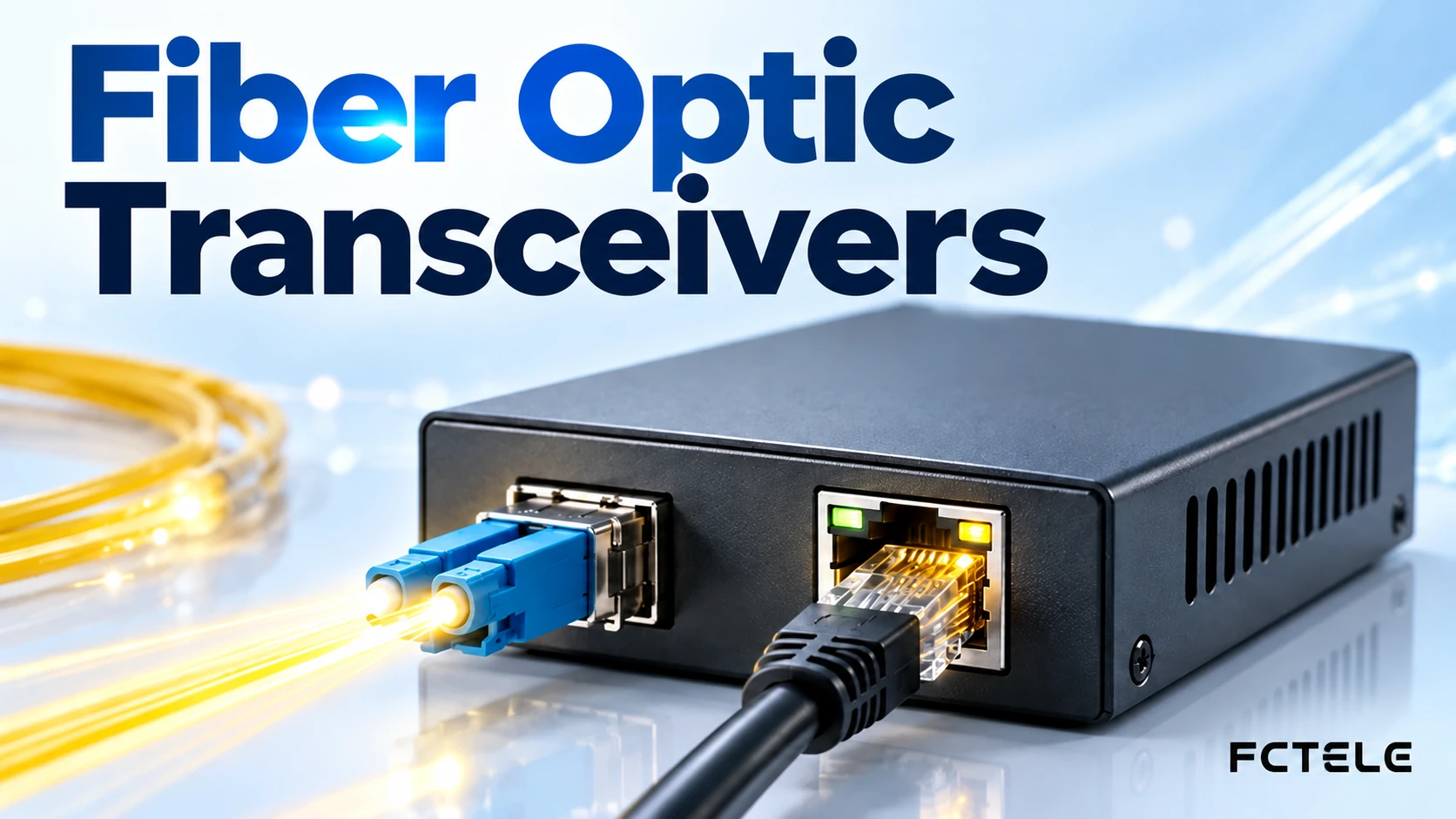
Fiber Optic Transceivers and Optoelectronic Converters: Synonymous Usage and Technical Boundaries
Interpret converter names by input service, output service and optical pairing. Separate Ethernet media conversion from PON access, video and serial protocol conversion.
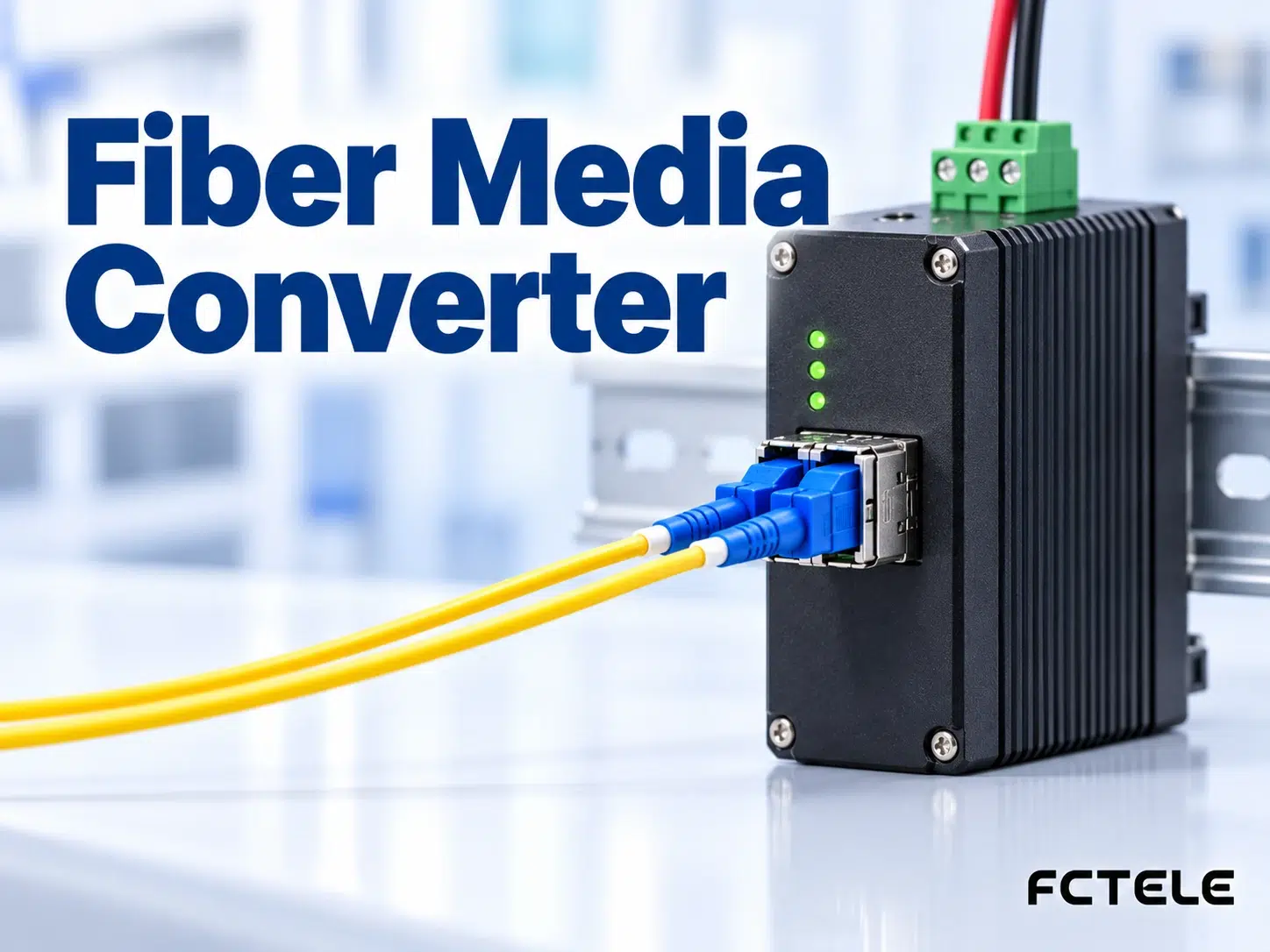
How to Use and Maintain Industrial Fiber Optic Transceivers: From Installation to Optical Power Records
Maintain industrial media converters with documented endpoint pairing, clean endfaces and comparable optical records. Separate environmental changes from network faults.
