

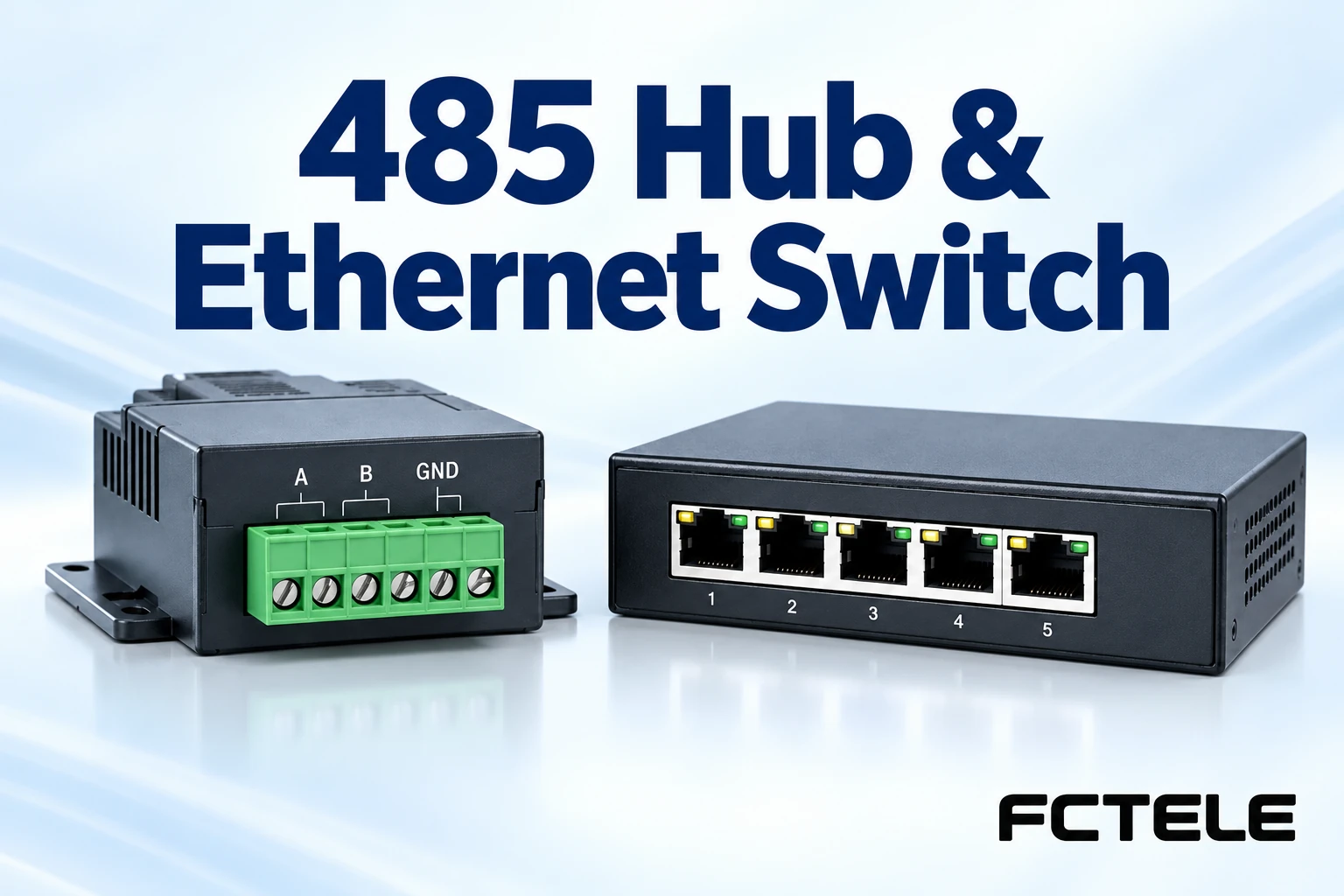
RS485 Hubs vs Industrial Ethernet Switches: Choosing the Right Device
Choose RS485 branching, Ethernet forwarding or a serial gateway by the actual interface and protocol boundary, with separate load and recovery checks.
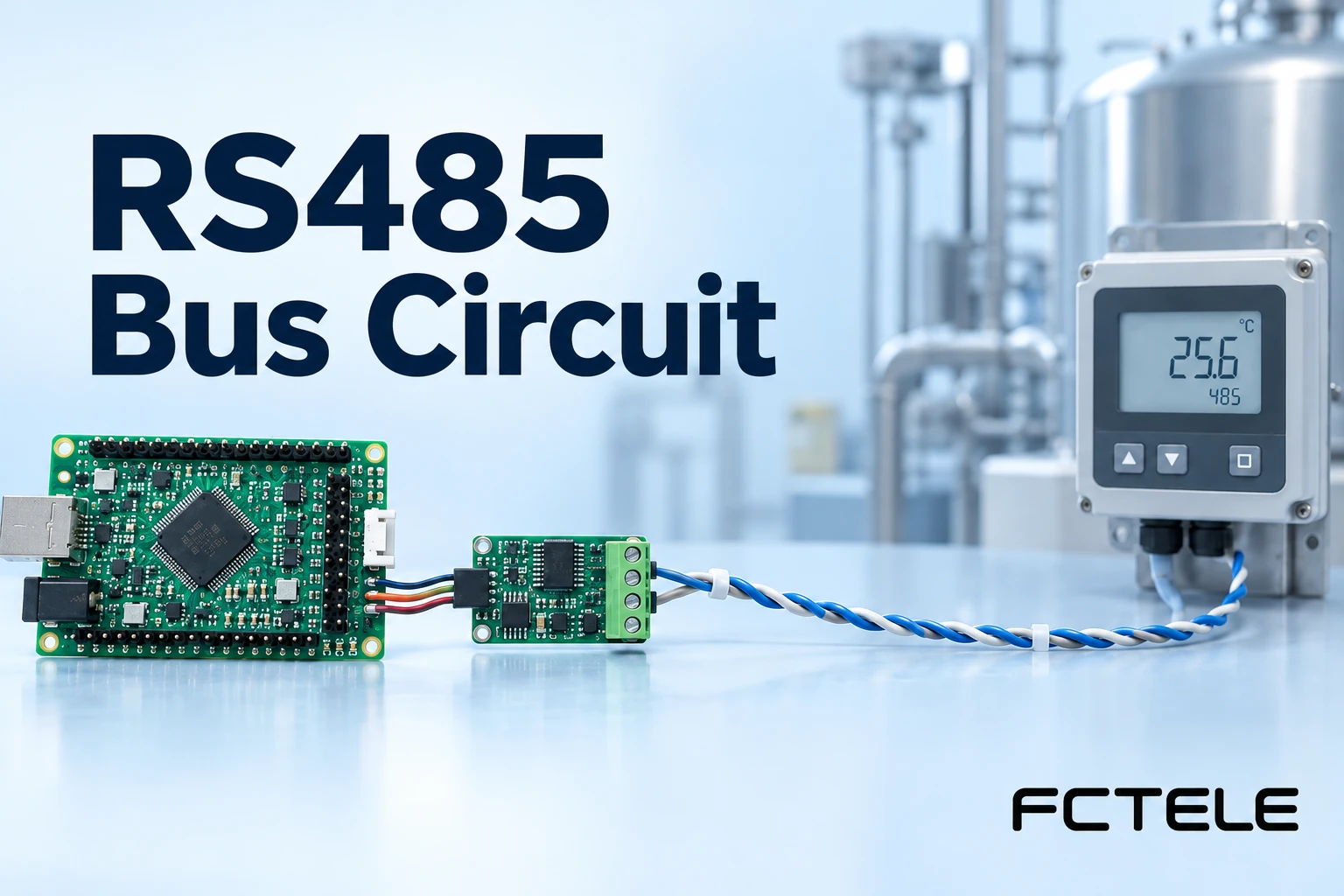
RS485 Bus Circuits: UART, Differential Signals and Half-Duplex
Follow UART characters into RS485 differential signals, then distinguish last-bit direction control, segment termination and idle bias on a two-wire bus.
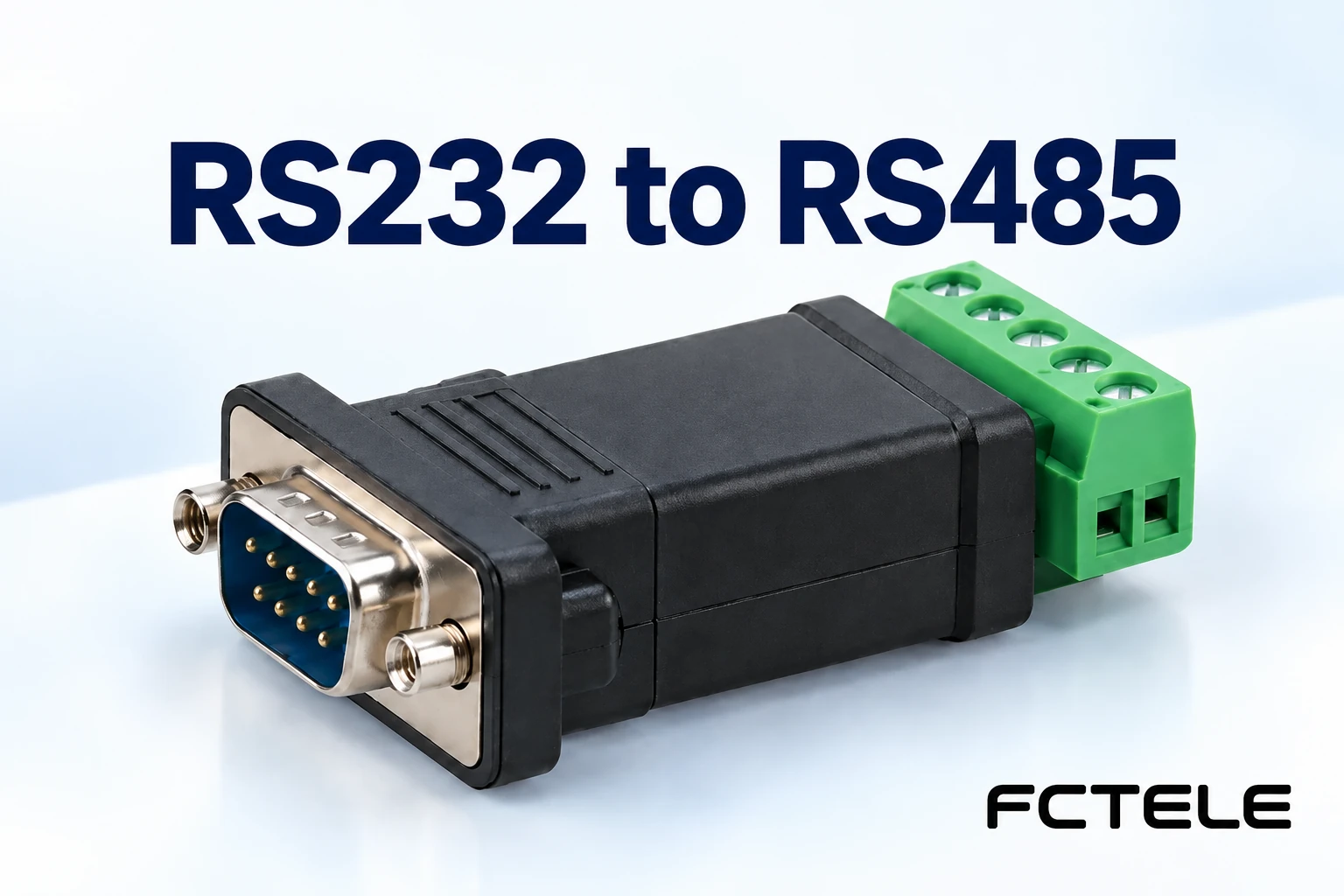
How RS232-to-RS485 Converters Work: Signals and Direction Control
Follow RS232 single-ended reception into RS485 differential driving, then verify unchanged character/protocol requirements, power and two-wire direction release.
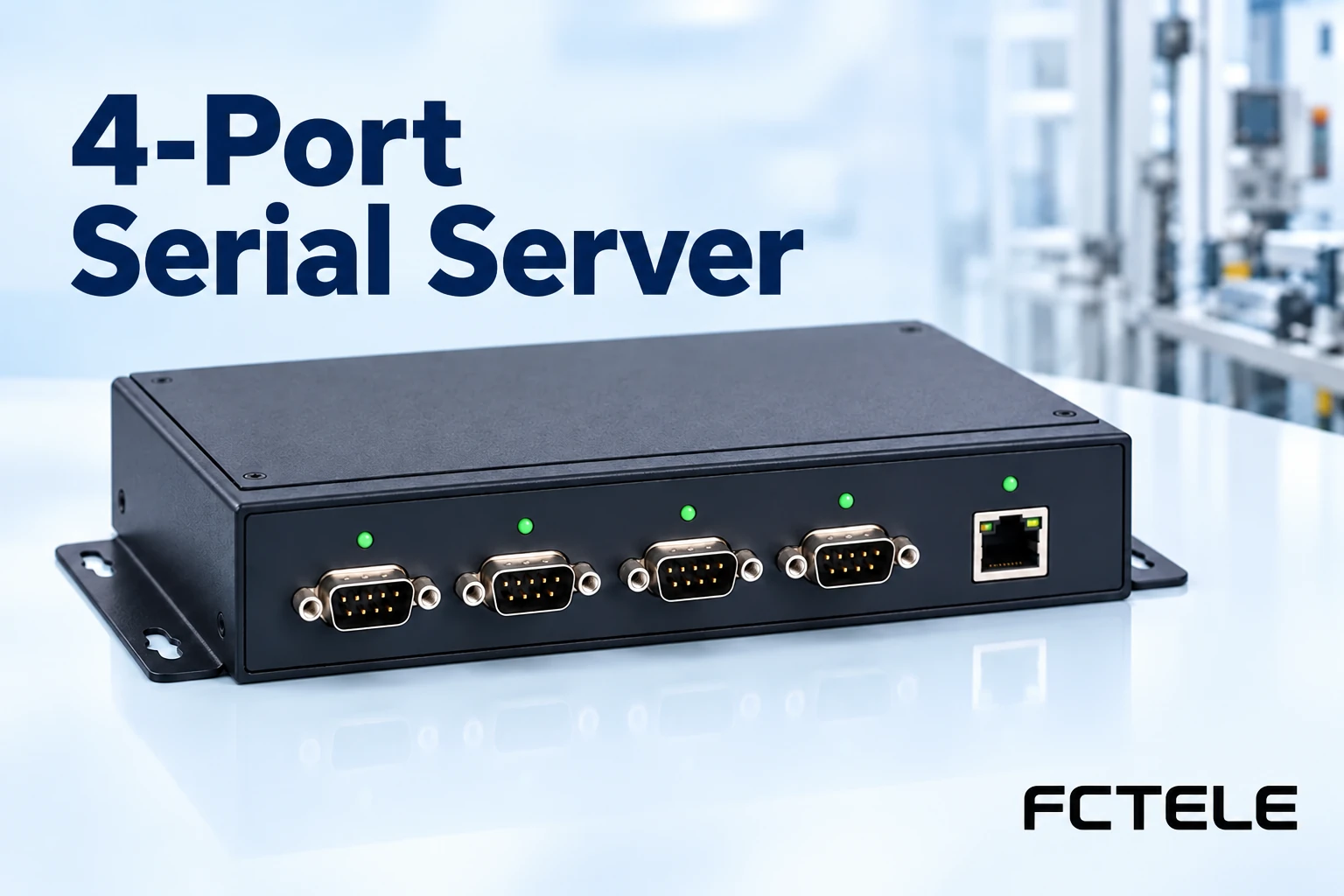
Using Four-Port Serial Device Servers: Independent Channels versus RS485 Multidrop
Plan four serial interfaces separately from RS485 station count and TCP service mappings. Verify channel ownership, polling budgets and simultaneous-load recovery.

Troubleshooting Fiber Optic Transmission Device Control Failures: How to Verify RS485, PTZ and Switch Contacts in Stages
Troubleshoot optical control paths by separating serial protocol, RS485 wiring, contact state and load power. Verify local control before the fiber extension.
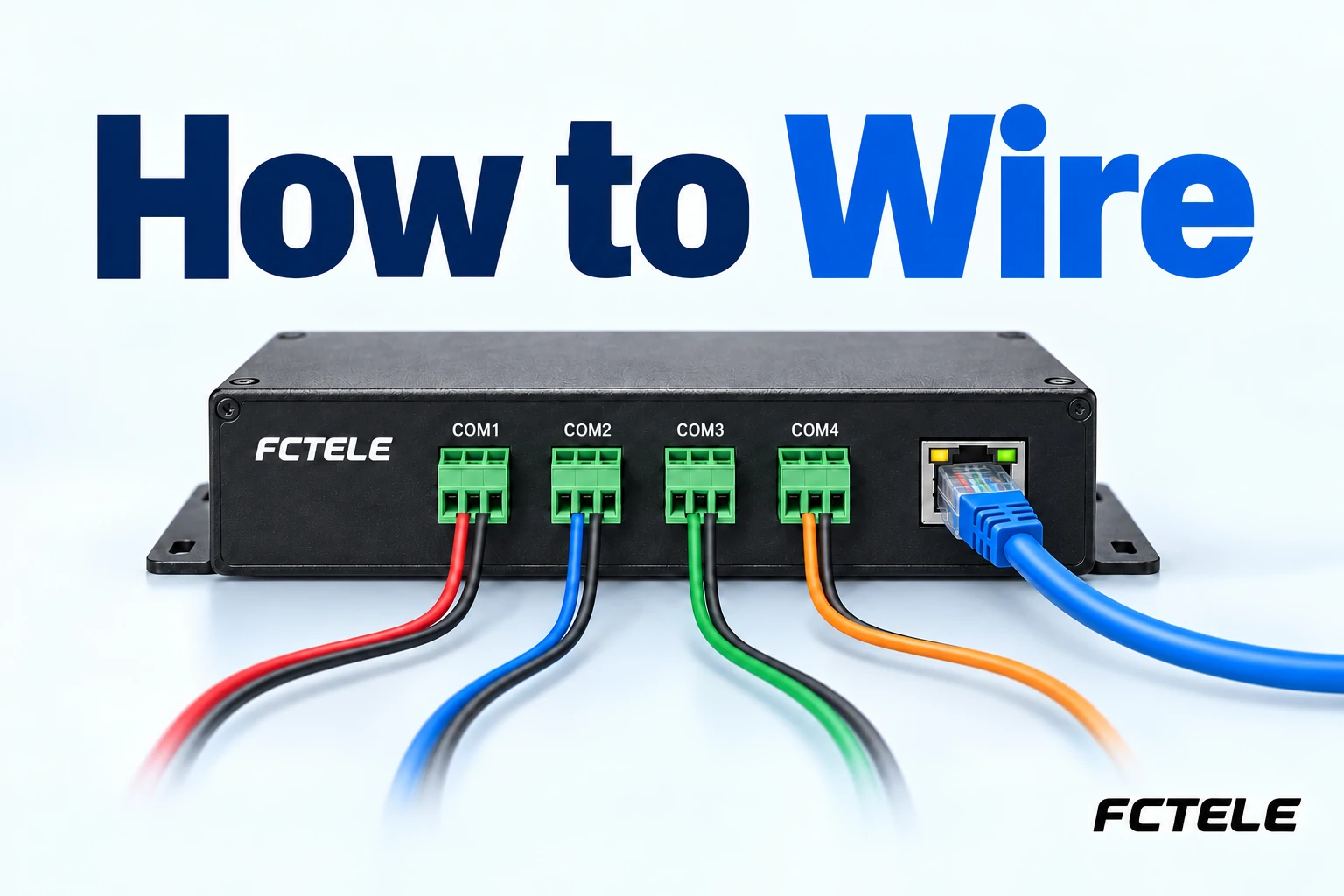
How to Wire a Multi-Serial Server: Channel Mapping, RS232 and RS485
Map multi-serial server channels to terminal identities, electrical modes and independent parser state. Test each channel, simultaneous traffic and isolated failures.
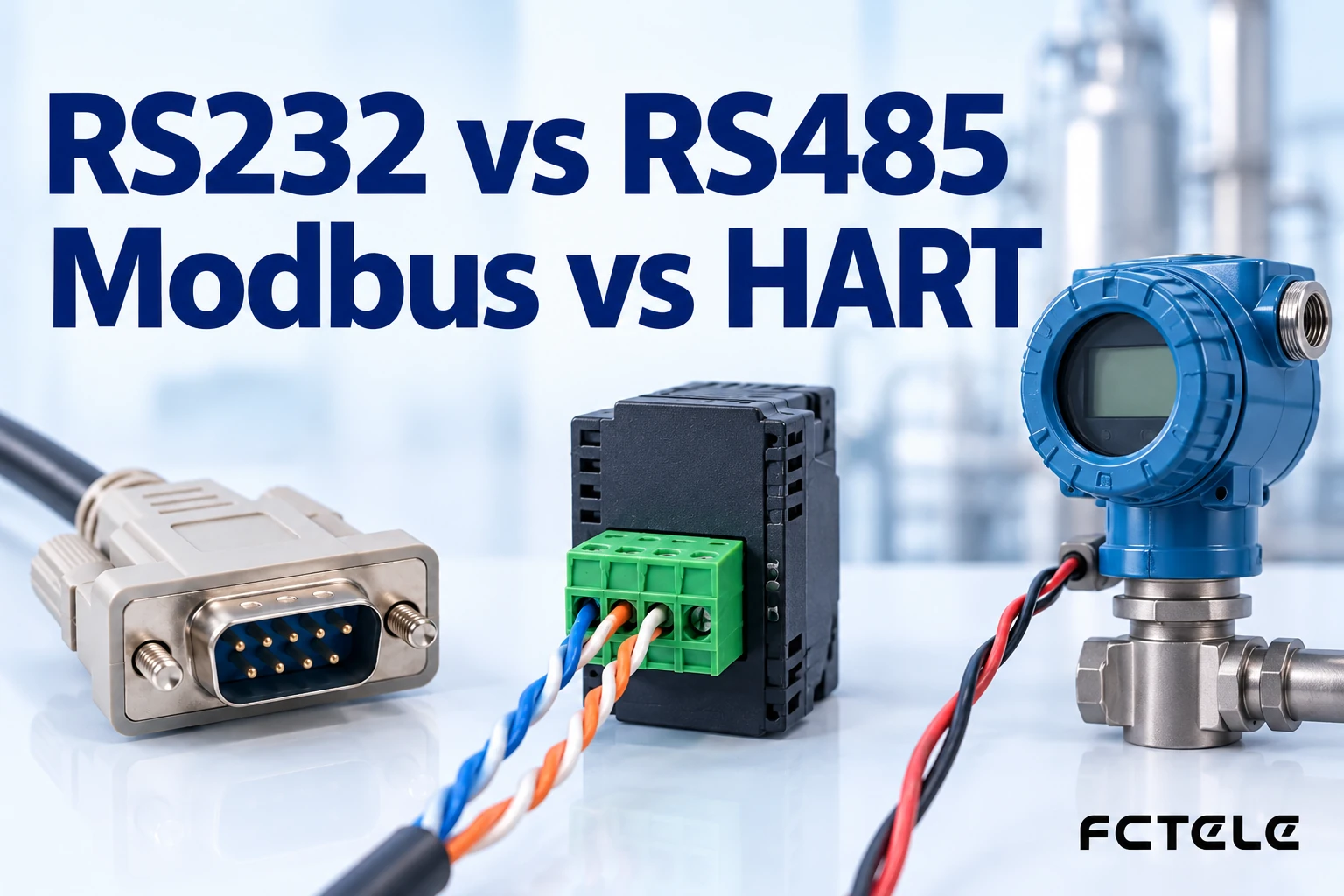
How to Tell RS232, RS485, Modbus and HART Apart: Understanding Electrical Interfaces and Data Rules in Layers
Separate serial electrical interfaces from message protocols and HART loop communication. Verify wiring, framing and register interpretation before choosing a converter.
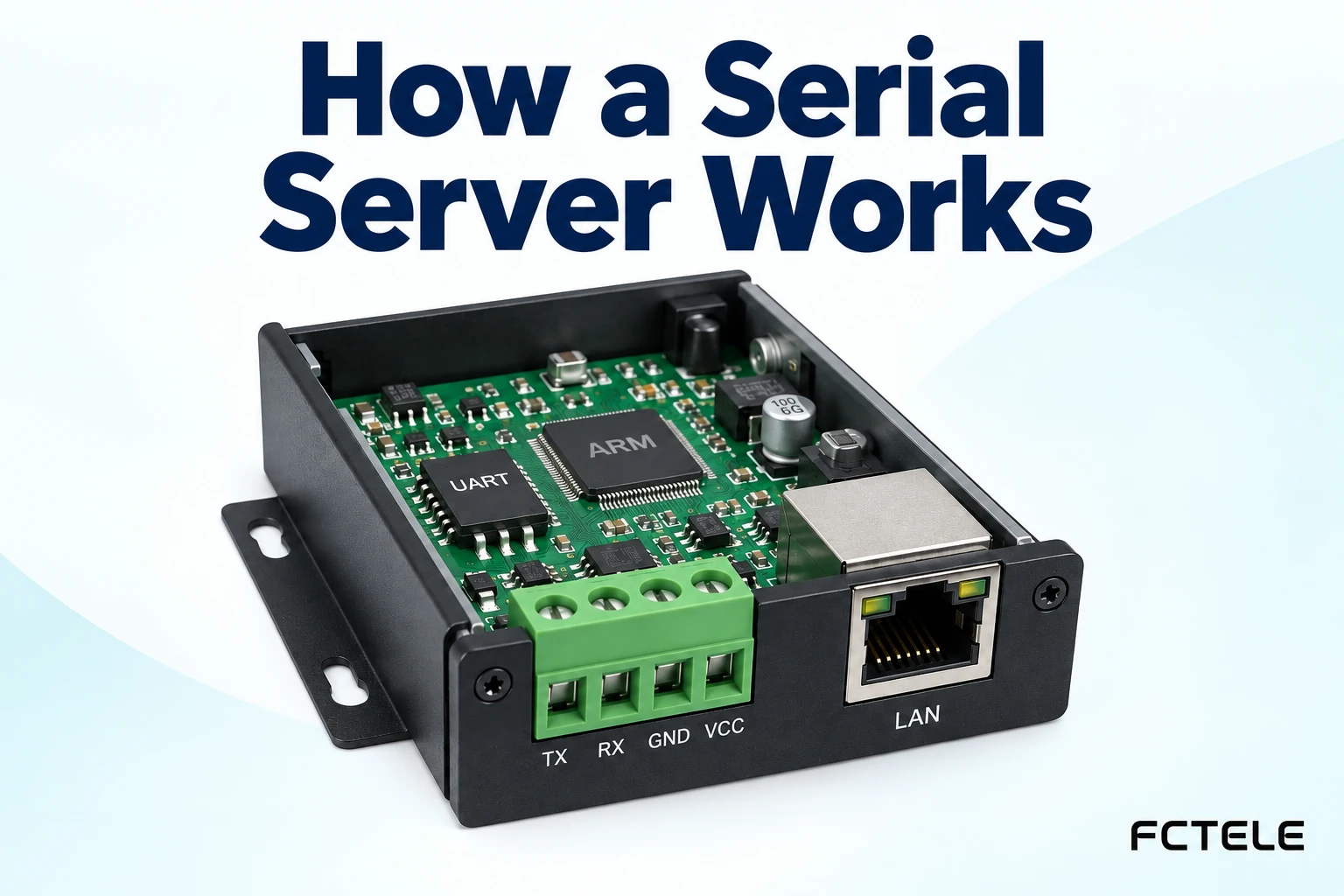
How a Serial Server Works Inside: Electrical Interfaces, UART, and Byte Buffering
Follow serial server data through electrical receivers, UART character handling and finite buffers. Separate interface support from application protocol conversion.

Why Twisted Pair Resists Interference: Differential Reception, Pair Integrity, and Transmission Limits
Explain twisted-pair interference resistance through differential reception and pairing. Separate common-mode rejection from cable loss, imbalance and installation limits.
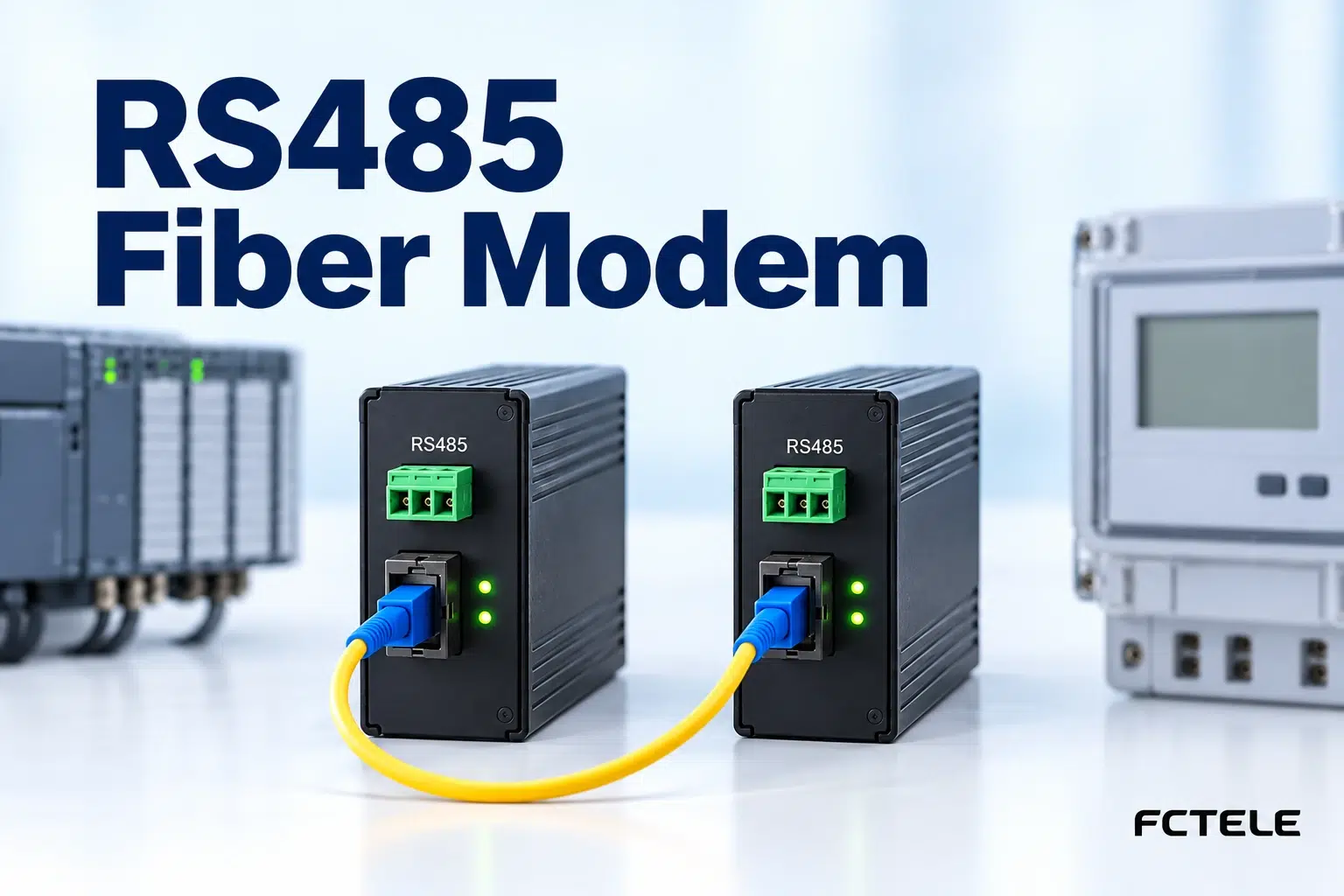
How RS485 Fiber Optic Modems Handle Data Direction: Half-Duplex Timing and Forward/Reverse Definitions
Specify RS485 fiber modem direction by request, response and local bus behavior. Keep surveillance forward/reverse labels separate from polarity and optical pairing.
