
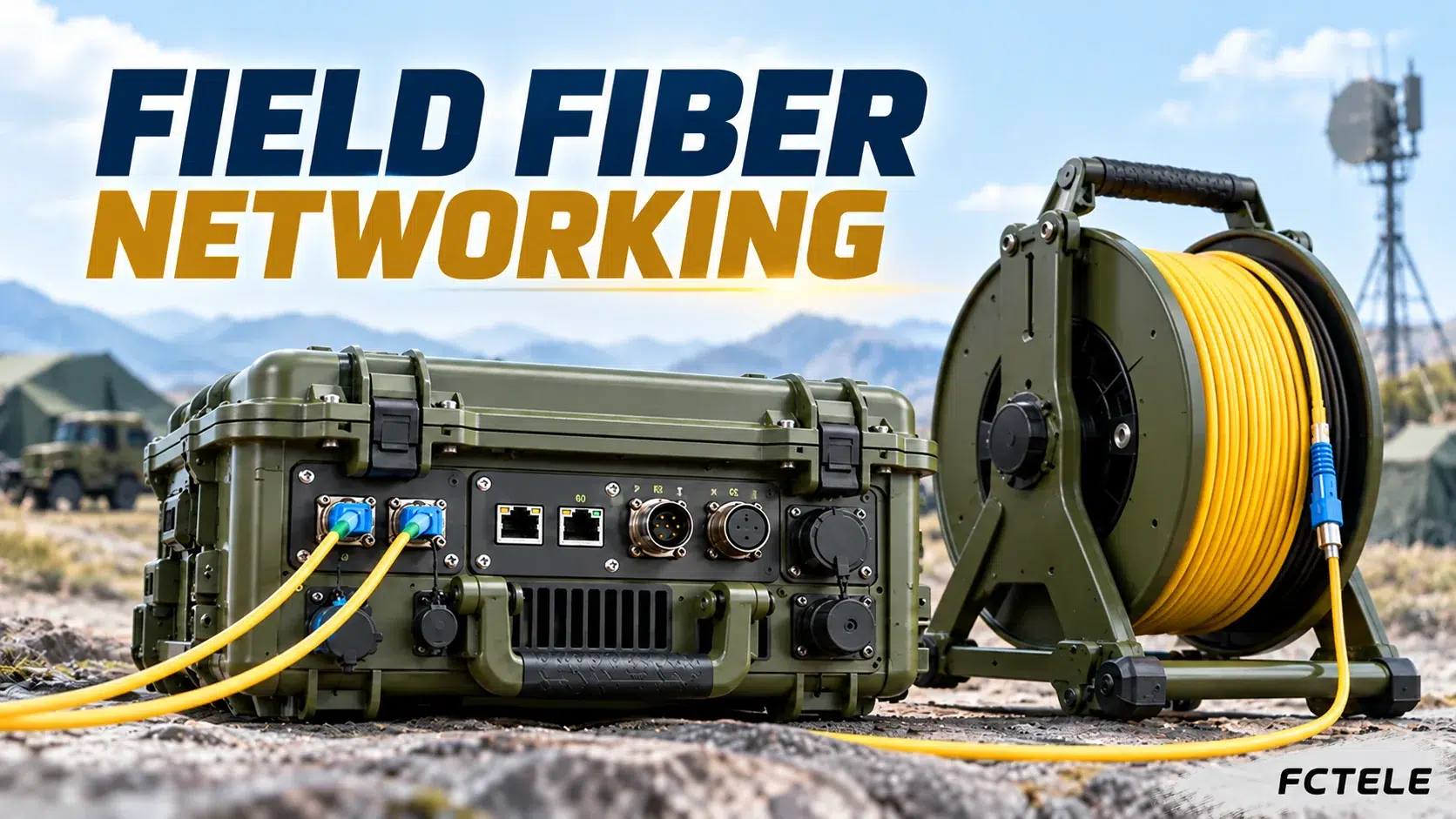
How to Network Field (Portable) Fiber Optic Transmission Devices: Temporary Links, Interface Checks, and On-Site Maintenance
Plan portable fiber links around actual interfaces, a short-link baseline, compatible optics and local power. Preserve cable handling and recovery records at temporary sites.
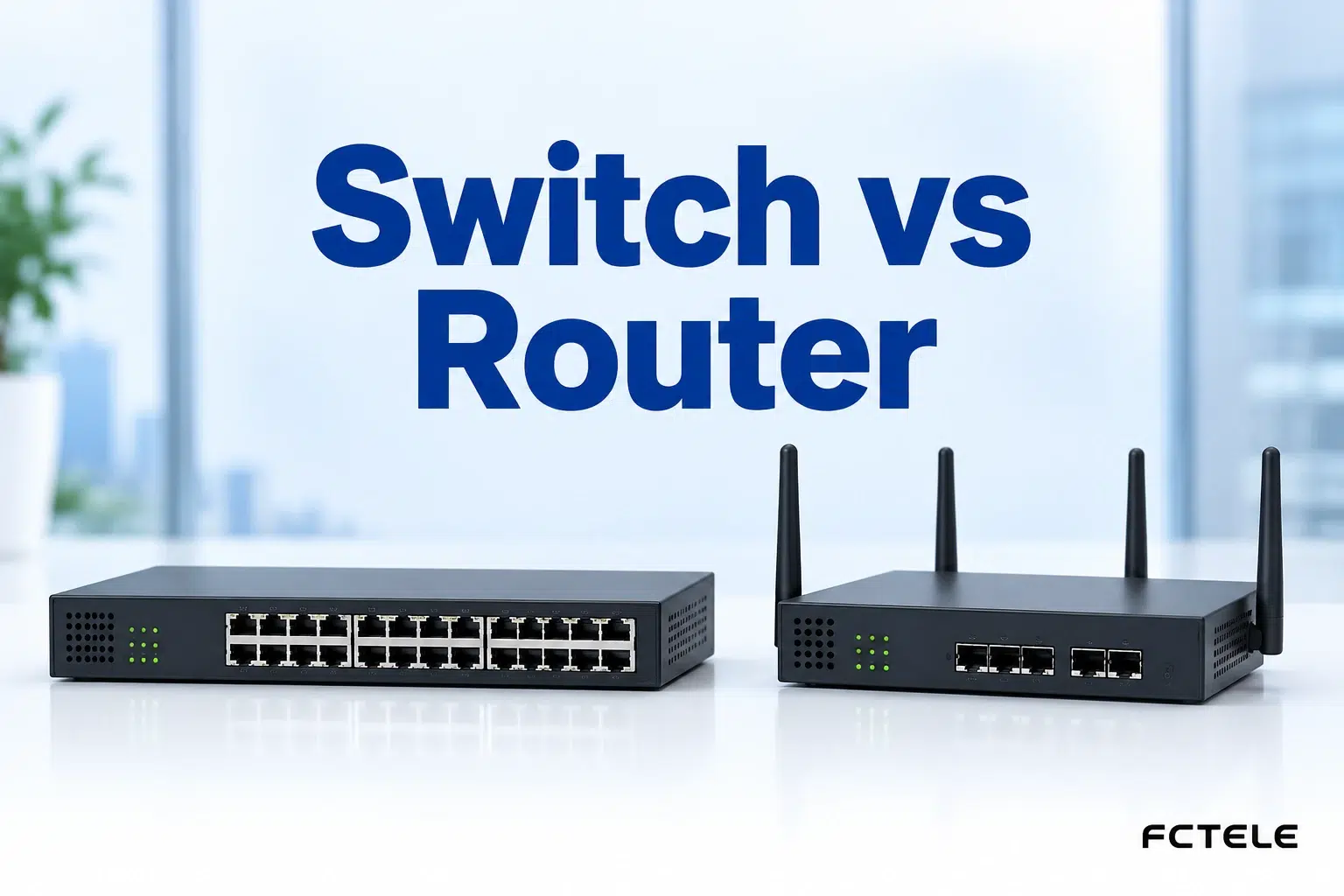
How Switches and Routers Divide Work: MAC Forwarding, Gateways, and Cross-Subnet Communication
Follow local MAC forwarding and cross-subnet IP routing as different tasks. Check host masks, gateway reachability and return routes without assuming NAT is required.
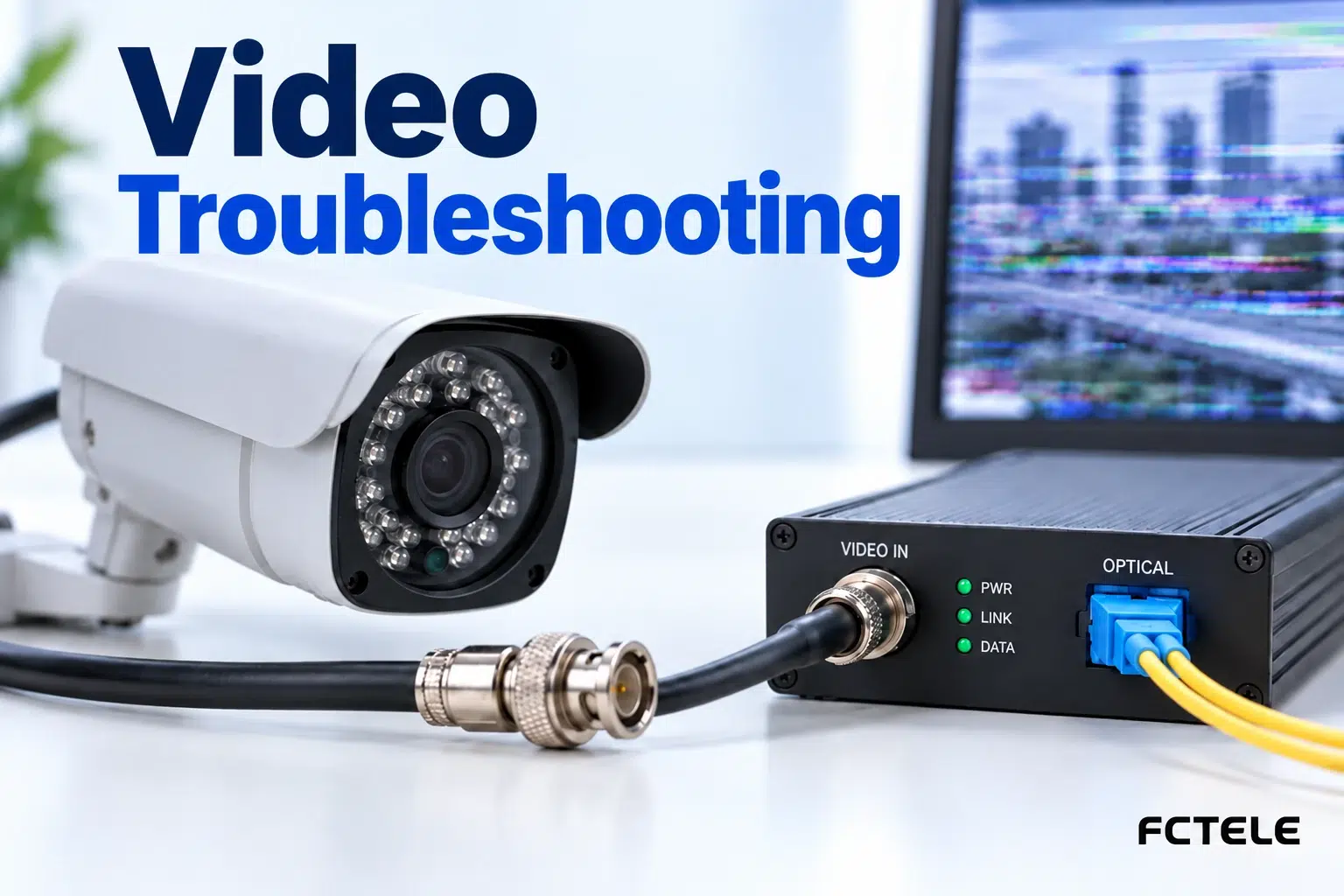
How to Troubleshoot Video Interference: First Separate Analog Signals, Digital Links, and Network Transmission
Distinguish analog waveform noise, digital video errors and IP congestion before replacing equipment. Use compatible short-link tests and preserve safe power and grounding.
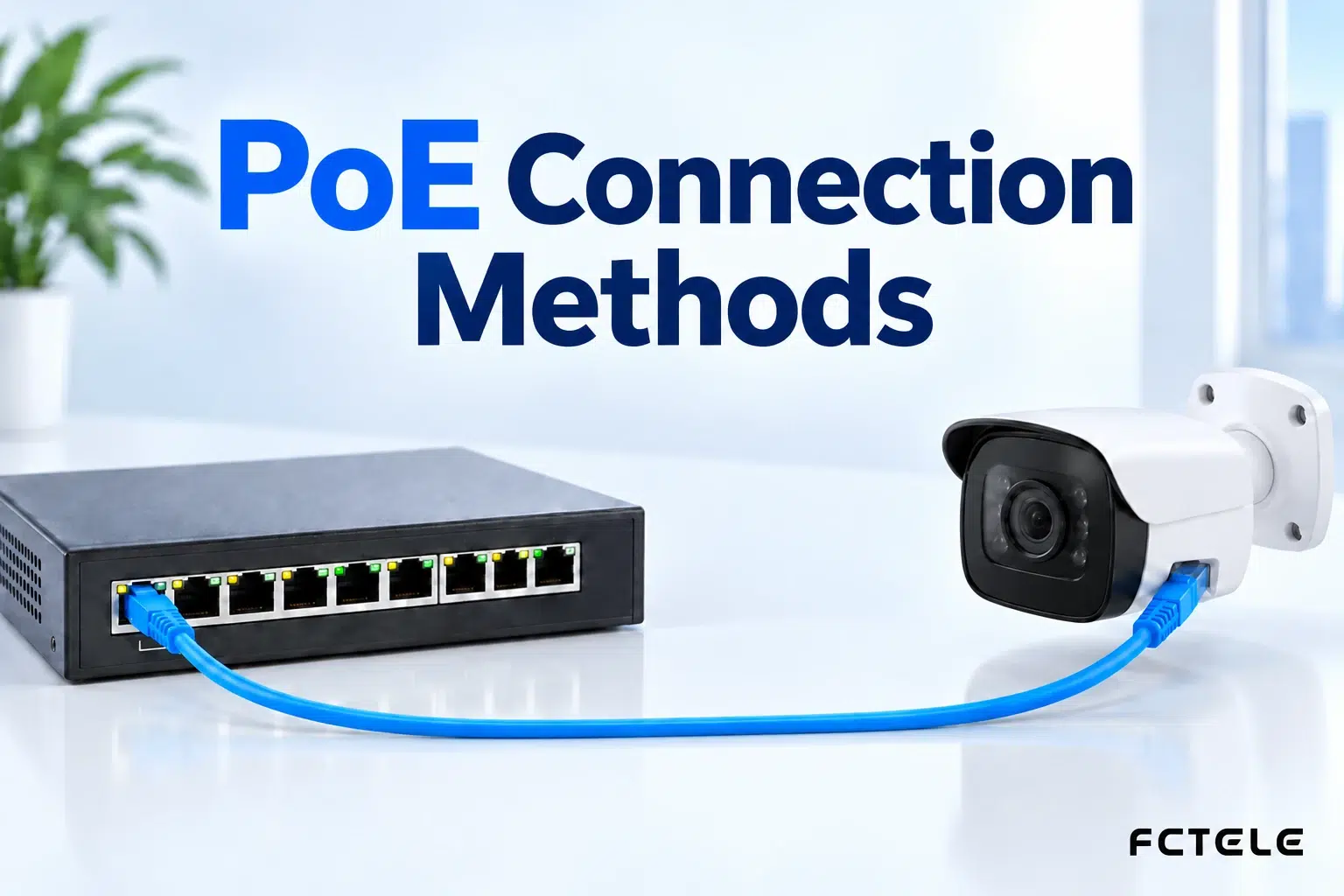
Four PoE Connection Methods: Power Sourcing Equipment, Powered Devices, and Splitters
Choose PoE switch, injector and active splitter arrangements by their power roles. Verify detection, converted DC output and budget instead of trusting connector shape.
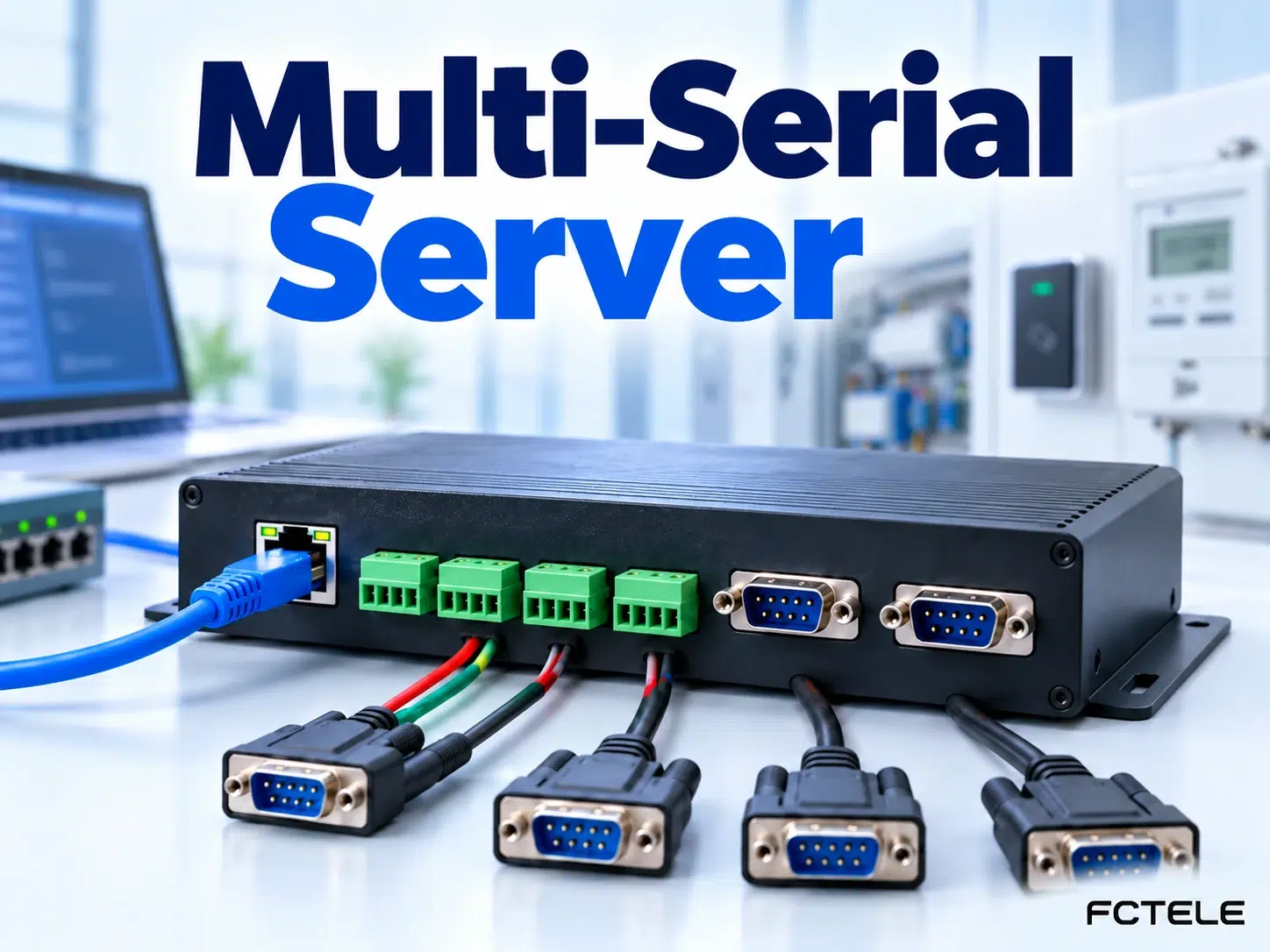
How a Multi-Serial Server Works: Connection Modes, Serial Parameters and Wiring
Commission multi-port serial servers with explicit channel maps, electrical standards and network roles. Verify raw replies and application framing before adding devices.
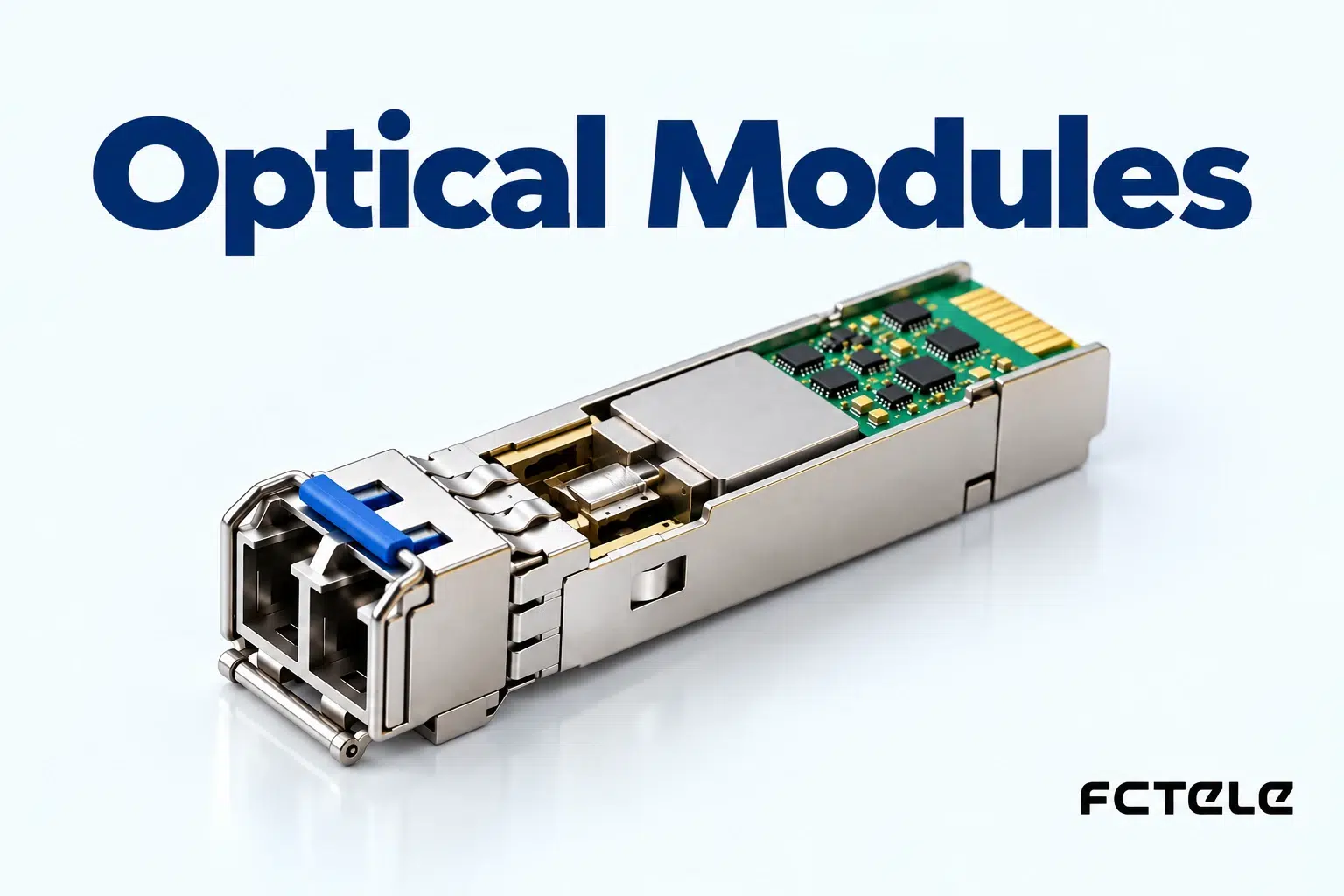
How Optical Modules Work: Light Emission, Reception, and Package Types
Follow optical module transmit and receive paths, receiver limits and host compatibility. Distinguish SFP packaging from rate, protocol and actual optical pairing.
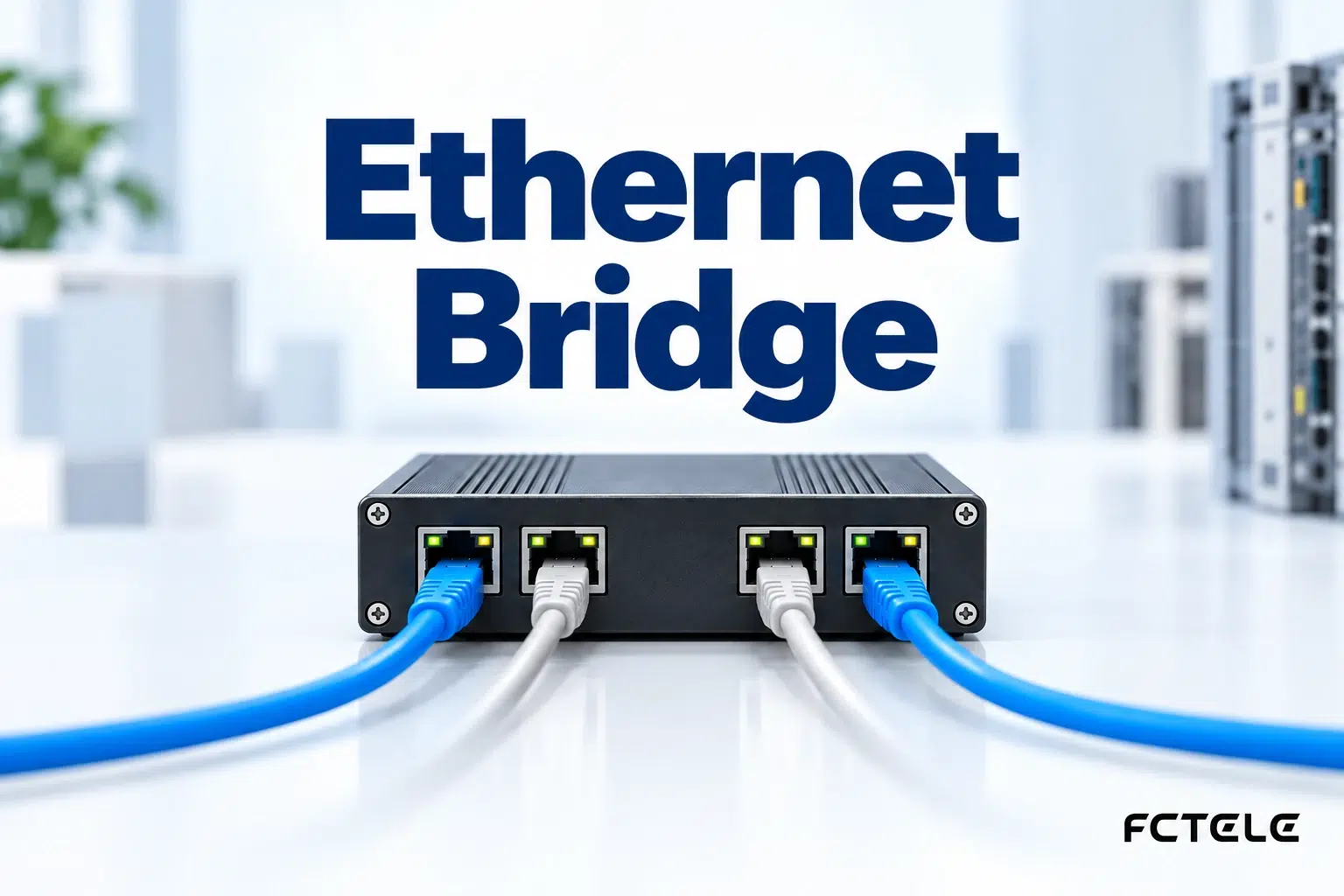
How Bridges Are Classified: Boundaries of MAC Learning, Spanning Tree, and Routing Functions
Understand transparent bridge learning and unknown-unicast forwarding, then separate spanning-tree path control from IP routing and historical bridge classifications.

Understanding the Smart Rock Project: Sensing, Transmission, and Alarm Linkage
Trace a monitoring event from sensor input through the network to platform association and operator review. Verify freshness and timing without inventing project claims.
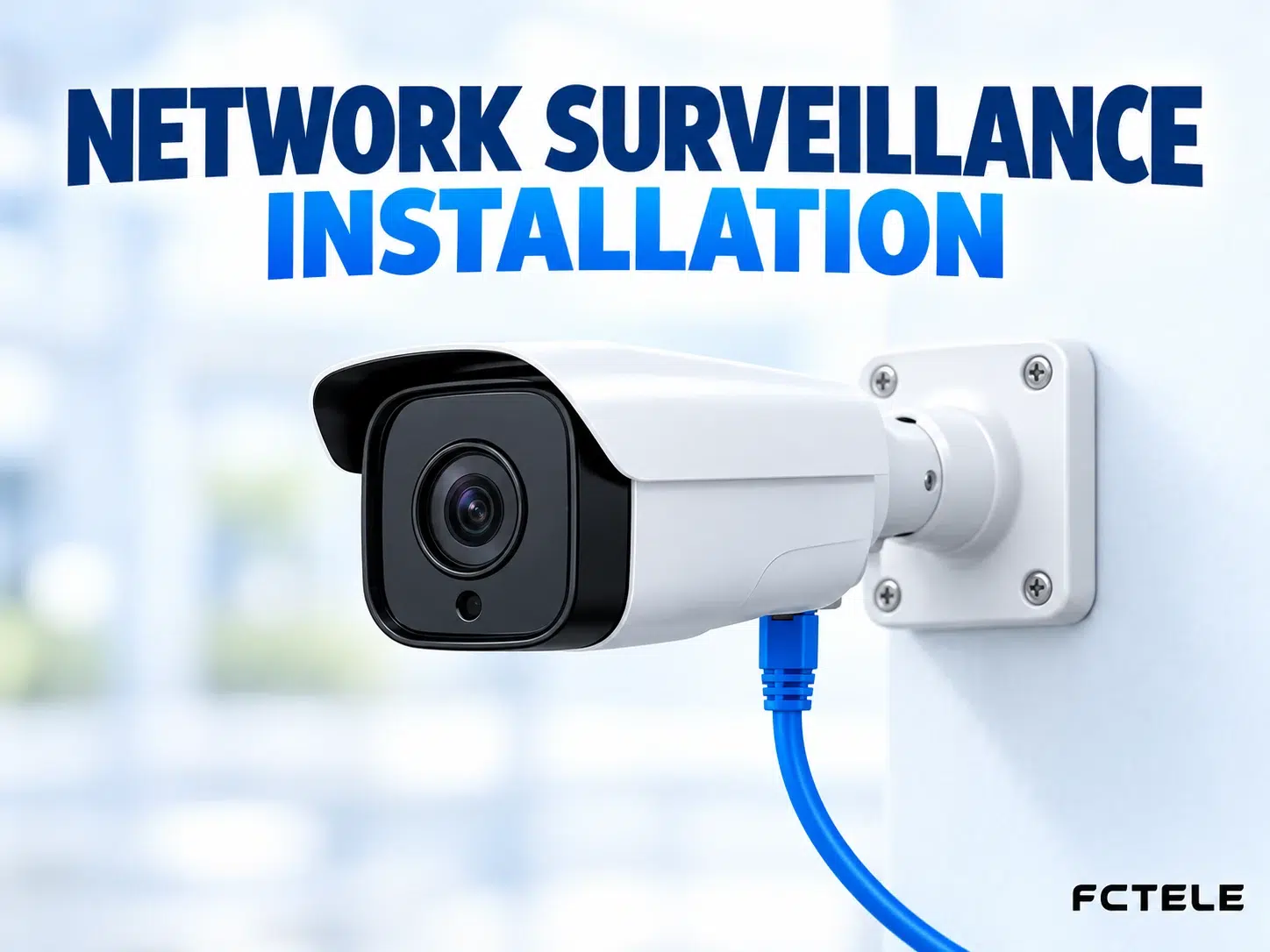
How to Install a Network Surveillance System: Four Connection Methods and Their Applicable Boundaries
Compare four IP camera connection options by power, transport and recording needs. Verify aggregate streams, supported video services and recovery beyond a live picture.
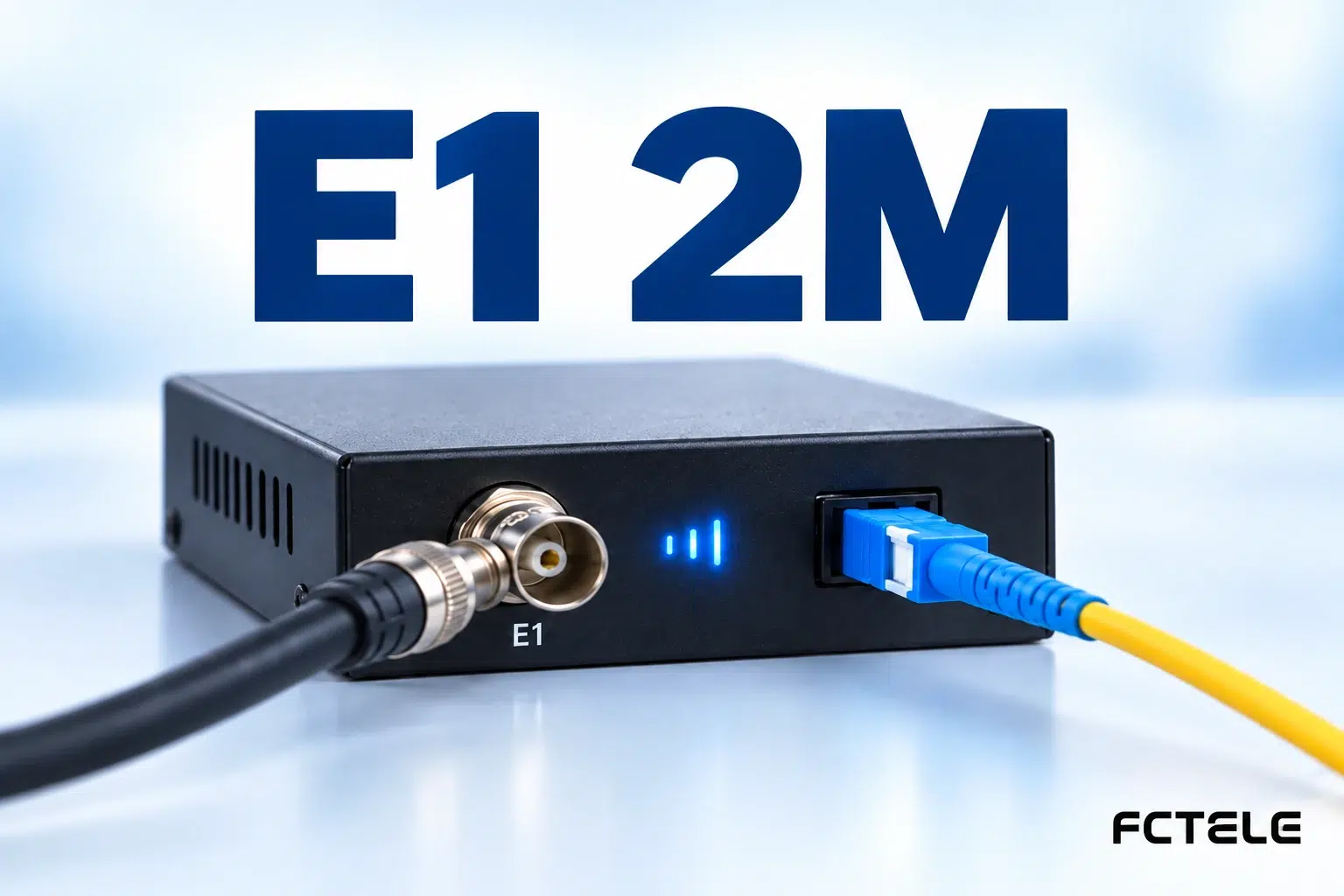
What 2M Means on a Fiber Optic Transmission Device: E1 Rate, Time Slots, and Fiber Transmission Explained
Understand E1's 2.048 Mbit/s line rate, framed time slots and timing requirements. Keep channel allocation and application throughput separate from the optical medium.
