

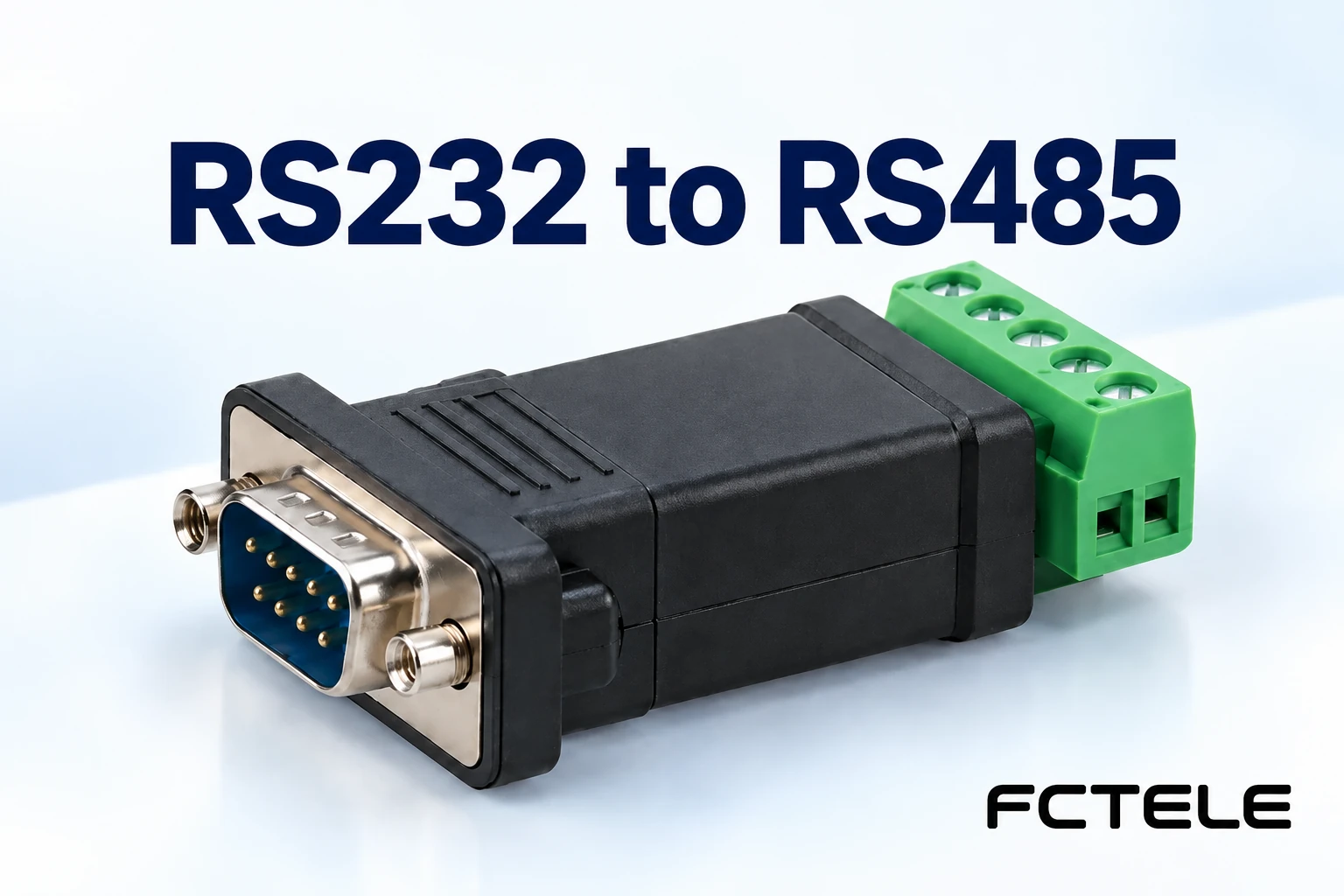
How RS232-to-RS485 Converters Work: Signals and Direction Control
Follow RS232 single-ended reception into RS485 differential driving, then verify unchanged character/protocol requirements, power and two-wire direction release.
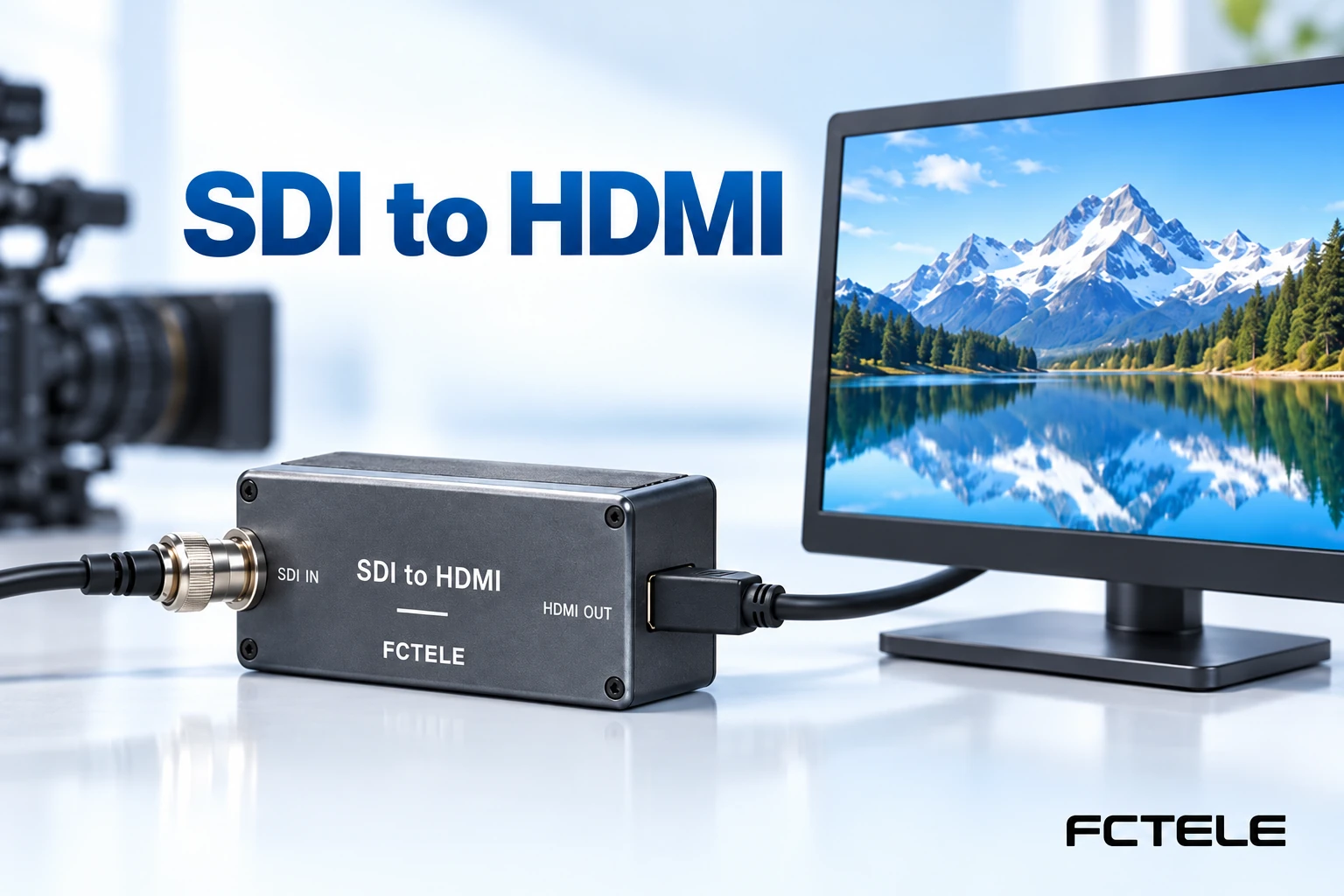
SDI-to-HDMI Conversion: Video, Audio and Power Checks
Check active SDI-to-HDMI reception, video mapping, embedded audio and display support separately, using the delivered converter power and version details.
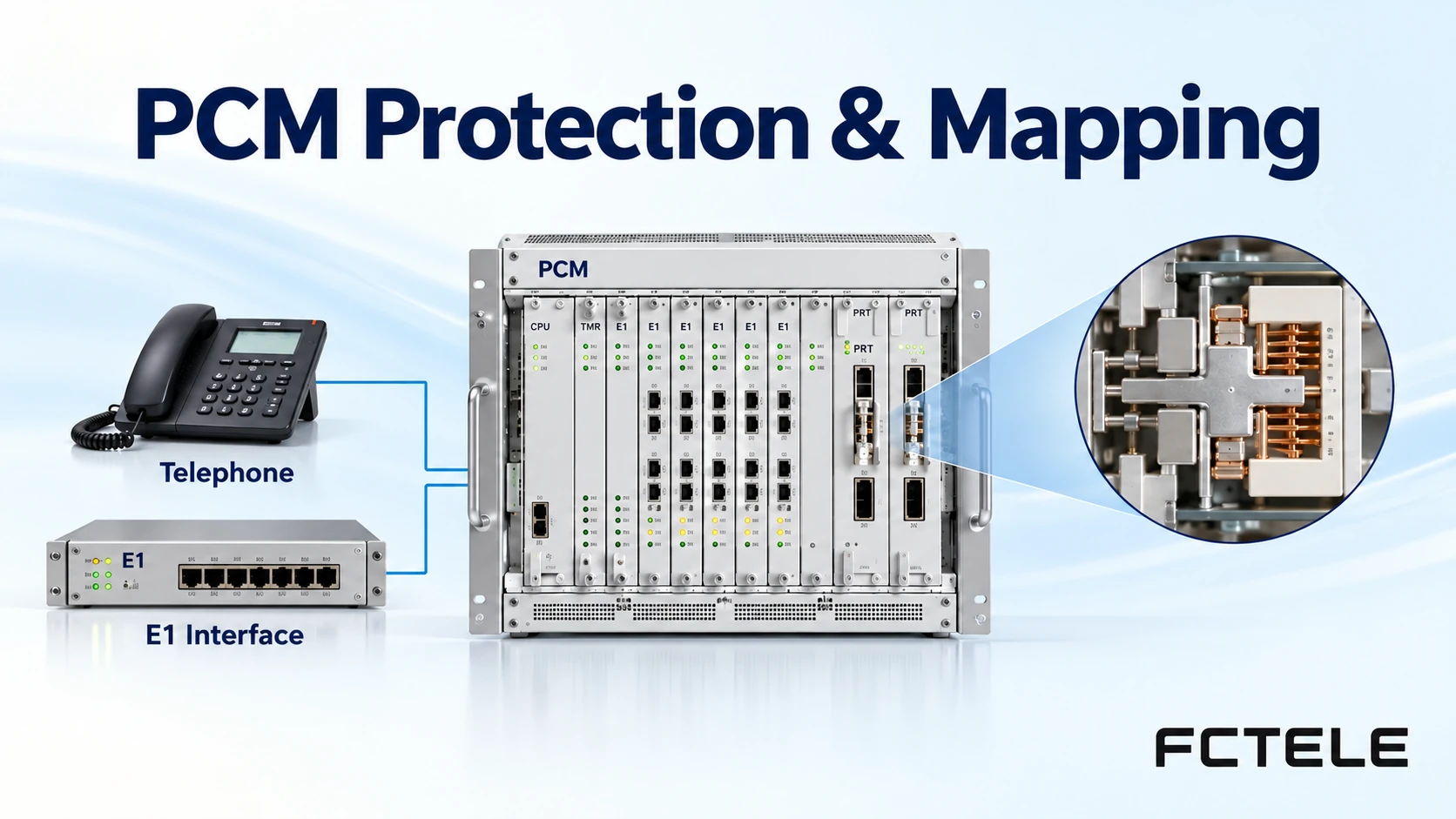
PCM Timeslot Cross-Connect and Dual E1 Protection
Separate timeslot remapping from bearer failover in PCM systems. Verify destination channels, backup timing and actual call continuity after changes.
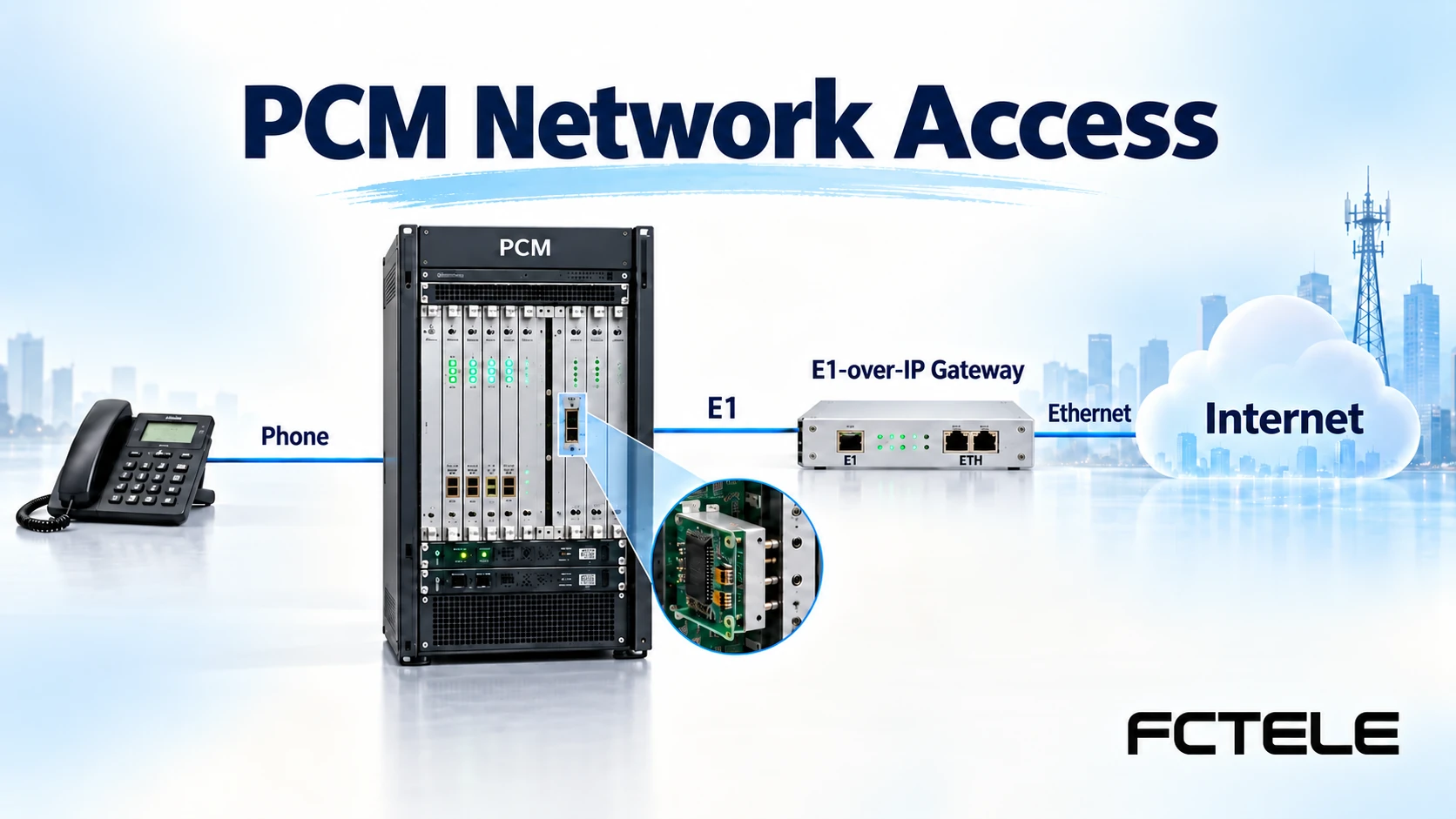
PCM Public Network Access: Telephone, E1, and IP Transport
Identify whether public access means PBX outside calling, a carrier E1 circuit or IP transport. Circuit emulation, timing and permissions need separate proof.
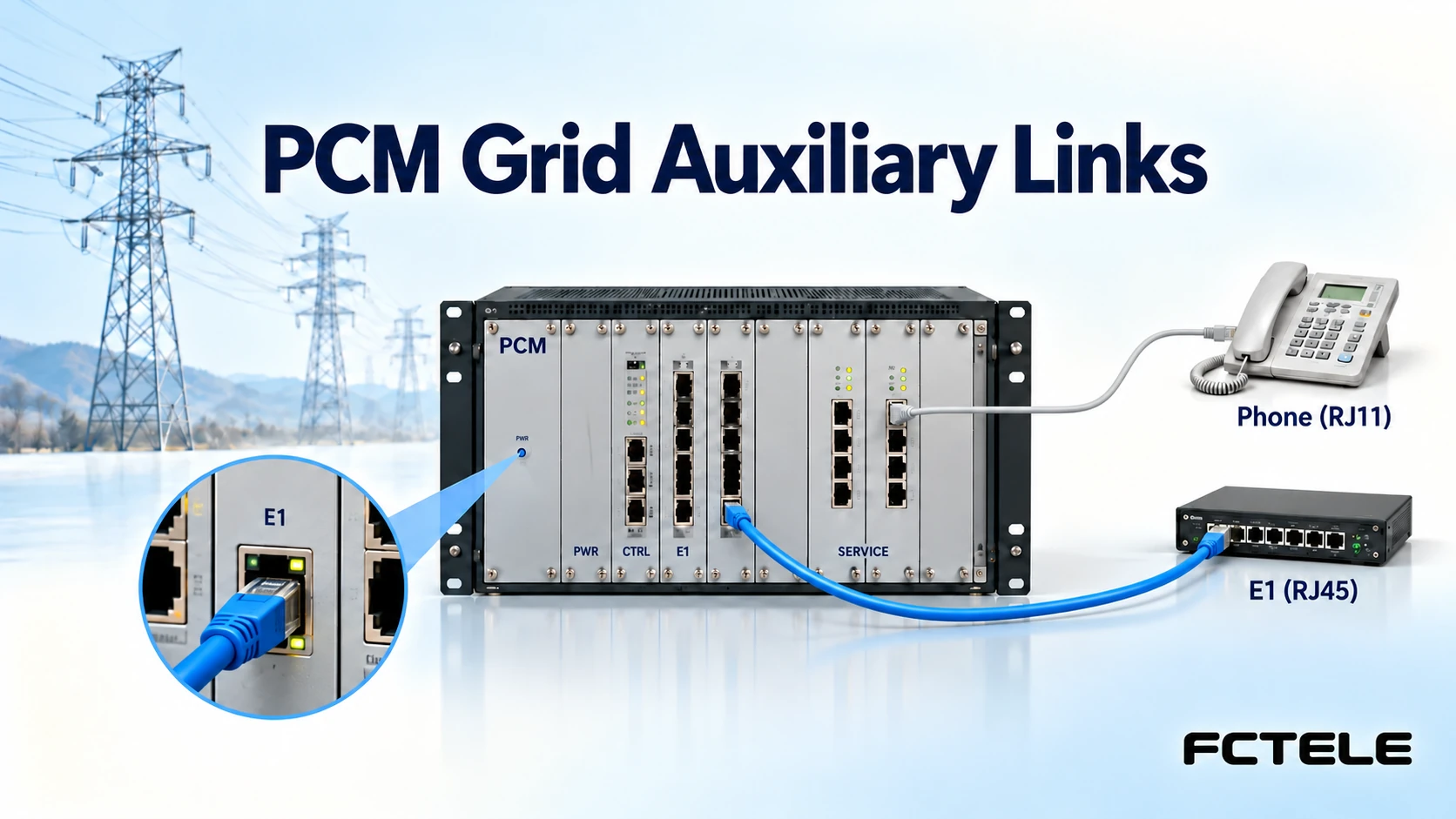
PCM for Grid Auxiliary Communication: Timing and Protection Limits
Plan grid auxiliary PCM voice and serial links with channel, timing and fault records. Keep teleprotection qualification separate from ordinary call tests.
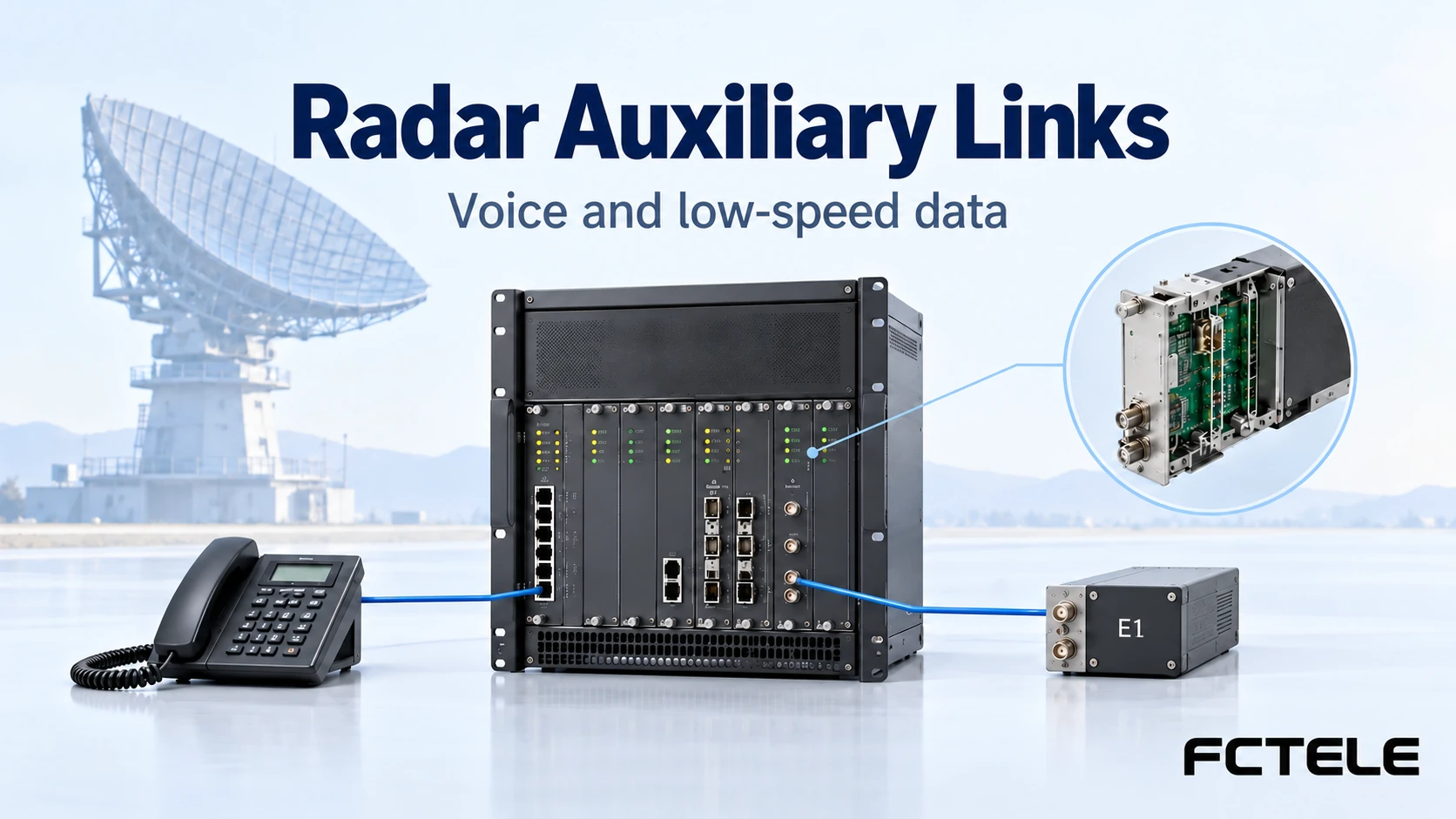
PCM at Radar Sites: Auxiliary Voice and Serial over E1
Define radar-site auxiliary PCM interfaces and service direction before sizing E1 resources. Byte transport does not interpret radar messages or replace RF links.
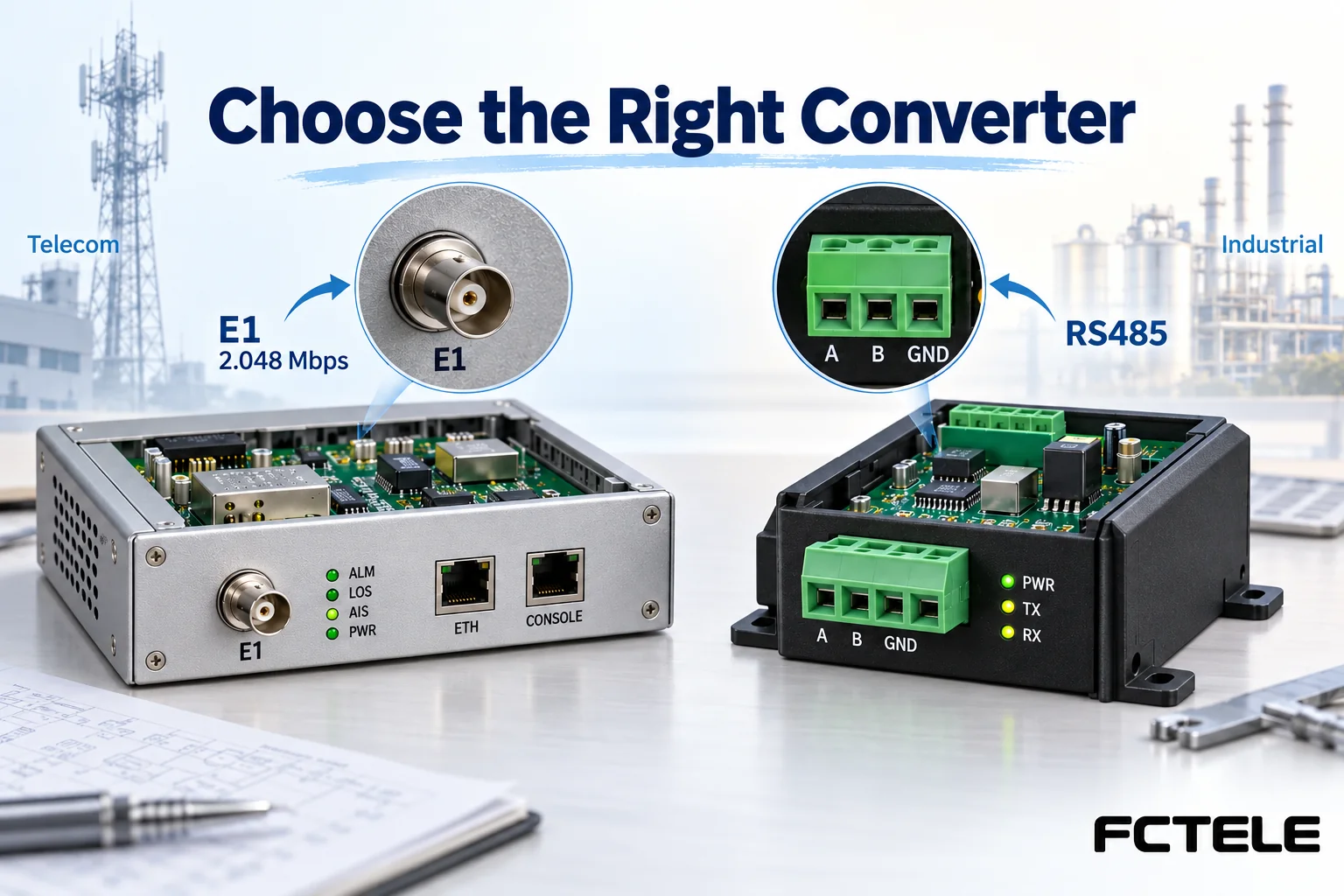
Choosing a Protocol Converter Supplier: Telecom and Industrial
Choose protocol converter suppliers using the exact telecom bearer or industrial data task. Verify model evidence, sample behavior and repeatable delivery settings.
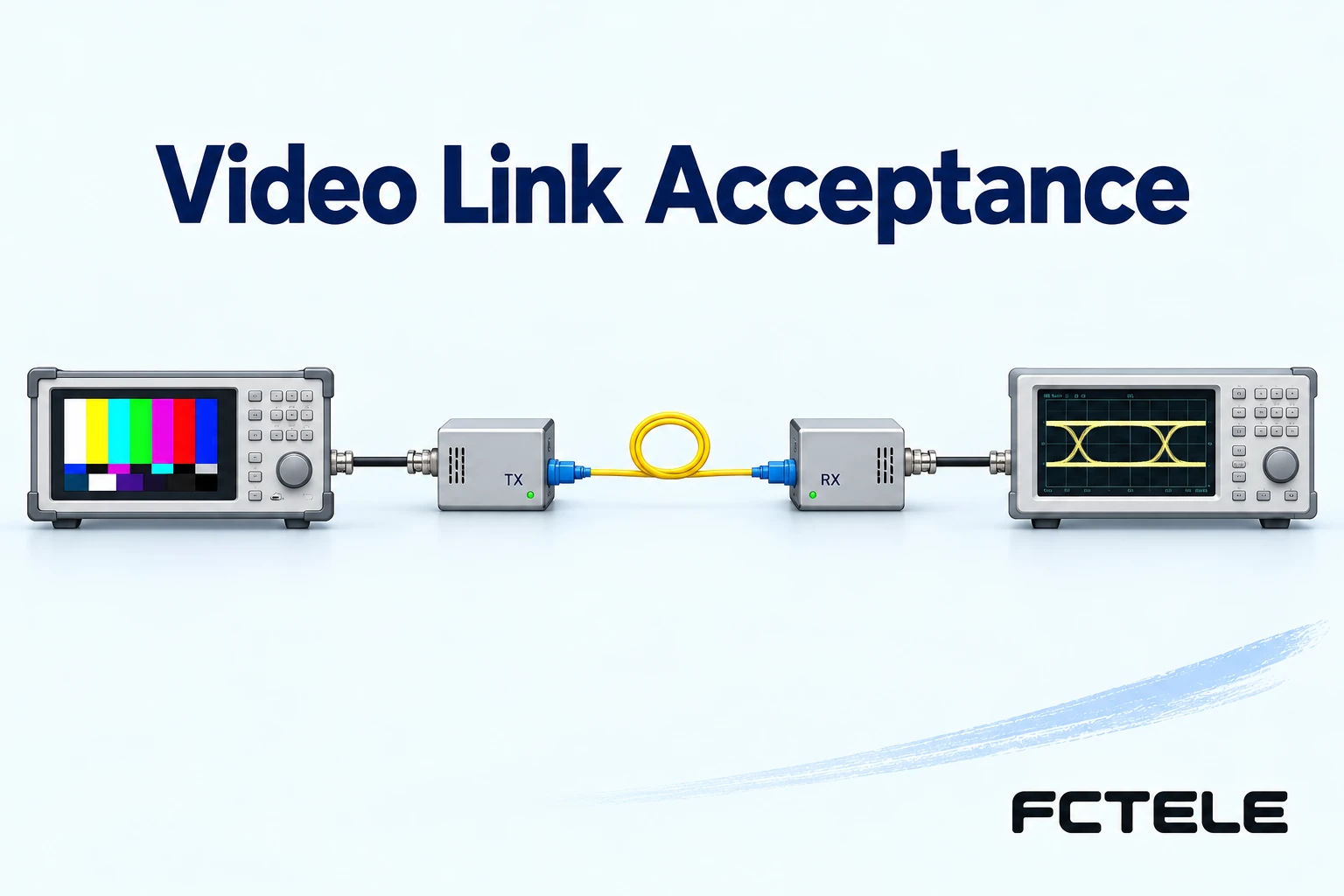
Video Fiber Converter Specifications and Acceptance Testing
Write video fiber acceptance around CVBS, SDI or HDMI interfaces. Define test signals, termination, full modes and concurrent services before judging results.
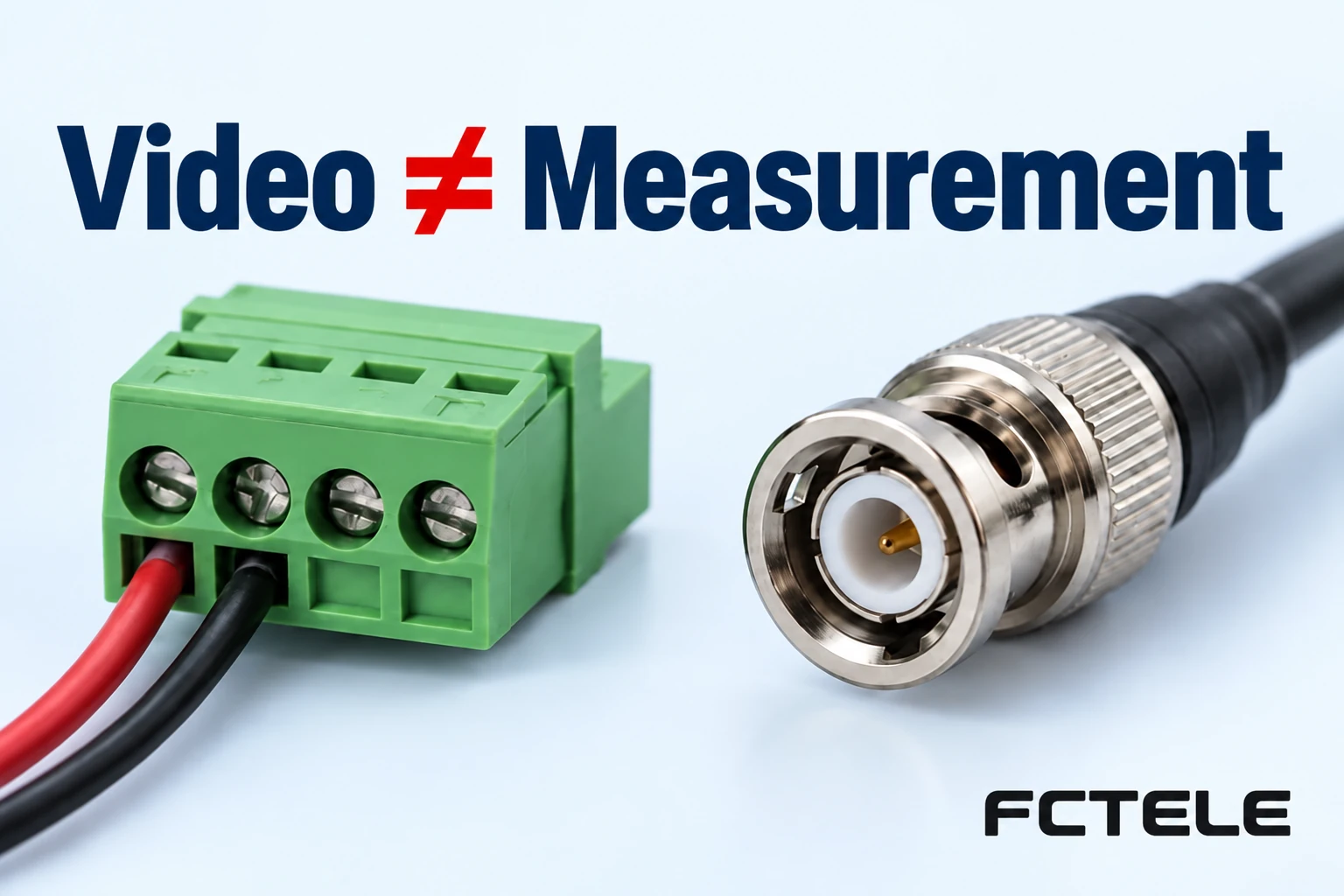
Analog Video vs Measurement Signals over Fiber
Separate CVBS video from current and voltage measurement links. Internal sampling or historical PFM does not make their electrical ranges or tests interchangeable.
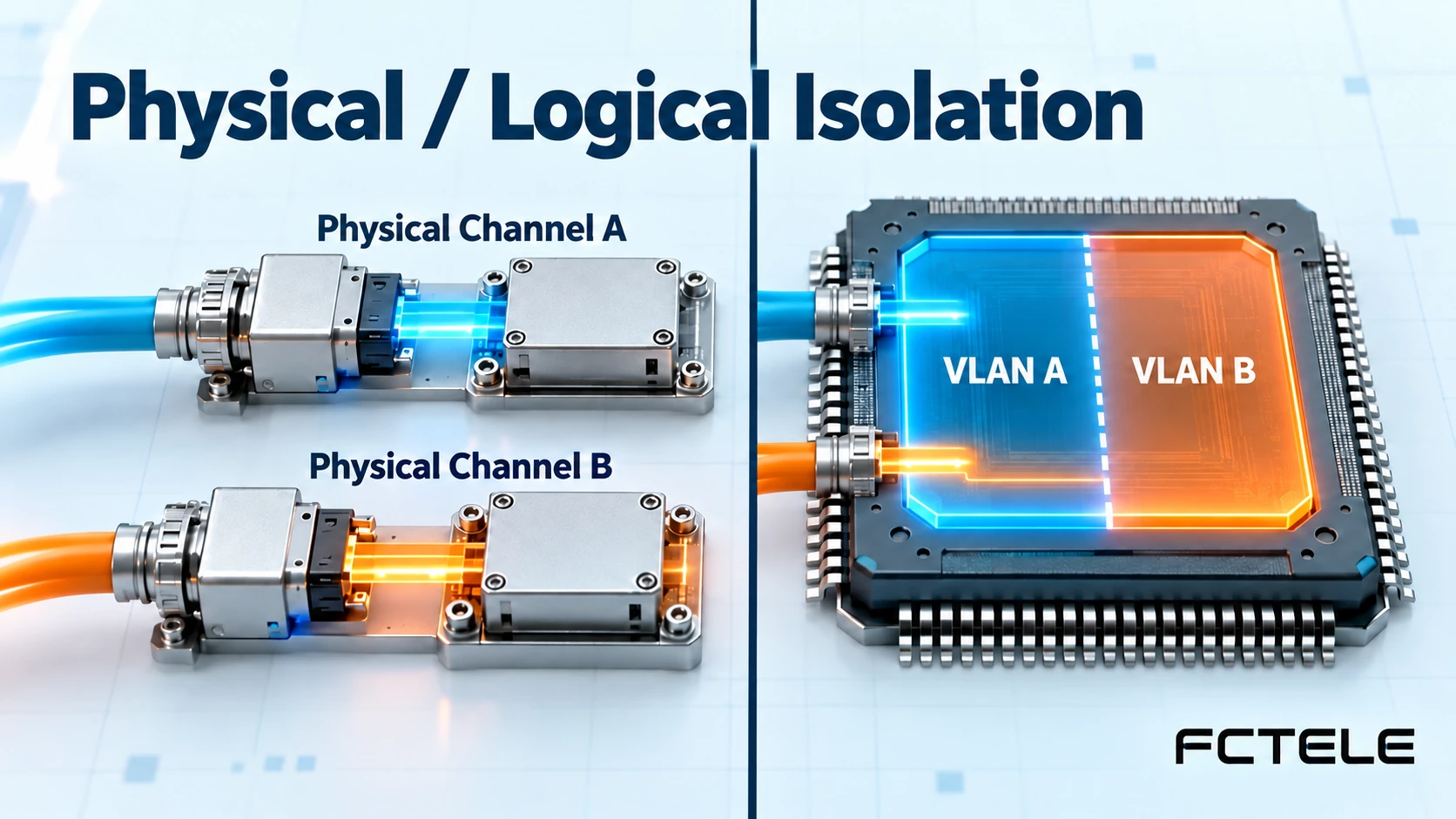
Physical vs Logical Network Isolation: Architecture and Testing
Compare hardware channels and VLAN isolation through forwarding paths, concurrent traffic and management tests. Fiber alone cannot establish a security boundary.
