

Fiber Optic Transceivers and Optoelectronic Converters: Synonymous Usage and Technical Boundaries
Interpret converter names by input service, output service and optical pairing. Separate Ethernet media conversion from PON access, video and serial protocol conversion.
How Industrial Switches Compare with Network Switches: Communication, Environment, and Management Considered Separately
Compare industrial and other Ethernet switches using shared forwarding needs, cabinet conditions and documented management functions. Avoid claims based on enclosure labels.
Access, Aggregation, and Core Switches: Deployment Roles vs. Forwarding Layers
Plan access, aggregation and core roles from real communication paths. Keep deployment position separate from Layer 2 bridging, Layer 3 routing and address translation.
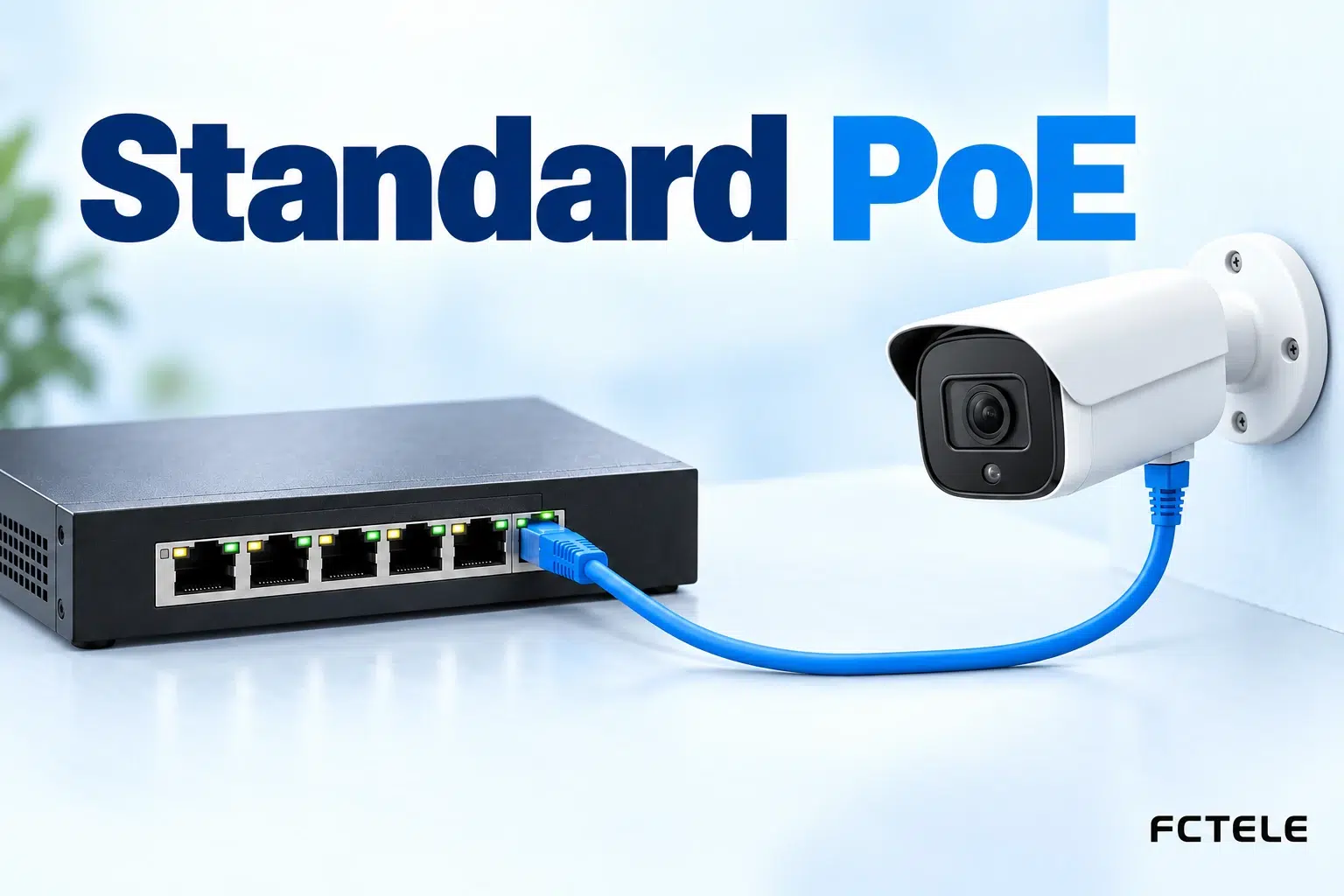
Standard PoE vs Non-Standard Power: Detection, Compatibility, and Power Budget
Check standard PoE detection, passive power compatibility and available terminal power. Separate port ratings, whole-switch budget and cable loss before connection.
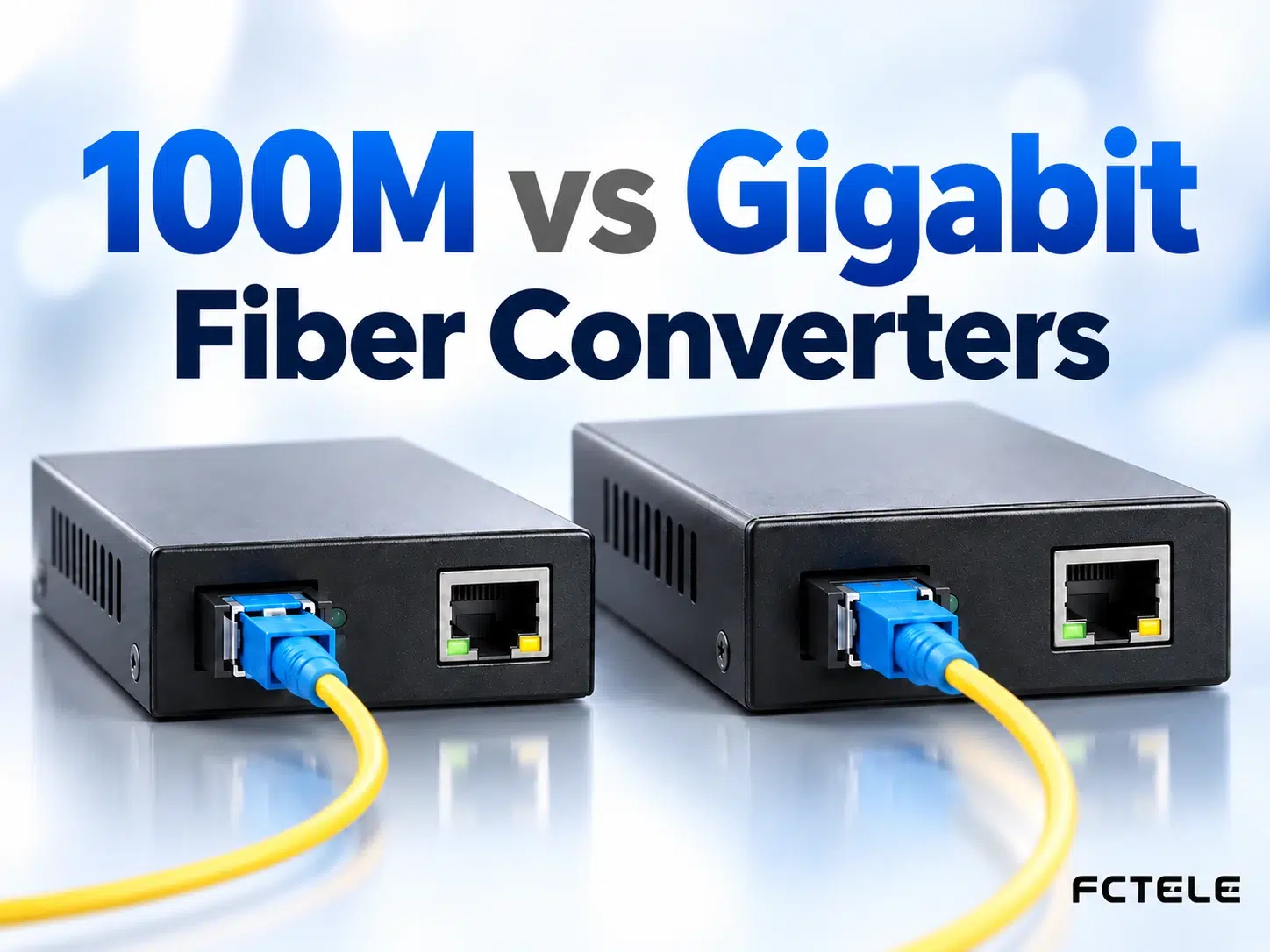
100M vs Gigabit Fiber Media Converters: Speed Compatibility and Bandwidth Needs
Compare copper and optical speeds, far-end compatibility and shared traffic before a media converter upgrade. A gigabit label cannot remove another link's bottleneck.
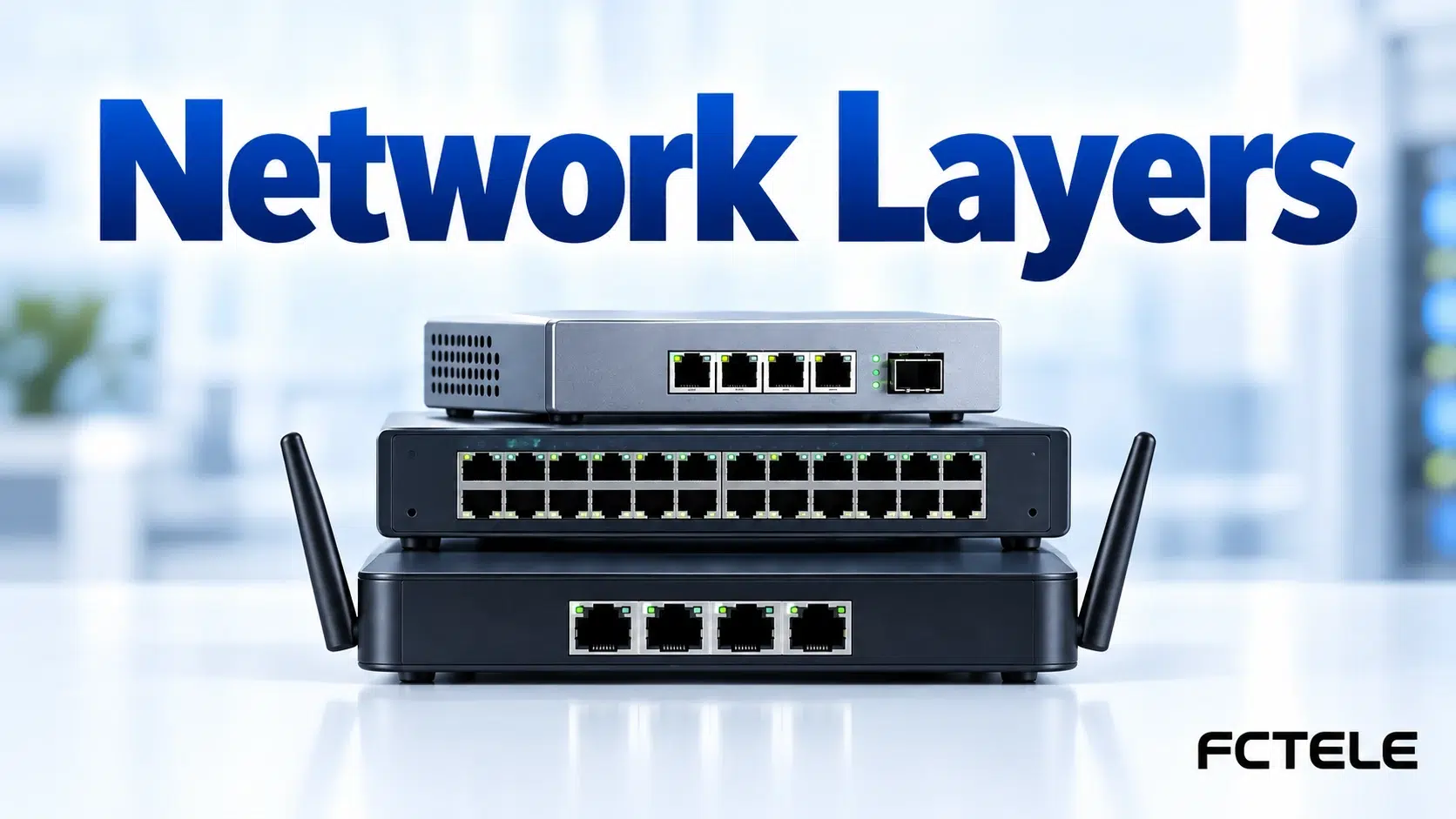
Hubs, Switches and Routers: Which Layer Processes the Data
Compare hub signal repetition, switch MAC forwarding and router next-hop selection. Use the processing function, not the chassis name, to identify each network role.
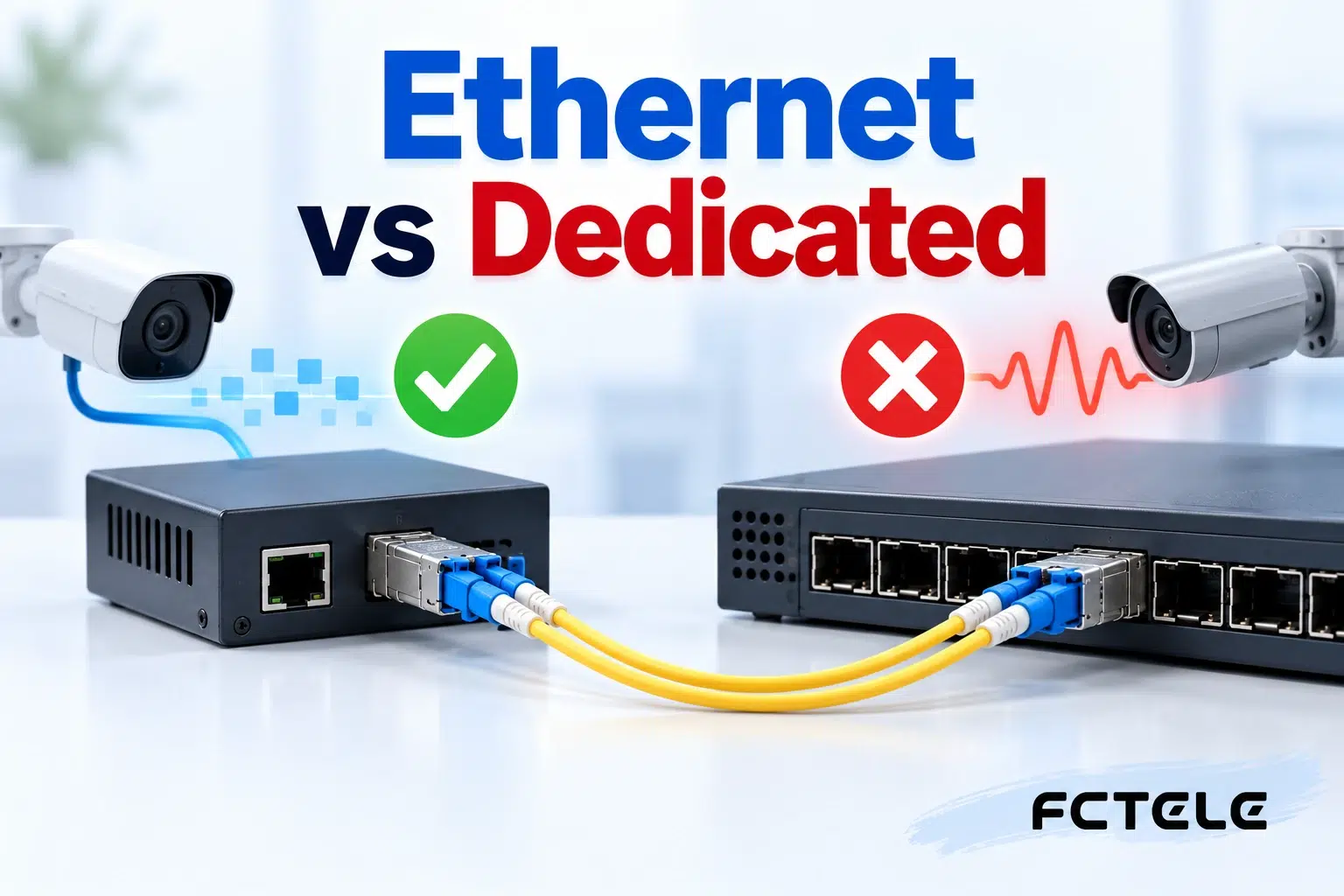
Connecting Fiber Transmission Equipment to Switches: Ethernet and Dedicated-Service Links
Decide whether an optical device can connect directly to an Ethernet switch by its protocol, rate and optical pairing. Dedicated video or E1 requires a supported path.
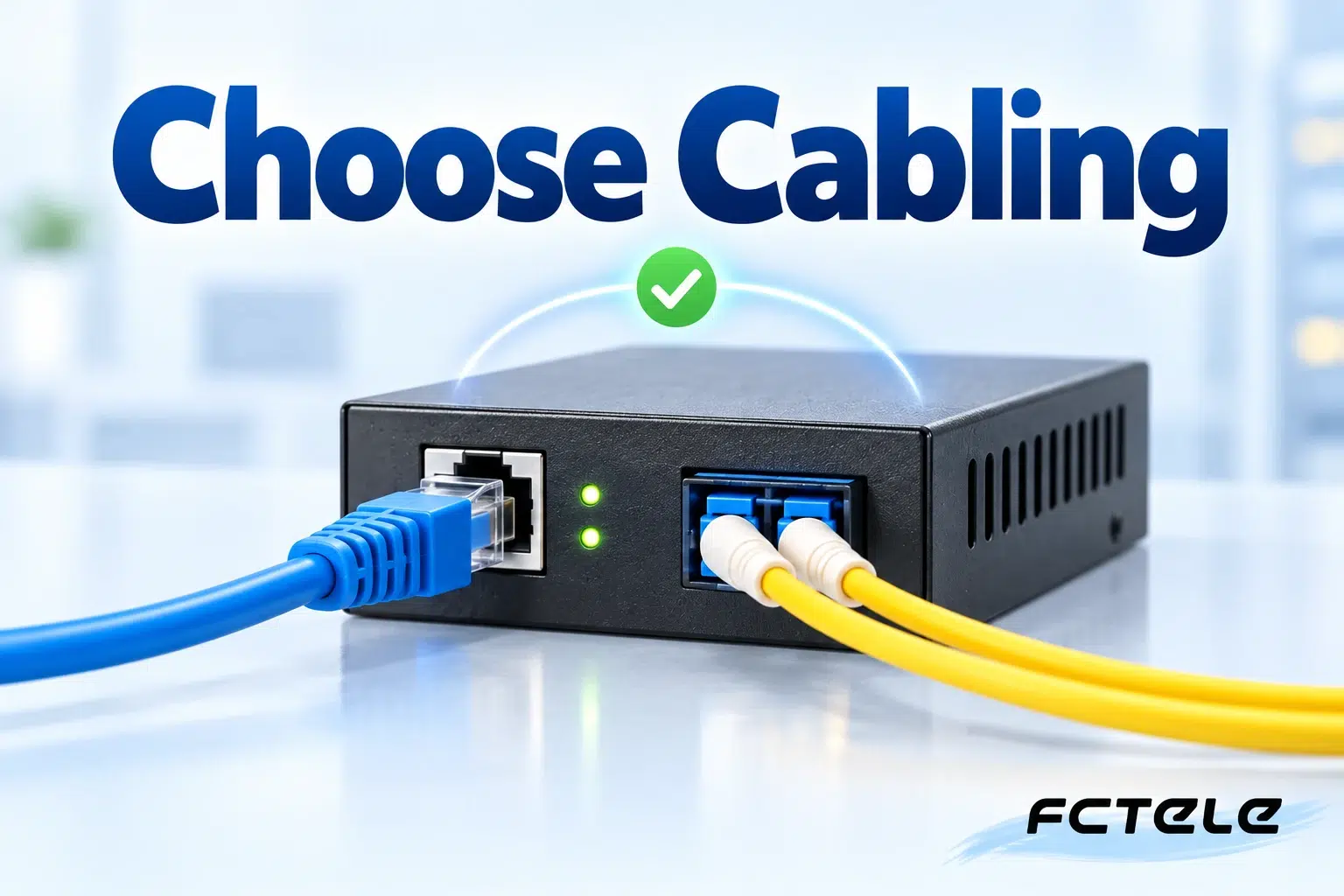
Cabling Gigabit Ethernet Media Converters: Copper Channels, Optical Matching and Testing
Check all four 1000BASE-T pairs, channel performance and paired optical specifications. Separate wire continuity from cabling certification and receive-power acceptance.
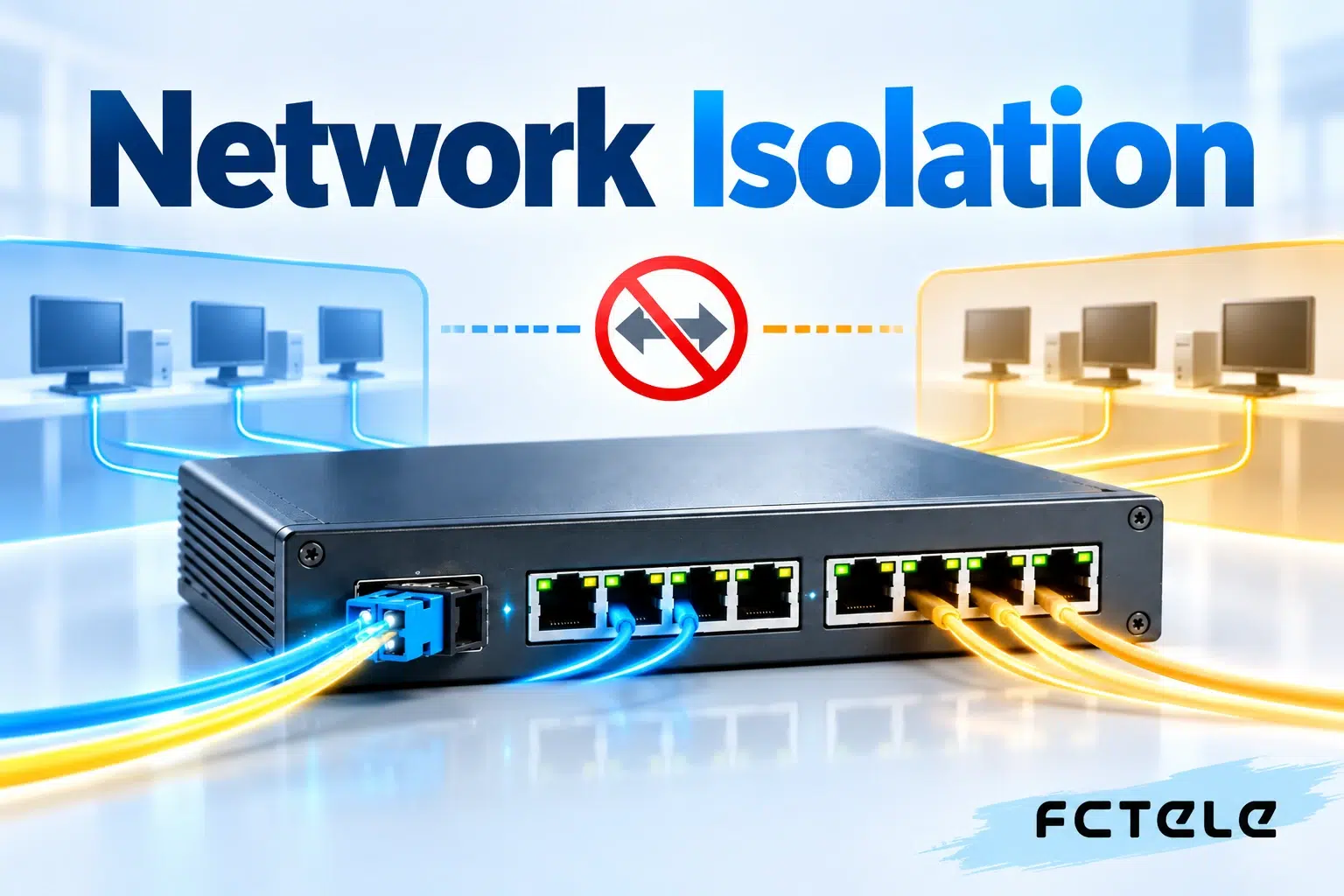
Separating Networks with Multi-Port Fiber Media Converters: VLANs and Physical Isolation
Separate electrical non-conduction, VLAN forwarding boundaries and physical network separation. Trace shared chips, management paths and uplinks before claiming isolation.
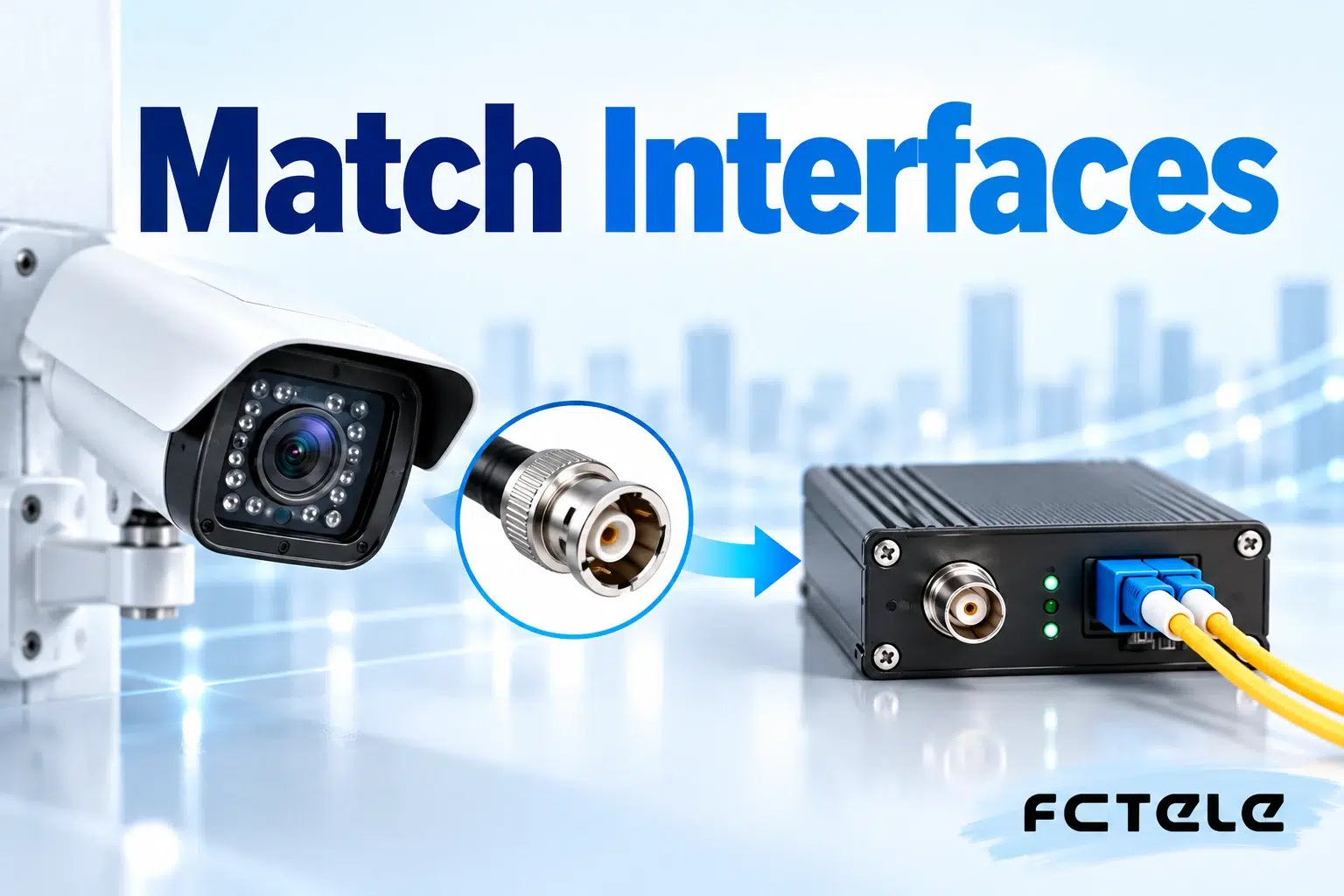
How to Choose Optical Transmission for Security Monitoring: Analog Video, IP Cameras, and Optical Link Acceptance
Select surveillance optical equipment by the camera signal and receiver. Verify auxiliary channels, optical power and recording performance when retaining or upgrading fiber.
